
Updated: October 27, 2026
A wedding where the ceremony is the main event
At many weddings the ceremony is twenty minutes and the reception is five hours. A Greek Orthodox wedding works differently. The church service is long, full of ritual and almost entirely visual: rings exchanged three times, crowns joined by a ribbon, a shared cup of wine and the first steps the couple take together as a married pair, walking around the altar table. There are usually no spoken vows, so the story of the ceremony lives in gestures, not words.
For a videographer, that means the most important footage of the day happens inside a church with strict rules, low light and moments that pass in seconds. For couples in Miami, many of whom are marrying into a Greek family or blending traditions, it also means choosing a video team that knows what to expect before they walk in.
This guide explains the parts of a Greek Orthodox wedding, the church rules that shape coverage, and how the reception traditions translate into film.
Before the church: the krevati and getting ready
Some families hold a krevati, the bed-making custom, a few days before the wedding or on the morning itself. Friends and relatives make the couple's bed, throw money, rice and sugared almonds on it, and sometimes roll a baby across it for luck. It is lively, often loud and very personal. If your family plans one, tell the videographer early, because it may need to be scheduled as a separate coverage block.
Getting-ready coverage follows the usual pattern, with one addition: the koumbaros or koumbara (the sponsor, similar to a best man or maid of honor but with a religious role) often arrives with the crowns, the stefana, and sometimes the wedding candles. These are worth filming in detail before they disappear into the church. For more on morning coverage, see our guide to getting-ready and first-look coverage.
The ceremony, step by step
The service of betrothal
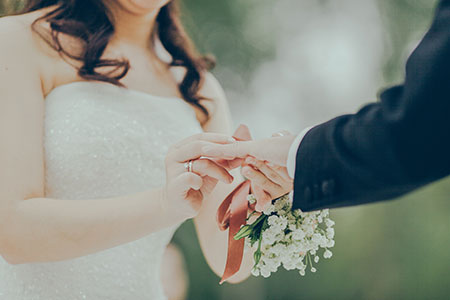
The priest blesses the rings and places them on the couple's right hands. The koumbaros then exchanges the rings between the bride and groom three times. It happens quickly and at hand level, so a tight shot on the hands is essential. The couple usually hold lit candles throughout the service.
The crowning
The stefana, two crowns joined by a ribbon, are placed on the couple's heads and then exchanged three times by the koumbaros. This is the central moment of the service and the image most families want on their wall. You need a clear angle that shows both faces, both crowns and the koumbaros's hands, ideally from slightly in front and to the side.
The common cup
The couple drink three times from a shared cup of wine, a sign of the life they will share. Coverage should show the cup reaching each of them, which means anticipating where the priest will stand.
The Dance of Isaiah
The priest leads the couple three times around the table in front of the altar, with the koumbaros following and holding the ribbon. Guests sometimes throw rice or sugared almonds as they pass. This is the most energetic part of the ceremony and moves quickly through the frame. A camera positioned to follow the circle, plus a second angle covering the guests, gives the editor something to work with.
The removal of the crowns
The priest removes the crowns and gives a final blessing. The couple are married. There is often no kiss at this point, which surprises guests and videographers used to other ceremonies.
Church rules and where the camera can stand
Greek Orthodox parishes, in Miami and elsewhere, generally set their own rules for photographers and videographers. Common ones include:
- No filming from inside the altar area behind the iconostasis (the icon screen).
- Limited or no movement during the service, sometimes only from fixed positions agreed in advance.
- No flash or bright video lights.
- Respectful clothing for the crew and silent equipment.
Ask the parish office for its written guidelines when you book, and pass them to your videographer. Many priests are happy to explain where the couple will stand and where the Dance of Isaiah will pass, which makes planning much easier. The same advice applies to other church weddings, as our article on filming a Catholic wedding Mass explains.
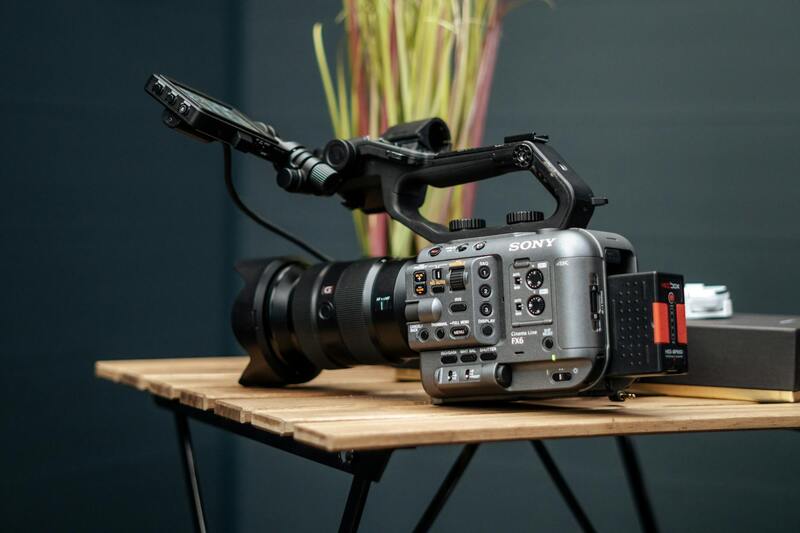
Because movement is restricted and the important moments happen in different spots, two camera operators make a big difference. One covers the couple and the koumbaros from the front, the other covers family reactions and the Dance of Isaiah from the side or back. Our guide to second shooter coverage covers how the work is split.
Light and sound inside the church
Orthodox churches are often beautifully lit by candles, chandeliers and icon lamps, and dark by camera standards. Fast lenses and cameras with good low-light performance matter here. Sound is the other challenge. The service includes chanting and readings, often partly in Greek. A small recorder near the chanter's stand or the priest, with permission, captures the service far better than a camera microphone in the back pew. See our guide to recording ceremony audio for options.
The reception: dancing, money and plates
Greek wedding receptions are known for dancing, and the video should reflect that. The couple's first dance is often followed by circle dances, such as the kalamatiano, with the couple leading and family joining in. The circle moves, grows and changes leader, so a videographer should shoot from inside and outside the circle and catch the faces of the older relatives who know every step.
Other moments to plan for:
- The money dance. Guests pin money on the couple or throw bills while they dance. It is fast and joyful and easy to miss.
- Napkin waving and plate breaking. Many Miami venues do not allow real plate smashing, so families use napkins, flowers or breakable plates provided for the purpose. Check with the venue, and tell your videographer when it will happen.
- Toasts and blessings. Speeches may switch between Greek and English. Our article on filming speeches and toasts covers the sound side.
Low light and a busy floor make reception dancing technically tricky. For more on that, see our guide to filming the dance floor.
Editing a Greek Orthodox wedding film
Because the ceremony carries so much of the meaning, many couples want it edited in full, with the highlight film built from the strongest ritual moments: rings, crowns, cup, Dance of Isaiah. Subtitles help non-Greek guests and future generations understand what is being said. If the couple want subtitles, they should ask the priest whether a text of the service is available, which helps the editor time them correctly. Music in the highlight film can draw on Greek songs from the reception, subject to the usual licensing questions.
Mixed-faith or mixed-culture couples often want the film to explain the traditions gently for one side of the family. A short title card or a line from the priest before each ritual does this without turning the film into a lecture.
Filming your Greek Orthodox wedding with Miami Event Videography
We film Greek Orthodox weddings in Miami with a two-camera team that knows the order of the service and plans every position with the parish in advance. We use low-light cameras and discreet audio so the chanting, prayers and family reactions are captured without breaking church rules, and we cover the krevati, the dancing and the money dance with the same attention.
If you are planning a Greek Orthodox wedding, tell us your date, your church and your reception venue, and we will walk you through how we would cover your day. You can also learn more about our team or read other wedding guides on our blog.