
Updated: October 27, 2026
The part of the night most wedding films get wrong
Ask a Miami couple what they remember from their reception, and most of them talk about the dance floor. The moment the DJ dropped their song, the uncle who danced salsa with every cousin, the hora loca crew showing up in LED costumes at midnight. Then they watch their wedding film and find thirty seconds of dark, shaky footage set to a slow ballad. The ceremony looks beautiful. The party, which was the best part of the night, barely exists.
The dance floor is the hardest part of a wedding or quinceanera to film well. The light is low and constantly changing, the room is loud, people move fast and the best moments happen without warning. This guide explains how we approach it at Miami receptions, what you can do as a couple or family to help, and the questions to ask any videographer before you book.
Why dance floor footage so often looks bad
A reception ballroom is designed for guests, not cameras. Once the dinner lights go down, there are four main problems.
- Not enough light. Uplighting and candles look romantic to the eye but leave faces in the dark. A camera pushed too far in low light produces grain and muddy skin.
- Colored, moving light. DJ lighting sweeps magenta, blue and green across the room. A camera on automatic white balance chases it and every shot turns a different color.
- Flicker. Many LED fixtures and video walls flicker at a rate the eye cannot see but a camera can, which shows up as rolling bands in the footage.
- Crowds. A packed floor means the videographer is either outside the circle filming backs, or inside it getting bumped.
All four can be handled with planning, and the party deserves the same preparation as the vows.
Lighting the dance floor without killing the mood
Good reception coverage starts with a conversation between the videographer, the DJ and the lighting vendor, ideally a week before the event. A few decisions make a big difference.
Ask for a little white light
Most DJs and lighting companies can add a soft white wash or a couple of warm fixtures pointed at the floor. Guests barely notice, but faces suddenly read on camera. If the venue has house lights on dimmers, a low setting during the open dancing is often enough.
Bring our own, carefully
We carry small battery LED lights on the camera and sometimes a light on a stand at the edge of the floor, bounced off a wall or ceiling. The goal is a gentle key on faces, not a spotlight in anyone's eyes. On-camera lights stay dim and we switch them off for wide shots so the room keeps its atmosphere.
Fast lenses and modern sensors
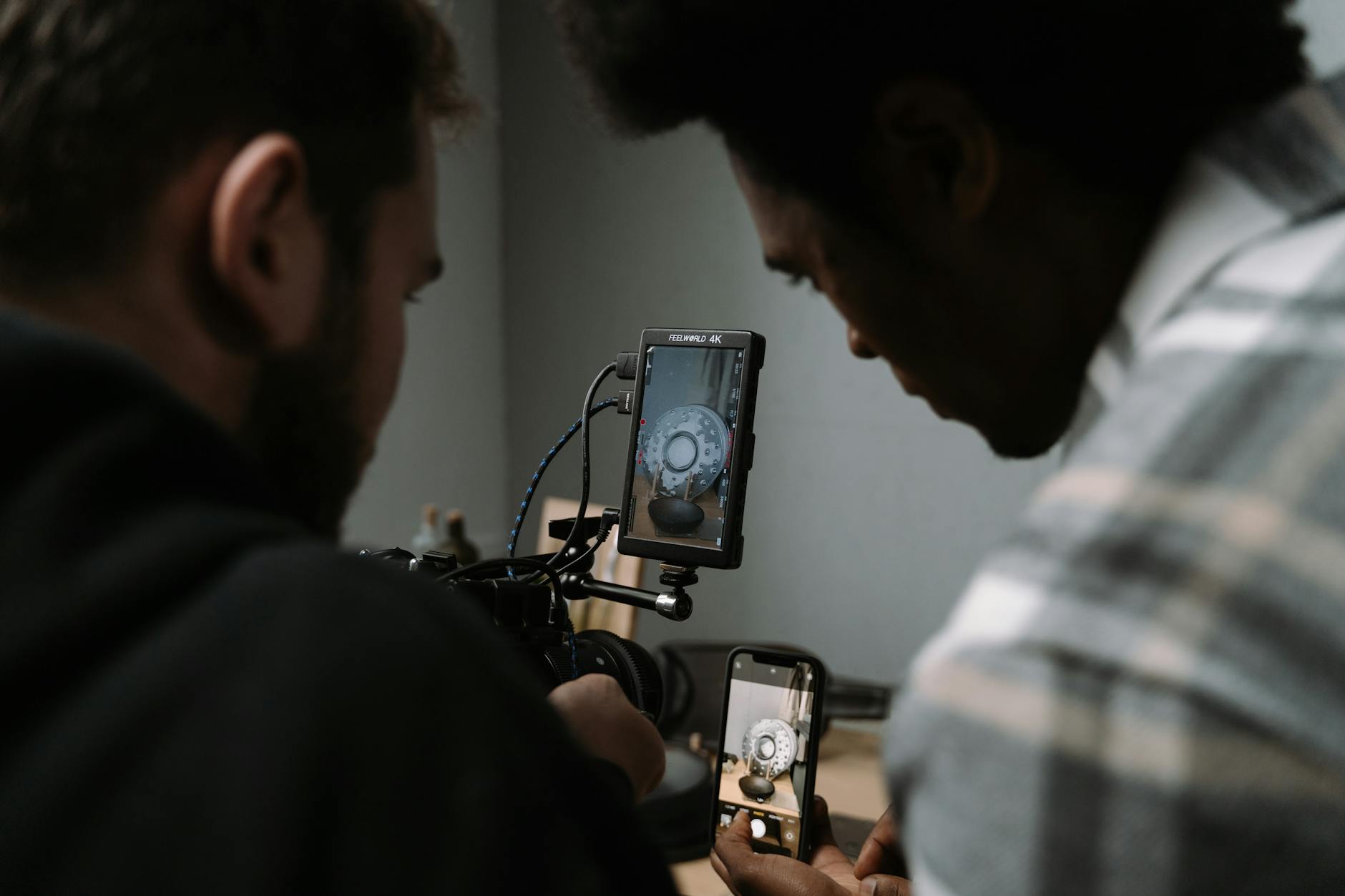
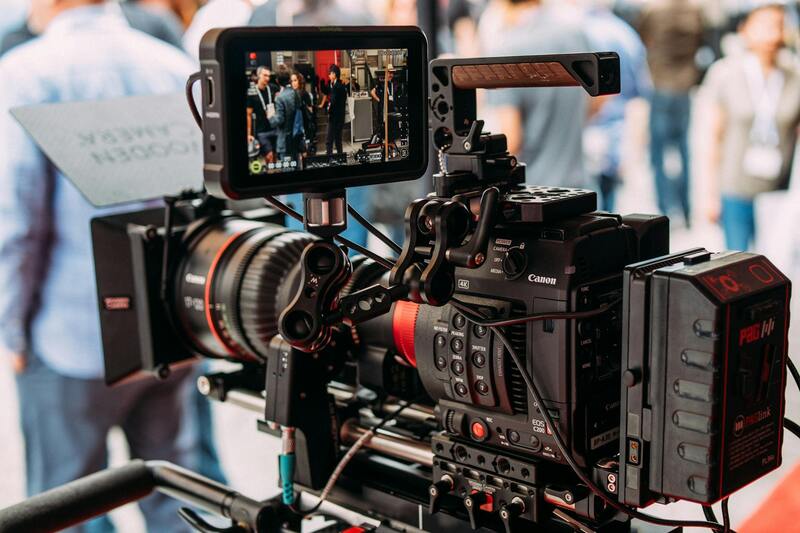
Prime lenses that open to f/1.4 or f/1.8 and cameras that handle high ISO cleanly let us work with far less light than a few years ago. We lock white balance to the warm lights in the room so the color holds steady even as the DJ lights move, and we set shutter speed to avoid flicker from the LED fixtures in that venue. We test this during dinner before the dancing starts.
The hora loca: planning for the craziest twenty minutes
At many Latin weddings and quinceaneras in Miami, the hora loca is the peak of the night. Performers come in wearing feathers, masks, LED robot suits or stilts, hand out hats, glow sticks, whistles and maracas, and the music goes to full volume. It is wonderful to see and very hard to film, because everything happens at once.
- Know when it is coming. Get the start time from the planner or DJ and tell the video team. A hora loca that starts while the videographer is changing batteries is a missed moment.
- Two angles if you can. One camera stays wide and slightly elevated to show the whole room, another works inside the circle on faces. The edit cuts between them.
- Watch the LED costumes. Robot suits and LED props are bright enough to blow out a shot. We expose for the faces and let the costumes glow.
- Protect the gear. Confetti, foam, CO2 jets and cold spark machines all show up at Miami receptions. We use lens filters and keep a cloth ready, and we ask the venue whether cold sparks are allowed before the night.
For quinceaneras, the hora loca usually comes after the formal parts: the waltz, the surprise dance and the change of shoes. Our guide on filming the quinceanera waltz and surprise dance covers the choreographed segments, and this article picks up where the open dancing begins.
Moving through the crowd
A gimbal lets a videographer move with dancers and keep the shot smooth, which is why most wedding films use one on the floor. The best floor shooters stay low and close, pick one group and follow it for a few bars of music, then move on. They avoid cutting through the middle of a circle, and they step back the moment a guest looks uncomfortable.
A few habits help us catch the real moments:
- We learn who the dancers are during the cocktail hour. The grandmother who will be first on the floor and the friend group that starts the conga line are worth watching.
- We film the couple or the quinceanera from inside the circle when the family lifts or surrounds them.
- We shoot reactions at the edge of the floor: parents watching, the flower girl asleep on two chairs, the abuela clapping.
- We stay through the last song. Some of the best dance floor footage happens in the final half hour when the formal program is over.
Sound: the DJ feed and the room
Party footage is usually edited to music, but real audio still matters. We record a clean feed from the DJ's mixer when possible, plus the room sound from a camera mic: the cheering, the whistles, the moment everyone sings the chorus together. Mixing a little room sound under the music makes the film feel like you were there. If you want a specific song to play over the party scenes in your film, read our explanation of music licensing for wedding films first, since the track the DJ played is not always one we can use online.
What you can do to get better party footage
| Ask | Why it helps |
|---|---|
| Share the reception timeline with the videographer and DJ | No one misses the first dance set or the hora loca |
| Ask for soft white light on the dance floor | Faces stay visible without ruining the atmosphere |
| Book coverage until the end of the reception | Late-night dancing is often the best footage |
| Add a second shooter for big parties | Wide room shots and close faces at the same time |
| List the songs and people you care about most | The team knows where to point the camera |
Coverage hours are where many couples try to save money, and the dance floor is usually what gets cut. If you are deciding how long to book, our wedding day timeline guide shows where the hours go, and our article on second shooter coverage explains when a two-person team pays off.
Dance floor coverage with our team
We film weddings, quinceaneras and private celebrations across Miami-Dade and Broward, and we treat the reception as its own production. Before the event, we talk to your DJ and lighting vendor about white light and flicker, confirm the timing of entrances, the first dance, the hora loca and any special performances, and ask you which people and songs matter most. On the night, our floor shooter works on a gimbal with fast lenses and a dim on-camera light, while a second shooter covers the room. In the edit, the party gets a real place in your film, and many families also ask for a separate dance floor reel for social media.
If you are planning a wedding or quinceanera in Miami and want a film that shows the party the way it felt, tell us about your celebration, the venue and when the dancing will start. You can also browse more planning guides on our blog.