

Updated: October 27, 2026
An Indian wedding is several events, and the video has to cover all of them
A typical Western wedding in Miami is one long day. An Indian wedding is usually three days or more: a mehndi afternoon, a haldi morning, a sangeet night, the baraat, the ceremony under the mandap, the reception and sometimes a welcome dinner or a farewell brunch on either side. Each event has its own clothes, its own music, its own guests and its own mood. A video team that plans it like a single day ends up with gaps, tired crews and a film that feels rushed where the family wanted it to breathe.
This guide is for couples and families planning an Indian wedding in Miami, Miami Beach, Key Biscayne or Fort Lauderdale, and for planners working with them. It explains how Indian wedding videography works across a multi-day celebration: the events and what to capture at each, how to schedule crews, the specific challenges of a baraat on hotel property and a fire ceremony indoors or on the sand, and what to ask a videographer before you book.
The events and what the camera should catch
Traditions differ a lot between families, regions and faiths. A Gujarati Hindu wedding, a Punjabi Sikh Anand Karaj and a South Indian ceremony have different rituals and a different order. The list below is a general map; your family and priest or granthi decide the details, and your videographer should ask for the running order of every event.
Mehndi
Henna artists work on the bride's hands and feet for hours while family and friends sit around her, eat, sing and get their own designs. The video needs macro detail of the henna going on, slow candid moments and the laughter around the bride. It is relaxed, and a single camera operator often covers it well.
Haldi
Family members apply turmeric paste to the couple. It is fun, messy and usually outdoors or by a pool in Miami. The crew needs rain covers or plastic for the cameras, a spare shirt and a clear idea of who will be thrown into the pool so the camera is in the right place.
Sangeet
A night of music and choreographed dances by family groups, often with a DJ, a stage and professional lighting. This is where multiple cameras earn their cost: a wide on the stage, a tight on the performers and a roaming camera on the reactions of the couple and grandparents. Get a line feed from the DJ for clean music audio.
Baraat
The groom's procession to the ceremony, traditionally on a horse, with a dhol drummer and his family dancing in front. In Miami hotels this can mean a horse, a vintage car, a decorated golf cart or even a boat arrival on the bay side, depending on what the venue allows. The camera works in front of a moving, dancing crowd, walking backwards, so an experienced operator with a gimbal and an assistant to spot for them is worth having.
The ceremony
For a Hindu wedding: the jaimala (garland exchange), kanyadaan, the pheras around the sacred fire under the mandap, the sindoor and mangalsutra. For a Sikh wedding: the laavan, four rounds around the Guru Granth Sahib, usually in a gurdwara. The ceremony can run for an hour or more, and much of it is spoken by the priest in Sanskrit or recited in Gurmukhi. The couple are often seated, which changes camera angles compared with a standing ceremony.
Vidaai and reception
The farewell of the bride from her family is one of the most emotional moments of the weekend and happens fast. After that, the reception has entrances, speeches, first dances and a very full dance floor.
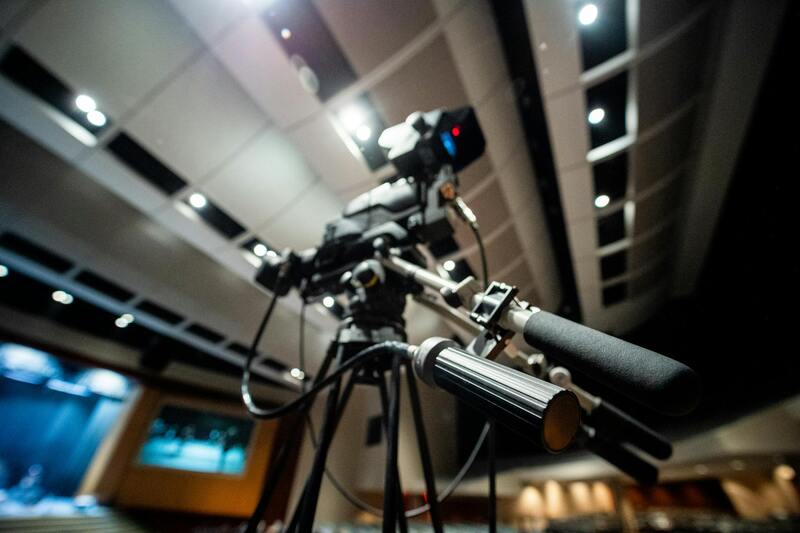
Scheduling crews across three or four days
Crew size should follow the event. A sensible plan for many families looks like this:
| Event | Typical crew | Main challenge |
|---|---|---|
| Mehndi | 1 videographer | Long, low-energy stretches; picking the moments |
| Haldi | 1 to 2 videographers | Water, turmeric stains, bright midday sun |
| Sangeet | 2 to 3 videographers | Stage lighting, many performances, DJ audio |
| Baraat and ceremony | 2 to 3 videographers plus drone if the venue allows | Moving procession, long ritual, fire and smoke |
| Reception | 2 videographers | Late finish, low light, dense dance floor |
Crews get tired. If the ceremony is in the morning and the reception finishes at 1 a.m., ask how the team handles a 16-hour day, whether they rotate operators, and when breaks and meals happen. Our article on second shooter coverage at Miami weddings explains what an extra operator adds on long days, and the planning approach in welcome party and after party videography at a Miami wedding weekend applies to every event outside the main day.
Fire, smoke and light at the mandap
The havan (sacred fire) at a Hindu ceremony creates smoke, flicker and a hot light source in the middle of the frame. Many Miami hotels and ballrooms have strict rules on open flame; some require a fire marshal permit or a contained fire bowl, and on the beach wind is the main problem. Your planner or venue handles the permit, but tell the video team what kind of fire will be used and where the mandap will face, because it decides where cameras can stand without being in the priest's way or blocking the family's view.
Outdoor ceremonies in the Miami sun bring hard shadows on the couple under a mandap canopy. A ceremony timed for late afternoon gives softer light and a sunset for portraits afterwards. Indoors, the mandap is often lit with decorative lighting that looks beautiful to the eye and too dim or too orange for the camera, so ask your decorator and videographer to talk before the day.
Audio for a long ceremony
The priest's recitation, the explanations he gives in English for guests, the couple's vows if they add their own and the music all matter in the film. We mic the priest and the groom, take a feed from the ceremony sound system and record ambience from the cameras. On a windy beach, lavalier mics with wind protection are the only reliable option. For detail on microphones and placement, see our guide to recording the vows and ceremony audio.
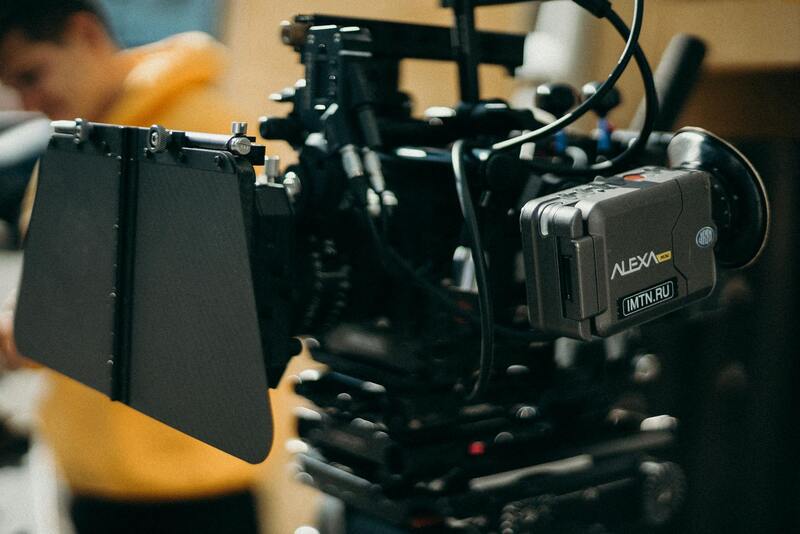
What the finished films usually look like
Families often want more than one film. A common set of deliverables:
- A highlight film of 5 to 10 minutes covering the whole weekend, cut to music.
- A full ceremony edit with all rituals in order and clean audio, for the family archive.
- Full edits of the sangeet performances, so each family group gets its dance.
- Short teasers or reels for social media, delivered within a week or two.
- Speeches from the reception as a separate file.
Discuss music early. Bollywood songs are commercially licensed, and a film posted on YouTube or Instagram with a popular track may be muted or blocked. Our article on music licensing for a Miami wedding film explains the options.
Questions to ask an Indian wedding videographer in Miami
- Have you filmed Hindu, Sikh or other South Asian ceremonies before, and can we see a full ceremony edit, not only a highlight?
- How many operators will be at each event, and who are they?
- How do you handle the baraat, moving backwards in a crowd with a dhol player?
- What is your plan for low light at the sangeet and the reception?
- Who will we speak to on the day about changes in the running order?
- How long until the highlight film and the full edits are delivered?
A detailed multi-day timeline shared with the planner, the photographer and the video team prevents most problems. The approach in our guide on building a Miami wedding day timeline works for each day of the celebration.
Indian wedding videography with our Miami team
We film multi-day weddings across Miami-Dade and Broward, from the first henna design to the last song of the reception. Before the weekend we ask for the running order of every event, meet or call your planner, check the venue's rules on fire, horses and drones, and build a crew plan that keeps enough fresh operators on the long days. On the day, one lead videographer is your point of contact, and after the wedding you receive a highlight film, full ceremony and performance edits and short clips for family who could not travel.
If you are planning an Indian wedding in Miami, send us the dates, venues and the list of events through our contact page and we will suggest a crew plan for each day. You can read more about our team on the about page.