Strategic Guide To Video Streaming Production In Miami For Business And Events
Videography
Miami Events
Understanding Video Streaming Production
Video streaming production has become an essential element of modern communication strategies, enabling organizations to reach global audiences instantly and effectively. This process involves the capturing, encoding, and transmitting of live or pre-recorded video content over the internet, allowing viewers to access the material in real time or on demand. Its significance lies in its ability to bridge geographical gaps, facilitate immediate engagement, and provide a dynamic platform for brand promotion, corporate communications, and event coverage.
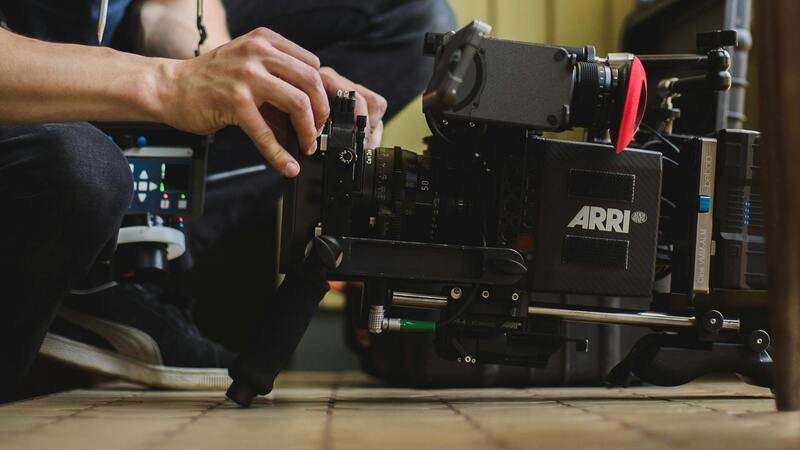
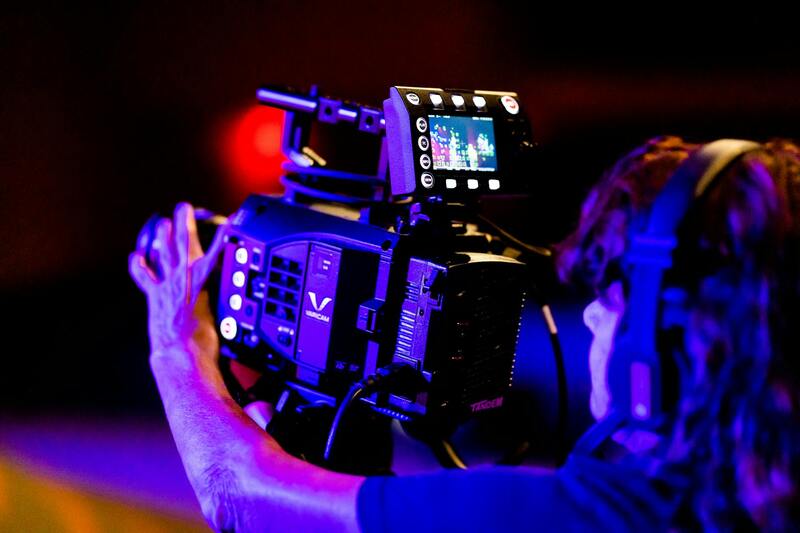
High-quality video streaming equipment enabling seamless transmission
In an era where digital interaction shapes consumer perceptions and stakeholder engagement, proficient video streaming production ensures that content maintains its visual clarity, audio fidelity, and reliability. It plays a crucial role in live broadcasts of corporate events, product launches, webinars, and conferences, making these experiences accessible to remote participants without compromising quality. As audiences increasingly expect interactive and immersive content, production techniques that prioritize professionalism and technical excellence are vital for capturing attention and conveying messages effectively.
Key Components of Video Streaming Production
Successful video streaming production relies on several critical components that work together to deliver a polished final product:
Video Capture Devices: High-definition cameras, camcorders, and mobile devices capture live footage, ensuring crisp visuals for viewers.
Encoding Software and Hardware: Transcoding tools convert raw video signals into web-friendly formats, optimizing quality and stream stability.
Streaming Platform: Content delivery networks (CDNs) or specialized platforms distribute the stream efficiently to audiences worldwide.
Audio Equipment: Microphones and mixers guarantee clear sound synchronization with visual elements.
Internet Connectivity: Reliable, high-speed internet connections prevent interruptions and buffering issues during broadcasts.
Production Control Room: A dedicated space with monitors and controls manages multi-camera feeds, graphics, and transitions, ensuring a seamless viewing experience.
Attention to these components results in professional-grade productions that bolster brand reputation and audience trust. Moreover, integrated graphics, overlays, and real-time editing further enhance the content and facilitate branding opportunities.
Types of Video Streaming Events
Various event formats benefit from specialized streaming production techniques:
Corporate Meetings and Conferences: Live streams facilitate internal and external communication, providing access to remote participants efficiently.
Product Launches and Demonstrations: Engaging visual presentations generate excitement and reach targeted audiences instantly.
Educational and Training Sessions: Interactive webinars and workshops support ongoing learning initiatives.
Performing Arts and Cultural Events: Streaming supports arts organizations in expanding their reach beyond physical venues.
Special Celebrations and Public Events: Virtual ceremonies and community gatherings foster inclusive participation across distances.
Utilizing a portfolio of strategies tailored to each event type ensures optimal engagement and message delivery, maintaining professionalism and technical integrity throughout the broadcast.
Exploring Official Methods for Video Streaming Production
Utilizing Certified Streaming Platforms
Implementing a professional streaming workflow begins with selecting a reputable, certified streaming platform that guarantees high-quality delivery. These platforms are built upon a foundation of robust infrastructure, ensuring stable, high-definition video transmission even during peak usage times. Opting for platforms with established track records minimizes chances of interruptions or degraded quality, thereby maintaining a seamless experience for viewers. Such services often offer integrated security features, reliable content delivery networks (CDNs), and scalable bandwidth options tailored to event requirements.
Using certified platforms ensures high-quality, reliable broadcasts for your professional events.
Official Video Encoder Solutions
Reliable encoding technology is essential to transmit high-fidelity video streams to your audience. Industry-standard hardware encoders, such as those certified by recognized organizations, support multiple streaming protocols and provide advanced features like redundancy and error correction. These encoders convert the raw video feed into optimized streams compatible with various devices and bandwidth conditions. Utilizing legitimate encoder solutions from reputable vendors ensures compatibility, security, and consistent performance, which are critical for maintaining professional standards during live broadcasts.
Employing Secure Content Delivery Networks (CDNs)
Content delivery networks are a fundamental component of official streaming methods, facilitating efficient distribution of live streams across geographies. Authorized CDNs operate with strict adherence to data privacy and security protocols, ensuring that content reaches viewers reliably without unauthorized access or data breaches. They offer multiple points of presence (PoPs) that reduce latency and buffering times, especially important for large audiences or high-resolution streams. Partnering with legitimate CDN providers guarantees a stable and secure delivery pipeline, essential for impactful business and cultural events.
Adhering to Industry Standards and Protocols
Implementing industry-standard streaming protocols such as SRT (Secure Reliable Transport), RTMP (Real-Time Messaging Protocol), and HLS (HTTP Live Streaming) ensures interoperability and optimal performance. These protocols are developed and maintained by recognized industry bodies, providing a foundation of trust for broadcast quality and security. Utilizing official versions and configurations of these protocols mitigates risks associated with data loss, latency, or unauthorized access. Proper configuration and adherence to protocol specifications are key to achieving a flawless streaming experience.
Engaging Certified Support and Consultative Services
Accessing expert consultation and support from certified providers optimizes the entire streaming workflow. These professionals possess extensive knowledge of the latest technologies, legal standards, and best practices, guiding clients through equipment setup, network configuration, and compliance measures. Their involvement ensures all components—hardware, software, and network—function cohesively, delivering a high-quality broadcast while adhering to regulatory and operational standards. Consistent support throughout the production process enhances reliability, minimizes technical issues, and maintains broadcast integrity.
Implementing Official Streaming Protocols for Robust Delivery
When it comes to establishing a dependable and high-quality video streaming service, the adoption of officially recognized streaming protocols is fundamental. These protocols, such as SRT (Secure Reliable Transport), RTMP (Real-Time Messaging Protocol), and HLS (HTTP Live Streaming), are developed and maintained by industry-leading organizations, ensuring they meet strict standards for security, performance, and compatibility. Their official versions undergo rigorous testing and validation, making them reliable channels for live and on-demand content delivery.
Utilizing these protocols with their proper configurations and up-to-date firmware or software ensures seamless interoperability across different devices and platforms. For example, RTMP remains a staple for real-time broadcasting from dedicated streaming encoders to content delivery networks, while HLS enables adaptive streaming across various network conditions and devices, especially for mobile users and web browsers. SRT, increasingly popular for its enhanced security and lossless transmission capabilities, is vital for sensitive or high-profile events. By relying solely on standard-compliant implementations provided by reputable vendors, production teams mitigate risks such as buffering issues, latency spikes, or unauthorized access.
Diagram illustrating key streaming protocols and their roles in production workflows
Ensuring Configuration Integrity and Protocol Compliance
Proper configuration of streaming protocols involves adhering to the recommended settings provided by protocol standards and vendor documentation. This includes establishing secure connections using SSL/TLS where available, setting appropriate bitrates for optimal quality without overloading bandwidth, and implementing correct keyframe intervals to minimize latency. Consistent updates of the protocol software or firmware are essential to benefit from security patches and performance enhancements. Moreover, validation tests prior to live events help identify and address configuration discrepancies, ensuring the stream maintains stability and quality throughout its duration.
Partnering with Certified Support and Industry-Standard Software
Engagement with certified providers and industry-certified software solutions plays a crucial role in maintaining streaming integrity. Certified support teams possess extensive expertise in deploying, troubleshooting, and optimizing streaming infrastructure, thereby providing confidence in every stage of the production process. Using licensed, recognized software for encoding, transcoding, and distribution guarantees adherence to industry standards, reducing the likelihood of technical hiccups. They also ensure compliance with recommended security practices, which protect both the content and the transmission pipeline from potential vulnerabilities.
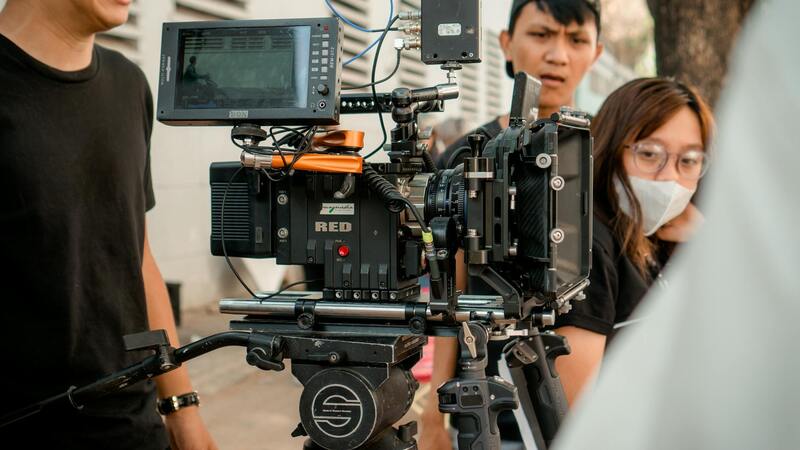
Support professionals ensuring protocol compliance and system stability during live streams
Validation, Testing, and Monitoring of Streaming Infrastructure
Meticulous validation and live monitoring are essential components of a professional video streaming workflow. Before scheduling large-scale events, production teams run comprehensive test streams that simulate actual broadcast conditions. This process helps verify protocol compatibility, bandwidth capacity, and overall infrastructure robustness. During live events, continuous monitoring tools track stream health parameters such as latency, buffering rates, and security breaches, allowing immediate troubleshooting. Post-event analysis provides insights into performance metrics, guiding future improvements and ensuring consistent quality across consecutive streams.
Technical Considerations and Internet Connectivity
Ensuring a seamless video streaming production hinges on meticulous attention to technical logistics, particularly regarding internet connectivity. The quality of the live stream is directly impacted by the venue’s internet infrastructure, which must support high bandwidth requirements to accommodate multiple data streams simultaneously. A wired gigabit Ethernet connection is preferable to wireless options, as it offers more stability and lower latency, reducing the risk of buffering or lag during live broadcasts. These stable connections are vital for transmitting high-resolution video and audio feeds without interruption, especially during complex multi-camera productions.
Secure and robust internet infrastructure forms the backbone of professional live streaming services.
Cellular bonding solutions serve as a supplementary method to bolster internet reliability, aggregating multiple cellular networks into a single, resilient connection. In scenarios where the primary internet source might falter, bonded cellular connections provide a steady fallback, ensuring the stream's continuity. This technology is particularly advantageous in outdoor venues or locations with unpredictable network performance. Additionally, implementing backup systems, such as secondary internet lines or mobile hotspot devices, prepares production teams for unforeseen connectivity issues, minimizing potential disruptions.
Bandwidth management is another critical aspect; analyzing and reserving sufficient upload speeds well in advance of the event ensures the stream remains smooth and consistent. Technical teams conduct pre-event tests to verify that all systems operate at optimal capacity, adjusting settings as necessary. During the live event, real-time monitoring tools track network performance, latency, and packet loss, allowing operators to respond swiftly should any abnormalities arise. Employing multi-layered internet solutions and proactive monitoring strategies results in a high-quality viewing experience, free from technical deficiencies that could detract from audience engagement.
Furthermore, integrating Quality of Service (QoS) protocols prioritizes streaming traffic over other network activities within the venue, safeguarding bandwidth for essential transmission channels. This prioritization prevents local network usage—such as attendee Wi-Fi or other digital services—from jeopardizing stream integrity. Combining these technological measures ensures that every online viewer receives a clear, uninterrupted broadcast, projecting professionalism and commitment to quality standards in video streaming production.
Understanding Video Streaming Production
Video streaming production involves a carefully coordinated process that transforms raw footage into a seamless live broadcast or on-demand content. This multifaceted process includes pre-production planning, technical setup, content creation, live switching, encoding, and distribution. Success in this domain hinges on meticulous planning and execution, ensuring that every element from camera operation to bandwidth management aligns perfectly to deliver high-quality viewing experiences. Skilled production teams leverage advanced equipment and software to facilitate multi-camera angles, real-time graphics, and synchronized audio, contributing to an engaging broadcast that keeps audiences connected and attentive.
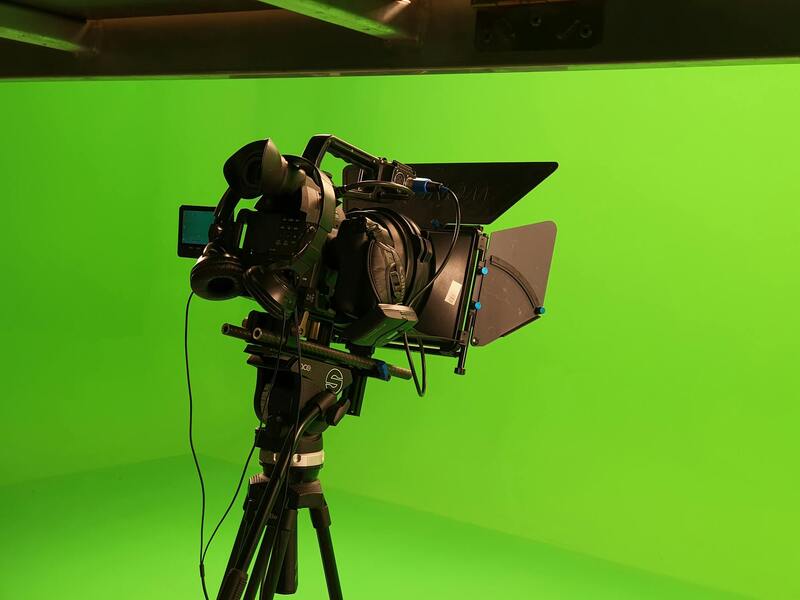
High-quality live broadcasts depend on precise coordination of multiple technical components
Key Components of Video Streaming Production
The foundation of professional video streaming is built upon several core components that work synergistically:
Cameras and Video Capture Devices: High-definition cameras and video capture hardware are essential for capturing clear visuals. Multiple cameras can be used for varied angles and dynamic shots.
Encoding Hardware and Software: Encoding converts raw video signals into compressed digital formats suitable for streaming. Reliable encoders ensure minimal latency and high visual quality.
Switchers and Graphics Systems: Video switchers allow seamless transitions between camera feeds, while graphics systems enable real-time overlays, titles, and branding elements.
Audio Equipment: Professional microphones, mixers, and audio processors guarantee clear sound quality, vital for audience engagement.
Streaming Servers and CDNs: Content Delivery Networks (CDNs) distribute the broadcast efficiently across various regions, minimizing delays and buffering issues.
Monitoring and Control Interfaces: Live monitoring tools and control panels provide operators with the ability to oversee stream health, adjust settings, and troubleshoot issues in real time.
Image Placeholder: Complex workflows require sophisticated equipment and synchronization
Types of Video Streaming Events
Different event types demand tailored streaming approaches, with considerations about audience interaction, content complexity, and duration:
Conferences and Corporate Events: These often involve multi-camera setups, embedded presentations, and live Q&A sessions to foster participant engagement across diverse locations.
Music and Performing Arts: Delivering live performances with multiple angles, synchronized audio, and high visual fidelity creates an immersive experience for remote viewers.
Educational and Training Sessions: Streamed in a format conducive to remote learning, with options for audience interaction and on-demand access.
Cultural and Community Events: These can range from outdoor festivals to local ceremonies, often requiring portable equipment and flexible setups to adapt to various environments.
Image Placeholder: Adapting streaming methods to suit different event formats enhances viewer experience
Technical Considerations and Internet Connectivity
Ensuring a dependable streaming experience starts with robust internet connectivity. Reliable high-bandwidth internet connections are crucial for transmitting high-quality video without interruptions. When bandwidth is limited or unstable, production teams should implement several best practices:
Pre-Event Bandwidth Analysis: Conduct thorough assessments to determine the required upload speed based on resolution, frame rate, and number of streams.
Redundant Internet Connections: Utilizing secondary internet lines or mobile hotspots as backup options can maintain the stream if primary connections falter.
Bandwidth Management Tools: Tools that prioritize streaming traffic (Quality of Service protocols) help mitigate issues caused by network congestion.
Pre-Event Testing and Monitoring: Performing test runs enables detection of potential bottlenecks. During the event, real-time monitoring helps identify issues before they affect the audience.
Latency Optimization: Minimizing delay ensures synchronization of audio and video feeds, critical for interactive sessions and multi-camera productions.
Image Placeholder: Optimized internet setup is vital for uninterrupted live streaming
Understanding Video Streaming Production
Video streaming production is a comprehensive process that involves multiple stages, from pre-production planning to live execution and post-event analysis. Mastering each phase ensures a seamless delivery that meets the specific needs of the event and audience expectations. It requires a deep understanding of content creation, technical infrastructure, and audience engagement strategies.
Pre-Production Planning
Effective streaming begins with rigorous planning. This includes scheduling, equipment selection, and site assessment. Producers must determine the optimal camera setups, sound equipment, and lighting tailored to the event type and venue. Additionally, a detailed script or run-of-show ensures smooth transitions and coherence throughout the broadcast.
Technical Setup and Equipment
Choosing the right hardware—such as high-definition cameras, professional microphones, and switchers—is crucial. For complex productions, multi-camera setups enable dynamic framing and better storytelling. Encoder configurations and streaming platforms are also selected based on the desired resolution, latency, and viewer engagement features.
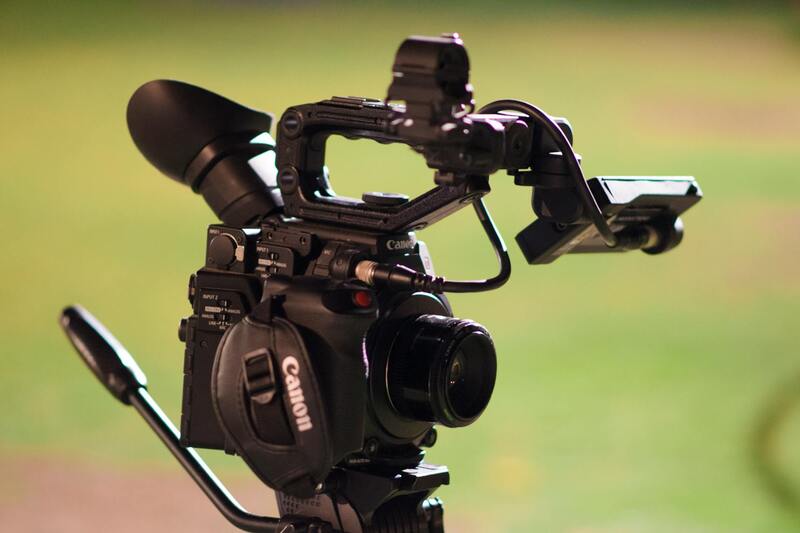
High-quality equipment contributes significantly to professional video streaming production
Production Team Coordination
Streamlining communication between directors, camera operators, sound engineers, and technical support teams is vital. Clear workflows facilitate real-time decision-making, ensuring investments in infrastructure translate into a high-quality broadcast. Training and rehearsals allow teams to familiarize themselves with the event flow and troubleshoot potential issues proactively.
On-Site and Remote Productions
Depending on the event scale, production can be handled on-site, remotely, or through a hybrid approach. Remote production workflows leverage cloud technology and IP-based video feeds, allowing multiple locations or experts to contribute without physical presence. This flexibility reduces costs and expands the creative possibilities for live content.
Post-Production and Content Delivery
Post-event activities include video editing, viewer analytics, and content repurposing. Highlights, teaser clips, and on-demand recordings increase the longevity and reach of the event’s content. Ensuring proper encoding and hosting solutions aligns with audience access preferences, maximizing engagement across various platforms.
Understanding Video Streaming Production
Video streaming production involves a series of meticulously coordinated processes designed to deliver high-quality live or on-demand content over the internet. It encompasses everything from pre-production planning and content creation to the technical execution of transmission and final content delivery. Success in this field relies on precision planning, state-of-the-art equipment, and seamless integration of multiple technical components. The objective is to provide viewers with an engaging experience that maintains clarity, stability, and responsiveness, regardless of their viewing device or internet connection quality.
Key Components of Video Streaming Production
Video Capture Devices: Reliable cameras, lenses, and audio equipment are vital. These devices must be capable of capturing clear visuals and crisp sound while operating efficiently during the event.
Encoding Hardware and Software: Encoders convert raw footage into digital streams compatible with online platforms. Configurations vary depending on desired quality levels, latency thresholds, and streaming protocols.
Streaming Platforms and CDNs: Content delivery networks distribute streams to distributed audiences efficiently. Choosing the right platform ensures compatibility with target devices and audience size considerations.
Internet Connectivity: A robust and stable internet connection is fundamental. Upload speeds should support the selected streaming quality with minimal latency, preferably through dedicated fiber connections or high-bandwidth connections.
Production Control Interfaces: Operator consoles enable real-time management of the stream, including switching camera angles, overlaying graphics, adjusting audio levels, and managing live interactions.
Monitoring Tools: Continuous feedback on stream health helps technical teams troubleshoot issues promptly, maintaining a professional viewing experience.
High-quality equipment setup is crucial for seamless streaming production.
Types of Video Streaming Events
Different event types demand tailored streaming approaches:
Corporate Events: Conferences, product launches, and shareholder meetings require high clarity and professional graphics to communicate brand messages effectively.
Live Performances: Concerts, theater productions, and cultural festivals benefit from multi-camera setups that capture diverse angles and audience reactions, creating an immersive experience.
Educational Sessions: Webinars, training seminars, and workshops rely on clear visuals and interactive elements to maximize engagement and comprehension.
Community and Religious Gatherings: These events focus on inclusive viewing, often utilizing multi-platform streaming to reach diverse audiences.
Technical Considerations and Internet Connectivity
Ensuring a high-quality stream involves more than selecting the latest technology. Internet connectivity plays a pivotal role. The upload bandwidth should exceed the streaming bit rate by a comfortable margin to prevent buffering or signal drops. A dedicated connection minimizes interference from other network activities. Additionally, having backup internet options, such as secondary fiber lines or LTE networks, provides redundancy. Other technical factors include proper network configuration to reduce latency, packet loss, and jitter, which can degrade the viewing experience.
Production Workflows and Remote Management
Advanced video streaming production increasingly relies on remote workflows, enabled by cloud-based solutions and IP transmission protocols. A typical remote setup involves centralized control rooms where technicians oversee multiple live feeds from various locations. These workflows require secure, low-latency internet links and real-time communication tools. Pre-event rehearsals are essential to confirm the stability of connections, test equipment interoperability, and ensure synchronization among different feeds. Cloud management platforms facilitate event control, allowing operators to adjust stream parameters remotely, switch between camera angles, and incorporate live graphics or subtitles seamlessly.
Remote production workflows expand creative possibilities while reducing on-site logistics.
Enhancing Audience Engagement and Interactivity
Modern streaming solutions go beyond passive viewing. Incorporating interactive features like live chat, polls, Q&A sessions, and real-time feedback helps foster a sense of community and enhances viewer retention. Technologies such as second-screen applications allow audiences to access additional content, exclusive behind-the-scenes footage, or participate in contests during the stream. Furthermore, integrating social media sharing options expands event reach organically. Using analytics, producers can gather insights about viewer demographics, engagement patterns, and content preferences, informing future productions and marketing strategies. Ensuring accessibility features like closed captions and sign language interpretation broadens the event’s reach to diverse audiences, aligning with inclusive content standards.
Advanced Techniques for Optimizing Video Streaming Quality
To deliver a seamless and high-quality streaming experience, implementing advanced technical methods is essential. Adaptive bitrate streaming (ABR) dynamically adjusts video quality based on the viewer’s internet connection, reducing buffering and ensuring continuous playback across varying network conditions. Content Delivery Networks (CDNs) are employed to distribute streams efficiently, minimizing latency and load times by caching content at multiple geographic locations close to viewers. This setup not only enhances reliability but also significantly improves the viewer experience, especially during large-scale broadcasts.
igurecaption> Illustration of Content Delivery Network nodes optimizing streaming quality
Utilizing real-time monitoring and analytics tools is vital for proactive management of streaming sessions. These tools collect data on stream stability, bandwidth usage, and viewer engagement metrics, allowing production teams to respond swiftly to any disruptions. Implementing multi-bitrate encoding at the source ensures that viewers receive the best possible quality tailored to their device and connection speed. Additionally, employing redundant encoding and failover systems guarantees continuity of service even in the event of technical failures.
Post-Production and Archiving of Live Streams
Effective post-production workflows involve capturing the live stream for editing, archiving, and future use. Recorded streams can be processed to remove unwanted segments, enhance visual elements, or add branding and graphics. This process ensures that high-quality content is available for on-demand access, boosting content longevity and viewer engagement beyond the live event. Cloud-based storage solutions facilitate secure, scalable archiving, enabling easy retrieval and distribution for subsequent marketing campaigns or internal review.
By leveraging modern editing tools and cloud storage, production teams can optimize content management while maintaining compliance with quality standards. Moreover, well-organized archives serve as a valuable resource for training, promotional content, and future event planning, reinforcing the value of each broadcast and maximizing ROI.
Implementing Audience Feedback and Continuous Improvement
Post-event analysis and audience feedback collection are crucial for refining future video streaming projects. Surveys, comment analysis, and engagement data help identify viewer preferences, technical issues, and areas for enhancement. Incorporating these insights into subsequent productions leads to a more tailored, engaging experience for audiences. Furthermore, conducting debrief sessions with technical teams ensures lessons learned are documented and integrated into workflow improvements.
Consistent review and adaptation ensure the streaming service remains innovative and responsive to audience expectations. Staying informed about emerging technologies and best practices allows production professionals to maintain high standards, build trust with clients, and sustain a competitive edge in the dynamic landscape of video streaming production.