

Understanding Live Video Stream Production
Live video stream production has become an essential component for organizations aiming to reach global audiences in real time. It involves the meticulous planning and execution of live broadcasts that deliver seamless video content over the internet, connecting brands, event organizers, and content creators directly with viewers. This process encompasses various technical and logistical elements, all of which contribute to the success of a live streaming event.
The Significance of Live Video Streaming
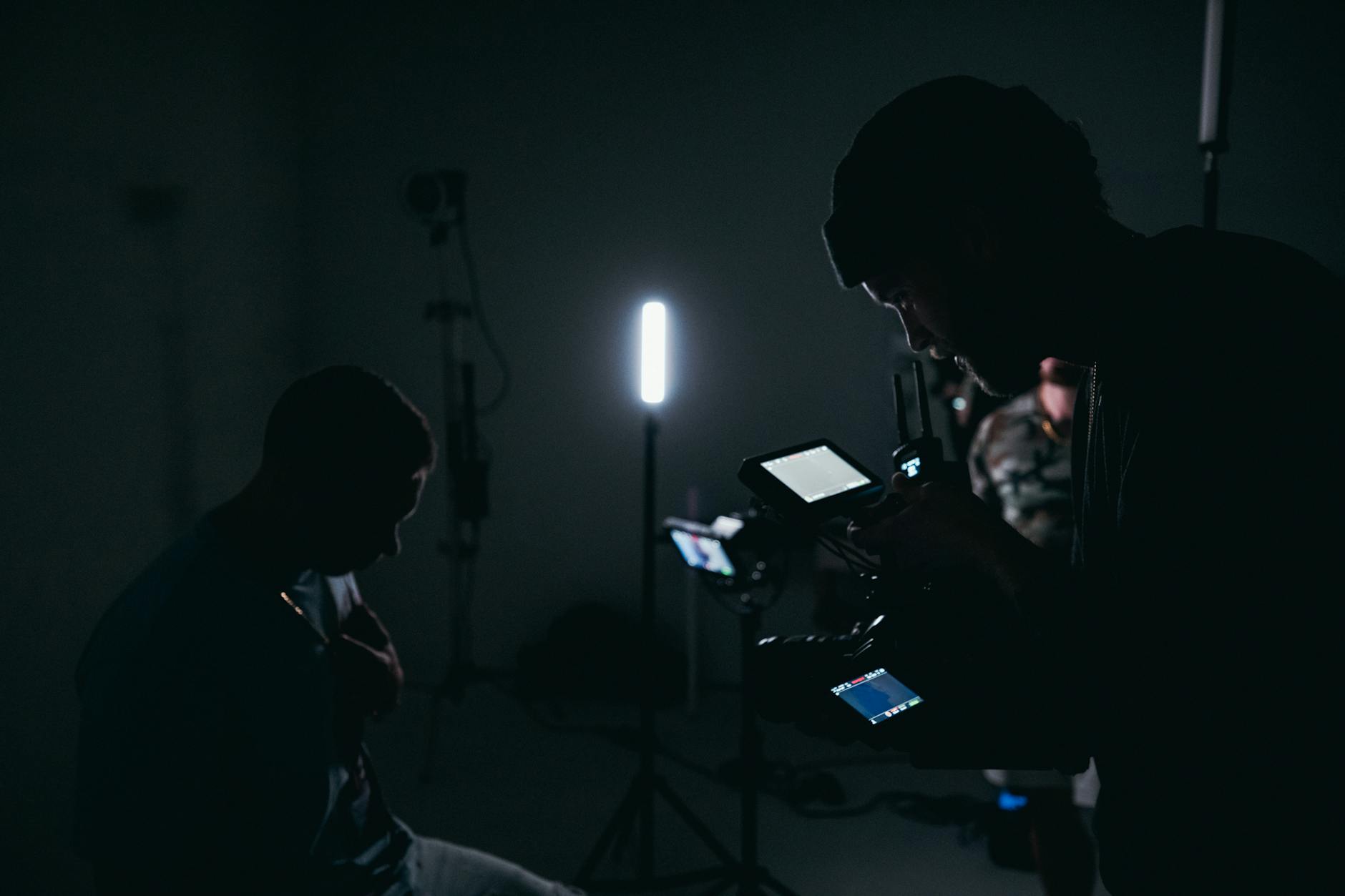
In today's digital landscape, live streaming offers unparalleled opportunities for engagement and brand visibility. It allows organizations to broadcast events such as conferences, product launches, religious services, or entertainment performances to a broad audience without geographical limitations. The immediacy and interactivity of live video foster real-time connection, increasing viewer engagement and expanding outreach. Moreover, live streaming supports diverse formats ranging from formal presentations to casual interactions, which can be tailored to meet specific audience preferences.
Core Components of Live Video Stream Production
Executing a high-quality live stream requires a combination of specialized components, each playing a vital role:
- Video Cameras: Capture the live event from multiple angles, ensuring comprehensive coverage.
- Switchers and Mixers: Seamlessly switch between camera feeds to create a dynamic viewing experience.
- Audio Equipment: Microphones and audio mixers ensure clear sound quality, critical for viewer engagement.
- Encoding Devices: Convert the video and audio signals into a digital format suitable for streaming platforms.
- Streaming Software and Hardware: Facilitate the transmission of content to online platforms with stability and security.
- Connectivity Infrastructure: Reliable internet connections are essential to prevent buffering or interruptions during live broadcasts.
Designing Effective Live Streaming Content
An efficient live video stream production also necessitates careful content planning. This includes determining the format, scripting key segments, coordinating camera shots, and integrating graphics or branding elements. Pre-production rehearsals are critical to identify potential technical issues and ensure smooth transitions during the actual broadcast. Strategic planning aimed at audience engagement—such as interactive polls or live Q&A sessions—can significantly enhance viewer participation and satisfaction.
Understanding these foundational elements of live video stream production helps organizations craft professional broadcasts that resonate with their audience, uphold brand standards, and achieve their communication objectives. In the next sections, strategies for pre-production planning, equipment selection, and post-broadcast analytics will be explored in greater depth, providing a comprehensive guide to mastering high-quality live streaming.
Legitimate Methods for Conducting Live Video Stream Production
Producing a professional and seamless live video stream requires adherence to structured, reliable methods that ensure quality, security, and audience engagement. Instead of relying on unofficial avenues, organizations and individuals should focus on established, reputable approaches that utilize legal and authorized tools and platforms. This approach not only maintains the integrity of the broadcast but also avoids potential disruptions stemming from improper practices.
Utilization of Certified Hardware and Software
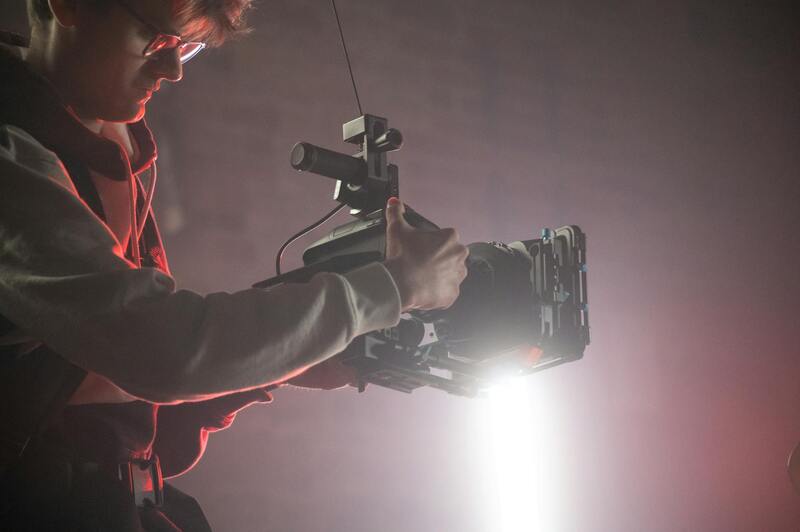
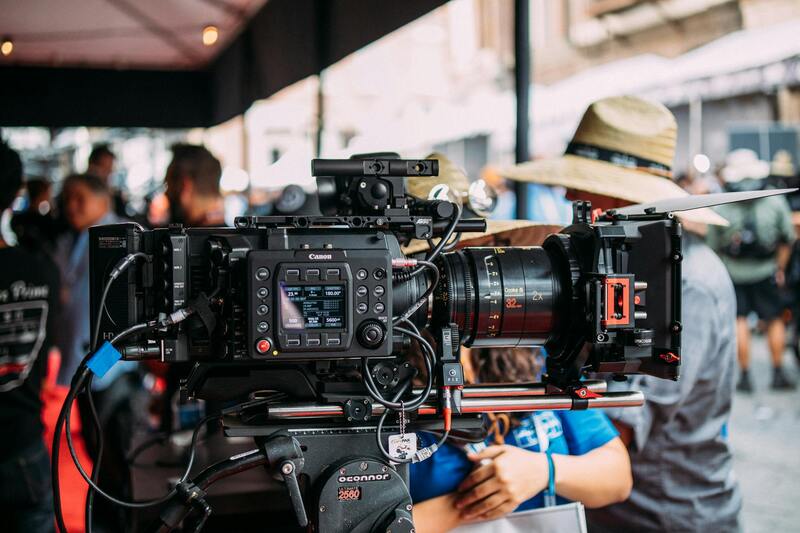
High-quality live video production begins with the selection of certified equipment. This includes professional-grade cameras, audio devices, and encoding hardware that meet industry standards for performance and security. When integrated with reputable streaming software—such as OBS Studio, vMix, or Wirecast—producers can effectively manage video sources, transitions, and overlays with stability.
- Certified Cameras and Microphones: Ensuring clear visuals and pristine audio is fundamental. Professional cameras paired with studio-grade microphones minimize technical issues and deliver a premium viewer experience.
- Reliable Encoding Solutions: Hardware encoders provide stable streams by directly converting video signals into digital formats suitable for web transmission, reducing delays and buffering.
- Secure Streaming Software: Licensed software with security features prevents unauthorized access and provides features such as multi-camera switching, real-time graphics, and overlays to enhance professionalism.
Selection of Authorized Streaming Platforms
Choosing legitimate streaming platforms is crucial for reliable distribution. Platforms such as Vimeo Live, Wowza, or YouTube Live offer secure, scalable, and customizable streaming solutions that cater to various event sizes and audience needs. These platforms provide features like adaptive bitrate streaming, analytics, and content protection, ensuring the broadcast remains high-quality and protected from unauthorized access.
Implementation of Network Infrastructure and Connectivity
An official live streaming process depends heavily on a robust internet connection. Utilizing dedicated fiber-optic connections or high-bandwidth internet ensures consistent upload speeds and minimizes latency. Network redundancy—such as dual internet connections or backup options—further safeguards against interruptions or outages during critical moments of the broadcast.
Adherence to Content Rights and Licensing
Producing live streams responsibly also involves respecting content rights and licensing agreements. This includes using licensed music, footage, and graphics, which aligns with industry regulations and prevents potential legal complications. Working with licensed content providers guarantees that all broadcast elements are authorized, reinforcing the integrity of the production.
Involving Certified Technical Professionals
Engaging experienced technicians and production teams skilled in live streaming protocols ensures smooth operation. These professionals are adept at troubleshooting technical issues swiftly, managing multi-camera feeds, adjusting audio levels, and ensuring synchronized signals—all in compliance with authorized procedures.
Documentation and Compliance Records
Maintaining comprehensive documentation of equipment certifications, licensing agreements, and procedural protocols helps organizations demonstrate adherence to established standards. This record-keeping fosters transparency and accountability, critical components of a reputable live streaming operation.
By following these legitimate methods—strictly utilizing certified hardware and software, authorized platforms, reliable network infrastructure, licensed content, experienced professionals, and detailed documentation—organizations can produce live video streams that are both high-quality and trustworthy, effectively engaging their audiences without risking interruptions or legal complications.
Understanding Live Video Stream Production
Effective live video stream production hinges on meticulous planning and execution, leveraging authorized tools and infrastructure to deliver seamless broadcasts. Central to this process is the deployment of professionally certified equipment and the use of legitimate streaming platforms. Ensuring secure and reliable network connectivity is also vital in maintaining continuous, high-quality transmission, minimizing disruptions that can compromise viewer experience.
Pre-Production Planning and Strategy
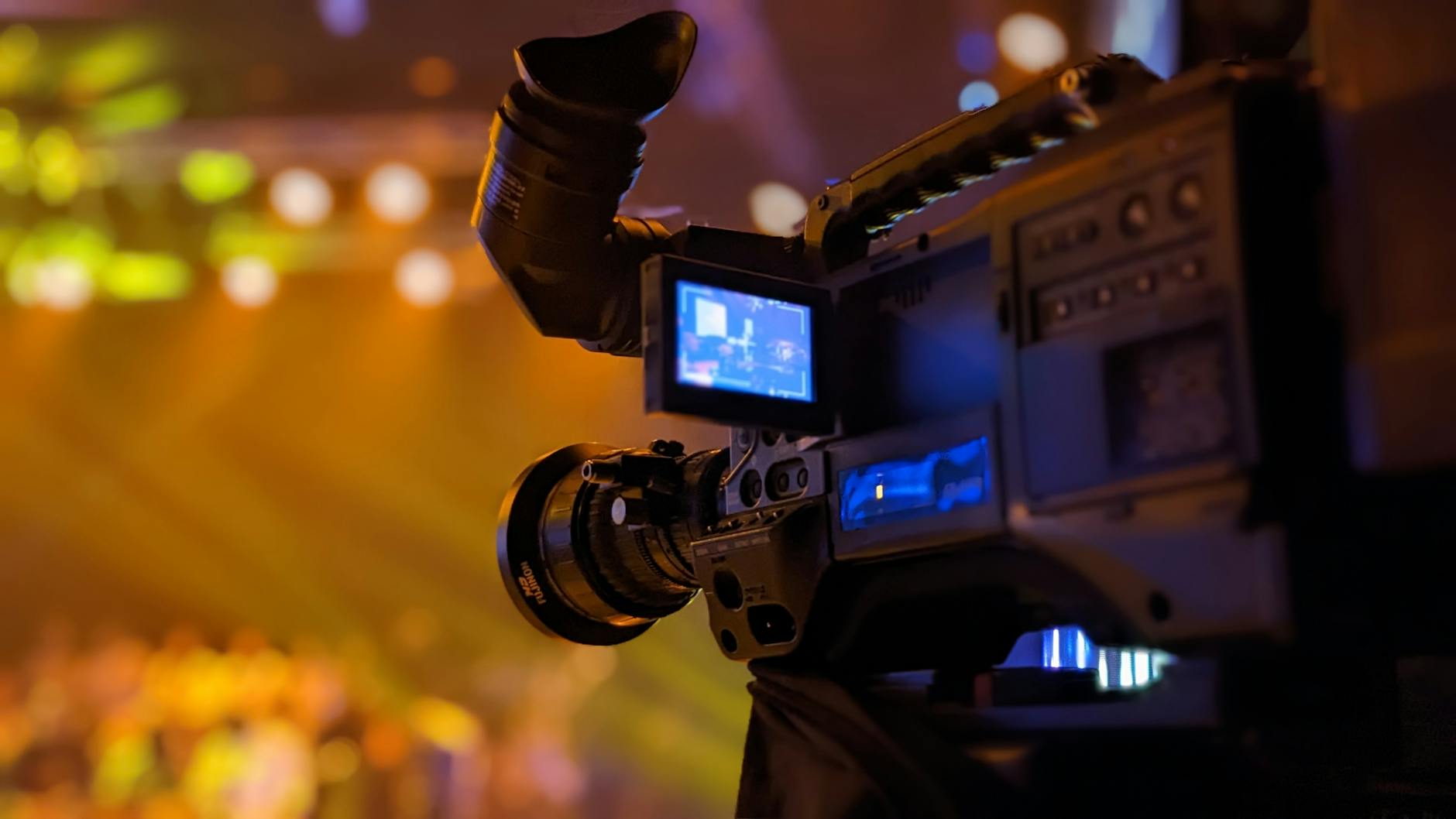
Developing a thorough pre-production plan involves outlining all technical and logistical elements before the live event. This includes selecting authorized hardware, such as professional-grade cameras, encoders, and audio equipment, which must be compliant with industry standards to ensure performance and safety. A detailed strategy also encompasses choosing the right streaming platform verified for security and quality, which reinforces the continuity of the broadcast while curbing potential security vulnerabilities.
Coordination with a skilled technical team ensures all equipment functions harmoniously during the live event. This team manages tasks such as multi-camera setup, audio mixing, and real-time video switching. They also oversee network connectivity to prevent buffering or signal drops, emphasizing the importance of dedicated, high-bandwidth internet connections suited for live streaming in Miami or elsewhere.
Part of pre-production involves content assurance, verifying that all broadcast elements—graphics, overlays, and licensed media—are properly licensed and compliant with content rights. This proactive approach sustains the professional integrity of the production, avoiding interruptions caused by copyright issues and ensuring a smooth viewer experience.
Equipment Selection and Setup
Utilizing legitimate, industry-certified hardware is fundamental. High-definition cameras, encoders that support multiple input formats, and professional audio mixers enable live streams to meet high standards of clarity and fidelity. Lighting plays an equally critical role; properly positioned and designed lighting enhances video quality and ensures subjects are well-lit, providing a professional appearance for the broadcast.
Microphones should be selected based on the environment, offering clear sound without interference. Wireless options reduce clutter and improve mobility during production. Reliable streaming software and encoders configured with authorized licenses simplify the process of transmitting data efficiently while maintaining the highest quality standards.
Secure and Verified Streaming Infrastructure
Partnering with authorized streaming platforms ensures the broadcast remains accessible across diverse devices without risking security breaches. These platforms employ standardized encryption methods to safeguard content during transmission and provide resilient distribution channels suited for diverse audiences. Delivery via verified Content Delivery Networks (CDNs) enhances performance by distributing streams efficiently across geographical locations, including Miami.
Monitoring tools integrated into the streaming infrastructure track quality metrics and viewer engagement in real-time. This allows live operators to troubleshoot issues proactively, such as low bandwidth or latency, and implement necessary adjustments swiftly to maintain broadcast continuity.
Continual Management and Compliance
During the live event, a dedicated production crew oversees all technical aspects—audio balance, video switching, and stream stability. They ensure all operations adhere to certified procedures, fostering a trustworthy viewing environment. Post-event, detailed recordings and logs of the broadcast are compiled for review, assisting in maintaining high standards and aligning with detailed documentation requirements for operational transparency.
By implementing legitimate methods—such as certified hardware/software, authorized platforms, dependable network infrastructure, licensed content, and experienced professionals—organizations can produce trustworthy, engaging live streams. This structured approach guarantees a high-quality broadcast that captures viewers’ attention and reinforces the organization’s professional image.
Understanding Live Video Stream Production
Live video stream production encompasses a comprehensive set of processes and technical methods designed to deliver high-quality, real-time video content to viewers across various digital platforms. It involves meticulous planning, precise execution, and reliable technology deployment to ensure that each broadcast is seamless, engaging, and reflective of the producer's intent. Mastering the intricacies of live stream production means adhering to industry-approved standards, utilizing robust and certified equipment, and collaborating with seasoned professionals to maintain a consistent and professional broadcast.
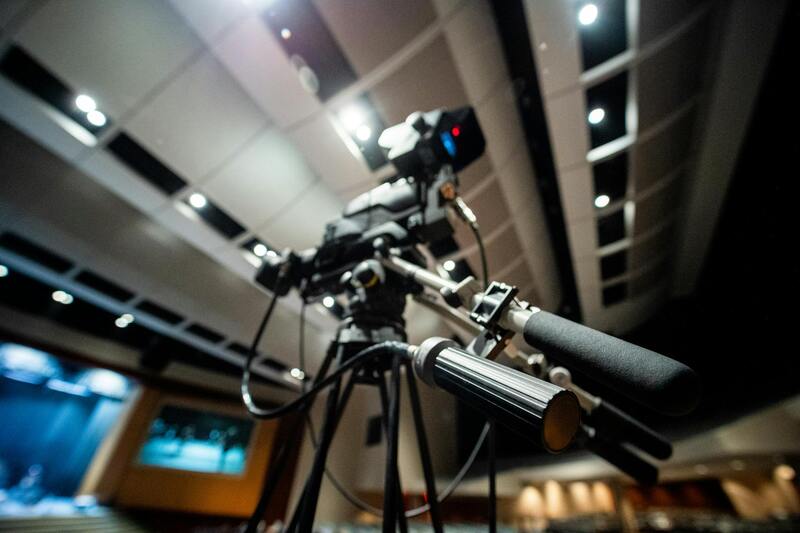
Core Elements of Live Video Stream Production
- Pre-Production Planning: Establish comprehensive logistical and technical strategies, including content scripting, camera placement, and audience engagement elements. This stage sets the foundation, minimizing risks and ensuring coordination among all crew members.
- Content and Platform Compatibility: Select appropriate streaming platforms verified for stability and security. Align content format with technical specifications to optimize playback across devices and networks.
- Technical Setup and Equipment: Deploy industry-grade cameras, audio devices, switching consoles, and encoding hardware to capture and transmit high-fidelity audio-visual data. Incorporate backup systems to mitigate potential technical failures.
- Connectivity and Network Reliability: Establish high-speed, dependable internet connections, often through dedicated fiber lines or robust wireless networks, to sustain uninterrupted streams. Implement failover mechanisms to handle connectivity disruptions.
- Team and Workflow Management: Assemble skilled operators for camera control, audio mixing, live switching, and technical troubleshooting. Clearly define roles to facilitate real-time decision-making and problem resolution.
- Content Certification and Rights Management: Ensure that all content used in the broadcast complies with licensing agreements and intellectual property rights. Using licensed media protects against copyright issues and preserves broadcast integrity.
Ensuring Content Security and Data Privacy
Transparent and secure live streaming is achievable through utilizing authorized and licensed streaming platforms that employ advanced encryption methods. These platforms safeguard transmitted data, protect against unauthorized access, and offer features such as digital rights management (DRM) to control distribution. Additionally, verified Content Delivery Networks (CDNs) are employed to distribute content efficiently while maintaining security standards. Monitoring tools integrated within the streaming infrastructure enable real-time oversight of stream quality, viewer engagement, and security alerts. They facilitate prompt troubleshooting, such as addressing bandwidth bottlenecks or latency issues, which are critical for maintaining a reliable live broadcast.
Legitimate Methods for Live Stream Production
Producing trustworthy and resilient live streams involves adhering strictly to established best practices and using certified hardware and software solutions. Authorized platforms with proven track records are selected for content delivery to ensure stability and security. Engaging with experienced professionals who possess valid industry certifications guarantees a coherent workflow and technical proficiency. Dependable network infrastructure, including dedicated internet connections and redundant systems, reduce the risk of broadcast interruptions. Licensing agreements for music, videos, and any proprietary content must be verified and documented to prevent copyright issues and ensure compliance. This comprehensive approach not only enhances viewer trust but also fortifies the organization's reputation as a professional and responsible broadcaster.
Implementing Multi-Camera Setup and Live Switching
To elevate the production quality of a live video stream, deploying a multi-camera setup is essential. It allows for dynamic shots and seamless transitions, creating a more engaging viewer experience. Starting with high-definition cameras positioned strategically ensures comprehensive coverage of the event or scene. Using professional-grade equipment capable of capturing in various angles—such as close-ups, wide shots, and detail shots—provides flexibility during the live broadcast.
Live switching is the process of toggling between different camera feeds in real time. This is typically managed through a broadcast switcher or vision mixer, which integrates multiple video sources into a cohesive output. Skilled operators utilize live switching software to execute smooth transitions—cuts, fades, wipes—synchronizing visuals with the event’s rhythm and content flow. This not only enhances visual storytelling but also maintains viewer interest, especially during complex or fast-paced productions.

Proper setup involves meticulous calibration of cameras, consistent lighting conditions to prevent flickering or shadow issues, and synchronized audio feeds. Ensuring all technical components are configured for optimal performance minimizes latency and prevents buffering during the stream. Additionally, pre-programming shot lists, scene changes, and transition cues facilitates smoother production workflows, especially in live environments where spontaneity and precision are equally vital.
Effective communication among production staff is paramount for managing multi-camera feeds. Wireless or wired intercom systems enable real-time coordination, allowing directors, camera operators, and technical team members to synchronize their efforts. During the event, the director oversees the live switcher operations, making impactful decisions on camera angles and overlays that enhance storytelling and viewer engagement. The result is a polished, professional broadcast that reflects high production standards.
Investing in high-quality multi-camera systems and professional switching technology permits complex productions, such as conferences, concerts, or corporate events, to come alive on screen. When paired with experienced operators and robust infrastructure—comprising reliable power sources, backup equipment, and redundant streaming pathways—these methods ensure consistency and stability throughout the broadcast, delivering a satisfying viewer experience without interruptions.
Effective Use of Broadcast Protocols and Streaming Standards
Implementing proper broadcast protocols and adhering to established streaming standards are essential steps in ensuring the reliability and quality of live video stream production. Standards such as RTMP (Real-Time Messaging Protocol), HLS (HTTP Live Streaming), and DASH (Dynamic Adaptive Streaming over HTTP) serve as foundational technologies that facilitate seamless distribution of high-quality content across various devices and network conditions. When configuring streaming workflows, it is vital to select the appropriate protocol based on the target platform and audience expectations. RTMP remains a preferred choice for its low latency and stability during live broadcasts, especially when feeding content into streaming servers. Meanwhile, HLS and DASH are widely adopted for their adaptive bitrate capabilities, enabling viewers to receive the highest possible quality without buffering, regardless of their internet speed.
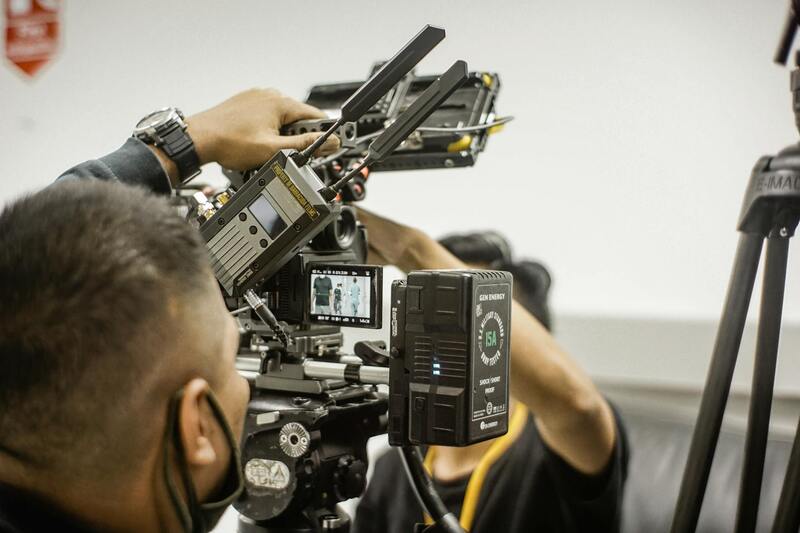
Crucially, stream management includes setting up robust failover mechanisms. This involves using backup streaming servers, redundant internet connections, and switching protocols to maintain uninterrupted broadcast streams. Such strategies are indispensable for large-scale events, where even brief disruptions can compromise viewer experience and brand reputation. Additionally, establishing rapport with content delivery networks (CDNs) enhances distribution efficiency, especially for geographically dispersed audiences, by caching content closer to end users and reducing latency.
Implementing Secure and Scalable Infrastructure
Building a resilient infrastructure for live video streaming requires meticulous planning. Scalable cloud-based platforms provide dynamic resource allocation, accommodating sudden increases in viewer count or bandwidth demands. Cloud services also facilitate quick deployment, ease of management, and remote troubleshooting, which are advantageous during live production. Security measures such as encrypted streams, token-based authentication, and access controls are vital to safeguard content from unauthorized distribution or piracy.
Furthermore, monitoring tools integrated into the production pipeline allow technical teams to track stream health, pinpoint latency issues, and instantly respond to any technical anomalies. Real-time analytics provide actionable insights into viewer engagement, stream quality, and network performance, enabling continuous optimization during the broadcast. These official methods not only guarantee high-quality streaming experiences but also support the scaling of production operations to meet evolving client requirements and technological advancements.
Optimizing Streaming Workflows for Audience Engagement
To maximize audience reach and engagement, strategic integration of streaming workflows with distribution channels is fundamental. This includes synchronized multi-platform streaming that allows simultaneous broadcast on social media, proprietary websites, and third-party aggregators. Employing multi-channel distribution workflows ensures broader visibility and interaction opportunities with viewers, which is vital for corporate branding, live events, and community engagement.
Alongside distribution, leveraging analytics tools helps assess viewer behavior, geographic distribution, and interaction rates. These metrics guide content adjustments and promotional strategies, enhancing overall engagement. Custom overlays, real-time chat, and interactive features integrated into the stream foster a participatory environment, deepening audience connection and satisfaction.

Understanding Live Video Stream Production
Live video stream production involves the intricate process of capturing, managing, and broadcasting real-time video content to audiences via the internet. It requires a seamless integration of hardware, software, and strategic planning to ensure an engaging and high-quality experience. This process encompasses everything from pre-production arrangements to post-broadcast analytics, making it essential for organizations aiming to deliver professional-grade streams for events such as corporate conferences, product launches, or live entertainment. The core objective of live stream production is to replicate the feeling of attending an event in person, demanding meticulous technical coordination, creative camera work, precise audio management, and effective distribution channels.
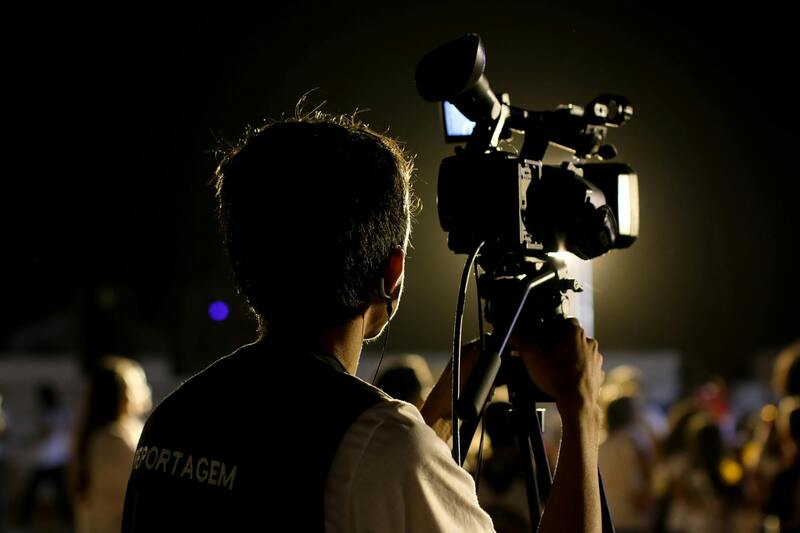
Pre-Production Planning and Strategy
Successful live video streaming begins with comprehensive pre-production planning. This phase involves defining the event’s objectives, target audience, and key messages to align technical and creative efforts effectively. A detailed production plan includes storyboard development, shot list creation, and a schedule for equipment setup and rehearsals. A clear understanding of the venue layout and available connectivity options helps in anticipating potential challenges related to signal reliability and bandwidth. It is crucial to coordinate with all stakeholders, including event organizers, talent, and technical crew, to establish roles, responsibilities, and backup procedures. Incorporating contingency plans for technical failures or connectivity issues minimizes disruptions during live broadcasts.
Equipment and Technology for High-Quality Streaming
The backbone of live video stream production is utilizing the right equipment and technology. Key components include high-definition cameras capable of capturing detailed footage with a variety of lens options suited for different shots. Professional audio equipment, such as wireless microphones and mixers, guarantees clear sound quality, which is fundamental for viewer engagement. Streaming hardware, like encoding devices or switchers, converts raw footage into optimized streams compatible with various platforms. Reliable internet connectivity, preferably with dedicated bandwidth, is essential to prevent streaming interruptions. Many production professionals leverage industrial-grade routers and backup internet connections to maintain uninterrupted service during broadcasts. Additionally, employing high-capacity servers or content delivery networks (CDN) ensures smooth transmission to viewers scattered across different locations.
Multi-Camera Setup and Live Switching
A multi-camera setup offers dynamic viewing angles, creating a professional and engaging broadcast. Multiple cameras can be strategically positioned to capture wide shots, close-ups, and different perspectives. Live video switching is conducted through professional switchers, allowing a director to seamlessly transition between camera feeds, add effects, and overlay graphics in real time. This flexibility not only enhances visual storytelling but also accommodates spontaneous moments that add authenticity to the stream. Proper coordination and real-time communication among camera operators and the technical director are vital to ensuring smooth transitions and maintaining the broadcast flow. When executed successfully, multi-camera live switching transforms a simple event into a polished, cinematic experience for viewers.
Optimizing Audio and Video Quality
Quality audio is often overlooked but remains fundamental in live streaming. Using directional microphones and audio mixers enables the capture of clean, balanced sound. Audio monitoring ensures levels are maintained throughout the broadcast and identifies any disruptions promptly. Video quality relies on sufficient lighting, proper camera settings, and stabilization equipment to produce sharp, well-exposed visuals. Color correction and exposure adjustments are performed live to adapt to variable lighting conditions. Employing professional-grade streaming encoders and configuring them with appropriate bitrate settings ensures the video remains crisp without buffering. Regular testing of all equipment prior to the event minimizes potential technical issues during the live broadcast.
Streaming Platforms and Distribution Channels
Strategic selection of streaming platforms is crucial to maximize viewer engagement and reach. Industry-standard channels such as live social media broadcasts, proprietary websites, and third-party streaming services facilitate wider distribution. Simultaneous multi-platform streaming allows content to reach diverse audiences across different devices and regions, expanding the event’s visibility. Distribution workflows should incorporate analytics tools that track viewer metrics, geographic distribution, and engagement levels. These insights assist in refining future streaming strategies and tailoring content to audience preferences. Interactive features like chat boxes, polls, and real-time overlays foster viewer participation, making the experience more immersive. Proper integration of these distribution methods ensures that the content delivered is both accessible and engaging, enhancing overall viewer satisfaction.
Understanding Live Video Stream Production
Live video stream production encompasses a comprehensive set of processes designed to deliver seamless, high-quality broadcasts to audiences across various platforms. This multifaceted approach involves careful coordination of pre-production planning, technical setup, content management, and post-event analysis. It leverages specialized equipment, advanced streaming technology, and strategic platform selection to ensure that the live content meets the expectations for clarity, engagement, and reliability.
Pre-Production Planning and Strategy
Effective live stream production begins well before the event goes live. This phase involves defining the event objectives, understanding the target audience, and establishing key performance indicators (KPIs). During planning, producers determine the appropriate format, length, and content flow of the streaming event. A detailed storyboard or script is essential for guiding on-camera talent and ensuring a coherent narrative.
Logistics also play a critical role in pre-production. This includes securing necessary permits, confirming availability of venue spaces, scheduling technical rehearsals, and establishing backup plans for potential technical failures. Additionally, a dedicated team should be assembled, comprising technical operators, camera operators, audio specialists, and content coordinators, to execute the plan flawlessly.
Equipment and Technology for High-Quality Streaming
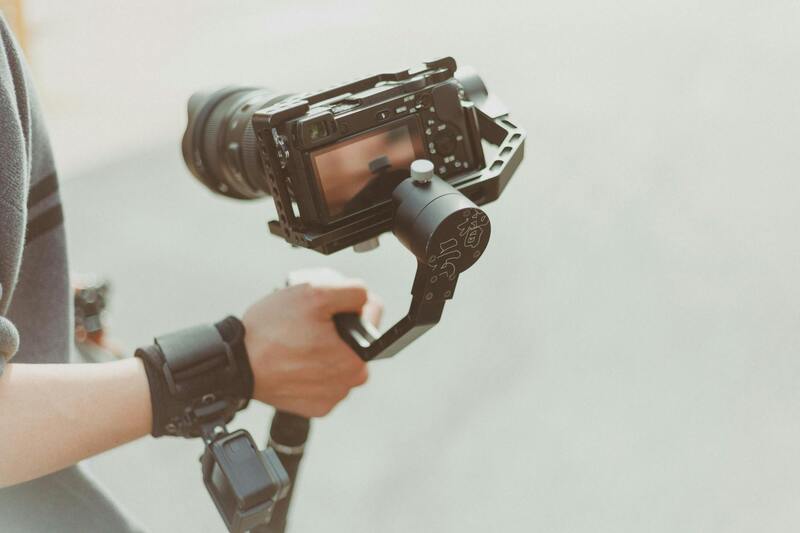
Utilizing professional-grade equipment is crucial for achieving a crisp, reliable broadcast. Camera selections should include high-definition (HD) or ultra-high-definition (UHD) models with capabilities for remote control and multiple angles. Stabilization gear such as tripods, gimbals, and dollies ensures steady footage, reducing visual distraction. Lighting equipment must provide uniform illumination, compensating for venue-specific lighting challenges to enhance video clarity and color accuracy.
Audio quality often plays a more significant role than video in maintaining viewer engagement. High-fidelity microphones, mixers, and noise-canceling technology help deliver crystal-clear sound. Wireless microphones or lapels allow flexible movement, while audio mixers ensure consistent volume levels and clarity throughout the broadcast.
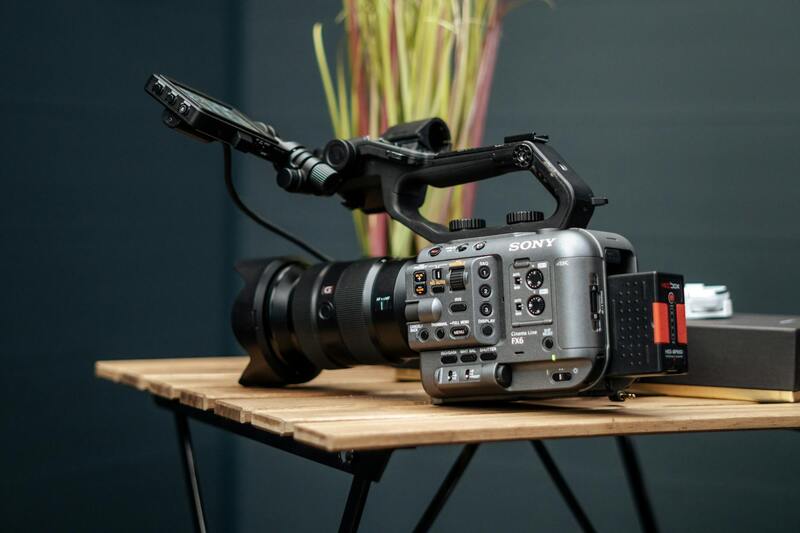
Multi-Camera Setup and Live Switching
Employing multiple cameras provides dynamic and engaging production quality. Typically, a tri-camera setup includes wide, medium, and close-up shots, allowing for a visually rich experience. Live switching hardware or software enables producers to seamlessly transition between camera angles, incorporate picture-in-picture effects, and add overlays or graphics in real-time.
Strategic camera placement should consider key event areas, audience sightlines, and lighting conditions. Skilled operators or directors manage the switching process, ensuring smooth transitions that maintain the event's flow and professionalism. Additionally, coordinating with on-screen talent and technical staff minimizes latency and synchronization issues.
Optimizing Audio and Video Quality
Optimizing both audio and video feeds involves real-time adjustments to adapt to changing conditions. Camera settings such as exposure, white balance, and focus are calibrated during rehearsals to suit the environment. Video encoding settings are configured for optimal bitrate, balancing quality and streaming stability. Adaptive bitrate streaming technology dynamically adjusts the stream quality based on viewer bandwidth, preventing buffering and reducing latency.
For audio, equalization, gain control, and proper mixing ensure clarity and consistent loudness. Embedding audio and video into a synchronized stream preserved through high-quality encoders guarantees a professional presentation. Regular testing of all streams prior to the event reduces the risk of technical disruptions.
Streaming Platforms and Distribution Channels
The selection of distribution platforms determines the reach and engagement of a live stream. Industry-standard options include social media channels like Facebook Live, YouTube Live, and LinkedIn Live, which facilitate broad access and interactiveness. Proprietary websites or dedicated streaming portals allow for branded experiences, offering players integrated with chat features, polls, and viewer analytics.
Multi-platform streaming maximizes visibility by simultaneously broadcasting across various channels. This approach attracts diverse audiences, improves brand exposure, and fosters real-time interaction. Employing a streaming encoder capable of multi-channel output simplifies this process and ensures consistent delivery across all endpoints.
Incorporating analytics tools provides insights into viewer demographics, engagement levels, and geographic distribution. These metrics inform future content strategies and help tailor messaging to audience preferences, enhancing overall effectiveness.
Post-Stream Activities and Analytics
Following the live broadcast, content can be repurposed through on-demand videos, extending its lifecycle and accessibility. Analyzing viewer data sheds light on engagement patterns, peak viewing times, and content preferences. This information guides improvements in subsequent productions and informs content marketing strategies.
Editing highlights, sharing clips on social media, and creating summaries enhances audience retention and encourages future viewership. Collecting feedback through surveys or comment analysis further refines production quality and content relevance. A systematic review of technical performance, including stream stability and audio-visual synchronization, identifies potential areas for equipment upgrades or process refinements, ensuring continuous improvement in live video stream production.