

Understanding Corporate Live Streaming
In today’s interconnected world, live streaming has become an essential tool for companies seeking to maximize their event reach and engagement. Corporate event live streaming refers to the real-time broadcasting of company-hosted events through online platforms, allowing remote audiences to participate as if they were physically present. This form of digital communication enhances the visibility of brand initiatives, corporate announcements, product launches, conferences, and seminars by transcending geographical limitations.
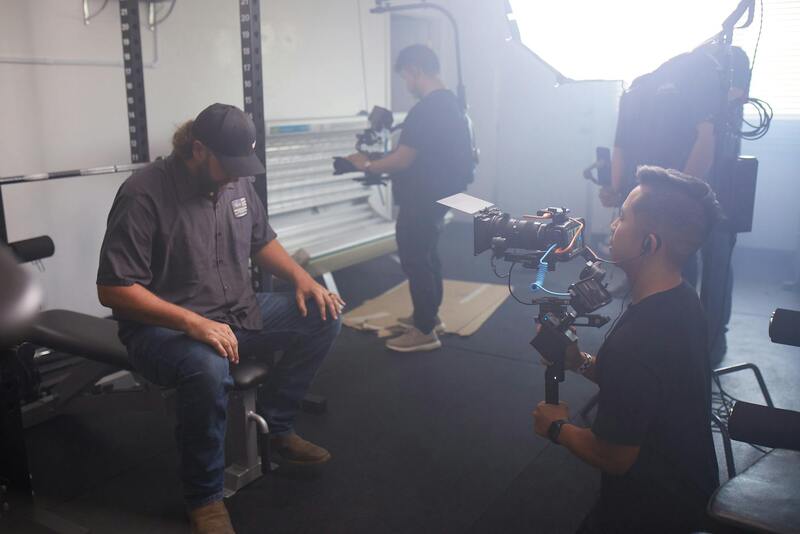
The significance of live streaming lies in its ability to foster inclusive participation from remote attendees, thereby increasing event accessibility and engagement levels. When executed with professional quality, live streams deliver crystal-clear audio and high-definition visuals that replicate the in-person experience. This is especially crucial for maintaining audience attention and ensuring the message is effectively communicated across various devices and internet speeds.
For organizations aiming to reinforce their industry presence or communicate major corporate updates, live streaming offers a dynamic medium to connect with stakeholders, clients, and employees. This method also provides valuable data insights, such as viewership metrics and audience interaction, which can be used to refine future communication strategies. Additionally, live streaming aligns with modern corporate sustainability efforts, reducing the need for extensive travel and resource consumption associated with traditional in-person events.
The process involves more than merely pressing a 'go live' button. It requires careful planning and execution by professionals skilled in streaming technology, audiovisual equipment, and real-time broadcasting. Reliable connections, multi-platform support, and contingency plans are vital for avoiding disruptions during critical moments. With technological advances and increased demand for digital engagement, corporate live streaming stands as an indispensable component of contemporary event strategies, delivering measurable benefits that go beyond conventional event planning.
As organizations continue to embrace digital transformation, investments in high-quality live streaming infrastructure become more justified. Whether for internal meetings or large-scale public conferences, the goal remains consistent: to communicate effectively while providing an immersive, captivating experience for remote audiences. Partnering with reputable production experts ensures that your corporate message is delivered seamlessly, professionally, and with maximum impact.
Understanding Corporate Live Streaming
Corporate live streaming has become a pivotal tool for organizations seeking to extend their reach and enhance engagement during key events. This approach involves transmitting high-quality audiovisual content from a venue directly to a remote audience via the internet, allowing viewers to participate in real-time. Executing a seamless corporate live stream requires a deep understanding of both technological infrastructure and broadcast protocols. It’s not merely about capturing video and audio; it entails meticulous planning, robust hardware configurations, and reliable internet connections to ensure a professional presentation. A comprehensive live streaming setup typically includes multiple high-definition cameras positioned to cover different angles, professional-grade audio equipment to guarantee clear sound, and a dedicated streaming encoder that compresses and transmits the content efficiently. Additionally, the integration of multi-platform support ensures that viewers can access the stream from various devices such as smartphones, tablets, desktops, or smart TVs. The deployment of backup systems and contingency procedures is critical, as technical disruptions can compromise the viewer experience and diminish the event’s impact. Advancements in streaming technology have introduced features like multi-camera switching, real-time graphics, and audience interaction tools, enriching the engagement quotient. High-quality production values are essential for maintaining professionalism, making the involvement of experienced production teams invaluable. These specialists oversee the entire process, from pre-event setup and live monitoring during the broadcast to post-event analytics, providing insights into viewership metrics and audience engagement. Implementing a corporate live stream also involves compliance with various technical standards and protocols, such as secure data transmission and copyright considerations. Ensuring that content is protected against unauthorized access or sharing is often achieved through encryption and access control measures. Compatibility with multiple devices and platforms broadens the reach, facilitating broader participation and maximizing exposure. Choosing the right technology stack and ensuring compatibility with existing IT infrastructure are foundational steps. Equipments such as professional cameras, audio mixers, streaming encoders, and reliable internet connectivity form the backbone of a successful broadcast. As part of the setup, onsite technical support is fundamental, especially for complex events with multiple speakers, presentations, or panels. The ability to adapt swiftly to unforeseen issues, such as technical faults or connectivity problems, further distinguishes a proficient production team. An effective corporate live stream must also consider the audience’s experience, offering features like real-time chat, Q&A sessions, and polling options to promote interaction. These features not only foster a sense of inclusion but also generate valuable insights into attendee interests and preferences, helping organizations refine future event strategies. In sum, delivering a high-caliber corporate live streaming service hinges on a blend of cutting-edge technology, expert execution, and strategic planning. The goal is to provide a seamless, engaging experience that reflects the organization’s professionalism and commitment to innovation.
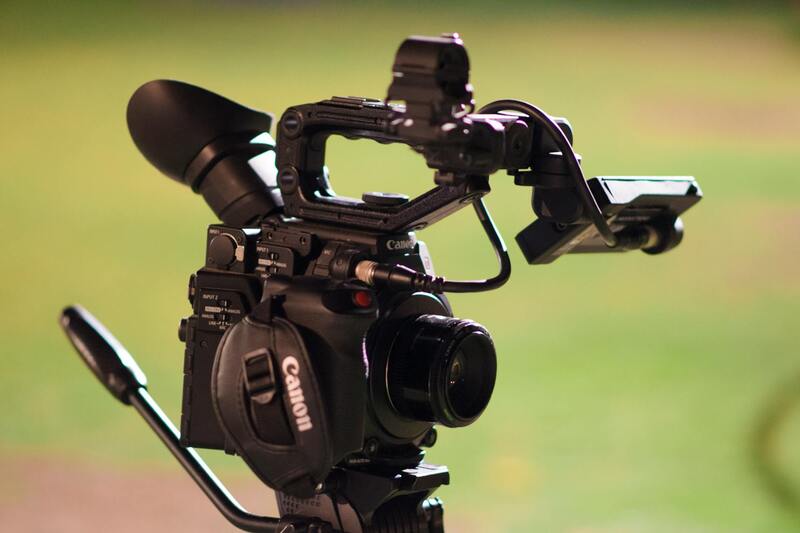
Securing Live Streaming Content Through Official Channels
Implementing corporate event live streaming through authorized providers ensures a reputable and professional broadcast. Partnering with established production companies like Miami Event Videography guarantees access to cutting-edge technology, experienced technicians, and comprehensive support tailored to corporate needs. These providers utilize verified streaming platforms and equipment, ensuring high-quality video and audio delivery that aligns with corporate branding standards.
When selecting a service provider, it's essential to verify their experience in handling live streams for corporate events, including webinars, product launches, and conferences. Familiarity with corporate communication strategies allows the provider to customize features like branded overlays, interactive polls, and real-time chat functions effectively. This not only enhances viewer engagement but also maintains the professional integrity of the event.
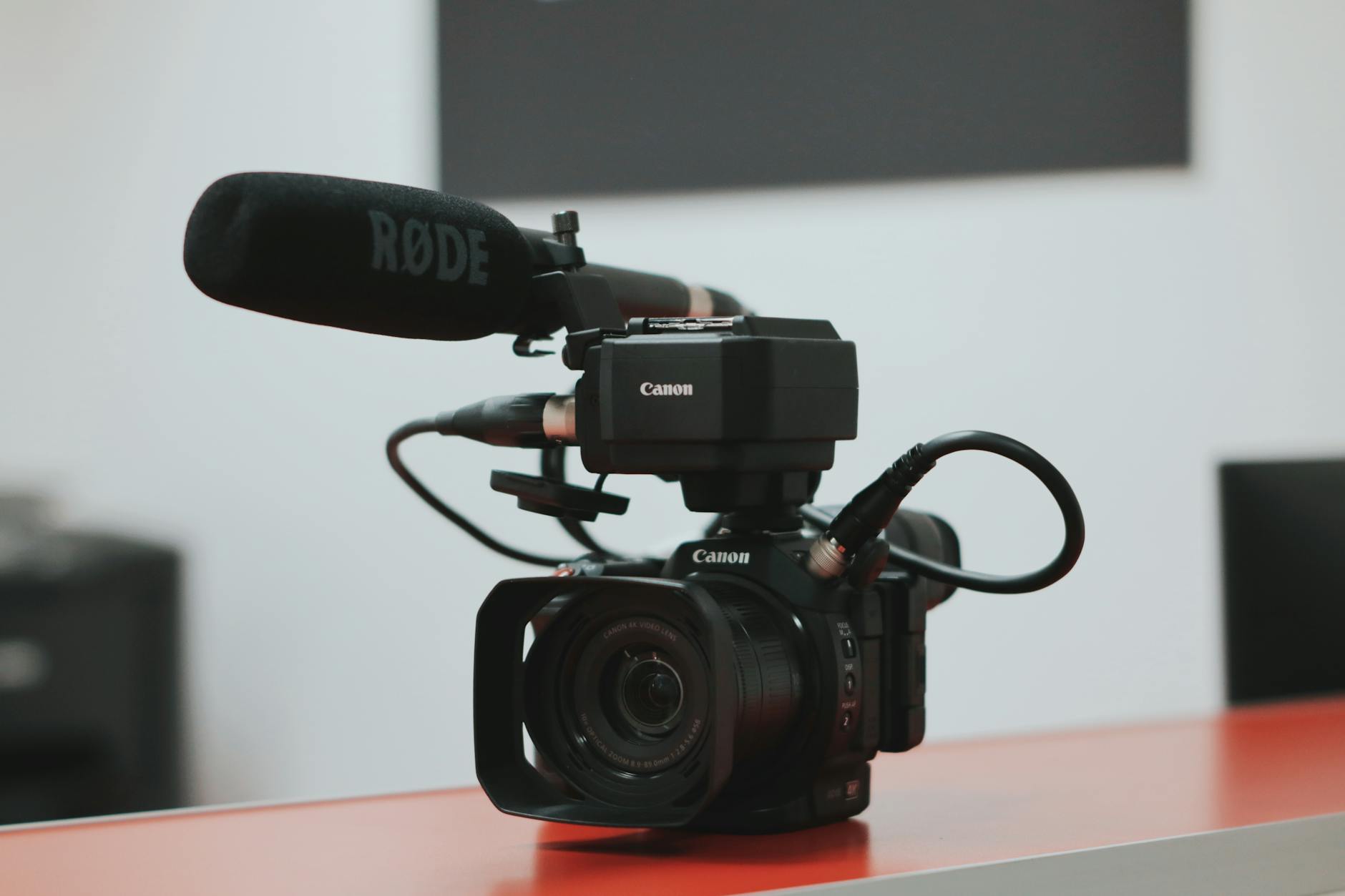
Utilizing official streaming platforms such as Vimeo Livestream, YouTube Enterprise, or IBM Cloud Video ensures a secure, reliable, and scalable environment for your broadcast. These platforms offer enterprise-grade security, subscriber management, and analytics capabilities, allowing organizations to control access and measure engagement effectively. Employing encrypted streams further safeguards sensitive information shared during corporate presentations.
Adhering to Established Technical Procedures
Following standard technical workflows and protocols enhances stream stability and quality. This encompasses meticulous pre-event testing of equipment, ensuring all devices—such as professional cameras, audio mixers, and streaming encoders—are synchronized and configured correctly. Regular network speed tests and backup internet options mitigate potential disruptions, maintaining an uninterrupted viewer experience.
On the day of the event, onsite technical staff oversee the entire process, from camera angles and audio clarity to encoding settings. Monitoring tools enable real-time adjustments in response to unforeseen issues, ensuring the broadcast's smooth operation. Clear communication channels among the technical team, organizers, and speakers facilitate prompt resolution of any infrastructural challenges.
Implementing Secure Access Control Measures
Protecting your live stream from unauthorized access is vital for maintaining exclusivity and confidentiality. Utilizing login-based authentication systems, such as secure portals or optional password protections, restricts viewing privileges to designated personnel. These systems can be integrated with corporate portals or event registration platforms, making access management seamless.
Furthermore, embedding digital rights management (DRM) solutions prevents unauthorized redistribution or recording of the broadcast content. For sensitive meetings or strategic presentations, employing encrypted streams combined with multi-factor authentication provides an extra layer of security.
Ensuring Compliance and Documentation
Adhering to industry-standard procedures also involves comprehensive documentation of the streaming process, including technical configurations, access logs, and incident reports. Such records facilitate accountability and enable future audits or evaluations. Moreover, following recommended best practices in data privacy and content management aligns the organization with established operational standards.

Understanding Corporate Live Streaming
Corporate live streaming has revolutionized the way organizations communicate, present, and engage with their audiences. Unlike traditional methods of event dissemination, which often require physical attendance or recorded content, live streaming provides an immediate and interactive platform that reaches viewers globally in real time. This technology leverages high-speed internet connections and sophisticated broadcasting equipment to transmit crystal-clear audio and video across multiple devices, including desktops, tablets, and smartphones.
For corporations, live streaming serves as an effective tool to enhance transparency, showcase initiatives, and foster stakeholder involvement. By broadcasting product launches, annual meetings, training seminars, and investor briefings, businesses can ensure that critical information is consistently delivered to all relevant parties, regardless of geographical barriers. Furthermore, live streaming enables companies to gather instant feedback through chat functions and interactive polls, fostering a two-way communication channel that enriches the overall experience.

Transitioning to a digital streaming format requires meticulous planning and execution. Key considerations include selecting the appropriate streaming platform, ensuring robust internet connectivity, and deploying professional-grade audiovisual equipment. Moreover, organizations must establish a comprehensive strategy that aligns streaming content with organizational goals, target audience expectations, and branding standards.
Core Advantages of Implementing Live Streaming in Corporate Settings
- Expanding Audience Reach: Streaming allows companies to connect with stakeholders, clients, and employees beyond physical boundaries, opening new avenues for engagement.
- Cost Efficiency: Reducing the need for extensive travel and venue arrangements, live streaming minimizes logistical expenses associated with traditional event hosting.
- Enhancing Brand Visibility: Consistent, professional broadcasts strengthen corporate image and demonstrate technological agility.
- On-Demand Content Accessibility: Recorded streams can be archived for later viewing, extending the lifespan and impact of the content shared.
- Real-Time Analytics and Feedback: Streaming platforms often provide valuable viewer engagement metrics, enabling data-driven decision-making.
To maximize these benefits, organizations should partner with experienced live streaming service providers that can handle technical complexities, ensure secure content delivery, and enable seamless integration with existing corporate communication channels.
Implementing Effective Corporate Live Streaming Solutions
Successful live streaming hinges on a combination of advanced technology and strategic planning. Entities should prioritize the following components to guarantee a high-quality broadcast experience:
- High-Resolution Video Equipment: Professional cameras and broadcasting tools provide clear, sharp visuals that align with corporate branding.
- Reliable Internet Connectivity: Dedicated bandwidth ensures uninterrupted streaming without buffering issues or delays.
- Audio clarity and Mixing: Audio equipment, including microphones and mixing consoles, guarantees clear sound for all viewers.
- Secure Streaming Platforms: Utilizing platforms with robust security features prevents unauthorized access and content leaks.
- Technical Support and Rehearsals: Conducting test runs minimizes unforeseen technical difficulties during the live event.
- Interactive Features: Incorporating chat, Q&A, and polling tools fosters engagement and participatory involvement.
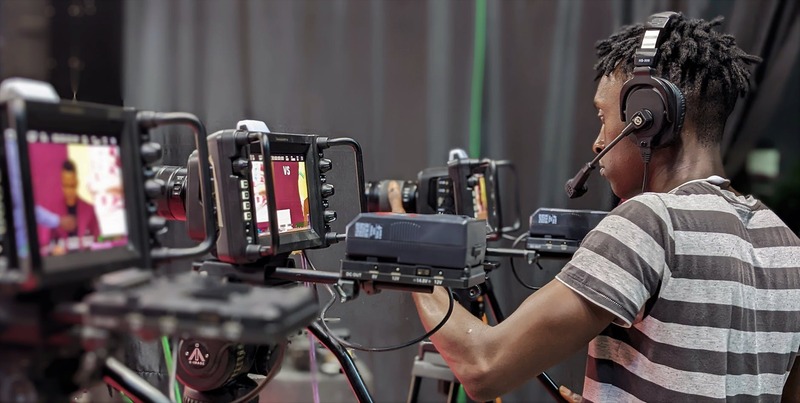
Comprehensive planning also involves coordinating with technical teams to establish backup protocols, ensuring content security through encryption, and adhering to all relevant data privacy standards. Effective communication among organizers, technical personnel, and speakers is essential for synchronized execution. The result is a seamless live streaming experience that maintains audience attention, communicates organizational messages effectively, and enhances overall corporate reputation.
Legal and Technical Considerations in Corporate Live Streaming
Executing a successful corporate event live stream requires adherence to a range of technical standards and operational protocols that ensure content security, quality, and compliance. The technical aspects encompass selecting compatible streaming hardware, implementing robust internet infrastructure, and utilizing secure streaming solutions. High-definition cameras, professional audio equipment, and reliable encoders form the backbone of a seamless broadcast. Ensuring redundancy in internet connections, such as backup fiber lines or cellular data, mitigates the risk of interruptions during the event.
On the security front, encrypting streams during transmission prevents unauthorized access, while platform-specific security measures, such as password protection and login authentication, help in maintaining confidentiality. Content protection extends further through Digital Rights Management (DRM) techniques, which restrict content copying and redistribution. Additionally, implementing access controls for internal teams ensures sensitive corporate information is shared only with authorized personnel.

Technical support constitutes another vital aspect. Assigning dedicated technicians to oversee the stream allows real-time troubleshooting and adjustment. Conducting test runs prior to the actual event facilitates the identification of potential issues related to bandwidth, audio-video sync, or platform compatibility. Rehearsals with presenters and technical staff foster synchronization and familiarity with the broadcasting tools, reducing the likelihood of glitches during the live event.
Data privacy standards are equally important. Adhering to relevant policies ensures that sensitive corporate data and personal participant information are protected during the streaming process. This involves choosing compliant hosting platforms, encrypting data streams, and establishing secure login procedures for attendees.

In conclusion, the combination of specialized technical equipment, strategic security measures, and thorough planning forms the foundation of effective corporate live streaming. By prioritizing these official and legitimate methods, organizations can guarantee a professional-quality broadcast that resonates with viewers, maintains content integrity, and upholds corporate standards throughout the streaming process.
Understanding Corporate Live Streaming
Corporate live streaming is a vital tool that allows organizations to broadcast their events to a remote audience in real time, maintaining engagement, transparency, and wider reach. Unlike traditional event recordings, live streaming enables interactive participation, instant feedback, and the opportunity to showcase company milestones, product launches, or conferences to stakeholders across the globe. High-quality live streaming hinges on reliable technology, professional equipment, and adherence to industry standards, ensuring that the broadcast reflects the organization’s professionalism and commitment to excellence.

Key Components of a High-Quality Live Stream
To guarantee an effective live streaming experience, several critical components must be meticulously managed:
- Camera Technology: High-resolution cameras with stabilization features deliver crisp, clear visuals. Multiple camera angles can create a dynamic viewing experience.
- Audio Equipment: Professional microphones and audio mixers ensure clear sound quality, minimizing echoes and background noise.
- Streaming Hardware and Software: Reliable encoders and robust streaming platforms ensure smooth transmission without buffering or delays.
- Stable Internet Connection: Dedicated bandwidth and backup connections prevent interruptions during the broadcast.
- Production Team: Skilled technicians oversee the technical aspects, manage transitions, and troubleshoot issues in real time.
Choosing the Right Live Streaming Platform
Selecting an appropriate platform for corporate live streaming involves assessing several factors. The platform should support the expected number of viewers, offer secure login options, and include features such as chat moderation, access controls, and analytics. Consider platforms with proven reliability and options for customization to match your branding. Integration capabilities with your company’s existing tools or CRM systems can further streamline attendee management and data collection.
Best Practices for Producing Engaging Corporate Live Streams
An engaging live stream captures the audience’s attention and conveys professionalism. Here are essential best practices:
- Pre-Event Preparation: Conduct thorough testing of all equipment, run rehearsals with speakers, and prepare a detailed broadcast script.
- Professional Presentation: Use multiple cameras, graphics, and on-screen titles to highlight key points and maintain visual interest.
- Interactive Elements: Incorporate live Q&A sessions, polls, and chat interactions to boost audience participation.
- Clear Communication: Ensure speakers are comfortable with the technology and rehearse their presentations to minimize on-air disruptions.
- Post-Stream Engagement: Share recorded versions, follow-up surveys, and supplementary content to continue engagement after the event.
Securing proper permissions for the use of copyrighted content and ensuring compliance with intellectual property standards is essential. This involves verifying copyright licenses for videos, images, music, and other media used during the broadcast, as well as securing clearances for any third-party content incorporated into the live stream. Employing official, licensed media sources not only prevents potential legal complications but also guarantees that your brand remains trustworthy and compliant with industry standards.
Legal and Technical Considerations
Executing a successful corporate live stream involves meticulous attention to both legal and technical details to ensure seamless broadcast quality and adherence to industry standards. Employers must prioritize the secure handling of media content, especially when utilizing copyrighted materials such as music, videos, or images. Familiarity with official licensing agreements is essential for sourcing media that aligns with copyright regulations, minimizing disruptions during the live event.
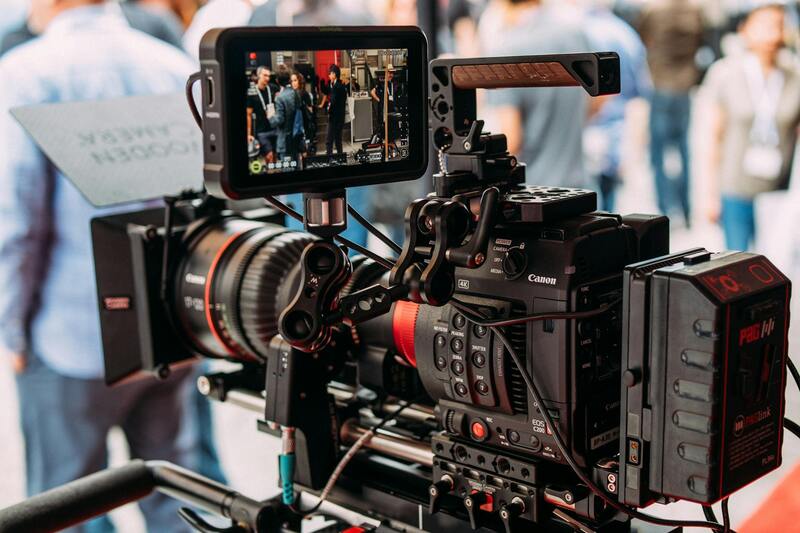
From a technical standpoint, deploying professional-grade equipment is fundamental. High-definition cameras, quality audio capture devices, and stable streaming encoders contribute significantly to the overall production value. Redundant internet connections, such as dual networks or bonded streaming solutions, safeguard against connectivity issues that could interrupt the broadcast. Setting up backup hardware, including spare cameras and microphones, ensures preparedness for unforeseen technical glitches.
Ensuring Compatibility and Security
Compatibility of streaming hardware and software with the chosen platform is critical. Prior to the event, comprehensive testing of all components—including web interfaces, encoding software, and distribution channels—is mandatory. This testing phase helps identify potential issues and allows for calibration to achieve optimal quality.
Security measures should be integrated into the streaming process to protect sensitive corporate information. Utilizing encrypted streaming protocols, secure login credentials, and password-protected access controls helps prevent unauthorized viewing and data breaches. Training the event staff on these security protocols reduces vulnerabilities and ensures that all team members are aligned with best practices.
Audience Engagement and Data Management
Technical considerations extend to managing audience interaction and data collection responsibly. Integrating chat functions, live polls, and Q&A sessions encourages active participation but also necessitates robust moderation to maintain professionalism. Data gathered through these interactions must be handled in compliance with industry standards for privacy and data protection, ensuring that attendee information is secured and used ethically.
Monitoring and Post-Event Analysis
During the live stream, real-time monitoring of stream quality, viewer engagement, and technical performance is vital. Employing analytics dashboards facilitates immediate adjustments if issues arise. After the event, detailed analysis of viewer metrics and feedback provides insights to improve future broadcasts. Secure storage and management of recorded streams allow for on-demand access, further expanding the content's reach and lifespan.
Engaging a reputable live streaming provider, such as experienced agencies in Miami specializing in corporate events, ensures adherence to these legal and technical standards. Their expertise can streamline setup, optimize broadcast quality, and manage security protocols, ultimately delivering a professional and compliant live stream experience for your audience.
Ensuring Legitimacy and Security in Corporate Live Streaming
When opting for professional corporate live streaming, it is imperative to rely on legitimate and reputable methods that guarantee a secure and seamless broadcast. Utilizing established streaming platforms and certified equipment ensures your event remains within proper operational standards, safeguarding your brand’s reputation and protecting sensitive content.
Engaging with experienced production providers like those available through Miami Event Videography offers access to industry-standard hardware and software solutions. These providers maintain strict adherence to operational procedures, allowing for reliable broadcast quality and minimal risk of technical disruptions. Their expertise also extends to managing secure access controls, encrypted streams, and reliable content delivery networks (CDNs), which are crucial in delivering high-quality streams without interruption or unauthorized access.

Implementation of Professional Streaming Protocols
To uphold the integrity of your live broadcast, it is essential to implement professional streaming protocols. These include:
- Secure Encoding: Using encrypted video codecs to prevent unauthorized interception of content.
- User Authentication: Restrict access to authorized personnel via login credentials or single sign-on (SSO) features.
- DRM (Digital Rights Management): Applying DRM solutions to protect proprietary content from piracy or unauthorized sharing.
- End-to-End Encryption: Ensuring the entire transmission process is encrypted from source to viewer to maintain content confidentiality.
Utilization of Reputable Streaming Platforms
Choosing certified and proven streaming platforms is fundamental for legitimate deployment. Platforms with extensive industry recognition and compliance with international standards facilitate dependable streaming, integrated security features, and technical support. These platforms often provide robust analytics, audience engagement tools, and secure viewing options, enabling corporations to monitor streams effectively and maintain control over their content dissemination.
Regular Audits and Compliance Checks
Maintaining compliance with industry standards requires regular audits of streaming infrastructure and processes. These checks verify that all security measures are up-to-date, software is patched against vulnerabilities, and access controls are properly enforced. An ongoing review of streaming practices fosters continuous improvement and reduces risks associated with technical failures or security breaches.
Partnering with Certified Providers in Miami
In Miami, partnering with certified and accredited production agencies ensures your live stream meets the highest standards of legitimacy. These providers possess the necessary licenses, certifications, and industry experience to deliver secure, high-quality broadcasts. Their local knowledge ensures compliance with regional regulations, and their technical expertise guarantees a professional and trustworthy streaming experience for your audience.