

Understanding Live Streaming Production
Live streaming production companies play a pivotal role in the execution of broadcasting live events across multiple digital platforms. These specialized organizations focus on delivering seamless, high-quality live content that engages viewers in real-time, regardless of their geographic location. Their core responsibilities include comprehensive event planning, technical setup, multi-camera operation, video switching, audio management, and the integration of visual effects. By coordinating these elements, they ensure that each live stream maintains a professional standard that aligns with the client's objectives and audience expectations.
In practice, a live streaming production company acts as the central hub that transforms an ordinary event into an immersive digital experience. Whether broadcasting a corporate conference, a sports event, a concert, or a community gathering, these specialists employ cutting-edge technology and industry best practices to manage all aspects of the live production process. They work closely with event organizers to develop a detailed production plan, which includes the selection of suitable equipment, camera angles, graphics, and platform specifications.
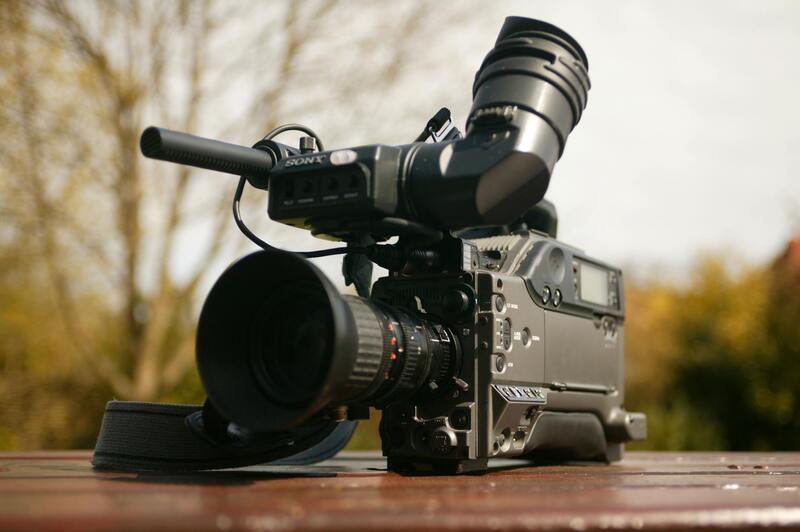
To achieve a broadcast of exceptional clarity and stability, live streaming production companies leverage advanced hardware such as multi-camera systems, professional switchers, encoders, and robust audio equipment. This technological foundation allows for a dynamic presentation that can incorporate real-time overlays, captions, and multi-angle views, enriching the viewer’s experience. Additionally, many companies invest in reliable internet solutions—including fiber-optic connections and cellular bonding systems—to ensure uninterrupted streaming, even in challenging environments.
The importance of skilled technical personnel cannot be overstated. Experienced directors, camera operators, audio engineers, and streaming technicians collaborate to execute the live event flawlessly from start to finish. Their expertise enables swift troubleshooting of any technical issues, which is vital for maintaining the broadcast quality and preventing disruptions. Moreover, these companies often specialize in integrating live streams with social media channels and dedicated platforms to enhance reach and engagement.
Beyond technical prowess, live streaming production firms also provide strategic guidance to tailor the broadcast to specific audiences and event types. This type of partnership helps organizations maximize their visibility, deliver consistent messaging, and capture valuable analytics for future initiatives. By harnessing official and proven methods, these companies deliver broadcasts that reflect professionalism and resonate with viewers across diverse digital environments.
In today’s digital age, live streaming production companies constitute an essential element for organizations aiming to expand their reach beyond physical boundaries. As technological advancements emerge, these companies continually adapt their services to incorporate innovative solutions such as virtual and hybrid event capabilities, virtual reality integrations, and real-time analytics, ensuring clients stay at the forefront of digital broadcasting.
Understanding Live Streaming Production
Live streaming production is a specialized field that combines technical expertise with creative storytelling to deliver high-quality video broadcasts in real-time. It involves an array of professional services that ensure the seamless transmission of live events across various digital platforms. At the core, a successful live streaming production requires precise coordination among camera operators, audio engineers, technical directors, and streaming specialists who work together to create a polished broadcast experience.
The process begins with meticulous planning, including assessing the event's scope, audience reach, and specific goals. Production teams select appropriate hardware, such as multi-camera setups, high-definition switchers, and professional audio equipment, to capture the event from multiple angles and ensure optimal audio clarity. During the broadcast, technicians monitor and adjust settings in real-time, troubleshooting any technical issues instantly to prevent disruptions.
State-of-the-art technology plays a pivotal role in live streaming. This includes advanced encoding devices that compress video footage for smooth transmission, as well as robust internet connections and backup systems like cellular bonding to maintain stability. Miami-based live streaming production companies often employ virtual production tools, virtual reality integrations, and real-time analytics to enhance viewer engagement and provide valuable insights post-event.
Furthermore, these companies integrate live streams with social media platforms, enabling real-time interactions with viewers and expanding the event’s reach. Incorporating official methods and proven techniques ensures that each broadcast maintains a high standard of professionalism, reflecting the organizers' brand image and messaging.
In addition to the technical aspects, strategic content planning is essential. This involves tailoring the broadcast’s format, graphics, and on-screen information to resonate with target audiences. Video production teams often support live event production with supplementary elements such as motion graphics, on-screen timers, and lower thirds to enrich the viewer experience.
As the demand for virtual and hybrid events continues to grow, live streaming production companies in Miami adapt by offering integrated solutions that combine on-site and remote elements seamlessly. These innovations require the integration of complex hardware and software systems to ensure that live broadcasts are synchronized, visually engaging, and accessible across multiple platforms simultaneously.
Ultimately, mastery in live streaming production hinges on experience, cutting-edge equipment, and a deep understanding of digital broadcasting standards. When executed flawlessly, live streams elevate the visibility and credibility of organizations, enabling them to connect with wider audiences in a dynamic, immediate format that enhances engagement and supports strategic goals. The continuous evolution of live streaming technology promises even more innovative methods to deliver captivating live content that meets the highest standards of quality and reliability.
Different Event Types Require Tailored Live Streaming Approaches
Each event, whether corporate, entertainment, educational, or community-focused, demands a distinct set of considerations for an effective live streaming experience. Corporate presentations often require sleek visual branding, multiple camera angles, and seamless transitions to highlight key speakers and multimedia content. Educational sessions benefit from interactive features such as real-time Q&As and supplementary materials, which can be integrated into the stream to enhance engagement. Entertainment shows prioritize high-quality audiovisuals, dynamic graphics, and immersive visuals to captivate audiences tuning in remotely.
Fundraisers and charity events require storytelling excellence — combining live footage, testimonials, and real-time donation prompts to foster emotional connections. Sporting events and concerts emphasize high frame rates, superior audio fidelity, and multi-camera production to replicate the stadium or arena experience as authentically as possible. Religious services or community gatherings often focus on intimacy and clarity, ensuring viewers feel connected and engaged regardless of their physical distance.
Optimizing Content Delivery Across Platforms
Modern live streaming must account for diverse audience preferences and technological capabilities. A professional live streaming production company employs multi-platform broadcasting strategies, ensuring content reaches viewers on social media, dedicated apps, websites, and OTT (over-the-top) platforms simultaneously. This is achieved through advanced encoding solutions that adapt to different bandwidth conditions, optimizing the viewing experience for audiences on smartphones, tablets, laptops, or high-definition screens.
Content customization extends beyond platform compatibility. It involves tailoring the visual layout, overlay graphics, and on-screen information based on the event's nature. For example, conferences might showcase speaker names and bios in dynamic lower thirds, while product launches focus on showcasing sleek product visuals with engaging transitions. An experienced live streaming production company utilizes a combination of hardware technologies, such as hardware encoders and streaming servers, alongside software tools for seamless real-time adjustments and customization.
Importance of Real-Time Monitoring and Technical Support
Achieving flawless live streams relies heavily on active monitoring throughout the broadcast. Professional production teams employ state-of-the-art monitoring tools to track stream health, latency, and viewer engagement metrics. This vigilance allows swift troubleshooting of issues related to internet connectivity, audio/video sync, or hardware malfunctions, minimizing disruptions that could detract from the event's professionalism.
Technical support staff plays a pivotal role in managing the live feed, ensuring that all equipment functions as intended—from cameras and microphones to streaming servers and internet connections. The deployment of backup systems, such as redundant internet connections and power supplies, provides added security, maintaining uninterrupted transmission especially during critical moments of the event.
Ensuring Audience Engagement and Interaction
Engagement strategies are integral to maximizing the impact of live streams. Interactive features such as live polling, real-time chat, and social media integration make viewers feel involved, fostering a lively virtual presence. A professional production team orchestrates these elements seamlessly alongside the main broadcast, incorporating branded graphics, overlays, and calls to action that align with the event’s objectives.
Furthermore, audience analytics obtained during the stream offer valuable insights into viewer demographics, engagement levels, and content preferences. These insights inform future event strategies, refining the approach to meet audience expectations more effectively.
Conclusion
Delivering a successful live streaming event involves a sophisticated blend of technology, content strategy, and meticulous planning. By customizing approaches to suit each event type, maximizing platform compatibility, maintaining vigilant technical support, and fostering audience interaction, a professional live streaming production company guarantees a high-quality broadcast that elevates event visibility and audience engagement. For businesses and organizations in Miami seeking dependable and innovative live streaming solutions, partnering with a seasoned local provider ensures that every detail is expertly managed, resulting in a captivating and seamless virtual experience.
Understanding Live Streaming Production
Live streaming production involves a complex interplay of technology, content management, and real-time broadcasting expertise to deliver high-quality video content to viewers across various platforms. It is a specialized service that combines multi-camera setups, professional audio, real-time editing, and seamless transmission over the internet, ensuring an engaging experience for remote audiences. The production process begins with meticulous planning, where teams identify the event objectives, target audience, and key messaging. This phase informs decisions regarding camera angles, broadcast graphics, and interactive features to maximize viewer engagement.
During the event, a dedicated production crew manages multiple technical components simultaneously. This includes operating cameras, controlling live audio feeds, managing broadcast overlays, and coordinating transitions between different visual sources. The use of advanced hardware such as switching consoles, professional encoders, and stable internet connections is essential to maintain a broadcast without interruptions. These elements are synchronized to produce a cohesive live video that captures the essence of the event while providing a polished presentation.
Effective communication and coordination among the production team are crucial during live streams. Directors and technical operators make real-time decisions to adapt to unforeseen circumstances, such as technical glitches or unexpected event changes. Audience interaction is also integrated to foster engagement, incorporating live polls, social media feeds, and Q&A sessions. Data analytics gathered during the broadcast deliver insights into viewer behavior and preferences, allowing organizers to evaluate success and plan future content strategies.
Services Offered by Live Streaming Production Companies
Leading live streaming production companies provide a comprehensive suite of services designed to cover every aspect of a broadcast, from initial planning to post-event analysis. These include event consultation, customized production workflows, technical support, and platform management. Many companies offer multi-camera solutions that enable dynamic visual storytelling, along with live graphic overlays, branding integration, and interactive features to enhance viewer engagement.
Additional services often encompass remote production capabilities, allowing content to be filmed from various locations and streamed seamlessly to a unified broadcast. This flexibility is invaluable for hybrid events, where in-person and virtual audiences participate simultaneously. Some firms also provide on-site technical support, equipment rentals, and crew management, ensuring a smooth and professional broadcast experience regardless of event size or complexity.
Importance of Professional Equipment and Technology
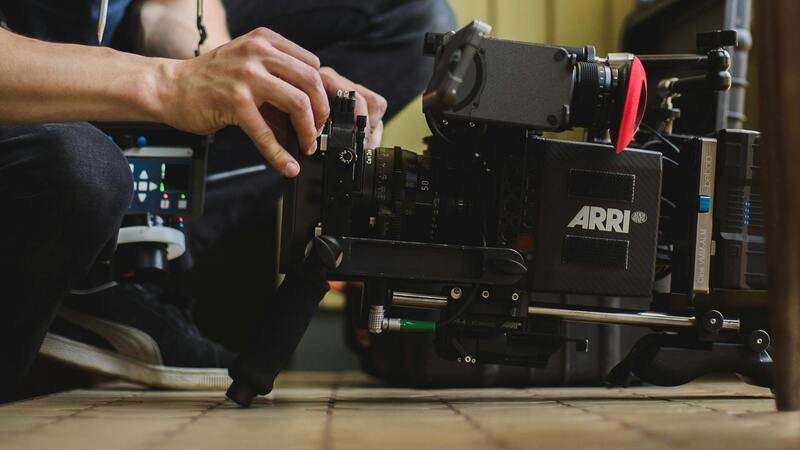
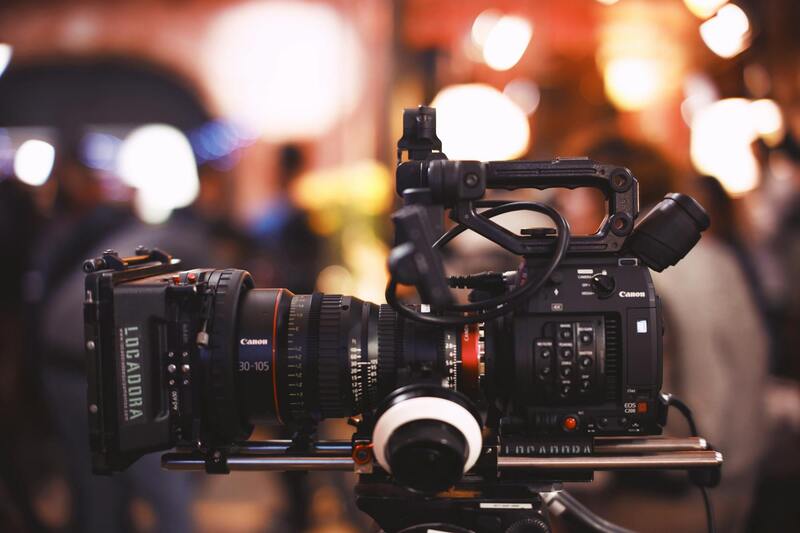
The backbone of a successful live stream resides in the use of top-tier equipment and cutting-edge technology. High-definition cameras, professional-grade audio equipment, and reliable streaming encoders are fundamental components that determine broadcast quality. These tools enable the production team to capture clear visuals and crisp sound, vital for maintaining audience interest and conveying the event’s message effectively.
In addition to hardware, the software used for encoding, streaming, and real-time graphics creation plays a significant role. Advanced encoding solutions adapt to fluctuating internet conditions, preventing interruptions or quality degradation. Graphics and overlays are dynamically integrated to reinforce branding, display event information, or highlight key moments. The deployment of redundant internet connections, such as cellular bonding systems, ensures continuous streaming even in challenging locations.
Investing in professional equipment also enhances operational efficiency. State-of-the-art production switchers allow seamless transitions and visual effects, elevating the overall production value. Audio mixers and microphones ensure sound clarity, while monitoring systems provide constant oversight of stream health. Integrating these technological components creates a cohesive workflow that delivers a stable, high-quality broadcast capable of captivating remote viewers.
Understanding Live Streaming Production
Live streaming production encompasses the comprehensive process of capturing, broadcasting, and delivering live video content to viewers in real-time. It involves a coordinated effort between technical equipment, production personnel, and content strategists to ensure a seamless viewing experience. Unlike traditional broadcast methods, live streaming relies heavily on robust internet connections and sophisticated software solutions that allow for multi-camera setups, real-time editing, and dynamic graphics, all synchronized to deliver engaging content.
The process begins with meticulous planning—identifying the target audience, selecting the appropriate platforms, and determining the technical requirements. The production team integrates various elements such as camera angles, audio feeds, visual effects, and overlays to produce a visually appealing broadcast. During the event, constant monitoring of stream quality, audio levels, and visual transitions is essential to address any issues promptly. Post-event, analyzing viewer engagement and stream health metrics provides insights for future improvements.
Services Offered by Live Streaming Production Companies
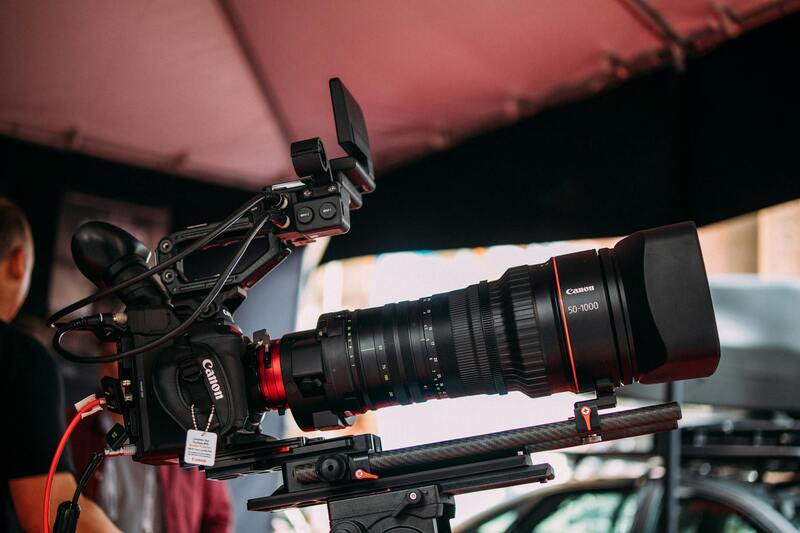
Professional live streaming production companies offer a comprehensive suite of services that cater to diverse event needs. These include pre-production planning, multi-camera video capture, real-time switching, live graphics, and encoding. They also provide equipment rental options for cameras, audio gear, and streaming hardware to ensure high broadcast quality. Additionally, technical support teams are available throughout the event to troubleshoot issues and optimize stream performance.
- Event Recording and Re-Broadcasting: Providing recorded copies of the live stream for on-demand access or post-event promotions.
- Customized Graphics and Branding: Incorporating logos, lower thirds, and other visual elements that reinforce brand identity and highlight key information.
- Simultaneous Multi-Platform Streaming: Broadcasting live content across various platforms such as social media, websites, and dedicated streaming services to maximize reach.
- On-Site Technical Support: Deploying experienced technicians to manage equipment setup, stream security, and quality assurance.
- Interactive Elements: Integrating live polls, Q&A sessions, and chat features to boost audience engagement.
Importance of Professional Equipment and Technology
The backbone of a successful live stream is the use of contemporary, high-performance equipment and advanced technology solutions. High-definition (HD) and 4K cameras with multiple angles capture detailed visuals, while professional-grade audio equipment ensures crystal-clear sound. Reliable encoders translate the video feed into a digital format suitable for live transmission, with redundancy options like cellular bonding systems to maintain stream stability even under variable network conditions.
Furthermore, integrated switching consoles allow seamless transitions, picture-in-picture effects, and overlays. Real-time graphics generators add dynamic visuals that can indicate live stats, speaker information, or branding elements. Sophisticated streaming platforms and encoders are capable of adapting to fluctuating bandwidths, which is critical for continuous, high-quality broadcasts. The deployment of backup internet connections and failover systems minimizes the risk of disruptions, ensuring the integrity of the streaming experience.
Customizing Live Streams for Different Event Types
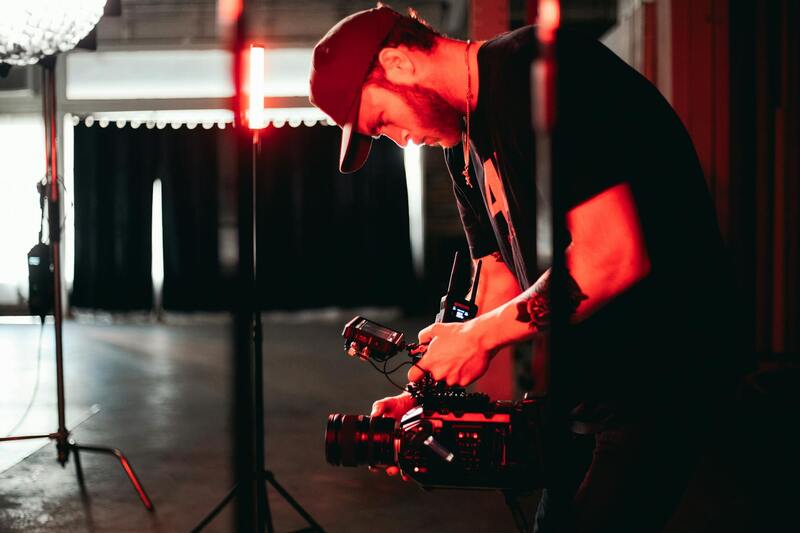
Tailoring live streaming strategies to match event-specific requirements is essential for delivering relevant, engaging content. Corporate conferences may focus on clear speaker visuals, branded overlays, and on-demand recording options. Music festivals or concerts demand multi-camera angles, high audio fidelity, and visual effects that complement the entertainment. Sports events benefit from multiple camera feeds, instant replays, and scoreboard integrations to provide viewers with an immersive experience.
Religious services or community gatherings might prioritize live interaction, Q&A sessions, and accessible features for diverse audiences. Trade shows and product launches often include live demos, real-time attendee interactions, and branded graphics to create an impactful virtual presence. Effective customization involves coordinating closely with clients to understand their goals, then deploying appropriate technology and content strategies that resonate with their audience and suit the event’s dynamic nature.
Understanding Live Streaming Production
Live streaming production involves capturing, transmitting, and broadcasting live events in real-time with high technical standards to deliver seamless and engaging viewing experiences. It encompasses a combination of audiovisual elements, technical expertise, and strategic planning to produce a broadcast that meets the specific needs of an event. Professionals in this field utilize specialized equipment and software to ensure high-resolution visuals, clear audio, and minimal latency, all synchronized to create an immersive experience for remote audiences. The importance of live streaming production has grown exponentially, especially as organizations seek to expand their reach and engage with audiences across different locations. A successful live stream not only delivers content but also maintains the brand's integrity and viewer engagement through customized overlays, graphics, and interactive features.
Services Offered by Live Streaming Production Companies
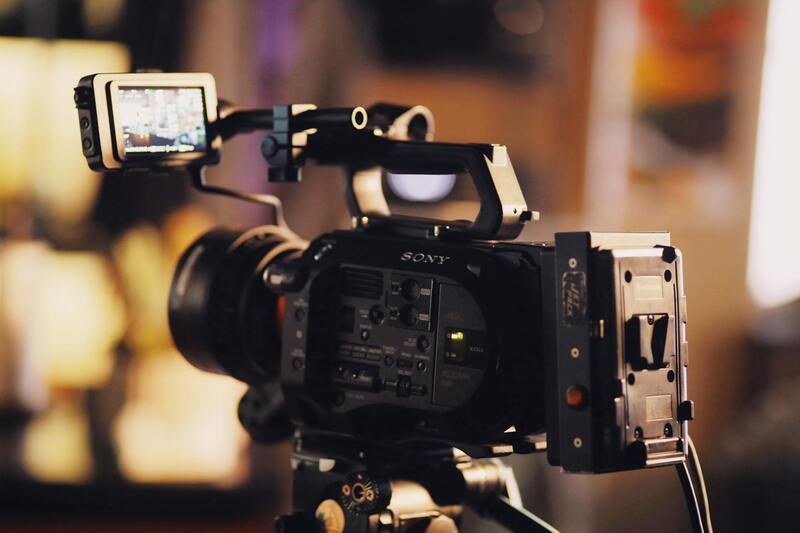
Leading live streaming production companies provide a comprehensive suite of services designed to cover every aspect of the broadcast, ensuring a polished and professional result. These services often include pre-event planning, content strategy development, multi-camera setup, and on-site technical support. Additionally, they manage live encoding, streaming platform integration, and real-time monitoring to maintain stream quality. Post-event services such as recorded content editing, highlight reels, and archival storage also form part of their offerings. Many companies specialize in creating branded virtual backgrounds, overlay graphics, and interactive components that enhance viewer engagement. Additionally, they adapt to various event formats, such as corporate conferences, concerts, sports, religious services, and community gatherings, customizing the production to meet specific event objectives and audience expectations.
Importance of Professional Equipment and Technology
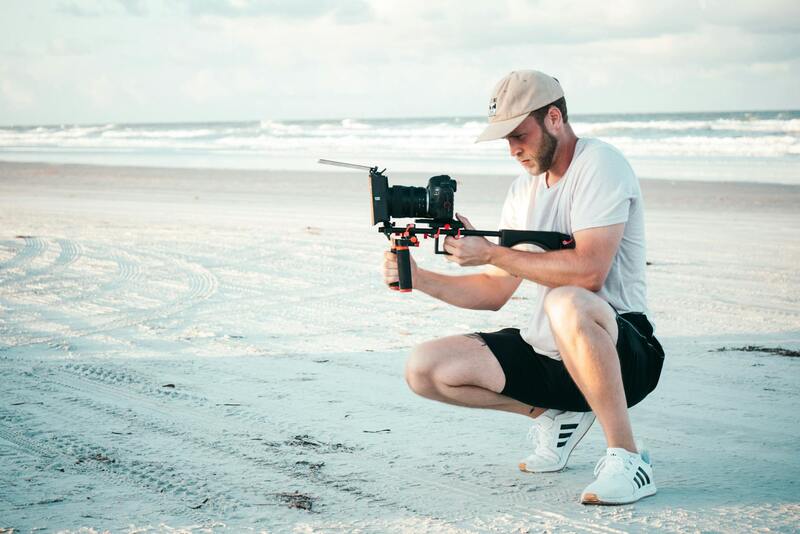
The backbone of any successful live streaming production is top-tier equipment and cutting-edge technology. Utilizing high-resolution cameras with remote control capabilities ensures that every detail, whether it's a speaker or a product demo, is captured with clarity and precision. Professional-grade microphones and sound systems guarantee audio fidelity, crucial for maintaining audience engagement. Encoders, switches, and streaming hardware are essential for efficient signal processing and transmission. Modern technology also includes redundancy systems like backup internet connections and failover solutions, which are vital for preventing disruptions during live broadcasts. Furthermore, innovations such as cellular bonding systems and portable broadcast units enable remote and outdoor productions, expanding the possibilities for live streaming to diverse venues and environments. The integration of software for live graphics insertion, real-time editing, and viewer interactions further elevates the quality and professionalism of the broadcast.
Customizing Live Streams for Different Event Types
Tailoring live streaming strategies to the unique requirements of each event type ensures relevance and maximized audience engagement. For corporate events like conferences and seminars, the focus is on crisp visuals of speakers, branded overlays, and accessibility features such as subtitles and multiple language tracks. For music festivals or concerts, multi-camera angles, high-fidelity audio, and creative visual effects are prioritized to create an immersive experience that complements the entertainment. Sports events demand instant replays, multiple camera feeds from different angles, and integration of scoreboards for real-time updates. Religious services might emphasize interactive elements such as live Q&A sessions and accessibility features for those with disabilities. Trade shows and product launches benefit from live demos, real-time attendee interactions, and branded graphics that promote products and services. Successful customization involves close collaboration with clients to understand their event goals, target audience, and preferred presentation style, then deploying the appropriate technology, content strategy, and production features that resonate with viewers and enhance overall engagement.
Choosing the Right Live Streaming Partner in Miami
Opting for a local live streaming production company in Miami provides several logistical and operational advantages. Familiarity with local venues, technical crews, and regional regulations ensures smoother coordination and compliance. In addition, local providers can respond swiftly to last-minute changes or technical issues, minimizing downtime and ensuring a flawless broadcast. Their understanding of the local event landscape allows for tailored solutions that fit the unique needs and scale of each event. On-site support from experienced professionals guarantees that all equipment functions correctly, minimizing the risks of technical failures. Furthermore, regional companies often have established relationships with local vendors for equipment rentals, staging, and technical services, providing a seamless integration of resources. Choosing a local partner simplifies communication, enhances coordination, and increases the likelihood of delivering a successful live streaming event that aligns with the client’s objectives and audience expectations.
Understanding Live Streaming Production
Live streaming production encompasses a comprehensive set of technical and creative processes aimed at broadcasting live events over the internet with high-quality visuals and sound. This process involves pre-production planning, real-time video capture and switching, encoding, streaming, and post-event analytics. The goal is to deliver a seamless experience that replicates in-person attendance, engaging online viewers through dynamic visuals, clear audio, and interactive features. Core to this process is the integration of multiple video sources, such as cameras, graphics, and multimedia content, which are managed by skilled directors and technical crew members. Advanced production techniques, including multi-camera switching, on-screen graphics, and real-time editing, enhance viewer engagement and reinforce the event’s messaging. Notably, live streaming production is adaptable to diverse event types, ranging from corporate conferences and concerts to sports events and religious gatherings, requiring tailored technical setups and content strategies specific to each context.

At its core, professional live streaming production integrates advanced equipment such as high-definition cameras, professional switchers, audio consoles, and encoders to ensure broadcast quality. This equipment allows for real-time adjustments, ensuring visuals remain sharp and audio clear, regardless of the event scale or complexity. Utilizing cutting-edge technology such as wireless transmission, cellular bonding systems, and cloud-based streaming platforms, production teams can deliver consistent and reliable streams across multiple viewing devices and platforms. These technical tools enable immediate responsiveness to unforeseen issues, minimizing disruptions and maintaining viewer engagement. Employing professional-grade equipment not only enhances the visual fidelity of the broadcast but also ensures compliance with broadcasting standards, providing a polished, professional appearance that supports the client’s brand image and event objectives.
Services Offered by Live Streaming Production Companies
Leading live streaming production companies provide an extensive array of services to support the successful execution of virtual events. These services include comprehensive project planning and consultation, tailored content development, multi-camera production, and live director oversight. Many companies also offer specialized on-site technical support, including equipment setup, audio management, lighting, and connectivity assurance. Content customization options such as branded overlays, lower thirds, real-time graphics, and interactive features are often integrated to enhance viewer engagement. As part of their offerings, these companies may also handle the distribution across multiple digital platforms, optimizing the stream for accessibility and viewer reach. Their expertise ensures that each event is executed with precision, reflecting the client’s goals and achieving a professional broadcast quality that meets industry standards.
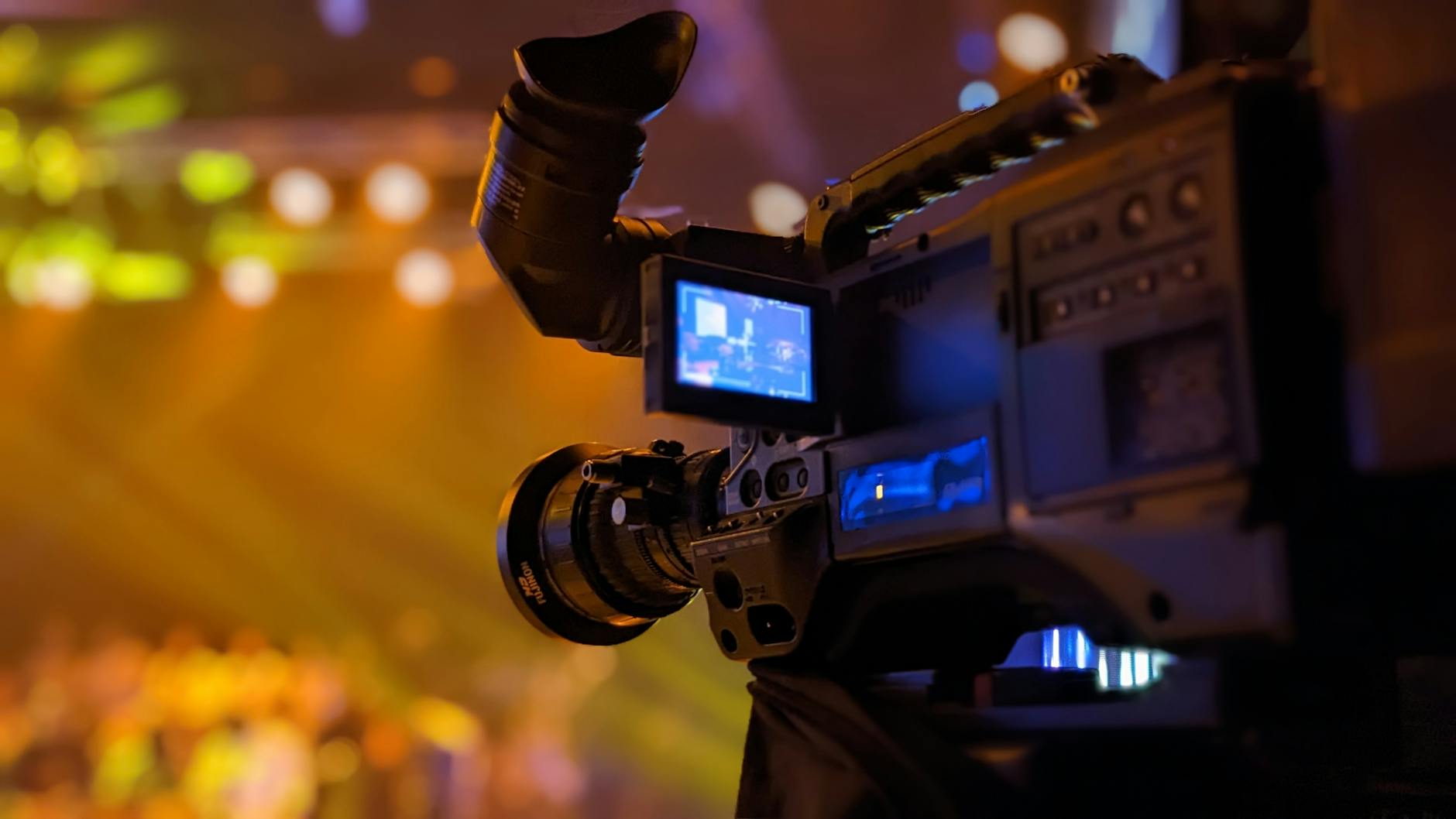
Additional services frequently offered include pre-event rehearsals, technical dry runs, and post-event analytics to evaluate viewer engagement, technical performance, and overall success. The ability to adapt quickly to live issues, such as technical glitches or last-minute content changes, is critical and is supported by on-site expert teams equipped with backup systems. Some companies also provide scalable production packages, accommodating both small-scale corporate meetings and large international conferences. This flexibility allows for customized solutions that align perfectly with each client’s specific needs, budgets, and event complexity. The amalgamation of these targeted services results in a seamless and impactful live streaming experience that enables an organization’s message to reach a global audience with clarity and professionalism.
Importance of Professional Equipment and Technology
Utilizing state-of-the-art equipment and technology in live streaming production is vital to achieving broadcast-quality results. High-definition cameras, with multiple angles and zoom capabilities, capture dynamic visuals that keep viewers engaged. Professional audio equipment ensures clear sound, which is essential for speeches, performances, and panel discussions. Video switchers facilitate smooth transitions between sources, creating a cohesive viewing experience. Encoders convert these signals into streams compatible with various platforms, such as social media, dedicated websites, or streaming services. Network infrastructure, including fiber connections or cellular bonding systems, guarantees stable and high-bandwidth transmission, even in challenging environments. Cloud-based management tools enable real-time monitoring and adaptive streaming, providing resilience against connectivity issues. The investment in professional-grade gear reflects a commitment to quality, enhancing the perceived value and credibility of the live stream, thus positively impacting brand image and viewer satisfaction.
Customizing Live Streams for Different Event Types
Effective live streaming customization hinges on understanding the specific requirements and objectives of each event. Corporate webinars may emphasize branded graphics, interactive Q&A features, and audience polls to foster engagement. Conferences and trade shows benefit from multi-camera setups, breakout sessions, and dynamic content overlays that highlight key speakers and topics. Entertainment events, such as concerts or theater performances, require immersive audio-visual elements, lighting considerations, and real-time audience interaction. Religious gatherings often utilize large projection screens, multiple camera viewpoints, and live prayer or message feeds to create a sense of community for remote attendees. Educational seminars and workshops may incorporate screen sharing, live annotations, and recorded content snippets to enhance learning. Tailoring live streams involves close collaboration with clients to define content flow, visual branding, and interactivity levels, ensuring the broadcast resonates with the intended audience and delivers measurable impact.
Choosing the Right Live Streaming Partner in Miami
Selecting a suitable live streaming production company in Miami involves assessing several crucial factors. First, evaluate their experience with similar event types and scales, ensuring they possess a proven track record of delivering high-quality broadcasts. The company's technical capabilities, including equipment inventory, platform integrations, and contingency planning, are vital to meet the specific demands of your event. Additionally, consider their familiarity with local venues, regional regulations, and logistical nuances unique to Miami, which can influence the smooth execution of the event. Effective communication and a collaborative approach are also essential; the company should demonstrate transparency, offer clear timelines, and accommodate your requirements. Moreover, reviewing client testimonials and case studies provides insight into their professionalism and reliability. A reliable Miami-based live streaming partner should be well-versed in managing complex setups, troubleshooting live issues promptly, and providing on-site support to ensure seamless broadcast delivery which aligns with your event goals and engages your target audience.
Advanced Techniques in Live Streaming Production
Elevating a live streaming event requires more than just high-quality video feeds and stable internet connections. It involves integrating advanced technologies that enhance the viewer experience and ensure seamless broadcast execution. Professional live streaming production companies utilize a combination of hardware and software innovations, including multi-camera setups, real-time graphics, and automated switching systems. These tools allow for dynamic content delivery, such as picture-in-picture displays, overlay graphics, and interactive elements that engage viewers more effectively.
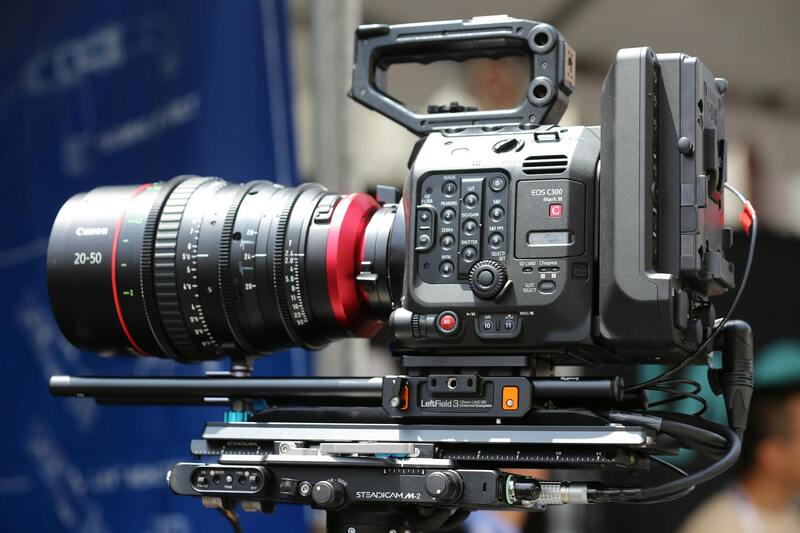
Furthermore, the deployment of cloud-based streaming solutions has become increasingly prevalent, permitting the integration of multiple sources and destinations with minimal latency. This capability is vital for broadcasters aiming to reach diverse audiences across different platforms simultaneously. These solutions often incorporate adaptive bitrate technology, which adjusts video quality dynamically based on viewers’ internet speeds, ensuring consistent playback without buffering interruptions.
Monitoring and troubleshooting during a live event are critical components handled by expert technical teams. They employ real-time analytics and diagnostic tools to detect issues proactively, allowing for quick resolutions and avoiding disruptions. Additionally, contingency planning, such as backup internet connections and redundant hardware, ensures the reliability of the broadcast, even in challenging environments.
Implementing Interactivity and Engagement Strategies
Interactive features are increasingly integrated into live streams to boost audience participation and retention. These include live chat, Q&A sessions, polls, and social media integrations that enable viewers to communicate directly with hosts or performers. Advanced live streaming companies leverage specialized platforms and custom software applications to facilitate these interactions seamlessly, adding value and immediacy to the broadcast experience.
- Real-time audience feedback: Enhancing engagement by displaying live comments on screen or responding to viewer queries during the event.
- Virtual & hybrid event functionalities: Combining physical presence with online interaction through virtual meeting tools and 3D environments.
- Enhanced branding: Incorporating customized overlays, sponsor banners, and branded graphics that align with the event’s identity.
Security Measures for Live Streaming
Security features have become essential to safeguard content integrity and prevent unauthorized access. Encryption protocols, secure streaming channels, and access controls help protect broadcast assets from potential breaches or piracy. Live streaming production teams employ robust cybersecurity practices to ensure that streams are delivered securely to authorized viewers only, which is particularly relevant for confidential or proprietary content.
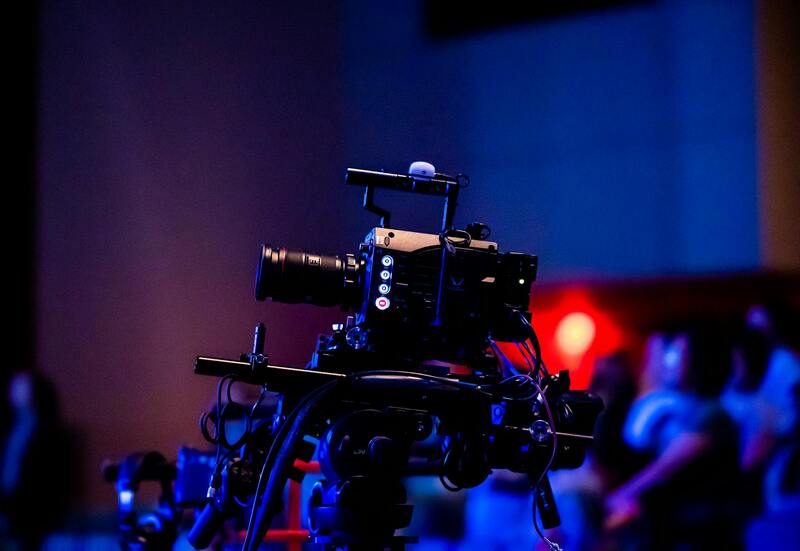
The implementation of Digital Rights Management (DRM) solutions further secures content against unauthorized redistribution and digit theft. Continual monitoring during the event allows production teams to detect suspicious activity, and rapid response protocols can mitigate any risks or interference, maintaining the event’s professionalism and audience trust.
Post-Event Analytics and Reporting
Comprehensive post-event analysis provides insights into viewer behavior, platform performance, and overall broadcast success. Modern live streaming production companies use sophisticated analytics tools to measure metrics such as viewer count, engagement levels, geographic distribution, and stream quality metrics. These insights help clients refine future content strategies, improve technical setups, and maximize return on investment.
Reports often include detailed breakdowns of audience demographics, peak viewing times, and interaction rates, facilitating data-driven decision-making. Additionally, recording the live stream for on-demand viewing expands post-event reach and provides additional content assets for marketing and promotional campaigns.
Expertise in these advanced production methods, combined with an understanding of viewer engagement and security considerations, makes a live streaming production company invaluable for events requiring professional delivery and significant impact.