

Understanding Live Stream Video Production
Live stream video production has revolutionized the way events, announcements, and brand stories are shared with audiences around the globe. It involves the real-time creation and broadcasting of high-quality video content, enabling viewers to experience live events as if they were physically present. This process combines advanced technology, strategic planning, and skilled personnel to deliver seamless and engaging visual experiences across digital platforms.
At its core, live stream video production encompasses several integral components: video capture, switching and mixing, encoding, and distribution. Each element plays a vital role in maintaining broadcast quality and ensuring an engaging viewer experience. High-definition cameras capture the event from multiple angles, providing dynamic visuals. Video switchers seamlessly transition between camera feeds, creating a professional and polished broadcast. Encoders compress the raw video data into formats suitable for streaming across the internet, balancing quality with bandwidth considerations. Finally, content delivery networks (CDNs) or streaming platforms distribute the live feed to viewers on various devices regardless of location.
The importance of live streaming in modern event execution and brand engagement cannot be overstated. It allows organizations to reach wider audiences without geographical constraints, delivering content directly into homes, offices, or mobile devices. For corporate events, product launches, or seminars, live streams foster real-time interaction, enabling instant feedback and increased engagement through chat and sponsored integrations. Furthermore, live streaming offers opportunities for data collection and analytics, helping organizers understand viewer interests and behaviors.
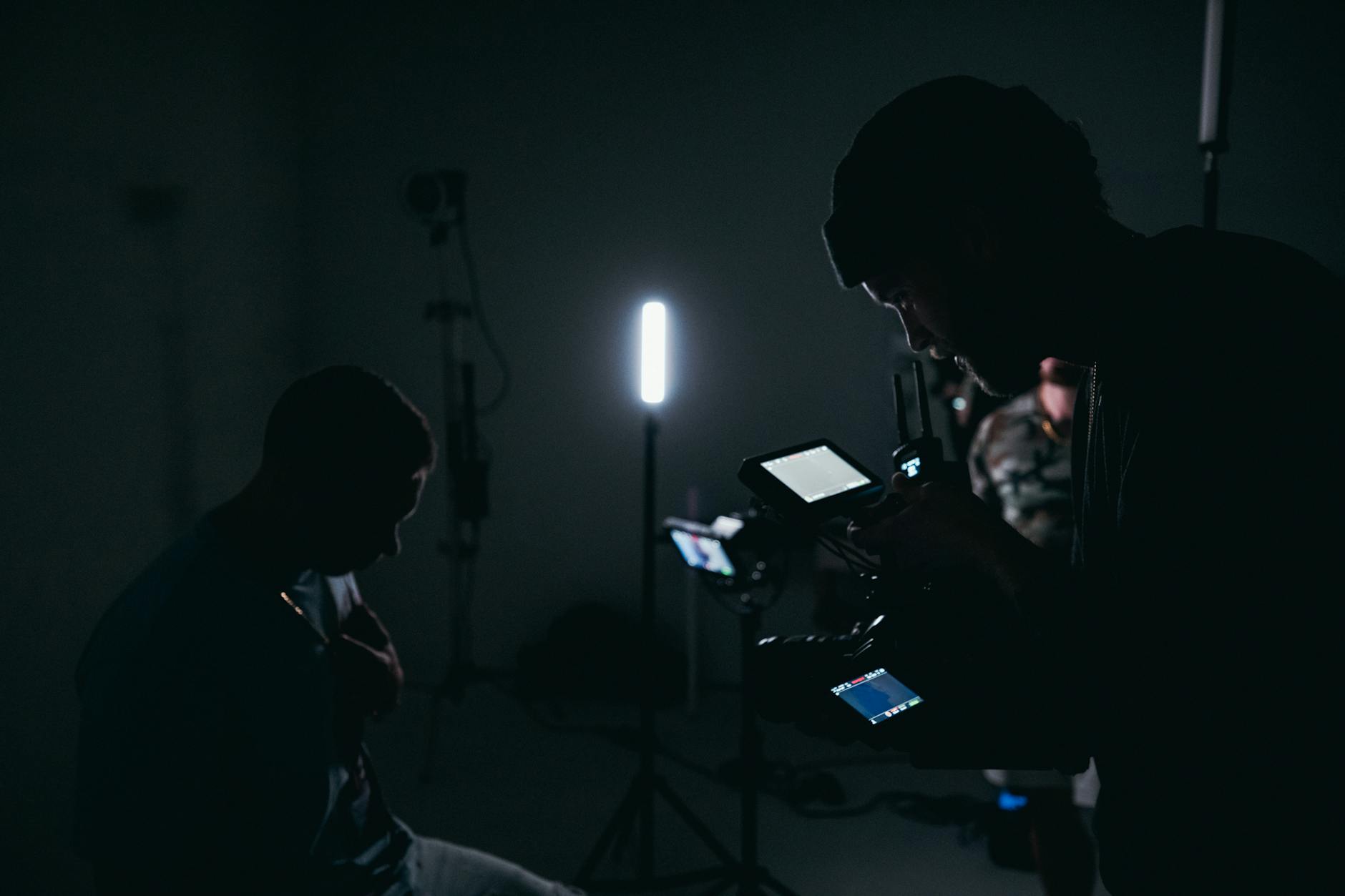
In essence, live stream video production bridges the gap between event organizers and global audiences with efficiency and professionalism. Proper execution requires an understanding of both technical elements and content storytelling, emphasizing quality, stability, and audience interaction. As live streaming technology advances, its role in marketing, education, entertainment, and corporate communication continues to expand, making it an indispensable tool in contemporary media strategies.
For those seeking to implement live streaming effectively, partnering with experienced production teams ensures access to the latest equipment and expertise. In Miami, specialized firms offer comprehensive live stream video production services, bringing the expertise necessary for managing complex projects, including multi-camera setups, remote location shoots, and interactive features that elevate the viewer experience. Ensuring your live broadcasts are seamless, professional, and engaging depends heavily on the quality of planning, the technology employed, and the skill of the production team involved.
Understanding live stream video production
Live stream video production has transformed the way organizations communicate and share content in real-time, providing an immersive experience that bridges physical and digital audiences. The process involves a series of meticulously coordinated steps, combining technical expertise with creative storytelling to deliver seamless broadcasts across various platforms. In Miami, where the event scene is vibrant and diverse, employing professional live stream production ensures that every broadcast maintains high quality, stability, and audience engagement, regardless of the event's scale or complexity.
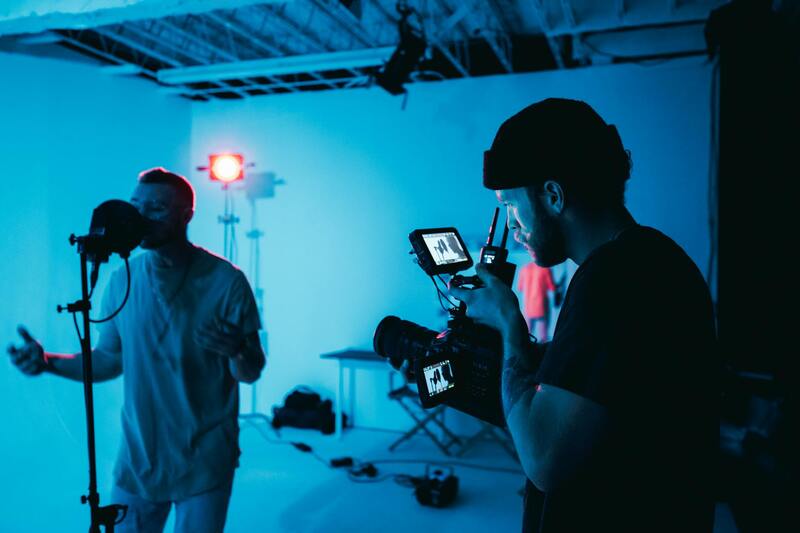
Core components of live stream video production
- Pre-production Planning: Establishing objectives, creating a content strategy, and preparing a detailed production plan are foundational steps. This phase also involves selecting the appropriate technology, coordinating with event organizers, and developing a comprehensive timeline.
- Technical Setup: Deployment of high-quality cameras, audio equipment, streaming encoders, and network infrastructure. Ensuring stable internet connectivity is vital, especially for outdoor or large-scale events where wireless solutions like cellular bonding systems are employed to prevent disruptions.
- Content Production: Executing the live capture, monitoring video and audio feeds, and managing the real-time broadcasting process. Multi-camera setups allow for dynamic switching and close-up shots, enhancing viewer experience.
- Post-production and Quality Control: Although live streams are primarily broadcast live, some post-production work may be necessary for recordings, highlight reels, or on-demand content. Continuous monitoring during the stream ensures that any technical issues are promptly addressed, maintaining a professional standard.
Technologies powering live streaming
The backbone of successful live streams relies on cutting-edge technology. This includes:
- High-definition cameras: Capture crisp, professional visuals from multiple angles, supporting immersive viewing experiences.
- Streaming encoders: Convert raw footage into web-compatible streams, often utilizing hardware or software solutions that support adaptive bitrate streaming to accommodate varying internet speeds.
- Reliable internet connectivity: Critical for uninterrupted streams. Miami-based providers frequently utilize cellular bonding systems to aggregate multiple cellular networks, ensuring stability during outdoor or remote broadcasts.
- Content Delivery Networks (CDNs): Distribute streams efficiently across multiple regions, reducing latency and buffering issues for viewers worldwide.
Workflow and coordination for a successful live stream
An efficient workflow integrates technical setup, content management, and audience interaction. Key steps include:
- Concept and objective definition: Clarify what the broadcast aims to achieve.
- Team assembly: Involve camera operators, producers, technical engineers, and on-screen talent.
- Timeline development: Map out the event schedule, camera cues, and transitions.
- Test runs and rehearsals: Conduct dry runs to troubleshoot and familiarize the team with the environment and equipment.
- Live execution: Monitor feed quality, manage real-time comments or interactions, and adjust as necessary.
- Post-broadcast review: Analyze data, gather feedback, and optimize future streams.
Conclusion
Mastering the intricacies of live stream video production requires a blend of technological proficiency, strategic planning, and creative storytelling. For Miami clients, partnering with experienced production teams ensures the deployment of the latest equipment, adherence to best practices, and seamless execution. Whether broadcasting corporate events, concerts, or educational seminars, a professional approach guarantees that the live content resonates with viewers, enhances engagement, and extends reach beyond physical boundaries.
Understanding live stream video production
Live stream video production involves a comprehensive process that transforms raw footage into a seamless, engaging broadcast accessible to viewers worldwide. This process begins with meticulous planning, encompassing content development, audience targeting, and technical setup. A clear understanding of the project’s objectives influences decisions related to equipment, crew, and broadcast platforms. During production, multiple high-definition cameras capture different angles, offering dynamic visual storytelling. These feeds are integrated using live switchers, which allow seamless transitions between shots, overlays, and graphics, enhancing the viewer experience.
Critical to the success of live streaming is the use of reliable encoders, converting raw video input into optimized digital signals for streaming platforms. Forced with real-time challenges, technical teams continuously monitor stream quality, managing issues such as latency, buffering, and connection stability. Audio quality is equally important, requiring professional microphones, mixers, and sound engineers to deliver clear sound that complements the visual content.
Beyond hardware, robust software solutions facilitate real-time editing, audience interaction, and content management. These tools enable adding captions, branding overlays, and interactive elements like live polls or chat functions, fostering viewer engagement. To ensure a smooth broadcast, a detailed workflow is established, including rehearsals, dry runs, and contingency planning for technical disruptions.
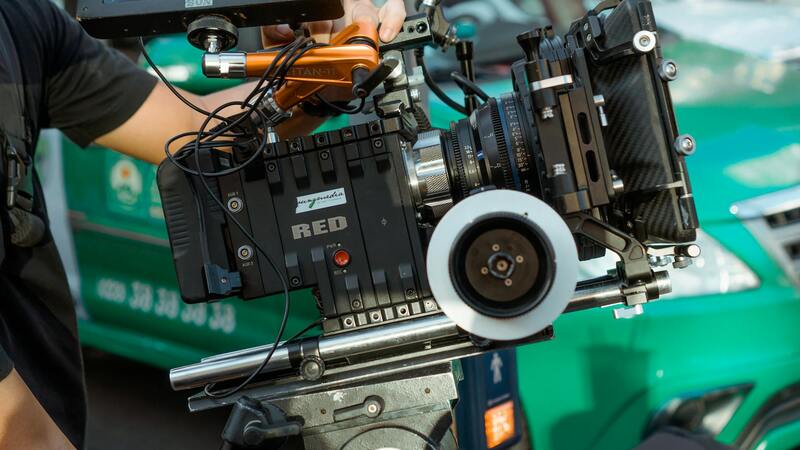
In addition, dedicated streaming platforms and Content Delivery Networks (CDNs) play vital roles in distributing the live feed efficiently. CDNs reduce buffering and latency by caching content at various network nodes worldwide, providing viewers with a consistent experience regardless of location. This infrastructure is essential for large-scale events expected to draw international audiences.
Post-production analysis is another vital aspect of live stream video production. After an event, teams review performance metrics, audience engagement data, and broadcast quality reports to identify areas for improvement. Incorporating viewer feedback guides future productions, ensuring continuous enhancement in quality and effectiveness.
Essential equipment and technology in professional live streaming
Achieving broadcast-quality live streams necessitates a combination of advanced hardware and reliable technology. High-definition cameras capture sharp, detailed footage, while professional-grade switchers enable seamless scene changes and graphic overlays during the broadcast. Encoders convert video signals into formats suitable for streaming, with hardware encoders providing low latency and high reliability.
Streaming platforms serve as the delivery backbone, and operators ensure the connection remains stable throughout the event. Audio equipment, including wireless microphones, audio mixers, and sound consoles, guarantees optimal sound clarity. For complex productions, additional gear such as wireless video transmitters, monitors, and backup power sources mitigate potential disruptions.
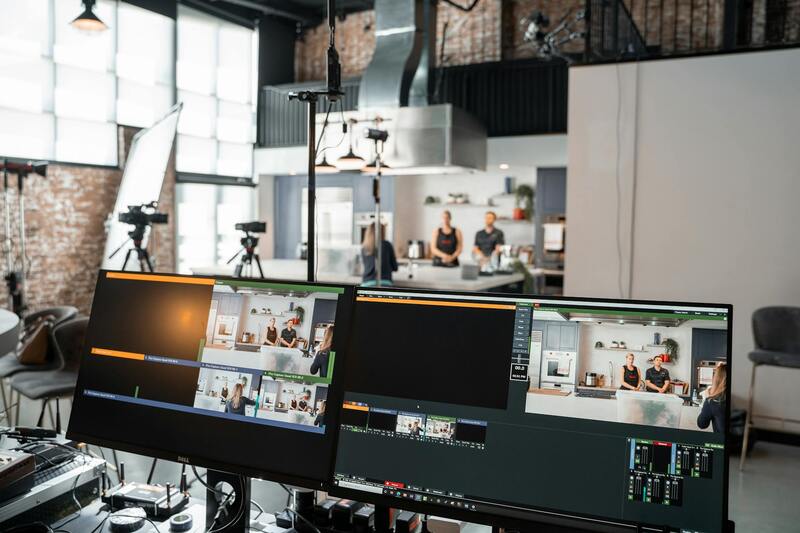
Choosing the appropriate technology depends on the event size, content complexity, and audience expectations. For instance, multi-camera setups are ideal for concerts or conferences, while single-camera streams may suffice for interviews or tutorials. Integrating software solutions for real-time editing and audience interaction enhances engagement and ensures the broadcast remains dynamic.
At the core of every successful live stream is a well-coordinated production workflow, supported by the right equipment and technology. Preparing thoroughly, testing equipment beforehand, and having backup plans in place enable teams to deliver high-quality streams reliably, reflecting the professionalism and creativity essential for impactful live broadcasting.
Understanding live stream video production
Live stream video production entails a meticulous coordination of multiple technical components and creative elements to deliver broadcast-quality content in real-time. Unlike pre-recorded videos, live streaming demands seamless integration of hardware, software, and personnel to adapt swiftly to on-the-fly changes while maintaining content quality. This process begins with detailed planning, where producers outline the event's structure, content flow, and audience engagement strategies. The technical setup follows, involving comprehensive equipment selection, network configuration, and contingency planning.

Executing live stream video production requires a detailed workflow that includes camera operation, audio management, graphic integration, and real-time switching. Multiple camera feeds are synchronized using professional switchers to create dynamic scenes that enhance viewer engagement. Graphics and overlays, such as lower thirds or branding elements, are added through software or hardware processors tolend professionalism to the broadcast. Encoders take the video signals and compress them into streaming-compatible formats, ensuring minimal latency and maximum clarity for viewers across different devices and platforms.
Moreover, stabilizing the live stream involves robust internet connections, often supported by dedicated fiber optic lines or bonded cellular systems that aggregate multiple networks. Backup systems and redundant equipment are critical to avoid disruptions, especially for high-stakes events. Audio quality is equally vital, with wireless microphones, sound consoles, and audio mixers ensuring clear and balanced sound. The complexity of these setups necessitates a team of skilled technicians, including camera operators, audio engineers, and technical directors, all working cohesively under a well-structured plan.
Technical considerations for optimal live streaming
- Bandwidth and internet stability: Adequate upload speeds and network redundancy prevent buffering and interruptions.
- Encoding hardware: Hardware encoders provide low latency and high fidelity, essential for professional broadcasts.
- Camera systems: High-definition cameras with remote control capabilities offer flexibility and superior image quality.
- Audio equipment: Wireless microphones and professional mixing consoles guarantee clear sound regardless of environment.
- Streaming platforms and infrastructure: Compatibility with various platforms and scalable infrastructure support different audience sizes.
- Graphics and overlays: Real-time graphic integration enhances brand visibility and viewer engagement.
Proper pre-event testing of all equipment ensures smooth operation, while on-site technicians monitor the production's live aspects to swiftly address any technical issues. This comprehensive approach results in a reliable and engaging live stream that accurately reflects your event's professionalism and energy.
Implementing the Best Practices for Reliable Live Stream Video Production
Executing a professional live stream video production requires meticulous attention to detail and adherence to established, authoritative methods. This ensures that the quality of the broadcast aligns with industry standards and provides an engaging experience for viewers. Essential practices include comprehensive pre-production planning, precise technical setup, rigorous testing, and real-time monitoring during the event.
Pre-production planning is foundational. This involves gathering all necessary resources, defining clear objectives, and creating a detailed rundown that outlines camera angles, graphics, overlays, and transitions. Establishing a comprehensive contingency plan addresses potential technical failures or disruptions, mitigating risks associated with internet bandwidth issues, hardware malfunctions, or power outages. These measures often include redundancy systems such as backup internet connections, spare equipment, and alternative power sources.
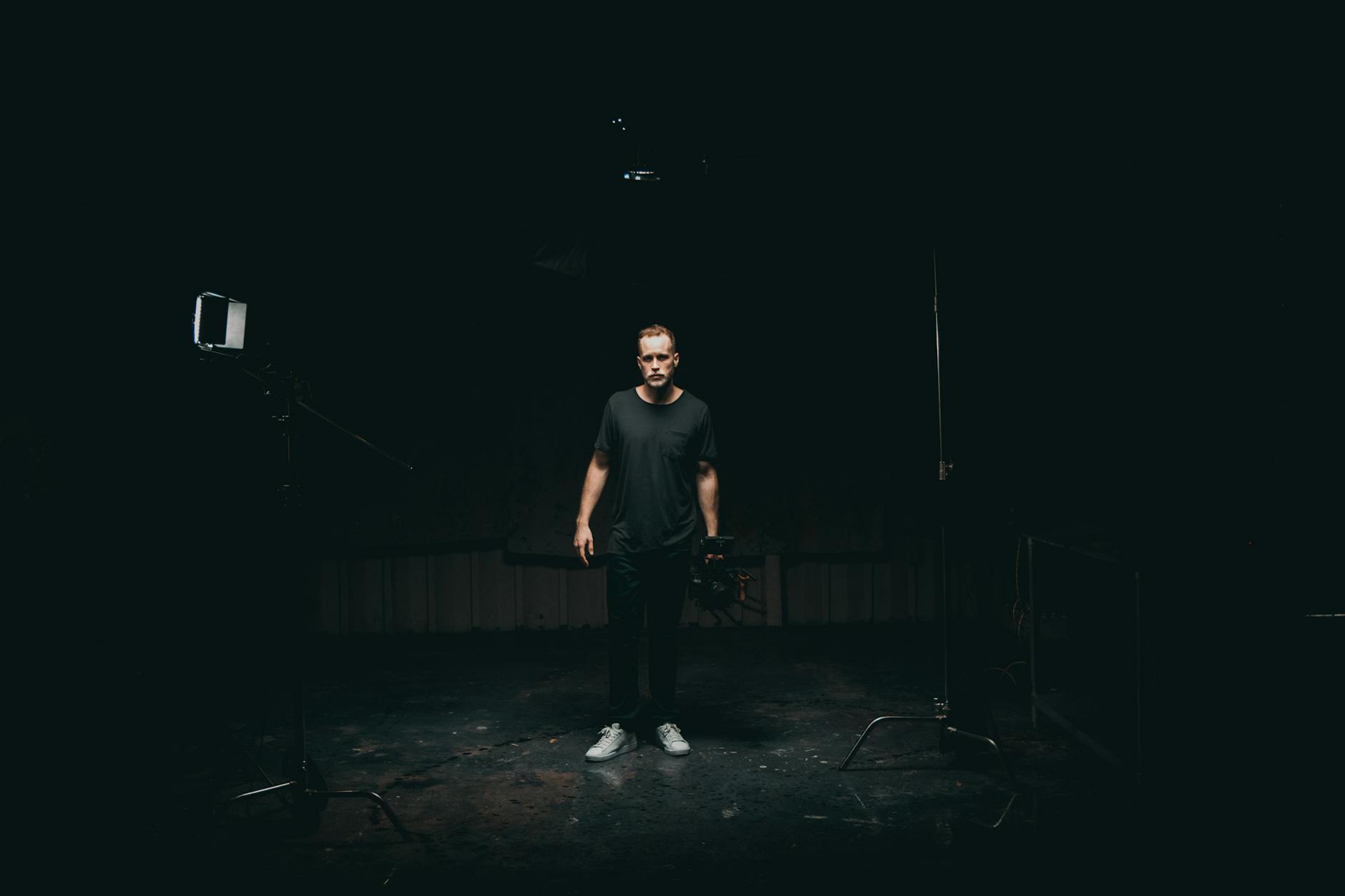
Choosing appropriate hardware and software tools is critical. High-definition cameras capable of remote operation provide flexibility and superior image quality, while professional audio equipment, including wireless microphones and mixing consoles, ensures clarity and balanced sound. Hardware encoders, which convert raw video signals into streaming-compatible formats, deliver low latency and high fidelity. Compatibility with various streaming platforms and scalability become pivotal for accommodating different audience sizes.
On-site, technical teams conduct comprehensive testing of all equipment before the event, ensuring seamless operation. During the live broadcast, continuous monitoring by dedicated technicians allows swift response to any issues, minimizing downtime and maintaining broadcast integrity. Employing real-time analytics provides insights into stream stability, viewer engagement, and technical performance, facilitating immediate adjustments if necessary.
Optimizing the Workflow for Consistent Broadcast Quality
A structured production workflow encompasses several stages. During pre-production, team coordination ensures all equipment, personnel, and external resources are aligned. The staging process involves setting up cameras, lighting, and audio components, with attention to framing, focus, and sound quality.
During the event, the director oversees camera switching, graphics insertion, and audio mixing, utilizing switchers and control panels to create a cohesive live experience. The encoding process converts the video signal for streaming, which is then distributed through reliable content delivery networks (CDNs). Post-event, a thorough review of the broadcast allows for assessment of technical execution and viewer feedback, informing improvements for future productions.
Implementing Secure and Accessible Content Delivery
Providing secure access without compromising broadcast quality involves the deployment of protected streaming protocols, such as encrypted streams and access controls, which prevent unauthorized viewing. For events requiring heightened security, end-to-end encryption ensures content remains confidential throughout the transmission process.
Accessibility considerations include supporting subtitles and multiple language options to reach a broader audience. Ensuring compatibility across devices—smartphones, tablets, laptops—maximizes viewer engagement. Additionally, providing technical support during the broadcast helps address viewer access issues promptly, contributing to a smooth viewing experience.
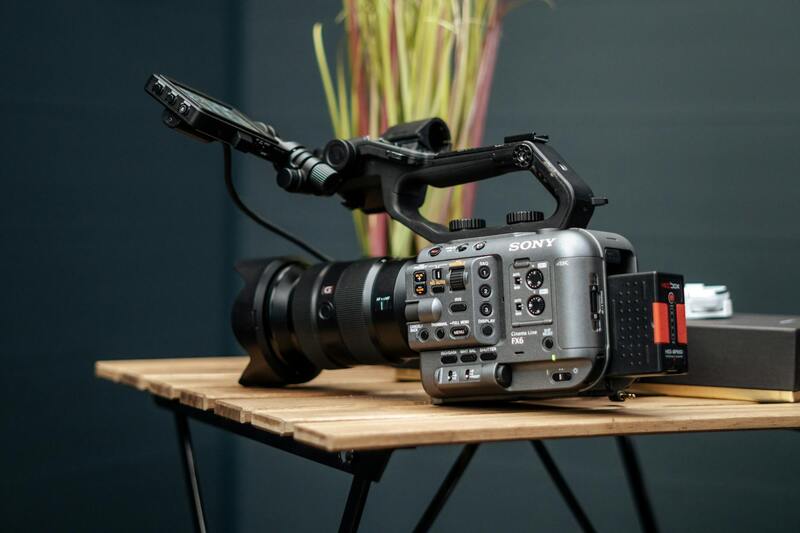
Implementing these methodologies, grounded in proven industry standards and technical expertise, guarantees a professional-level live stream that elevates your brand's presence and audience engagement. It’s vital to collaborate with experienced production teams that prioritize adherence to these best practices, ensuring each broadcast is executed flawlessly with maximum impact.
Understanding Live Stream Video Production
Live stream video production is a sophisticated process that transforms a live event into a broadcast-quality digital experience accessible via the internet. It involves meticulous planning, high-end equipment, and a team of skilled professionals dedicated to delivering seamless content to viewers across various platforms and devices. This process begins with pre-production activities such as scouting the venue, establishing the event’s technical specifications, and preparing the necessary technology setup. During production, multiple camera angles, real-time switching, and live graphics are integrated to enhance viewer engagement and produce a dynamic broadcast. Post-production often includes live editing and the dissemination of content through secure content delivery networks (CDNs) to ensure reliable viewer access and high-quality streaming. The goal is to create an experience that captures the event's essence while satisfying audiences' expectations for clarity, stability, and interactivity.
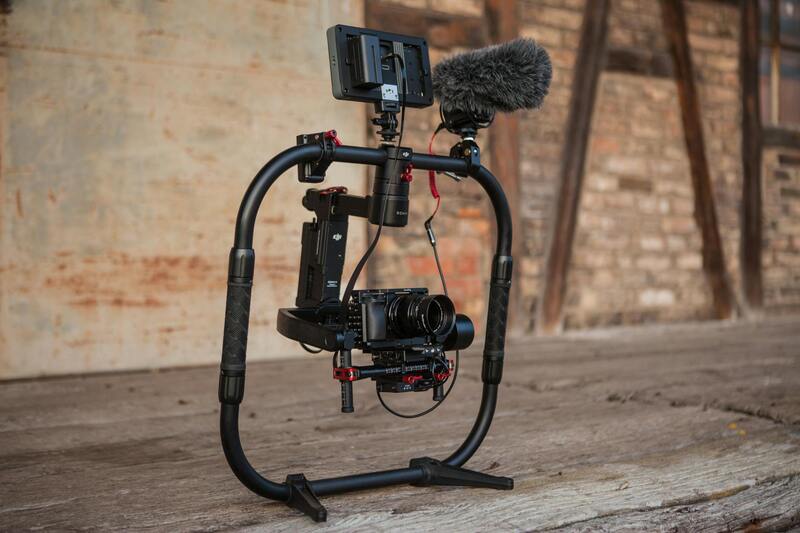
Technical Foundations of Professional Live Streaming
Effective live stream video production hinges on robust infrastructure that supports stability and scalability. This includes high-definition cameras, advanced video switchers, and encoders capable of compressing high-resolution signals without compromising quality. Reliable audio equipment is equally crucial to deliver crisp sound alongside visuals. To manage multiple feeds and deliver a polished broadcast, production teams utilize equipment like multi-view monitors and real-time video mixing software. Content delivery is secured through encrypted streams and access controls to prevent unauthorized viewing. Additionally, a strong internet connection—often involving bonded cellular systems or fiber-optic lines—is vital to maintain stream stability and prevent interruptions. Producing a professional live stream also demands comprehensive event coordination to synchronize all technical elements, ensuring seamless transitions, minimal latency, and optimal viewer experience.
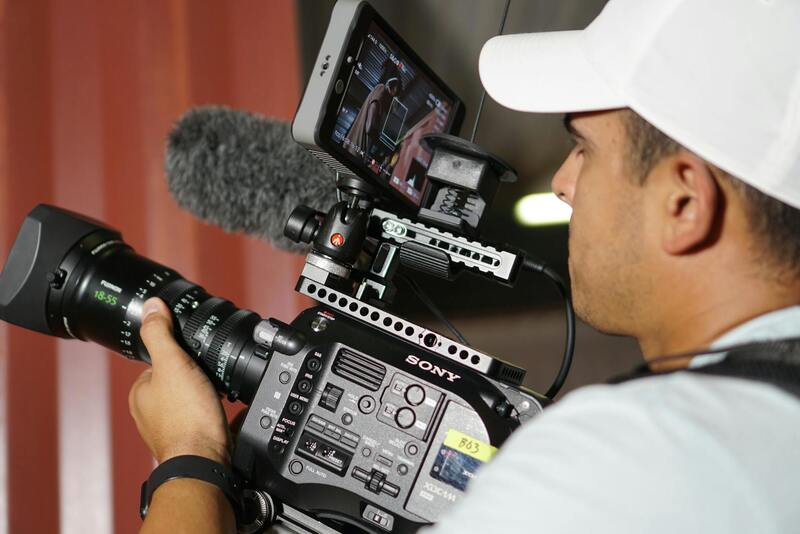
Integrating Interactive Elements in Live Streaming
To maximize viewer engagement, live stream video production increasingly incorporates interactive features that foster real-time participation. Live chat functions enable viewers to communicate directly with hosts or presenters, creating a sense of community and immediacy. Q&A sessions allow the audience to pose questions, which can be addressed live, enhancing interactivity and interest. Multi-camera angles provide dynamic perspectives, keeping the content visually engaging and allowing viewers to select the view that interests them most. Real-time graphics and overlays can be used to display pertinent information, sponsorship messages, or call-to-action prompts, further enriching the viewing experience. These elements, combined with a well-trained production team, ensure the broadcast not only relays information but also actively involves the audience, boosting overall engagement metrics and brand presence.
Understanding live stream video production
Live stream video production involves a comprehensive process that intricately combines advanced technology, skilled personnel, and meticulous planning to deliver high-quality broadcasts in real-time. This process encompasses pre-production planning, which defines the objectives, target audience, content flow, and technical requirements. During production, multiple high-definition cameras capture live footage, which is then switched and processed in real-time through sophisticated switchers and encoders. These components are crucial for maintaining seamless transitions and ensuring consistent stream quality despite potential network fluctuations. Integration of real-time graphics, overlays, and dynamic audio adjustments further enhances viewer engagement, transforming a basic broadcast into a compelling visual experience. An essential aspect of professional live streaming is the use of multi-platform streaming protocols, enabling content distribution across various social media, dedicated websites, and private portals simultaneously. This requires robust streaming servers and cloud-based infrastructure, capable of managing multiple concurrent viewers without latency or buffering issues. In addition, the production team must coordinate various technical elements—lighting, sound, camera operation, and streaming equipment—to synchronize all activities seamlessly. Advanced backup systems, such as redundant internet connections and backup encoders, are vital to prevent disruptions. Real-time monitoring and quality control ensure that the stream adheres to broadcast standards, providing viewers with a reliable and engaging experience. The post-production phase involves data management, archiving the live content for on-demand access, and detailed analytics to evaluate the broadcast’s reach, engagement, and technical performance. The complexity and precision involved in professional live stream video production are critical to maintaining viewer trust and delivering impactful live content, especially for high-stakes events like corporate conferences, concerts, or sports competitions.
Ensuring Legal and Safeguarding Best Practices in Live Stream Video Production
Effective live stream video production demands adherence to a set of established protocols that prioritize security, compliance, and accessibility. Proper handling of intellectual property rights and permissions is fundamental to prevent infringements and to respect the rights of content creators. Before initiating a broadcast, securing clear rights to all visual and audio elements used ensures that the content remains within legal boundaries and maintains the integrity of the presentation.
Implementing robust cybersecurity measures is vital to safeguard against unauthorized access and data breaches. Live stream setups should employ encrypted data transmission protocols, such as Secure Real-time Transport Protocol (SRTP) and Transport Layer Security (TLS), to ensure that streams are protected throughout transmission. Hosting the content on secure, reputable servers also minimizes risks associated with cyber-attacks or data leaks.
Maintaining Accessibility and Inclusivity in Live Streaming
To broaden audience reach and cater to diverse viewer needs, live stream video production should incorporate accessibility features. This includes providing closed captioning that complies with recognized standards, allowing viewers with hearing impairments to engage fully with the content. Additionally, ensuring that the video player and streaming platform are compatible with assistive technologies like screen readers enhances overall accessibility.
Another critical element is the consideration of internet security policies, such as GDPR or CCPA, which govern the handling of viewer data. Live stream providers should ensure compliance with these regulations by implementing transparent data collection and management practices. Establishing clear privacy policies reassures viewers that their data is protected and handled responsibly.
Implementing Effective Security Measures
Security in live streaming extends beyond data protection; it involves maintaining the integrity of the production environment. This includes controlled access to production hardware and software, often through multi-factor authentication. Regular security audits and system updates help identify and address potential vulnerabilities promptly.
Furthermore, using firewalls and intrusion detection systems during the live broadcast creates an additional layer of defense against malicious threats. Backup Internet connections, often via cellular bonding systems, ensure uninterrupted streaming even if primary connections encounter issues, thereby maintaining a professional standard of reliability.
Technical Support and Quality Assurance
Having dedicated technical support on hand during the live event is crucial to troubleshoot unforeseen technical issues swiftly. Pre-event testing, including sound checks, lighting, and streaming hardware, reduces the likelihood of disruptions during the actual broadcast. Quality assurance workflows involve real-time monitoring of video and audio quality, stream stability, and viewer engagement metrics. These practices help uphold the production's professionalism and ensure a seamless viewing experience.
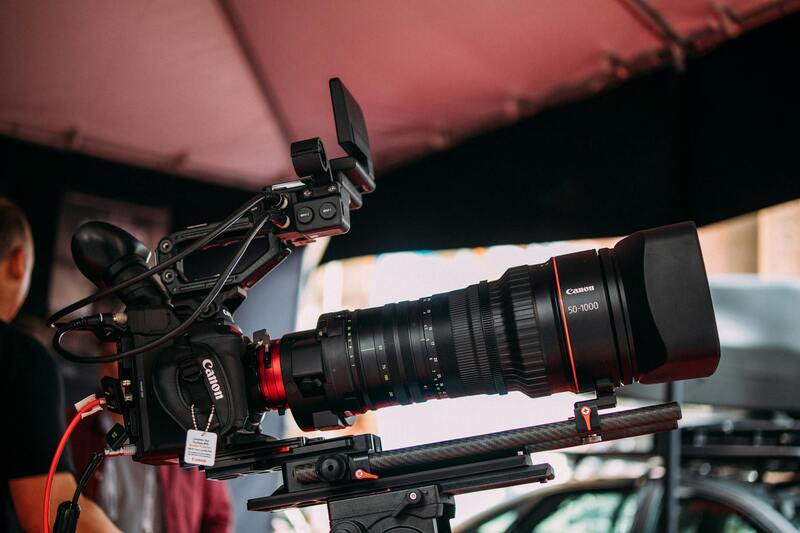
Ultimately, the strategic implementation of these security, accessibility, and compliance measures solidifies a live streaming operation's reputation, elevating viewer trust and engagement. By prioritizing these critical elements, Miami-based live stream teams can craft reliable, engaging broadcasts that respect legal frameworks and accessibility standards, thereby fostering a positive digital environment for all participants.