

Understanding Live Stream Services Production
Live stream services production encompasses the comprehensive process of planning, executing, and delivering live video content over the internet with professionalism and technical precision. This field combines strategic content development, advanced technical setup, on-site coordination, and post-event content management to ensure that live broadcasts meet high standards of quality and viewer engagement. For organizations based in Miami, the importance of expert production cannot be overstated, particularly as digital presence becomes increasingly vital for brand visibility, community engagement, and corporate communication.
Envision a live corporate seminar, a community charity event, or a high-profile product launch—each demands flawless execution. Poor quality video, glitches, or disorganized streams can undermine credibility and diminish the event’s impact. Therefore, businesses and organizations need to prioritize professional live stream production services designed to ensure seamless transmission, technical stability, and an engaging viewer experience.
The scope of live stream services production extends beyond mere broadcasting. It involves detailed pre-event planning, selecting the right equipment, managing live technical operations, and ensuring compliance with industry standards for content security. For Miami-based organizations, partnering with experienced production specialists guarantees tailored solutions that address local technical nuances, audience expectations, and specific event goals.

In an era where digital engagement fuels growth and visibility, professional live stream services constitute a crucial element of contemporary event strategy. From small business webinars to large-scale conferences, effective live streaming delivers real-time interaction, broadens outreach, and elevates organizational stature. The success of a live stream hinges on meticulous planning, robust technology, and skilled execution—elements that trusted Miami-based production providers uniquely deliver. This ensures your event reaches your audience intact, on time, and with maximum impact, cementing your reputation as a forward-thinking organization.
Understanding Live Stream Services Production
Effective live stream services production is a comprehensive process that combines advanced technology, detailed planning, and professional expertise to deliver seamless broadcasts. This process begins well before the event itself, requiring meticulous pre-production coordination. During this phase, the production team collaborates with clients to determine the event’s objectives, target audience, and desired viewer engagement levels. This insight informs decisions on camera placements, audio requirements, graphic overlays, and lighting design to enhance visual clarity and brand consistency.
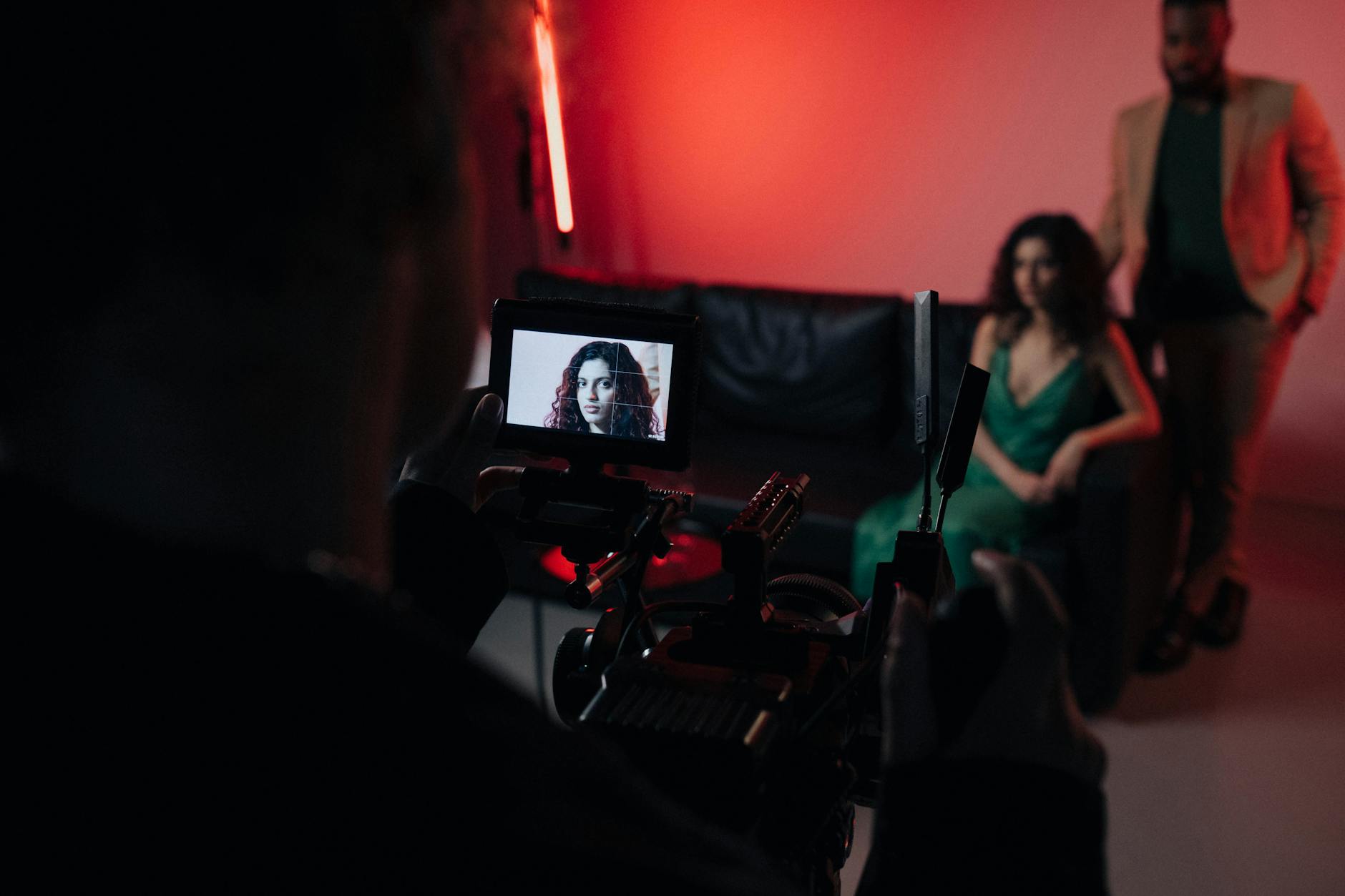
Once the strategic framework is established, the focus shifts toward selecting appropriate equipment and technology to ensure optimal live transmission. High-definition multi-camera setups enable diverse viewpoints, capturing the event from multiple angles and adding production value. Professional-grade microphones and sound mixing equipment provide clear audio, which is crucial for maintaining viewer engagement. Additionally, overlay graphics, lower thirds, and branding visuals are integrated to reinforce messaging and create a polished broadcast appearance.
Precision in Technical Execution
During the live event, technical execution hinges on expert on-site management. Skilled technicians monitor and adjust video feeds, audio levels, and streaming stability in real-time to prevent glitches or signal disruptions. The use of industry-standard encoding devices ensures high-quality streaming across various platforms and devices, facilitating broad accessibility. Remote monitoring tools allow this team to swiftly address issues that may arise, maintaining a smooth and professional broadcast throughout the event duration.
Utilizing State-of-the-Art Equipment
The technological backbone of live stream services revolves around high-availability streaming servers, live switchers, and backup systems. Redundant pathways are implemented to eliminate downtime, and encryption protocols safeguard broadcast content from interception or tampering. The integration of multiple camera feeds, combined with real-time graphics rendering, creates an engaging viewing experience that rivals traditional television broadcasts. This level of sophistication requires precise calibration and continuous quality assurance to meet industry standards for content delivery.
On-Site and Remote Operations
For large-scale or multi-venue events, remote production solutions are often employed to extend technical capabilities beyond the physical location. Remote operators can control cameras, switch feeds, and manage streaming parameters via secure internet connections, reducing on-site staffing needs while maintaining operational control. Conversely, on-site teams are responsible for immediate reactions to local technical issues, setting up cabling, and ensuring all equipment functions optimally before and during the live broadcast.
Post-Event Content Management and Repurposing
Post-production plays a significant role in maximizing the value of a live stream. Recorded content can be edited for clarity, combined with highlights, or packaged for on-demand access. This process involves transcoding the raw footage into versatile formats suitable for various platforms, such as social media, corporate websites, or internal archives. Repurposing live content not only extends its shelf life but also amplifies audience reach and engagement, providing ongoing benefits from the original broadcast.
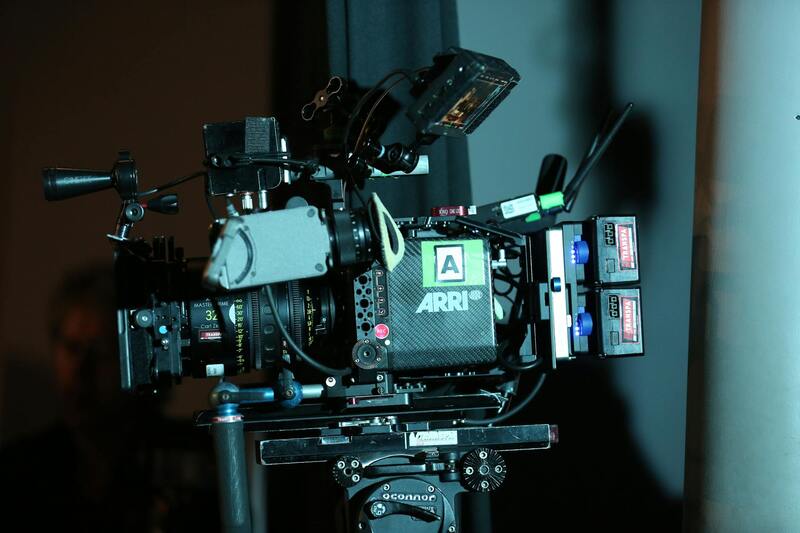
Additionally, comprehensive analytics are gathered post-broadcast to evaluate viewer engagement, technical performance, and overall success. These insights inform future strategies, allowing producers to refine their approach and incorporate innovative elements to enhance audience interaction. Transparency in reporting reassures clients of the technical integrity and effectiveness of the live stream, building long-term trust and confidence in the service provider.
Technical Execution and Equipment
Achieving a seamless live stream necessitates a comprehensive range of high-quality equipment and precise technical setup. Key hardware includes professional-grade cameras capable of capturing high-resolution footage with excellent low-light performance, ensuring crisp visuals regardless of venue conditions. Video switchers, also known as vision mixers, enable operators to fluidly transition between multiple camera angles, incorporate graphics or overlays, and produce a dynamic viewing experience.
Audio equipment is equally critical; using external microphones and audio mixers allows for clear sound reproduction, minimizing background noise and ensuring that speakers and performers are heard with clarity. Reliable encoders are used to compress and transmit the video feed to the streaming platform, with industry-standard codecs such as H.264 or HEVC ensuring optimal balance between quality and bandwidth efficiency.
Complementing this hardware, robust internet connectivity is essential. Multiple internet sources, such as wired connections and dedicated cellular hotspots, are often employed to prevent interruptions. Load balancing techniques can be implemented to seamlessly switch between sources if needed. Power management solutions, including uninterruptible power supplies (UPS), safeguard equipment against outages, ensuring continuous streaming during unforeseen power disruptions.
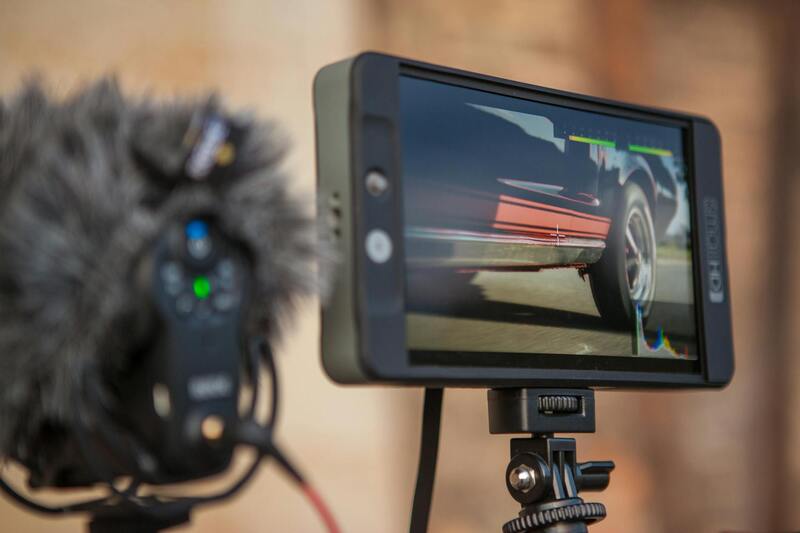
Additionally, remote control panels and streaming management software facilitate real-time adjustments during broadcasts. These tools allow operators to monitor stream health, troubleshoot issues promptly, and make instant changes to overlays, transitions, or audio levels, maintaining a polished viewer experience from start to finish.
On-Site and Remote Live Streaming Operations
Successful live streaming hinges on coordinated on-site and remote operations. On-site teams are tasked with setting up equipment, conducting test runs, and managing real-time production activities. They handle camera operation, audio mixing, and ensure all hardware functions correctly before going live. Wireless transmission from the venue requires meticulous planning to eliminate interference, with technicians verifying signal strength and stability.
Remote operators, on the other hand, monitor the live feed from a remote control center. They oversee video switching, graphics insertion, and stream encoding, often using specialized software connected via secure internet links. This division of responsibilities allows on-site staff to focus on handling immediate technical challenges while remote operators manage the overall broadcast flow.
Integrating these operations demands a well-defined communication protocol. Coordinated using headsets or collaboration platforms, the team ensures synchronization across all stages, resulting in a professional, glitch-free broadcast.
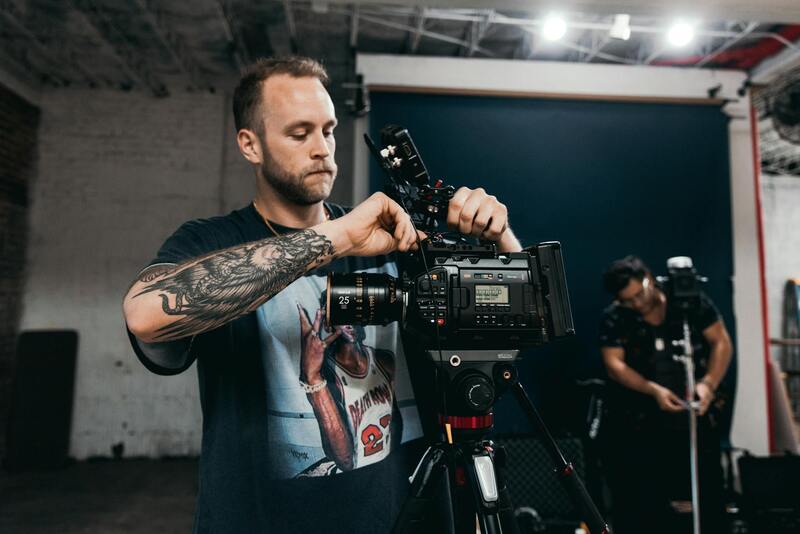
The use of multiple monitoring points enables quick diagnosis of issues and swift corrective actions. For instance, if an audio feed drops or a camera malfunctions, the team can activate backup systems or switch to alternate feeds, minimizing viewer impact. Pre-production rehearsals and technical dry runs are vital to identify potential issues early and establish effective contingency plans, ensuring the actual event proceeds smoothly.
Understanding Live Stream Services Production
Live stream services production entails a comprehensive approach to broadcasting real-time video content over digital platforms. This specialized field demands meticulous coordination of technical, creative, and logistical elements to deliver seamless and engaging live content. Effective production begins long before the event goes live, involving strategic planning, equipment setup, and team coordination to ensure a polished broadcast that meets audience expectations and aligns with the event’s objectives.
Technical Workflow and Equipment Essentials
At the core of successful live stream production is a robust technical framework comprising high-quality video and audio equipment, switching hardware, encoding devices, and backup systems. Professional-grade cameras capture the event with flexibility in shot selection, supplemented by switchers that enable dynamic transitions between multiple feeds. These feeds are processed through encoders, converting raw video into streams compatible with various online platforms. Redundancy measures, such as backup servers and power supplies, play a crucial role in safeguarding against technical failures, ensuring continuous broadcast even in unexpected circumstances.
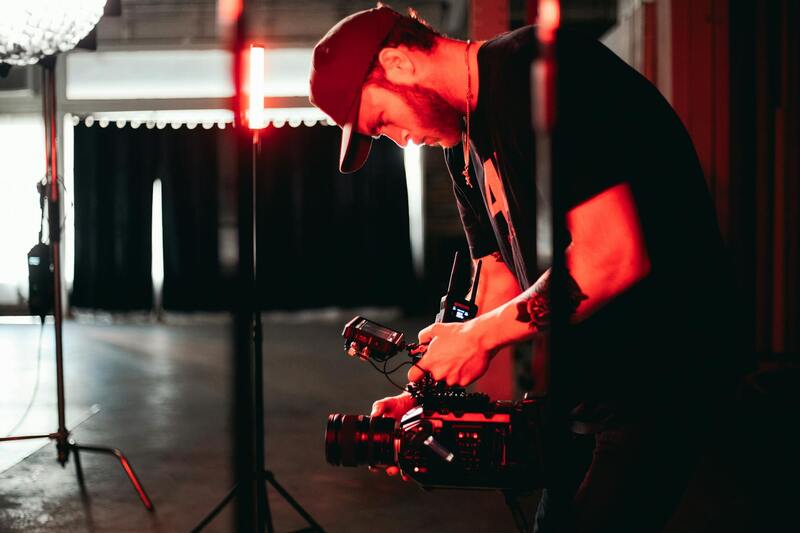
Technical workflows encompass real-time video switching, graphics insertion, and audio mixing, often managed via dedicated control rooms equipped with specialized software. These platforms facilitate efficient management of multiple inputs, allowing operators to adapt to the event's flow, highlight key moments, and ensure content clarity. Simultaneously, stream encoding processes optimize video quality for different bandwidths, providing viewers with an uninterrupted viewing experience. The deployment of backup streams and failover protocols allows the team to swiftly address potential disruptions, maintaining service quality.
On-Site and Remote Operation Dynamics
Proficient live streaming involves coordinated efforts between on-site technical crews and remote operators. On-site teams handle camera operations, signal transmissions, and equipment adjustments, working diligently to capture the event's essence while managing immediate technical challenges. Remote teams oversee the overall broadcast flow, monitor stream health, and perform switching and graphics control from a control center that communicates seamlessly with on-site personnel. This division of responsibilities ensures a smooth, professional broadcast while allowing for rapid troubleshooting and adjustments during the event.
Effective communication protocols, including headsets and real-time messaging platforms, facilitate precise coordination. Multiple monitoring points provide continuous oversight, enabling the team to detect and resolve issues promptly. For example, if a camera footage drops or an audio feed experiences interference, backup systems can be activated instantly, minimizing viewer impact and preserving the event’s integrity.
Ensuring Seamless Broadcast Continuity
Achieving a smooth live stream requires rigorous pre-event rehearsals and technical dry runs. These rehearsals simulate the actual broadcast environment, allowing teams to identify potential issues and refine workflows. Contingency plans are established beforehand, detailing backup procedures for equipment failures, connectivity issues, and other unforeseen disruptions. This proactive approach reduces downtime and ensures the broadcast remains professional and engaging from start to finish.
In addition to technical precision, the integration of high-quality graphics, overlays, and branding elements enhances the viewer experience and maintains brand consistency throughout the broadcast. The use of multi-camera feeds, along with real-time switching and graphical enhancements, makes the live event visually compelling and dynamic, keeping the audience engaged and informed with pertinent visual cues and event information.
The Impact of Professional Live Streaming Production
Investing in experienced live stream production services significantly elevates the quality and professionalism of virtual events. It fosters audience engagement, enhances brand reputation, and provides a dependable platform for sharing crucial content with a global reach. Skilled production teams leverage their technical expertise and artistic sensibility to craft broadcasts that resonate, ensuring each event leaves a lasting impression on viewers and stakeholders alike.
Understanding Live Stream Services Production
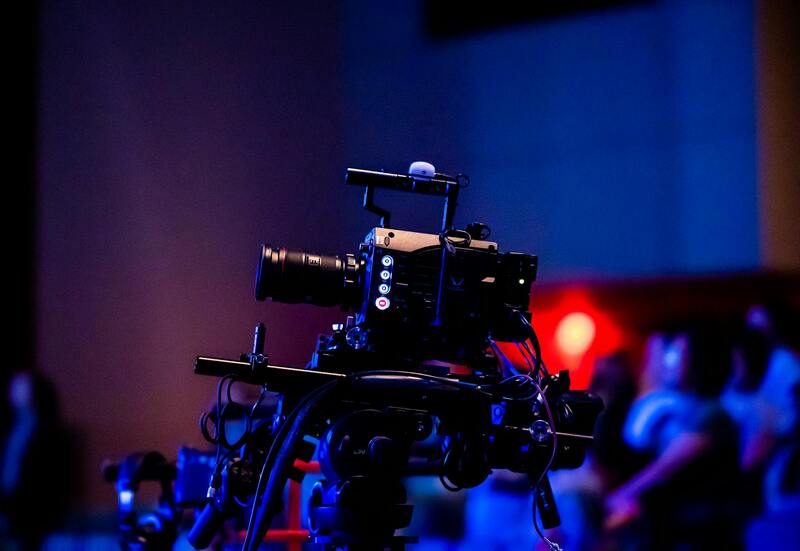
Live stream services production entails a comprehensive approach to capturing, encoding, transmitting, and broadcasting live audio-visual content to audiences across digital platforms. It involves meticulous planning, state-of-the-art technology, and skilled personnel to ensure a high-quality viewing experience. This process starts well before the event with detailed planning, continues with seamless technical execution during the broadcast, and extends into post-event content management and repurposing. Producing a successful live stream demands expertise in various areas such as camera operation, audio management, streaming infrastructure, and real-time graphics integration.
Essential Elements in Live Stream Production
- Pre-Event Planning: Strategic content scheduling, audience engagement tactics, and technical rehearsals are fundamental components that set the stage for success.
- Technical Setup: This includes choosing the right cameras, microphones, encoders, and streaming platforms. Ensuring a robust internet connection and backup systems are in place is crucial to avoid disruptions.
- Content Management: Incorporating overlays, graphics, branding elements, and multi-camera feeds enriches the viewing experience and offers visual context to viewers.
- On-Site Operations: Coordinating camera operators, audio technicians, and broadcast engineers during the event guarantees live footage quality and smooth transitions.
- Monitoring and Troubleshooting: Continuous oversight of streaming quality, audio levels, and connection stability helps address issues proactively, minimizing viewer impact.
Advanced Technologies in Live Production
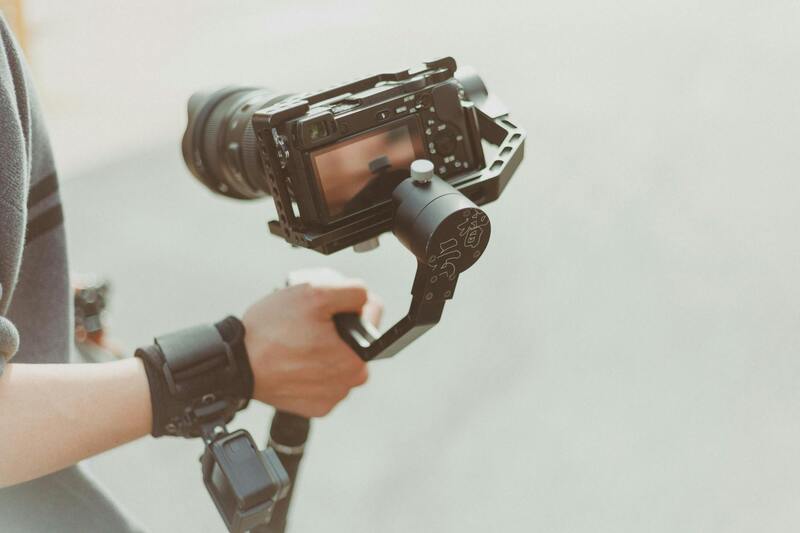
Modern live streaming relies heavily on advanced equipment and software solutions that facilitate seamless content delivery. Multi-camera switching devices enable dynamic presentation styles, allowing editors to switch between multiple angles instantly. Real-time graphics generators provide overlays for titles, lower thirds, and branding, enhancing professionalism. Meanwhile, encoders convert live footage into streaming-compatible formats, ensuring minimal latency and high-resolution output. As technology advances, integration of virtual set backgrounds, 4K streaming, and immersive audio formats delivers even more engaging experiences for viewers.
Quality Assurance and Content Integrity
Maintaining content quality in a live stream involves rigorous quality assurance protocols. This includes pre-broadcast testing of all equipment, real-time diagnostics during the event, and post-broadcast evaluations. Employing professional-grade hardware and software reduces technical faults and ensures high-definition visuals and clear audio. Additionally, integrating adaptive streaming technologies optimizes the viewing experience across different devices and bandwidth conditions. This adaptability keeps audiences engaged regardless of their internet quality, avoiding frustrating buffers and resolution drops.
Data Security and Stream Reliability
直播内容的安全性及其可靠性是专业制作中的关键要素。利用加密技术保护内容传输,确保数据不被未经授权访问。此外,使用多层备份方案和冗余系统来应对突发状况,确保持续的直播不中断。网络连接的稳定性通过备份网络和专用线路得到保障,从而最大化播出的连续性。对直播平台的挑选也应考虑其安全性和支持多设备的兼容性,以及实时监控能力,以确保内容的完整性和商业敏感信息的保护。
Understanding Live Stream Services Production
Effective live stream services production requires a comprehensive approach that combines technical expertise, meticulous planning, and seamless execution. These productions are more than just broadcasting a video feed; they involve creating an engaging, high-quality experience that captures the audience's attention across various platforms and devices. To ensure a professional-quality live stream, producers must understand the critical components involved, from pre-event planning to post-broadcast content repurposing. By focusing on legitimate and proven methods, production teams can deliver reliable streaming experiences that meet client expectations and adhere to industry standards.
Key Components of Live Stream Production
The foundation of any successful live streaming event comprises several interconnected elements. Proper integration of these components guarantees optimal performance, minimal technical issues, and a polished final product. These include robust content delivery infrastructure, professional-grade hardware, reliable encoding technology, and dedicated personnel skilled in managing live operations.

State-of-the-art streaming systems incorporate:
- Video Capture Equipment: High-resolution cameras, switchers, and audio capture devices ensure crisp visuals and clear sound.
- Encoding Solutions: Professional encoders convert live footage into streaming formats compatible with various online platforms, emphasizing minimal latency.
- Network Infrastructure: Dedicated internet connections or bonded network solutions guarantee consistent bandwidth, reducing interruptions.
- Heralded Software: Control software for switching, overlays, graphics, and real-time editing provides a professional presentation style.
- Security Protocols: Implementing encryption and access controls to protect content integrity and privacy during transmission.
Pre-Production Planning and Strategy
Success in live streaming hinges on strategic planning prior to the event. This stage involves determining the goals, target audience, and desired output quality. Establishing a detailed plan includes selecting appropriate platforms, preparing scripts or agendas, and organizing visual elements like branding overlays and lower thirds. Rigorous testing of equipment and internet connections is instrumental in avoiding unforeseen issues. Establishing clear communication channels among the crew, hosts, and technical staff ensures everyone knows their roles and responsibilities. Also, developing contingency plans for potential technical failures or interruptions guarantees smooth handling of unexpected issues.
Technical Execution and Equipment
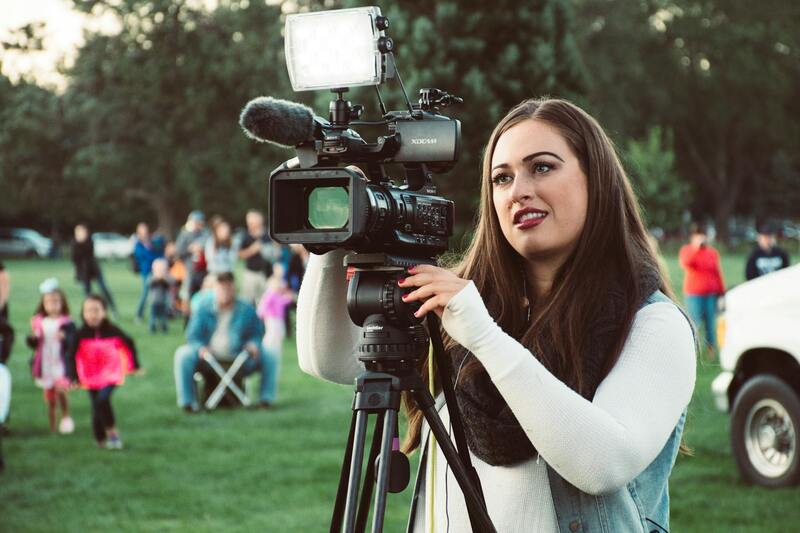
On the day of the event, technical execution revolves around the proper setup, calibration, and operation of all equipment. This includes setting cameras at optimal angles, testing audio levels, and verifying encoding parameters. Real-time monitoring by dedicated technicians allows for immediate troubleshooting of any technical glitches, such as audio dropouts or video freezes. Employing redundant systems, such as backup encoders and secondary internet links, enhances stream reliability. Utilizing industry-standard hardware and software ensures compatibility, high-definition output, and smooth switching between multiple cameras or sources. Additionally, integrating feedback tools such as live chat moderation or viewer analytics can improve engagement and responsiveness.
On-Site and Remote Live Streaming Operations
Operational efficiency during live streaming combines on-site presence with remote management. On-site teams include camera operators, technical directors, and audio engineers who oversee the real-time aspects of the event. These teams ensure that the video and audio signals are captured, switched, and transmitted flawlessly. Meanwhile, remote operators monitor the stream’s health, manage graphics overlays, and handle live feeds from various locations if needed. The use of virtual control rooms and cloud-based management tools enables seamless coordination between on-site personnel and remote experts, ensuring the stream remains stable and engaging. Precise timing of transitions, overlays, and multimedia inserts sustains audience interest and enhances the professional appearance of the broadcast.
Understanding Live Stream Services Production
Live stream services production encompasses a comprehensive process that transforms an in-person event into a seamless digital broadcast accessible to viewers across various locations. At its core, effective live streaming involves meticulous planning, technical expertise, precision execution, and post-event content management. A well-orchestrated live stream not only captures the event’s essence but also maximizes audience engagement and ensures reliable delivery of high-quality video and audio content. This process involves collaboration among creative teams, technical specialists, and on-site personnel to deliver an immersive viewing experience that aligns with the client’s objectives and audience expectations.

Key Components of Live Stream Production
Successful live streaming hinges on several critical components that work harmoniously to deliver a polished final broadcast:
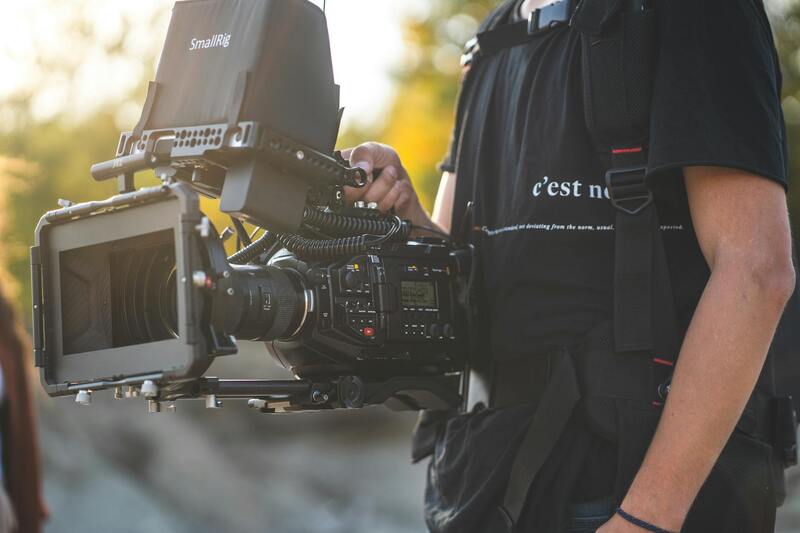
- Video and Audio Capture: High-quality cameras and microphones are essential for capturing real-time footage and sound. Proper placement and calibration are crucial for clear visuals and audio fidelity.
- Encoding and Signal Transmission: Professional encoders convert video signals into streams compatible with various platforms. Redundant internet connections and backup systems safeguard against disruptions.
- Streaming Platforms and Distribution: Selecting coordinated delivery channels ensures the content reaches the intended audience without buffering or lag issues. Multi-platform streaming enhances reach and engagement.
- Graphics, Overlays, and Branding: Real-time graphics, lower thirds, and branding overlays add professionalism and provide pertinent information to viewers.
- Monitoring and Control: Dedicated technical operators oversee feed quality, manage transitions, and respond swiftly to any issues during the live event.
Pre-Production Planning and Strategy
Effective live streaming begins long before the event takes place. Pre-production planning involves detailed discussions to understand the client’s goals, target audience, and content requirements. A strategic approach includes determining the type and number of camera feeds, selecting appropriate locations for coverage, and establishing a comprehensive schedule for setup, rehearsals, and technical checks. Coordination with event organizers ensures all logistical considerations, such as lighting, internet bandwidth, and power sources, are addressed to prevent unforeseen issues. Creating detailed shot lists, graphics templates, and backup plans ensures the broadcast adheres to the timeline and quality standards.
Technical Execution and Equipment
During the live stream, technical execution relies on specialized hardware and software designed for reliability and high performance. Equipment such as multiple professional-grade cameras, switchers, encoders, and audio interfaces work together to produce a cohesive feed. The use of redundant systems, including backup encoders and secondary internet links, minimizes the risk of stream interruptions. Industry-standard streaming hardware ensures compatibility across platforms, while mobile setups facilitate coverage of large venues or remote locations. Advanced audio mixing consoles guarantee clarity, and stabilized camera rigs ensure steady footage. All these elements are synchronized through a central control system overseen by skilled technicians who manage camera switching, graphic insertion, and real-time quality monitoring.
On-Site and Remote Live Streaming Operations
Live stream operations are optimized through a combination of on-site personnel and remote management. On-site teams typically include camera operators, audio engineers, technical directors, and lighting technicians who handle the immediate capture and transmission of footage. At the same time, remote control rooms staffed by follow-along technicians monitor stream health, manage multimedia overlays, and coordinate with on-site teams using cloud-based software. This dual approach ensures rapid response to any technical glitches, such as audio dropout or signal loss, keeping the broadcast on schedule. Additionally, remote experts can adjust graphics, troubleshoot issues, and control multi-camera switching, reducing the need for large on-site staff and enabling flexible coverage. The integration of virtual control rooms fosters real-time coordination, allowing seamless transitions and maintaining broadcast professionalism.
Security and Compliance in Live Streaming
Securing live streams involves implementing encryption protocols to protect the content from unauthorized access. Using secure streaming platforms and enforcing access controls mitigates potential breaches. Data privacy considerations are paramount, especially when streaming sensitive or confidential information, necessitating compliant practices aligned with industry standards. Protecting viewer data and ensuring that streams meet regulatory requirements—such as GDPR—are integral to operational success. Employing firewalls, SSL certificates, and real-time security monitoring prevents malicious interference and enhances trustworthiness. For businesses in regulated industries, adhering to content sharing and recording standards makes certain that all streaming activities align with industry-specific guidelines and legal obligations.
Understanding Live Stream Services Production
Producing a high-quality live stream requires meticulous planning, advanced technology, and skilled personnel. Live stream services production encompasses all the processes involved in capturing, transmitting, and presenting live events over the internet. The goal is to deliver seamless, engaging content that meets viewers’ expectations while adhering to industry standards. This involves coordination among technical teams, content creators, and platform operators to ensure the broadcast’s stability, security, and professionalism. The increasing demand for live streaming across corporate, entertainment, and educational sectors underscores the importance of specialized production techniques and reliable technology solutions that can adapt to diverse event scales and formats.
Key Components of Live Stream Production
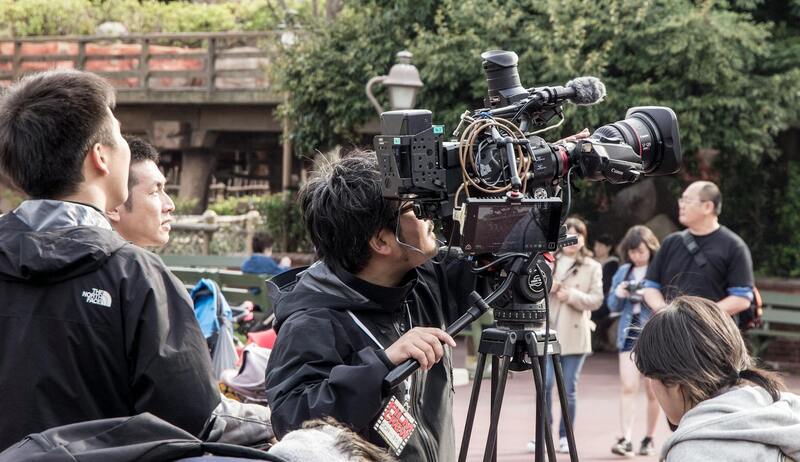
- Video Capture Equipment: Includes professional cameras, switchers, and encoders that ensure crisp visuals and smooth transitions.
- Audio Management: Microphones, audio mixers, and monitoring tools to deliver clear sound and synchronize audio-visual elements effectively.
- Streaming Platform Integration: Selecting a secure and scalable platform capable of handling the event’s expected viewership and ensuring reliable data transmission.
- Technical Support: On-site engineers and remote specialists monitor streams in real time, troubleshoot issues, and manage encoding settings.
- Networking Infrastructure: High-speed internet connections, backup systems, and redundancy protocols to prevent interruptions and data loss.
Pre-Production Planning and Strategy
Effective live stream production begins well before the event commences. Pre-production involves defining target audiences, establishing broadcast objectives, and coordinating technical requirements. This phase includes site surveys, equipment testing, and rehearsals to identify potential issues and optimize camera angles, lighting, and audio setups. Content planning ensures that presentation material aligns with the event’s goals, whether it involves keynote speakers, panel discussions, or multimedia displays. Establishing clear communication protocols among team members and stakeholders minimizes misunderstandings and streamlines operations during the live broadcast.
Technical Execution and Equipment
The execution phase leverages state-of-the-art technology to capture and transmit live content effectively. Here, professional-grade cameras and switching equipment are crucial for switching between multiple video feeds, creating a dynamic viewing experience. Encoders convert raw video signals into streams compatible with online platforms, and dedicated streaming servers handle high traffic volumes. Redundant systems, such as backup internet connections and power supplies, are critical to ensure continuous broadcast even if primary systems fail. Additionally, real-time monitoring tools automatically detect signal issues, audio inconsistencies, and lag, enabling quick responses to preserve broadcast quality.
On-Site and Remote Live Streaming Operations
Modern live stream production often combines on-site expertise with remote support to enhance flexibility and resource management. On-site teams coordinate camera operation, audio, and immediate troubleshooting, while remote technicians oversee stream health, graphics, and multi-camera switching via cloud-based control rooms. This hybrid approach reduces on-site staffing needs and allows specialized expertise to extend beyond physical venues. Virtual control rooms facilitate real-time adjustments, ensuring the video feed remains professional and engaging throughout the event. Some productions also integrate multi-streaming to different platforms, broadening audience reach and providing viewers multiple viewing options.
Post-Production and Content Repurposing
After the live broadcast concludes, post-production processes enable the event content to be repurposed for different channels. Recorded streams can be edited to create highlight reels, promotional snippets, or educational materials that extend the event’s lifespan. Transcriptions and closed captions improve accessibility, while archived videos serve as valuable resources for marketing, training, or documentation purposes. Additionally, analytics gathered from live streaming platforms inform future strategies by providing insights into viewer engagement, retention, and demographic data. Properly managed post-event activities maximize return on investment and reinforce the event's messaging.
Security and Compliance in Live Streaming
Securing the live streaming process involves deploying advanced encryption protocols to prevent unauthorized access and content piracy. Encrypted streams, secure login procedures, and access controls ensure that only designated viewers can access the content. Given the nature of many streamed events, protecting sensitive data and complying with industry regulations, such as data privacy standards like GDPR, are fundamental. Network security measures, including firewalls, SSL certificates, and real-time intrusion detection systems, are essential to guard against malicious interference. Maintaining strict content sharing, recording, and archival standards not only preserves the integrity of the event but also aligns with operational policies and client expectations, fostering trust and professionalism in every broadcast.