

Understanding Live Broadcast Services
Live broadcast services have revolutionized how organizations and individuals communicate in real-time, offering an immersive experience that bridges geographical gaps. These services encompass the seamless transmission of live video and audio feeds, allowing audiences to engage with events, sports matches, corporate presentations, and community gatherings as they happen. This immediacy is crucial in today’s fast-paced media environment, especially within Miami's vibrant and diverse cultural scene.
The core purpose of a live broadcast service is to deliver high-quality, real-time content to audiences over the internet, ensuring minimal delay and maximum reliability. These services serve a wide array of applications—from broadcasting major sporting events and concerts to live-streaming corporate meetings and community initiatives. In Miami’s dynamic media landscape, which is characterized by its multicultural audiences and high volume of events, professional live broadcast services are vital. They enable organizers to expand their reach beyond physical venues, attracting viewers both locally and globally.
By leveraging advanced streaming technology, a live broadcast service ensures viewers experience consistent video clarity, synchronized audio, and reliable transmission, regardless of their device or location. This capability not only enhances audience engagement but also contributes to the promotion of events, increased participation, and broader visibility for brands and organizations.
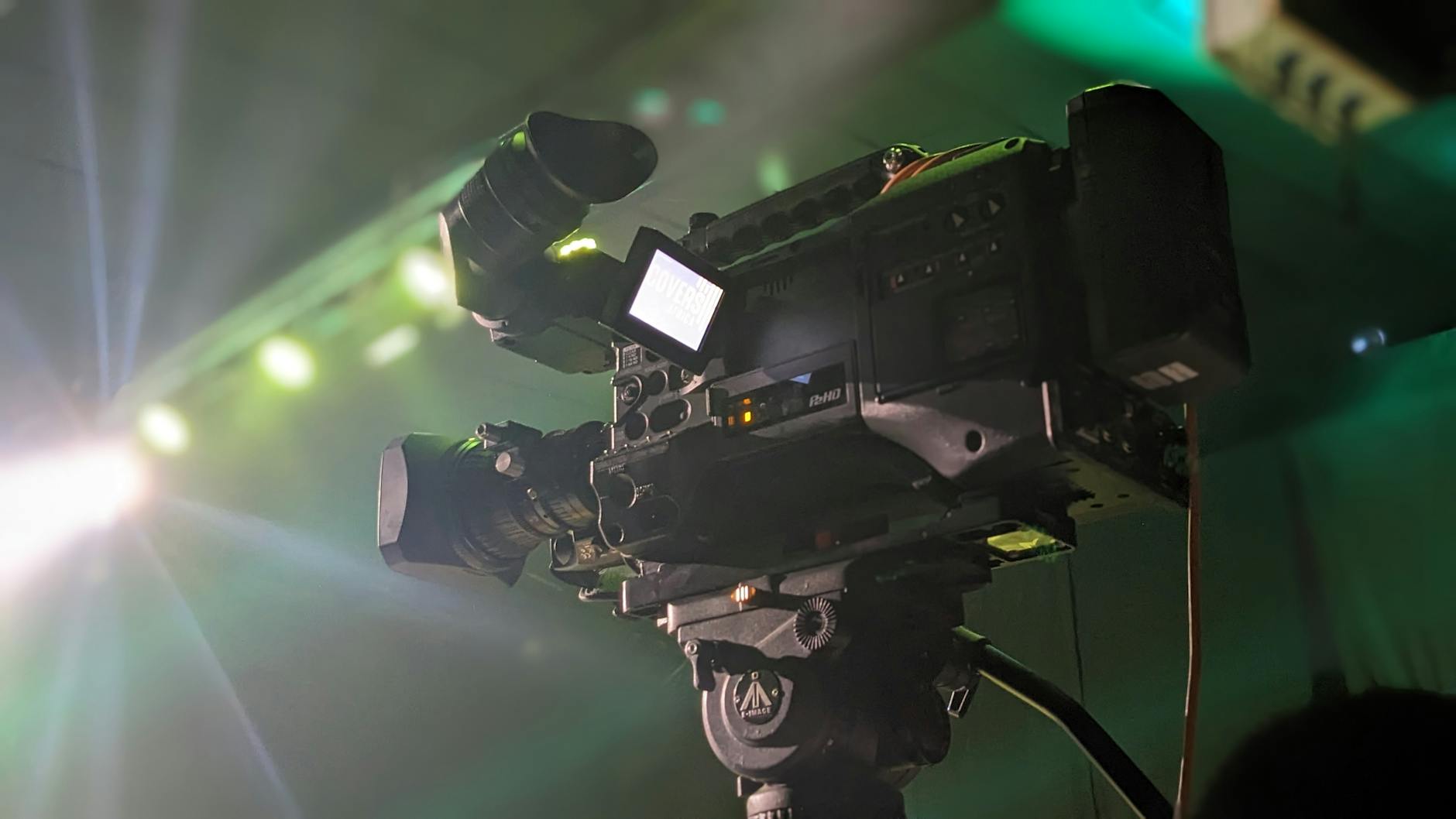
Exploring Official Live Broadcast Methods
For organizations and individuals aiming to deliver engaging and dependable live content, utilizing recognized and authorized live broadcast methods is essential. These methods extend beyond simple internet streaming; they encompass platforms, tools, and protocols designed to ensure high-quality delivery, security, and compatibility across a variety of devices and networks. Choosing the right approach involves understanding the technical infrastructure, service provider credentials, and adherence to industry standards that guarantee a smooth viewing experience for audiences both locally and globally.
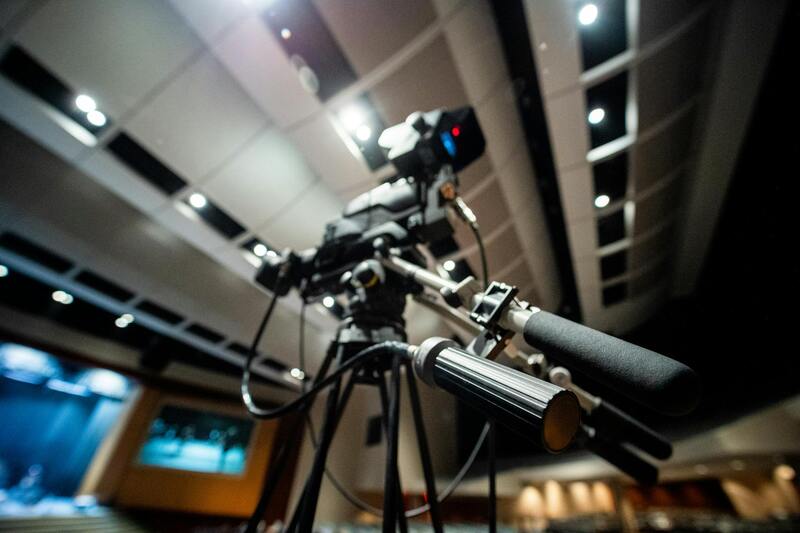
Standard Protocols and Platforms
Reliable live broadcast solutions rely on standardized protocols such as RTMP (Real-Time Messaging Protocol), HLS (HTTP Live Streaming), and SRT (Secure Reliable Transport). These protocols facilitate stable transmission from the source to viewers, accommodating different network conditions and device capabilities. Platforms like YouTube Live, Facebook Live, and custom solutions hosted by specialized service providers such as MiamiEventVideoVideography.net utilize these protocols to deliver consistent, high-quality streams.
In addition, enterprise-grade broadcast platforms integrate content management, audience analytics, and monetization features, enabling organizations to manage their live streams effectively. These platforms also provide comprehensive DRM (Digital Rights Management) options, ensuring that content is protected and delivered securely.
Professional Streaming Equipment and Infrastructure
Legitimate live broadcast services leverage professional-grade equipment including multi-camera setups, matrix switchers, encoders, and audio mixing consoles. High-quality encoders (hardware or software), such as those supported by leading providers, allow for real-time video compression with minimal latency, maintaining crisp visuals and synchronized audio during broadcasts.
Furthermore, redundant data pathways and servers are set up to prevent interruptions. Content delivery networks (CDNs) distribute streams efficiently, reducing buffering and latency for viewers across various geographic locations. This level of infrastructure ensures a broadcast remains stable, even during high-traffic events.
Security and Compliance Measures
Official methods implement robust security protocols to safeguard content. Encryption techniques like SSL/TLS protect data streams from interception, while access controls ensure only authorized viewers can access premium content. For corporate and high-profile events, secure streaming solutions also include watermarking and tracking features that deter piracy and unauthorized redistribution.

Verification and Certification
Organizations should prioritize partnerships with recognized service providers that hold relevant certifications and adhere to industry standards. Certification from entities like the Society of Motion Picture and Television Engineers (SMPTE) or membership in professional broadcast associations can attest to a provider’s commitment to quality and reliable service delivery.
Consulting and Customization
Engaging with experienced live broadcast service providers allows for tailored solutions that meet specific needs. Custom workflows, branding integrations, multi-platform streaming, and interactive features can be designed to maximize viewer engagement and event impact. Professional guidance ensures the deployment of appropriate hardware, software, and network configurations to optimize the overall broadcast experience.
Conclusion
Implementing officially recognized live broadcast methods combines advanced technical protocols, high-end equipment, security measures, and professional expertise. By choosing reputable service providers and adhering to industry-standard practices, organizations in Miami and beyond can deliver seamless, high-quality live content that reaches broad audiences reliably and securely.
Understanding Live Broadcast Services
Live broadcast services have become an integral part of modern event production, offering organizations a reliable means to reach global audiences in real-time. These services encompass a range of technical solutions, including streaming hardware, software platforms, and network infrastructure, designed to ensure seamless content delivery. When engaging in live streaming, it is crucial to utilize official and established methods that guarantee high-quality broadcast output while maintaining security and viewer engagement. Established providers deploy advanced encoding protocols, robust content distribution networks (CDNs), and adaptive bitrate streaming technologies that optimize viewing experiences across various devices and internet speeds.
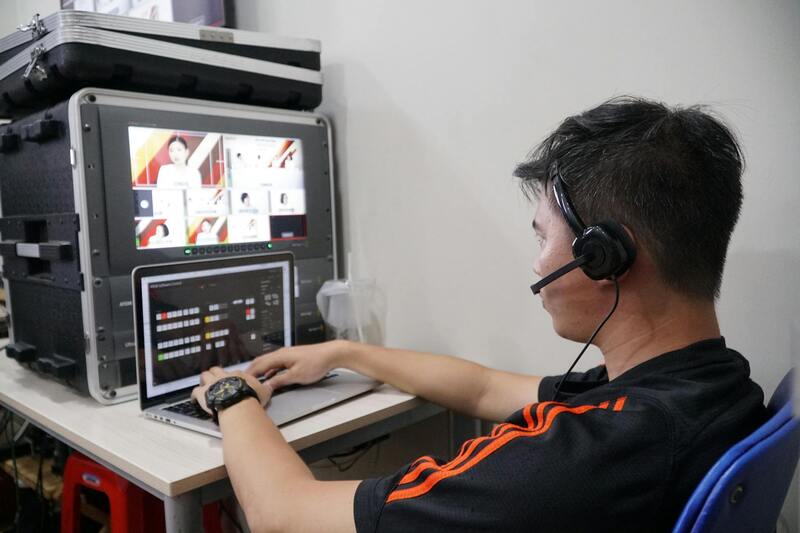
Effective live broadcast services also incorporate comprehensive access control measures. This involves secure login procedures, encrypted streams, and time-limited access links that prevent unauthorized viewing. Moreover, these services offer features such as watermarking and user authentication, which serve to protect the content and uphold the event’s integrity. For organizers, partnering with reputable live broadcast service providers that possess relevant certifications and align with industry standards is essential. Such affiliations demonstrate a commitment to quality assurance, technical excellence, and consistent service delivery.
Methodologies for Delivering Official Live Broadcasts
- Encrypted Streaming Protocols: Utilizing protocols like RTMP and SRT enables secure and reliable data transfer, reducing the risk of interception or disruption.
- Content Delivery Networks (CDNs): Partnering with established networks ensures scalable distribution capable of handling large simultaneous viewers without degrading quality.
- Multi-Platform Compatibility: Delivering content accessible across various devices and platforms maximizes audience reach and engagement.
- Stream Verification and Certification: Ensuring the authenticity and integrity of streams through digital signatures and attestation processes bolsters trustworthiness.
- Professional Hardware and Software: Deployment of high-definition cameras, encoders, and dedicated streaming servers guarantees broadcast quality and stability.
Implementation of these methods aligns with best practices for official live broadcasts, fostering a professional image and ensuring reliable content delivery. Selecting service providers that adhere to these standards creates a foundation for success, regardless of event size or scope.
Verification and Certification
Proper verification processes are vital to establish the authenticity of live broadcasts. Certification from industry-recognized organizations or adherence to internationally accepted standards assures clients and viewers of a service provider’s commitment to delivering dependable streams. These certifications often encompass service quality, security protocols, and technical competence. For event organizers, confirming that their chosen provider maintains such credentials facilitates confidence in the broadcast process, reducing risks associated with technical failures or content mishandling.
Consulting and Customization
Many high-stakes events demand tailored streaming solutions that align perfectly with specific objectives. Collaborating with established live broadcast services allows for comprehensive consultation, ensuring workflows, hardware configurations, and software integrations are optimized for the event’s unique requirements. Custom features such as branding overlays, interactive viewer engagement tools, multi-angle switching, and multi-platform streaming functionalities can be incorporated. Professional guidance helps in deploying the right infrastructure—from camera deployments to encoding hardware—and configuring network settings to avoid latency, buffering, or drop-offs during the live event.
Understanding Live Broadcast Services
Live broadcast services play an integral role in connecting audiences with dynamic, real-time content across multiple platforms. These services enable organizations, event organizers, and content creators to deliver high-quality streams to viewers, regardless of geographic location. A comprehensive live broadcast service offers a blend of advanced technology, reliable infrastructure, and tailored solutions designed to meet the specific demands of each event. When utilizing a live broadcast platform, providers typically handle end-to-end processes including signal capture, encoding, transmission, and playback, ensuring seamless delivery on desktops, mobile devices, and smart TVs.

Opting for an official and reputable live broadcast service involves critical considerations such as infrastructure robustness, stream stability, security protocols, and technical expertise. A reliable provider ensures minimal latency, buffer-free playback, and optimized delivery paths tailored for the intended audience size and distribution channels. Transparency in technical standards and adherence to industry best practices fosters trust and guarantees consistent broadcast quality during live events. Such providers often feature dedicated support teams, comprehensive testing procedures, and scalable solutions adaptable to both small-scale and large-scale events, reinforcing the overall success of the live transmission.
Types of Live Broadcast Services
Live broadcast services are categorized based on the nature of content, audience engagement, and distribution channels. Common types include corporate event streaming, sports and entertainment broadcasts, worship services, educational webinars, and governmental communications. Each type demands distinct technical setups and customized features:
- Corporate and Business Live Streams: Focused on product launches, conferences, and meetings, these streams emphasize branding, professional audio-visual quality, and interactive elements such as Q&A sessions.
- Sports and Entertainment: Require high frame rates, multi-camera feeds, instant replays, and multi-angle switching to enhance viewer experience.
- Religious and Worship Services: Prioritize camera setups that capture inclusive views of congregations, integrated audio mixing, and other features for virtual participation.
- Educational and Webinar Platforms: Incorporate features like screen sharing, live polls, and interactive chat to facilitate engagement.
Additionally, services can be tailored to specific platforms, whether streaming solely to social media channels, dedicated OTT apps, or multi-platform environments, ensuring broad accessibility and maximum outreach.
Key Features of Professional Live Broadcast Platforms
Professional live broadcast platforms are distinguished by advanced features that elevate the quality and reliability of streaming experiences. These include:
- High-Definition Streaming: Support for HD and 4K resolutions ensures crisp visuals, vital for immersive viewing experiences.
- Multi-Platform Compatibility: Seamless integration with social media, custom apps, and web portals multiplies audience reach.
- Encoding and Transcoding Capabilities: Hardware and software encoders facilitate flexible input options and efficient compression, optimizing bandwidth use.
- Secure Transmission Protocols: Encrypted streams and access controls safeguard content from unauthorized viewing or interceptions.
- Scalable and Redundant Infrastructure: Cloud-based solutions enable automatic scaling in response to viewer demand, complemented by backup systems to prevent downtime.
- Real-Time Analytics and Reporting: Data dashboards provide insights on viewer engagement, stream health, and broadcast performance.
- Interactive Features: Chat, polling, viewer engagement tools, and multi-camera switching foster interaction and enhance viewer retention.
- Custom Branding and Overlay Capabilities: Add personalized graphics, logos, and watermarks to reinforce brand identity during live streams.
- Professional Support and Consultation: Expert assistance in event planning, technical setup, and real-time troubleshooting ensures smooth operation throughout the broadcast.

State-of-the-art live streaming control room with professional-grade equipment Understanding Live Broadcast Services
Live broadcast services have become the backbone of real-time content delivery, enabling organizations and individuals to reach global audiences instantaneously. These services encompass a range of solutions, from simple one-way streaming to complex multi-camera productions with interactive features. They facilitate the seamless transmission of live events, whether they are corporate conferences, religious services, sports competitions, or entertainment shows, ensuring viewers receive high-quality video and audio regardless of their geographic location.
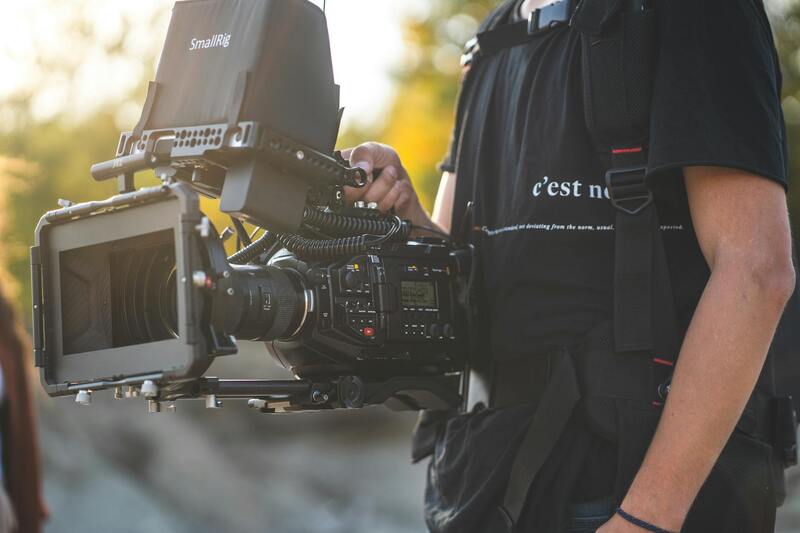
High-quality live broadcast capturing diverse angles during a major event Successful live broadcasting relies on integrating cutting-edge technology, reliable infrastructure, and strategic planning. Modern live broadcast services utilize sophisticated encoding hardware and software, robust transmission protocols, and adaptable streaming platforms. Audience engagement and branding are enhanced through customizable overlays, interactive features, and multi-platform distribution channels. The ability to deliver synchronized, real-time content is pivotal in maintaining viewer interest and ensuring a compelling viewing experience.
Types of Live Broadcast Services
- Basic Streaming Platforms: Ideal for small-scale events or personal use, these services provide straightforward live streaming capabilities through user-friendly interfaces. They often include features like chat and real-time viewer count.
- Professional Live Production: Designed for large-scale or high-stakes events, these solutions incorporate multi-camera setups, professional audio, graphics overlays, and real-time editing. They often involve dedicated production crews and advanced equipment.
- Hybrid and Cloud-Based Solutions: Combining on-premise hardware with cloud streaming, these services offer scalability and flexibility. They support live event replication on multiple platforms simultaneously, accommodating large audiences with minimal latency.
- Interactive Live Streams: Incorporate viewer engagement tools such as polling, Q&A, and chat functions, fostering a dynamic experience that can boost participation and retention.
Key Features of Professional Live Broadcast Platforms
High-quality live broadcasting platforms distinguish themselves through several advanced features that elevate streaming experiences:
- High-Definition Streaming: Support for HD and 4K resolutions ensures visuals are crisp, essential for events where image detail impacts overall perception.
- Multi-Platform Compatibility: Seamless integration across social media channels, dedicated websites, and custom apps expands audience reach and accessibility.
- Encoding and Transcoding Capabilities: Advanced hardware and software encoders enable flexible input management and efficient compression, optimizing bandwidth utilization.
- Secure Transmission Protocols: Encryption and access controls protect content from unauthorized access and potential breaches, maintain content integrity.
- Scalable Infrastructure: Cloud-based solutions allow live streams to adapt dynamically to viewer demand, with redundancy measures to prevent interruptions.
- Real-Time Analytics: Dashboard tools provide insights into viewer engagement, stream health metrics, and overall broadcast performance, guiding future improvements.
- Interactive and Branding Features: Chat modules, overlay graphics, and watermarks support audience interaction and reinforce brand identity during broadcasts.
- Support and Consultation: Dedicated technical assistance ensures smooth event execution, from initial setup through troubleshooting any issues that may arise in real time.
Technology and Equipment for Live Streaming
Delivering professional-quality live broadcasts depends on employing appropriate technology and equipment. Key components include high-performance cameras capable of capturing multiple angles, audio mixers for clear sound, and encoding hardware or software that converts raw footage into streaming-compatible formats. Video switchers and graphics generators enable dynamic transitions and overlays, making the broadcast more engaging.
Reliable internet connectivity is critical, with wired connections preferred for stability. Backup options such as redundant internet links and uninterruptible power supplies (UPS) help prevent disruptions during live events. Additionally, broadcast control rooms are equipped with professional monitors and control interfaces to manage multiple feeds, overlays, and streaming outputs effectively.

Professional live streaming equipment setup for multi-camera broadcasting Mobile streaming solutions, including live broadcasting apps and portable encoders, offer flexibility and are suitable for on-location events where traditional setups are impractical. These tools facilitate high-quality streaming directly from smartphones or tablets, making professional-grade live content more accessible and adaptable to diverse event scenarios.
Understanding Live Broadcast Services
Live broadcast services have revolutionized the way organizations communicate, share events, and engage with audiences in real time. These services encompass a range of professional tools and platforms designed to deliver high-quality streaming experiences across various devices and network conditions. A reputable live broadcast service ensures seamless transmission, minimal latency, and superior audio-visual clarity, key factors that maintain viewer engagement and brand integrity. Selecting a trusted provider involves evaluating their technical capabilities, infrastructure robustness, and experience in managing complex live events—factors that collectively determine the success of your broadcast.
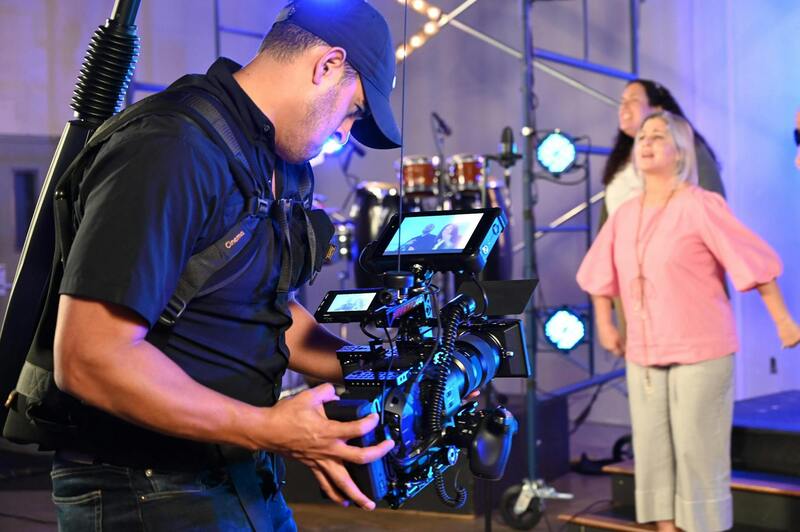
High-quality live broadcast setup demonstrating multiple camera angles and professional equipment Types of Live Broadcast Services
The spectrum of live broadcast services is diverse, catering to different needs, event sizes, and technical specifications. These include:
- Event-Specific Streaming: Tailored for conferences, concerts, sporting events, and seminars, ensuring professional delivery and audience interaction.
- Webcast Platforms: For corporate announcements, product launches, or educational webinars, offering interactive features like Q&A and polls.
- Multi-Camera Productions: Advanced setups with multiple angles, graphics, and real-time switching, creating dynamic and engaging broadcasts.
- On-Demand Streaming: Post-event availability for viewers who missed the live session or wish to revisit the content.
- Mobile Live Streaming: Portable solutions that enable broadcasting from smartphones or tablets, ideal for on-location or field events.
Choosing the right type depends on the event scope, audience reach, and content complexity. Professional live broadcast services typically combine these features to deliver customized solutions tailored to specific event requirements.
Utilizing such services also requires knowing the core technological essentials that enable a smooth streaming experience, including reliable internet connections, high-performance equipment, and skilled technical support. These elements work together to minimize disruptions and deliver content that is both captivating and technically flawless.
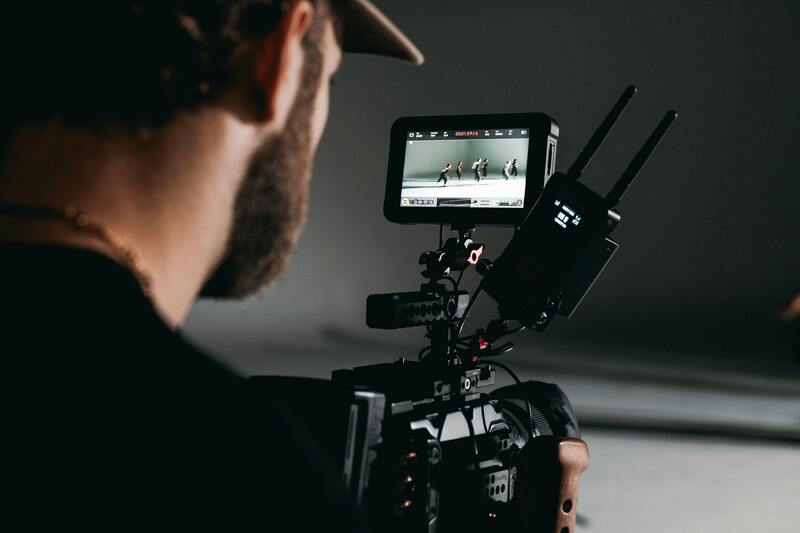
Modern control room managing multiple live streams with professional equipment Key Features of Professional Live Broadcast Platforms
Dependable live broadcast platforms are characterized by features that ensure quality, scalability, and user engagement. Such features include:
- High-Resolution Streaming: Support for HD and 4K formats ensures crisp visuals that meet viewer expectations.
- Adaptive Bitrate Streaming: Automatically adjusts quality based on viewers' internet speed, reducing buffering and improving user experience.
- Interactive Capabilities: Live chat, polling, and viewer engagement tools foster a two-way communication channel, increasing participation.
- Scalability: Ability to handle large audiences without performance issues, essential for events with significant viewership.
- Security Features: Encryption, access controls, and anti-piracy measures protect the content and maintain broadcast integrity.
- Analytics and Reporting: Real-time metrics provide insights into viewer engagement and technical performance, informing future broadcasts.
- Integration Options: Compatibility with social media platforms and custom branding enhances reach and brand consistency.
These core features are crucial for delivering professional-grade live streaming experiences that meet the standards expected by discerning audiences and content creators.
Complementing platform features with appropriate technology and meticulous planning ensures a seamless broadcast, allowing clients to focus on their content and audience interaction without concern over technical difficulties.
Understanding Live Broadcast Services
Live broadcast services encompass a comprehensive set of solutions designed to transmit real-time video and audio content over the internet to audiences of varying sizes and locations. They are vital for events that demand immediacy and audience engagement, such as corporate conferences, sports events, religious services, and entertainment shows. These services leverage specialized technology and infrastructure to ensure high-quality, uninterrupted streams, regardless of geographic barriers or viewer device types.
The core objective of a reliable live broadcast service is to deliver seamless content that maintains crisp visual quality and audio clarity, while optimizing bandwidth usage. Such services enable content creators and organizations to reach widespread audiences effectively, offering features that enhance viewer interaction and engagement. Professional live broadcast solutions employ advanced encoders, streaming platforms, and content delivery networks (CDNs) to facilitate scalable and secure transmissions that meet diverse operational needs.

High-quality live broadcast setup with professional equipment Types of Live Broadcast Services
- Event-specific streaming: Tailored for single or recurring events, providing tailored solutions for conferences, webinars, and ceremonies.
- On-demand streaming integration: Combining live streams with on-demand content to extend audience engagement beyond the event timeline.
- Hybrid streaming solutions: Merging live and pre-recorded content to allow flexible presentation formats and content customization.
- Multi-platform broadcasting: Simultaneous streaming to multiple social media sites, websites, and custom apps to maximize audience reach.
Key Features of Professional Live Broadcast Platforms
High-standard live broadcast platforms are distinguished by features geared toward quality assurance, audience interaction, and content security. These features include:
- High-Resolution Streaming: Support for HD and 4K visuals ensures clear, professional-quality video playback.
- Adaptive Bitrate Streaming: Dynamic adjustment of stream quality to match viewer internet speeds minimizes buffering.
- Interactive Tools: Live chat, real-time polling, and viewer feedback options foster an engaging experience.
- Audience Scalability: Infrastructure capable of supporting from small group webinars to large public events without compromising quality.
- Content Security: Encryption, access controls, and anti-piracy measures protect the integrity of the broadcast.
- Analytics and Data Insights: Monitoring viewer engagement, drop-off rates, and technical performance to inform future broadcasts.
- Customization and Branding: Integration with social media, branding overlays, and user interface customization for brand consistency.

State-of-the-art equipment for professional live streaming Technology and Equipment for Live Streaming
Executing a high-quality live broadcast relies heavily on advanced technology and equipment. The typical setup involves:
- Encoding Hardware or Software: Devices like dedicated encoders or software solutions that compress and transmit video signals efficiently.
- Streaming Platforms and CDNs: Cloud-based services that distribute the content globally, ensuring minimal latency and robust delivery.
- Reliable Internet Connectivity: High-bandwidth internet, often with backup options, to sustain uninterrupted streaming.
- Audio Equipment: Professional microphones, mixers, and audio interfaces to maintain clear sound quality.
- Camera Systems: High-definition cameras capable of high frame rates, coupled with optimal lighting setups.
- Monitoring and Control Interfaces: User-friendly dashboards for managing live feeds, switching between camera angles, and controlling overlays.
Integrating these components into a cohesive system ensures a smooth, broadcast-ready presentation that meets technical demands and audience expectations.

Modern technology stack used for professional live streaming Comprehensive Methods for Conducting Live Broadcasts in Miami
Executing a successful live broadcast requires adherence to established, effective methods that prioritize quality, security, and audience engagement. For organizations and individuals seeking to project their message seamlessly across various platforms, leveraging trusted techniques and official channels in Miami ensures optimal results.
Utilizing Reputable Streaming Platforms
The foundation of a reliable live broadcast hinges on selecting reputable streaming platforms trusted by professionals. These services offer robust infrastructure, scalability, and dedicated support aligning with high-quality standards. Popular options include solutions that provide content delivery networks (CDNs), real-time encoding, and adaptive streaming capabilities. Engaging with platforms that have a proven track record ensures smooth playback, minimal latency, and high viewer satisfaction.
Secure Content Transmission
Protecting your broadcast from unauthorized access is paramount. This is achieved through secure transmission protocols such as Secure Reliable Transport (SRT) or Real-Time Messaging Protocol (RTMP) integrated into official streaming software. Employing encryption methods during data transfer preserves intellectual property rights and maintains broadcast integrity. Additionally, authentication mechanisms like user credentials or token-based access control restrict service usage to authorized personnel only.
High-Quality Equipment and Technical Setup

Using professional-grade cameras and reliable internet connections ensures broadcast quality. Maintaining consistent video and audio quality necessitates investing in high-performance cameras, microphones, and encoders. Proper lighting and soundproofing in the production environment contribute to a polished presentation. Utilizing redundant internet connections or backup generators minimizes the risk of disruptions, especially during critical live events. These technical measures align with best practices for official broadcasts, underpinning professional standards and audience trust.
Implementing Officiated Event Protocols
- Pre-Event Planning: Coordinate with the streaming provider and technical team to develop a comprehensive broadcast plan, including camera angles, graphics, and overlay branding.
- Rehearsals: Conduct trial runs to identify potential issues, test equipment, and fine-tune technical settings. Confirm streaming links, access credentials, and external integrations.
- Monitoring and Management: During the live event, continuously monitor stream health, viewer feedback, and system performance through official dashboard tools. Have a dedicated technical crew ready to troubleshoot issues promptly.
Adherence to Official Communication Channels
Disseminating live content via verified channels such as official social media accounts, enterprise websites, or dedicated streaming apps assures viewers of authenticity. Implementing official embeds and branded interfaces also enhances professionalism and consistency. Regularly updating access credentials and employing secure login procedures help mitigate unauthorized sharing or impersonation risks.
Legal and Ethical Considerations
All live broadcasts should follow established legal guidelines governing content rights, copyright, and privacy. Securing permissions for copyrighted material, obtaining necessary consents, and adhering to Intellectual Property laws reinforce the integrity of your broadcast. Establishing clear policies, including usage terms and moderation protocols, ensures compliance and maintains reputation.
Continuous Technical Training and Support
Staff involved in live streaming must stay informed about the latest official methods, platforms, and security practices. Regular training sessions and updates on industry standards facilitate proficient handling of live broadcast technology. Partnering with Miami-based live broadcast service providers delivers localized support, ensuring immediate assistance and adherence to all official protocols.