

Overview of Video Broadcasting Services
Video broadcasting services have become a vital component for businesses, organizations, and content creators seeking to reach audiences in real-time and with high production quality. These services facilitate the live transmission of events, corporate announcements, product launches, training sessions, and much more, directly to viewers across various platforms. In the context of Miami and the surrounding region, local businesses recognize the importance of leveraging reliable and professional broadcasting solutions to enhance their outreach, strengthen brand presence, and foster engagement with their audiences.
Miami's vibrant business environment, coupled with its diverse cultural landscape, makes video broadcasting services particularly advantageous for a wide range of sectors including hospitality, healthcare, real estate, and entertainment. These services enable organizations to broadcast their message instantly to global audiences while maintaining a level of professionalism and technical quality that traditional methods cannot match. As the city continues to grow as a hub for innovation and commerce, utilizing robust broadcasting solutions becomes an essential part of maintaining competitive advantage and connecting with target demographics effectively.

At their core, video broadcasting services encompass a broad spectrum of offerings, from simple live streams to comprehensive production setups that incorporate multiple camera angles, professional audio, graphics, and audience interaction capabilities. Whether hosting an executive town hall, a product demonstration, or a live concert, organizations depend on these services to deliver seamless content delivery. The importance of reliable transmission technology, coupled with skilled production teams, cannot be understated when aiming for a polished and engaging broadcast experience.
Furthermore, the technological advancements in high-definition streaming, adaptive bitrate technology, and cloud-based distribution have elevated the quality and accessibility of broadcasts. This ensures that viewers experience minimal buffering and high visual fidelity across devices, enhancing overall engagement. For Miami-based agencies, staying current with these technological trends is key to offering their clients the most effective broadcasting solutions tailored to specific needs and audience expectations.

Overall, video broadcasting services serve as a bridge—connecting businesses with their audience in real-time, providing valuable content, and enabling meaningful interactions. The strategic use of these services can significantly boost marketing efforts, elevate brand visibility, and foster community engagement, which are essential components of success in today’s digital-driven marketplace. As technology continues to evolve, Miami organizations that adopt professional broadcasting solutions position themselves to capitalize on new opportunities for growth, outreach, and influence in their respective industries.
Overview of Video Broadcasting Services
Professional video broadcasting services have become an integral component of modern communication strategies for businesses, organizations, and event hosts. These services provide the technical expertise and infrastructure necessary to transmit live and on-demand video content seamlessly across digital platforms. Utilizing advanced streaming technology, they enable real-time interaction, broaden audience reach, and enhance content engagement. Such services typically encompass multiple facets including production planning, technology deployment, and content delivery, ensuring that every broadcast maintains high visual and audio fidelity.

In the rapidly evolving digital landscape, a dependable transmission framework is crucial. Modern broadcasting employs high-definition video delivery, adaptive bitrate technologies, and cloud-based distribution systems to improve viewer experience. Adaptive bitrate streaming, for instance, dynamically adjusts the video quality according to the viewer's internet bandwidth, reducing buffering issues and maintaining visual clarity across devices. Cloud distribution platforms facilitate scalable content delivery, ensuring broadcasts can reach large audiences without compromising on quality or stability. These technological advancements enable Miami-based organizations to deliver polished, professional content effortlessly, regardless of audience size or location.
Advantages of Using Video Broadcasting Services for Business
- Expanding audience reach both locally and globally
- Enhancing brand visibility through high-quality visual presentation
- Facilitating real-time engagement and interaction
- Reducing the cost and logistical challenges of physical events
- Providing on-demand access for viewers who miss live broadcasts
Organizations leveraging video broadcasting services benefit from increased engagement metrics, more robust marketing campaigns, and improved community interaction. With the right service provider, Miami businesses can customize content to meet audience preferences and industry-specific needs, ensuring that each broadcast effectively communicates their message. Whether it’s a corporate webinar, product launch, or community outreach event, professional broadcasting guarantees a smooth and impactful presentation.
Technical Components of Professional Broadcasting
Achieving a high-quality broadcast involves various core components:
- High-resolution cameras that capture crisp visuals from multiple angles
- Professional audio equipment to ensure clear sound quality
- Encoding hardware and software to compress and transmit video streams efficiently
- Content delivery networks (CDNs) that distribute streams to viewers worldwide
- Monitoring tools to oversee stream stability and quality in real-time

Integration of these technical elements must be meticulously planned and executed. Skilled production teams assess the specific requirements of each event or campaign, selecting appropriate equipment and configurations to maximize quality and reliability. Additionally, pre-broadcast testing ensures seamless operation during the live event, minimizing interruptions and technical issues. The end goal is delivering a captivating viewing experience that reflects professionalism and attentiveness to detail.
Comprehensive Methods for Implementing Video Broadcasting Services
When considering the deployment of professional video broadcasting services, selecting the appropriate transmission methods is vital to ensure high-quality, reliable, and secure streams. Businesses in Miami seeking to leverage these services must understand the official procedures and technology options available, facilitating effective communication with their target audience across multiple platforms.
Secure Internet Connections and Dedicated Networks
Establishing a robust internet connection is foundational for live broadcasting. Businesses often utilize high-bandwidth fiber-optic networks that provide symmetrical upload and download speeds, minimizing latency and buffering issues. In scenarios demanding the utmost reliability, a dedicated internet connection can be arranged to prevent network congestion from other operational traffic. This dedicated setup ensures consistent stream quality, especially during large-scale webinars, conferences, or events with high viewer engagement.

Utilization of Professional Encoders and Streaming Hardware
Encoders serve as the gateway for converting high-definition video signals into live streams suitable for a variety of platforms. Hardware encoders are physical devices that connect directly to cameras and capture equipment, providing lower latency and higher stability compared to software options. These devices employ industry-standard streaming protocols such as RTMP (Real-Time Messaging Protocol) to transmit data securely. The correct configuration of encoders—including bitrate settings, resolution, and frame rate—ensures the delivery of crystal-clear video without interruptions.
Leveraging Content Delivery Networks (CDNs)
Content Delivery Networks are pivotal in broadcasting content to a global audience efficiently. Official CDN providers offer distributed servers that minimize delays by bringing content closer to viewers, reducing load times and buffering. Selecting a reputable CDN compatible with your streaming platform guarantees consistent quality, scalability, and the capacity to handle large viewer volumes seamlessly.
- Adaptive Bitrate Streaming: Dynamically adjusts video quality based on viewer bandwidth, ensuring smooth playback for all audiences.
- Encryption and Authentication: Implements security measures such as SSL/TLS encryption and secure token-based access controls, protecting content from unauthorized viewing.
- Real-Time Analytics: Provides instant data on viewer engagement, stream health, and geographic distribution, aiding in monitoring and optimizing broadcasts.
Implementing Official Streaming Protocols
To maintain high standards of broadcast quality, professional broadcasters utilize recognized streaming protocols that facilitate efficient data transmission. RTMP remains widely adopted for its compatibility with most streaming platforms and hardware encoders. Additionally, protocols like HLS (HTTP Live Streaming) and DASH (Dynamic Adaptive Streaming over HTTP) enable live streams to adapt automatically to viewers’ network conditions, thus enhancing reliability across diverse devices and connection speeds.
Adherence to Approved Equipment and Infrastructure
The integrity of the broadcasting process depends on employing certified, high-grade equipment approved by industry standards. This includes professional-grade cameras, audio interfaces, lighting systems, and streaming hardware. Maintaining compliance with specifications set forth by leading manufacturers guarantees compatibility, performance, and safety across all technical components.

Official Procedures for Content Management and Distribution
Managing broadcast content through authorized channels involves rigorous planning, content approvals, and scheduling—adhering to established operational protocols. Content should be pre-verified for compliance with branding guidelines, legal considerations, and technical standards. Distribution channels such as dedicated streaming servers or cloud-based platforms should be configured to handle peak traffic periods, with backup systems in place to address potential technical failures. This systematic approach guarantees seamless content flow and maximizes audience engagement.
Monitoring and Quality Assurance
Real-time monitoring tools are essential for tracking stream stability, resolution, and audio quality. Techniques such as multi-view dashboards, alert systems, and automatic adjustments enable operators to respond promptly to network disruptions or technical anomalies. Continuous quality assurance processes, including pre-event testing and live troubleshooting protocols, are vital for handling unexpected issues swiftly, maintaining professionalism in every broadcast.
Overview of Video Broadcasting Services
Over recent years, the landscape of video broadcasting services has evolved into a sophisticated industry, embracing cutting-edge technologies to deliver seamless, high-quality live content. These services enable organizations, broadcasters, and production companies to transmit real-time video over the internet via established protocols and infrastructures. Robust broadcasting solutions ensure that content reaches audiences with clarity, stability, and security, supporting a wide range of events from corporate conferences to large-scale public events in Miami and beyond.
At their core, video broadcasting services involve a combination of hardware, software, network infrastructure, and content management systems. Professional-grade equipment such as high-definition cameras, professional audio interfaces, and advanced streaming hardware are used to capture and encode video signals. This encoded data is then transmitted over dedicated internet connections or via cloud platforms, utilizing adaptive bitrate streaming algorithms to accommodate varying viewer bandwidths without compromising quality.
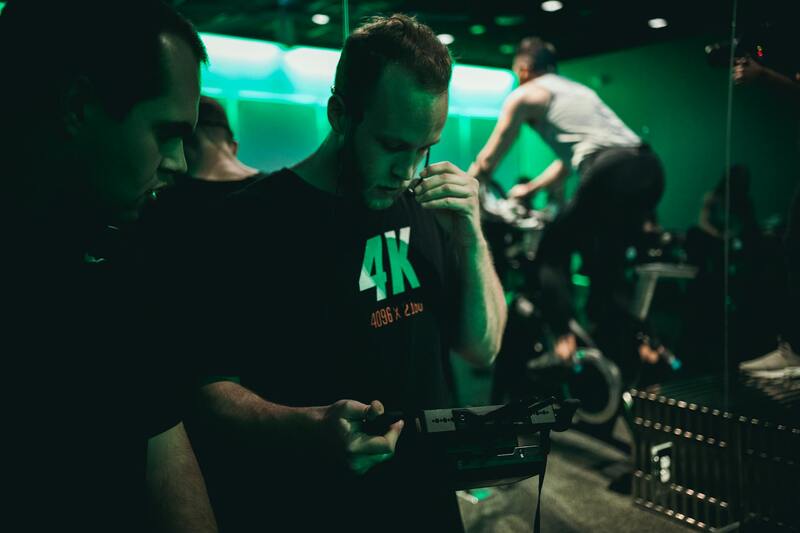
These services are also supported by meticulous content preparation, including pre-encoded materials, graphics overlays, and ad insertions, allowing for professional presentation and branding consistency throughout the broadcast. The integration of content delivery networks (CDNs) ensures global reach, scalability, and minimal latency, which are vital for live streaming large audiences or broadcasting critical events in real-time. Moreover, advanced security measures such as encrypted data streams, access controls, and digital rights management protect valuable content and ensure only authorized viewers can access the streams.
Types of Video Broadcasting Services
- Live Event Streaming: This type is typically used for conferences, trade shows, concerts, or sporting events. It involves real-time transmission that allows audiences to view the event as it happens, often with interactive features like live chat or Q&A sessions.
- On-Demand Streaming: Content is recorded and made available for viewers to access anytime. This is ideal for training videos, promotional content, or post-event highlights, providing flexible viewing options for clients and attendees.
- 24/7 Broadcast Channels: Some organizations require continuous streaming, such as religious services, news channels, or municipal alerts, demanding reliable, uninterrupted feed systems supported by redundant hardware and backup connectivity.
- Hybrid Streaming Solutions: Combining both live and on-demand content, these services allow for dynamic programming and tailored viewer experiences, often used in corporate communications and virtual conferences in Miami.
Key Features and Technologies
Effective video broadcasting hinges on several core features and technological advancements designed to optimize the viewer experience and operational efficiency:
- Adaptive Bitrate Streaming: Automatically adjusts the quality of the stream based on viewer internet speed, ensuring minimal buffering and high-resolution playback across devices.
- Multi-Platform Compatibility: Compatibility with various devices, including smartphones, tablets, desktops, and smart TVs, broadening audience reach and engagement.
- Cloud-Based Infrastructure: Utilization of cloud servers simplifies scaling, provides global access, and offers robust backup options to withstand network fluctuations and hardware failures.
- Stream Monitoring and Analytics: Real-time data on viewer engagement, stream health, and technical performance help broadcasters quickly identify and address issues, maintaining high-quality output consistently.
- Content Security Measures: Encrypted streams, secure login protocols, and digital watermarking protect against unauthorized access and content theft, indispensable for sensitive or branded content in Miami-centric events.

Overview of Video Broadcasting Services
Video broadcasting services have become essential for organizations and businesses aiming to reach wider audiences with high-quality live and on-demand content. They enable real-time communication during events, conferences, product launches, and corporate meetings, ensuring that remote viewers receive the same immersive experience as on-site attendees. These services leverage advanced technology and infrastructure to provide seamless streaming, regardless of geographic barriers or device limitations. High efficiency, stability, and security are fundamental to effective video broadcasting, making these services indispensable for Miami-based entities seeking to enhance their online engagement.
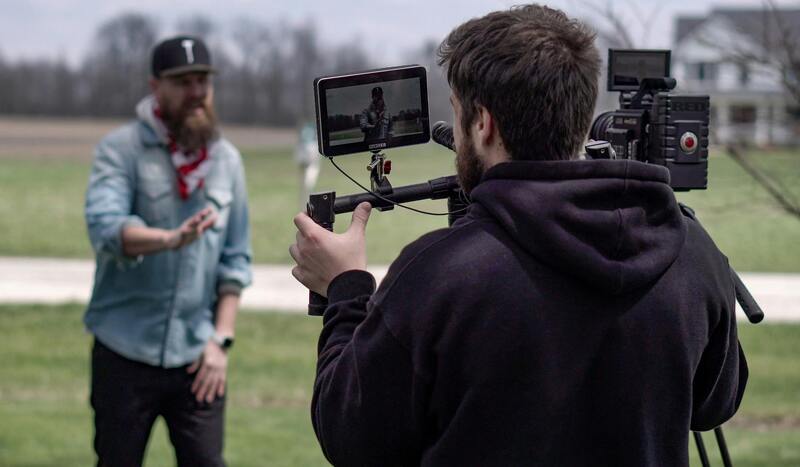
Implementing professional video broadcasting services entails a combination of hardware, software, and network solutions that work together to deliver content reliably. With the growing demand for live streaming, companies in Miami are turning to providers that offer comprehensive solutions, including multi-camera setups, encoders, streaming platforms, and post-production support. This ensures the delivery of polished, engaging content that maintains audience attention and amplifies brand messaging across digital channels. Additionally, the integration of interactive features such as live chat, polls, and Q&A sessions enhances viewer participation, fostering a more dynamic and engaging broadcast experience.
Types of Video Broadcasting Services
- Live Streaming Services: These services focus on real-time broadcasting of events, allowing audiences to participate remotely as events unfold. High-profile corporate events, press conferences, and live interviews benefit significantly from live streaming, which can reach viewers worldwide instantaneously.
- On-Demand Video Services: This category includes pre-recorded content that viewers can access at their convenience. It is ideal for training materials, promotional videos, or post-event summaries, offering flexibility and extended content lifespan.
- Hybrid Streaming: Combining live and on-demand elements, hybrid streaming solutions cater to diverse content strategies. They enable broadcasters to host live events while providing supplementary on-demand videos, creating a comprehensive content ecosystem within Miami’s corporate or event environments.
- Scheduled Webcasts: These are pre-scheduled broadcasts that viewers can register for, often used for webinars, product launches, and corporate updates. They allow for controlled access and tailored viewer experiences.
Key Features and Technologies
To deliver optimal video broadcasting quality, providers incorporate several cutting-edge features and technological innovations:
- Adaptive Bitrate Streaming: This technology ensures smooth playback by automatically adjusting video quality based on the viewer’s internet bandwidth, minimizing buffering and maintaining high-resolution clarity across devices.
- Multi-Platform Compatibility: Support across smartphones, tablets, desktops, and smart TVs expands audience reach and ensures consistent quality regardless of the viewer's chosen device.
- Cloud-Based Infrastructure: Cloud platforms facilitate scalable streaming operations, offer global content delivery, and provide robust backup options to counteract network fluctuations.
- Stream Monitoring and Analytics: Real-time data tracking on viewer engagement and stream health allows broadcasters to make immediate adjustments, ensuring continuous high-quality delivery.
- Content Security Measures: Encryption, secure logins, and digital watermarking protect sensitive content from unauthorized access, critical for corporate or branded events in Miami.

Comprehensive Guide to Video Broadcasting Services
Video broadcasting services have become essential tools for organizations seeking to connect with audiences in real-time or through scheduled webcasts. Leveraging these services enables Miami-based businesses and institutions to expand their reach, enhance engagement, and establish a robust digital presence. Effective broadcasting relies on a combination of advanced technology, reliable infrastructure, and strategic platform selection to deliver seamless content across diverse viewing devices and network conditions.
Types of Video Broadcasting Services
There are several key categories of video broadcasting services tailored to meet different organizational needs:
- Live Streaming Services: Facilitates real-time transmission of events, conferences, or webinars, providing immediate interaction and engagement opportunities.
- Scheduled Webcasts: Pre-recorded or pre-planned broadcasts that viewers can access at specific times, often used for product launches, corporate updates, or training sessions.
- On-Demand Video Hosting: Enables organizations to store and share recorded content asynchronously, allowing viewers to access videos at their convenience.
- Hybrid Broadcast Solutions: Combine live and on-demand content, offering versatility for complex event coverage and content distribution strategies.

Key Features and Technologies
Modern video broadcasting platforms incorporate a suite of technological features designed to optimize viewer experience and streamline content delivery:
- Adaptive Bitrate Streaming: Automatically adjusts video quality based on the viewer’s internet bandwidth, ensuring buffer-free playback on all devices.
- Multi-Platform Compatibility: Compatibility across smartphones, tablets, desktops, and smart TVs extends audience reach and enhances viewer engagement.
- Cloud-Based Infrastructure: Provides scalable streaming capabilities, global content delivery, and robust backup solutions to minimize disruptions caused by network fluctuations.
- Stream Monitoring and Analytics: Real-time metrics on viewer engagement, stream health, and content performance allow broadcasters to make immediate adjustments for optimal delivery.
- Content Security Measures: Encryption, secure logins, and watermarking safeguard sensitive content, which is especially vital for corporate or branded events in Miami.
Implementing these advanced features requires careful planning and the right technological setup. High-definition cameras, encoders, and reliable internet connections form the backbone of quality production. Additionally, integrating cloud-based services ensures scalability, especially during high-demand broadcasts, facilitating smooth operation and audience satisfaction.

Choosing the Appropriate Broadcasting Platform
Selecting the right platform involves evaluating multiple factors to match the organization’s objectives and technical requirements:
- Audience Reach: Consider platforms with extensive device compatibility and global content delivery capabilities to maximize visibility.
- Content Security: For sensitive or proprietary content, select services offering robust encryption and access controls.
- Integration Capabilities: Ensure the platform seamlessly integrates with existing company websites, CRMs, or social media channels.
- Ease of Use: User-friendly interfaces for content uploading and live management reduce operational complexity and improve reliability.
- Budget and Pricing Options: Evaluate service packages aligned with your organization’s budget while offering necessary features.
Benefits for Miami Businesses and Organizations
Utilizing professional video broadcasting services provides significant advantages within Miami’s vibrant commercial landscape:
- Enhanced Brand Visibility: Live events and webinars foster real-time interaction with a broader audience, boosting brand recognition within and beyond the local community.
- Increased Engagement: Interactive features such as chat, Q&A, and polls create active participation during broadcasts, fostering community and loyalty.
- Cost Savings: Virtual events reduce costs associated with physical venues, travel, and logistical arrangements, allowing for more frequent and accessible content dissemination.
- Global Reach: High-quality streaming extends the organization’s influence internationally, attracting prospective clients, partners, and stakeholders.
- Data-Driven Insights: Analytics enable organizations to understand viewer behavior and preferences, refining future content strategies and engagement efforts.
Overview of Video Broadcasting Services
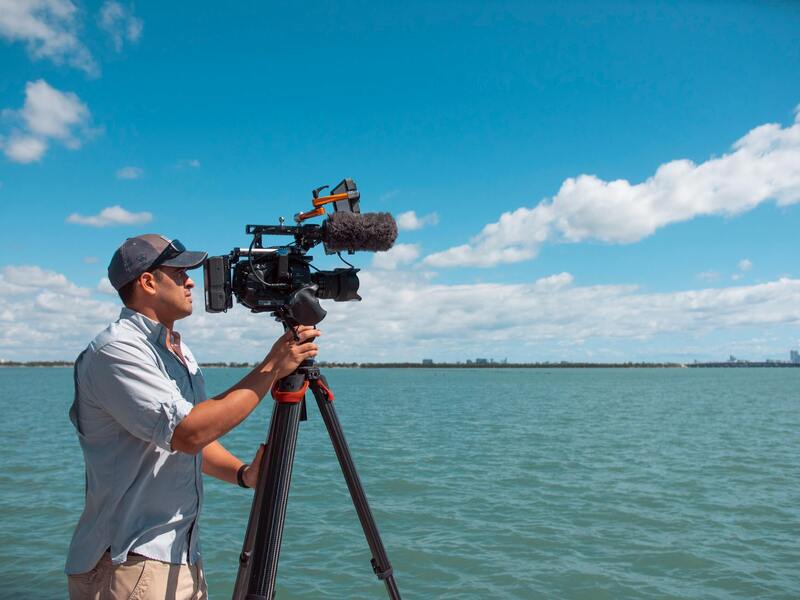
Video broadcasting services constitute a comprehensive suite of solutions designed to deliver high-quality live and on-demand video content directly to audiences across a variety of platforms. These services encompass everything from encoding and streaming to content management and delivery optimization. They serve a diverse range of applications, including corporate events, live webinars, conferences, concerts, religious services, and community initiatives. Leveraging advanced infrastructure and industry-standard protocols, video broadcasting services ensure seamless dissemination of visual content with minimal latency, high resolution, and reliable uptime, thereby maximizing audience engagement and brand visibility.
Types of Video Broadcasting Services
Understanding the various types of broadcasting services helps organizations select the most suitable solution for their specific needs. These can be broadly categorized into:
- Live Streaming Services: These services facilitate real-time transmission of events or presentations, allowing remote audiences to view content as it happens. They often include features such as multi-platform distribution, chat functionalities, and audience analytics.
- On-Demand Video Services: Content is recorded and uploaded for viewing at any time, providing flexibility for viewers while enabling organizations to compile libraries of digital content.
- Hybrid Streaming Services: Combining live and on-demand elements, these platforms support live broadcasts with post-event access, offering a comprehensive viewing experience.
- Webcasting Services: Typically used for large-scale corporate or public events, webcasting ensures high-quality broadcast over internet channels with scalable infrastructure.
Key Features and Technologies
Modern video broadcasting services rely on a host of sophisticated technologies to ensure a smooth viewer experience and operational efficiency. Key features include:
- Adaptive Bitrate Streaming: Adjusts video quality dynamically based on viewer bandwidth and device capabilities, reducing buffering and improving clarity.
- Cloud Encoding and Delivery: Utilizes cloud infrastructure for scalable encoding, storage, and distribution, ensuring consistent quality and accessibility.
- Content Management Systems (CMS): Facilitate easy upload, scheduling, and management of video content, streamlining the broadcasting workflow.
- Secure Streaming Protocols: Implement encryption and access controls to protect sensitive or proprietary content from unauthorized viewing.
- Integration Capabilities: Seamlessly connect with existing websites, social media platforms, and CRM systems to expand reach and engagement.
- Analytics and Data Insights: Provide detailed viewer metrics to inform content strategies and optimize audience engagement.

Choosing the Right Broadcasting Platform
Selecting an effective broadcasting platform requires assessing various factors that align with organizational goals and technical capabilities. Essential considerations include:
- Compatibility and Ease of Use: The platform should offer intuitive interfaces for content upload, live control, and viewer interaction, reducing operational complexity.
- Scalability and Reliability: Ensure the service can handle current and future audience sizes without compromising on stream stability or quality.
- Security and Access Controls: Look for platforms that provide encryption, user authentication, and permissions management to safeguard content.
- Cost and Pricing Structures: Evaluate service packages based on features, streaming hours, and support levels to find a financially viable option.
- Customer Support and Technical Assistance: Reliable, responsive support services help resolve issues promptly and maintain broadcast quality.
- Integration Capabilities: The ability to embed streams onto websites or integrate with social media platforms maximizes engagement and reach.
Benefits for Miami Businesses and Organizations
Adopting professional video broadcasting services provides substantial advantages tailored to Miami's dynamic commercial environment. These benefits include:
- Enhanced Brand Visibility: Live streaming amplifies a brand’s presence by engaging broader audiences through real-time interactions, event promotions, and immersive experiences.
- Increased Audience Engagement: Interactive functionalities like chat, polls, and Q&A sessions foster active participation, deepening connections with viewers.
- Cost-Effective Event Management: Virtual broadcasting significantly reduces expenses related to physical venues, logistics, and travel, enabling more frequent and accessible content delivery.
- Global Reach and Influence: High-quality streams extend Miami-based organizations’ influence beyond local boundaries, attracting diverse stakeholders and potential clients worldwide.
- Performance Analytics: Access to detailed viewer behavior metrics allows for data-driven decision making, improving future marketing and content strategies.
Effective Video Broadcasting Methods for Business and Event Promotion
Expanding your reach and engaging audiences in real-time relies heavily on professional-grade video broadcasting techniques. Business entities and event organizers seeking high-quality transmissions should prioritize methods that ensure clarity, stability, and audience interaction. Options such as dedicated streaming software, robust content delivery networks (CDNs), and secure encoding solutions form the core of effective broadcasting. These tools facilitate seamless integration with multiple platforms, enabling simultaneous streams across websites, social media channels, and dedicated apps. Employing high-performance hardware encoders or utilizing cloud-based streaming services guarantees that video quality remains uncompromised, even during peak viewing times. The chosen approach should offer scalability to accommodate varying audience sizes and provide sufficient redundancy to prevent interruptions, ensuring that live events are broadcast flawlessly. Additionally, implementing adaptive bitrate streaming adapts to viewers’ internet speeds, delivering the best possible quality without buffering issues. Ensuring the use of trustworthy content management systems (CMS) and digital rights management (DRM) technologies enhances security, protecting content from unauthorized access. When choosing the method to broadcast your event or presentation, consider factors such as latency, compatibility with existing infrastructure, ease of use, and available technical support. Organizations must also maintain a dedicated production crew capable of managing camera work, audio mixing, and real-time monitoring, which contributes significantly to broadcast professionalism. With the rapid advancement of streaming technologies, integrating 4K resolution, multi-camera angles, and interactive features like live polls and chat modules elevates viewer engagement. The combination of these sophisticated methods ensures a dynamic and reliable broadcasting experience that meets the expectations of modern audiences, providing tangible value for business growth and brand recognition. Ultimately, selecting a stream method that aligns with your specific goals—whether to inform, entertain, or promote—will maximize the impact of your live broadcast efforts.