
Understanding Corporate Live Streaming
Corporate live streaming has transformed how organizations communicate internally and externally. It is a real-time broadcasting method that allows businesses to share events, presentations, and information with a geographically dispersed audience through internet-connected devices. Over recent years, the evolution of live streaming technology has made it accessible and reliable enough for a wide range of corporate applications, from internal employee engagements to large-scale industry conferences. By leveraging high-quality streaming, companies can deliver an immersive experience that closely resembles in-person interactions, fostering a sense of community and transparency.
The development of this technology addresses the need for organizations to connect more efficiently with their teams, clients, and stakeholders. Unlike traditional methods such as pre-recorded videos or in-person gatherings, live streaming offers immediacy and an interactive component. Features like live Q&A sessions, real-time polling, and comment threads enable active participation, making the content more engaging and impactful. As businesses continue to emphasize remote work and global outreach, the importance of corporate live streaming as a strategic communication tool grows.
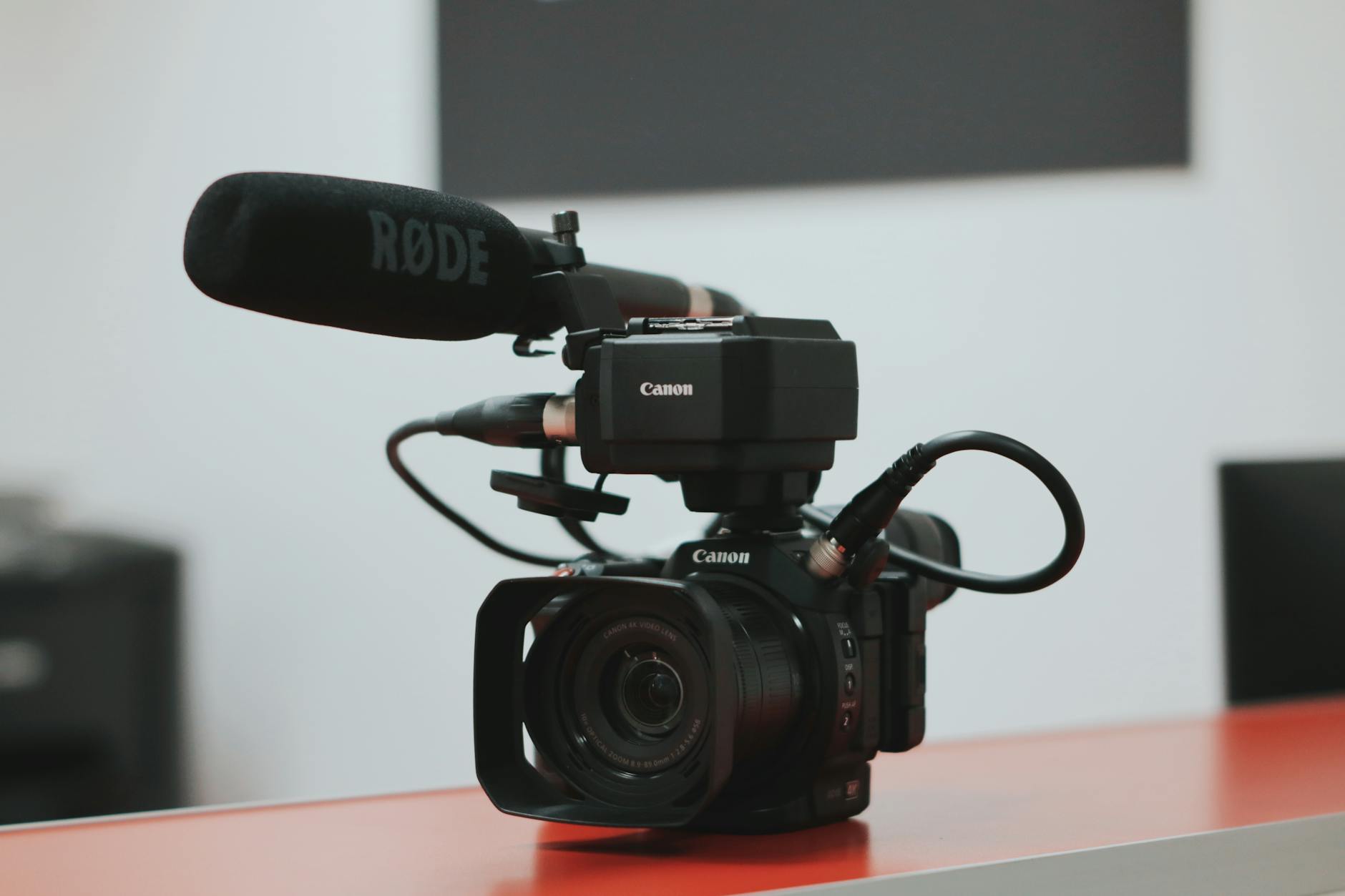
At its core, corporate live streaming involves the transmission of live video content over the internet, utilizing advanced encoding and streaming servers to ensure optimal delivery. This method has evolved from basic webcam broadcasts to sophisticated productions with multiple camera angles, professional lighting, and high-fidelity audio. Such advancements have elevated the standard for corporate communications, enabling organizations to present themselves as innovative and professional.
The significance of live streaming in modern business cannot be overstated. It provides a platform for transparent communication, promotes brand presence, and supports various strategic initiatives. Whether it’s launching new products, conducting training sessions, hosting webinars, or broadcasting annual shareholder meetings, live streaming serves as an essential tool for dynamic, real-time engagement that transcends geographical barriers.
Implementing a corporate live streaming strategy involves understanding the specific objectives, audience expectations, and technical requirements. When executed effectively, it leads to increased audience reach, greater engagement levels, and measurable business outcomes. As digital communication continues to evolve, the ability to deliver compelling live streaming experiences becomes a critical differentiator in competitive markets.
Understanding Corporate Live Streaming
Effective corporate live streaming hinges on utilizing official, reputable methods that ensure seamless and secure transmission of video content. Organizations primarily rely on dedicated streaming platforms, professional hardware, and reliable network infrastructure to deliver high-quality streams. These methods are designed to meet the demanding needs of business events, such as product launches, annual meetings, or training sessions, by providing consistent performance, security, and audience engagement capabilities.

The backbone of legitimate live streaming is comprised of specialized platforms that are built for enterprise use. These platforms typically offer enterprise-grade security features, compliance standards, and scalability options that accommodate large audiences without risking data breaches or stream interruptions. Incorporating enterprise streaming servers equipped with advanced encoding technology guarantees that video signals are transmitted efficiently and with minimal latency, even during high-traffic events.
Official Methods for Corporate Live Streaming
- Dedicated Streaming Platforms: Enterprises choose proven providers that offer custom solutions tailored to their needs. These platforms typically feature secure login procedures, access controls, and analytics, ensuring the content reaches the intended audience reliably.
- Professional Hardware Encoders: Hardware encoders convert high-quality video signals into streaming formats, ensuring stable and high-fidelity broadcasts. Devices from trusted manufacturers support encryption and redundancy features, vital for maintaining stream integrity.
- Network Infrastructure: Utilizing wired LAN connections and content delivery networks (CDNs) reduces latency and enhances stream stability. Redundant network pathways provide failover options to prevent interruptions during live events.
- Secure Content Delivery: Employing Content Delivery Networks with encryption protocols protects sensitive corporate information and ensures compliance with data protection regulations.
- Official SDKs and APIs: Integration of official software development kits and application programming interfaces allows organizations to embed streaming functionalities within their proprietary platforms, maintaining control over user experience and security.
Choosing a Certified Streaming Partner
Partnering with reputable streaming service providers who have a track record of managing corporate events is essential. Certifications, client testimonials, and case studies serve as indicators of their capability to deliver consistent, high-quality broadcasts. These professionals typically conduct comprehensive testing and offer support for all stages of the streaming process, from equipment setup to post-event analytics.

Best Practices for Ensuring Legitimacy and Quality
- Verify the provider’s compliance with industry standards and standards for data security.
- Implement multi-factor authentication for access to streaming management tools.
- Use encrypted channels for all data transmissions.
- Conduct thorough testing before the live event to identify and resolve potential issues.
- Maintain backup systems, including secondary encoders and alternative network routes.
- Ensure all staff involved are trained in operating official streaming hardware and software.
By adhering to these established, legitimate methods, organizations can confidently deliver professional-grade corporate live streams that foster transparency, engagement, and brand reinforcement, while safeguarding sensitive information and meeting compliance standards.
Ensuring Legitimacy Through Established Methods
To maintain the integrity and professionalism of corporate live streaming efforts, organizations should adopt official, proven strategies for event broadcasting. Utilizing reputable enterprise streaming platforms that comply with industry standards guarantees a seamless and secure transmission. These platforms offer comprehensive features including secure user management, detailed analytics, and high-quality video delivery, which are essential for branding and stakeholder trust.
Implementing multi-factor authentication protocols protects access to streaming dashboards and management tools, preventing unauthorized interactions. Data encryption, utilizing SSL/TLS channels, encrypts all data transmissions, safeguarding sensitive information from potential interception or breaches. Prior to the live event, conducting exhaustive testing is crucial to identify and resolve technical issues, ensuring a smooth broadcast experience. Backup systems such as secondary encoders and alternative network routes provide redundancy, minimizing risks of interruption.

Training staff on official streaming hardware and software ensures operations down to the smallest detail adhere to best practices, further reinforcing the event's professionalism. In addition, organizations should verify the provider’s adherence to recognized industry standards and compliance requirements, demonstrating commitment to quality and security.
Maintaining transparency is also essential when selecting a streaming solution. By choosing platforms with demonstrated track records, verified security features, and dedicated support, companies can confidently execute large-scale, high-stakes events that resonate with their audience and uphold brand reputation.
Implementing Official Methods for Corporate Live Streaming
Effective corporate live streaming hinges on utilizing official and credible platforms that provide robust features and security protocols. Selecting a legitimate streaming service tailored to corporate needs ensures seamless broadcast quality, reliable infrastructure, and compliance with industry standards. These platforms typically offer enterprise-grade security measures, including secure user management, encrypted data transmission, and access controls, safeguarding sensitive information and maintaining stakeholder confidence.

When considering a streaming platform, it is essential to evaluate its compliance with recognized standards and its ability to integrate with existing enterprise systems. Many reputable providers facilitate encrypted connections via SSL/TLS protocols, ensuring data privacy during transmission. User authentication mechanisms such as single sign-on (SSO), multi-factor authentication (MFA), and role-based access control (RBAC) further reinforce secure access management, limiting participation to authorized personnel only. Reliable content delivery networks (CDNs) are critical as well, as they distribute streams across servers worldwide, minimizing latency and buffering issues, especially for global audiences.
Official Hardware and Software Solutions
Reliable corporate live streaming also requires utilizing official hardware and software tools that meet industry standards. High-quality cameras, professional encoders, and dedicated streaming software are vital components. Original equipment manufacturer (OEM) devices ensure compatibility and optimal performance, reducing the risk of technical failures during live broadcasts.
Running official software provided by trusted vendors guarantees access to essential features such as real-time analytics, audience engagement tools, and moderation controls. For instance, professional encoders compliant with industry protocols allow feed mixing, embedded graphics, and multi-camera management, maintaining a polished presentation that aligns with corporate branding and professionalism.
Rigorous Testing and Backup Protocols
Prior to the streaming event, conducting exhaustive pre-broadcast testing with official tools ensures all equipment and software operate as expected. This process involves verifying video quality, audio clarity, internet connectivity, and platform functionality. Identifying and resolving issues beforehand minimizes the chances of disruptions during the live event.
Implementing redundancy measures, such as secondary encoders and alternative internet routes, further guarantees a stable stream despite unforeseen technical difficulties. These backup systems enable swift switching without noticeable interruption, safeguarding the company’s reputation and delivering a seamless experience to viewers.
Monitoring and Support from Certified Providers
Engaging with certified service providers who adhere to recognized industry standards is imperative for a successful corporate live stream. These providers often offer dedicated technical support and real-time monitoring during the event. Continuous oversight ensures that any abnormalities in stream quality or system performance are promptly addressed, maintaining a high standard of delivery.
The content delivery aspect should also be transparent and dependable, with providers demonstrating proven track records of handling enterprise-scale events. Their support teams typically offer comprehensive onboarding, training, and troubleshooting, equipping internal staff with the knowledge needed to operate official tools effectively and confidently.
Securing High-Quality Content Delivery
To achieve optimal viewing experiences, corporate live streaming should employ platforms and methods that emphasize high availability and scalability. Using well-established Content Delivery Networks (CDNs) ensures that the stream can handle large audiences without degradation of quality or interruption. Scalable solutions can adapt to fluctuating viewer numbers, whether during a small executive town hall or a company-wide product launch.
Moreover, employing official streaming protocols such as Real-Time Messaging Protocol (RTMP) or Http Live Streaming (HLS) guarantees compatibility across a variety of devices and internet conditions, offering viewers a consistent experience regardless of their platform choice.
Implementing Secure and Official Streaming Methods for Corporate Events
Ensuring the use of established and credible streaming technologies is paramount for the smooth execution of corporate live streams. When selecting the underlying technology, organizations should prioritize official streaming protocols such as RTMP (Real-Time Messaging Protocol) and HLS (Http Live Streaming). These protocols, developed by recognized industry standards, facilitate efficient and reliable data transmission across diverse devices and network conditions.
Official streaming protocols are designed to work seamlessly with leading content delivery systems. This compatibility ensures minimal latency, high-quality video output, and consistent playback experiences for viewers, regardless of their location or device type. By leveraging these established protocols, companies can minimize disruptions and maintain professional standards during live events.

Furthermore, deploying Content Delivery Networks (CDNs) that are reputable and recognized in the industry plays a vital role in scaling live streams for large audiences. CDNs distribute content via geographically dispersed servers, reducing latency and buffering issues. This approach ensures that all viewers, from different regions, experience high-quality streams without interruptions.
Another critical aspect is security. Using official and verified platforms reduces exposure to potential vulnerabilities, as these services adhere to stringent security standards. Features such as encrypted streams, secure login, and access controls are often embedded within these official solutions, safeguarding internal communications and sensitive corporate information.
Technical support from certified providers should also be a core consideration. These providers offer onboarding assistance, real-time monitoring, and troubleshooting during live events. Their expertise ensures that any technical anomalies are addressed swiftly, maintaining the broadcast’s integrity and credibility. Additionally, comprehensive training for internal teams on official streaming tools fosters better preparedness and ensures a seamless experience for viewers.
Maintaining Authenticity and Compliance in Corporate Live Streams
Adhering to industry-approved methods also extends to content management and compliance. Utilizing legitimate content management systems (CMS) allows organizations to control broadcast rights, incorporate branding elements, and integrate with internal communication platforms securely. This approach helps maintain a professional image and supports organizational compliance standards.
Ensuring that live streams are transmitted through verified software and hardware solutions further enhances reliability. Avoiding unofficial or third-party tools that lack proper certifications reduces the risk of stream disruptions, unauthorized content access, or data breaches.

In conclusion, the foundation of effective corporate live streaming relies on the deployment of official and industry-recognized technologies. From robust streaming protocols and secure CDNs to trusted hardware and software tools, each component must be chosen with care to deliver a professional, secure, and engaging broadcast experience. This strategic approach not only elevates the organization’s image but also ensures continuity and confidence in its virtual communications endeavors.
Understanding Corporate Live Streaming
Corporate live streaming is a sophisticated method that enables organizations to broadcast events, updates, and interactive sessions to a broad audience in real-time through the internet. Unlike traditional video broadcasts, it leverages secure and reliable streaming technologies that ensure high-quality content delivery across various devices and locations. When implementing corporate live streaming through official channels, companies utilize industry-standard platforms and tools designed to meet stringent performance, security, and compliance standards. These methods guarantee that the content remains protected from unauthorized access and that the broadcast maintains a professional appearance worthy of the organization's reputation.

Essential Principles of Proper Corporate Live Streaming
- Use Certified Streaming Platforms: Select platforms accredited by industry bodies that support encryption, robust content management, and reliable delivery protocols. These platforms ensure your broadcast adheres to official standards and provides seamless viewing experiences.
- Employ Verified Hardware and Software: Implement only hardware and software solutions that have received proper certifications and follow strict testing procedures. This minimizes risks associated with stream disruptions, unauthorized access, or data breaches.
- Implement Content Security Measures: Utilize official content management systems (CMS) that enable secure rights management, branding, and compliance tracking. This ensures that your content adheres to organizational policies and regulatory requirements.
- Monitor and Maintain Stream Integrity: Continuous monitoring of live streams through verified tools allows proactive identification and resolution of issues, maintaining high standards of professionalism and viewer trust.
Technical Best Practices for Official Streaming
To guarantee professional, uninterrupted corporate broadcasts, companies should rely solely on technological solutions vetted and approved by industry standards. These include secure content delivery networks (CDNs) that distribute streams efficiently while preventing unauthorized access. Additionally, utilizing hardware encoders certified for enterprise use ensures stable transmission quality. Software tools designed specifically for enterprise broadcasting, with built-in security features, further support compliance and seamless operation.

Advantages of Utilizing Certified Methods
Adhering to official procedures for corporate live streaming enhances the organization’s credibility and ensures a consistent viewer experience. Properly certified tools and platforms support scalability, allowing the enterprise to expand virtual events without sacrificing quality or security. Furthermore, officially sanctioned methods provide comprehensive support and updates, aligning with industry innovations and compliance regulations. This strategic approach helps organizations maintain a competitive edge while safeguarding their content and corporate image.
Ensuring Compliance and Professionalism
In a corporate environment, maintaining compliance with organizational standards and regional regulations is critical. Official streaming channels facilitate this by incorporating features such as access controls, content watermarking, and audit trails. These capabilities ensure legal and procedural adherence, protecting both the company and its stakeholders. Proper training on these tools further reinforces best practices, ensuring that every broadcast aligns with corporate policies and industry expectations.
By following a disciplined approach to corporate live streaming, organizations can confidently deliver high-impact virtual events. Employing verified technologies and adhering to established standards ensures that each broadcast is secure, professional, and aligned with organizational goals—strengthening communication, engagement, and brand integrity across all stakeholder interactions.
Understanding Corporate Live Streaming
Corporate live streaming involves delivering real-time video content through official, secure channels that uphold organizational standards. This process leverages sophisticated, licensed technology platforms designed for professional environments, ensuring high-quality transmission, robust security measures, and content control. These channels are often integrated with organizational authentication systems, enabling authorized personnel to manage and oversee broadcasts effectively. Such methods ensure that the streaming process aligns with corporate policies and regional broadcasting requirements, providing a reliable platform for engaging stakeholders, employees, and clients alike.
Secure and Controlled Broadcast Streams
Utilizing official live streaming solutions means employing channels with advanced access controls, content encryption, and user authentication mechanisms. These features prevent unauthorized viewing and content leaks, safeguarding proprietary information and corporate branding. Furthermore, they allow organizations to customize viewer access based on roles or geographies, ensuring that sensitive content is shared only with intended audiences. The technology also supports real-time moderation and content watermarking, reinforcing brand integrity while maintaining regulatory compliance.
Integration with Corporate Systems
Official streaming methods often allow seamless integration with existing corporate communication and event management tools. This integration enhances workflow efficiency by enabling synchronized scheduling, multi-platform content delivery, and centralized analytics gathering. As a result, organizations gain comprehensive insights into viewer engagement levels, which inform future content strategies and event planning. These systems are regularly updated with the latest security patches and feature enhancements, ensuring the live streaming infrastructure remains resilient against emerging threats and industry standards.

Ensuring Content Quality and Regulatory Compliance
High-quality visuals and seamless audio are non-negotiable aspects of professional live streams. Official streaming methods utilize certified platforms equipped with scalable infrastructure capable of supporting large audiences without compromising quality or reliability. These solutions also incorporate compliance features such as content monitoring, data retention policies, and access logs, aiding organizations in adhering to legal and regulatory standards. Consistent quality assurance reinforces a professional corporate image and nurtures trust with viewers, be they employees, partners, or general audiences.
Standard Protocols for Broadcast Management
Adopting established procedures for live streaming ensures operational consistency and minimizes technical risks. This includes pre-broadcast testing, deploying backup streams, and real-time monitoring for technical performance or security issues. Employing official, well-documented protocols guarantees that each broadcast aligns with corporate quality benchmarks and compliance requirements. It also streamlines troubleshooting and incident management, ensuring a smooth delivery regardless of event complexity or scale.
Implementing Official Corporate Live Streaming Methods
To ensure the highest standards of professionalism, security, and reliability, organizations should utilize officially sanctioned live streaming platforms and infrastructure. These methods are designed to support enterprise-scale events, safeguard sensitive information, and deliver consistent quality to large audiences. Implementing these solutions involves a combination of certified hardware, secure cloud-based services, and standardized protocols tailored for corporate environments.
Utilizing Certified Streaming Platforms
Choosing a reputable streaming platform that specializes in corporate live broadcasting is fundamental. Such platforms offer embedded security features, scalability to accommodate numerous viewers, and compliance tools that support organizational policies. They are often equipped with advanced content management options, access control, and real-time analytics. These platforms also provide seamless integration with corporate communication systems, enabling a unified live streaming experience that maintains brand consistency and professionalism.
Secure and Scalable Infrastructure
Secure infrastructure deployment is critical for the integrity of corporate live streams. This can involve utilizing enterprise-grade cloud services provided by recognized vendors, coupled with content delivery networks (CDNs) optimized for high-speed distribution. These networks ensure minimal latency and buffering issues while maintaining the security of the stream. When scaling up events, organizations should leverage load balancing and redundant server configurations, which provide failover capabilities, thus ensuring uninterrupted broadcast delivery even under peak viewership conditions.

Rigorous Content Monitoring and Compliance Measures
Official methods mandate comprehensive content monitoring systems that automatically flag inappropriate or unauthorized content, ensuring compliance with industry standards and organizational policies. Access logs, viewer authentication, and encryption protocols are integral components that protect proprietary information and prevent unauthorized access. Documentation of the entire streaming process, including data retention policies and audit trails, helps organizations demonstrate due diligence and maintain operational transparency.
Pre-Broadcast Testing and Real-Time Monitoring
Prior to going live, organizations should conduct thorough testing across all equipment and network pathways to identify potential issues. This includes bandwidth checks, audio-visual synchronization tests, and security assessments. During live events, real-time monitoring tools track stream health, viewer engagement, and security alerts. This proactive approach allows immediate intervention if problems arise, maintaining the professionalism and smooth execution of the broadcast.
Adherence to Established Protocols and Procedures
Documented procedures for broadcast management, including step-by-step checklists and incident response plans, are essential for consistent execution. These protocols ensure that all team members understand their roles, technical requirements, and safety measures. Regular training sessions and updates to these protocols foster a culture of operational excellence, aligning with the organization's strategic objectives for corporate communications.
Image placeholders for visual support: