

Understanding Live Streaming Video Production Solutions
Live streaming video production has become an indispensable component of modern communication strategies, especially for organizations seeking to reach wide audiences with real-time content. In Miami, a vibrant hub of cultural, corporate, and entertainment events, live streaming solutions enable businesses and event organizers to extend their reach beyond physical boundaries. These services encompass a comprehensive array of technical and creative processes designed to deliver seamless, engaging live video broadcasts.
The core of live streaming video production involves capturing the event through high-quality cameras, encoding the footage into digital formats, and transmitting it over the internet to viewers on various devices. This process ensures that audiences can experience live events as they happen, whether they are corporate conferences, music festivals, sports tournaments, or community gatherings. Such broadcasts facilitate immediate engagement and interaction, which are vital for brand building and audience participation.

Effective live streaming solutions rely on a convergence of advanced equipment, robust internet infrastructure, and specialized software that manages the production workflow. The importance of reliable, professional-grade hardware and software cannot be overstated, as they directly impact the quality and stability of the broadcast. Miami’s diverse event landscape demands tailored solutions that accommodate various environments, from large stadiums to intimate corporate boardrooms.
Additionally, live streaming solutions must incorporate contingency plans to mitigate potential technical issues such as signal disruptions, audio failures, or equipment malfunctions. By integrating redundancy systems, backup internet connections, and real-time monitoring, production teams can ensure that broadcasts remain uninterrupted, thereby maintaining viewer trust and engagement.
Another critical aspect of live streaming solutions involves post-production support, including live editing, graphics overlay, and branding integration. These elements enhance the visual appeal and professionalism of the broadcast, making it more engaging for viewers and better aligned with branding strategies. For Miami-based organizations, partnering with experienced producers ensures that the live stream is not only technically sound but also creatively compelling, helping to elevate the overall event experience.
In terms of accessibility, today’s live streaming solutions are compatible with multiple digital platforms such as social media channels, dedicated streaming websites, and enterprise portals. This multi-platform approach maximizes audience exposure and facilitates interactive features like live chats, polls, and Q&A sessions. Such functionalities foster real-time interaction, which is particularly valuable for corporate webinars, product launches, and community outreach programs conducted in the Miami region.
Overall, the landscape of live streaming video production solutions is characterized by technological sophistication and strategic deployment. Understanding the foundational components enables Miami organizations to choose the right partners and equipment to deliver high-quality broadcasts that meet their specific goals. As the demand for live, real-time content continues to grow, proficiency in these solutions remains critical for effective communication, audience engagement, and brand visibility.
Understanding Live Streaming Video Production Solutions
Implementing effective live streaming video production solutions requires a comprehensive approach that balances technical precision with creative execution. The foundation of a successful broadcast begins with high-quality equipment, which includes multi-camera setups capable of capturing different angles and perspectives. These cameras often need to be synchronized with professional-grade encoders that compress and transmit the video data efficiently, ensuring minimal latency and maximum clarity for viewers. Reliable audio equipment, such as wireless microphones and mixers, complement the visual components by providing crisp, synchronized sound, which is vital for maintaining viewer engagement and conveying professionalism.
Software platforms play a crucial role in managing streaming workflows. Master control systems enable live producers to switch between camera feeds, insert graphics, overlays, and branding elements seamlessly. These solutions often include real-time editing capabilities, providing the ability to add professional effects, captions, and interactive features without disrupting the flow of the broadcast. Cloud-based management tools offer scalability and remote oversight, which is especially beneficial for Miami-based organizations seeking flexible, efficient streaming operations.
In addition to hardware and software, a robust internet connection is fundamental. The optimal setup often involves redundant internet lines to prevent downtime during live events, along with high bandwidth to support multiple data streams without degradation in quality. Furthermore, technical support teams are crucial for troubleshooting issues promptly, ensuring smooth operation from start to finish.
Supporting Infrastructure and Technical Support
Professional live streaming solutions also encompass a range of supporting services designed to enhance reliability and quality. On-site technicians handle the installation and calibration of equipment, oversee the streaming process, and troubleshoot any unforeseen issues. Post-event support is equally essential, involving offline analytics, encoding, and archiving of content for on-demand access. These services ensure that content is preserved at the highest quality, enabling reuse for marketing or internal purposes.
Integration with multiple distribution channels is increasingly standard; live streams are delivered concurrently to social media platforms, dedicated streaming portals, and corporate websites. This multi-platform approach increases audience reach while providing tools such as live chat, Q&A, and polls. These interactive features foster participation and engagement, which are particularly important during corporate webinars, product unveilings, or community events held within Miami’s vibrant market environment.
Customized Solutions for Diverse Needs
Every live streaming project is unique, requiring tailored solutions that align with specific goals and audience expectations. For instance, a high-profile corporate event may demand a multi-camera setup with graphics overlay, professional lighting, and dedicated a/v personnel. Conversely, a university lecture or community seminar might utilize simpler configurations with basic streaming software integrated with presentation tools. Professional producers assess the scope and objectives of each event to recommend appropriate equipment, platforms, and support strategies, ensuring the final broadcast achieves desired outcomes.
Furthermore, scalable solutions are essential in accommodating the growing demand for live content. As Miami organizations expand their broadcast capabilities, they require systems that can easily adapt to more complex productions or larger audiences. Modular hardware and flexible software licenses facilitate this growth, providing a future-proof foundation for ongoing content delivery needs.
Understanding Live Streaming Video Production Solutions
Implementing effective live streaming video production solutions requires a thorough understanding of the various methods and technical configurations available to meet diverse event demands. Whether orchestrating a high-stakes corporate presentation, an educational seminar, or a community festival, choosing the appropriate approach ensures seamless delivery, high-quality visuals, and reliable connectivity. It is essential to recognize how official streaming methodologies leverage robust infrastructure, professional-grade equipment, and optimized workflows to produce polished broadcasts capable of engaging audiences across multiple platforms.
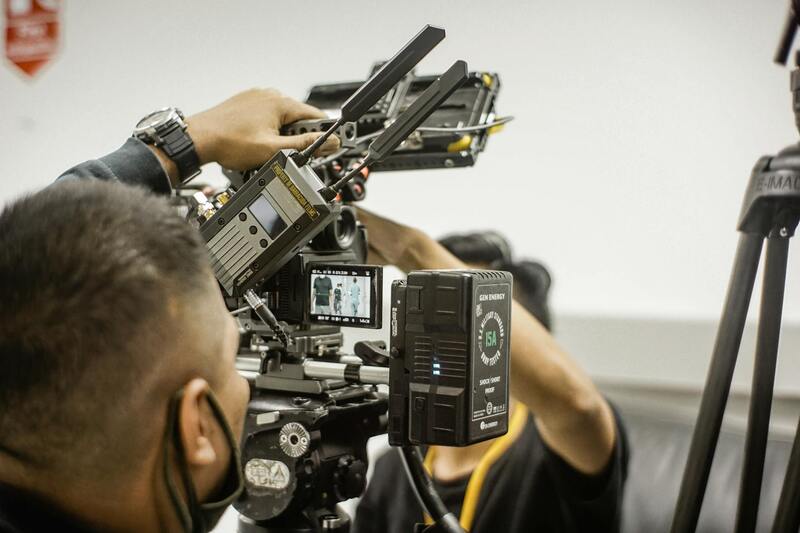
Official Live Streaming Methods
There are several professional techniques available for delivering live content, each suited to different event sizes and complexity levels. These include on-site streaming, remote production, and hybrid models, which combine elements of both to enhance flexibility and scalability.
- On-Site Streaming: This approach involves deploying specialized camera equipment, audio systems, and dedicated internet connections at the event location. It allows for real-time broadcasting with minimal latency and enables immediate interaction through integrated features like live chat or polls. On-site setups often utilize multi-camera configurations with professional switchers and graphics insertions to elevate visual engagement.
- Remote Production: When on-site presence is limited or impractical, remote production employs cloud-based platforms and high-speed internet to stream content from a different location. This method relies heavily on reliable internet routing, streaming encoders, and bandwidth management, often managed by professional operators to ensure stability and quality.
- Hybrid Streaming: Combining on-site and remote elements, hybrid streaming offers maximum adaptability. It enables organizers to manage multiple feeds, incorporate remote speakers, and utilize social media channels simultaneously, thereby expanding reach and engagement opportunities without sacrificing production quality.
Key Equipment and Technologies
Most official live streaming solutions incorporate advanced hardware and software components, including:
- Multi-Camera Systems: High-definition cameras with remote control capabilities facilitate dynamic shot selection, framing, and switching among different views.
- Video Switchers and Encoders: These devices manage input signals, compress video streams, and prepare them for transmission over the internet.
- Audio Equipment: Professional microphones, mixers, and monitoring tools ensure clear sound quality essential for a compelling broadcast.
- Content Delivery Networks (CDNs): Partnering with established CDNs guarantees reliable streaming across various geographic locations and minimizes buffering issues during live events.
- Graphics and Overlay Software: Custom graphics, lower thirds, and branding elements enhance visual appeal and reinforce messaging throughout the broadcast.
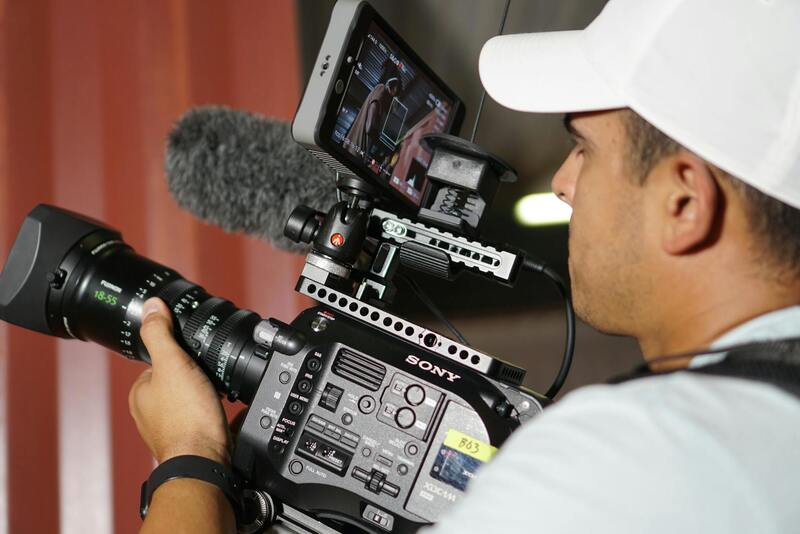
Platform Integration and Compatibility
Utilizing official solutions involves integrating with proven streaming platforms such as YouTube Live, Vimeo, Facebook Live, and corporate portals. These platforms offer robust APIs, real-time analytics, and moderation tools, which are crucial for managing live sessions professionally. Ensuring compatibility between hardware, software, and chosen platforms is vital to prevent technical disruptions and deliver a seamless viewing experience.
Security and Compliance Measures
Professional live streaming providers implement rigorous security protocols including encryption, user authentication, and access control to protect content integrity and prevent unauthorized recording or distribution. Additionally, compliance with industry standards for data protection and privacy ensures that sensitive information remains secure during broadcasts.
In summary, official live streaming video production solutions encompass a comprehensive range of practices and technologies engineered to deliver high-quality, engaging, and secure broadcasts. Selecting the right combination of these methods—and working with experienced production teams—enables organizations to effectively communicate their messages, reach broader audiences, and create impactful virtual experiences tailored to Miami’s dynamic event landscape.
Understanding Live Streaming Video Production Solutions
Implementing effective live streaming video production solutions requires a comprehensive understanding of the processes, technologies, and best practices that ensure high-quality broadcasts. At the core, this involves meticulous planning, sophisticated hardware and software integration, and strategic execution to deliver engaging virtual experiences. Live streaming solutions are tailored to accommodate various event types, audience sizes, and content complexity, whether for corporate conferences, educational seminars, or entertainment events. The goal remains consistent: to produce seamless, professional broadcasts that captivate viewers while maintaining content security and technical reliability.

Key Components of Live Streaming Solutions
- Advanced Equipment: High-definition cameras, switchers, encoders, and audio systems are fundamental to capturing and transmitting clear, high-quality visuals and sound.
- Reliable Network Infrastructure: A robust internet connection with sufficient bandwidth ensures uninterrupted streaming and minimizes latency, buffering, or disconnections.
- Streaming Software and Hardware: Encoders convert raw video signals into streamable formats, while broadcast management software offers control over multiple camera angles, graphics, and overlays.
- Platform Integration: Compatibility with established streaming platforms such as YouTube Live, Vimeo, or custom corporate portals is essential for wide accessibility and efficient content delivery.
- Security Systems: Encryption protocols, user authentication, and access controls safeguard content from unauthorized access, ensuring content integrity and privacy during live broadcasts.
- Technical Support and Monitoring: Continuous oversight during broadcasts allows rapid troubleshooting, ensuring technical issues are addressed promptly to maintain broadcast continuity.
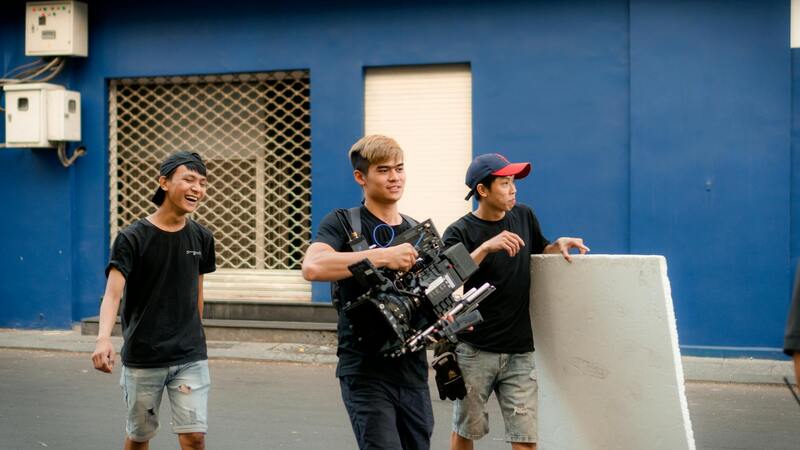
Implementing Effective Live Streaming Strategies
Choosing official and proven methodologies ensures consistent broadcast quality. This involves selecting compatible equipment, leveraging reputable streaming platforms, and adhering to industry standards for security and data protection. Proper planning includes rehearsals, content review, and ensuring all team members are trained on the equipment and workflow. Additionally, integrating multiple distribution channels maximizes reach, allowing content to be broadcast simultaneously across different platforms, catering to diverse viewer preferences.
Incorporating backup systems, such as secondary internet connections and redundant hardware, mitigates risks associated with technical failures. Real-time analytics help monitor viewer engagement and stream health, facilitating immediate adjustments if necessary. These practices collectively contribute to delivering a polished, professional live stream that reinforces the credibility and authority of the content provider, especially within busy markets like Miami.
Implementing Effective Live Streaming Strategies
Expert live streaming video production solutions prioritize the deployment of official and verified methodologies to guarantee professional, secure, and high-quality broadcasts. This approach begins with meticulous planning, incorporating detailed workflows, content rehearsals, and comprehensive equipment checks to prevent disruptions during the live event. Ensuring that all technical elements—cameras, encoders, audio systems, and streaming software—are compatible and configured correctly is paramount to achieving a seamless broadcast.
Adherence to industry standards in security protocols and data protection safeguards the integrity of the content. This includes the use of encrypted streaming channels, multi-factor authentication for access controls, and secure login credentials. Content management systems should be deployed to monitor live feeds continuously, identifying potential issues before viewers are affected.
Efficient content distribution relies on leveraging multiple channels. Simultaneous streaming across various platforms—such as social media, dedicated websites, and streaming aggregators—maximizes reach and engagement, catering to diverse viewer preferences. This multi-channel approach ensures that organizations can effectively target their audiences, whether local or global.
To mitigate risks and minimize downtime, integrating backup systems is essential. Secondary internet connections, redundant hardware, and failover mechanisms should be in place to maintain the broadcast even if primary systems encounter issues. Real-time analytics provide insights into viewer engagement, stream health, and technical performance, enabling immediate corrective actions when necessary.
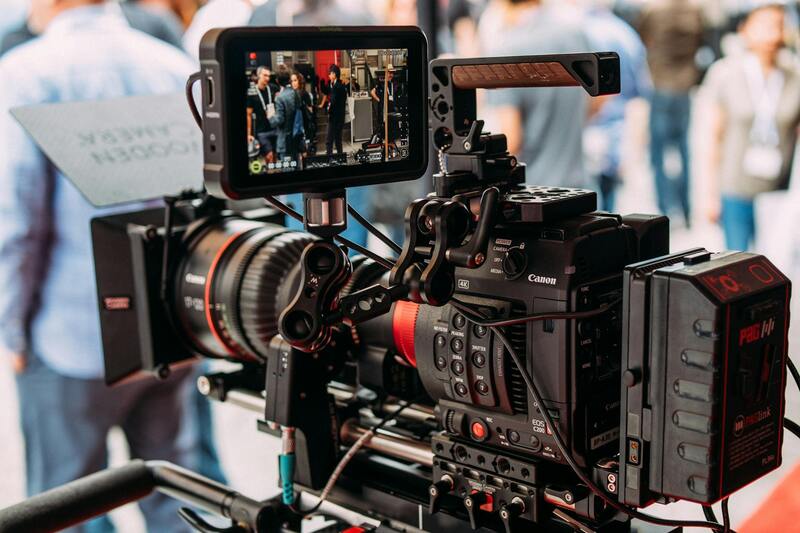
Hands-on training for staff members involved in live streaming operations ensures proficiency with equipment and workflows. Regular practice sessions, content review, and technology updates are critical for maintaining high standards of delivery. Establishing clear roles and responsibilities within the team also streamlines the production process.
Effective live streaming strategies emphasize transparency and professionalism, fostering trust and credibility with viewers. Consistent application of validated methods and cutting-edge tools not only enhances broadcast quality but also enhances the organization's reputation within competing markets such as Miami. From corporate conferences to large-scale events, the deployment of official, proven solutions ensures a seamless, engaging experience for all participants.
Understanding Live Streaming Video Production Solutions
Live streaming video production solutions encompass a comprehensive suite of services designed to deliver high-quality, real-time broadcasts for various applications. These solutions involve meticulous planning, state-of-the-art equipment, skilled technical teams, and advanced software to ensure seamless delivery to audiences across multiple channels. Effective live streaming requires synchronization of audiovisual elements, reliable internet connectivity, and robust infrastructure to minimize latency and buffering. At the core, these solutions focus on creating engaging, professional broadcasts that reflect the client’s objectives, whether for corporate events, educational seminars, or entertainment purposes.

Key Components of Live Streaming Solutions
- Capture Technology: Includes professional cameras, microphones, and switchers that ensure high-definition video and crisp audio quality. The choice of equipment depends on the event size and environment.
- Encoding Hardware and Software: Converts live footage into digital signals suitable for online transmission. Use of reliable encoders ensures minimal latency and consistent stream quality.
- Content Delivery Network (CDN): Distributes the stream efficiently across multiple regions, reducing load times and buffering issues.
- Streaming Platforms and Software: Providers like Vimeo, YouTube Live, or custom portals are used for broadcasting and viewer analytics.
- Network Connectivity: Redundant internet connections and specialized bandwidth management systems support uninterrupted streaming during live events.
- Monitoring and Support: Real-time monitoring tools are essential for detecting and resolving technical issues promptly, ensuring a smooth broadcast experience.
Types of Live Streaming Services Available
- Corporate Live Streams: For product launches, investor briefings, and executive communications that require a polished, professional appearance.
- Event Broadcasts: For conferences, festivals, and community events seeking broad exposure and audience engagement.
- Educational Live Streams: For universities and training providers aiming to reach students remotely with interactive content.
- Sports and Entertainment: Covering live competitions, concerts, and performances with high production value.
- Webcast Productions: On-demand recordings coupled with live streaming that maximize content accessibility post-event.

Technologies and Platforms for Live Streaming
The evolution of live streaming relies heavily on innovative technologies and versatile platforms. Professional-grade hardware, such as multi-camera setups, wireless microphones, and robotic pan-tilt-zoom cameras, enhances production quality. Cloud-based systems enable real-time editing, graphics overlays, and integration with social media channels. Popular streaming platforms include proprietary enterprise solutions, social media integrations, and custom streaming portals tailored to organizational needs. These platforms offer features like chat interaction, viewer analytics, and adaptive bitrate streaming to accommodate different internet speeds, thus ensuring optimal viewer experience regardless of device or connection quality.
Additionally, emerging technologies such as 5G networks drastically improve upload speeds and reduce latency, making live streaming more accessible and reliable. Virtual and augmented reality integrations are also beginning to play a role, providing immersive experiences that significantly boost viewer engagement.
Industry Applications of Live Streaming in Miami
In Miami, a vibrant and diverse market, live streaming solutions are integral to multiple sectors. Corporate entities leverage these services for global conferences, product unveilings, and investor relations, establishing a professional and dynamic presence. Educational institutions utilize live streaming to extend their reach, enabling remote learning and virtual campus events that attract local and international audiences.
The entertainment industry benefits greatly from technical innovations, broadcasting concerts, theater performances, and cultural festivals to audiences worldwide. This not only promotes local events to a broader demographic but also enhances Miami’s reputation as a hub for innovative event production.
The healthcare sector employs live streaming for conference presentations, training seminars, and public health announcements, facilitating rapid dissemination of critical information. Similarly, real estate professionals use live virtual tours of properties, making the purchasing process more accessible and efficient for clients both locally and internationally.
Advanced Technologies Powering Live Streaming Solutions
In the rapidly evolving landscape of live streaming video production, the integration of advanced technologies enhances production quality, reliability, and viewer engagement. High-performance encoding hardware ensures seamless and high-resolution broadcasts, whether in 4K or higher formats, optimizing the viewing experience across devices. Cloud-based streaming solutions have gained prominence, allowing for scalable distribution and simplified management of live content.
Artificial intelligence and automation tools streamline various aspects of live production, such as real-time camera switching, audio balancing, and captioning. These innovations enable even smaller teams to produce professional-grade live streams with minimal manual intervention. Additionally, multi-platform streaming engines ensure broad dissemination by simultaneously broadcasting to multiple social media channels, websites, and streaming platforms, expanding audience reach.

Platform Ecosystems for Stream Management
Effective management of live streams involves sophisticated platform ecosystems designed to handle content delivery, viewer analytics, and interaction. Content management systems (CMS) and dashboard interfaces allow producers to control streams, monitor quality, and respond proactively to technical issues. Integrating chat functions and real-time feedback mechanisms enhances audience interaction, transforming passive viewers into active participants.
Additionally, security features such as encryption and digital rights management protect live content from unauthorized access or pirating, ensuring the integrity of the broadcast. These tools combine to create a robust environment for transmitting live video content securely and efficiently across diverse networks and devices.
Emerging Trends Shaping the Future of Live Streaming
Looking ahead, several technological trends are poised to reshape the live streaming industry. The deployment of 5G networks significantly reduces latency and increases bandwidth, making ultra-high-definition streaming more commonplace and reliable. Virtual and augmented reality integrations present immersive viewing experiences, allowing audiences to virtually attend events or explore environments in 360 degrees.
Artificial intelligence-driven personalization will allow broadcasters to tailor content dynamically based on viewer preferences and behavior, increasing engagement and satisfaction. Furthermore, advancements in automated production workflows will enable more autonomous streaming setups, reducing the need for extensive technical support and making high-quality live broadcasts accessible to a broader range of producers and organizations.
Implementing Live Streaming Solutions in Miami’s Dynamic Market
Miami’s diverse and vibrant industry landscape stands to benefit immensely from sophisticated live streaming production solutions. Local businesses, educational institutions, media outlets, and cultural organizations leverage these services to expand their reach, engage audiences, and elevate their brand presence. As live streaming technology becomes more accessible, organizations in Miami are adopting innovative production methods to stand out in competitive markets.
From hosting international conferences and educational seminars to broadcasting live cultural festivals and sports events, Miami-based entities are capitalizing on the advantages of professional video production solutions. The city’s strategic position as a hub for entertainment, healthcare, real estate, and corporate sectors highlights the importance of reliable, high-definition live streaming capabilities to connect with global audiences instantly and effectively.
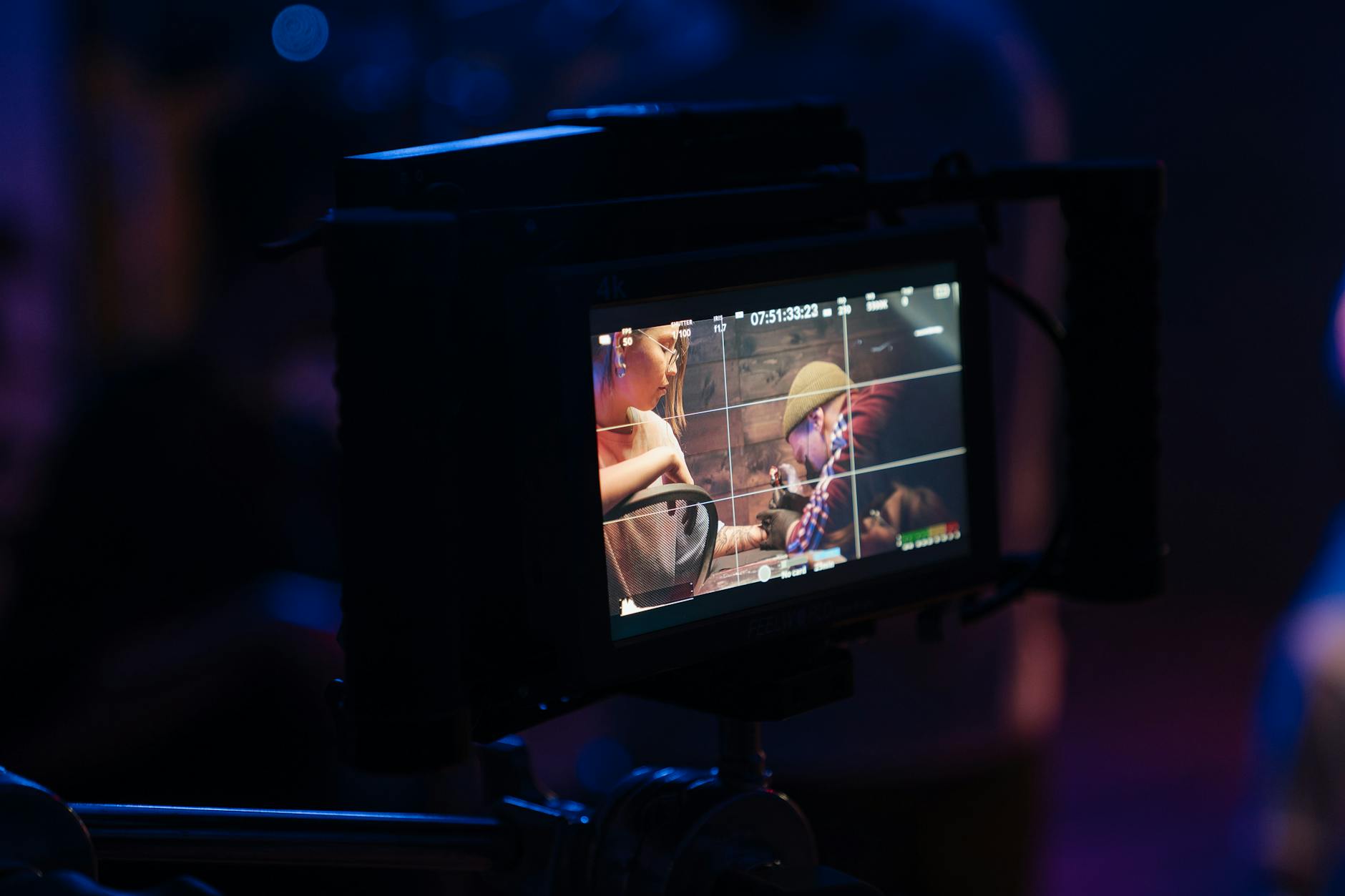
Selecting Expert Live Streaming Partners in Miami
Partnering with experienced local providers ensures access to cutting-edge technology, customized solutions, and comprehensive support. A proficient Miami-based live streaming partner should demonstrate a robust portfolio of successful projects, a deep understanding of regional market needs, and the capacity to manage complex production logistics. These organizations often collaborate with established technology vendors, ensuring access to the latest hardware and software innovations.
Clients should evaluate potential partners based on their technical capabilities, including multi-platform streaming, real-time analytics, and failover protocols, to guarantee uninterrupted broadcast quality. Additionally, personalized support services—ranging from pre-event planning and technical rehearsals to post-broadcast analytics—are vital for a successful live streaming experience.
Choosing the right partner involves assessing their ability to tailor solutions to specific industry requirements, whether for corporate communications, event management, or educational outreach. Local expertise ensures a nuanced approach that aligns with Miami’s unique market dynamics and audience expectations.
Innovations on the Horizon for Live Streaming
Emerging innovations promise to elevate live streaming experiences further. Edge computing will enable more efficient data processing closer to viewers, reducing latency and improving real-time responsiveness. The increasing adoption of AI-powered content recognition and automatic captioning will facilitate more accessible and inclusive broadcasts.
Additionally, the integration of blockchain technology is poised to enhance content authenticity and security, ensuring that live streams are tamper-proof and verifiable. As these technologies mature, live streaming providers will offer increasingly sophisticated solutions that blend high-level production value with seamless viewer interactions, setting new standards in the industry.
Advanced Methods and Future Outlook in Live Streaming Video Production Solutions
As live streaming technology continues to evolve, industry professionals are adopting increasingly sophisticated methods to ensure the delivery of high-quality, reliable broadcasts. Going beyond traditional streaming techniques, innovative approaches now incorporate cutting-edge tools such as multi-camera configurations, 4K and 8K Ultra HD streaming, and integrated real-time graphics, all tailored to enhance viewer engagement and production value. Leveraging cloud-based infrastructures allows for scalable solutions capable of managing large audiences seamlessly during major events or multimedia campaigns, ensuring that bandwidth constraints do not hinder the viewing experience.

Technologies like virtual and augmented reality are beginning to play a pivotal role in immersive streaming experiences, especially for industries such as real estate, education, and large-scale events in Miami. These innovations enable viewers to interact with content more dynamically, such as exploring virtual showrooms or participating in hybrid conferences that blend physical and digital elements seamlessly. Artificial intelligence (AI) also assists in automating production aspects, including intelligent scene switching, automatic captioning, and audience analytics, offering broadcasters detailed insights to optimize content delivery.
Emerging Trends Shaping Live Streaming in Miami
- 4K and 8K Streaming: Higher resolution streams provide crisper visuals, vital for detailed content such as product demonstrations or high-fidelity concert recordings, elevating viewer satisfaction.
- Hybrid and Virtual Event Integration: Combining in-person and remote participation enables event organizers to expand reach while maintaining engagement levels, especially pertinent during ongoing public health considerations.
- Interactive Streaming Tools: Real-time viewer polls, chat functions, and interactive graphics create a participatory experience, increasing audience involvement and time spent watching.
- AI-Driven Content Enhancement: Automated content recognition and captioning improve accessibility, ensuring broader inclusivity and compliance with accessibility standards.
Advantages of Implementing Advanced Live Streaming Solutions
Utilizing sophisticated live streaming solutions offers numerous benefits, including enhanced broadcast quality, increased scalability, and improved viewer engagement. High-definition streams deliver stunning visuals, capturing audience attention and strengthening brand image. The integration of interactive features fosters a sense of community and active participation, crucial for events, educational platforms, and corporate communications. Moreover, proactive monitoring and analytics empower hosts to make data-driven tweaks in real time, optimizing the viewing experience and gathering valuable insights for future content improvements.
Furthermore, reliable streaming infrastructure reduces risks associated with technical failures or bandwidth interruptions, ensuring a smooth broadcast regardless of audience size. Cloud-based solutions, in particular, provide flexibility and cost-efficiency, allowing content providers to adapt to fluctuating demands effortlessly. As Miami's diverse and vibrant market continues embracing digital transformation, having access to state-of-the-art live streaming technology is essential for organizations aiming to stand out and connect effectively with their local and global audiences.
Future Innovations on the Horizon
Looking ahead, the integration of blockchain technology promises to bolster content security and rights management, preventing unauthorized redistribution and tampering. Edge computing will further reduce latency by processing data closer to the viewer, resulting in more responsive live streams. Additionally, developments in 3D streaming and holographic displays could redefine how audiences experience live events, making remote participation nearly indistinguishable from physical attendance. As these innovations mature, partners specializing in live streaming in Miami will provide increasingly tailored, immersive solutions that blend high production quality with hyper-interactivity.