

Overview of Broadcast Streaming Production Services
Broadcast streaming production services have revolutionized the way live and on-demand content is delivered across the media landscape, particularly within vibrant markets like Miami. These services encompass a comprehensive suite of solutions designed to capture, produce, manage, and distribute video content in real time, ensuring seamless viewer experiences regardless of geographic boundaries. In today's digital-first environment, the importance of high-quality broadcast streaming cannot be overstated, as it directly influences an organization’s ability to engage audiences, promote events, and enhance brand visibility.
In the Miami event and media industry, broadcast streaming production services play a pivotal role by enabling clients—from corporate entities to entertainment venues—to broadcast their messages with professional precision. Whether it's a live corporate town hall, a fashion runway, a religious gathering, or a major sporting event, these services ensure that every detail is captured with clarity and transmitted securely to a global audience. The evolving technology integrates audio-visual equipment, internet connectivity, and sophisticated software to produce content that is both reliable and visually compelling.

Modern broadcast streaming services go beyond simple video transmission; they encompass meticulous planning, professional technical execution, and innovative post-production processes to deliver engaging live and on-demand video content. These services cater to a broad spectrum of client needs, including multi-camera event coverage, live editing, multi-platform distribution, and interactive features—making content versatile and accessible across various devices and viewing preferences. With Miami being home to a diverse media and entertainment industry, high-caliber streaming solutions facilitate timely engagement, expanded reach, and measurable outcomes for all participating brands and organizations.
The critical importance of these services lies in their capacity to maintain high standards of quality, security, and reliability. As events become more complex and audiences demand higher engagement levels, professional broadcast streaming services are essential to meet these expectations while adhering to industry best practices. This ensures that clients in Miami can showcase their events professionally, attract larger audiences, and achieve their communication objectives seamlessly.

Overview of Broadcast Streaming Production Services
High-quality broadcast streaming production services encompass a comprehensive approach that combines advanced technology, meticulous planning, and professional execution to deliver seamless live and on-demand content. These services are designed not only to transmit video signals but also to enhance viewer engagement through multi-camera setups, live editing, and interactive features. In Miami, where the media landscape is vibrant and competitive, utilizing such services ensures that organizations and brands can extend their reach beyond traditional boundaries, engaging audiences across multiple platforms and devices.
The core of broadcast streaming production involves integrating sophisticated equipment such as professional cameras, switchers, audio mixers, and encoders. These components work in harmony to produce visually appealing and sound-rich streams that meet industry standards. Employing reliable internet infrastructure and secure streaming protocols guarantees content delivery without interruption or security breaches, providing peace of mind to clients handling sensitive or high-profile events.
Furthermore, the process emphasizes tailored solutions, adapting to the specific needs of each client—from live corporate presentations and product launches to large-scale conferences and entertainment events. Professional services also include pre-production planning, where content, scheduling, and technical logistics are meticulously mapped out, and post-production editing, which enhances the final output with graphics, branding, and additional effects.
Effective broadcast streaming also involves attention to security measures such as encryption and access control, particularly for confidential or proprietary content. Additionally, professional teams monitor streams continuously, troubleshooting in real-time to address any technical issues promptly and minimize downtime. Advanced analytics tools are often employed to track viewer engagement, allowing clients to refine their content strategies based on audience behavior.
In summary, Miami-based clients leveraging these comprehensive production services gain a distinct advantage by ensuring their broadcasts are polished, secure, and strategically aligned with their goals. Whether for a corporate event, large conference, or entertainment show, the combination of top-tier equipment, expert technical support, and tailored content delivery creates a compelling and reliable viewing experience that elevates brand presence and audience interaction.
Advanced Technologies and Equipment Utilized in Broadcast Streaming
There is a distinct emphasis on deploying cutting-edge hardware and software solutions to ensure seamless broadcast streaming experiences. High-definition cameras equipped with SDI and HDMI outputs capture every vital moment with clarity and precision. Multi-camera setups enable dynamic coverage of live events, allowing for varied angles and professional visual storytelling that engage viewers effectively.
At the core of broadcast streaming infrastructure are robust encoders and switchers. Hardware encoders translate live video signals into streaming formats compatible with various content delivery networks, ensuring stability and minimal latency. Video switchers facilitate on-the-fly control over camera feeds, graphics, and multimedia integration, providing a polished, broadcast-quality output. Audio equipment, including digital mixers and wireless microphones, guarantees crystal-clear sound, which is vital for audience comprehension and engagement.
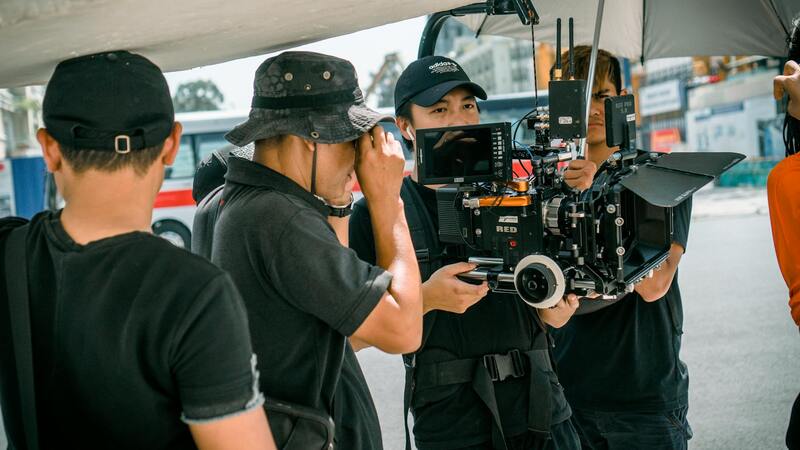
Graphics generators and virtual sets are employed to create compelling visual content that enhances brand presence. These tools enable real-time overlay of logos, titles, and animations, adding a professional layer to the stream. Virtual set technology allows broadcasters to simulate elaborate backgrounds and environments, providing versatility and a high-end visual experience without physical set constraints.
On the software front, industry-standard streaming platforms and content management systems underpin reliable broadcast delivery. These software solutions monitor stream health, provide real-time analytics, and facilitate audience interaction through integrated chat functions or Q&A modules. Virtual production tools and augmented reality elements are increasingly integrated to deliver engaging, immersive content tailored to Miami’s diverse event landscape.
Specialized Support and Real-Time Troubleshooting
Operational excellence in broadcast streaming depends heavily on continuous monitoring and technical troubleshooting. Professional teams utilize advanced diagnostics to oversee each stage of the stream, from encoding to delivery and playback. This proactive approach allows for immediate resolution of issues, such as bitrate fluctuations, signal dropouts, or audio-video sync problems, minimizing downtime and ensuring a flawless viewer experience.
Security remains a top priority, with encryption protocols and access controls implemented to safeguard proprietary content during transmission. Secure streaming channels protect sensitive corporate information or confidential event content from unauthorized access. Additionally, multi-layered redundancy systems with backup encoders and network fail-safes provide resilience against unforeseen disruptions.
Analytics and Audience Engagement
Advanced analytics capabilities facilitate detailed insights into viewer behaviors and engagement metrics. Real-time data on viewer count, geographic location, viewing duration, and interaction rates inform content adjustments and strategic planning. This data-driven approach enables Miami-based clients to optimize future broadcasts, refine content delivery, and maximize audience retention and interaction.
Moreover, integration of interactive elements, such as live polls, chat, and social media feeds, fosters a two-way communication channel between hosts and viewers. This level of engagement translates into more memorable experiences, heightened brand loyalty, and measurable ROI for organizations hosting live streams.
Overview of Broadcast Streaming Production Services
Broadcast streaming production services play a crucial role in delivering high-quality live and on-demand content across various digital platforms. These services encompass a comprehensive range of technical and creative processes designed to ensure seamless content delivery that meets the expectations of modern audiences. Whether utilized for corporate events, live performances, or large-scale conferences, professional broadcast streaming combines cutting-edge technology, strategic planning, and expert execution to create engaging viewer experiences.
At the core of broadcast streaming production is the integration of multiple elements such as video capture, encoding, transmission, and distribution. These components work harmoniously to provide reliable streaming solutions that can adapt to diverse event requirements. Central to this process is the deployment of advanced hardware and software, which guarantees high-definition video quality, synchronized audio, and real-time interaction capabilities. The adoption of cloud-based and edge computing allowsfor scalability and flexibility, enabling content providers to reach audiences regardless of geographical constraints.
Alongside the technical infrastructure, dedicated project management ensures that each phase of production is meticulously planned and executed. This includes pre-production activities like content scheduling, technical rehearsals, and connection testing, all aimed at minimizing glitches during the live event. During the broadcast, a team of skilled operators monitors the stream, manages switching between multiple camera feeds, and troubleshoots any emerging issues. Post-event, analytics and performance reviews are conducted to assess viewer engagement, technical performance, and content effectiveness, fostering continuous improvement.
Types of Broadcast Streaming Services Offered
- Live Event Streaming: Real-time broadcasting of conferences, sports events, concerts, and corporate town halls to global audiences, ensuring high-quality delivery and minimal downtime.
- Webcast Production: End-to-end solutions for producing professional webcast experiences, including pre-event planning, content creation, encoding, and streaming management.
- On-Demand Video Services: Publishing recorded content that viewers can access at their convenience, often integrated with live streams for comprehensive content offerings.
- Multi-camera Production: Utilizing multiple cameras and real-time switching to create dynamic, engaging broadcasts suitable for large events and complex setups.
- Hybrid Events: Combining in-person participation with virtual streaming, allowing interactive engagement and expanded outreach.
- Interactive Streaming: Incorporating live polls, Q&A, social media integration, and chat functionalities to foster audience participation and engagement.
Technology and Equipment Used in Broadcast Streaming
Broadcast streaming relies on a sophisticated array of technology designed to deliver pristine video and audio content reliably. High-definition cameras equipped with professional lenses and stabilization gear capture clear, detailed images across various angles. These cameras are often complemented by wireless transmitters or wired connections, depending on the event environment, to ensure consistent signal quality.
Encoding hardware and software are vital for compressing digital signals into streaming formats compatible with multiple devices and bandwidth conditions. Industry-standard encoders utilize advanced compression algorithms to balance video quality with data transfer rates, preventing buffer issues and lag. These encoders support various streaming protocols such as RTMP, HLS, and DASH, ensuring broad compatibility with platforms ranging from social media to proprietary corporate portals.
Streaming servers and content delivery networks (CDNs) form the backbone of the transmission process. They distribute content efficiently to viewers worldwide, minimizing latency and buffering. On-site switching and mixing consoles enable live camera feeds, graphics, and overlays to be seamlessly integrated into the broadcast. Audio equipment, including professional microphones and mixers, guarantees clear sound synchronized with visuals, enhancing overall production quality.
Additional components like network routers, redundancies, and cybersecurity measures are implemented to safeguard the integrity of the stream. Backup internet connections using fiber, LTE, or satellite ensure continuous delivery in case of primary network failure. Encryption protocols and access controls secure exclusive content during transmission, protecting proprietary material from unauthorized access. The integration of these technologies creates a resilient infrastructure capable of handling the demands of professional live streaming.
Overview of Broadcast Streaming Production Services
Broadcast streaming production services encompass a comprehensive suite of solutions designed to deliver high-quality live content across numerous platforms. These services are essential for organizations looking to reach wide audiences through seamless, reliable streams that maintain visual and audio integrity, even under challenging network conditions. Professional broadcast streaming providers employ advanced technology, meticulous planning, and precise execution to transform raw footage into polished live broadcasts suitable for platforms ranging from social media to corporate websites.

These services involve several core components including pre-production coordination, real-time video switching, encoding for various devices, content delivery network (CDN) integration, and post-event analytics. Expert teams handle all technical aspects—from selecting the appropriate hardware and software to managing encoding protocols—ensuring that each broadcast maintains a professional standard. With the rise of digital platforms, such services also incorporate multi-platform distribution to maximize audience engagement and interaction.
Types of Broadcast Streaming Services Offered
- Corporate Live Events: Live product launches, town halls, and conferences that require synchronized multi-camera feeds, graphics, and overlays.
- Sports Broadcasting: High bandwidth streams with multiple angles, instant replays, and real-time commentary.
- Entertainment and Cultural Events: Concerts, theater performances, and festivals delivered live to global audiences.
- Educational and Training Sessions: Webcasts for training, seminars, and academic lectures designed for remote attendance.
- Religious Services: Streaming of sermons and religious events to reach congregants beyond physical locations.
Technology and Equipment Used in Broadcast Streaming
State-of-the-art broadcast streaming relies on industry-standard hardware and software that facilitate flawless live transmission. Essential equipment includes:
- Camera Systems: High-definition cameras capable of capturing detailed visuals from multiple angles.
- Video Switchers: Devices that allow live switching between camera feeds, overlays, and graphics for dynamic content presentation.
- Encoding Hardware and Software: Encoders compress video streams to optimize bandwidth utilization without sacrificing quality. Support for protocols like RTMP, HLS, and DASH enables broad compatibility.
- Audio Equipment: Professional microphones, mixers, and audio processors ensure clear sound synchronized with video.
- Content Delivery Networks (CDNs): Robust networks distribute streams efficiently to global viewers, minimizing latency and buffering issues.
- Backup Solutions: Redundant internet connections via fiber, LTE, or satellite safeguard against network disruptions.
- Cybersecurity Measures: Encryption and access control protocols secure the content and prevent unauthorized access.
These components are integrated into a resilient infrastructure capable of handling various live streaming demands, ensuring smooth delivery regardless of scale or complexity.

Process of Planning and Executing Streaming Productions
Executing a successful broadcast streaming event involves meticulous planning and precision execution. The process begins with comprehensive consultations where client objectives, target audience, content format, and platform preferences are discussed. A detailed project plan is then developed, covering everything from site survey and equipment needs to contingency strategies.
During pre-production, content is curated, graphics are prepared, and schedules are finalized. Technical rehearsals ensure that equipment functions correctly and that all team members are familiar with their roles. On the event day, a dedicated crew manages all aspects—from camera operation and audio mixing to live switching and encoding—while monitoring stream health continuously to address any issues promptly.
Post-production analysis and viewer feedback are crucial components for assessing success and identifying areas for improvement. Metrics such as viewer engagement, latency, and quality of service are tracked to optimize future live streaming initiatives, ensuring each event builds upon the previous one for maximum impact.
Overview of Broadcast Streaming Production Services
Broadcast streaming production services encompass a comprehensive suite of solutions designed to deliver high-quality live and on-demand content across various digital platforms. These services are essential for organizations looking to reach global audiences, enhance engagement, and showcase their events or content with professionalism and technical precision. By leveraging state-of-the-art technology and expert execution, broadcast streaming providers ensure seamless delivery, robust security, and customizable options tailored to each client’s unique objectives.
At the core, these services include meticulous planning, advanced equipment deployment, real-time management, and detailed post-event analysis. The goal is to provide a reliable streaming experience that maintains high visual and audio fidelity, minimizes latency, and supports interactive features where applicable. As a result, clients can maximize their outreach potential, improve viewer retention, and generate insightful analytics for future content strategies.
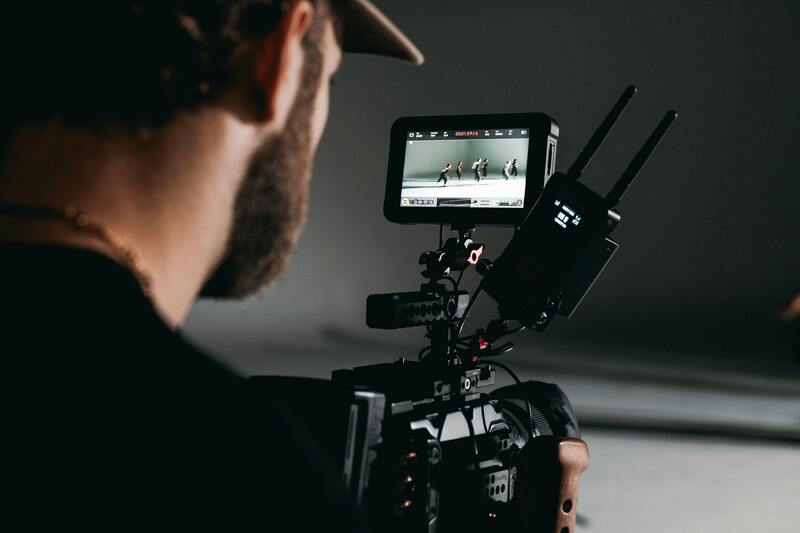
Technological Foundations of Broadcast Streaming Production
Modern broadcast streaming relies on a sophisticated infrastructure that includes dedicated cameras, high-performance encoding hardware, and reliable transmission networks. This setup ensures the capture of crisp video and clear audio, which are then compressed and encoded for streaming. Content delivery networks (CDNs) distribute the streams across multiple servers globally, reducing latency and buffering issues. Additionally, security protocols such as encryption and access control safeguard content against unauthorized viewing or piracy.
Importance of Expert Technical Support
Experienced technical teams play a crucial role during live events. They handle everything from camera operation and lighting adjustments to switching between multiple video feeds. Continuous monitoring of stream health allows for immediate troubleshooting, ensuring minimal disruptions. Post-event, comprehensive data analysis provides insights into viewer engagement, stream quality, and technical performance, informing future improvements.
Integration of Audience Interaction Features
Advanced broadcast services also incorporate interactive elements such as live chat, polling, and social media integration. These features boost viewer participation and enhance overall engagement. Platforms capable of seamless integration with third-party applications allow for tailored user experiences, making broadcasts more dynamic and responsive to audience preferences.
Types of Content Delivered via Broadcast Streaming
- Corporate webinars, product launches, and virtual conferences
- Educational seminars and training sessions
- Religious services and community events
- Sports, entertainment, and cultural festivals
- Music concerts and theatrical productions
Each content type demands specific technical configurations and production approaches, highlighting the importance of bespoke planning and execution by seasoned specialists.
Comprehensive Overview of Broadcast Streaming Production Services
In an era where digital connectivity defines the landscape of live content delivery, professional broadcast streaming production services have become essential for organizations seeking seamless, high-quality live experiences. These services encompass a broad spectrum of technical expertise, strategic planning, and technological infrastructure designed to ensure that every broadcast is engaging, reliable, and tailored to meet specific audience needs. The core objective of these services is to deliver content across various digital platforms without compromising on quality or stability, thereby maximizing viewer engagement and operational efficiency.
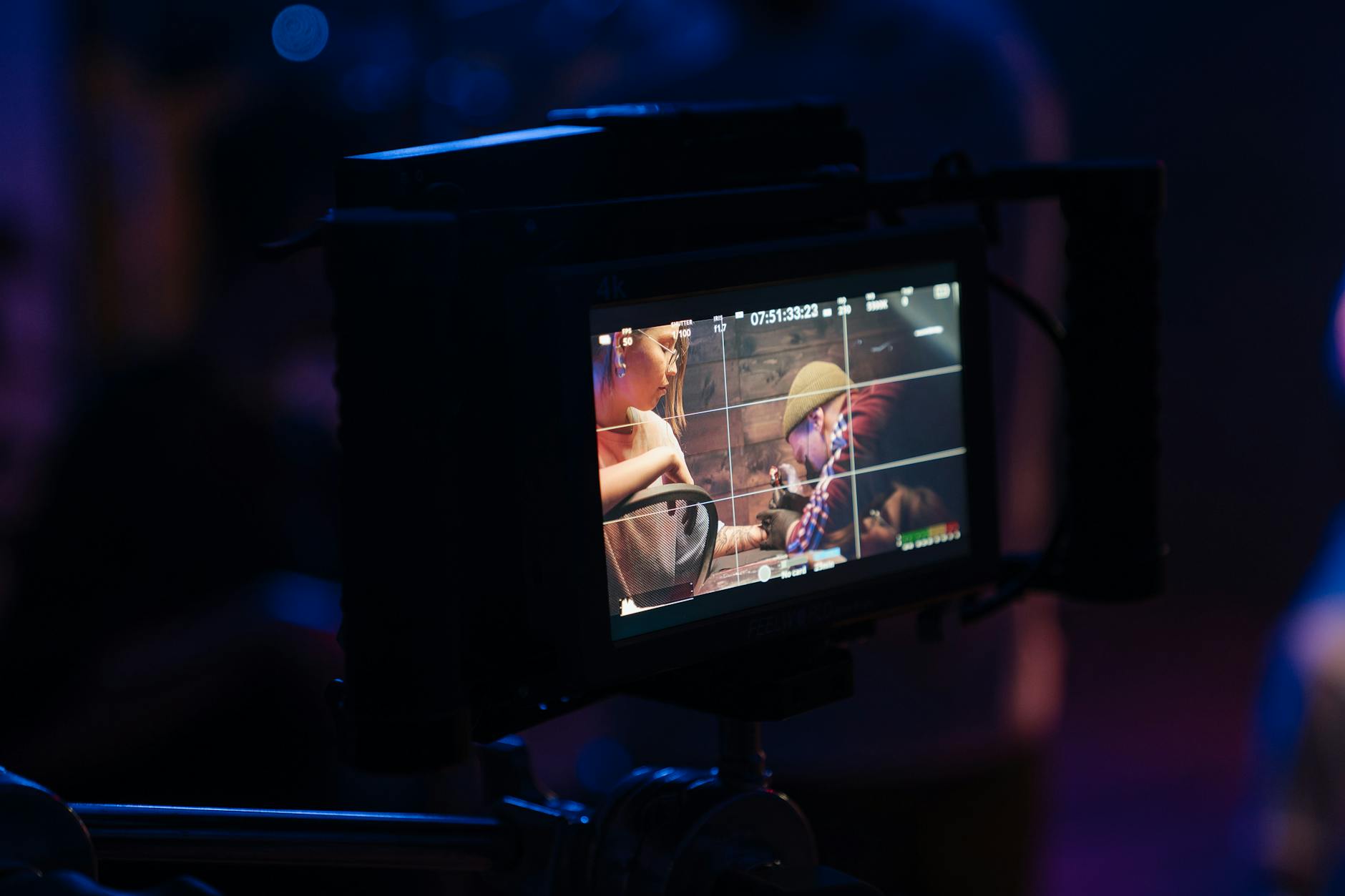
Characteristics of Professional Broadcast Streaming Production
High-quality broadcast streaming production integrates advanced video and audio equipment, real-time data management, and expert technical oversight. This combination ensures that the content is delivered in clear resolution with synchronized audio, minimal latency, and adaptive streaming capabilities that cater to diverse viewers' internet speeds and device types. Effective streaming also involves sophisticated encoding and compression techniques, allowing large media files to be transmitted efficiently without sacrificing visual fidelity.
Advanced Hardware and Software Utilization
Leading service providers leverage the latest broadcast-grade cameras, audio consoles, switchers, and streaming encoders. These tools are coupled with software solutions for real-time video mixing, graphic overlays, and audience interaction integration. Cloud-based management platforms further enhance flexibility, allowing for remote monitoring, multi-platform distribution, and on-the-fly adjustments to streaming parameters.
Strategic Planning and Execution of Streaming Projects
Effective broadcast streaming production commences with comprehensive planning. This phase involves defining objectives, understanding target audiences, and selecting appropriate content formats. Technical rehearsals simulate live scenarios, helping identify potential issues before the actual broadcast. On the day of the event, meticulous coordination between camera operators, producers, and technical staff is vital. They oversee camera angles, sound levels, and graphics, ensuring that every element aligns seamlessly with the planned broadcast flow.
Pre-Event Preparation
- Site survey and setup planning
- Connectivity testing and redundant internet solutions
- Content synchronization and graphics preparation
- Technical runs and staff coordination
Live Execution and Post-Event Processes
- Real-time monitoring of stream health and viewer engagement metrics
- Immediate troubleshooting to resolve any technical issues
- Data collection for performance analysis
- Post-broadcast review and quality assessment
Tailored Streaming Solutions for Diverse Needs
Broadcast streaming services are highly customizable, addressing the unique demands of each client and event type. Whether it's a corporate webinar, a product launch, a religious service, or a cultural festival, solutions can be integrated with branding elements, interactive features, and multi-language support. Sophisticated platform integration allows for seamless operation within existing digital ecosystems, optimizing content reach and engagement.

Integration Capabilities
Integration with social media channels, chat functionalities, and third-party analytics tools empowers organizers to foster a more engaging and interactive experience. The ability to embed live polls, Q&A sessions, and social media feeds directly into the broadcast boosts viewer participation and provides valuable feedback for future content strategies.
Advantages for Miami Clients Engaging Professional Streaming Services
Miami-based organizations benefit significantly from partnering with experienced broadcast streaming providers. Local providers possess an in-depth understanding of regional connectivity issues, regulations, and audience preferences, ensuring a more tailored and effective delivery. Furthermore, professional services guarantee technical reliability, high production values, and comprehensive support, reducing the risk of disruptions during critical live events. This level of expertise is especially vital in a vibrant city known for hosting diverse cultural and corporate events, where flawless execution enhances reputation and viewer satisfaction.
Comprehensive Broadcast Streaming Production Services in Miami
Miami’s vibrant event scene demands high-quality broadcast streaming production services that can effectively showcase your content across digital platforms. Professionals specializing in broadcast streaming utilize advanced technology, strategic planning, and customized solutions to deliver seamless live streams for a variety of events, such as corporate seminars, cultural festivals, religious gatherings, and product launches. Ensuring a smooth and engaging viewing experience from Miami to global audiences requires meticulous attention to detail and expertise in the latest streaming methodologies.
Advanced Technology and Equipment for Broadcast Streaming
State-of-the-art equipment forms the backbone of successful streaming productions. High-definition cameras, multi-camera switching systems, professional audio gear, and reliable internet connections are essential for delivering crisp visuals and clear sound. Many providers incorporate features like robotic camera systems to enable dynamic shots and remote operation, ensuring flexibility and consistency. Additionally, encoders and streaming servers are vital for converting captured video into live broadcasts compatible with various platforms, supporting formats such as RTMP, HLS, and MPEG-DASH. Redundant systems and backup solutions are also deployed to prevent disruptions, especially during critical live events.

Strategic Planning and Execution of Streaming Events
Successful broadcast streaming begins long before the event goes live. Experienced producers collaborate with clients to understand their objectives, target audience, and platform preferences. This involves detailed pre-production planning, including content scheduling, camera and audio configurations, lighting considerations, and internet bandwidth assessments. During execution, professional crews coordinate coverage, manage multiple camera feeds, monitor audio levels, and supervise stream stability in real time. Post-event activities may include on-demand content editing, analytics review, and audience engagement reports to evaluate success and inform future events.
Tailored Streaming Solutions and Platform Integration
Broadcast streaming services are highly customizable, ensuring seamless integration with existing branding, digital ecosystems, and social media channels. Platforms can be configured to support interactive features such as live polls, Q&A sessions, and real-time chat to enhance viewer participation. Content can also be embedded across multiple channels, including websites, social media, and OTT (over-the-top) platforms, expanding reach and accessibility. Advanced integrations facilitate multi-language support, audience analytics, and content monetization, allowing Miami organizations to maximize engagement and ROI from their streaming initiatives.
Advantages for Miami-based Businesses and Organizers
Partnering with a seasoned broadcast streaming provider in Miami offers notable benefits. Local experts are well-versed in regional network infrastructure, permitting optimized bandwidth utilization and minimized latency. They also possess an in-depth understanding of local regulations, cultural nuances, and audience behaviors, which enhances content relevancy and viewer satisfaction. The professionalism of such services ensures reliable operation, minimizing technical issues and production delays. This reliability not only elevates the event’s perceived quality but also safeguards the organization’s reputation in a competitive event landscape.
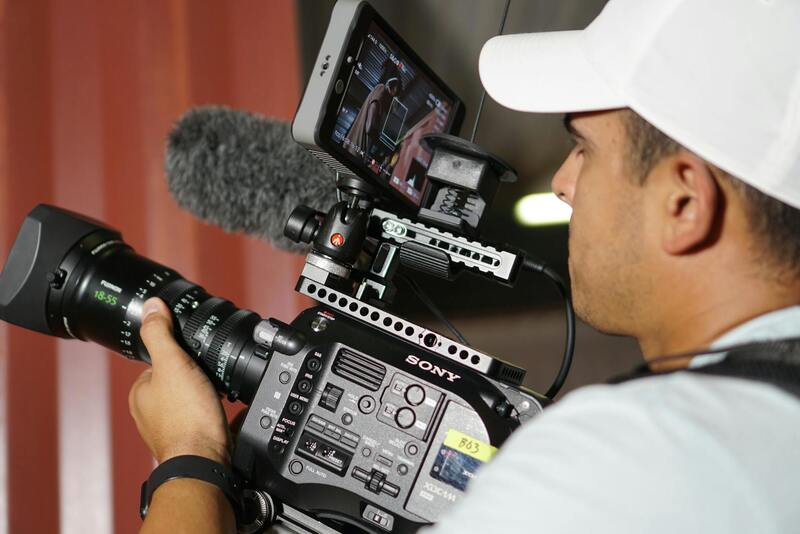
Evaluating and Choosing a Broadcast Streaming Partner in Miami
When selecting a provider, it is crucial to assess their technical expertise, experience, and equipment portfolio. A reputable partner should demonstrate a comprehensive understanding of the latest streaming technologies and provide tailored solutions aligned with your specific event requirements. Consider their ability to scale services for different event sizes, incorporate brand elements, and integrate with third-party platforms. Timely onboarding, transparent communication, and ongoing support are also vital factors. A reliable provider will facilitate a smooth production process from initial planning through post-event analysis, ensuring your live streaming project achieves its goals efficiently and professionally.