

Overview of Livestream Production Services
Livestream production services have become a vital component for organizations seeking to transmit live content to diverse audiences across different geographical locations. These services encompass a comprehensive array of technical and creative solutions, such as event streaming, ensuring high-quality visual and audio output that effectively captures the essence of live events. In Miami, a vibrant hub for corporate, entertainment, and community events, professional livestreaming plays a crucial role in extending the reach and impact of various gatherings.
The core of livestream production involves meticulous planning, advanced broadcasting technology, and real-time execution strategies. It requires expertise in multiple domains including camera operation, audio mixing, video switching, encoding, and stream delivery. Maintaining top-tier quality standards is essential to meet the expectations of sophisticated viewers who demand crisp visuals and clear sound, regardless of their device or internet connection.
Event types benefiting from professional livestreaming encompass corporate meetings, product launches, seminars, webinars, concerts, festivals, religious ceremonies, and charity functions. For businesses, livestreaming opens up opportunities for broader audience engagement, remote participant inclusion, and enhanced brand visibility. Meanwhile, entertainment industries leverage these services to reach global fans without geographical constraints, providing interactive and immersive experiences.
The significance of livestream production services extends beyond mere broadcast; they facilitate real-time interaction through live chat, polls, and Q&A sessions, fostering a dynamic connection with viewers. The ability to archive and redistribute content further amplifies the longevity and reach of the events, allowing audiences to access content on-demand post-broadcast.
Overview of Livestream Production Services
Professional livestream production services in Miami provide a comprehensive approach to broadcasting live events with exceptional quality and reliability. These services encompass a wide range of technical and logistical components, ensuring that each event is captured, streamed, and delivered seamlessly to audiences across the globe. Utilizing advanced equipment, skilled technicians, and innovative techniques, livestream providers tailor each production to meet the specific needs of diverse event types, including corporate conferences, product unveilings, religious services, and entertainment showcases.
Key aspects of these services include multi-camera operation, real-time audio-visual mixing, and high-speed internet connectivity. Unlike basic streaming, professional livestream production guarantees high-definition video quality, stable internet feeds, and synchronized sound, regardless of environmental challenges or venue size. Many providers also incorporate interactive elements like live polls, Q&A sessions, and social media integration, fostering real-time engagement between hosts and viewers. Furthermore, the ability to record and archive events allows organizations to repurpose content, extending the reach and longevity of their visual assets.
Core Components of a Live Stream
- Video Capture: Using professional-grade cameras to ensure crisp, clear visuals with multiple angles for dynamic presentations.
- Audio Quality: Employing high-fidelity microphones and mixers to deliver pristine sound that complements the visuals.
- Encoding and Transmission: Utilizing robust encoding hardware and software to compress and transmit data efficiently without sacrificing quality.
- Internet Connectivity: Relying on dedicated, high-bandwidth internet connections such as cellular bonding or fiber-optic lines to prevent interruptions.
- Monitoring and Control: Implementing remote monitoring tools allowing operators to oversee the stream, troubleshoot issues, and make real-time adjustments.
- Post-Production: Offering services to edit and prepare content for on-demand access, enhancing content value.
Technologies and Equipment Used
Leading livestream production services incorporate cutting-edge technology to deliver professional-grade broadcasts. This includes 4K-capable cameras for ultra-high-definition footage, switchers for real-time multi-camera editing, and audio mixers for balancing sound inputs. For seamless data delivery, providers often deploy cellular bonding systems, which aggregate multiple internet signals to create a stable, high-bandwidth connection, eliminating common streaming issues caused by network fluctuations. Additionally, remote control interfaces and cloud-based management platforms enable producers to supervise live streams remotely, making adjustments swiftly and maintaining optimal stream quality.
Advantages of Professional Livestream Production
Engaging audiences consistently requires more than just a good internet connection. Professional livestream production offers smooth, high-quality broadcasts that captivate viewers and elevate brand perception. Expertise in technical execution reduces the risk of disruptions or poor-quality visuals, which can diminish credibility and viewer retention. Furthermore, experienced providers ensure effective usage of interactive tools, boosting viewer participation. From complex multi-camera productions to integrating remote guests or live graphics, these services support a comprehensive presentation that enriches the event experience.
Tailoring Streaming Solutions
Customization is a fundamental aspect of effective livestream production. Depending on event specifications, providers offer tailored packages that include specific camera configurations, specialized audio setups, or simultaneous multi-platform streaming. Customized branding overlays, lower thirds, and on-screen graphics enhance professionalism and reinforce branding efforts during broadcasts. Moreover, some services incorporate multilingual subtitles or sign language interpreters to improve accessibility, ensuring an inclusive viewing experience. The flexibility of these adjustments allows event organizers to connect authentically with their target audience while maintaining high production standards.
Choosing the Right Livestream Partner in Miami
Selecting a reliable production partner requires evaluating experience, technical capability, and customer support. A prospective provider should demonstrate a rich portfolio of successful events, especially those similar in scope and complexity. Technological proficiency, including familiarity with the latest hardware and streaming platforms, is essential for meeting diverse requirements. Clear communication, transparent pricing, and attentive customer service are also critical factors, ensuring smooth collaboration throughout the planning and execution phases. Local expertise in Miami's venues and infrastructure can further streamline logistics, making it easier to address site-specific challenges and coordinate effectively with venue staff.
Technical Aspects of Livestream Production
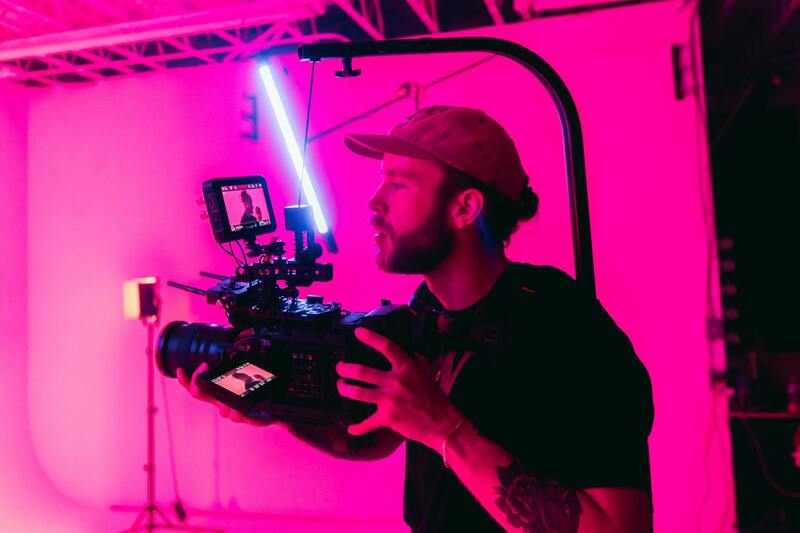
Ensuring a seamless and professional livestream hinges on the integration of advanced technical components and precise execution. High-quality video feeds are typically achieved through multi-camera setups, allowing for dynamic shots, smooth transitions, and comprehensive coverage of the event. These cameras must be supported by robust tripods and stabilization systems to maintain crisp visuals, regardless of movement or venue conditions.
Complementing the visual elements, professional audio equipment is critical to guarantee clarity and intelligibility. This includes directional microphones, audio mixers, and wireless systems that capture sound from multiple sources, such as speakers, performers, or audience interactions. Proper sound management prevents feedback issues and maintains a balanced audio experience for viewers.
Graphics and overlays, including lower thirds, branding banners, and real-time data visualizations, serve to reinforce brand identity and improve viewer engagement. These elements are inserted via live switching software, allowing for a polished and branded presentation. Additionally, proper lighting setups, including key lights, fill lights, and backlighting, are essential to enhance visual clarity and prevent shadowing, especially in venues with challenging lighting conditions.
Advancements in live switching technologies facilitate real-time editing, enabling producers to seamlessly transition between camera angles, incorporate graphics, and manage transitions without disruptions. This requires a skilled technical operator to oversee the process and address potential issues swiftly.
Essential Equipment for Livestream Production
- Multiple HD or 4K Cameras
- Professional Audio Mixers and Microphones
- Live Switching Consoles and Video Switchers
- Graphics and Overlay Software
- High-Quality Lighting Equipment
- Reliable Encoders and Streaming Hardware
- Backup Power Supplies and Redundant Internet Connections
Utilizing these key components ensures a resilient broadcast infrastructure capable of handling the demands of live event coverage. The choice of equipment must align with the event's scale, complexity, and engagement goals, making consultation with experienced professionals essential.
Integration of Live Streaming Platforms and Connectivity Solutions
Modern livestream production services leverage a range of streaming platforms that cater to different audience sizes and access requirements. Whether broadcasting on social media channels, dedicated streaming portals, or private networks, providers ensure compatibility and optimized encoding settings for each platform. Integration with multi-platform streaming solutions allows simultaneous broadcasts across social networks and websites, expanding reach and engagement.
Connectivity is a cornerstone of successful livestreams. Utilizing high-bandwidth internet connections, cellular bonding systems, and failover protocols minimizes disruptions caused by network fluctuations. Cellular bonding combines multiple cellular data sources, aggregating their bandwidth to maintain a stable stream in environments where wired internet may be unavailable or unreliable.
Overview of Livestream Production Services
Livestream production services have revolutionized the way organizations, brands, and individuals share their events with audiences both locally and globally. These services encompass a comprehensive suite of technical and creative solutions designed to deliver high-quality, reliable live broadcasts. From pre-production planning, technical setup, to post-event analysis, professional livestream providers handle every aspect to ensure seamless streaming experiences. Leveraging cutting-edge equipment, experienced production teams, and robust streaming infrastructure, these services enable real-time engagement, allowing viewers to participate in events as they happen, regardless of their physical location.
Expertise in managing diverse event types—including corporate meetings, concerts, religious services, sports competitions, and community festivals—makes livestream production a versatile tool in today’s digital landscape. Skilled professionals tailor each broadcast to meet specific event requirements, audience expectations, and engagement goals. The focus on technical precision and high production values ensures that the content resonates with viewers and maintains a consistent quality standard throughout the streaming session.
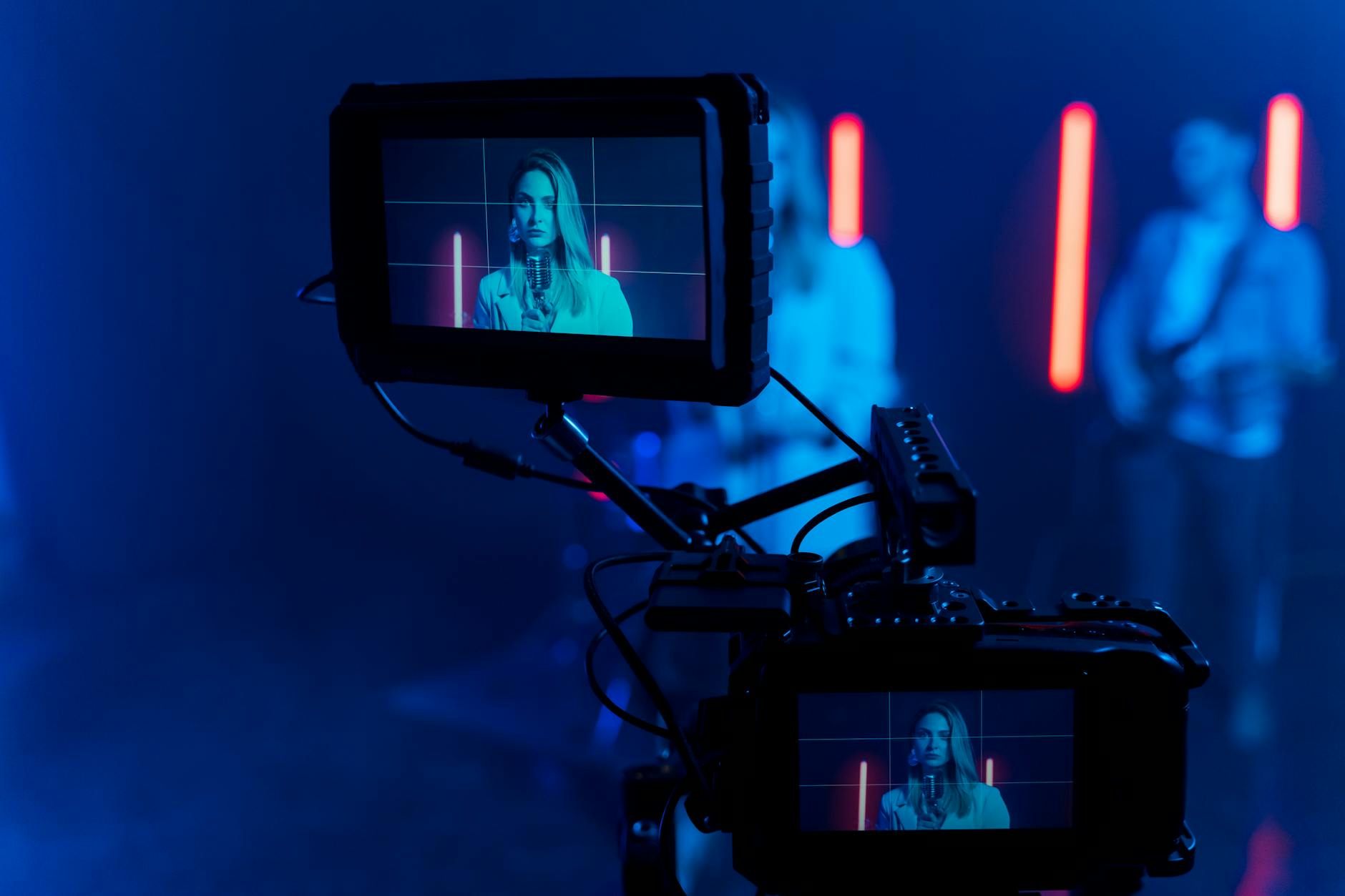
Choosing a seasoned livestream production service in Miami involves assessing their technical capabilities, experience, and ability to adapt to various venues and event complexities. A comprehensive service includes not just the streaming hardware and internet connectivity but also live switching, graphic overlays, multi-camera setups, and sound mixing—all synchronized to produce a professional-grade broadcast. Effective integration of these components creates an immersive viewing experience that captures the essence of your event and maximizes audience engagement.
Technological Innovations Enhancing Livestream Production
Advances in streaming technology continue to elevate the quality and reliability of live broadcasts. The implementation of scalable cloud-based encoding platforms ensures flexible and adaptive streaming quality, matching bandwidth fluctuations without interrupting the viewer experience. High-definition cameras, wireless video transmission, and real-time graphics contribute to dynamic and visually appealing streams. Automated switching systems streamline multi-camera productions, enabling smooth transitions and professional presentation, even in fast-paced settings.
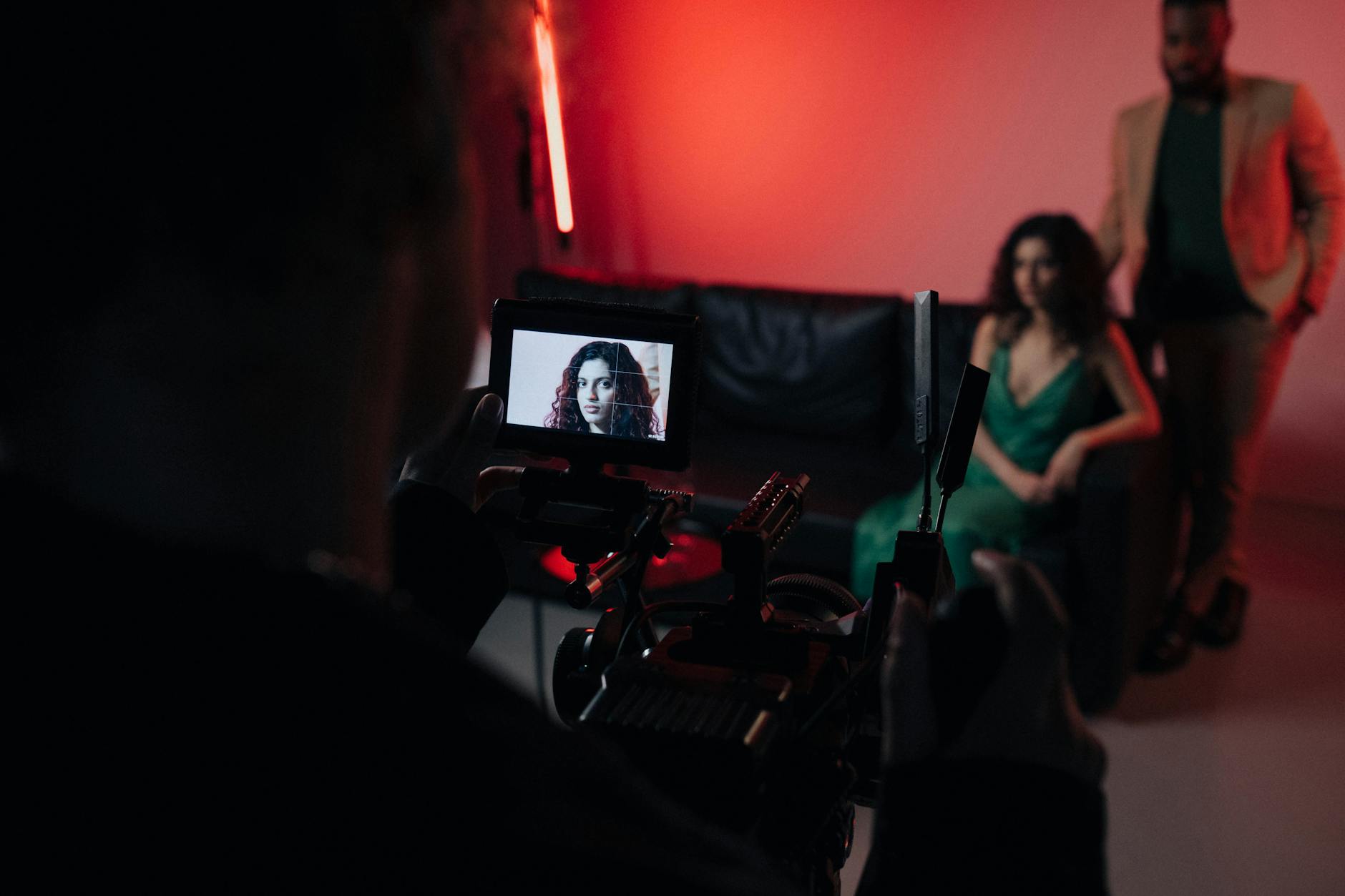
In addition to hardware, software solutions for remote management and multi-platform distribution play a crucial role. These tools facilitate operator control from different locations, allowing real-time adjustments and troubleshooting. The integration of advanced encoding solutions supports streaming to multiple destinations simultaneously, whether social media platforms, dedicated portals, or private networks. This multi-channel approach broadens reach and allows targeted audience engagement, essential for maximizing the impact of your live event.
Key Components of Livestream Production
Effective livestream production relies heavily on the integration of several core components that work in harmony to deliver a seamless and professional broadcast. These include high-quality video capture devices, robust encoding systems, reliable internet connectivity, and sophisticated switching and graphics software. Each element plays a crucial role in ensuring that the live stream not only functions smoothly but also meets the high standards expected by viewers and clients alike.
Video Capture and Camera Technology
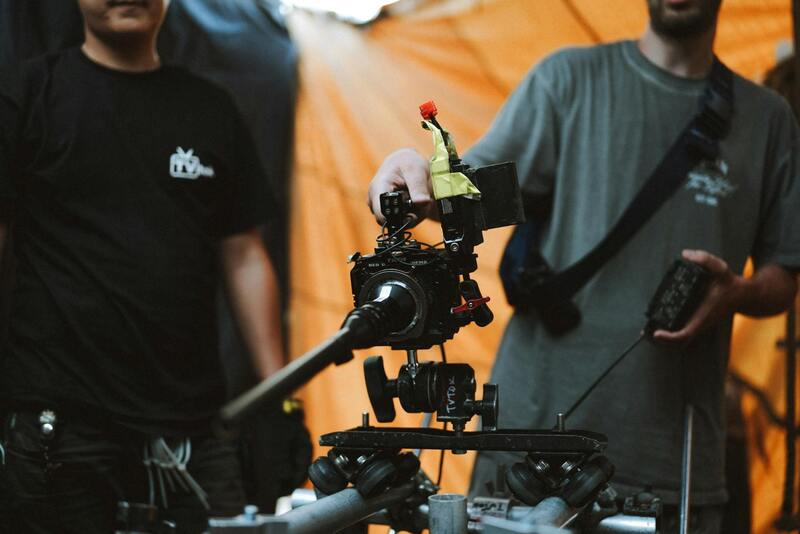
Modern livestream production employs a variety of cameras, including high-definition and 4K models, to capture every detail of the event. Multi-camera setups enable dynamic shots, switches between different angles, and close-ups that add depth and engagement to the broadcast. Wireless video transmission options further expand mobility and flexibility, especially for outdoor or large-scale events.
Encoding and Streaming Platforms
Encoding hardware transforms raw footage into a digital format suitable for streaming. Cloud-based encoding platforms offer scalability and adaptability, adjusting quality in real-time based on bandwidth fluctuations. Streaming platforms are configured to distribute the content across multiple channels—social media, dedicated websites, or private networks—maximizing reach and audience engagement.
Audio and Sound Equipment
High-fidelity microphones and sound mixing consoles are essential to capture clear audio, an aspect often overlooked but critical to viewer experience. Proper sound management ensures dialogue, music, and ambient sounds are balanced, avoiding distracting noise or distortion. Wireless microphone technologies facilitate mobility for speakers and performers, ensuring natural interactions with the camera and audience.
Control Rooms and Operator Management
Specialized control rooms equipped with real-time monitoring and switching systems allow technicians to oversee the broadcast. Operators manage camera switching, graphics overlay, sound levels, and transitions, ensuring a polished and engaging live experience. Remote management capabilities enable oversight from different locations, providing flexibility and on-the-fly adjustments.
Graphics, Lower Thirds, and Real-Time Data
Dynamic graphics—including lower thirds, titles, and event branding—are integrated using specialized software to enhance branding and viewer comprehension. Real-time data feeds, such as live scores or social media interactions, are incorporated seamlessly to boost interactivity and provide viewers with a richer experience.
Network Infrastructure and Bandwidth Considerations
A stable and dedicated internet connection is vital to prevent buffering and disconnects during live streaming. High-bandwidth fiber optic connections or cellular bonding solutions are often employed to ensure consistent upload speeds, especially for high-definition and multi-camera streams. Backup plans, such as redundant internet lines, are essential to mitigate potential disruptions.
Optional Enhancements for Elevated Production Quality
- Drone Cameras: For aerial perspective shots that add cinematic value.
- Automated Switching Systems: For quick and precise camera transitions, particularly useful in fast-paced events.
- Green Screen and Virtual Sets: To create captivating visual environments without physical set changes.
- Audience Interaction Tools: Live polling, chat integration, and Q&A sessions keep viewers engaged.
All these elements are synchronized through meticulous planning and coordination, resulting in a live event that feels both immersive and professional. The blending of cutting-edge hardware, reliable software, and experienced technicians ensures each livestream reflects the quality and professionalism desired by clients and audiences alike.
Comprehensive Methods to Ensure Legitimacy in Livestream Production Services
Securing the authenticity and reliability of livestream production services is crucial for delivering high-quality broadcasts to your audience. It involves selecting proven, widely recognized sources and methods that comply with industry standards and best practices. To guarantee that your live streams are legitimate, businesses should prioritize services that adhere to strict technical protocols, provide transparent operational details, and maintain certifications from reputable industry organizations. Employing certified equipment and technology ensures compliance with established standards, preventing issues such as signal interference, data breach, or unauthorized access. Additionally, rigorous planning and coordination with experienced professionals help in mitigating risks associated with live broadcasting, such as buffering, disconnections, or content infringement. Engaging with providers who have an established portfolio of successful events and positive client reviews further confirms the legitimacy of their services. These providers often demonstrate their adherence to quality assurance processes, including regular equipment maintenance, staff training, and adherence to safety protocols. Furthermore, employing secure transmission protocols and encrypted streams safeguards the integrity of your broadcast, ensuring only authorized viewers can access your content. It is also vital to confirm that the service provider’s infrastructure supports scalable and consistent connections, especially for large audiences or multi-platform distribution. Such measures foster trust, maintain broadcast integrity, and uphold your brand's reputation. Transparent communication about the technologies used, service scopes, and compliance measures reassures clients of the legitimacy and professionalism of your livestream production partner. When choosing a provider, consider their compliance with data protection laws and broadcasting regulations, which are integral to maintaining a legitimate operation. Ultimately, a legitimate livestream service combines advanced technology, professional expertise, and a commitment to industry standards, ensuring seamless delivery, viewer engagement, and content security. Implementing these official methods guarantees a dependable streaming experience that fulfills your event objectives and sustains your reputation in the digital broadcasting landscape.
Overview of Livestream Production Services
Livestream production services have become an essential component for organizations seeking to reach audiences in real-time with high-quality video content. These services encompass a comprehensive range of technical and creative solutions designed to broadcast events seamlessly across multiple digital platforms. Professional livestream production involves meticulous planning, advanced technology, and skilled personnel to ensure that each broadcast meets industry standards for clarity, stability, and engagement. Providers typically offer end-to-end solutions, including pre-production planning, equipment setup, live switching, multi-camera operation, and post-event analytics. Ensuring a reliable stream requires not only state-of-the-art hardware but also robust network infrastructure with redundancy measures in place. This combination of sophisticated equipment and experienced operators guarantees minimal latency, high-definition quality, and consistent delivery, which are critical for maintaining viewer trust and participation. Moreover, industry-leading companies emphasize security protocols like encrypted streams and secure data transmission to protect content integrity, especially for exclusive or proprietary events. They also facilitate multi-platform dissemination, allowing content to be simultaneously streamed to websites, social media channels, and dedicated apps, thereby expanding reach and engagement opportunities.
Types of Events Benefiting from Livestreaming
Various event formats significantly benefit from professional livestream production, including corporate meetings, conferences, product launches, webinars, and training sessions. Live sports events and entertainment shows also rely heavily on robust streaming solutions to reach vast audiences simultaneously. Educational institutions increasingly incorporate livestreaming for virtual classes, commencement ceremonies, and panel discussions to extend their academic reach beyond campus boundaries. Religious organizations utilize livestreaming during sermons and community gatherings to foster engagement with congregants who cannot attend in person. Additionally, trade shows and expos leverage live streams to showcase exhibitors and demonstrations globally, maximizing exposure without geographical limitations. Non-profit organizations often employ livestream services to broadcast fundraising events and awareness campaigns, broadening their impact. The versatility of livestream production allows for dynamic interaction through live chat, Q&A sessions, and social media integration, enhancing audience participation and creating a more engaging viewing experience.
Key Components of Livestream Production
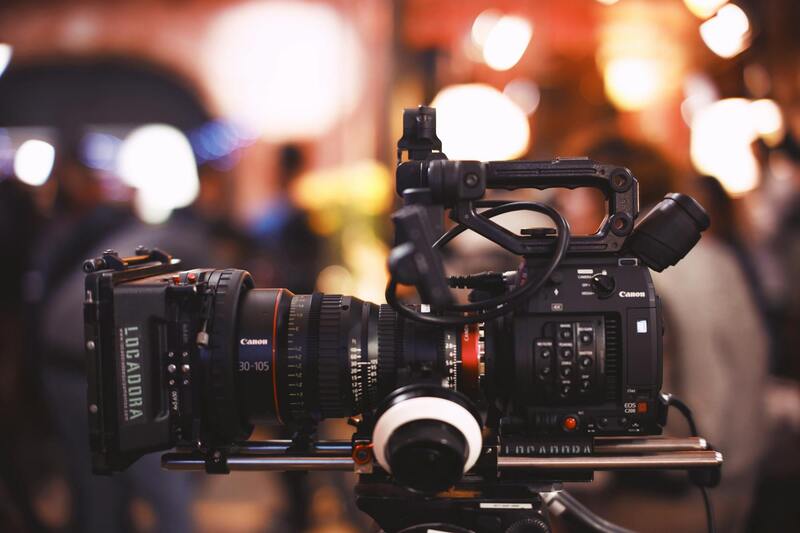
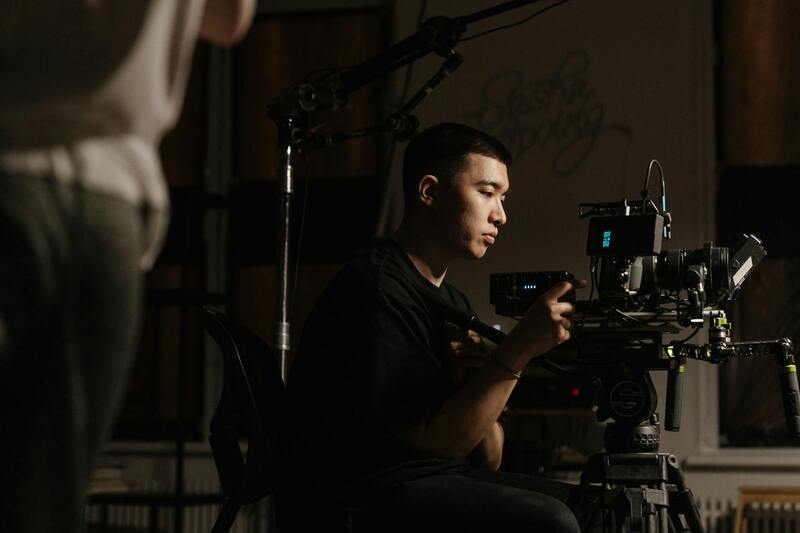
A successful livestream relies on several integral components working cohesively. These include high-definition cameras capable of capturing multiple angles, professional-grade audio systems for clear sound, and reliable encoding hardware to convert raw footage into streaming-compatible formats. An advanced switching console enables real-time content transition, ensuring smooth transitions, graphics, and overlays. Network infrastructure plays a pivotal role, requiring high-bandwidth internet connections with fallback options to maintain stability during the broadcast. A dedicated production crew manages camera operation, audio mixing, and technical troubleshooting, allowing the event organizers to focus on content delivery. On-screen graphics, lower thirds, and branding are added to provide context and maintain visual consistency. The streaming platform or CDN (Content Delivery Network) ensures efficient distribution across devices and geographies, supporting multiple viewers without buffering or interruptions.
Technologies and Equipment Used
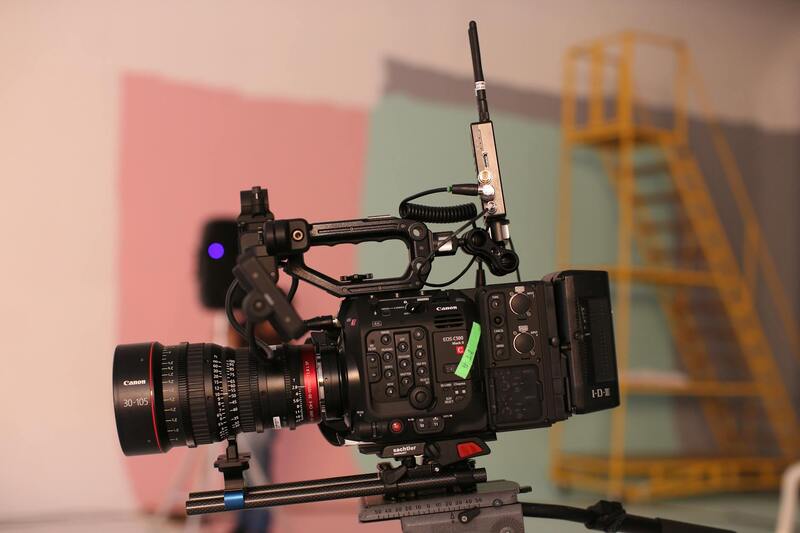
Implementing effective livestream production depends on a suite of specialized technologies and equipment. High-resolution cameras, typically ranging from HD to 4K, capture vibrant visuals, while wireless and wired microphones ensure crisp audio capture. Video switchers or mixers facilitate multi-camera editing, allowing seamless scene changes and overlays. Encoder devices and software convert live video into streaming formats compatible with various platforms. Reliable internet connectivity is paramount, often augmented with cellular bonding systems or satellite links for outdoor or remote events. Hardware such as video extenders, capture cards, and streaming servers further enhance signal stability and quality. For production control, operators rely on broadcast suites equipped with powerful computers, control panels, and monitoring screens to oversee multiple feeds and troubleshoot technical issues instantaneously. Augmented reality overlays, real-time graphics, and live chat integration enhance viewer experience, making streams more interactive and visually compelling.

Benefits of Hiring a Professional Livestream Service
Engaging a professional livestream production service offers numerous advantages that directly impact the success of your event. Experienced providers bring industry insights, technical expertise, and a comprehensive understanding of broadcast standards, ensuring optimal video and audio quality. They manage all technical aspects, reducing the risk of glitches, buffering, or interruptions that can compromise viewer satisfaction. Moreover, professional services provide scalable solutions tailored to the size and scope of your event, whether it's a small board meeting or a large international conference. Their familiarity with multi-platform distribution ensures your content reaches a broader audience across social media, websites, and dedicated apps. Additionally, many providers offer supplementary services such as live editing, post-production, and analytics to measure engagement and reach. Outsourcing livestream production allows event organizers to focus on content delivery and audience interaction, confident that the technical side is in skilled hands. The result is a polished, reliable broadcast that elevates your event’s professionalism and impact, ultimately fostering greater engagement, brand visibility, and message dissemination.
Comprehensive Approach to Livestream Production Services in Miami
Delivering high-quality live streams requires a meticulous approach that combines technical expertise, advanced equipment, and strategic planning. Professional livestream production services in Miami encompass end-to-end solutions that cater to various event types, ensuring seamless delivery and engagement. These services include pre-production planning, on-site setup, live broadcasting, and post-production support, all coordinated to match the specific needs of each client and event. The integration of multi-camera setups, real-time switching, and high-definition encoding facilitates a polished broadcast. Experienced production teams conduct thorough site assessments, establish stable connectivity solutions, and prepare contingency plans to handle any unforeseen technical issues. The use of scalable infrastructure allows services to adapt to events ranging from intimate corporate meetings to large-scale festivals. Moreover, leveraging cloud-based platforms and multi-platform streaming capabilities guarantees broad dissemination across social media, websites, and dedicated apps, maximizing reach and viewer engagement.
Types of Events Benefiting from Livestreaming
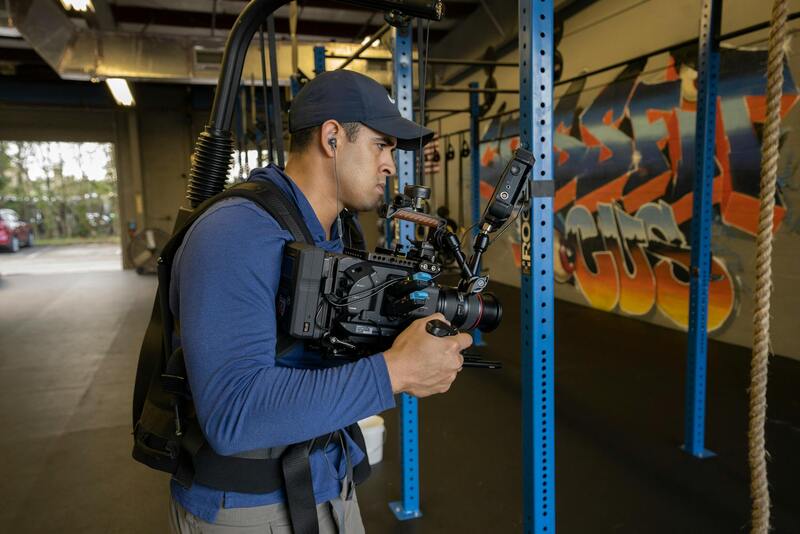
Various event types can harness the power of professional livestream production to extend their reach and impact:
- Corporate Conferences and Meetings: Stream keynote addresses, panel discussions, and workshops to remote attendees or global offices.
- Live Concerts and Performances: Deliver immersive performances with high-quality audio and video to broaden audience participation.
- Sports Events: Broadcast live games, tournaments, and competitions with multiple camera angles and instant replays for an engaging viewer experience.
- Religious Services: Reach congregants unable to attend in person, ensuring community connection through reliable streaming.
- Product Launches and Trade Shows: Showcase new offerings to a global audience, capturing the event professionally for marketing purposes.
- Educational Seminars and Workshops: Facilitate remote learning sessions with interactive features that enhance participation and comprehension.
Key Components of Livestream Production
Effective livestreaming relies on several critical elements working in harmony:
- Pre-Event Planning: Concept development, site surveys, technical assessments, and content scheduling ensure a smooth execution.
- Video and Audio Equipment: Includes cameras, microphones, mixers, and encoders selected based on event size and venue acoustics.
- Network Connectivity: High-speed internet connections, cellular bonding, and backup solutions to maintain uninterrupted stream quality.
- Production Crew: Skilled operators manage camera switching, audio mixing, live graphics, and crowd control.
- Distribution Platforms: Integration with social media, streaming platforms, and private portals extends content reach effectively.
- Monitoring and Support: Continuous oversight during the event and on-demand troubleshooting ensure reliability.
Technologies and Equipment Used
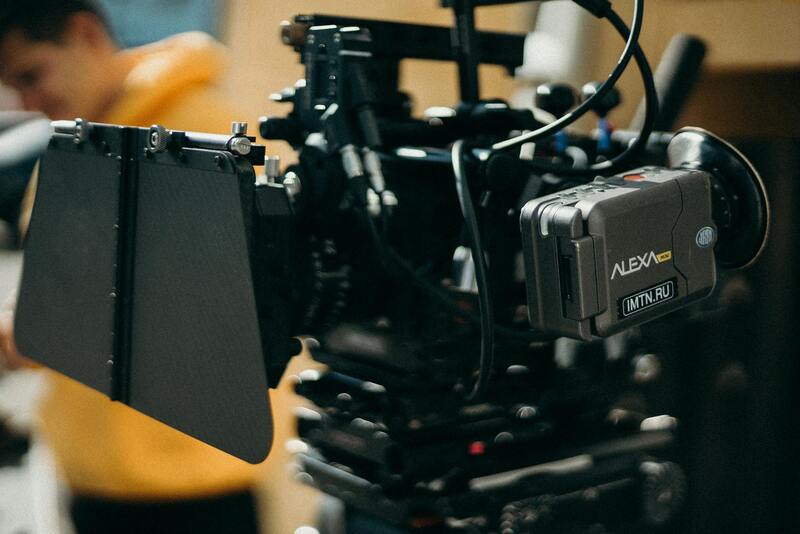
Modern livestream production harnesses cutting-edge technologies for a professional presentation. Multi-camera systems, coupled with live switching hardware, enable dynamic visuals and smooth transitions. 4K capable cameras and professional-grade microphones provide crystal-clear image and sound quality, vital for engaging content. High-performance encoders convert live video into streams suitable for multiple platforms, while cloud-based services facilitate scalability and ease of distribution. Cellular bonding technology ensures stable internet connections, especially in remote or outdoor locations. Real-time monitoring software tracks stream performance, manages latency, and provides instant feedback to operators, minimizing downtime. Advanced graphics overlays, lower thirds, and live chats foster viewer interaction, increasing engagement. These technologies, coordinated by skilled technicians, form the backbone of a flawless livestream experience.
Benefits of Hiring a Professional Livestream Service
Opting for expert livestream production ensures a polished, reliable broadcast that enhances your event’s reputation. Professionals bring extensive industry experience, offering tailored solutions that align with your goals. With a dedicated team managing technical details, you can focus on content delivery and audience interaction. Their expertise minimizes the risk of technical failures, buffering issues, and audio-video mismatches, safeguarding the integrity of your broadcast. The use of high-end equipment and proven workflows guarantees optimal visual and audio clarity, crucial for engaging remote viewers. Additionally, professional services facilitate multi-platform streaming, expanding your reach beyond traditional boundaries. They often provide supplementary features such as live editing, post-production, analytics, and audience engagement tools, all of which contribute to a comprehensive broadcast strategy. Outsourcing your livestream production to seasoned experts results in a seamless, impactful event that elevates your brand and enhances viewer loyalty.