

Overview of Live Streaming Video Production Services
Live streaming video production services have become an essential component for organizations, businesses, and event organizers aiming to reach wider audiences in Miami. These services facilitate the real-time broadcasting of events, allowing viewers from around the world to experience the moment as it unfolds. This method of content delivery ensures high engagement, immediate interaction, and broader accessibility, transforming the way live events are shared and experienced.
In Miami’s vibrant, diverse environment, live streaming allows for seamless connection during a variety of events—corporate conferences, product launches, weddings, concerts, religious services, and community festivals. The primary goal of professional live streaming video production is to deliver high-quality, uninterrupted broadcasts that maintain viewer interest and provide a sense of presence as if attending in person.
To meet the increasing demand for professional live streaming, specialized production companies in Miami employ cutting-edge technology, expert personnel, and strategic planning. These services encompass everything from multi-camera setups and high-definition video encoding to real-time graphics and live interaction management. The result is a comprehensive solution that not only captures the event with clarity but also ensures smooth transmission across different digital platforms.
It is important to understand that high-quality live streaming requires meticulous preparation. Pre-event planning involves assessing the venue, determining camera angles, and coordinating with event organizers to align the broadcast with event timelines. During the live production, technicians monitor the stream for technical issues, adjust camera feeds, incorporate visual overlays, and communicate with the online audience to enhance engagement.
The significance of professional live streaming is not solely in the technology used but also in expertise. Experienced production teams understand how to optimize lighting, audio, and bandwidth to achieve clarity and consistency. They ensure that the live broadcast aligns with broadcast standards and brand expectations, making the event accessible and impressive for viewers.
Choosing the right live streaming service in Miami involves evaluating a company’s portfolio, technological capabilities, and client reviews. Reliable providers should demonstrate proficiency in managing complex, large-scale broadcasts, as well as flexibility to tailor solutions for unique event requirements. With rising expectations for quality and reliability, partnering with seasoned professionals ensures that your event’s digital presence is impactful and effortless.
Overall, live streaming video production services represent a vital link between event organizers and audiences, leveraging advanced technology and expert execution to deliver compelling, high-quality broadcasts that elevate the event experience and expand its reach in Miami’s dynamic landscape. Comprehensive live streaming video production services encompass a range of specialized activities designed to deliver high-quality digital broadcasts of live events. These services typically involve meticulous pre-production planning, including assessing venue layouts, selecting optimal camera locations, and coordinating with event organizers to synchronize the broadcast with the event schedule. During the event, technical teams monitor the stream in real-time, ensuring seamless camera transitions, adjusting audio levels, and managing visual overlays to enhance viewer engagement. The core of these services lies in leveraging sophisticated technology paired with industry expertise to produce broadcasts that are both visually compelling and technically reliable. Operational efficiency during live production hinges on the deployment of advanced equipment such as multi-camera systems, professional audio mixers, and reliable streaming hardware. Use of redundant systems like cellular bonding and backup internet connections ensures stability even in challenging environments. Additionally, visual elements like lower thirds, branded overlays, and dynamic graphics are incorporated to reinforce branding and provide contextual information to viewers. Experienced production teams possess the skills to troubleshoot potential issues swiftly, minimizing disruptions and maintaining broadcast integrity throughout the event. Technological capabilities play a pivotal role in the effectiveness of live streaming services. High-definition (HD) and 4K resolution options cater to the quality expectations of modern audiences, while cloud-based encoding solutions facilitate flexible distribution across multiple platforms. Integration with social media channels and real-time chat functions enhance interactivity, creating a more engaging viewer experience. Moreover, data security measures, encryption protocols, and access controls safeguard the broadcast content, ensuring privacy and preventing unauthorized viewing. The process of executing a live stream involves several detailed steps—from initial planning, equipment setup, and rehearsals to on-the-fly adjustments during the event. Pre-event rehearsals are critical to align camera angles, test audio levels, and validate internet stability. During the event, production teams continuously monitor the technical parameters to adjust for any unforeseen issues, ensuring a smooth broadcast. Post-event, the recorded footage may be archived or repurposed for promotional content, on-demand viewing, or training materials. Employing legitimate and proven transmission methods, such as secure internet protocols and certified encoding platforms, guarantees that the live stream remains protected against interruptions and unauthorized access. The use of dedicated hardware and software solutions designed specifically for live broadcasting also contributes significantly to overall stream quality and reliability. Thus, investing in such legitimate infrastructure reflects a commitment to delivering a professional viewing experience, reinforcing an organization’s credibility and brand integrity. Live streaming video production services encompass a comprehensive spectrum of technical and creative elements designed to broadcast real-time video content to audiences across various platforms. These services are tailored to meet the demands of diverse event types, ensuring high-quality, reliable, and engaging live transmissions. Professional live streaming providers utilize advanced hardware and software, including multi-camera setups, high-fidelity audio systems, dynamic graphics overlays, and robust internet connectivity solutions, to guarantee seamless delivery. The production process begins with meticulous planning, where each aspect—from camera positioning and lighting to audio balancing—is optimized for the event's specific requirements. During execution, production teams monitor the live feed continuously, making necessary on-the-fly adjustments to address unforeseen issues such as connectivity fluctuations or audio-visual discrepancies. Post-event, recorded footage can be repurposed for on-demand content, promotional clips, or training modules, extending the value of the live broadcast. Employing legitimate and secure transmission methods, like certified encoding platforms and encryption protocols, ensures that the content remains protected from disruptions or unauthorized access, thereby maintaining the integrity and professionalism of the broadcast. Investing in proven live streaming infrastructure reflects a commitment to quality and audience engagement, reinforcing trust and credibility for organizations leveraging these services. Companies specializing in live streaming aim to deliver not just high-resolution video but also a reliable, uninterrupted viewing experience, fostering audience loyalty and enhancing brand reputation. Key components include advanced video encoders capable of supporting multiple resolutions and streaming platforms, redundant internet connectivity options such as cellular bonding or fiber optic links, and visual overlay graphics to promote branding and convey information effectively. Remote camera control systems further enhance flexibility, allowing operators to adjust camera angles or switch feeds effortlessly from a control room. These elements combined produce a polished, professional final product that satisfies the high standards expected in live broadcasts. Ensuring a successful live stream depends heavily on the implementation of legitimate transmission methods. Certified encoding platforms and secure internet protocols safeguard the content, reducing the risk of interruptions or security breaches. Dedicated hardware systems designed specifically for live event broadcasting contribute significantly to overall stream stability, minimizing latency and buffering. These measures collectively uphold the quality standards and professional appearance of the live stream, reinforcing the credibility of the organizing entity. Furthermore, employing redundant systems such as backup internet connections and failover solutions guarantees continuous broadcast even when primary channels encounter issues. This level of preparedness and technical rigor is fundamental to delivering a seamless viewing experience that meets audience expectations and maintains organizational reputation. Effective live streaming is the result of meticulous planning, high-quality equipment, and robust technology integration. When engaging live streaming video production services, several essential components work together to ensure a seamless broadcast experience that meets professional standards. These components include advanced encoding solutions, reliable content delivery networks, and sophisticated visual graphic overlays, each contributing to a polished delivery.
Encoding technology plays a pivotal role in converting any video source into a digital format suitable for live transmission. Certified hardware encoders or software-based encoders carefully compress video data without compromising quality, enabling smooth streaming across multiple platforms. These platforms support adaptive bit-rate streaming, which adjusts the video quality based on viewers' internet speeds, minimizing buffering and ensuring consistent playback.
To facilitate distribution to a broad audience, live stream services utilize Content Delivery Networks. CDNs are geographically dispersed servers that cache and deliver content efficiently, reducing latency and preventing overloads during high-traffic events. This infrastructure is especially critical for large-scale events or broadcasts intending to reach viewers across multiple regions.
Incorporating visual graphics such as lower thirds, logos, countdown timers, and branding elements enhances the viewer experience. These overlays are integrated through professional streaming software, allowing real-time updates and customization. Consistent branding across the broadcast reinforces organizational identity and elevates the perceived professionalism of the stream.
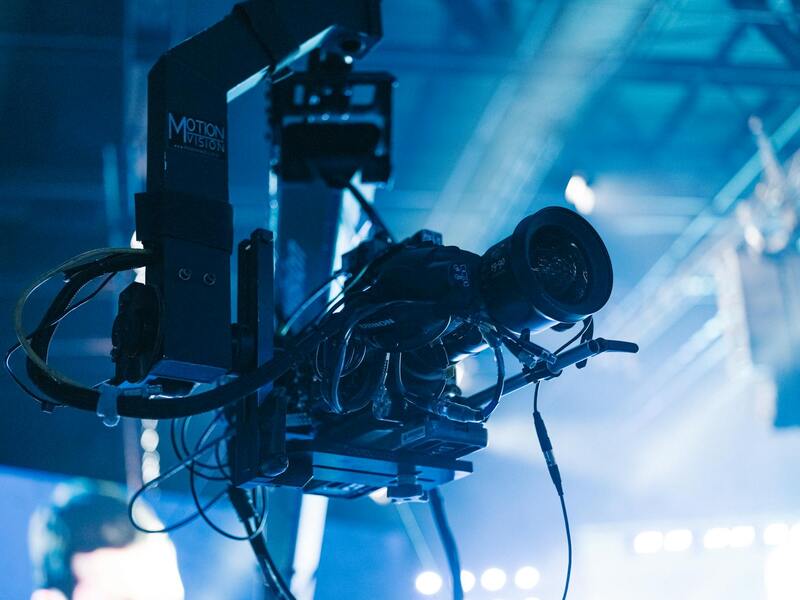
Multi-camera configurations enable dynamic coverage of live events, capturing different angles and perspectives. Remote camera control systems afford operators the flexibility to adjust camera angles, switch feeds, and manage focus from a distance. This capability ensures that the broadcast remains engaging and visually appealing, closely simulating a traditional television production.
The backbone of any successful live stream is a stable internet connection. Services often employ redundant connectivity options, such as cellular bonding and fiber optic links, to safeguard against interruptions. Failover systems automatically switch to secondary internet sources if primary connections falter, maintaining uninterrupted broadcast continuity.
A dedicated control room manages all technical aspects of the live stream, including audio mixing, video switching, and stream monitoring. Skilled operators oversee the entire operation, promptly addressing any issues that arise to ensure a smooth viewing experience.
Implementing encrypted streaming protocols such as SSL/TLS protects content from unauthorized access. Additionally, content management systems enable the organization to restrict access via password protections, geo-blocking, or subscription models, safeguarding intellectual property and ensuring authorized viewership.
These critical components, when integrated by experienced live streaming video production services, form a comprehensive framework that guarantees high-quality, reliable, and engaging broadcasts. Combining advanced technology with professional oversight ensures that events are presented in a manner that meets the high expectations of audiences and organizers alike. Implementing high-quality live streaming video production services involves a combination of carefully selected techniques and official methodologies to ensure reliability, security, and engagement. These services rely on standardized procedures that emphasize a seamless viewer experience while managing complex technical workflows. Official methods focus on integrating advanced infrastructure, maintaining strict content protection measures, and adhering to industry best practices for synchronization and bandwidth management. To effectively distribute live streams to audiences across various locations, professional live streaming providers employ reputable Content Delivery Networks (CDNs). These networks help minimize latency and buffering by caching content at geographically distributed nodes, ensuring quick and reliable delivery. Properly configured CDNs adapt to fluctuating viewer loads, safeguarding against server overloads and ensuring a consistent stream quality for all participants. For safeguarding content and maintaining broadcast integrity, live streaming services use encrypted transmission protocols such as Secure Sockets Layer (SSL) or Transport Layer Security (TLS). These protocols encrypt data streams in real-time, preventing unauthorized interception or access during transmission. Additionally, content management systems often complement encryption by providing password protections, geo-restrictions, and user authentication measures to restrict access to authorized viewers, thereby protecting sensitive or proprietary content. Official live streaming practices involve the use of industry-standard codecs such as H.264 or H.265 to compress video and audio streams efficiently. These codecs maintain optimal quality while reducing bandwidth requirements. Encoding settings are carefully calibrated based on the target viewing platform and desired resolution, which ensures compatibility across devices and minimizes lag. Simultaneously, multi-bitrate encoding is employed to offer viewers options suited to their internet speeds, promoting a resilient viewing experience. To prevent disruptions caused by internet instability, live streaming services incorporate redundant connectivity options. Dual internet connections, including fiberoptic links and cellular networks with bonding technology, are standard. Failover mechanisms automatically switch to secondary connections if primary links experience issues, thereby maintaining uninterrupted streams. These official procedures ensure that live broadcasts remain resilient even under adverse network conditions. Professional live streaming entails continuous monitoring through dedicated control rooms or remote management systems. Technical staff oversee the stream's health, managing video switching, audio levels, and stream stability. They promptly respond to technical anomalies, adjusting configurations or restarting streams as necessary. Advanced monitoring tools provide real-time analytics on bandwidth usage, viewer engagement, and stream quality metrics, supporting rapid troubleshooting and ongoing quality enhancement. To manage content rights and restrict unauthorized access, services implement digital rights management (DRM) and watermarking techniques. Access controls such as geo-blocking and secure login credentials help ensure that only authorized audiences can view the content. Additionally, encryption keys are regularly rotated and managed securely to prevent key compromise, maintaining content confidentiality throughout the broadcast lifecycle. Professional live streams often leverage multiple video sources, such as cameras, screen captures, and pre-recorded segments. Synchronization is achieved through timecode management and unified control systems, ensuring seamless transitions and coherent broadcasts. This precise coordination guarantees that all sources are synchronized, providing a professional and polished viewing experience. Adherence to these established, official methods and procedures—ranging from secure transmission and CDN utilization to redundancy and content protection—underpins the delivery of reliable, high-quality live streaming video production services. Employing industry-standard protocols, advanced technology, and diligent technical oversight ensures that live streams meet the high expectations of audiences and organizers, establishing a foundation for engaging and impactful virtual events. To uphold professionalism and ensure the highest standards in live streaming video production, utilizing official and secure methods is essential. These approaches safeguard content integrity, facilitate smooth operations, and deliver a reliable viewing experience for audiences. Implementing industry-standard protocols and state-of-the-art technology is fundamental to this process. Encryption plays a pivotal role in protecting live video feeds from unauthorized access and interception. During a live stream, data is transmitted via encrypted channels such as Secure Sockets Layer (SSL) or Transport Layer Security (TLS). These protocols mitigate risks associated with data breaches and ensure that only authorized viewers can access the content. Furthermore, employing end-to-end encryption (E2EE) guarantees that the video stream remains confidential from source to viewer, eliminating potential vulnerabilities during transmission. Leveraging reputable Content Delivery Networks (CDNs) is crucial for distributing live streams effectively. CDNs optimize delivery by caching content across multiple global servers, reducing latency, and preventing buffering issues. This infrastructure ensures high-quality streaming irrespective of viewers' geographic locations. Using insured and well-established CDN providers that adhere to rigorous security standards guarantees content protection, seamless delivery, and compliance with official broadcasting protocols. Implementing Digital Rights Management (DRM) techniques prevents unauthorized redistribution and copying of live content. DRM systems restrict access based on predefined permissions and can control viewing durations or prevent screen recording. Watermarking adds an invisible or visible marker within the video stream, enabling content creators to trace unauthorized sharing or leaks. These methods reinforce content control and uphold the reputation of production services, especially for sensitive or proprietary broadcasts. Robust access control mechanisms are vital for official live streams. Secure login credentials, unique user authentication, and role-based access systems restrict viewer participation to authorized individuals. Incorporating multi-factor authentication (MFA) enhances security further by requiring multiple verification layers before granting access. Additionally, geo-restriction tools and IP filtering help prevent unauthorized jurisdictions from viewing the stream, aligning with official content distribution policies. Professional live streaming often involves multiple video sources, such as cameras, screen shares, and pre-recorded media. Achieving seamless synchronization among these feeds is essential for a cohesive broadcast. Utilizing timecode management, unified control systems, and advanced switching hardware enables precise coordination, resulting in a polished viewing experience. Accurate synchronization not only maintains broadcast quality but also ensures compliance with official standards and viewer expectations. Establishing redundancy in equipment and network pathways safeguards against technical failures that could disrupt live streams. Backup servers, redundant internet connections, and failover systems allow for uninterrupted broadcasting even when primary components encounter issues. Off-site storage and real-time backup solutions facilitate quick recovery of streams and content. These official measures demonstrate a commitment to reliability, professionalism, and content security. Ongoing monitoring during live streams ensures adherence to quality standards and enables prompt response to issues. Implementing advanced monitoring dashboards provides real-time data on streaming health, bandwidth performance, and security alerts. This proactive approach allows for immediate corrective actions, maintaining optimal broadcast conditions and safeguarding content integrity. Compliance with industry regulations and best practices underscores a professional and responsible live streaming operation. Ensuring that live streaming video production services are executed through official and appropriate channels is fundamental for achieving high-quality results, maintaining content security, and upholding professional standards. This involves meticulous adherence to established procedures, equipment calibration, and compliance protocols. Professionals utilize a combination of top-tier hardware, certified software, and strategic planning to deliver seamless broadcasts that meet industry expectations. One of the primary official methods is the deployment of dedicated streaming hardware, such as professional-grade cameras, switchers, encoders, and switching hardware that allow for precise control over the broadcast. These setups are configured in accordance with proven standards to ensure smooth transitions, clear audio-visual output, and minimal latency. Using certified software optimized for live streaming further minimizes the chances of stream disruptions or quality degradation. Additionally, employing robust internet connection protocols such as fiber optic or dedicated leased lines is essential. These connections offer high bandwidth, stability, and low latency, crucial for maintaining continuous and uninterrupted streams. Incorporating backup solutions, such as redundant internet pathways and failover systems, ensures resilience against potential technical failures, maintaining broadcast integrity even during unforeseen circumstances. The integration of secure streaming protocols, such as TLS or RTMPS, safeguards content against interception or unauthorized access, aligning with official standards for digital security. Strict adherence to licensing regulations and industry best practices for content distribution also plays a vital role in legitimate live streaming operations. Systematic pre-event testing, calibration, and equipment validation are conducted as part of the official process to ensure all components are functioning optimally before going live. Monitoring tools and quality control systems are employed in real-time to oversee audio and video synchronization, bandwidth usage, and overall stream health. These measures facilitate immediate corrective actions if anomalies arise, preventing degraded broadcast quality or viewer experience issues. Comprehensive documentation of procedures, equipment logs, and compliance checks further establish the legitimacy and professionalism of the streaming operation. Ultimately, official live streaming video production relies on a structured framework that incorporates verified hardware, reliable connectivity, certified software, and diligent monitoring—delivered by trained professionals committed to high standards and integrity. These methods ensure a polished, secure, and trustworthy broadcast that aligns with industry benchmarks and audience expectations. Image Placeholder Executing live streaming video production services that conform to industry standards involves a meticulous process grounded in adherence to verified methods and practices. Professional providers employ a structured framework that emphasizes the employment of certified hardware and software, reliable internet connectivity, and real-time monitoring protocols. This approach guarantees the delivery of an uninterrupted, high-quality broadcast that meets the expectations of clients and viewers alike.
The backbone of legitimate live streaming hinges on the deployment of hardware and software components that are certified and compliant with established specifications. Cameras with high-resolution sensors, encoders supporting secure streaming protocols such as TLS or RTMPS, and synchronized audio-visual devices ensure the fidelity and integrity of the content transmitted.
Safeguarding streamed content involves the implementation of security measures aligned with official standards. Encrypted transmission channels, access-controlled streaming portals, and compliance with licensing regulations prevent unauthorized access and content mishandling. Routine security audits and routine updates to hardware and software fortify the streaming environment, maintaining integrity throughout the broadcast.
Prior to the live event, comprehensive testing, calibration, and validation of all components are conducted to identify and mitigate potential issues. This phase includes verifying all connections, assessing bandwidth capacity, and running trial streams to monitor video and audio quality. Detailed documentation of testing procedures and their outcomes is maintained to support accountability and continuous quality improvement.
During the live transmission, dedicated monitoring systems oversee real-time metrics such as bitrate, frame rate, audio synchronization, and stream stability. Immediate corrective actions are executed if discrepancies are detected, ensuring the broadcast remains professional and viewer-centric. Such practices reflect the calculated, official procedures that uphold high standards of production value.
Meticulous record-keeping encompassing equipment logs, security measures, and event procedures reinforces the legitimacy of the live streaming operation. Compliance with industry best practices and licensing regulations is regularly reviewed, providing transparency and fostering trust among all stakeholders.
Aligning technical execution with strategic event planning guarantees seamless content delivery. This includes detailed scheduling, crew coordination, and contingency planning. Utilizing verified, reputable methods throughout ensures that each element of the broadcast, from camera switching and graphics to audience interaction, adheres to professional standards.
Legitimate live streaming services embrace established industry protocols and benchmarks. These include the use of certified streaming platforms, adherence to broadcast standards, and regular staff training on the latest legal and technical updates. Such commitment ensures the broadcast aligns with trusted practices and provides a trustworthy experience for viewers. Overview of Live Streaming Video Production Services
Key Technology and Equipment Utilized in Live Streaming

Overview of Live Streaming Video Production Services

Visual and Technical Infrastructure

Guaranteeing Broadcast Reliability
Key Components of Live Streaming Video Production Services
High-Quality Encoding Platforms

Content Delivery Networks (CDNs)
Visual Overlay Graphics and Branding
Remote Camera Control and Multi-Camera Setups
Reliable Internet Connectivity and Redundancy Measures
Broadcast Control Room and Technical Oversight

Secure Transmission Protocols and Content Protection
Conclusion
Detailed Overview of Key Methods for Live Streaming Video Production Services
Utilizing Robust Content Delivery Networks (CDNs)
Implementing Secure Transmission Protocols
Quality Assurance Through Professional Codec and Encoding
Redundant Connectivity and Failover Systems
Monitoring and Technical Oversight
Content Management and Rights Protection
Synchronization and Multi-Source Integration
Conclusion
Advanced Methods for Secure and Official Live Streaming Video Production
Encryption and Secure Transmission
Content Delivery Networks (CDNs)
Digital Rights Management (DRM) and Watermarking
Access Controls and Authentication
Synchronization and Multi-Source Integration
Redundancy and Backup Protocols
Quality Control and Compliance Monitoring
Visual Evidence of Professional and Secure Methods
Essential Methods for Conducting Official Live Streaming Video Production Services


Comprehensive Approach to Official Live Streaming Video Production
Utilization of Certified Equipment and Secure Technologies
Implementation of Digital Security Measures
Pre-Event Testing and Validation
Real-Time Monitoring and Quality Control
Documentation and Compliance
Integration with Strategic Planning
Visual Representation of Professional Techniques
Conformance to Industry Benchmarks