

Understanding Live Streaming Production
Live streaming production constitutes a sophisticated process that integrates various technical and creative elements to transmit real-time video and audio content across digital platforms. This practice has become an essential component in modern digital communication, enabling organizations, brands, and broadcasters to reach audiences worldwide with immediacy and precision. Effective live stream production entails meticulous planning, hardware setup, seamless execution, and post-event analysis, all aimed at delivering a high-quality viewing experience that faithfully represents the event or message being conveyed.
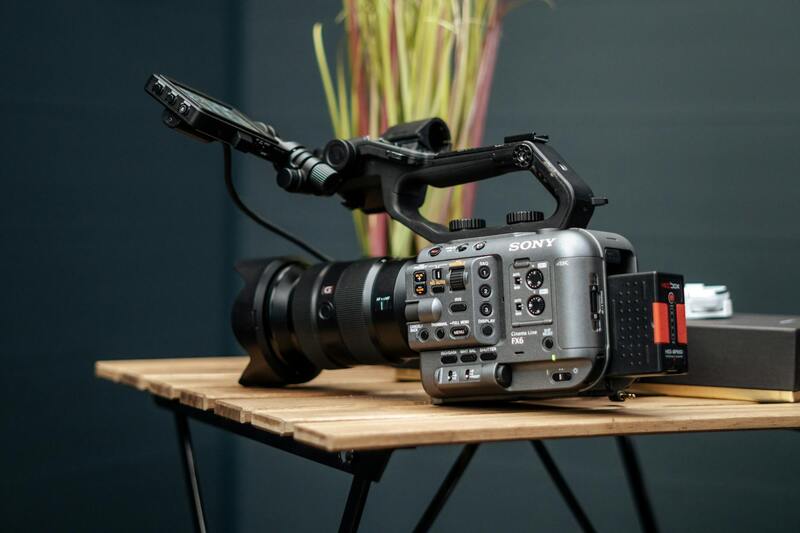
As a core aspect of digital event broadcasting, live streaming production amplifies engagement, broadens reach, and fosters real-time interaction. Its significance spans various sectors, including corporate events, entertainment, education, and religious gatherings. The goal is to replicate the impact and clarity of traditional broadcast media while harnessing the flexibility and accessibility of internet-based platforms.
Central to successful live streaming production is a combination of strategic planning and technical expertise. It involves not just the transmission of video signals but also ensuring synchronization, optimal audio-visual quality, minimal latency, and adaptability to different streaming platforms. Professional production teams deploy advanced equipment such as multi-camera setups, audio mixers, encoders, and streaming servers to achieve these objectives. These tools work in unison to streamline the live event, prevent technical disruptions, and enhance viewer experience.
The process starts with detailed pre-production activities, including setting goals, audience analysis, venue assessment, and technical rehearsals. During the event, technicians monitor real-time data and make instantaneous adjustments to maintain stream stability and quality. Post-event activities focus on data analysis and feedback collection, which inform future improvements and strategies.
Proficient live streaming production also involves legal considerations, copyright management, and compliance with content regulations pertinent to the broadcasting platform. Ensuring that all content adheres to required standards is critical for maintaining legitimacy and quality control throughout the process.
For organizations situated in Miami or elsewhere seeking to leverage this technology, partnering with experienced live streaming production providers is essential. These experts bring extensive industry knowledge, cutting-edge equipment, and innovative techniques to elevate event broadcasting. By doing so, they help create memorable digital experiences that resonate with audiences, drive engagement, and achieve organizational objectives.
Implementing Secure and Proven Methods for Live Streaming Production
Ensuring a smooth and reliable live streaming event relies on the use of robust, standardized methods that are widely recognized within the industry. These methods encompass advanced technical strategies, security protocols, and quality assurance processes, all of which contribute to delivering professional-grade content without interruptions or compromise.
Utilizing Certified Streaming Protocols and Codecs
In the realm of live streaming production, employing established streaming protocols such as RTMP (Real-Time Messaging Protocol) and HLS (HTTP Live Streaming) is fundamental. These protocols facilitate efficient data transmission from the encoder to streaming servers, ensuring minimal latency and high stability during broadcasts. Correspondingly, choosing encoded formats like H.264 or H.265 guarantees compatible and optimized video quality across various devices and platforms.
Additionally, leveraging industry-standard codecs like H.264 delivers high compression efficiency while maintaining excellent visual quality, which is essential for live events where bandwidth efficiency and clarity are paramount.
Implementing Reliable Encoders and Streaming Infrastructure
Using hardware encoders equipped with redundant features offers a continuous transmission even in case of hardware failure or network fluctuations. These specialized devices process raw video input into stream-ready formats with minimal delay, enhancing overall stability.
Furthermore, distributing the load across multiple streaming servers via Content Delivery Networks (CDNs) ensures delivery to global audiences with reduced lag and buffering. These networks optimize distribution pathways, verifying that viewers worldwide experience consistent, high-quality streams.
Secure Data Transmission and Content Protection
Protecting live streams involves deploying encryption techniques such as Secure Sockets Layer (SSL) and Stream Encryption to prevent unauthorized access and content interception. Implementing access control measures—like token-based authentication and geo-restrictions—helps restrict access to authorized viewers, maintaining the integrity of the event.
Regular network security assessments and penetration testing reinforce the resilience of the streaming infrastructure against potential vulnerabilities. These practices help identify and rectify weak points, ensuring the live event remains private and secure.
Conducting Pre-Event Testing and Quality Assurance
Comprehensive pre-event rehearsals involve testing all technical components—from cameras and microphones to encoding equipment and streaming links. These tests verify that technical setups function correctly and simulate live conditions to anticipate potential issues.
Continuous monitoring during the live event, including real-time bandwidth usage, stream health, and audience feedback, allows technicians to promptly address any anomalies. Using sophisticated monitoring tools provides actionable data that guide adjustments without impacting viewer experience.
Post-Stream Data Analysis and Feedback Collection
After the live event, analyzing streaming analytics offers insights into viewer engagement, technical performance, and overall quality. Metrics such as buffering instances, latency, and dropout rates inform subsequent improvements.
Gathering direct feedback from viewers and stakeholders further refines the process, helping to establish best practices tailored to future events and audience expectations.
Official Methods for Live Streaming Production
Executing a successful live streaming production requires adherence to established practices that prioritize quality, security, and reliability. Utilizing professionally maintained streaming platforms and software ensures seamless transmission, minimizing latency and buffering issues that can detract from viewer engagement. These platforms typically offer features such as adaptive bitrate streaming, which dynamically adjusts video quality based on viewer bandwidth, and integrated analytics for real-time monitoring of stream performance.
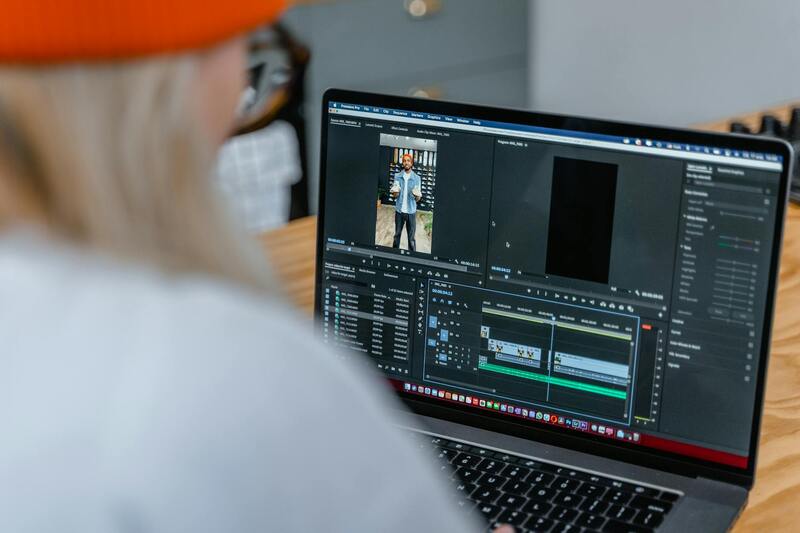
Choosing reputable encoding hardware and software solutions — such as dedicated hardware encoders or cloud-based encoding services — guarantees consistent video output. Hardware encoders offer reliable, high-quality streams for complex productions, while cloud platforms provide scalability and flexibility for varied event sizes. Ensuring these tools are configured correctly before the event, with all necessary updates and settings verified, forms the backbone of professional live streaming.
Implementing secure access control measures—like token-based authentication, geo-restrictions, and encrypted streams—helps maintain the privacy and exclusivity of the event. These methods restrict unauthorized viewership and safeguard sensitive content. Additionally, establishing secure network connections with dedicated bandwidth and secondary backup options prevents interruptions caused by network failures or congestion.
Operational Protocols and Routine Checks
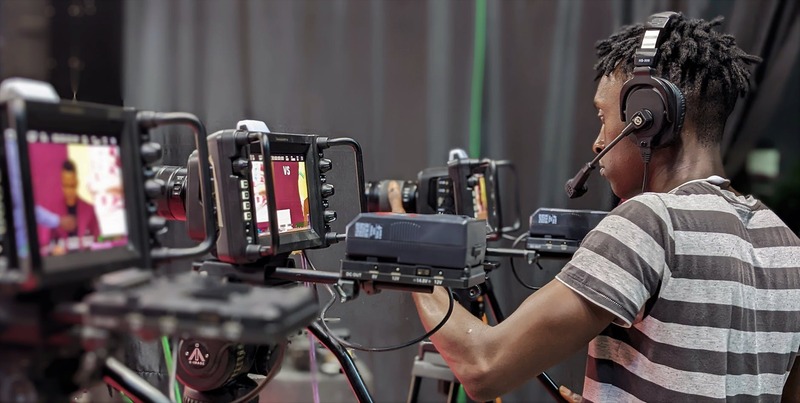
Operational protocols extend beyond the technical aspects to include comprehensive pre-event testing and rehearsals. These sessions simulate the live event environment, allowing technicians and producers to identify and correct potential issues related to camera angles, audio clarity, lighting, and internet stability. Such rehearsals are essential for aligning the production team and ensuring all equipment functions as intended.
During the event, continuous monitoring is vital. Skilled operators track stream health, audience metrics, and technical parameters such as bandwidth usage and latency. Real-time monitoring tools provide alerts and performance dashboards that enable quick troubleshooting, ensuring minimal impact on the viewing experience. If technical hiccups occur, having a predefined contingency plan—like switching to backup streams or alternative internet sources—maintains stream continuity.
Post-Event Analysis and Data-Driven Improvements
Post-event review encompasses a detailed analysis of streaming analytics, assessing viewer engagement patterns, stream stability, and technical performance metrics. Data points such as buffering incidents, dropout rates, and latency fluctuations are examined to identify areas for improvement. This analysis informs future planning, allowing teams to optimize encoding settings, network configurations, and content delivery strategies.
Beyond quantitative data, collecting qualitative feedback from viewers and stakeholders provides insight into viewer satisfaction and content relevance. This feedback focuses on stream quality, accessibility, and overall experience, guiding adjustments that better meet audience expectations in subsequent events. Employing a systematic approach to post-event review ensures that each broadcast is an opportunity for mastering the technical and operational aspects of live streaming production, ultimately elevating the event experience for all involved.
Understanding Live Streaming Production
Live streaming production entails more than just broadcasting content over the internet; it involves a complex integration of technical expertise, creative planning, and operational precision to deliver a seamless viewing experience. This process requires a detailed understanding of both the equipment involved and the logistics necessary to execute a successful event streamed live to audiences around the globe. The significance of professional live streaming production lies in its ability to replicate the immediacy and engagement of traditional events while leveraging digital platforms for broader outreach.
Key Components of Live Streaming Production
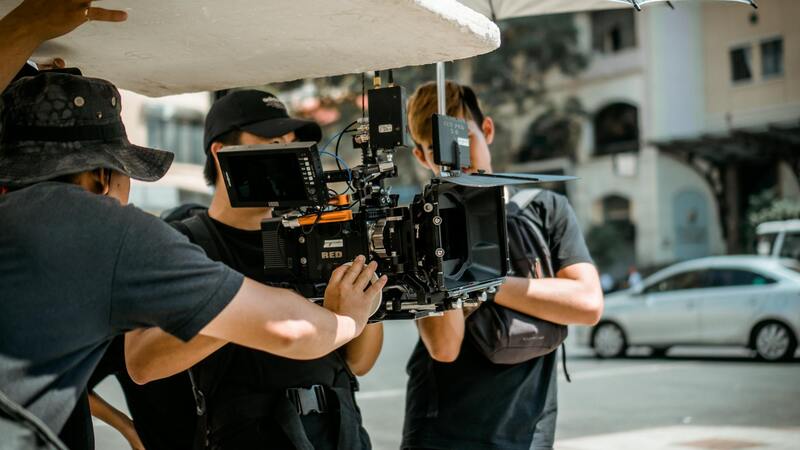
Effective live streaming production hinges on several core elements that work in harmony to deliver a professional and reliable broadcast. Understanding these components is essential for planning and executing high-quality live streams:
- Pre-Production Planning: This phase involves coordination of content, defining objectives, selecting platforms, and technical rehearsals to ensure everything is optimized prior to going live.
- Production Equipment: High-definition cameras, switchers, audio mixers, and streaming encoders form the backbone of the production. Proper setup and calibration are vital to maintain signal integrity.
- Network Infrastructure: A robust and stable internet connection is crucial. Often, multiple internet sources, including bonded cellular connections, are used to mitigate bandwidth issues and reduce stream interruptions.
- Technical Crew: Skilled operators handle camera work, audio, lighting, and encoding processes. Their expertise minimizes technical hiccups during the broadcast.
- Streaming Platform Integration: Selecting the right platform ensures compatibility, optimal bitrate management, and audience engagement features like chat and polls.
- Monitoring and Troubleshooting: Continuous, real-time surveillance of the stream’s health allows quick identification and resolution of issues, safeguarding smooth delivery.
Roles and Responsibilities of a Live Streaming Producer
The producer of a live streaming event holds a pivotal role, overseeing the entire production process to guarantee a polished and engaging broadcast. Their duties encompass several critical responsibilities:
- Pre-Event Coordination: Working closely with clients and creative teams, the producer ensures all content elements are aligned with the event’s goals. They develop a comprehensive production schedule and facilitate rehearsals to verify technical readiness.
- Technical Oversight: The producer supervises the setup of equipment, including cameras, audio gear, and streaming hardware. They coordinate with technical staff to optimize configurations and troubleshoot potential issues.
- Content Management: Ensuring that visual and audio content flows smoothly, the producer directs camera operators and oversees transitions, graphics, and overlays as needed.
- Monitoring During Broadcast: Real-time oversight of the stream involves tracking quality metrics, audience engagement, and technical stability. They respond promptly to any disruptions.
- Post-Stream Evaluation: After the event, the producer analyzes performance metrics, viewer feedback, and technical data, identifying areas for improvement to refine future productions.
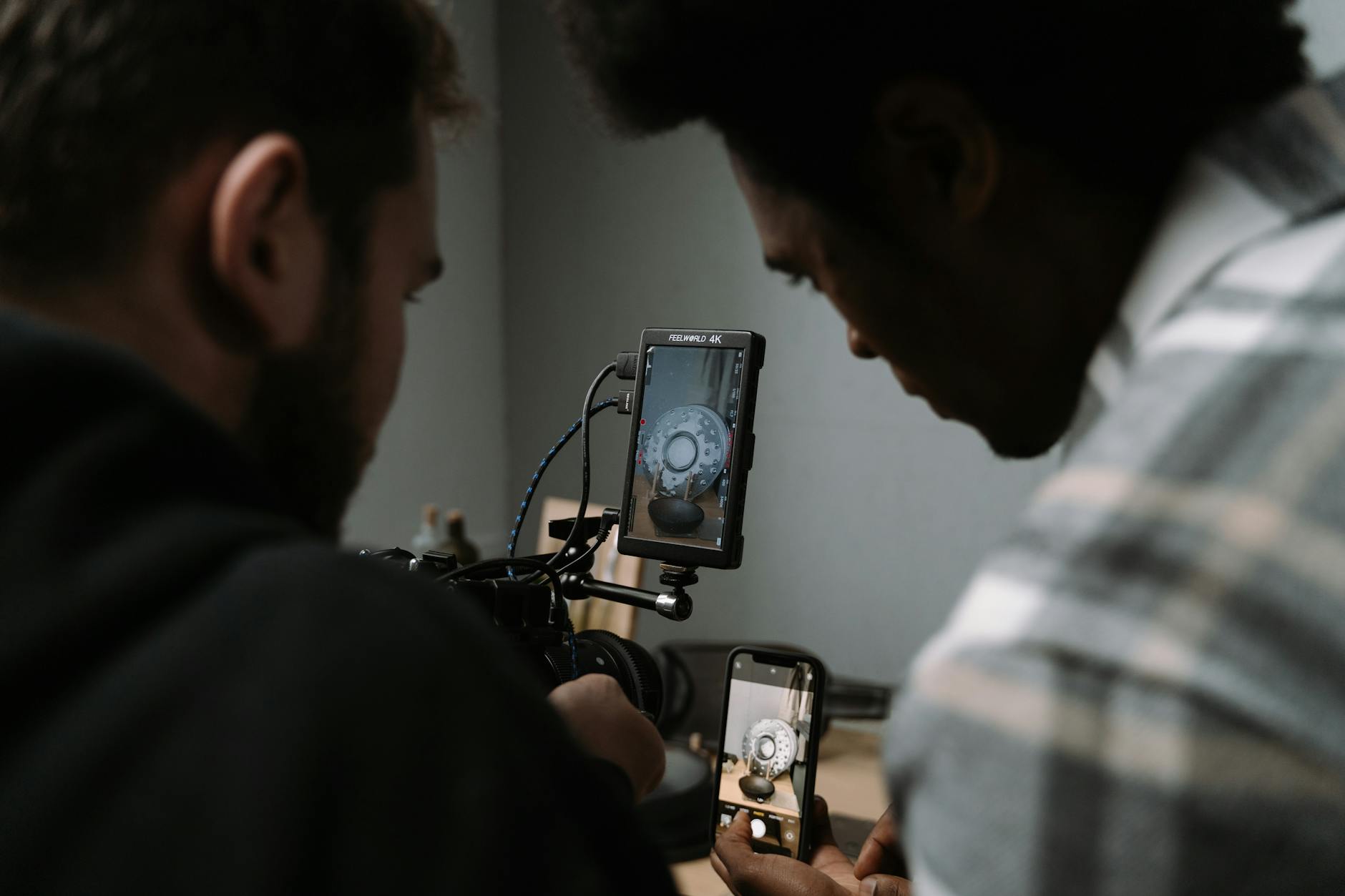
Choosing a dedicated team with expertise in live streaming production ensures that all elements—from audio-visual quality to internet stability—are managed proactively. Their strategic oversight enhances the overall professionalism of the broadcast and provides peace of mind for organizers, knowing that every technical detail is under control. As live streaming continues to grow as a primary method for virtual events, investing in experienced professionals becomes an essential step toward achieving impactful digital engagement.
Understanding Live Streaming Production
Live streaming production has become a vital component for organizations, event organizers, and content creators aiming to reach their audiences in real-time with high-quality audiovisual content. It involves a complex orchestration of various technical and creative elements to ensure seamless delivery and engaging viewer experiences. The process begins with meticulous planning, which includes scripting, scheduling, and technical rehearsals. During these preparations, engineers and producers work closely to synchronize equipment, test internet connections, and optimize hardware settings, thereby minimizing potential disruptions during the actual event.
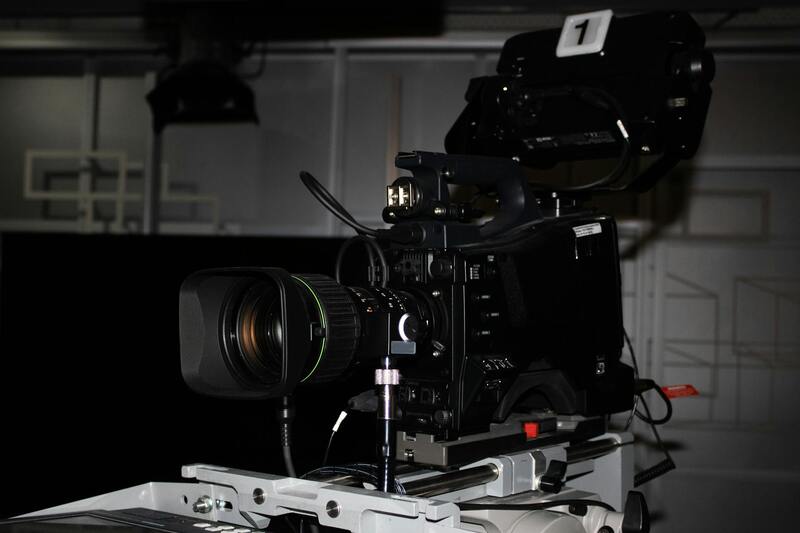
The core of live streaming production encompasses several subsections, each crucial for maintaining quality and professionalism. These include video and audio signal management, encoding, bandwidth conditioning, and overlay management. Skilled operators are tasked with managing multiple camera feeds, adjusting lighting and sound levels on the fly, and ensuring that visual transitions are fluid and synchronized with the host or presenter. Overlay graphics, lower thirds, and branding elements are integrated seamlessly to enhance visual appeal and information delivery.
Key Components of Live Streaming Production
- Hardware Equipment: High-definition cameras, audio mixers, encoders, and streaming servers are foundational. Each piece must be carefully calibrated to perform under live conditions, with redundancy in place to prevent failures.
- Network Infrastructure: Reliable internet connections, often supplemented with bonded connectivity solutions, are essential for uninterrupted streaming. Technical teams constantly monitor network stability throughout the broadcast.
- Software Solutions: Advanced broadcasting software manages live feeds, overlays, transitions, and audience interactions. It also allows for scheduled switching between multiple sources and pre-recorded content integration.
- Production Crew: Directors, camera operators, sound technicians, and technical operators work in tandem to execute the live event. Clear communication among the team ensures cohesive delivery and quick response to any unforeseen issues.
Roles and Responsibilities of a Live Streaming Producer
The individual overseeing a live stream must possess comprehensive technical knowledge and leadership capability. Their responsibilities include conducting pre-event rehearsals, managing the technical team during the event, and ensuring the smooth execution of all elements. The producer acts as the central point of communication, coordinating between the creative team and technical staff, fielding real-time challenges, and making on-the-spot decisions to adapt to changing conditions. Post-event, they analyze streaming metrics, viewership engagement levels, and technical data to identify improvements for future productions.
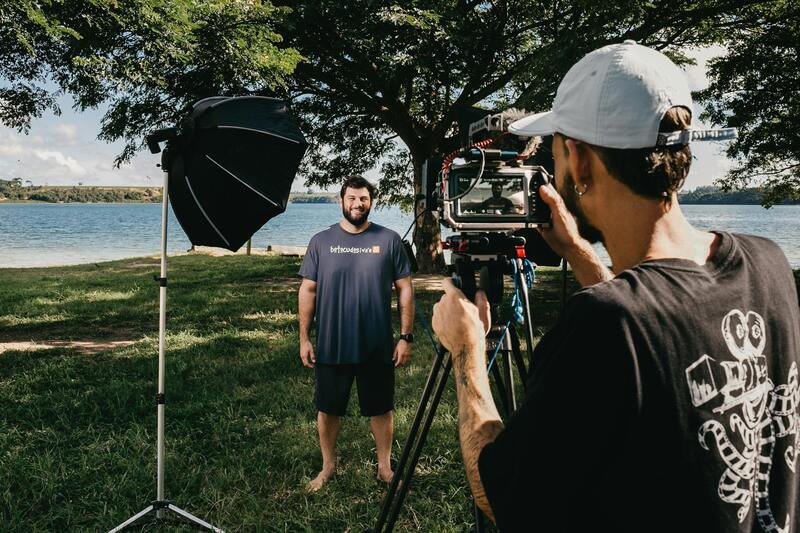
The producer's strategic oversight extends to ensuring that content aligns with brand guidelines and audience expectations. They work closely with hosts or presenters to verify that content delivery remains consistent and professional across all segments of the event. Additionally, they must coordinate with the digital team in real-time to monitor viewer engagement, handle live questions or feedback, and troubleshoot any technical hiccups promptly.
Types of Live Streaming Events
Live streaming productions encompass a broad spectrum of events, each with unique technical requirements and creative considerations. Corporate webinars and virtual conferences emphasize clarity, professionalism, and branded visuals to maintain organizational messaging. Entertainment events like concerts or comedy shows focus heavily on audiovisual quality and immersive experiences, often incorporating multi-camera setups and special effects. Sports events require ultra-low latency streaming, multiple camera angles, and instant replays for real-time audience engagement. Religious ceremonies and community events prioritize inclusivity and accessibility, often incorporating multiple languages and closed captioning. Educational seminars demand high-quality visuals combined with seamless slide integration and audience interaction features. Understanding these variations helps producers tailor their approach, ensuring each event's objectives are met effectively.
Understanding Live Streaming Production
Live streaming production involves the complex orchestration of various technical and creative elements to deliver real-time visual content to audiences across the globe. This process requires meticulous planning, expert execution, and high-quality equipment to ensure the event is engaging and free of disruptions. Producers must coordinate multiple layers of production, including camera operations, audio management, graphics insertion, and streaming platform integration, all synchronized seamlessly to maintain a professional broadcast standard.
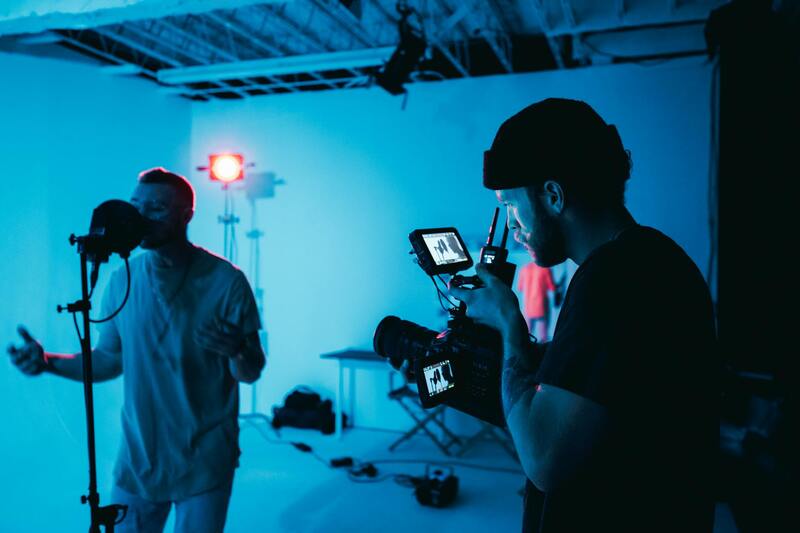
Executing a successful live stream demands not only a technically proficient team but also a strategic understanding of the content's objective and audience engagement. The production team must anticipate potential challenges such as bandwidth fluctuations, hardware failures, or connectivity issues, implementing redundancies and real-time troubleshooting protocols to mitigate these risks. Additionally, effective communication between the producer, technical crew, and on-camera talent is vital to maintain flow and address unexpected issues swiftly.
Key Components of Live Streaming Production
- Video Capture and Switching: Utilization of professional cameras and switchers to provide multiple angles and dynamic visuals.
- Audio Engineering: Ensuring high-quality sound through balanced microphone setups and audio mixing consoles.
- Graphics and Visuals: Incorporation of branding, lower thirds, and overlays to enhance visual appeal and provide contextual information.
- Content Delivery and Streaming Platforms: Integration with reliable streaming services that support high bandwidth and low latency requirements.
- Monitoring and Control: Real-time oversight of stream quality, viewer engagement, and potential technical issues through dedicated control rooms or remote access.
Roles and Responsibilities of a Live Streaming Producer
The live streaming producer acts as the central figure ensuring the seamless execution of the event. Responsibilities encompass pre-event planning, which includes technical rehearsals, equipment checks, and content scheduling, as well as live oversight during the event. The producer monitors stream health, manages on-the-fly adjustments, and communicates with hosts or presenters to ensure that performance aligns with the intended narrative and branding standards. During the event, they coordinate the technical team, troubleshoot issues, and make critical decisions to adapt to evolving circumstances, guaranteeing a professional and engaging viewer experience.
Types of Live Streaming Events
Different event types possess unique technical and creative demands, influencing the production approach:
- Corporate Webinars and Virtual Conferences: Focus on clarity, professionalism, and branded visuals to reinforce organizational messaging.
- Entertainment Events: Emphasize audiovisual quality, immersive experiences, multi-camera setups, and visual effects to captivate audiences.
- Sports Events: Require ultra-low latency streams, multiple camera angles, instant replay capabilities, and seamless transitions to keep audiences engaged in real-time action.
- Religious and Community Events: Prioritize inclusivity with multiple language options, closed captioning, and accessible formats to reach a diverse audience.
- Educational Seminars and Workshops: Blend high-quality visuals with integrated presentation slides, interactive features, and audience participation tools.
Understanding these variations allows production teams to tailor their approach, optimizing technical setups and creative elements for each specific event type to meet their unique objectives.
Understanding Live Streaming Production
Live streaming production involves the comprehensive management and execution of real-time video content broadcast over the internet. It integrates various technical components and creative elements to deliver a seamless viewing experience that captures the essence of the event. Effective live streaming production requires meticulous planning, skilled operation of equipment, and real-time decision-making to ensure high-quality delivery. This process spans from pre-production preparations, such as setting up camera angles and sound checks, to live event management, monitoring stream health, and troubleshooting issues promptly. The goal is to produce a dynamic, engaging broadcast that maintains viewer interest and accurately represents the event’s intent.
Key Components of Live Streaming Production
Successful live streaming production hinges on several essential components:
- Video and Audio Equipment: High-definition cameras, professional microphones, and mixing consoles are crucial in capturing clear audio and visuals.
- Encoding Hardware and Software: These tools convert raw footage into digital streams compatible with online platforms, ensuring smooth transmission.
- Bandwidth and Internet Connectivity: Reliable, high-capacity internet connections prevent disruptions, buffering, and latency problems. Dedicated connections are often preferred to guarantee stable streams.
- Streaming Platforms and CDN Integration: Selecting secure and scalable platforms for distribution enhances reach and stability. Content Delivery Networks (CDNs) help manage traffic loads efficiently.
- Production Crew and Technical Staff: Skilled personnel operate the equipment, manage transitions, overlay graphics, and respond to real-time technical issues to maintain quality.
- Graphics and Branding Elements: On-screen graphics, lower thirds, and branded visuals reinforce professionalism and brand identity during the broadcast.
- Monitoring and Analytics Tools: Continuous monitoring of stream health and viewer engagement metrics allows prompt adjustments and future improvements.
Roles and Responsibilities of a Live Streaming Producer
The role of a live streaming producer extends beyond technical operation, encompassing planning, coordination, and real-time management. Their responsibilities typically include:
- Pre-Event Planning: Collaborating with clients to understand event objectives, creating detailed production schedules, and testing equipment beforehand to prevent unforeseen issues.
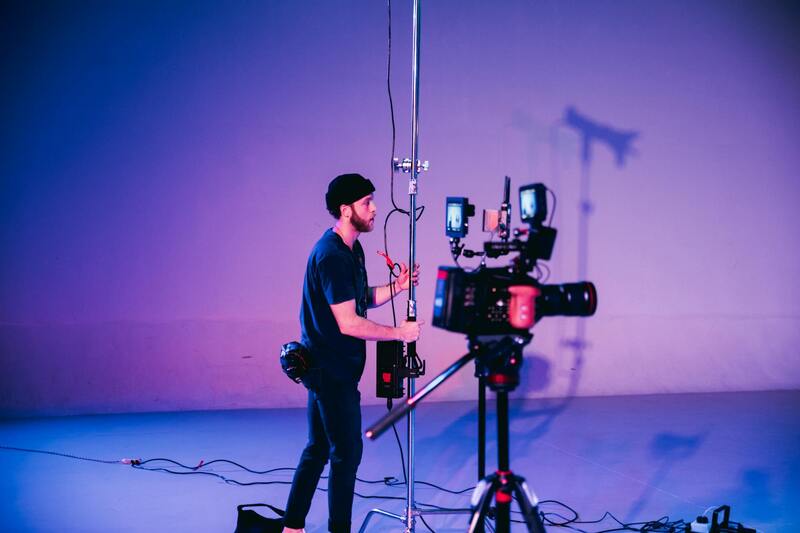
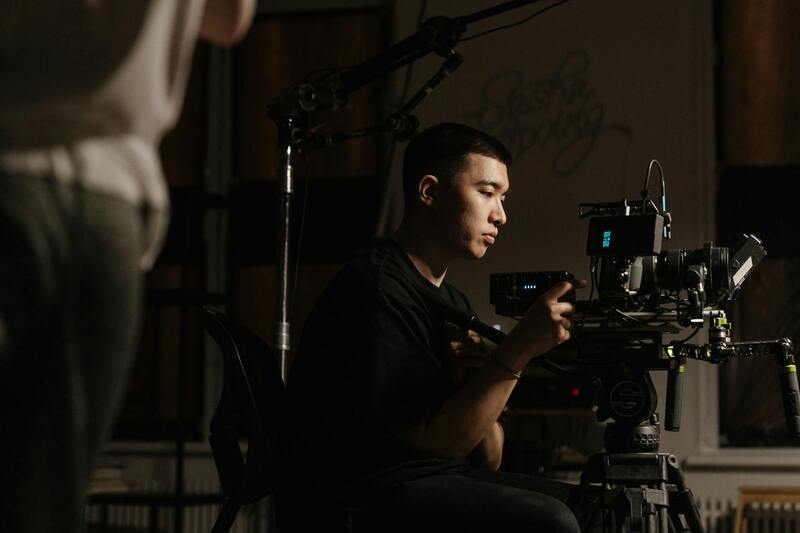
- Technical Coordination: Overseeing the setup of cameras, microphones, and encoding equipment, ensuring all technical aspects are configured correctly.
- Content Management: Managing the agenda, cueing speakers, and integrating visual elements such as slides or graphics for a polished presentation.
- Live Monitoring: Continuously observing the stream’s quality, adjusting bitrate, switching camera feeds, and troubleshooting issues proactively.
- Team Management: Directing technical staff, camera operators, and other crew members to synchronize efforts and respond swiftly to any problems.
- Communication: Maintaining open lines with hosts, presenters, and technical teams to coordinate changes and ensure smooth transitions.
Types of Live Streaming Events
Different event categories impose specific technical and creative demands, influencing the production approach adopted:
- Corporate Webinars and Virtual Conferences: Prioritize clear audio, professional visuals, and branded overlays to reinforce company messaging.
- Entertainment Events: Require immersive audiovisual experiences, multi-camera setups, and visual effects to captivate audiences.
- Sports Events: Demand ultra-low latency streams, multiple camera angles, instant replays, and seamless transitions for real-time excitement.
- Religious and Community Gatherings: Emphasize accessibility, featuring multiple language options, closed captioning, and inclusive formats to reach diverse audiences.
- Educational Seminars and Workshops: Combine high-quality visuals with presentation integration, interactive polling, and audience participation tools.
Advanced Techniques and Equipment for Live Streaming Production
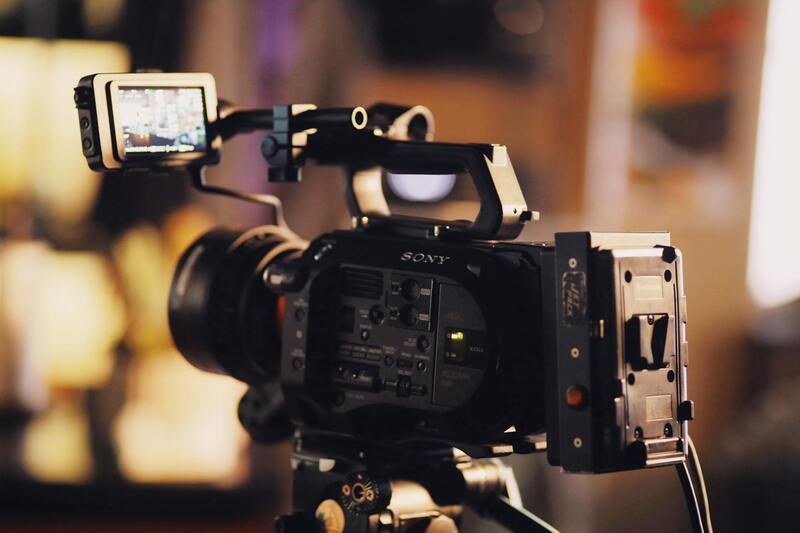
Executing a high-quality live streaming production involves more than just having good cameras and a stable internet connection. It requires integrating advanced technologies and specialized equipment to ensure a seamless and engaging broadcast. Professional live streaming setups often incorporate multiple high-definition cameras, seamless switchers, and professional-grade audio equipment. These components work together to deliver crisp visuals and clear sound, which are essential for maintaining viewer engagement and perceived professionalism.
One critical technology in live streaming production is the use of dedicated streaming hardware encoders. These devices compress video signals efficiently, providing reliable streams with minimal latency. Additionally, software encoders are widely utilized for their flexibility and ease of use, especially in smaller setups or when budget constraints are present. These encoders can be integrated with streaming platforms and allow operators to customize the broadcast with overlays, graphics, and multiple camera feeds.
Audio quality must not be overlooked; professional microphones, mixers, and audio processing units are essential to eliminate background noise, adjust volume levels, and produce a balanced sound output. Lavalier microphones are typically used for hosts or presenters, providing mobility and clear audio. Meanwhile, shotgun microphones are effective in capturing ambient sounds or multiple sources in larger venues.
Switching and mixing equipment, such as multi-camera switchers, enable real-time transitions, picture-in-picture effects, and overlay graphics, which are vital for dynamic broadcasts. The integration of graphics engines allows for the display of branding, lower thirds, tickers, and other visual elements that enhance the viewer experience and reinforce key messages.
Monitoring devices and software are vital tools for live production teams. They allow operators to check video and audio feeds, latency levels, and streaming quality continuously. Proactive troubleshooting minimizes disruptions during the broadcast, ensuring a smooth viewing experience.
In recent years, the adoption of virtual and augmented reality elements has started to influence live broadcast production, offering immersive visual experiences. Cloud-based production management tools facilitate collaboration among remote teams, allowing for oversight and adjustments from different locations without compromising quality or control.
Investing in the right combination of these advanced equipment and technologies is essential for delivering a professional live streaming event. The choice of equipment should align with the specific goals of the event, the venue's technical infrastructure, and the target audience's viewing preferences.

Understanding and implementing these cutting-edge techniques and tools will significantly elevate the quality and impact of your live streaming productions, creating a memorable and engaging experience for viewers across Miami and beyond.