

Understanding Live Streaming Video Production
Live streaming video production has become an essential service for businesses, organizations, and individuals seeking to broadcast events in real-time across digital platforms. This technology involves capturing live video footage, encoding it into a suitable format, and transmitting it over the internet to reach a broad online audience instantaneously. The primary goal of live streaming is to deliver live content with minimal delays, ensuring viewers experience the event as if they were physically present.
Fundamentally, live streaming consists of several core components that work in harmony to produce a seamless broadcast. These include high-quality cameras for capturing footage, audio equipment for clear sound, encoders for converting raw data into streamable formats, robust internet connectivity for continuous transmission, and streaming platforms or servers to distribute the content. The entire process requires meticulous planning to maintain video quality and minimize buffering or interruptions.
Key Components of Live Streaming Video Production
- Video Capture Devices: Professional-grade cameras that capture high-definition footage suitable for broadcast quality.
- Audio Equipment: Microphones and sound mixing consoles to ensure crisp, clear audio.
- Encoding Hardware or Software: Tools that convert live video feeds into formats compatible with streaming platforms.
- Internet Bandwidth: A reliable and high-speed internet connection is crucial for maintaining stream stability.
- Streaming Platforms: Web-based services or dedicated servers that host the live stream for access by viewers.
- Production Crew: Skilled operators who manage camera switching, audio levels, and stream monitoring during the broadcast.
Differences From Traditional Video Production
Unlike pre-recorded videos, live streaming requires real-time management of technical elements to ensure a polished output. The immediacy of the process means there is little room for error, emphasizing the importance of pre-production planning, technical rehearsals, and on-site support. Additionally, live streams often involve multi-camera setups and interactive components like live chats or Q&A sessions, which enhance audience engagement but also demand sophisticated coordination.
Understanding Live Streaming Video Production
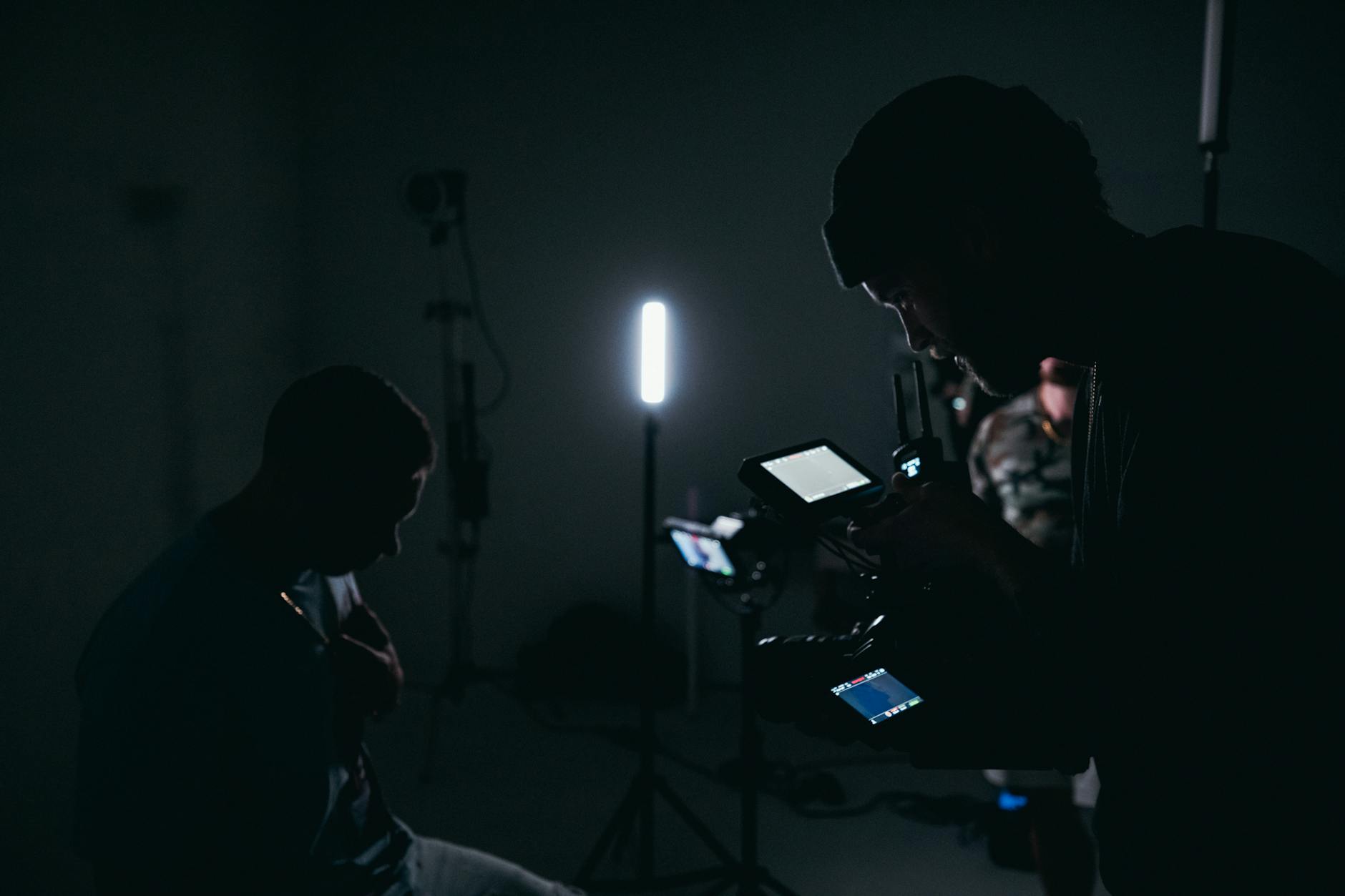
Live streaming video production involves a complex integration of technology, equipment, and personnel to deliver real-time content to viewers across various platforms. The process begins with high-quality video capture devices, such as professional-grade cameras capable of broadcasting in high definition, ensuring visual clarity suitable for live audiences. These cameras are often complemented by advanced audio equipment, including directional microphones and mixing consoles, to capture crisp, clear sound that pairs seamlessly with the visual elements.
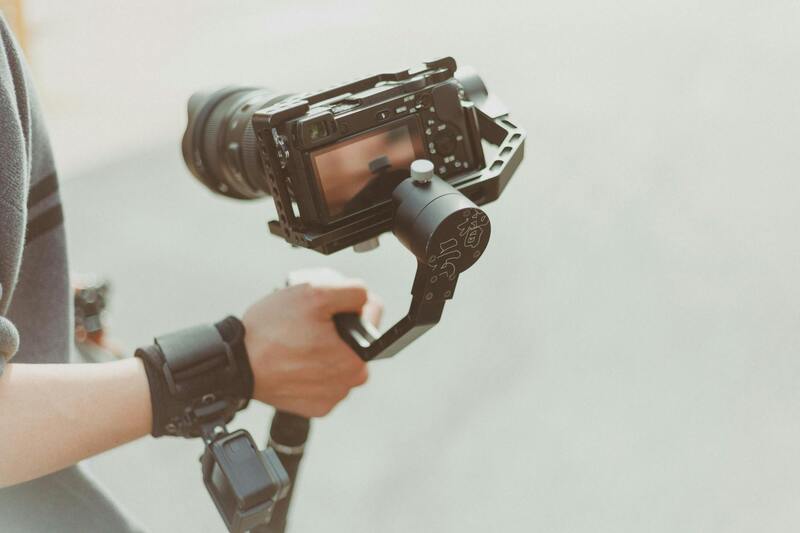
The heart of live streaming lies in encoding hardware or software that converts and compresses the video and audio signals into formats compatible with online platforms. This step is crucial in maintaining video quality while minimizing buffering and latency. A reliable internet connection with substantial bandwidth is mandatory to uphold stream stability, especially during high-traffic events.
Once the content is encoded, it is transmitted to streaming platforms or servers that distribute the live feed to viewers. These platforms—ranging from social media sites to dedicated streaming services—must be carefully selected based on audience reach and platform compatibility. An effective streaming setup also includes an experienced production crew responsible for managing camera switching, audio mixing, and real-time stream monitoring to ensure a smooth broadcast throughout the event.
Differences From Traditional Video Production
Unlike conventional pre-recorded video projects, live streaming necessitates approaches that emphasize real-time management and immediate troubleshooting. The immediacy of the medium calls for meticulous pre-event planning, including technical rehearsals and thorough checks of all equipment and connections. Multiple camera angles, switching between feeds, and engaging with the audience via live chats or Q&A sessions add layers of complexity that require skilled personnel to handle seamlessly.
Furthermore, live streams often require additional technological support such as multi-camera setups, live graphics, and on-screen overlays. These enhancements serve to enrich the viewer experience but also demand sophisticated coordination and expert operator involvement. The importance of a well-orchestrated production team cannot be overstated in delivering a professional-grade live event that aligns with the client's objectives and audience expectations.
High-Quality Camera Setup for Professional Live Streaming
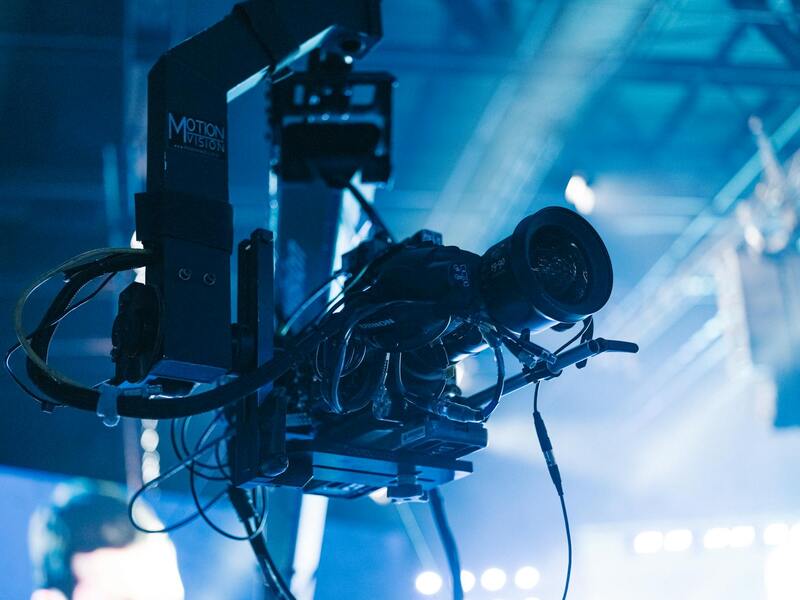
To achieve optimal broadcast quality, integrating high-end camera systems with professional accessories is essential. Pan-tilt-zoom (PTZ) cameras, studio-grade video switches, and high-quality lenses enable versatile coverage of live events. These tools allow for dynamic shots and smooth transitions, keeping viewers engaged. Additionally, lighting solutions tailored to the event space ensure consistent image quality, highlighting important moments vividly.
Complementing these visual tools, audio fidelity is preserved through the use of wireless microphones and sound mixers, reducing background noise and ensuring dialogue clarity. The combination of superior visual and audio equipment, managed by experienced operators, forms the backbone of successful live streaming productions.
By adhering to these proven methods, businesses and event organizers in Miami can elevate their live streaming initiatives, ensuring a polished presentation that enhances audience engagement and portrays a professional image. Whether broadcasting a corporate conference, a product launch, or a community event, leveraging legitimate, high-quality techniques guarantees content that resonates effectively with viewers.
Understanding Live Streaming Video Production
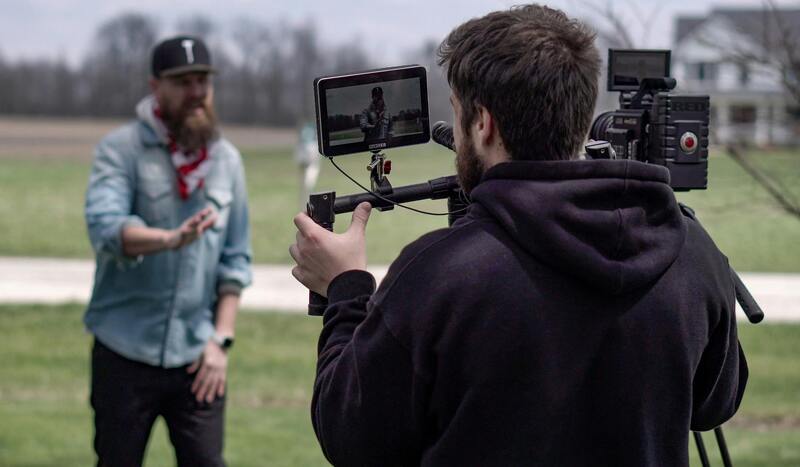
Live streaming video production encompasses a comprehensive set of technical and creative processes that enable real-time broadcast of events across digital platforms. It involves meticulous planning, high-quality camera deployment, precise audio-visual synchronization, and reliable streaming technology to deliver an engaging viewer experience. The process starts with pre-production, where event objectives are clarified and technical requirements are established, including choosing the appropriate equipment, setting up staging, and preparing internet connectivity solutions that support stable data transfer. During the production phase, skilled operators manage camera angles, lighting, and sound to capture the event seamlessly. The use of advanced video switchers allows for dynamic transitions, overlays, and picture-in-picture effects, producing a polished broadcast. Ensuring low latency and high resolution in streaming platforms maximizes viewer engagement and maintains content integrity. Post-production activities include stream archiving, editing highlights, and preparing on-demand videos to extend the reach and lifespan of the content. Professional live streaming is distinguished by adherence to industry standards, employing top-tier equipment such as PTZ cameras, high-grade lenses, professional lighting, and sound engineering tools. These elements work in concert to produce a technically flawless broadcast that visually and audibly captivates the audience. Additionally, the integration of secure streaming protocols and reliable internet connectivity is crucial to avoid disruptions and ensure your event reaches viewers without interruption. Partnering with experienced production teams allows for a tailored approach, aligning the technical execution with your event’s goals and target viewers, making full use of industry-best practices and equipment to deliver impactful live content.
Understanding Live Streaming Video Production
Effective live streaming video production hinges on a comprehensive understanding of the technical and logistical components involved. At the core, it comprises pre-production planning, real-time execution, and post-event processes designed to deliver seamless digital broadcasts tailored to your audience's needs. Professional live streaming begins with meticulous planning to ensure that technical specifications align with the event’s scope and desired quality standards. This includes selecting the optimal camera setups, audio equipment, and encoding solutions that guarantee high-resolution output with minimal latency.
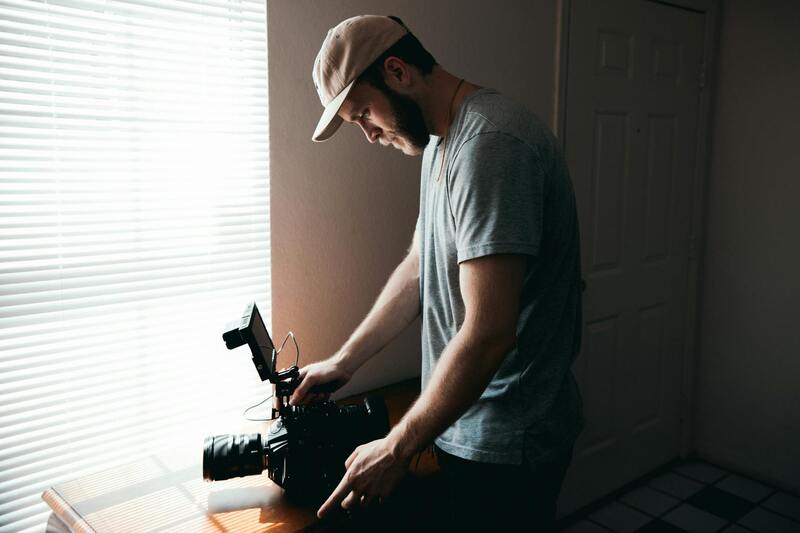
During production, skilled operators handle multi-camera workflows, adjusting angles and lighting to capture every key moment with clarity and precision. Sound engineering is equally vital, as pristine audio enhances viewer engagement and complements the visual presentation. Advanced switching technology allows for dynamic content delivery, including overlays, graphics, and picture-in-picture effects, which make the broadcast more engaging and professional.
Key Equipment and Technology for Professional Live Streaming
The backbone of a high-caliber live stream features robust, high-definition cameras—such as PTZ (pan-tilt-zoom) models—that deliver sharp images from multiple vantage points. Encoders convert raw video signals into streaming-compatible formats, ensuring compatibility across various platforms and devices. Reliable internet connectivity with sufficient upload bandwidth minimizes buffering and stream interruptions, which is paramount for maintaining viewer trust and engagement. Audio mixers, microphones, and soundproofing are incorporated to produce clear, balanced audio, essential for delivering a professional broadcast experience.
Planning and Pre-Production for Successful Live Streams
Pre-production entails mapping out every technical and logistical aspect, from camera placement to internet connectivity checks. A detailed storyboard or run-of-show helps coordinate scene transitions, graphics, and live interactions. Securing backup equipment and establishing contingency plans for potential technical issues reduce the risk of disruptions. Pre-event testing is vital to troubleshoot equipment synchronization, audio levels, and streaming stability, ensuring a smooth execution. Effective communication between the production team, presenters, and on-site staff fosters a cohesive workflow, enabling swift responses to unexpected developments.
Understanding Live Streaming Video Production
Effective live streaming video production involves meticulous planning, the utilization of high-quality equipment, and a comprehensive understanding of broadcasting workflows. It is crucial to create a seamless experience that engages viewers across various devices and platforms. This process begins with detailed pre-production arrangements, which include content development, schedule planning, and determining the technical requirements necessary for a flawless broadcast. Professional live streaming also demands a controlled environment, where camera angles, lighting, and sound quality are optimized to maintain viewer interest and ensure clarity throughout the event.
Navigating live streaming involves selecting suitable hardware such as professional-grade cameras, encoders, and audio equipment. The cameras used are often PTZ (pan-tilt-zoom) models that provide flexibility and sharp visuals from multiple perspectives. Encoders are vital in converting raw video signals into streaming-compatible formats while maintaining high resolution and minimal latency. Ensuring reliable internet connectivity with substantial upload bandwidth minimizes disruptions like buffering or disconnections, which directly influence viewer retention. High-quality audio mixers, selected microphones, and proper soundproofing contribute to delivering clear, balanced audio essential for maintaining professionalism in the broadcast.
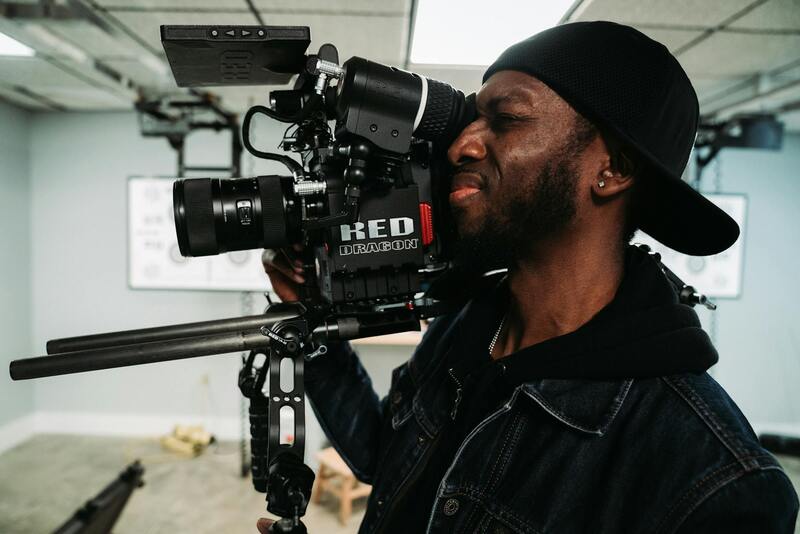
Additional technical considerations include the integration of streaming platforms, which require compatibility and robust data transfer capabilities. A dedicated IT team or production crew monitors the live feed, troubleshooting issues immediately to prevent interruptions. Pre-event testing ensures all equipment functions correctly together, and contingency plans are implemented to handle unforeseen challenges. During the broadcast, multiple camera feeds can be switched dynamically, incorporating graphics and interactive features to enrich the viewing experience.
Key Aspects of Technical Setup for Live Streaming
- Choice of professional cameras for crisp visuals from different angles
- Reliable encoders for smooth, high-quality streams
- High-bandwidth internet connection to support continuous streaming
- Superior audio equipment for clear sound quality
- Streaming platform integration for broad accessibility
- Backup systems and contingency plans for technical disruptions
Implementing these components effectively ensures a professional presentation that reflects positively on your brand or event. High production standards foster audience trust and increase engagement, whether the broadcast is for corporate meetings, product launches, or live entertainment. The combination of precise technical setup and editorial direction is essential in delivering a polished live stream that meets the expectations of both organizers and viewers alike.
Understanding Live Streaming Video Production
Live streaming video production encompasses the entire process of creating and broadcasting real-time video content over the internet. This sophisticated process involves a combination of hardware, software, and strategic planning to ensure that high-quality visuals and audio reach the target audience seamlessly. Precise coordination between pre-production, technical setup, execution, and post-broadcast review is essential for delivering engaging live content that meets professional standards. Central to this process are professional-grade cameras, reliable encoders, and high-bandwidth internet connections, which collectively facilitate smooth transmission of live events to viewers regardless of their location.
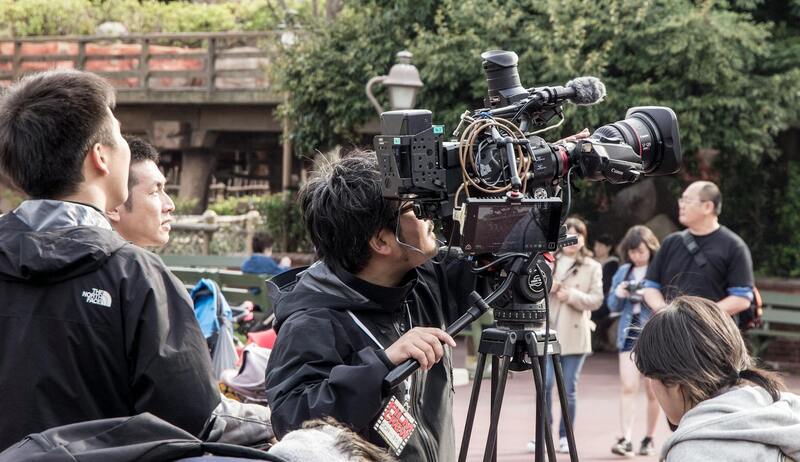
Integral to live streaming is the selection of compatible streaming platforms that maximize accessibility across various devices and bandwidths. These platforms support real-time data transfer and provide interactive features such as chat, Q&A, polling, and viewer analytics, enhancing audience engagement and participation. Ensuring robust technical infrastructure, including backup systems and contingency protocols, safeguards against interruptions and mitigates operational risks. In professional settings, a dedicated technical crew continuously monitors stream quality, troubleshooting any issues immediately to prevent disruptions that could diminish the viewer experience. Routine pre-event testing verifies all equipment functions correctly, while detailed planning manages camera angles, audio clarity, and visual overlays, resulting in a polished presentation.
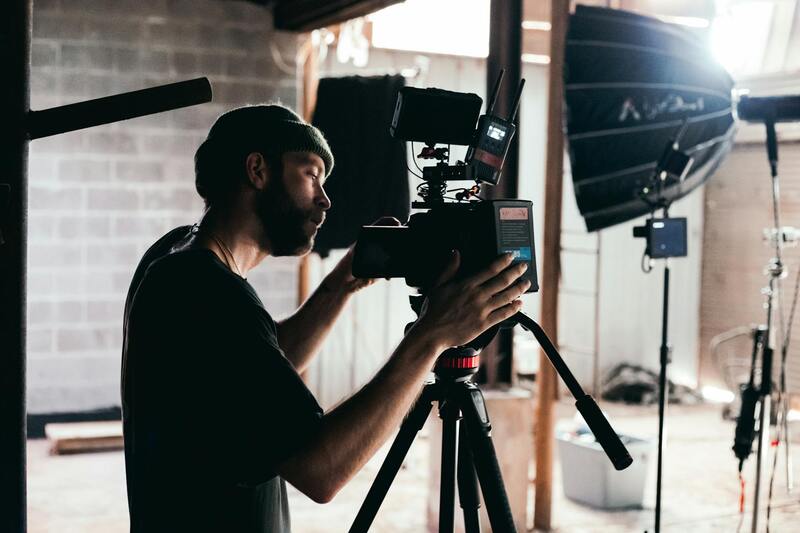
Technical Components Behind Effective Live Streaming
- Professional Cameras: High-definition cameras provide crisp visuals from multiple angles, enhancing production value.
- Encoders: Hardware or software encoders convert raw footage into optimized streams compatible with streaming platforms.
- Internet Connectivity: Reliable, high-bandwidth internet ensures consistent data flow, preventing lag or buffering issues.
- Audio Equipment: Superior microphones and sound mixing equipment deliver clear, professional audio quality.
- Platform Integration: Compatibility with streaming services maximizes reach and accessibility for viewers worldwide.
- Backup Systems: Redundant power supplies and internet connections minimize downtime during technical failures.
Implementing these elements effectively not only guarantees a technically sound broadcast but also reflects positively on your organization’s brand image. The meticulous setup aligns with maintaining audience trust and engagement, especially during corporate events, product launches, or live entertainment. Additionally, integrating interactive features creates an immersive experience, encouraging viewer participation and expanding audience reach. This comprehensive approach to technical setup fosters a professional presentation and elevates the overall quality of your live streaming projects, ensuring they stand out in a competitive digital environment.
Advanced Techniques and Strategies for Live Streaming Success
To elevate your live streaming productions and provide seamless broadcasts, it is essential to adopt advanced techniques that ensure professional quality and viewer engagement. This involves leveraging a combination of innovative technology, strategic planning, and real-time management practices. A critical aspect is the implementation of multi-camera setups, which offer varied perspectives and a dynamic viewing experience. Proper switching between cameras, either manually or via automation, maintains viewer interest and highlights key moments effectively.
In addition, integrating real-time graphics, overlays, and lower thirds enhances the visual appeal and delivers vital information succinctly. These elements can include presenter names, topic titles, and branding, reinforcing your message and professionalism throughout the broadcast. An optimized on-screen layout, combined with smooth transition effects, contributes to a polished presentation that resonates with a broad audience.
For managing large-scale events or complex productions, remote production technology plays a vital role. Remote switching stations enable producers to oversee multiple streams from a centralized location, reducing the need for extensive on-site staff. This approach simplifies logistics and minimizes potential disruptions, allowing for a more efficient workflow. Additionally, software solutions for live editing and real-time content moderation facilitate immediate adjustments, ensuring the broadcast remains relevant, error-free, and engaging.
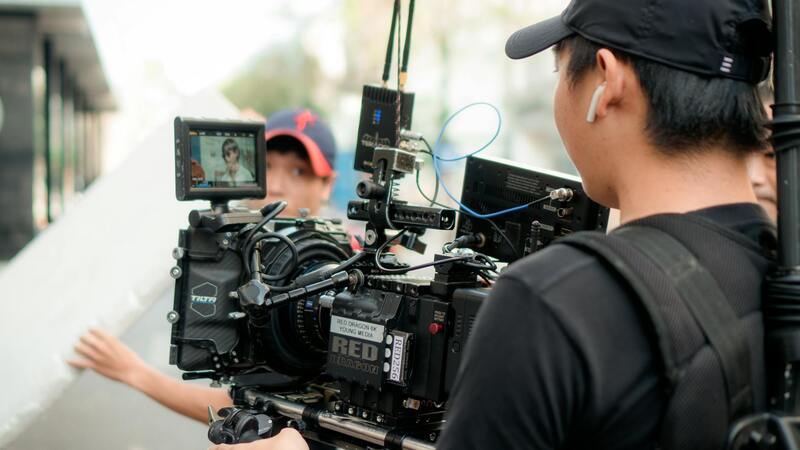
Beyond video management, audio quality remains paramount. Employing professional-grade microphones and sound mixing ensures clarity and a consistent audio experience. Ambient noise reduction and echo control further refine the sound, fostering a more immersive experience. Concurrently, the establishment of a robust internet infrastructure—preferably dedicated fiber connections—mitigates lag and buffering issues, providing a reliable data flow under high demand.
Another strategic component involves engaging viewers actively through interactive features such as live chat, polls, and Q&A sessions. These tools foster a two-way communication channel, encouraging participation and fostering a sense of community around your brand or event. Proper moderation of these interactions helps maintain a positive environment and keeps the focus on your core content.
Technological redundancy is crucial for uninterrupted streaming. Backup internet sources, such as cellular hotspots, and power supplies safeguard against outages. Regular system testing and rehearsal sessions are indispensable for identifying potential issues before broadcast day, ensuring all equipment functions optimally during the live event.
Monitoring tools for real-time analytics enable organizers to assess viewer engagement, geographic distribution, and drop-off points. This data informs immediate adjustments or post-event strategies to enhance future streams. Incorporating these advanced practices into your live streaming protocol results in a professional-quality broadcast capable of engaging diverse audiences and strengthening your brand presence in the digital landscape.
Comprehensive Methods for Secure and High-Quality Live Streaming in Miami
Executing a reliable live streaming event requires more than just a stable internet connection and a good camera. It involves employing technically sound strategies and utilizing legitimate, well-established methods to ensure that the broadcast is seamless, secure, and delivers an engaging viewer experience. Miami-based businesses and event organizers seeking to expand their reach should prioritize these proven practices to maximize the effectiveness of their live streams and uphold professional standards.
Secure Data Transmission Protocols
One fundamental aspect of legitimate live streaming involves implementing secure data transmission protocols. Employing encryption technologies such as Secure Real-Time Transport Protocol (SRTP) and Transport Layer Security (TLS) ensures that video and audio streams are protected from interception or unauthorized access during transmission. These protocols serve as safeguards, encrypting data packets so that only authorized viewers or platforms with decoding capabilities can access the content. When selecting a live streaming partner, verify that they utilize industry-standard encryption methods to uphold the integrity and confidentiality of your broadcasts.
Utilization of Certified Streaming Platforms and CDNs
Choosing officially recognized streaming platforms and CDNs is vital. These platforms, such as industry-leading providers, offer robust infrastructure designed to handle high traffic volumes while maintaining high-definition quality and low latency. They are configured to provide redundancy, load balancing, and secure access controls—features that are essential for preventing streaming interruptions and protecting against cyber threats. When collaborating with Miami-based live streaming providers, ensure they utilize certified CDN services backed by proven security protocols, such as geo-restrictions, multi-factor authentication, and regular vulnerability assessments.
Access Control and Authentication Measures
- Password-protected streams: Deploy access credentials to restrict viewing to authorized attendees only.
- Token-based authentication: Implement dynamic tokens that expire after a set period or number of uses, expanding control over access points.
- Geo-restrictions: Apply location-based restrictions to limit access from incompatible regions, contributing additional layers of security.
These legitimate access control methods are essential in safeguarding your live events against unauthorized viewing and potential data breaches. Threaded through authorized partnerships, they uphold your brand’s professionalism and provide peace of mind throughout the streaming process.
Regular System Audits and Compliance Checks
Engaging in periodic audits of your streaming infrastructure helps identify vulnerabilities before they can be exploited. This includes verifying the integrity of your encoding devices, testing backup systems, and confirming that all security measures are effective. Additionally, compliance with industry standards and data protection regulations reflects a commitment to best practices, reinforcing your event’s credibility and safeguarding viewers’ privacy.
Employing Qualified Technical Personnel
Securing expert technicians and monitoring specialists ensures that your live stream adheres to confidentiality standards and performs optimally. These professionals can address technical issues promptly, manage security protocols during the event, and execute contingency plans seamlessly. Partnering with reputable Miami live streaming providers, who employ trained personnel with industry certifications, reinforces the legitimacy and professionalism of your broadcast infrastructure.
Summary of Best Practices
- Utilize encrypted data transmission protocols such as SRTP and TLS.
- Choose established, certified streaming platforms and CDNs with proven security features.
- Implement strict access controls including passwords, tokens, and geo-restrictions.
- Conduct regular system audits and compliance checks.
- Engage qualified technical staff to oversee security and broadcast quality.
Following these legitimate, industry-known methods provides a foundation for successful, secure live streaming that enhances your organization’s reputation and maximizes audience engagement. By prioritizing security, quality, and reliability, Miami-based entities can deliver exceptional live experiences that meet professional standards and resonate with their viewers.