

Overview of Livestreaming Production Services
Livestreaming production services have become an essential aspect of contemporary event broadcasting, allowing organizations and individuals to connect with a global audience in real-time. These services encompass a comprehensive range of solutions designed to deliver high-quality live video content through various online platforms. Their primary purpose is to transmit live events—such as corporate meetings, conferences, concerts, or ceremonies—to remote viewers without compromising on clarity or professionalism.
Executing a successful livestream involves meticulous planning, the integration of advanced technology, and a team of experienced professionals skilled in capturing, editing, and transmitting live footage. This holistic approach ensures that the broadcast maintains a seamless flow, engaging viewers while providing crystal-clear visuals and audio. As the demand for virtual event access continues to grow, so does the importance of partnering with reputable livestreaming production providers committed to quality and technical excellence.
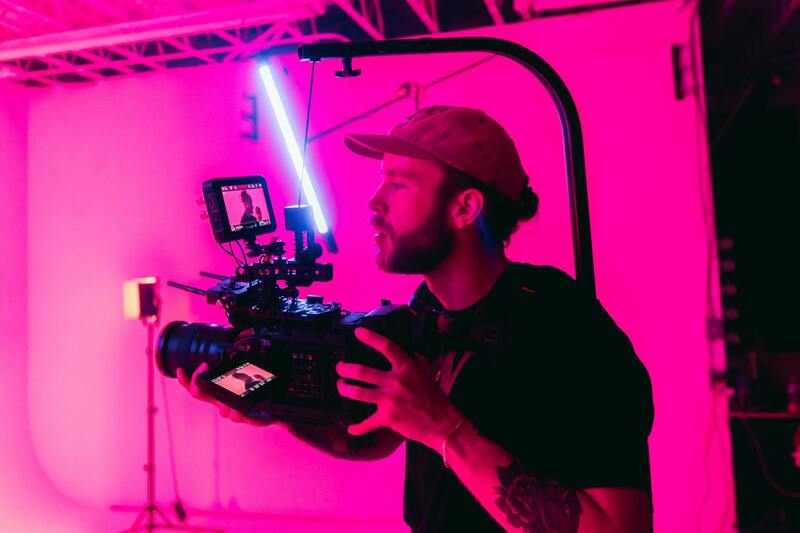
At the core, livestreaming production services are tailored to meet diverse event requirements, leveraging cutting-edge technology and proven workflows. This typically involves multiple stages—pre-production, production, and post-production—each crucial for ensuring a professional broadcast experience. Proper pre-production arrangements include content planning, camera positioning, and ensuring all equipment is synchronized. During the event, live switching, real-time graphics, and audio mixing play vital roles in maintaining broadcast quality. Post-production may involve editing clips or highlights for on-demand viewing, further extending the reach of the event.
Furthermore, these services are adaptable to various event sizes and scopes, from small corporate webinars to large-scale international conferences. They also incorporate advanced features like multi-camera setups, high-definition streaming, multi-platform integration, and interactive elements to foster audience engagement. With the right livestreaming production partner, clients can ensure their events are accessible, visually appealing, and professionally presented across digital channels, enhancing their overall brand image and reach.
Comprehensive Breakdown of Livestreaming Production Services
In the realm of professional digital event delivery, livestreaming production services encompass a multifaceted array of technical and creative components meticulously orchestrated to deliver seamless broadcasts. These services are not merely about streaming content but involve a sophisticated execution that ensures visual, audio, and interactive elements work harmoniously to elevate the viewer experience. When engaging such services, clients benefit from a structured process that includes detailed pre-production planning, precise live execution, and thoughtful post-broadcast editing, all aimed at achieving a polished final product.
Pre-Production Planning
This preliminary phase is foundational to the success of any livestream. It involves comprehensive content strategizing, where goals, target audience, and key messaging are defined. Technical considerations are addressed at this stage, such as selecting appropriate camera angles, determining lighting setups, and configuring audio systems. A detailed production schedule is created to coordinate crew responsibilities and equipment deployment. Additionally, all visual assets like graphics, overlays, and promotional materials are prepared in advance to ensure a consistent aesthetic during the live event.
Production Stage
During the live broadcast, the production team manages multiple technical facets in real-time. Camera operators execute dynamic shots based on the event flow, capturing various angles to provide visual interest. Video switchers seamlessly transition between camera feeds and integrate graphics or overlays, enhancing informational clarity and viewer engagement. Audio technicians ensure the clarity and balance of sound, adjusting levels to maintain speech intelligibility and musical quality. High-capacity streaming servers transmit data to targeted online platforms, with redundancy measures in place to prevent interruptions.
Interactive features such as live chat, Q&A sessions, and polling are integrated to foster audience participation. Multistreaming capabilities enable simultaneous broadcasts across multiple digital channels, expanding reach and accessibility. The use of high-definition video and real-time graphics ensures professional presentation standards are maintained throughout the event.
Post-Production Steps
Once the live event concludes, the post-production phase begins. This involves editing recordings to create highlights, summarizing key moments, or compiling full-length videos for on-demand access. These materials serve as valuable content assets that extend the lifespan of the event and reinforce branding objectives. Captioning, closed captioning, and quality checks are performed to enhance accessibility and ensure the final product meets delivery standards. Distributing these edited videos across appropriate online platforms maximizes audience engagement and brand visibility.
Advanced Technologies and Equipment
Leading livestreaming production services employ a suite of state-of-the-art equipment to ensure high-quality broadcast output. This includes multi-camera configurations with professional-grade lenses, switchers for real-time editing, and robust audio systems with multiple microphone options. High-speed internet connections paired with load balancing and backup options safeguard against disruptions. Cloud-based streaming solutions provide scalability, allowing broadcasts to accommodate varying viewer demands. Additionally, real-time graphics engines add overlays, branding elements, and dynamic visuals, significantly enhancing the production’s visual appeal.
Workflow and Coordination
Effective workflow management is vital for successful livestreaming. From initial planning to post-event review, clear communication channels are established among the production team, clients, and platform providers. Detailed schedules and run sheets guide the execution, ensuring operators and crew remain synchronized. Pre-event rehearsals identify potential technical issues and allow for adjustments. During the event, real-time monitoring facilitates immediate troubleshooting, minimizing disruptions. The end-to-end process is designed to provide a smooth, professional broadcast that aligns with client expectations and event objectives.
In addition to technical coordination, creative input is key. The producer oversees the broadcast flow, ensuring that content delivery aligns with audience engagement strategies. This comprehensive approach guarantees that every aspect of the livestream, from framing shots to graphic overlays, contributes to a compelling viewing experience.
Integration of Interactive and Multi-Platform Features
To maximize audience interaction and accessibility, livestreaming services incorporate various engaging features. Real-time chat functions allow viewers to participate actively, while polls and Q&A segments foster community involvement. Multi-platform streaming expands coverage, broadcasting simultaneously on social media, dedicated websites, and streaming portals. Closed captioning and language translation options enhance accessibility for a diverse audience. Screen overlays and branding graphics are strategically used to reinforce event themes and sponsor visibility, amplifying overall impact.
Economic and Customization Aspects
Clients often seek tailored solutions that balance quality with budget constraints. Livestreaming production services offer customizable packages, allowing organizations to select specific features such as multi-camera setups, interactivity tools, or post-event content editing. Transparent cost structures are provided upfront, enabling clients to make informed decisions aligned with their objectives. Additionally, flexible scheduling and scalable service levels accommodate both small-scale webinars and extensive international conferences, ensuring the service adapts seamlessly to various event sizes and requirements.
Comprehensive Methods for Livestreaming Production Services
Implementing high-quality livestreaming production services involves meticulous planning, the deployment of advanced technological solutions, and adherence to proven workflows that guarantee a seamless broadcast. The core of effective livestreaming hinges on specialized equipment, skilled personnel, and tried-and-true operational procedures that elevate live events into engaging digital experiences.
Utilizing Professional-Grade Equipment
The backbone of any professional livestreaming service is the deployment of cutting-edge technology. This includes multi-camera setups strategically positioned to capture different angles, ensuring dynamic and engaging visuals. These camera systems are often supported by robotic or remotely operated mechanisms to facilitate smooth transitions and precise framing during live coverage. High-resolution video cameras capable of streaming in both full HD and 4K resolution are standard, delivering crisp and clear visuals to viewers across various devices.
Audio quality is equally critical. Professional-grade microphones—such as lavalier, shotgun, and boundary mics—paired with high-fidelity audio mixers ensure that sound remains clear and synchronized with visual elements. Proper acoustic treatment and soundproofing of the environment further enhance auditory clarity.
Streamlined Production Workflow
The execution of seamless livestreams is facilitated through detailed workflows encompassing pre-event planning, real-time operation, and post-event review. During pre-production, event organizers set clear objectives, develop a content schedule, and coordinate technical requirements. This phase includes test runs of all equipment, signal flow checks, and integration of graphics or multimedia overlays to align with branding or event themes.
During live transmission, a team of skilled operators manages camera switching, audio balancing, and visual effects, ensuring that every transition and overlay aligns with the event's narrative. Reliable streaming servers and content delivery networks (CDNs) are employed to distribute the feed across multiple platforms such as social media, online portals, and dedicated websites, guaranteeing minimal latency and maximum stability.
Post-event, recorded footage is often available for on-demand access or further editing, providing additional value and content reuse possibilities.
Engagement-Enhancing Technical Features
To optimize viewer engagement and accessibility, services incorporate features such as multi-platform streaming, interactive chat functions, live polls, and Q&A sessions. Overlay graphics, sponsor branding, and real-time captions contribute to an immersive experience that aligns with the event’s objectives and audience expectations.
Safety and Reliability Measures
Ensuring a trouble-free broadcast also involves contingency planning, such as backup internet connections, redundant hardware, and on-site technical support. These measures are vital to counteract unexpected technical issues, maintaining continuous coverage without interruption.
Visualization of Equipment and Workflow
Adopting these official and proven methods in livestreaming production services guarantees that events are delivered with professionalism, clarity, and engagement, serving the specific needs of clients seeking reliable virtual and hybrid event solutions.
Comprehensive Approaches to Livestreaming Production Services
Implementing professional livestreaming production services involves a meticulous combination of advanced technology, strategic planning, and skilled personnel to ensure a seamless virtual broadcasting experience. Central to this process is the use of high-definition broadcasting hardware, including professional cameras, switchers, and audio equipment that guarantee crystal-clear visuals and sound. These tools are operated by experienced technical crews who rigorously oversee the setup, operation, and troubleshooting throughout the event.
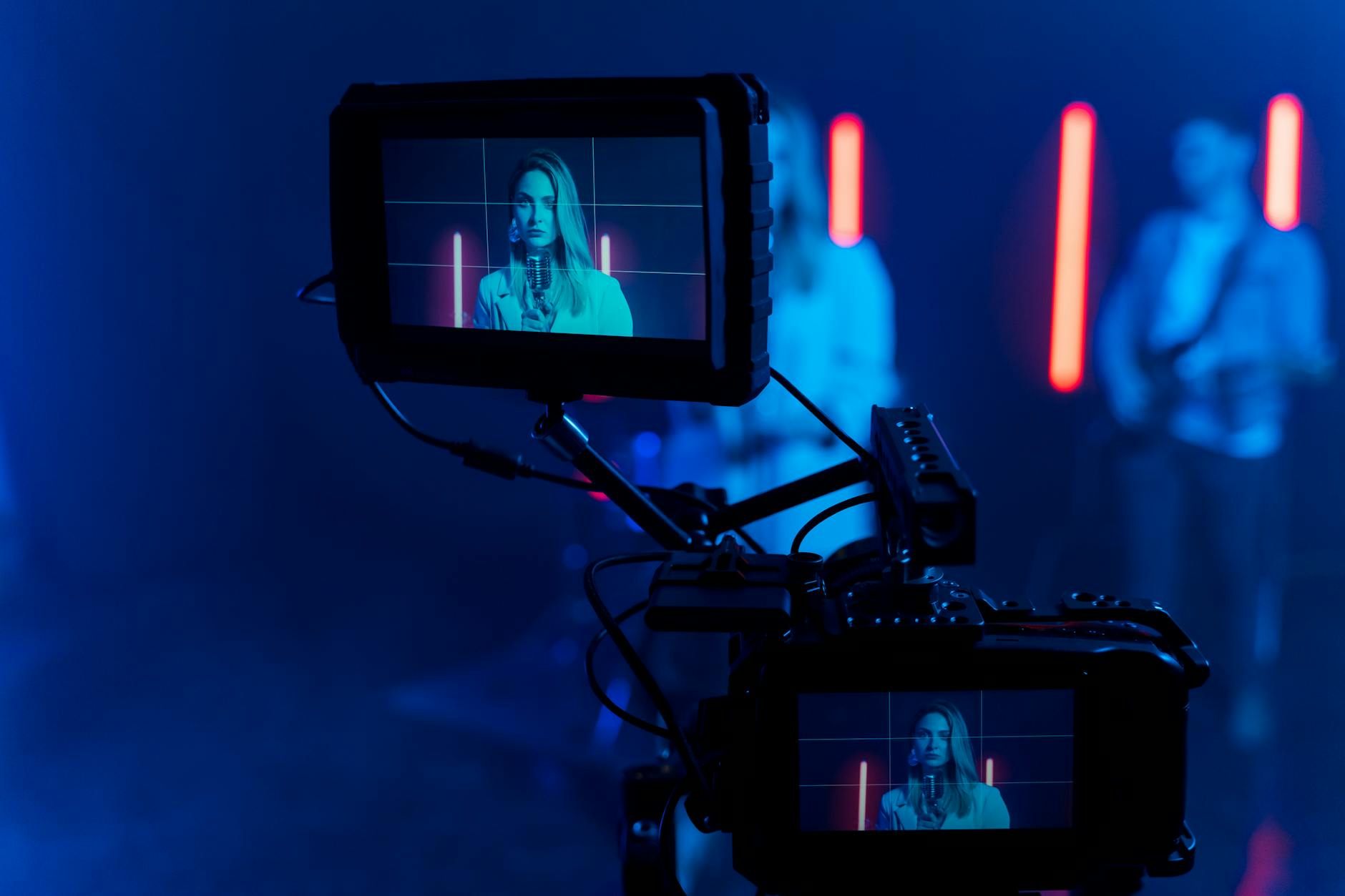
At the core of a successful livestream are robust content delivery networks (CDNs) and streaming servers designed to handle high data throughput while minimizing latency. Content management platforms facilitate real-time encoding and compression, using dedicated software encoders that adapt stream quality to network conditions, ensuring viewers experience minimal buffering regardless of their device or internet speed.
Stream Layouts and Multilingual Capabilities
Professional service providers often incorporate multi-camera setups that provide dynamic viewing angles, coupled with real-time switching to highlight key moments. In addition, overlay graphics, branding elements, and interactive features enhance engagement. For international audiences, incorporating multilingual captions or subtitles expands accessibility and inclusiveness, broadening the reach of the event.
Redundancy and Disaster Recovery Measures
Contingency measures are integral, including backup internet connections and redundant hardware components, such as secondary encoders or power supplies. On-site technical support teams oversee all technical aspects to promptly address any unforeseen issues, maintaining uninterrupted broadcast quality. Furthermore, protocols for quick recovery from data or hardware failures are established, ensuring the event remains smooth despite potential technical disruptions.
Post-Event Content Management
Following the livestream, recorded footage can be processed for on-demand viewing, which provides additional opportunities for engagement and content repurposing. This includes editing for highlight reels, creating promotional clips, or archiving for future use. Many providers also offer integration with content management systems that facilitate seamless uploading and distribution to various online platforms.
Visual Representation of Equipment and Workflow

Established livestreaming services operate through a well-organized workflow, beginning with pre-production planning, including technical assessments and content rehearsals. During the event, multiple camera feeds are synchronized, live graphics are incorporated, and audience interactions are monitored. Post-broadcast, content is archived and distributed across targeted online channels, maximizing the event's outreach and engagement opportunities.
Using these proven and official methods in livestreaming production ensures that virtual events are executed with precision, clarity, and professionalism. This approach meets the specific needs of clients aiming to deliver high-quality digital experiences that emulate the impact of physical attendance, effectively engaging audiences across digital landscapes.
Overview of Livestreaming Production Services
Livestreaming production services encompass a comprehensive suite of solutions designed to broadcast live events to digital audiences with clarity, professionalism, and engaging content delivery. These services include meticulous pre-production planning, sophisticated on-site setup, real-time management during the broadcast, and post-event content processing. By leveraging advanced technology and experienced production teams, livestreaming providers ensure seamless coverage that captures every essential moment, maintains high visual and audio quality, and facilitates audience interaction. The goal is to emulate the impact of in-person attendance by delivering a dynamic virtual experience that effectively communicates event messages and engages viewers across multiple digital platforms.
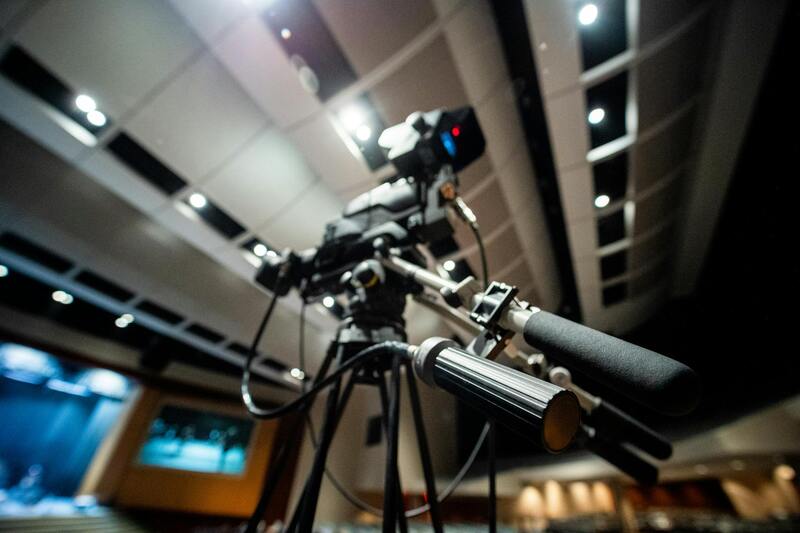
Types of Events Suitable for Livestreaming
- Corporate Conferences and Seminars: Broadcasting keynote speeches, breakout sessions, and panel discussions to remote attendees ensures broader reach and interactive engagement.
- Product Launches and Demonstrations: Showcasing new offerings to a global audience through live demonstrations enhances brand visibility and real-time feedback.
- Conferences, Trade Shows, and Exhibitions: Streaming industry events allows remote participants to experience live presentations, keynote addresses, and product showcases without geographical constraints.
- Awards Ceremonies and Formal Events: Capturing moments of recognition and celebration ensures inclusivity for those unable to attend physically.
- Educational and Training Sessions: Delivering live tutorials and classes to a wide audience ensures interactive learning environments and on-demand access afterward.
- Concerts and Performances: Streaming live performances helps artists reach larger audiences while producing a high-quality audio-visual experience.
Key Components of Livestreaming Production
The success of a livestream hinges on several key elements that work in harmony to deliver a flawless event. These include:
- Pre-Production Planning: Conducting technical assessments, content rehearsals, and establishing a detailed broadcast plan ensures all elements align with event objectives.
- Content Development: Creating engaging visuals, graphics, and interactive features increases viewer retention and participation.
- Equipment and Technical Setup: Utilizing high-definition cameras, professional audio inputs, and reliable streaming hardware guarantees quality signal transmission.
- On-Site Coordination: Managing camera switching, audio mixing, and monitoring audience interactions in real time maintains broadcast fluidity.
- Post-Event Processing: Editing recorded footage for highlights, creating promotional snippets, and archiving for future access extend the event’s longevity and reach.
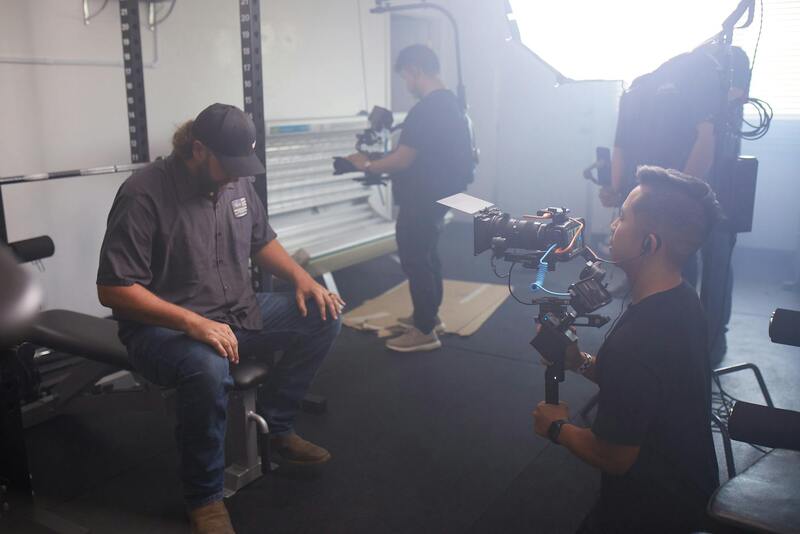
Technologies and Equipment Used
Modern livestreaming production relies on a blend of cutting-edge hardware and software designed for high performance and reliability. This includes:
- Multi-camera Systems: Multiple cameras optimized for different shots and angles, integrated through multi-camera switchers for seamless scene transitions.
- Video Capture Hardware: High-definition and 4K capture devices to ensure superior image quality.
- Audio Equipment: Professional microphones, mixers, and wireless systems to maintain clear and balanced sound throughout the broadcast.
- Streaming Hardware: Dedicated encoders and hardware processors that compress and transmit live data efficiently.
- Graphics and Overlay Software: Tools that add live graphics, captions, and branding elements to enhance visual appeal.
- Content Delivery Networks (CDNs): Reliable distribution platforms that reduce buffering and latency, ensuring smooth playback for viewers worldwide.
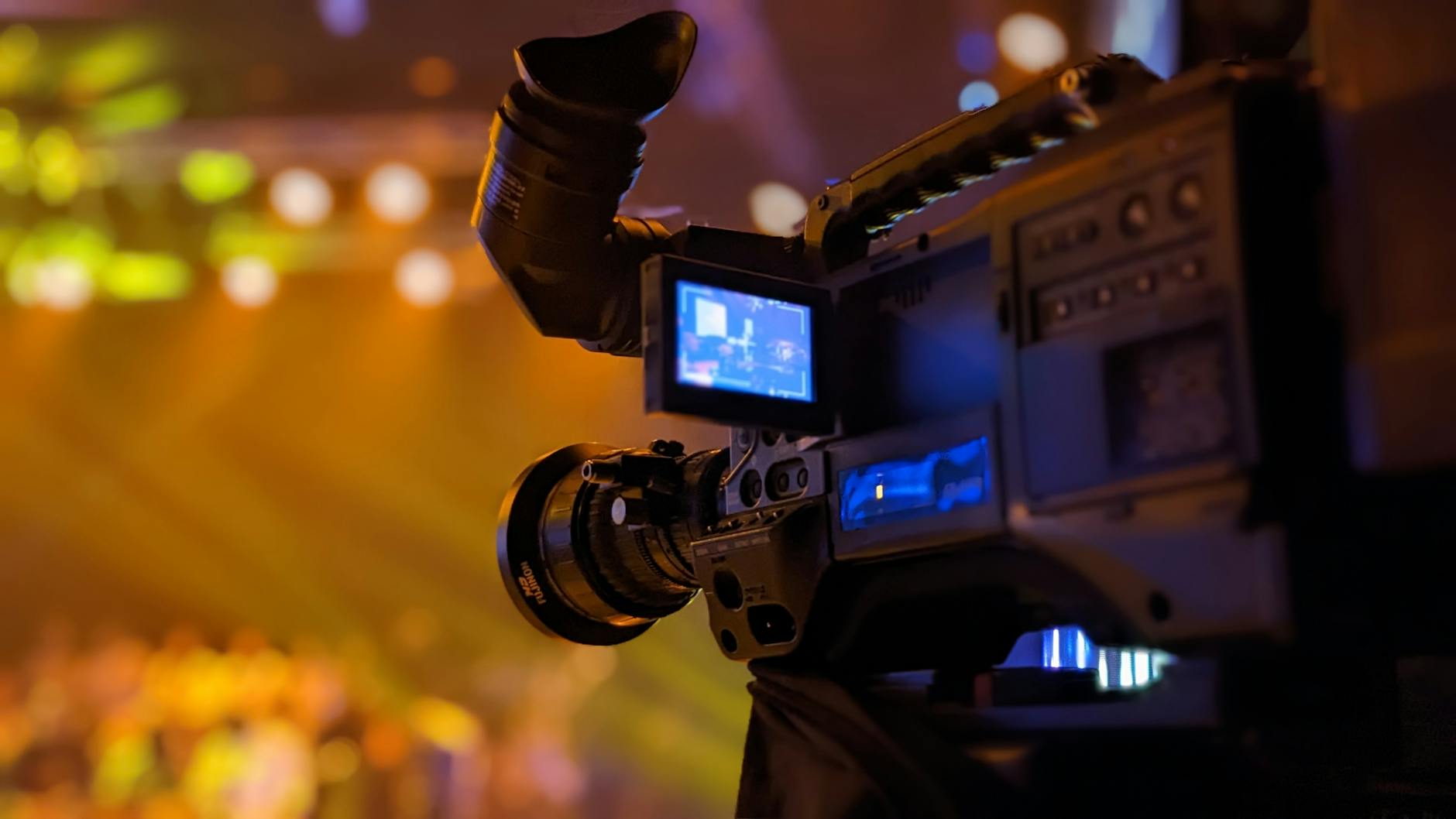
The deployment of these advanced tools combined with experienced operators guarantees a high-standard broadcast, capable of adapting to various event sizes and formats. By adhering to these official and proven methods, livestreaming production services deliver professional digital experiences that meet the high expectations of clients seeking quality, reliability, and audience engagement in every virtual gathering.
Comprehensive Workflow and Production Process in Livestreaming Services
Implementing professional livestreaming production services involves a meticulously organized workflow to ensure a seamless and high-quality broadcast. This process begins with in-depth pre-production planning, where event specifics, audience expectations, and technical requirements are carefully assessed. During this phase, event organizers collaborate with production teams to develop detailed scripts, shot lists, and contingency plans. Recognizing the importance of a clear plan mitigates potential technical challenges and streamlines on-site and remote operations.
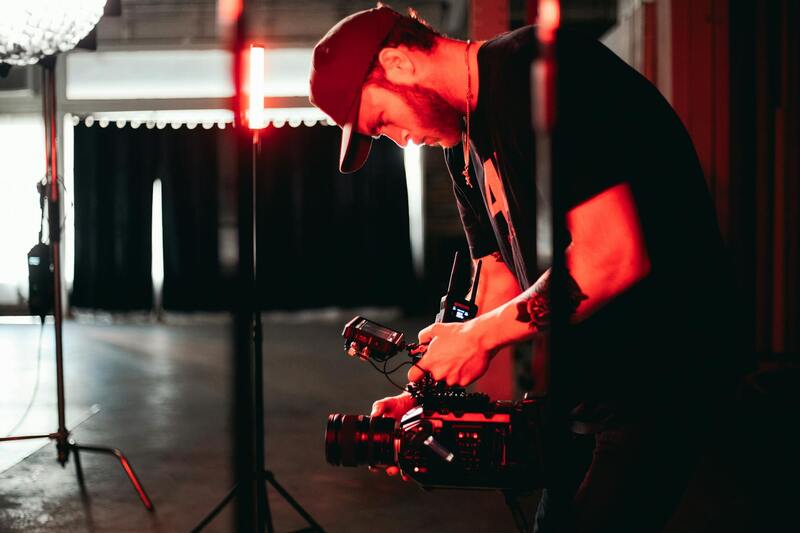
Once planning is complete, the on-site setup begins. This step involves deploying all necessary hardware and ensuring proper placement of cameras, microphones, and streaming hardware. Technical rehearsals are conducted to verify signal integrity, audio clarity, and visual quality across all cameras and equipment. This is crucial for identifying and resolving potential issues before the live event, which helps maintain a professional presentation throughout the broadcast.
Execution of the Live Event
During the event, a dedicated production crew manages real-time operations, including camera switching, audio mixing, and graphics overlay. Multi-camera switchers enable seamless transitions between different shots, providing viewers with engaging visual dynamics. High-definition video encoders compress and transmit the live feed to streaming platforms, while graphic software can insert branding, lower thirds, or live annotations to enhance viewer experience.
Post-Event Analysis and Reporting
After the broadcast concludes, the focus shifts to post-production activities. This phase involves collecting viewership data, analyzing engagement metrics, and reviewing technical performance. The insights gained from this analysis assist in refining future livestreaming strategies, ensuring continuous improvement. Additionally, recorded content can be edited, archived, or repurposed for marketing and promotional efforts, maximizing the value of the event.
Throughout each stage of the workflow, adherence to proven technical standards and use of advanced equipment assure broadcast quality. Reliable content delivery networks facilitate smooth streaming experiences for global audiences, minimizing latency and buffering. Experienced operators oversee all technical elements, ensuring that every aspect aligns with the desired professional standards and client expectations.
Coordination and Communication
Effective communication among the production team, event organizers, and technical staff is vital for a synchronized operation. Utilizing communication tools such as intercom systems and real-time chat platforms enables swift problem resolution and coordination during the live event. Clear roles and responsibilities further contribute to a cohesive production process, ensuring all technical and creative elements blend seamlessly.
Safety and Contingency Planning
Implementing safety protocols and contingency plans is essential for managing unforeseen circumstances. Backup equipment, redundant internet connections, and pre-arranged troubleshooting procedures mitigate risks associated with technical failures. Having contingency measures in place assures clients and viewers of a consistent, reliable broadcast regardless of unexpected challenges.
Overview of Livestreaming Production Services
Livestreaming production services encompass a comprehensive suite of solutions designed to broadcast live events across digital platforms with professionalism, clarity, and engagement. These services involve meticulous planning, technical execution, and post-event support to ensure that the event’s message reaches a broad audience seamlessly. Specialists in livestreaming production coordinate multiple elements including video capture, audio clarity, graphic overlays, and real-time streaming technology. By leveraging state-of-the-art equipment and experienced personnel, these services deliver high-quality broadcasts synchronized with the event's objectives, whether it’s a corporate seminar, a music concert, or an academic symposium.
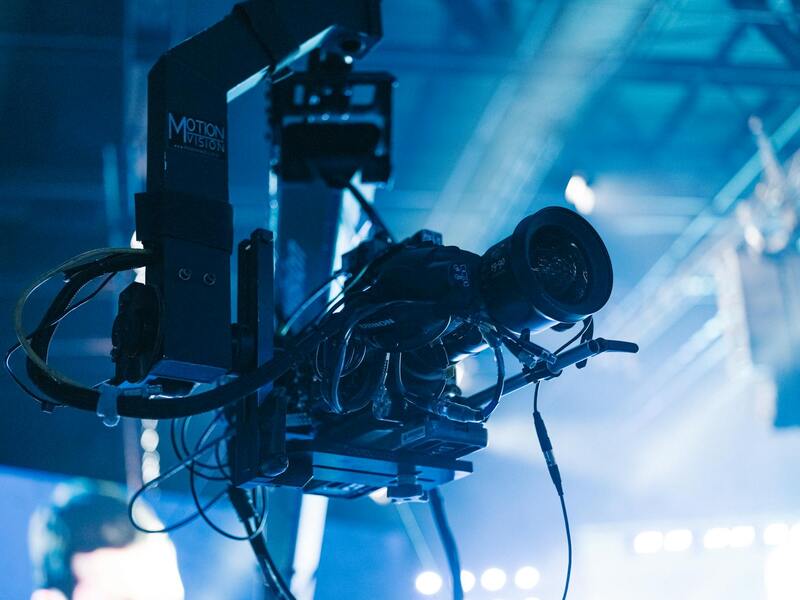
Types of Events Suitable for Livestreaming
Many different event formats benefit from professional livestreaming production services, with each requiring tailored technical approaches to maximize audience engagement and visual appeal.
- Corporate Conferences and Webinars: These events often involve multiple speakers, presentation slides, and interactive segments that benefit from multi-camera setups and seamless production management.
- Product Launches: Capturing the excitement of a new product debut with high-quality visuals and engaging visual effects enhances viewer experience and increases reach.
- Graduation Ceremonies: Livestreaming allows family and friends to participate virtually, preserving the emotional significance of these milestone events.
- Live Concerts and Performances: High-fidelity audio and dynamic video production bring the energy of live performances to online audiences.
- Awards Shows and Galas: Professional production ensures polished visuals, graphics, and smooth transitions that elevate the event’s prestige.
Additional Event Types Include:
- Trade shows and expos
- Religious services
- Educational workshops and seminars
- Sports events and competitions
- Networking events and panel discussions
Key Components of Livestreaming Production
The core of effective livestreaming production hinges on several interconnected components that work harmoniously to deliver a flawless broadcast. These include:
- Video Capture: Multiple high-definition cameras strategically positioned to cover different angles and moments of the event.
- Audio Management: Multiple microphones and audio mixers ensure clear sound, balancing ambient noise with speech and music.
- Graphics and Overlays: Branding, titles, and live captions add professionalism and clarity to the stream.
- Streaming Platform Integration: Connecting the production with live platforms like YouTube, Facebook, or custom playback servers ensures accessible broadcast channels.
- Technical Direction: A dedicated operator manages transitions, camera switching, and real-time troubleshooting to maintain broadcast quality throughout the event.
- Internet Connectivity: Strong, redundant internet connections are vital to sustain uninterrupted streaming and prevent buffer issues.
Technologies and Equipment Used
Advanced technology is the backbone of professional livestreaming. Key equipment includes:
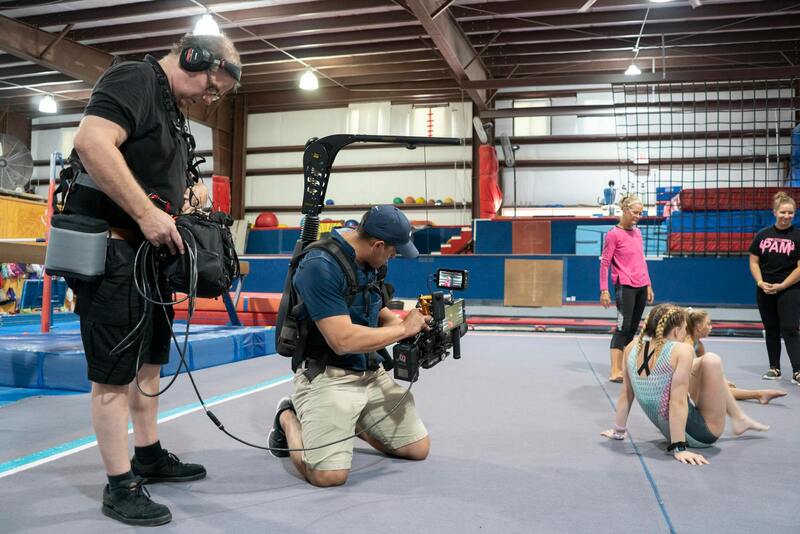
- Ultra HD Cameras: Capture detailed images at resolutions up to 4K, ensuring crisp visuals regardless of screen size.
- Video Switchers: Professional mixers facilitate smooth transitions and multi-camera editing in real-time.
- Audio Equipment: Condenser microphones, wireless mics, and digital mixers provide clean sound reproduction.
- Encoding and Streaming Hardware: Hardware encoders compress and transmit data efficiently to online platforms.
- Network Infrastructure: Enterprise-grade routers and redundant internet connections minimize latency and prevent disruptions.
- Graphics Hardware and Software: Tools for overlays, lower thirds, logos, and live captions augment visual communication.
Workflow and Production Process
Executing a professional livestream involves a structured workflow that ensures consistency and quality. This typically includes:
- Pre-production Planning: Defining event requirements, choosing equipment, determining camera angles, and scheduling staffing.
- Setup and Rehearsals: Arranging equipment at the venue, performing technical tests, and conducting run-throughs with speakers or performers.
- Live Broadcast: Real-time management of camera feeds, audio levels, graphics, and internet connectivity by the production team.
- Monitoring and Troubleshooting: Continuous oversight to identify and resolve issues promptly, maintaining broadcast stability.
- Post-event Processing: Archiving footage, generating highlight clips, and analyzing engagement metrics to improve future streams.
This well-organized process maximizes viewer engagement and minimizes technical setbacks, delivering a professional-quality event broadcast.
Comprehensive Approaches to Livestreaming Production Services in Miami
Professional livestreaming production services encompass a meticulous blend of planning, technical expertise, and advanced equipment to deliver seamless broadcasts tailored to diverse event needs. Companies specializing in this field leverage cutting-edge technology combined with experienced personnel to ensure each event—be it a corporate conference, concert, or community gathering—receives a polished, high-quality transmission. Emphasizing clarity, real-time engagement, and reliability, these providers utilize industry-standard practices for capturing, encoding, and streaming content, ensuring an optimal experience for viewers regardless of their location.
Event Types Benefiting from Livestreaming Services
Distinct event categories gain substantial value through professional livestreaming, particularly those requiring extended reach or real-time interaction. These include:
- Corporate Events: product launches, shareholder meetings, executive town halls, and industry seminars benefit from live broadcasts to stakeholders, remote employees, and international partners.
- Conferences and Trade Shows: virtual attendance options expand engagement, enabling broader participation and on-demand content sharing post-event.
- Educational Events: webinars, workshops, and graduation ceremonies are enriched through live streaming, fostering inclusivity and accessibility.
- Entertainment and Cultural Events: concerts, theater performances, and festivals reach wider audiences with high-definition live coverage.
- Community and Religious Gatherings: live services and community events maintain connection while adhering to safety protocols.
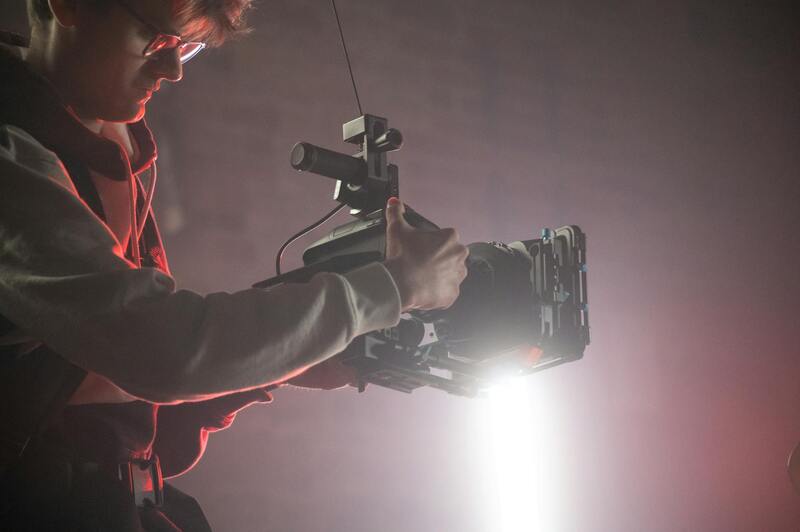
Visual Impact of Streamed Events
Essential Components of Livestreaming Production
Delivering a professional live stream hinges on several core elements, each managed by skilled technicians and top-tier equipment:
- Multicamera Systems: enabling dynamic shots, angles, and seamless scene transitions, multi-camera setups are central to capturing the event’s essence.
- Audio Solutions: high-fidelity microphones—condenser, wireless, and digital mixers—ensure crystal-clear sound, vital for engagement and comprehension.
- Encoding and Transmission Hardware: hardware encoders compress and transmit high-quality video data efficiently to streaming platforms, reducing latency and buffering issues.
- Reliable Network Infrastructure: enterprise-grade routers, fiber connections, and redundancy measures safeguard against interruptions, maintaining uninterrupted broadcast flow.
- Graphics and Overlay Systems: live graphics, lower thirds, logos, and real-time captions enhance visual storytelling and branding during the stream.
Technologies and Equipment Underpinning Successful Livestreaming
Modern livestreaming relies on sophisticated hardware and software solutions that facilitate smooth execution and audience engagement:
- Streaming Software: platforms like OBS Studio, vMix, or Wirecast allow for real-time production control, overlay integration, and multi-source management.
- Hardware Encoders: dedicated devices such as Teradek or Blackmagic Design encode video feeds for transmission, ensuring high-fidelity streaming.
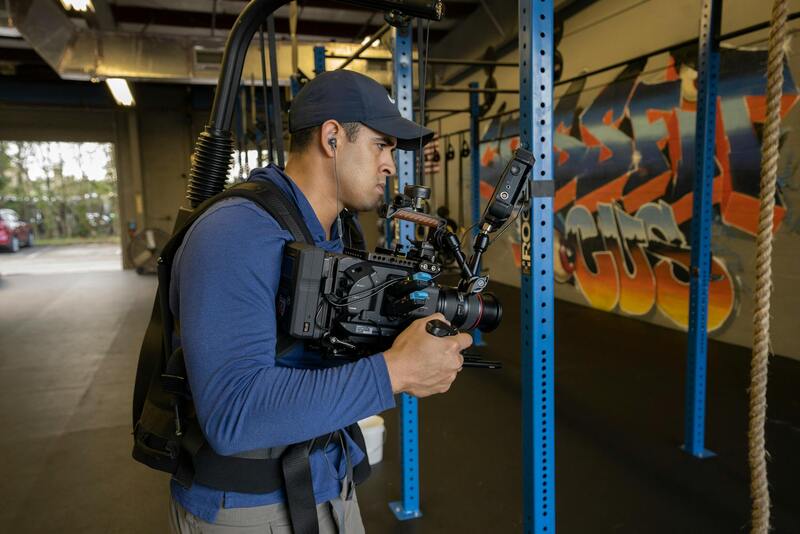
- Camera Technologies: 4K-capable cameras and pan-tilt-zoom units enable detailed coverage and flexible shot composition.
- Audio Equipment: professional-grade microphones, mixers, and sound processors ensure optimal audio quality, reducing ambient noise and feedback.
- Networking Solutions: bonded internet connections and SD-WAN solutions enhance bandwidth and reduce packet loss, critical for stable live broadcasts.
Workflow and Production Process for Livestreaming
A structured approach guarantees consistency and high standards in live event broadcasts. The typical workflow involves:
- Pre-Production Planning: outlining event objectives, designing camera angles, sound setup, and hardware requirements, along with scheduling technical rehearsals.
- Setup and Technical Rehearsals: arriving onsite with equipment, calibrating systems, and conducting run-throughs with presenters or performers to troubleshoot potential issues.
- Live Broadcast Management: a dedicated production team oversees camera switching, audio mixing, graphics overlay, and internet connectivity, ensuring the broadcast runs smoothly.
- Monitoring and Troubleshooting: continuous oversight allows rapid response to technical glitches, minimizing delays and disruptions.
- Post-Event Processing: editing highlights, archiving footage, and analyzing viewer data help refine future streaming strategies.
Advantages of Engaging Professional Livestreaming Providers
Opting for specialized services offers measurable benefits:
- Superior Production Quality: access to industry-standard equipment and skilled technicians translates to high-definition video, clear audio, and professional graphics.
- Technical Reliability: expert handling minimizes unforeseen issues, ensuring consistent broadcast delivery.
- Enhanced Audience Engagement: interactive features, multiple camera angles, and high-quality visuals improve viewer experience.
- Time and Resource Efficiency: streamlined workflows and technical support allow event organizers to focus on content rather than technological logistics.
- Scalability and Customization: services can be tailored to fit small meetings or large-scale conventions, incorporating branding and specific interactivity features as needed.