

Introduction to Live-Streaming Video Production
In the fast-paced digital landscape of today, live-streaming video production has become an essential component for organizations seeking to engage their audiences in real-time. This innovative technology enables the broadcasting of events, announcements, and entertainment directly to viewers across various online platforms, providing a dynamic and interactive experience. The significance of live-streaming lies in its ability to transcend geographical barriers, delivering seamless access to content for audiences regardless of their location.
Modern live-streaming video production integrates advanced equipment, proficient technical crew, and strategic planning to ensure high-quality broadcasts. The approach facilitates immediate interaction between hosts and viewers through live chat, polls, and Q&A sessions, fostering engagement and participation. For businesses and organizations operating within Miami's vibrant market, leveraging live-streaming video production can amplify brand visibility, enhance customer outreach, and generate leads through digital channels.
By adopting professional live-streaming services, companies can ensure a polished and professional presentation that aligns with their brand messaging. The importance of high-quality video production is underscored by the increasing consumer demand for visually compelling content that captures attention quickly. Moreover, live-streaming offers valuable opportunities for real-time data collection, enabling organizations to analyze viewer engagement and adjust their strategies accordingly.

In essence, live-streaming video production embodies a modern approach to content delivery, blending technology, creativity, and strategic planning to produce impactful broadcasts. Whether it’s a corporate webinar, product launch, or community event, professional live-streaming services provide the technical expertise and equipment necessary to produce seamless and engaging live content for audiences in Miami and beyond.
As the demand for instant content continues to grow, organizations that invest in official and reliable live-streaming solutions position themselves as industry leaders, capable of delivering memorable experiences that resonate with their target audience. The next sections explore the key components, event types, and technical considerations involved in successful live-streaming video production.
Understanding Official and Reliable Methods for Live-Streaming Video Production
Executing a successful live-streaming video production requires adherence to proven, reputable methods that ensure seamless transmission, optimal quality, and secure delivery. These approaches revolve around a combination of state-of-the-art technology, carefully trained personnel, and strategic planning tailored to the specific nature of the event. Employing high-caliber equipment and software from established providers not only enhances the professional appearance of the broadcast but also mitigates technical risks during the live event.
One foundational strategy involves establishing a robust internet infrastructure, ideally with dedicated bandwidth to prevent interruptions caused by network congestion. Prior testing of internet speeds, latency, and upload stability is essential to guarantee that the live feed remains steady throughout the event. Complementary to this, utilizing backup internet connections and redundant streaming servers ensures continuity, should primary systems experience issues. This multi-layered approach embodies best practices for reliable live-stream production.
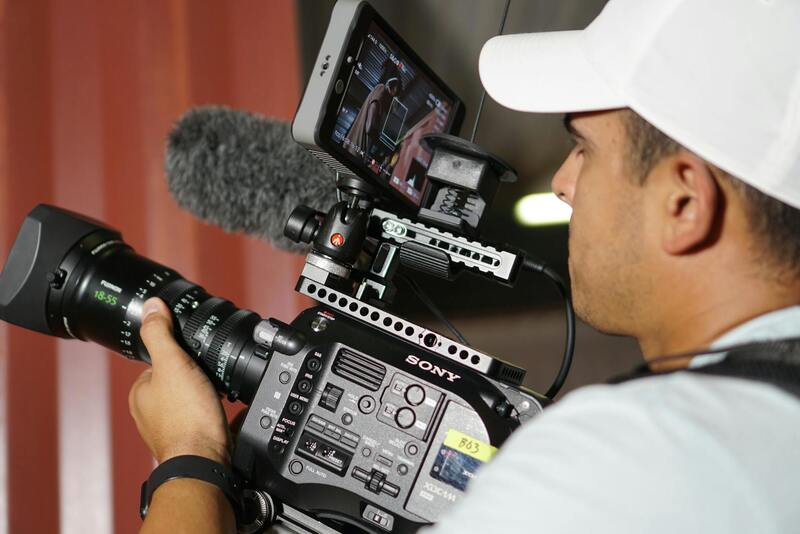
Furthermore, employing professional-grade hardware is crucial. High-definition (HD) or 4K cameras with stabilized mounts provide crisp visuals that can be effortlessly integrated into a live broadcast. Audio quality is equally vital; utilizing lavalier, shotgun microphones, and audio mixers ensures clear dialogue and sound effects. Additionally, multi-camera setups enable dynamic angles, engaging viewers and providing comprehensive coverage of the event. These hardware choices should be supported by reliable, compatible streaming software, which handles encoding, multi-camera switching, overlay graphics, and real-time monitoring.
In terms of software, validated platforms and streaming protocols such as RTMP (Real-Time Messaging Protocol) or SRT (Secure Reliable Transport) are commonly used for secure and resilient live transmission. These protocols facilitate efficient data transfer even over variable network conditions. Professional streaming solutions often include integrated features like real-time chat, viewer analytics, and customizable layouts, enriching audience interaction and engagement.
Preparation for live-streaming also involves meticulous pre-event coordination. Technical rehearsals allow teams to identify and resolve potential issues with audio-visual equipment, internet connectivity, and streaming configurations. These rehearsal sessions are vital for testing the entire workflow, from camera operation to encoding, ensuring every component functions as intended during the actual event.
On-site personnel play a pivotal role in executing official live-streaming methods. A trained team, including a director, camera operators, sound engineers, and technical support staff, orchestrates the broadcast. Their expertise in managing live feeds, adjusting camera angles, balancing audio levels, and troubleshooting unforeseen problems ensures professionalism and fluidity during the event. This team typically collaborates with a dedicated producer who oversees the overall broadcast, coordinating between technical staff and the event organizers for synchronized operation.
To complement hardware and personnel, comprehensive security measures are implemented to protect the live stream from unauthorized access or cyber threats. Employing encrypted streaming protocols, secure login credentials, and firewalls are standard practices. Additionally, content delivery networks (CDNs) are often leveraged by reputable providers to distribute the stream efficiently and securely across multiple geographic locations, reducing latency and buffering issues.
Post-broadcast, structured processes such as archival recording, editing, and distribution of on-demand content ensure the longevity and accessibility of the production. Analyzing viewer engagement metrics, such as view counts, average watch time, and interaction rates, provides valuable insights for future programming and marketing strategies. These official methods collectively establish a solid foundation for professional live-stream video production, elevating the quality, reliability, and security of every broadcast.
Official Methods for Ensuring High-Quality Live-Streaming Video Production
Executing a successful live-streaming video production involves adhering to reliable and verified procedures that prioritize quality, security, and audience engagement. These methods are crucial for delivering an uninterrupted, high-resolution feed that accurately represents the event or content being broadcast. To ensure professionalism and consistency, producers rely on a combination of specialized hardware, secure software solutions, and industry-standard workflows.

One fundamental aspect of official live-streaming video production is leveraging reputable streaming platforms and protocols. This includes using well-established streaming formats such as RTMP (Real-Time Messaging Protocol), HLS (HTTP Live Streaming), or DASH (Dynamic Adaptive Streaming over HTTP), which are inherently designed to provide stability and adaptability across various network conditions. The deployment of Content Delivery Networks (CDNs) further enhances stream distribution, allowing multiple viewers to access the content simultaneously without buffering or lag. CDNs also improve security through encryption methods that safeguard streams from unauthorized access.
Hardware components should comprise high-definition cameras, professional-grade microphones, and video switchers, which allow real-time switching between multiple camera angles. Audio mixing consoles ensure sound clarity and balance, enhancing viewer experience. Additionally, encoding hardware or software encoders are configured correctly to transmit raw feeds into optimized streams that maintain quality across different devices and network speeds. Using redundant systems, such as backup power supplies and secondary encoders, safeguards against technical failures during the broadcast.
Implementing stringent security measures is indispensable in official live-streaming workflows. This includes multi-factor authentication for access control, encrypted streaming links, and firewalls that prevent cyber intrusion. Content management protocols also specify who has permission to initiate or modify the broadcast, ensuring that the live feed remains within authorized oversight. These security practices mitigate risks associated with unauthorized access or content theft, preserving the integrity of the broadcast.
Monitoring tools play an essential role during the live stream, providing real-time feedback on video quality, audio levels, and network performance. Technical personnel continuously oversee the stream, prepared to troubleshoot issues such as latency spikes, signal disruptions, or lag, which can compromise viewer satisfaction. The ability to swiftly address such problems relies on industry-standard diagnostics and an experienced technical team familiar with live streaming complexities.
Post-broadcast, formal procedures involve archiving the content for on-demand access, enabling viewers to revisit the event at their convenience. Editing tools may be employed to enhance the recorded footage, remove segments, or insert branding elements to maximize content value. Analytics platforms are used to assess viewer engagement metrics, such as the number of views, average watch duration, and geographic distribution. These insights inform future live-streaming strategies, ensuring continuous improvement and audience targeting precision.
Professionally managed live-streaming production also depends heavily on meticulous pre- event planning. This involves creating detailed run sheets, testing all technical equipment, aligning camera shots with the event layout, and rehearsing operations with all team members. Such preparation ensures a smooth transition from planning to execution, allowing real-time adjustments and optimizing the overall viewing experience. With these official and verified strategies in place, organizations can consistently deliver professional, high-quality live-streaming content tailored to their audience's expectations and engagement goals.
Ensuring Reliable Signal Transmission and Encoding
Central to high-quality live-streaming video production is maintaining a stable and robust signal transmission. This involves selecting reputable streaming platforms and using certified hardware encoders that efficiently compress video data without sacrificing clarity. Proper configuration of encoding settings ensures smooth delivery, balancing bitrate and resolution according to internet bandwidth constraints. Utilizing industry-standard streaming protocols such as RTMP (Real-Time Messaging Protocol) guarantees compatibility, low latency, and minimal buffering for viewers. It is also crucial to have backup solutions in place, including secondary internet connections and redundant servers, to prevent disruptions during live broadcasts. These official methods ensure continuous, high-quality transmission that meets professional standards and audience expectations.
Implementing Live-Stream Monitoring and Troubleshooting
Throughout a live event, constant monitoring is essential to identify and resolve technical issues promptly. Professional equipment often includes dashboards that relay real-time data regarding stream health, bandwidth usage, and server status. Key metrics such as latency, packet loss, and buffer rate should be watched closely to preempt potential problems. In the event of signal degradation or lag, industry-standard troubleshooting methods involve rapid adjustments to encoding parameters, switching to alternative servers, or activating backup internet connections. Skilled technical personnel are trained to interpret diagnostic data swiftly, minimizing viewer impact and ensuring uninterrupted delivery. Employing these official measures protects the integrity of the broadcast and sustains viewer engagement throughout the event.
Utilizing Content Delivery Networks (CDNs)
To maximize reach and minimize latency, live video streams are often distributed through Content Delivery Networks (CDNs). CDNs are geographically dispersed servers that cache streaming content closer to viewers, reducing load times and buffering. Choosing a reputable CDN provider with extensive worldwide coverage is a critical step in delivering a smooth experience for diverse audiences. Proper integration involves configuring stream endpoints to connect with the CDN and ensuring compliance with streaming protocols. Regular performance assessments of CDN performance help identify areas for improvement, enabling reliable distribution during high-traffic events. This official approach ensures broad access, high stability, and adherence to industry standards for live-streaming delivery.
Ensuring Viewer Engagement with Interactive Features
With the rise of live streaming, incorporating official interactive features enhances viewer engagement and creates dynamic content experiences. Features such as real-time chat, polls, Q&A sessions, and integrated social media feeds allow audiences to participate actively during the broadcast. These tools are integrated using trusted platform APIs and compliant third-party services to maintain security and performance. Moderation platforms help manage interactions, ensuring a positive environment. Additionally, utilizing multi-camera feeds, picture-in-picture overlays, and branded graphics enriches the visual presentation. Implementing these official methods boosts audience interaction, extends reach, and fosters a more immersive viewing environment, all while maintaining content integrity.
Advanced Techniques and Official Methods for Live-Streaming Video Production
Achieving seamless live-streaming video production involves the implementation of proven strategies grounded in established methods. These approaches ensure optimal quality, security, and audience engagement, supporting professional-grade broadcasts for a variety of live events. Employing these formal techniques underscores a commitment to excellence and reliability in the presentation of live content, accommodating the expectations of diverse viewerships and demanding content standards.
Reliable Streaming Protocols and Content Delivery Networks (CDNs)
One fundamental aspect of official live-streaming video production is the utilization of reputable streaming protocols such as Real-Time Streaming Protocol (RTSP), Hypertext Transfer Protocol Live Streaming (HLS), and Dynamic Adaptive Streaming over HTTP (DASH). These protocols facilitate smooth delivery of streams across varying network conditions and device types, ensuring viewers receive high-quality content without interruption. Correct configuration and adherence to protocol specifications are crucial, safeguarding against issues such as buffering or latency spikes.
Complementing these protocols is the deployment of verified Content Delivery Networks (CDNs) specializing in live streaming. Selecting a trusted CDN provider with extensive geographical coverage guarantees broad access and minimizes latency. Integration involves configuring stream endpoints to connect with the CDN’s distribution nodes, which optimizes load balancing, security, and redundancy. Continuous performance evaluations of CDN performance and server health are essential, as they help identify potential bottlenecks and enable timely adjustments. This official infrastructure guarantees content stability and high uptime, especially vital during high-traffic live events.
Secure Content Management and Rights Enforcement
Maintaining content integrity involves implementing advanced digital rights management (DRM) and encryption solutions. Official live-streaming systems employ Secure Sockets Layer (SSL) encryption to protect the data flux, while DRM systems restrict playback to authorized viewers only. These measures guard against unauthorized access and content piracy, fostering trust with content creators and broadcasters.
Access controls are often managed through secure token-based authentication or geo-restriction capabilities, allowing precise control over who can view the stream. Additionally, official streaming setups incorporate robust moderation tools for interactive features like live chat and polls, ensuring a safe and respectful environment. The adoption of these stringent management techniques underscores the importance of content security and intellectual property protection.
Adherence to Industry Standards and Compliance Protocols
Compliance with established standards, such as the International Telecommunication Union (ITU) guidelines and industry best practices, is indispensable. This involves thorough testing of the entire production workflow, from capture to transmission, against benchmarks for latency, video quality, and stream reliability. Official systems incorporate monitoring tools that track stream health metrics, provide real-time alerts, and facilitate troubleshooting, maintaining regulatory adherence and quality assurance.

Integration of Official Interactive Tools
To elevate viewer engagement, top-tier live-streaming employs verified interactive features such as real-time chats, polls, and Q&A sessions. These tools are integrated using authenticated APIs and third-party services compliant with industry norms, which ensures security and stability during broadcasts. Proper moderation platforms are used to oversee interactions, aiming to create a positive environment while respecting content guidelines.
Branded overlays, multi-camera feeds, and picture-in-picture functionalities are incorporated through official software solutions that support seamless switching and high visual fidelity. These integrated solutions contribute to a polished, engaging viewing experience that complies with best practices in professional live-streaming production.
Implementing Secure and Legitimate Live-Streaming Methods
High-quality live-streaming video production demands the application of established, official methods that ensure the integrity and professionalism of the broadcast. These methods encompass a suite of industry-approved procedures and tools designed to deliver consistent, secure, and reliable streaming experiences for viewers and producers alike.
One of the foundational elements involves utilizing certified encoding and streaming software. These tools are developed and maintained by reputable vendors that comply with international standards such as those set by the International Telecommunication Union (ITU). Ensuring the software is legitimately obtained and regularly updated guarantees compatibility with current transmission protocols and security standards, protecting content against unauthorized access or interference.

Another critical aspect is integrating through verified content delivery networks (CDNs). CDNs distribute streams across multiple servers worldwide, reducing latency and improving stream stability. Choosing CDNs from established providers offering official service agreements ensures the distribution process adheres to industry standards and offers support for encryption methods that safeguard content authenticity and privacy.
Ensuring the legitimacy of the transmission channel involves robust encryption protocols. Official streaming solutions incorporate technologies such as SSL/TLS encryption for data in transit and DRM (Digital Rights Management) systems for content protection. These measures help prevent unauthorized recording, redistribution, or piracy of live streams, maintaining the exclusive value of the broadcast.
Additionally, the authentication of users and viewers relies on official platform integrations. Implementing secure login procedures, role-based access controls, and multi-factor authentication ensures that only authorized personnel and viewers access the stream. This diligence secures internal operations and visitor engagement, preserving the broadcast's integrity.
For live event producers and broadcasters, official compliance extends into the use of legitimate streaming hardware, such as certified cameras, switchers, and audio interfaces. These devices conform to international safety and operational standards, providing high-fidelity capture and transmission without risking legal or operational complications.
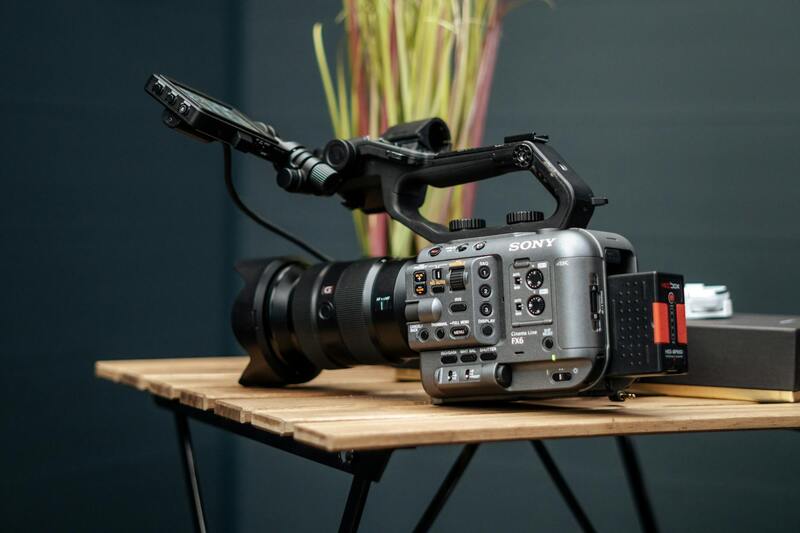
Prior to the event, comprehensive testing using standardized procedures guarantees that all equipment, connections, and software components function correctly within the streaming ecosystem. Rehearsals conducted with licensed tools and protocol checks confirm compliance and readiness, minimizing risks during the live event.
Furthermore, documentation of procedures, hardware specifications, and security measures forms a vital part of maintaining standards. Official certifications, user permissions, and audit logs bolster the organization’s adherence to best practices, facilitating transparency and accountability in each production.
In leveraging these legitimate methods, live-streaming video production achieves a professional level of quality, security, and compliance. This approach reassures clients and viewers that the broadcast process aligns with industry-recognized protocols and standards, ultimately enhancing reputation and trustworthiness for any event or brand involved in Miami's vibrant live-streaming scene.
Ensuring Official and Reliable Methods for Live-Streaming Video Production
Executing a professional live-streaming video production involves adhering strictly to established, state-of-the-art practices that guarantee high-quality, secure, and smooth broadcasts. Utilizing officially recognized technology and workflows ensures that the streaming process aligns with industry standards, providing a trustworthy experience for audiences and clients alike.
Utilizing Certified Hardware and Software
Legitimate live-streaming begins with the selection of certified equipment. This includes cameras, switchers, audio interfaces, and encoding devices that have been tested and approved by international standards organizations. Certified hardware offers consistent performance, optimal signal integrity, and compatibility with various streaming platforms, reducing the risk of technical failures during live events.
In addition to hardware, licensed streaming software is essential. Reputable platforms and software solutions that comply with industry protocols ensure encryption, stability, and seamless integration with various distribution outlets. Using such platforms also provides access to technical support and ongoing updates, maintaining the quality and security of the live broadcast.

Verification and Testing Protocols
Prior to the live event, comprehensive testing through standardized procedures confirms that all equipment, connections, and software components operate within the defined parameters. This includes running full rehearsals, which simulate the actual broadcast environment. These rehearsals allow technical teams to identify and rectify potential issues, ensuring a smooth live stream.
Documentation of this testing process, including hardware specifications, connection configurations, and security protocols, forms a key part of maintaining standards. Audit logs and certification reports provide transparency and accountability, demonstrating adherence to industry best practices.
Secured and Certified Network Infrastructure
Transmission security is critical for ensuring the integrity of live-streamed content. Employing certified, high-bandwidth internet connections with failover capabilities ensures uninterrupted streaming. Additionally, encrypted streams protect against unauthorized access or interference. These methods are crucial for maintaining a professional level of service, particularly during high-profile or sensitive events.
Compliance and Regulatory Standards
Adhering to official standards also involves following established broadcasting and content delivery protocols. This includes obtaining necessary permissions for any proprietary or copyrighted content used in the broadcast. Incorporating official licensing agreements, and ensuring all content rights are clear, mitigates risks associated with intellectual property infringement.

Quality Monitoring and Control
Throughout the live event, real-time monitoring by qualified technicians ensures that audio and video signals meet the necessary standards. They oversee streaming health, latency, and synchronization, ready to intervene if any anomalies occur. This vigilant management guarantees a seamless experience for viewers and enhances trustworthiness in the broadcast.
Post-Event Documentation and Analysis
After the live stream, gathering comprehensive reports on performance metrics, viewer engagement, and technical issues assists in continuous improvement. Documenting the entire process and results ensures that subsequent productions benefit from lessons learned, maintaining a cycle of technological and procedural refinement.
Ensuring Reliable Security and Effective Content Management During Live-Streaming Video Production
Implementing secure and efficient content management strategies is essential for maintaining the integrity and quality of live-streaming video production. This includes utilizing official technology protocols, adopting industry-standard encryption methods, and adhering to established networks designed for high-performance streaming. Securing your live broadcast from unauthorized access or interference ensures a smooth viewing experience and preserves brand reputation. This approach also involves robust authentication measures, such as multi-factor authentication and secure login procedures, to restrict access to authorized personnel only.
Implementing Official Methodologies for Content Delivery
Using official, proven methods for content delivery is key to professional live-streaming. These methods include leveraging recognized streaming protocols like RTMP (Real-Time Messaging Protocol) and HLS (HTTP Live Streaming), which are designed for minimal latency and high stability. These protocols comply with the latest industry standards, ensuring compatibility across various devices and platforms. Moreover, employing Content Delivery Networks (CDNs) helps to distribute streams efficiently, reducing buffering and delay issues, especially when broadcasting to large, dispersed audiences.
Content management strategies also encompass proper rights management and licensing. Ensuring all content used within a live stream is properly licensed and rights-cleared prevents potential disputes. This involves verifying permissions for any proprietary material, music, or intellectual property incorporated into the broadcast. Work with providers that specialize in content licensing to streamline this process, thereby avoiding interruptions or legal complications during the event.
Utilizing Industry-Standard Encryption Techniques
Encryption methods, such as AES (Advanced Encryption Standard), are routinely employed to safeguard live-streaming data. This encryption prevents unauthorized interception and ensures only authorized viewers can access the stream. Secure token-based authentication further enhances access control, allowing providers to manage who views the content in real-time. From a technical standpoint, all these measures help maintain a high level of confidentiality and trustworthiness between broadcasters and viewers.
Maintaining Content Accessibility and Compliance
Control over content accessibility involves formal procedures and technology that facilitate seamless distribution while complying with official broadcasting standards. Closed captioning and accessibility features should be incorporated to meet regulatory standards and expand audience reach. Implementation of these features is often facilitated through software solutions integrated into the streaming workflow, ensuring that content is inclusive and compliant with industry regulations.
Monitoring and Quality Control in Real-Time
Continuous, real-time oversight of audio and video feeds during a live event enhances the viewer experience. Technical staff monitor stream health metrics like latency, resolution, and synchronization to quickly identify and rectify issues. Automated tools can alert operators to dropped frames, audio inconsistencies, or network disruptions, enabling immediate intervention. Such practices preserve the quality and professionalism of the broadcast, reducing the likelihood of viewer dissatisfaction.
Post-Live Stream Evaluation and Documentation
Following the conclusion of a live broadcast, comprehensive documentation and analysis of performance metrics are vital. These reports include viewer engagement statistics, technical performance details, and feedback. Analyzing this data supports improvements for future productions by identifying strengths and areas for growth. Maintaining a detailed record of each event — including streaming configurations, licensing adherence, and technical troubleshooting — creates a knowledge base that enhances ongoing quality and compliance efforts.
This archival process also plays a significant role in assessing the effectiveness of security measures, content delivery protocols, and overall broadcast reliability. Regular review ensures that official methodologies remain up-to-date with current technological advancements, providing a foundation for continued excellence in live-streaming video production.