

Overview of Live Streaming Video Production
Live streaming video production is a dynamic process that involves capturing, encoding, and broadcasting live video content over the internet to a remote audience. Its primary aim is to deliver real-time visual experiences directly to viewers, allowing for immediate interaction, engagement, and participation. Unlike traditional broadcast methods, which rely on scheduled programming delivered via television or radio, live streaming offers immediacy and accessibility that cater to the growing demands of digital audiences.
In essence, live streaming bridges the geographical gap between content creators and viewers. It is particularly vital for corporate events, sports, concerts, conferences, educational seminars, and other live scenarios where the presence of a large or dispersed audience is impractical or impossible. The technology behind live streaming video production facilitates high-quality video transmission, often utilizing multi-camera setups, professional audio, and advanced encoding techniques to ensure clarity and reliability.
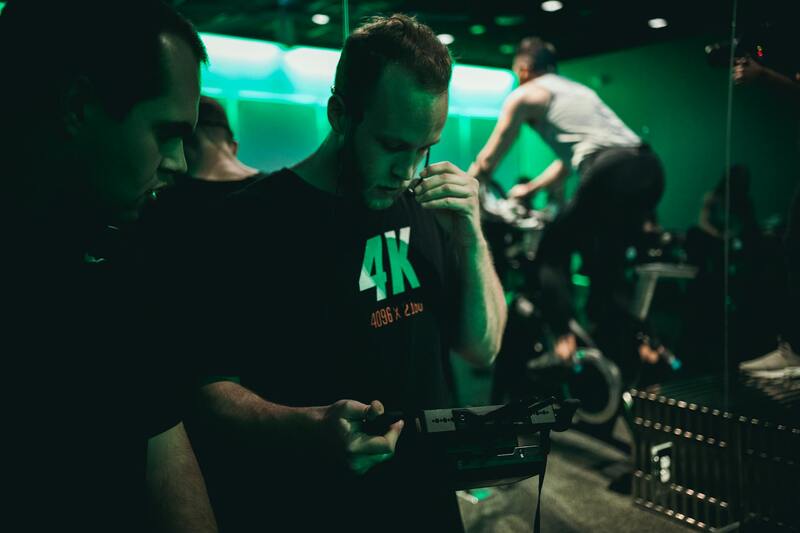
Since its emergence, live streaming has transformed how organizations communicate and engage with audiences. It allows real-time storytelling and event participation, fostering a sense of immediacy and interactivity that traditional means cannot match. The importance of live streaming has further amplified with the proliferation of social media platforms, which serve as distribution channels enhancing audience reach and engagement. By leveraging professional live streaming production, brands and event organizers can ensure their digital broadcasts meet high standards of quality and professionalism, ultimately driving viewer satisfaction and engagement.
Furthermore, live streaming production incorporates a range of sophisticated technologies and practices. From pre-event planning to real-time execution and post-event analysis, each phase demands expertise in audio-visual technology, network management, and content delivery. This comprehensive approach ensures that the event's message is communicated effectively, with minimal technical issues, and reaches the intended audience without interruption or degradation of the viewing experience.

As the digital landscape continues to evolve, the role of live streaming video production becomes increasingly strategic. It offers a scalable, flexible, and cost-effective alternative to traditional event broadcasting methods. High-definition video, multiple camera angles, real-time editing, and instant audience interaction are now standard features, making live streaming an indispensable tool for modern media outreach and audience engagement strategies.
Advanced Techniques and Best Practices in Live Streaming Video Production
To ensure a seamless and high-quality live streaming experience, technical excellence and meticulous planning are paramount. Professional live streaming video production employs advanced techniques that optimize both the visual presentation and the viewer experience. This involves not only selecting the right equipment but also implementing strategic practices at every phase of the production process. Key techniques include multi-camera switching, real-time graphics overlay, synchronized audio-visual feeds, and adaptive streaming protocols that adjust quality based on the viewer’s bandwidth conditions.
Utilizing Multi-Camera Production for Dynamic Content
Employing multiple cameras allows for a versatile and engaging broadcast, capturing different angles and focal points. This dynamic content delivery keeps the audience interested and engaged, providing a professional feel akin to traditional broadcast television. Independent camera operators, along with sophisticated switchers and mixers, facilitate real-time transitions between scenes, ensuring the flow remains smooth and natural. High-definition cameras connected to reliable streaming hardware transmit high-quality visuals that are crucial for detail-rich content such as conferences, weddings, or sports events.
Implementing Real-Time Graphics and Interactive Elements
Incorporating graphics overlays, lower thirds, and real-time annotations enhances the informational value and visual appeal of a live stream. Additionally, integrating interactive elements like live polls, Q&A sessions, and chat modules encourages audience participation, fostering a sense of community and engagement. These features can be managed dynamically during the event to provide timely updates, sponsor messages, or branding visuals, elevating the professionalism of the broadcast.
Stream Management and Network Optimization
Ensuring a stable and high-quality stream depends heavily on network infrastructure. Live streaming professionals utilize dedicated internet connections, bonding multiple networks through cellular bonding systems, or employing content delivery networks (CDNs) that distribute the stream globally with minimal latency. These measures prevent buffering and ensure a consistent viewing experience, even in challenging network environments. Backup plans such as redundant encoders and failover systems are critical to mitigate technical issues during the live event.
Expertise in Audio-Visual Synchronization
High-quality audio is as essential as crisp visuals. Live production teams employ professional microphones, audio mixers, and monitoring tools to capture and process sound accurately. Synchronization between audio and video feeds ensures clarity, which is vital for presentations, speeches, or musical performances. Sound engineers continually monitor audio levels during the event to prevent distortion or imbalance, contributing to overall production quality.
Content Delivery and Platform Compatibility
Choosing suitable streaming platforms tailored to the target audience and content type is crucial. Professional providers optimize content delivery through adaptive bitrate streaming, ensuring viewers with varying internet speeds experience the best possible quality. Compatibility across multiple devices—smartphones, tablets, desktops—is achieved through responsive design and platform-specific encoding standards. Transmission protocols such as HLS or DASH facilitate smooth playback and minimal latency, providing viewers with a consistent experience regardless of device or network conditions.
Recording and Post-Production for Future Use
Recording live streams during broadcasts allows for efficient post-event editing and distribution. Post-production editing can include highlight reels, behind-the-scenes footage, or polished versions of the broadcast for on-demand viewing. Proper archiving ensures content is preserved for future marketing, promotional campaigns, or archival purposes, extending the value of the live streaming event long after the live broadcast concludes.
Safety and Compliance Standards
Adherence to safety protocols for equipment operation, securing live feeds, and protecting audience data are integral to professionalism in live streaming production. Ensuring compliance with industry standards and best practices mitigates risks associated with data breaches or technical failures. Proper training of all personnel involved further enhances the safety and reliability of the entire production process.
Training and Certification for Live Streaming Professionals
Continuous professional development is vital for maintaining high standards. Certification programs and hands-on training in live production technologies equip crew members with up-to-date skills and knowledge. This ongoing education facilitates better troubleshooting, innovative use of technology, and adherence to best practices, which collectively contribute to superior broadcast quality.
Ensuring the Security and Reliability of Live Streaming Content
When engaging in live streaming video production, utilizing verified and secure connection methods is vital to maintain seamless delivery and protect sensitive data. Reliable internet connectivity is paramount; therefore, professionals often employ dedicated fiber optic lines or bonded cellular networks to prevent interruptions. These dedicated channels significantly reduce latency and packet loss, ensuring a consistently stable broadcast. Moreover, deploying advanced encoding hardware and stable streaming protocols, such as SRT (Secure Reliable Transport) or RTMP (Real-Time Messaging Protocol), enhances the reliability of live feeds across diverse network conditions.
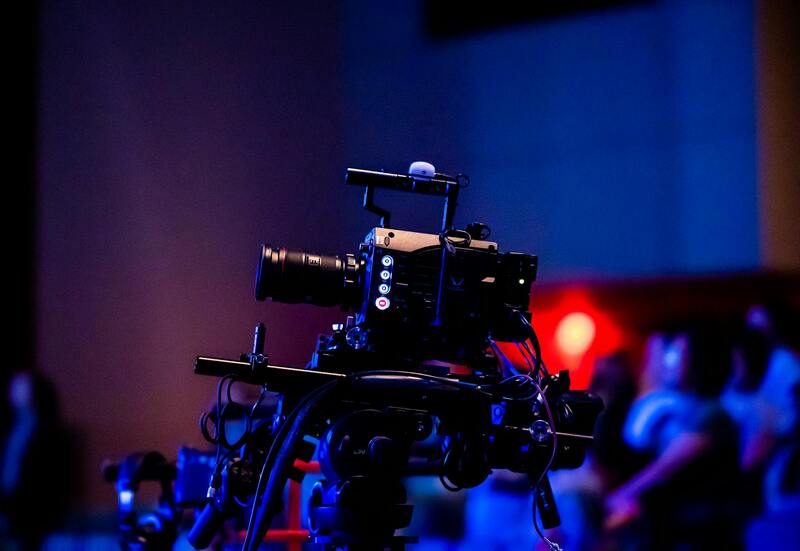
Implementing redundancy measures is a standard practice. Backup internet sources, such as LTE or 5G cellular connections, are configured to automatically take over if primary networks encounter issues. This failover capability ensures minimal disruption and maintains trustworthiness in the live streaming process. Additionally, encryption protocols such as HTTPS and RTMPS safeguard data in transit, preventing unauthorized access to the stream or viewers' personal information.
From a technical perspective, robust content delivery networks (CDNs) are employed to distribute streams efficiently worldwide. These networks optimize the viewing experience by reducing buffering, latency, and jitter regardless of the viewer's geographical location. They also assist in load balancing, distributing audience demand across multiple servers to prevent any single point of failure.
Quality control during live streaming involves continuous monitoring of the stream's health via dedicated software dashboards or hardware panel controls. This real-time oversight enables operators to swiftly address issues such as audio-visual synchronization errors or dropped frames, thus maintaining a professional standard throughout the broadcast. Proper training for the team in handling these systems ensures rapid troubleshooting and minimizes on-air errors.
Adhering to Industry Standards and Best Practices
Maintaining consistency with industry best practices enhances both the professionalism and safety of live streaming operations. This includes routine equipment calibration, regular testing of streaming setups before events, and adherence to safety protocols for equipment setup and operation. Ensuring all personnel are trained and certified in the latest live streaming technologies and safety procedures further promotes a secure production environment.
Developing comprehensive pre-event checklists and rehearsals allows teams to identify potential issues in advance. This proactive approach reduces the risk of technical difficulties during the actual live broadcast and ensures the event runs smoothly. Establishing clear communication channels among team members is also crucial; using professional intercom systems and shared digital checklists ensures coordination and swift response to any arising concerns.
Implementing Compliance and Data Security Measures
Best practices extend beyond technical configurations. Establishing data security policies, including the encryption of sensitive audience data and secure login credentials, is essential for professional live streaming. These measures prevent data breaches and unauthorized access, which could compromise the integrity of the broadcast or platform.
Furthermore, content rights management and adherence to broadcasting standards and regulations help ensure that the streaming complies with broadcasting guidelines and intellectual property laws. Keeping detailed logs of streaming activities and maintaining archives of live content can aid in resolving disputes or addressing issues post-event.
Training and Certifications for Live Streaming Professionals
The rapidly evolving nature of live streaming technology necessitates ongoing professional development. Certified training programs and industry certifications equip production staff with the latest skills in encoding, network management, and live event coordination. Such training enhances their ability to manage complex setups and troubleshoot issues swiftly, ensuring consistent quality and safety in every broadcast.
Investing in the continuous education of team members fosters a culture of excellence and innovation. It helps teams stay abreast of new streaming protocols, equipment, and cybersecurity measures, positioning them to deliver high-caliber productions that meet professional standards.
Technical Methods and Official Streaming Protocols
Implementing a live streaming video production requires adherence to established technical standards to ensure seamless transmission and optimal viewing experiences. Utilizing proven streaming protocols such as Real-Time Messaging Protocol (RTMP), QuickTime Streaming, and HTTP Live Streaming (HLS) enables broadcasters to deliver high-quality content reliably across various devices and network conditions. These protocols facilitate efficient video delivery while minimizing latency and buffering issues, which are critical for maintaining viewer engagement during live events.
RTMP, developed by Adobe, remains a popular choice for ingesting live video streams into streaming servers due to its robustness and low latency. HLS, developed by Apple, is widely adopted for end-user delivery because of its compatibility with most mobile and desktop devices. Secure streaming also relies on protocols like DASH (Dynamic Adaptive Streaming over HTTP), which adapt the video quality in real-time based on the viewer’s internet bandwidth, providing a buffer-free experience. Implementing these proven protocols guarantees that the live broadcast adheres to professional standards of delivery and stability.
Content delivery networks (CDNs) play a vital role in distributing live streams efficiently across regions and networks. Partnering with reputable CDN providers ensures reduced latency, increased scalability, and enhanced reliability during high-traffic events. For live streaming at a professional level, it is essential to utilize high-grade encoders—hardware or software—that support the chosen protocols. These encoders encode and compress video signals for transmission, and their selection significantly impacts the quality and stability of the stream.
On the security front, employing encrypted streaming methods such as Secure Real-Time Protocol (SRTP) and Transmission Control Protocol with Transport Layer Security (TLS) helps safeguard the content from unauthorized access. Regularly updating streaming software and firmware, alongside strong user authentication mechanisms, further solidify the integrity of the broadcast. Maintaining detailed logs of streaming activities and configurations assists in troubleshooting and maintaining compliance with operational standards.
Standards and Best Practices for Content Rights Management
Respecting intellectual property rights and ensuring proper content licensing are integral to a professional live streaming operation. Utilization of digital rights management (DRM) systems restricts unauthorized redistribution and copying of streamed content. Implementing watermarking technologies can also serve as a deterrent against piracy while providing a traceable record of the source in case of misuse. Availability of legal and licensed media assets from authorized vendors bolsters the credibility of the production and ensures compliance with industry regulations.
Adhering to broadcasting standards and guidelines, such as those outlined by the Federal Communications Commission (FCC) and other relevant authorities, is crucial for avoiding legal complications and preserving the quality standards expected by professional audiences. Ensuring audio levels, visual quality, and closed captioning meet specified benchmarks enhances both accessibility and professionalism during live events.
Data Security and Privacy Measures
Protecting viewer data and stream content from malicious threats involves applying robust security protocols. Encryption of data streams, secure login systems, and access controls prevent unauthorized viewing and data breaches. Regular audits and security updates help identify and rectify vulnerabilities proactively. Transparent data privacy policies reassure viewers that their information is handled responsibly, especially when collecting registration details or interactive inputs during live streams.
This comprehensive approach to technical standards, content rights, and security measures fosters a trustworthy environment where live streaming can be conducted confidently and professionally, ensuring high-quality experiences for audiences and stakeholders alike.
Implementing Secure and Reliable Streaming Protocols
Effective live streaming video production hinges on the deployment of robust streaming protocols that facilitate consistent and high-quality delivery of content. Adaptive bitrate streaming protocols, such as HLS (HTTP Live Streaming) and DASH (Dynamic Adaptive Streaming over HTTP), are industry standards that allow streams to adjust dynamically to viewers' bandwidth conditions. This ensures minimal buffering and a seamless viewing experience regardless of network variability.
Using advanced CDN (Content Delivery Network) services is essential for distributing live streams efficiently across diverse geographic locations. CDNs cache media content on multiple servers worldwide, reducing latency and preventing server overload during peak viewing times. This network infrastructure enhances stream stability, provides scalability to accommodate large audiences, and minimizes disruptions caused by network congestion.
Ensuring High-Quality Audio-Visual Synchronization
In live streaming video production, synchronization between audio and video feeds is fundamental to maintaining a professional standard and engaging experience. Technicians utilize dedicated synchronization devices and software to align multiple camera angles, microphones, and graphical overlays accurately. This prevents perceptible delays or mismatches that can distract viewers and detract from the event's credibility.
Implementing high-fidelity audio equipment combined with noise reduction techniques ensures clarity and consistency in sound quality. Properly calibrated mixing consoles and digital audio workstations facilitate real-time adjustments, enabling producers to address audio issues swiftly. Furthermore, maintaining consistent lighting and camera settings from start to finish helps preserve a uniform visual presentation.
Managing Live Stream Interactivity and Audience Engagement
Interactive features serve as vital tools to elevate the live experience, transforming passive viewers into active participants. Techniques such as live polls, Q&A sessions, and chat integrations require secure and reliable backend systems to gather and display viewer inputs in real-time.
Content moderation and access controls are critical to managing audience interactions effectively, especially when open participation might lead to inappropriate content or spam. Incorporating moderated chat functions with filters and designated mods ensures constructive engagement. Additionally, tailoring interactive elements based on audience demographics and event context fosters a more personalized experience, increasing viewer retention and satisfaction.
Backup Systems and Redundancies
To maintain uninterrupted live streams, implementing redundant systems and backup protocols is a standard practice. Multiple encoding devices, power supplies, and network connections are configured to take over instantly if primary systems fail. Cloud-based failover solutions enable seamless switching to backup streams, preventing service outages.
Pre-event testing and real-time monitoring play crucial roles in identifying potential points of failure before broadcast commencement. Dedicated technical support teams monitor stream health continuously, employing diagnostic tools to detect latency issues, signal loss, or equipment malfunctions. This proactive approach ensures that technical problems are addressed swiftly, preserving the integrity of the streaming experience.
Advanced Techniques in Live Streaming Video Production
Implementing advanced techniques enhances the quality, reliability, and audience engagement of live streaming video productions. As technological capabilities evolve, production teams increasingly leverage these methods to deliver seamless and professional broadcasts, especially for complex events or high-profile projects.
Utilizing Multi-Camera Setups
Employing multiple camera angles creates a dynamic viewing experience that mimics traditional broadcast productions. This setup involves strategic positioning of cameras to capture distinct perspectives, such as wide shots, close-ups, and audience reactions. The integration of a sophisticated switcher allows real-time toggling between feeds, providing a polished presentation. High-definition cameras with consistent color grading and synchronized audio signals ensure visual cohesion across feeds, which is critical for maintaining viewer immersion.

Employing Live Video Mixing and Transition Effects
Real-time video mixing is fundamental for a smooth broadcast. Operators use professional switchers and software-based mixers to incorporate transition effects such as fades, wipes, or picture-in-picture overlays. These effects help maintain viewer interest and provide visual coherence during scene changes or technical adjustments. Skilled operators anticipate pacing and audience engagement, adjusting transitions accordingly to enhance overall production quality.
Incorporating Graphics and Lower Thirds
Graphics, including lower thirds, event titles, and branding overlays, provide context and reinforce professionalism. These elements are dynamically inserted using chroma keying and graphics software, synchronized with the live feed. Proper implementation avoids visual clutter and maintains readability across different screen sizes and viewing devices, ensuring viewers receive clear and concise information throughout the broadcast.
Implementing Real-Time Audio Mixing
Audio quality is equally critical; thus, live sound mixing involves balancing multiple audio sources, such as microphones, embedded audio feeds, and multimedia elements. Engineers use audio mixers to control volume levels, equalization, and noise suppression in real-time. Clear and consistent audio helps convey the broadcast's professionalism and keeps viewers engaged without distraction or fatigue.
Streaming Logistics and Network Optimization
High-quality live streaming depends on robust network infrastructure. Adaptive bitrate streaming dynamically adjusts video quality based on network conditions, minimizing buffering and latency issues. A dedicated media server or cloud-based platform ensures stable and scalable broadcast delivery. Multiple CDN (Content Delivery Network) providers can distribute streams across various geographic locations, reducing latency and improving access for a global audience.
Monitoring and Troubleshooting in Real-Time
Advanced monitoring tools track stream health, encoding status, and viewer interactions continuously. This proactive approach facilitates immediate detection and resolution of issues such as signal loss, latency spikes, or encoder failures. Skilled technical teams utilize diagnostic dashboards and error logs to swiftly implement fixes, ensuring an uninterrupted viewing experience.
Securing the Streaming Environment
Security measures such as firewalls, encryption, and secure access controls prevent unauthorized interception or disruption of the stream. For sensitive or private events, authentication protocols and secure OTT (over-the-top) delivery methods enhance privacy and protect proprietary content. Engaging viewers through authenticated access or password-protected streams maintains control over the broadcast environment.
Leveraging Cloud-Based Solutions
Cloud services facilitate scalable, flexible, and cost-effective live streaming management. Using cloud encoding, storage, and distribution platforms simplifies setup and allows for remote collaboration among production teams. Cloud workflows enable rapid deployment of multi-camera feeds, graphics, and interactive features, accommodating last-minute adjustments or supplementary content integration.
By adopting these advanced methodologies, producers can significantly elevate the professionalism and engagement level of their live streaming events, meeting the expectations of audiences across diverse platforms and devices.
Advanced Techniques for Secure and Reliable Live Streaming Video Production
In the realm of live streaming video production, implementing advanced techniques to ensure security, stability, and quality is paramount. Professionals employ a combination of robust infrastructure, strategic configurations, and cutting-edge technology to deliver seamless streams that captivate audiences and safeguard content.
Implementing Redundant Signal Pathways
One of the foundational practices involves establishing multiple signal pathways to circumvent potential disruptions. By utilizing dedicated fiber optic lines, cellular bonding solutions, and internet redundancy, production teams can maintain continuous transmission even if one link encounters issues. These redundant channels are synchronized using real-time monitoring systems that automatically switch to backup feeds without viewer interruption, ensuring a resilient streaming environment.
Enhancing Security through Advanced Measures
To protect live content from unauthorized interception or tampering, producers deploy a suite of security protocols. These include end-to-end encryption, secure token authentication, and IP whitelisting. For events that require privacy, secure access controls, such as passwords or digital rights management (DRM), are implemented to restrict access to authorized viewers. Additionally, the use of firewalls and intrusion detection systems safeguards the production network from external threats, maintaining the integrity and confidentiality of the stream.
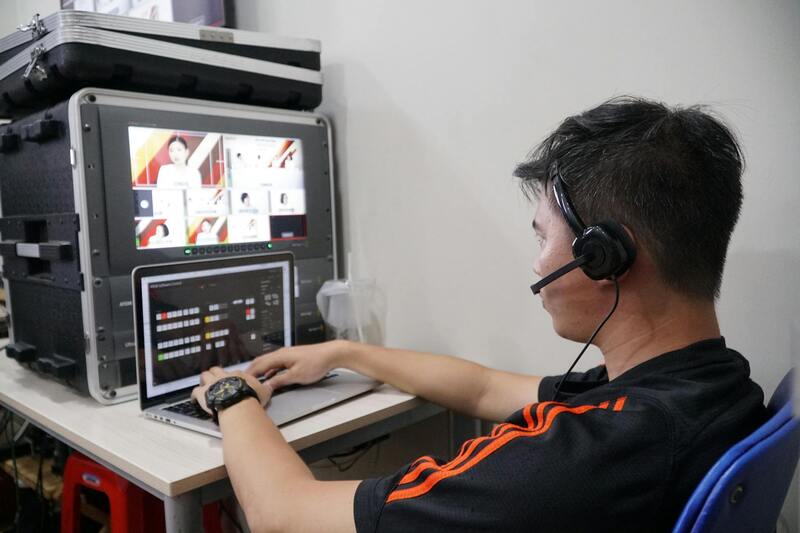
Advanced Encoding and Compression Technologies
To optimize quality and bandwidth, cutting-edge encoding standards like H.264, H.265, and AV1 are utilized. These codecs enable high-resolution streams to be delivered efficiently across diverse internet connections. Adaptive bitrate streaming dynamically adjusts the video quality based on viewer bandwidth, minimizing buffering and latency issues. This technology ensures a smooth viewing experience regardless of individual network conditions, which is critical for engaging live events.
Real-Time Monitoring and Troubleshooting
Continuous monitoring tools track key metrics such as stream health, encoding performance, viewer engagement, and latency. These diagnostics allow technical teams to swiftly identify and resolve issues before they impact a broad audience. Automated alerts notify operators of anomalies like signal loss, high latency, or packet loss. In complex productions, diagnostic dashboards provide a comprehensive overview, enabling quick decision-making and ensuring the stability of the live stream.
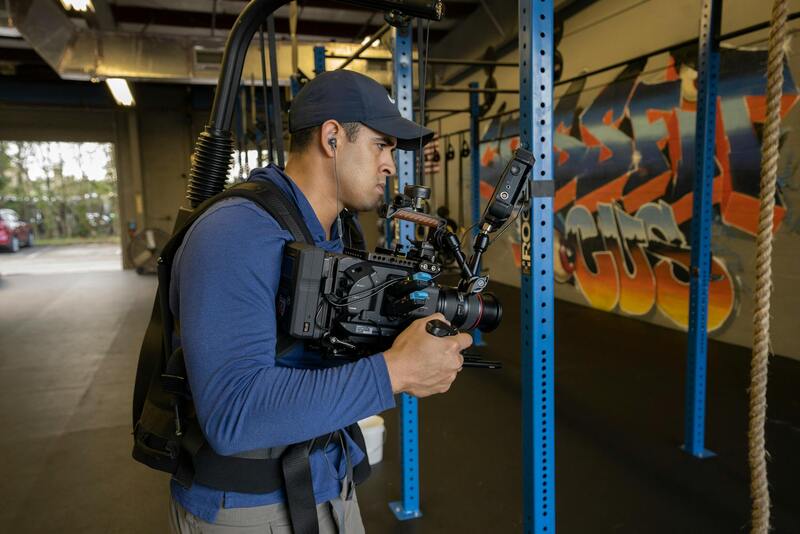
Utilizing Cloud-Driven Solutions for Scalability
Cloud-based platforms offer scalable, flexible infrastructure for live streaming production. Cloud encoding services facilitate multi-camera management and real-time graphics integration from remote locations. Cloud storage enables efficient handling of pre-recorded content and backups, while CDN (Content Delivery Network) integration distributes streams globally with minimal latency. This approach streamlines workflow, reduces physical infrastructure costs, and allows production teams to adapt quickly to changing event requirements.
Post-Event Content and Data Analytics
After the live event concludes, detailed analytics provide insights into viewer behavior, engagement patterns, and stream performance. This data is invaluable for refining future productions and tailoring content strategies. Additionally, high-quality recordings can be archived and repurposed for promotional content, on-demand viewing, or archival purposes, maximizing the investment in live streaming efforts.
Mastering these advanced methods in live streaming video production maximizes operational efficiency, ensures secure content delivery, and provides viewers with an engaging, uninterrupted experience. Continuous technological advancements and strategic planning are essential for maintaining a competitive edge and delivering professional-grade live streams that meet the highest standards.
Official Methods for Live Streaming Video Production
Executing a successful live streaming video production relies on adherence to proven, legitimate methodologies that ensure quality, security, and reliability. These methods encompass comprehensive planning, quality control, and the deployment of official tools and technologies. Content creators must utilize accredited hardware and software solutions certified for broadcast standards, which include professional-grade cameras, audio equipment, and encoders approved by industry peers. Such equipment guarantees high-resolution visuals and clear audio, fundamental for viewer engagement and professional presentation.
Systematic network assessments are essential to establish stable, high-bandwidth internet connections. Employing dedicated internet lines or bonded cellular connections, which aggregate multiple networks for redundancy, minimizes interruptions during live broadcasts. Routers and network switches used should be enterprise-grade, providing consistent data throughput and minimizing latency. Additionally, utilizing content delivery networks (CDNs), which distribute streams across global servers, ensures viewers from different regions experience minimal buffering and high-quality playback. These solutions are implemented via recognized providers offering scalable and secure infrastructure specifically designed for live streaming.

Standardized Software and Protocols
Deploying reputable streaming platforms and encoders that comply with industry standards, such as RTMP (Real-Time Messaging Protocol), HLS (HTTP Live Streaming), and DASH (Dynamic Adaptive Streaming over HTTP), ensures seamless and secure transmission of content. These protocols support adaptive bitrate streaming, allowing the video quality to adjust dynamically based on viewers’ bandwidth. Using certified software solutions from recognized providers guarantees compatibility with multiple platforms, including social media channels, corporate websites, and dedicated streaming portals.
Furthermore, employing integrated management dashboards, which monitor stream health, viewer analytics, and system performance, allows production teams to respond swiftly to potential issues, maintaining uninterrupted live broadcasts. These dashboards are built upon official, established technology platforms designed for enterprise-grade streaming, emphasizing security with encrypted data transmission and access controls. Consistent use of authorized tools and protocols contributes to the overall stability and professionalism of live streaming events.
Security and Content Rights Management
Legitimate live streaming operations incorporate multi-layered security practices. This includes encryption techniques such as TLS (Transport Layer Security) for data transmission, access authentication, and digital rights management (DRM) systems to prevent unauthorized viewing or copyright infringement. Proper licensing agreements must be in place for music, videos, or copyrighted content incorporated into streams. Ensuring content rights are meticulously managed via official licensing channels guarantees compliance and avoids potential legal complications, fostering trust and professionalism in the production process.
Adopting official content management systems and cybersecurity measures safeguards the streaming pipeline from unauthorized access or disruption. Regular software updates, secure login procedures, and vigilant monitoring for suspicious activity are standard practices that uphold the integrity of the broadcast. These official strategies collectively maintain a secure, compliant environment conducive to high-quality live streaming video production.
Training and Certification of Personnel
Operational success depends heavily on staff expertise. Employing personnel with professional certifications in broadcast engineering, video production, and network management ensures adherence to industry best practices. Recognized training programs and certifications from reputable institutions—such as the Society of Broadcast Engineers or industry-specific vendors—validate technical competence and knowledge of official procedures.
This expertise extends to troubleshooting, live event coordination, and real-time technical support, assuring that all stages—from setup to delivery—are managed with precision. Regular training on updates to official tools and protocols further enhances team readiness, maintaining high standards throughout the production lifecycle. Such dedicated, officially trained teams underpin the integrity and professionalism of live streaming efforts, delivering consistent and high-quality viewer experiences.