

Understanding the Importance of Live Streaming for Corporate Events
In the modern business landscape, effective communication and increased engagement are critical components for any company's success. Live streaming has emerged as a vital tool, revolutionizing how organizations connect with their audiences, whether they are employees, clients, or stakeholders. Particularly in vibrant markets like Miami, where business activities are diverse and fast-paced, implementing a reliable live streaming solution for corporate events has become essential.
Live streaming enhances corporate communication by enabling companies to broadcast important events, product launches, and annual meetings directly to a global audience. This immediacy fosters a sense of inclusiveness and transparency, allowing remote employees and international partners to participate in real time. It eliminates geographical barriers, ensuring that critical moments are accessible to all stakeholders without the constraints of physical location.
Engagement levels significantly increase through live streaming. Interactive features such as live Q&A sessions, real-time polling, and chat functions allow viewers to participate actively, elevating their overall experience. This interaction not only boosts viewer interest but also provides valuable feedback that companies can leverage to improve future events.
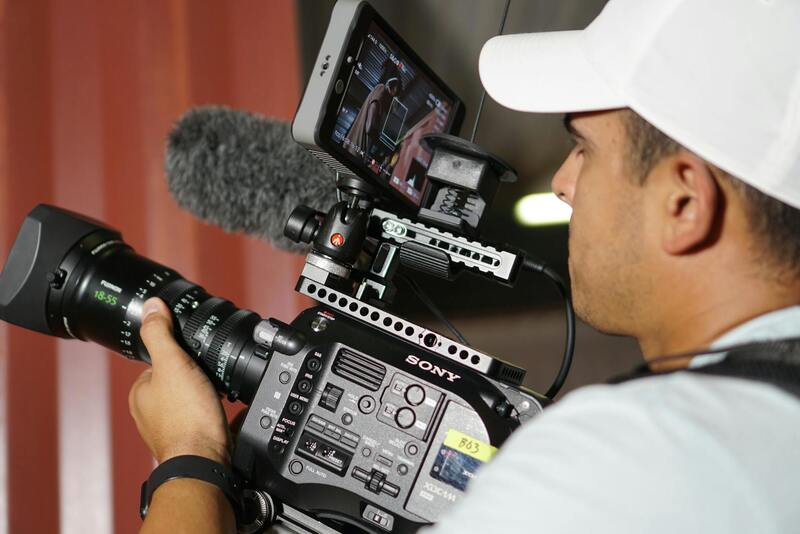
Furthermore, live streaming enhances brand visibility and positions organizations as innovative leaders within their industry. By leveraging high-quality video broadcast capabilities, companies can showcase their expertise, products, and services to a wider audience with professionalism and consistency. The increase in brand exposure often leads to higher market awareness and potential new business opportunities.
In Miami's competitive and diverse business environment, having a robust live streaming solution is no longer optional but a strategic necessity. It enables companies to adapt to changing consumer preferences, maximize event reach, and demonstrate agility in communication strategies. As digital landscapes evolve, organizations that harness the power of live streaming stand to gain a valuable edge over competitors by creating memorable, engaging, and far-reaching corporate experiences.
Understanding the Importance of Live Streaming for Corporate Events
Implementing a reliable and professional live streaming solution enables businesses to extend their reach beyond traditional physical boundaries, allowing stakeholders, clients, and teams to participate in key moments as they unfold in real time. It supports a seamless sharing of information and fosters a sense of inclusivity that aligns with modern corporate communication trends.
Effective live streaming enhances audience engagement by integrating interactive features such as live chat, polling, and Q&A sessions. These functionalities foster active participation, which not only elevates the viewing experience but also generates immediate feedback that can influence event dynamics or strategic decision-making. In the context of corporate events, such immediacy and interaction are invaluable for maintaining interest and reinforcing messaging.
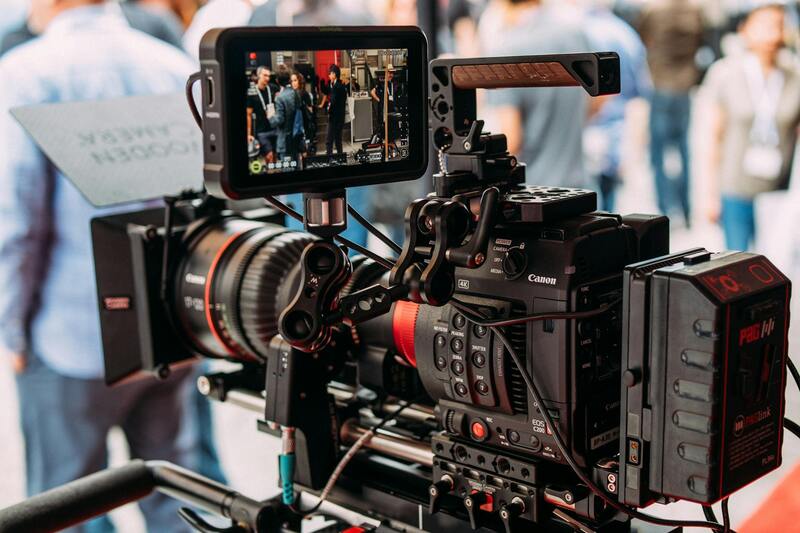
Beyond engagement, live streaming significantly boosts brand visibility. When executed professionally, it positions the organization as an innovative leader committed to transparency and accessibility. The ability to broadcast corporate milestones, product launches, or executive speeches through polished visual and audio quality enhances credibility and compels audience trust.
Additionally, the versatility of live streaming solutions empowers companies to adapt quickly to dynamic market and organizational needs. This allows for fluid scheduling of virtual workplaces, remote product demonstrations, and international conferences, all while maintaining a consistent brand image. It is a strategic tool in building a resilient communication infrastructure capable of navigating an ever-evolving digital landscape.

Key Components of a Robust Corporate Live Streaming Solution
- High-Quality Video and Audio: Clear, crisp visuals combined with professional sound ensure a premium viewing experience.
- Scalability: A platform that can accommodate a growing number of viewers without compromising performance is essential.
- Interactive Features: Tools such as chat, polling, or live Q&A foster active engagement among remote audiences.
- Accessibility: Support for multiple devices and platforms guarantees seamless access for all viewers, including those with disabilities.
- Multi-Platform Broadcasting: Simultaneous streaming to various social media channels or corporate websites enhances reach and brand consistency.
Choosing the Right Infrastructure for Corporate Live Streaming
The foundation of a successful live streaming event relies heavily on the robustness of technical infrastructure. This involves selecting appropriate hardware, such as encoders and cameras capable of transmitting high-definition content, and ensuring a reliable, high-bandwidth internet connection to prevent disruptions. Employing dedicated streaming servers or cloud-based solutions facilitates scalable delivery, particularly for large audiences.
Furthermore, integrating professional production equipment—including professional microphones, lighting, and video switchers—contributes to a polished presentation. Using professional-grade encoders ensures encoding efficiency and compatibility with various streaming platforms. For organizations that prefer a flexible setup, solutions with support for third-party encoders facilitate integration of existing systems with new streaming infrastructure.

Best Practices for Executing Professional Corporate Live Streams
- Technical Rehearsal: Conduct comprehensive test runs to identify and resolve potential issues before the live event.
- Content Planning: Prepare scripts, visuals, and backup content to streamline the broadcast and handle unexpected situations smoothly.
- Engagement Management: Assign dedicated personnel to monitor chat, handle Q&A, and manage viewer interactions in real time.
- Quality Assurance: Continuously monitor stream quality, internet stability, and audio levels during the broadcast.
- Post-Event Analysis: Review metrics such as viewer counts, engagement levels, and audience feedback to improve future streams.
Adhering to these practices enhances the professionalism of the broadcast, maximizes audience engagement, and ensures the transmission is free from technical disruptions that could compromise the event’s impact.
Enhancing Corporate Communication through Secure and Reliable Live Streaming
Implementing a robust live streaming solution for corporate events necessitates not only a focus on technical capabilities but also on security measures that protect sensitive content. Utilizing encryption protocols during data transmission ensures that proprietary information remains confidential throughout the broadcast process. Additionally, deploying secure login credentials and access controls limits viewership to authorized personnel, preventing unauthorized disruptions or data breaches. A comprehensive CDN (Content Delivery Network) infrastructure distributes streams efficiently while maintaining high security standards, safeguarding against malicious attacks or interference that could compromise the event's integrity.
Another vital component involves integrating remaining compliant with industry-specific regulations, such as GDPR or HIPAA, depending on the content's nature. Employing compliant streaming platforms and adhering to best practices in data handling fortifies a company's commitment to legal standards and ethical data management. Furthermore, implementing multi-factor authentication for stream access, along with encryption technologies such as SSL/TLS, enhances overall security resilience. These measures collectively create a trustworthy environment that encourages engagement from stakeholders while mitigating risk.
Implementing Accessibility Features for Inclusive Engagement
Accessibility is a crucial aspect of a professional live streaming solution, ensuring that corporate content reaches a diverse audience. Incorporating features like live captioning, sign language interpretation, and audio descriptions accommodates participants with varying abilities. These features not only demonstrate corporate social responsibility but also broaden the event's reach and impactoction. Compatible platforms support seamless integration with third-party accessibility tools, allowing organizations to customize features based on audience needs.
Moreover, providing multiple language options and localized content can significantly enhance engagement, especially in geographically diverse corporate environments. Easy-to-navigate interfaces, coupled with adjustable playback controls, empower viewers to access content comfortably at their convenience. By prioritizing accessibility, businesses reaffirm their commitment to inclusivity and maximize the effectiveness of their communication efforts.
Comprehensive Support and Technical Assistance During Live Events
Successful corporate live streams rely heavily on dedicated technical support before and during the event. Engaging a team of experienced professionals ensures that all audio, video, and streaming elements function seamlessly. Prior to the event, conducting detailed technical rehearsals allows identification and resolution of potential issues, creating a stable and high-quality broadcast environment.
During the event, real-time monitoring by technical experts is essential to manage streaming quality, address connectivity issues, and respond promptly to any unforeseen challenges. Having backup systems in place, such as secondary internet connections and redundant hardware, further ensures uninterrupted service. Post-event, detailed analytics provide insights into viewership patterns, engagement metrics, and technical performance, guiding continuous improvements for future streams. These comprehensive support practices are integral to delivering polished and professional corporate live events that leave a lasting impression.
Implementing Secure and Official Live Streaming Methods for Corporate Events
Ensuring a reliable and compliant live streaming process involves leveraging established and recognized methods that uphold industry standards. Businesses should prioritize official streaming channels that are designed for corporate use, offering stability, security, and high-quality transmission. These platforms typically provide enterprise-grade encryption, user authentication, and access controls, safeguarding sensitive information and protecting proprietary content from unauthorized access. Engaging with reputable providers that specialize in corporate live streaming guarantees a seamless experience, with dedicated support teams to assist with setup, troubleshooting, and optimization.

Establishing a Dedicated Streaming Infrastructure
Setting up a dedicated streaming infrastructure is a cornerstone of legitimate live broadcasting. This setup involves using enterprise-grade hardware encoders, servers, and content delivery networks (CDNs) that are optimized for high traffic and reliability. Hardware encoders convert high-definition video feeds into streams that are optimized for internet transmission, minimizing latency and buffering. In tandem, CDNs distribute the content efficiently to viewers globally, ensuring a consistent viewing experience regardless of geographical location.
- Utilize professional hardware encoders for optimal video quality
- Partner with trusted CDN providers to handle content delivery
- Implement redundant servers and backup internet connections to prevent downtime
Adopting Industry-Approved Streaming Protocols
Resorting to officially sanctioned streaming protocols like RTMP (Real-Time Messaging Protocol) and SRT (Secure Reliable Transport) reinforces the legitimacy of corporate broadcasts. These protocols facilitate secure, low-latency transmission of live video streams, accommodating high-resolution content with minimal delay. Many professional streaming platforms support these protocols, allowing seamless integration with existing hardware and software solutions. Using such protocols also enables remote management and monitoring of streams, offering control over stream quality and stability in real-time.

Implementing Authentication and Access Control Mechanisms
Authenticating viewers and controlling access are pivotal steps to maintain the integrity of corporate broadcasts. Official methods include multi-factor authentication (MFA), login credentials, and IP restrictions that limit access to authorized personnel only. These measures prevent unauthorized interception or redistribution of sensitive content, reinforcing the security of the streamed material. Additionally, employing custom login pages branded for the organization enhances professionalism and user trust, while detailed access logs facilitate tracking of viewership and engagement metrics.
Ensuring Compliance with Technical and Security Standards
The use of official, compliant streaming methods aligns with recognized technical standards such as ISO/IEC security controls and digital content protection protocols. These standards specify best practices for data encryption, server security, and secure transmission channels, fostering confidence among stakeholders. By adhering to such standards, organizations demonstrate their commitment to a high level of professionalism, safeguarding their reputation while satisfying industry expectations for operational integrity.
Understanding the Importance of Live Streaming for Corporate Events
In the modern business landscape, live streaming has become an indispensable tool for organizations seeking to expand their reach and enhance stakeholder engagement. Corporate live streaming enables companies to broadcast meetings, product launches, seminars, and conferences to a global audience in real time. This immediacy fosters transparency, facilitates remote participation, and improves brand visibility. Companies that leverage official, reliable streaming methods ensure their broadcasts are uninterrupted, high quality, and secure, thereby reinforcing their professional image. Additionally, live streams serve as archived content, creating valuable resources for future marketing campaigns and internal training.
Key Features of a Corporate Live Streaming Solution
Effective corporate live streaming solutions hinge on a set of core features that guarantee a seamless broadcast experience. These include:
- High-Quality Video and Audio: Use of professional-grade encoders, cameras, and microphones to deliver crisp visuals and clear sound, essential for maintaining professionalism.
- Reliable Content Delivery: Deployment of Content Delivery Networks (CDNs) ensures consistent stream quality and minimizes buffering, even with large audiences spanning different regions.
- Secure Access Control: Implementation of multi-factor authentication (MFA), login credentials, and IP restrictions to restrict access exclusively to authorized viewers, safeguarding sensitive content.
- Custom Branding and User Experience: Branded login portals, overlay graphics, and user-friendly interfaces promote brand consistency and ease of access for viewers.
- Monitoring and Analytics: Real-time monitoring of stream health and detailed viewer analytics enable organizations to respond to technical issues swiftly and understand viewer engagement metrics.
- Compatibility and Scalability: Support for various devices and platforms ensures accessibility, while scalability allows accommodation of audiences of any size.

Strategies for Selection and Implementation
Choosing an appropriate live streaming platform is critical for maximizing event impact. Organizations should prioritize solutions that adhere to industry standards—such as secure streaming protocols (RTMP, SRT)—and offer integrations with existing infrastructure. Compatibility with professional-grade encoders, mixers, and remote management tools simplifies the production process and enhances stream stability.
Implementation involves configuring hardware components—like cameras, microphones, and encoders—with robust networking setups, including high-bandwidth internet connections and backup options. Proper testing prior to live events ensures technical issues are identified and resolved, guaranteeing a smooth viewing experience. Moreover, collaboration with experienced vendors who understand compliance and security protocols strengthens broadcast integrity.

Implementing Secure and Reliable Transmission Protocols
In the context of corporate live streaming, utilizing established transmission protocols is essential for ensuring a stable, high-quality broadcast. Protocols such as Real-Time Messaging Protocol (RTMP) and Secure Reliable Transport (SRT) are cornerstones in professional streaming workflows. RTMP has been a longstanding standard for transmitting live video streams due to its low latency and broad compatibility with streaming servers and content delivery networks. SRT, on the other hand, has gained popularity owing to its emphasis on security and resilience, especially over unpredictable network conditions.
Choosing the right protocol hinges on the specific needs of the event, including latency requirements, security concerns, and network infrastructure. An effective live streaming solution for corporate use often involves integrating encoders and streaming platforms that support these protocols, guaranteeing minimal delay and maximum security. This setup ensures that confidential or sensitive information remains protected during transmission, maintaining compliance and client trust.

Optimizing Network Infrastructure for Seamless Streaming
The foundation of any successful live stream is a robust and dedicated network setup. High-bandwidth internet connections are indispensable, reducing the likelihood of buffering and interruptions. Organizations often employ dedicated fiber optic lines or enterprise-grade internet services with symmetrical upload/download speeds to support high-quality video delivery.
Deploying multiple internet connections with automatic failover capabilities enhances reliability. This redundancy ensures that if one connection experiences issues, others can seamlessly take over, maintaining uninterrupted streaming. Additionally, network security measures such as firewalls, VPNs, and secure Wi-Fi networks are critical in preventing unauthorized access and potential disruptions.
Prior to the event, comprehensive network testing is conducted to identify bottlenecks or vulnerabilities. This proactive approach allows technical teams to optimize configurations and ensure that all hardware components—such as routers, switches, and encoders—operate harmoniously. For broadcasts involving large audiences or sensitive information, additional bandwidth planning and traffic management are implemented to allocate resources efficiently.
Using Professional Hardware for Superior Broadcast Quality
High-caliber hardware components are vital for delivering professional-grade corporate live streams. Professional encoders convert raw video signals from cameras into digital formats suitable for streaming, with options supporting hardware acceleration for optimal performance. These encoders offer advanced features such as multi-bitrate streaming, adaptive bitrate delivery, and multi-channel audio, which enhance the viewer experience regardless of device or network conditions.
Cameras used for corporate events are often equipped with high-resolution sensors and optical zoom capabilities to capture clear, detailed footage. Integration with professional audio mixers ensures crystal-clear sound, while reliable microphones and audio processors eliminate background noise and distortions.
Furthermore, deploying redundant hardware components and backup power supplies guarantees operation continuity even during technical failures or power outages. Coordination between hardware and software solutions simplifies control and synchronization, enabling smooth transitions, overlays, and production effects that elevate the overall production quality.

Implementing Robust Network and Connection Strategies
Achieving a seamless corporate live stream requires a meticulous approach to network configuration and connection stability. It is imperative to utilize high-speed, dedicated internet connections that can support the data bandwidth necessary for high-definition streaming. Deploying primary and backup internet links ensures continuous broadcast even in case of temporary outages or fluctuations in network conditions. Employing fiber optic connections, where available, is highly advantageous due to their higher throughput and lower latency, which directly correlates with improved stream quality.
Network congestion can significantly impact stream stability; therefore, configuring Quality of Service (QoS) settings on network equipment prioritizes streaming traffic over other data transmissions. This approach minimizes latency and buffering issues, maintaining a consistent viewer experience. Additionally, using content delivery networks (CDNs) specialized for live streaming can distribute the stream efficiently across different geographic locations, reducing latency and buffering for remote viewers.
Leveraging Multi-Platform Streaming for Broader Reach
To maximize engagement and ensure vital information reaches all stakeholders, organizations are increasingly leveraging multi-platform streaming strategies. This involves simultaneously broadcasting the live event across multiple channels such as dedicated corporate portals, social media platforms, and web embedding options. Utilizing a multi-destination streaming server or platform enables the replication of streams in real time without sacrificing quality or stability.
This approach not only broadens audience reach but also increases brand visibility and engagement with different user demographics. It offers the flexibility to tailor the viewing experience, such as providing private streams for internal audiences and public streams for partners or clients. Properly configured streams should adhere to consistent audio and visual branding standards across all platforms to reinforce professionalism and brand recognition.
Monitoring and Managing the Broadcast in Real-Time
Effective real-time monitoring is critical for preempting technical issues and ensuring a smooth viewing experience. Using dedicated monitoring tools and dashboards allows broadcast teams to observe stream health indicators, bitrate fluctuations, and connection stability continuously. Alerts for any anomalies provide opportunities for immediate corrective actions, such as switching to alternate streams or adjusting encoding parameters on the fly.
Proactive management extends to communication channels among production staff. Establishing clear protocols and backup plans for different aspects of the broadcast ensures rapid response to unforeseen issues. Dedicated onsite or remote technical support personnel should oversee the stream, equipped with diagnostic tools and backup hardware to swiftly resolve connectivity or hardware malfunctions.
Ensuring Content Security and Privacy
Corporate live streams often involve sensitive content that must be protected from unauthorized access. Implementing robust security measures is essential for safeguarding broadcast integrity and maintaining confidentiality. These measures include encrypted streaming protocols such as TLS or SRTP, password-protected streams, and access control lists (ACLs) to restrict viewing to authenticated users.
Furthermore, secure streaming platforms offer customizable permissions for viewers, which can be managed dynamically throughout the event. Employing digital rights management (DRM) solutions can prevent unauthorized redistribution or recording of the stream. Regular security audits and updates to streaming infrastructure help mitigate potential vulnerabilities, ensuring the broadcast remains confidential and tamper-proof.
Legal and Accessibility Considerations
Implementing an effective live streaming solution for corporate events necessitates meticulous attention to legal and accessibility standards. Ensuring compliance with copyright regulations is fundamental; this involves verifying that all shared content, including visuals, music, and branded materials, are appropriately licensed or used with permission. This precaution prevents potential disputes and preserves the organization’s integrity.
From an accessibility perspective, providing accommodations for diverse audiences is vital. Incorporating features such as closed captioning and transcripts enhances the viewing experience for individuals with hearing impairments. Additionally, offering multilingual support expands the reach of your broadcast, ensuring that language barriers do not hinder engagement.

Technical implementations to support these features include deploying captioning services that synchronize real-time subtitles with the live feed. Many professional streaming platforms facilitate easy integration of such services, allowing seamless delivery without significant additional setup.
Moreover, adherence to web accessibility standards, such as the Web Content Accessibility Guidelines (WCAG), ensures your streaming infrastructure and associated content are accessible to all users. This includes maintaining a user-friendly interface, providing alternative text for visual elements, and ensuring keyboard navigability.
Balancing security measures with accessibility is also essential. While protecting sensitive content with encryption and access controls, it’s important to provide accessible login and access procedures to prevent restrictions from inadvertently excluding legitimate viewers. These steps foster an inclusive environment while maintaining the integrity of your corporate communications.

Another layer of consideration involves data privacy and compliance with regulations such as GDPR or HIPAA when applicable. Securing viewer data and respecting privacy expectations reinforce trust with your audience and uphold your organization’s reputation.
By integrating these comprehensive measures, companies can ensure that their live streaming efforts are not only effective and engaging but also respectful and inclusive of all audience members. This holistic approach elevates the quality and professionalism of your corporate communications while fostering a broader connection with your viewers.