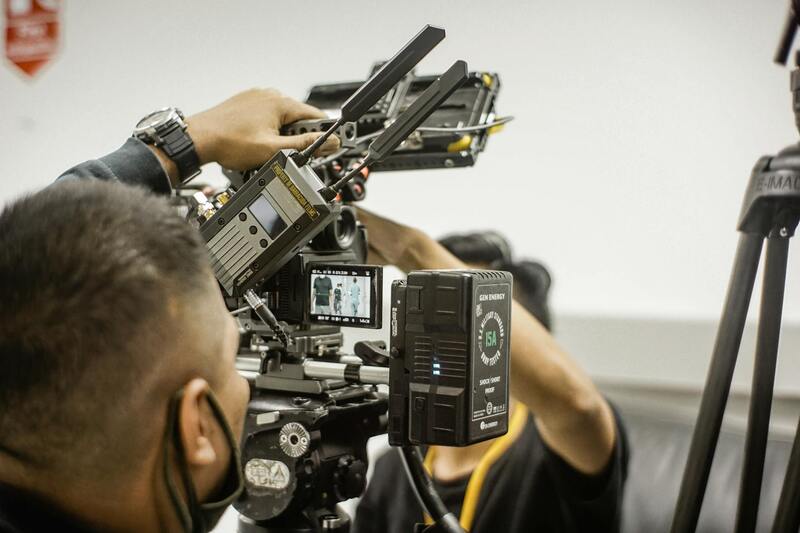
Understanding Live Streaming Production
Live streaming production has become an essential tool for a wide array of industries, offering real-time broadcasting capabilities that reach global audiences with immediacy and high visual quality. Its primary purpose is to deliver live content efficiently, seamlessly connecting viewers to events, presentations, performances, or corporate communications without physical presence. This technology fulfills diverse needs across sectors such as entertainment, corporate, education, sports, and religious organizations, especially within the vibrant Miami market where multimedia engagement is highly valued.
In the entertainment industry, live streaming enables concerts, festivals, and performances to extend their reach beyond traditional venues, fostering an inclusive experience for fans worldwide. Corporate entities utilize live streams for conferences, product launches, and webinars, facilitating real-time interaction and engagement with stakeholders and customers. Sports organizations broadcast live matches, tournaments, and training sessions, offering immersive viewing experiences that transcend geographical boundaries. Miami-based businesses and event organizers leverage live streaming to enhance visibility, generate revenue, and create interactive brand experiences.
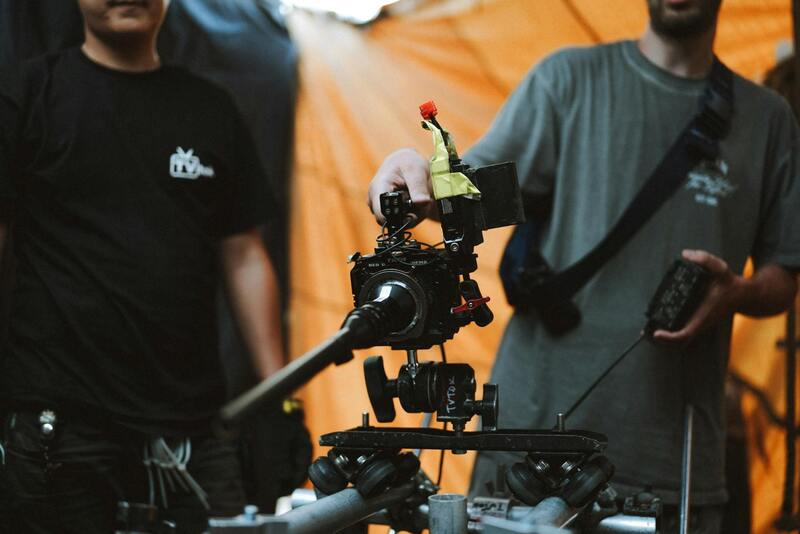
The core advantage of live streaming production lies in its ability to combine multiple technical components—such as cameras, audio equipment, encoding systems, and internet infrastructure—to deliver a polished broadcast. Professional live streaming production ensures high-definition video, synchronized audio, stable internet connectivity, and real-time audience interaction. It involves meticulous planning, precise execution, and post-event analysis to maintain quality standards and optimize viewer experience.
As Miami continues to grow as a multimedia hub, understanding the purpose and scope of live streaming production is vital for organizations seeking to harness its potential. Whether broadcasting a city-wide festival, a corporate seminar, or a sports event, high-quality live streaming combines technology, creativity, and professional expertise to engage audiences effectively and efficiently. Recognizing the significance of these elements sets the stage for successful live broadcast operations that meet the expectations of modern viewers and clients alike.
Understanding Live Streaming Production
Live streaming production involves a complex integration of various technical and creative elements to deliver seamless real-time broadcasts that engage audiences across multiple platforms. It requires a well-orchestrated setup that combines high-end hardware, robust internet infrastructure, and sophisticated software to ensure high-definition video quality, synchronized audio, and minimal latency. To achieve this, professionals utilize high-resolution cameras capable of capturing intricate details, professional-grade microphones and audio mixers for clear sound, and reliable encoding systems that compress and transmit video data efficiently.
One of the critical aspects of live streaming production is internet connectivity. The success of any live stream hinges on the stability and bandwidth of the internet connection available at the event location. Many production teams opt for redundant internet links or bonding solutions such as cellular bonding systems to mitigate potential disruptions, especially in environments where traditional connectivity might be unreliable. This approach consolidates multiple data streams, providing a fail-safe that ensures continuous broadcast even if one connection encounters issues.
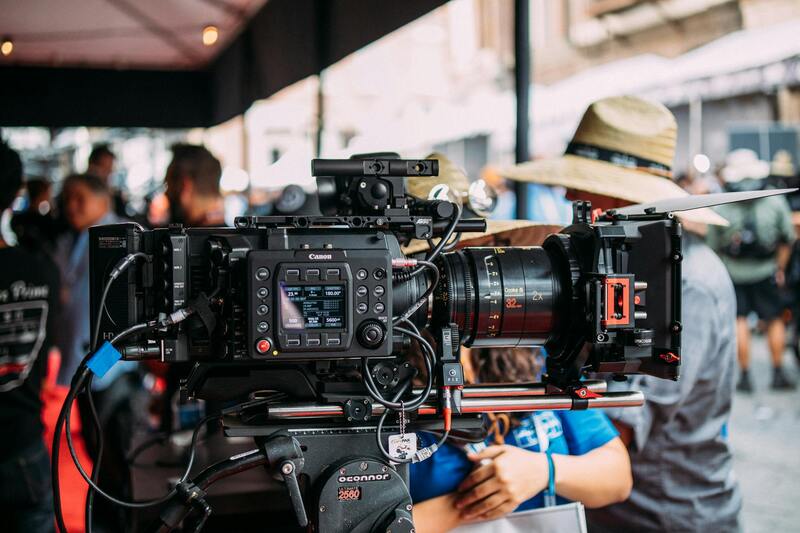
Pre-production planning is fundamental to the success of live streaming projects. This phase involves detailed coordination with clients to determine objectives, target audience, and key messaging. It also includes technical planning — selecting appropriate equipment, scouting locations, and establishing internet requirements. Content scripting and rehearsals are conducted to fine-tune camera angles, graphics, and transitions, ensuring the live broadcast aligns with the event’s branding and informational goals.
Key Equipment for Professional Live Streaming
- Cameras: High-definition, pan-tilt-zoom, or studio cameras suitable for capturing different event angles.
- Encoders: Hardware or software solutions responsible for compressing video data for online transmission.
- Audio Systems: Microphones, mixers, and sound processing units to deliver crystal-clear audio that matches the video quality.
- Internet Infrastructure: Reliable wired connections, cellular bonding systems, and backup internet options to maintain continuous streaming.
- Switchers and Graphics: Video switchers and graphic overlays that enhance visual engagement and branding during the live session.
Executing live streaming events demands a team of experienced technicians and producers who meticulously monitor equipment performance, coordinate camera feeds, manage audio sync, and troubleshoot issues proactively. During the event, real-time communication between crew members is vital to respond quickly to unforeseen circumstances and maintain broadcast quality.
Post-Event Analysis and Content Distribution
After the live event concludes, the content is often processed through post-production editing to add finishing touches, such as branding, additional graphics, or edits for on-demand viewing. Distribution strategies involve uploading the final material to various online platforms, social media channels, or dedicated websites to maximize reach and engagement. Metrics such as viewer count, engagement rates, and technical performance insights are analyzed to refine future live streaming initiatives and ensure continuous improvement.
Understanding Live Streaming Production
Effective live streaming production involves orchestrating a complex integration of technical components and personnel to deliver seamless broadcast content. At its core, it requires meticulous planning, high-quality equipment, and skilled operators who understand the nuances of real-time video transmission. The goal is to generate an engaging viewing experience that maintains technical excellence while capturing the essence of the live event.
The process begins with comprehensive pre-production planning where goals are defined, content flow is mapped out, and equipment needs are assessed. A clear understanding of the event's scope allows for the selection of appropriate tools and crew, ensuring that each element works harmoniously during the live event.
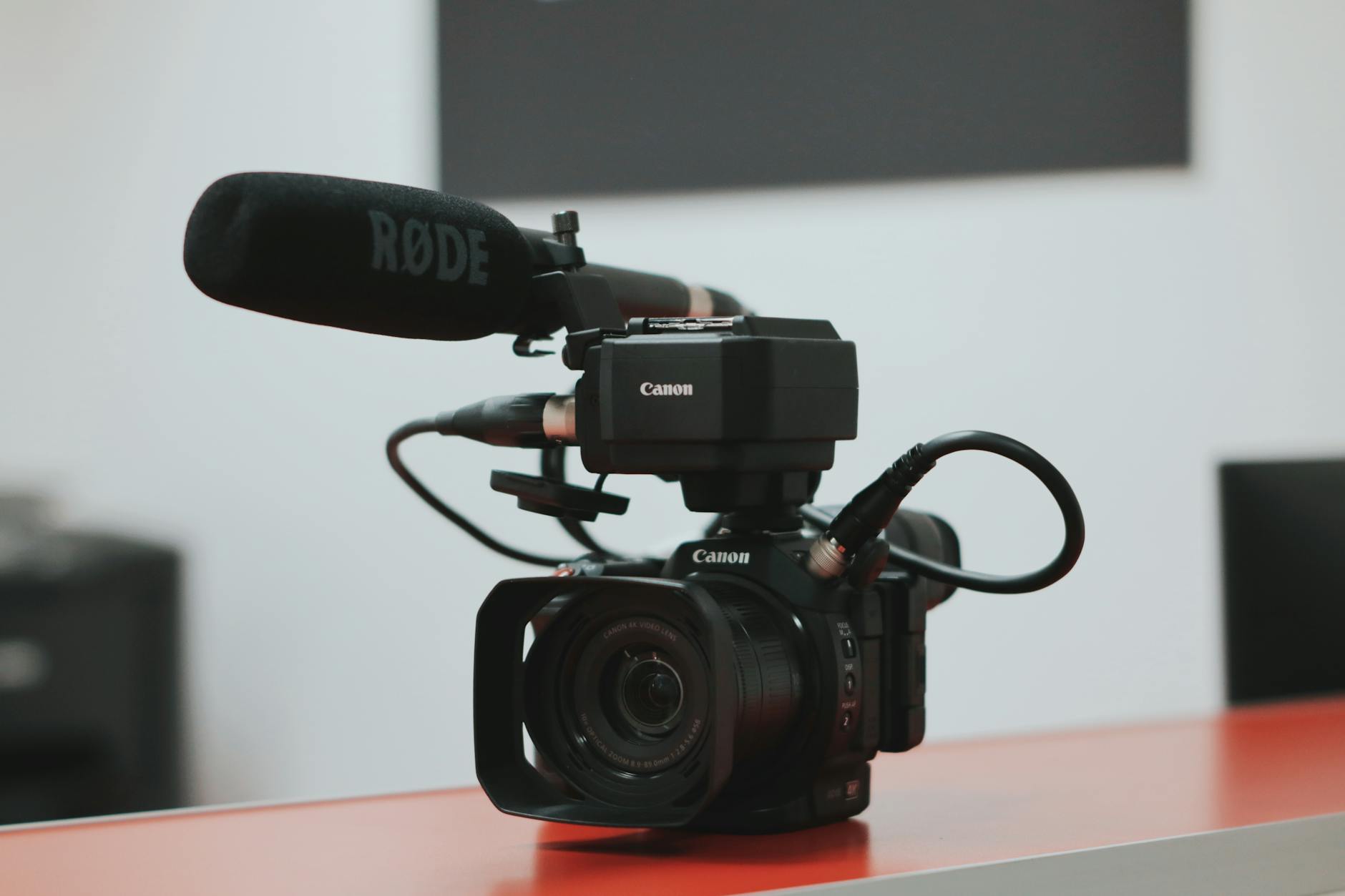
During the production phase, a team of trained professionals manages multiple facets including camera operations, audio capture, switching between video sources, and encoding. They ensure synchronization between audio and video signals, maintain stable internet connectivity, and implement real-time graphics or overlays to enhance viewer engagement. Live switching and graphics allow for dynamic presentation, highlighting key moments or branding elements to keep audiences interested.
Key Elements in Live Streaming Production
- Video Capture Devices: Multiple cameras capturing various angles of the event, from wide shots to close-ups, facilitate diverse visual perspectives that cater to viewer preferences.
- Encoding Solutions: Hardware or software encoders process raw footage into compressed streams suitable for online transmission while maintaining high quality.
- Audio Systems: Microphones, mixers, and sound processors work in concert to produce clear, synchronized audio that complements the visual content.
- Internet Infrastructure: Reliable wired internet connections, cellular bonding, and backup systems are critical for uninterrupted streaming, especially during large-scale events.
- Switchers and Graphics: Video switchers facilitate seamless transitions between camera feeds, while graphic overlay systems add branding and informational elements in real-time.
Monitoring and Troubleshooting
Once the live event begins, continuous monitoring of all systems is essential. Technicians watch for signal disruptions, audio imbalance, or technical glitches, employing predefined troubleshooting protocols. The ability to respond swiftly minimizes disruptions and preserves the broadcast’s integrity, creating a professional and engaging viewing experience.
In addition to the live portion, post-event activities include reviewing performance metrics like viewer engagement, stream stability, and conversion rates. These insights inform future strategies, enabling enhancements in content delivery, equipment choices, and crew coordination for upcoming productions.
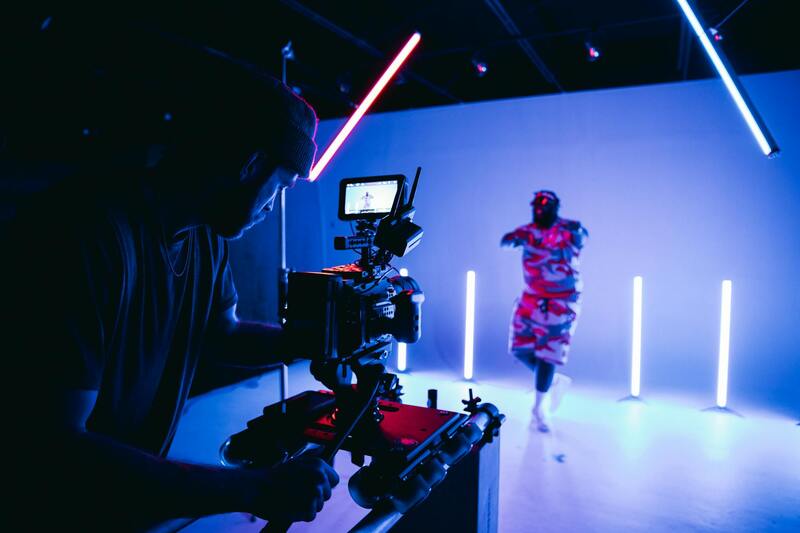
Processed content is often refined through editing, allowing for the addition of branded elements or highlights that were missed during the live event. Distribution via various online platforms ensures broader access, accommodating on-demand viewers and social media sharing. These practices extend the lifespan of the event content and can significantly increase overall engagement metrics, fostering sustained audience growth and interaction.
Understanding Live Streaming Production
Production live streaming involves the intricate process of capturing, encoding, transmitting, and displaying video content in real time over the internet. This dynamic activity requires meticulous coordination of various technical elements to ensure a seamless viewing experience. Live streaming production combines multiple disciplines, including camera operation, audio management, video switching, and online distribution. It is essential for delivering high-quality content during live events such as conferences, concerts, sports, or corporate presentations. A well-executed live stream not only reaches a broad audience but also maintains the integrity, professionalism, and engagement level of the event. The process begins with pre-production planning, where content format, target platforms, and technical infrastructure are established. During the event, a team manages the transmission, troubleshooting any issues that may arise to minimize disruption. Post-event, content may be edited or optimized for on-demand access, designed to extend the lifespan and audience engagement of the original broadcast.
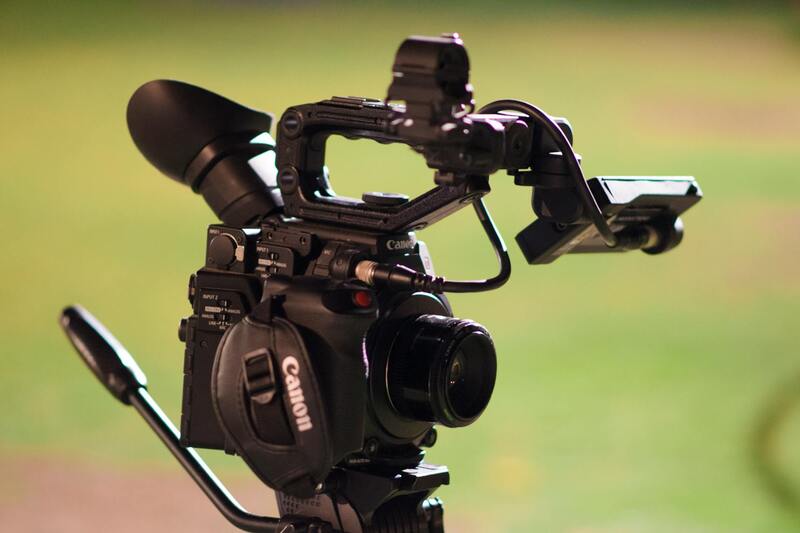
Key Components of Live Streaming Setups
An effective live streaming setup relies on essential hardware and software components working cohesively. Video capture is achieved through high-definition cameras that provide crisp, clear images, often coupled with multiple angles for a dynamic presentation. Audio sources include microphones and mixing consoles that ensure clear sound quality, crucial for maintaining viewer engagement. Video switchers enable operators to switch seamlessly between camera feeds, insert graphics, and overlay branding elements, creating a professional broadcast appearance. A reliable encoding system compresses and converts video signals into formats suitable for online transmission, facilitating compatibility across various platforms. Content delivery networks (CDNs) then distribute the stream efficiently to viewers worldwide, minimizing latency and buffering issues. Monitoring tools are vital for real-time oversight, allowing technical teams to identify and rectify issues as they occur. Additional systems may include graphics generators, real-time subtitle management, and integrated social media plugins to foster audience interaction.

Types of Live Streaming Services
The landscape of live streaming services encompasses various formats tailored to specific needs and audiences. Webcasting services cater to corporate events, webinars, and virtual conferences, often integrating interactive elements to enhance engagement. Event-specific streaming services are designed for conferences, concerts, or sports tournaments, emphasizing high-quality video and audio fidelity for large-scale audiences. Social media live streaming leverages platforms like Facebook Live, Instagram Live, or YouTube Live to reach followers instantly, with features for real-time interaction and sharing. Hybrid approaches combine multiple platforms to maximize reach and visibility during major events. Additionally, some providers offer turnkey solutions that include end-to-end production, from content creation to distribution and analytics. These comprehensive services allow organizations to focus on their core message while relying on technical specialists to manage the complexities of live broadcast execution. Selecting an appropriate service depends on factors like target audience, event scale, content type, and desired level of interactivity.
Understanding Live Streaming Production
Producing a high-quality live streaming event requires meticulous attention to detail, advanced technical infrastructure, and seamless coordination among various components. At the core, live streaming production involves capturing live footage through professional-grade cameras, which are then transmitted via dedicated encoding systems that convert raw video into a digital format suitable for internet transmission. The encoded video streams are managed through a robust content management platform that ensures smooth delivery to viewers while minimizing latency and buffering issues.
Effective live streaming production also integrates real-time graphic overlays, subtitles, and branding elements that enhance viewer engagement and brand recognition. Audio quality is equally critical, necessitating sophisticated sound mixing consoles and microphones to deliver clear, crisp sound across multiple channels. The entire process is overseen in real time by a skilled production team that monitors video feeds, manages transitions, and addresses any technical anomalies swiftly to maintain broadcast continuity.
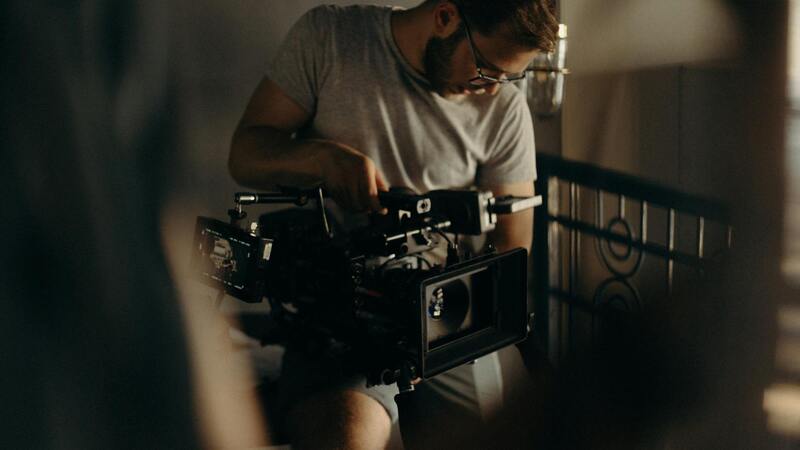
Key Components of Live Streaming Setups
- Video Capture Devices: High-resolution cameras capable of delivering crisp, detailed footage suitable for broadcast quality streaming.
- Encoding Hardware and Software: Devices or programs that convert live video signals into compressed digital formats, ensuring compatibility and efficient transmission over the internet.
- Streaming Platforms and Protocols: Official, reliable platforms such as RTMP (Real-Time Messaging Protocol) or HLS (HTTP Live Streaming) that facilitate stable delivery to various devices and audiences.
- Audio Equipment: Professional microphones, mixers, and audio interfaces that preserve sound clarity and balance across different audio sources.
- Graphics and Overlay Systems: Software tools that add real-time graphics, lower thirds, logos, and other visual enhancements for a polished appearance.
- Network Infrastructure: High-bandwidth internet connections, including cellular bonding systems and backup options, to ensure continuous streaming even in the face of connectivity issues.
- Monitoring and Control Interfaces: Multiple screens and control panels allowing operators to oversee the stream, switch camera feeds, and respond swiftly to any issues.

Types of Live Streaming Services
The landscape of live streaming encompasses various models tailored to distinct objectives and audiences. Webcasting services are ideal for corporate events, webinars, and virtual meetings, often incorporating interactive features such as Q&A, polls, and chat functionalities to foster engagement. These services prioritize professional-grade production quality to maintain a polished and credible presentation.
Event-specific streaming solutions are designed for large-scale gatherings like conferences, concerts, and sports tournaments. These setups focus heavily on delivering high-definition video and immersive audio experiences capable of entertaining vast audience sizes without degradation of quality. The infrastructure is equipped with multiple cameras, instant replay capabilities, and large-scale projection systems when necessary.
Social media live streaming enables organizations and individuals to broadcast directly to platforms such as Facebook Live, YouTube Live, or Instagram Live. These channels offer real-time interaction with followers, sharing features, and wide accessibility. Hybrid streaming solutions leverage multiple platforms simultaneously, maximizing visibility across diverse audience segments during promotional campaigns or major events.
Some providers offer turnkey packages that encompass end-to-end production, including pre-recorded content integration, live switching, graphics, and comprehensive analytics. These solutions streamline the process, allowing clients to focus on their core messaging while seasoned professionals handle technical complexities.
Understanding Live Streaming Production
Live streaming production is a strategic blend of technical expertise and creative execution, designed to broadcast live events over the internet with high-quality video and audio. It encompasses the entire process, from pre-event planning to post-event distribution, ensuring that audiences receive a seamless viewing experience regardless of their physical location. The core objective of live streaming production is to deliver engaging, professional content that maintains clarity, stability, and interactivity, thus enhancing the event's reach and impact.

Technical Foundations of Live Streaming Production
Effective live streaming hinges on a robust technical foundation, which includes durable hardware, reliable internet connections, and sophisticated streaming software. High-definition cameras capture the event from multiple angles, while switchers or live editors manage real-time video mixing. Encoders are essential for compressing and transmitting the video feed efficiently, enabling smooth delivery to multiple platforms simultaneously. Audio technicians ensure message clarity by managing sound levels and sources, crucial for maintaining audience engagement. Additionally, integrating graphics, overlays, and interactive elements can elevate the production quality, making the live stream more dynamic and engaging.
Essential Equipment for Live Streaming
- Cameras: Multiple HD or 4K cameras for comprehensive coverage.
- Switchers: Devices to seamlessly switch between camera feeds during the broadcast.
- Encoders: Hardware or software for encoding video signals into streamable formats.
- Audio Interfaces: Microphones and mixers for clear sound capture and management.
- Streaming Infrastructure: High-speed internet with backup solutions, such as cellular bonding systems, to prevent interruption.
- Graphics and Overlays: Software or hardware tools to add informational overlays, branding, or live captions.
Real-time Monitoring and Control
Monitoring tools are vital during live streaming to track performance metrics, such as bandwidth usage and stream stability. Control rooms equipped with production consoles allow operators to manage video feeds, audio levels, and visual effects dynamically. This real-time oversight helps mitigate issues promptly, ensuring that the broadcast remains uninterrupted and maintains high production values.
Post-Broadcast Considerations
After the live event, the recorded content can be edited, archived, and distributed across various channels to reach a broader audience. Advanced analytics provide insights into viewer engagement, geographic distribution, and technical performance, informing future live streaming strategies. Proper archiving of raw footage supports content repurposing for highlights, promotional videos, or future productions, maximizing the value of live streaming investments.
Choosing the Right Technology for Your Event
Matching event requirements with suitable live streaming technology is critical. Smaller webinars may only require basic input devices and a stable internet connection, whereas large-scale conferences or concerts demand multi-camera setups, professional audio systems, and redundant streaming pathways. Integrating hybrid solutions—combining live and pre-recorded content—and leveraging multi-platform streaming increases visibility and audience interaction. Custom solutions tailored by experienced production teams ensure that the technical setup aligns with the event's objectives and scale.
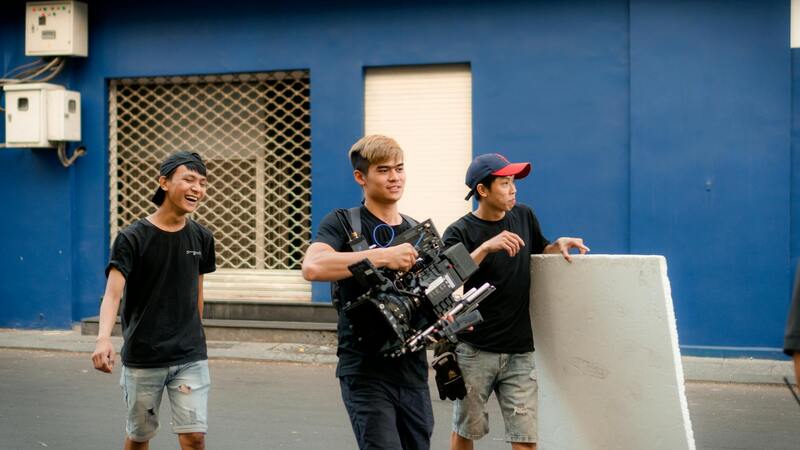
Understanding Live Streaming Production
Live streaming production entails a comprehensive process that transforms raw video and audio inputs into a polished, real-time broadcast accessible via the internet. The goal is to deliver seamless content to viewers across various devices and platforms, ensuring consistent quality and viewer engagement. This process begins with meticulous planning, including content scheduling, technical evaluations, and audience targeting. During production, skilled operators manage multiple elements such as camera feeds, audio levels, graphics overlays, and live switching. Digital signal processing tools are employed to enhance video clarity, synchronize audio, and integrate visual effects dynamically, creating an immersive viewing experience. It is also crucial to monitor stream stability continuously, with redundant systems in place to mitigate potential disruptions. Effective management of the live stream’s technical aspects requires precision and adaptability, especially when handling high-profile events or multi-camera setups.
Key Components of Live Streaming Setups
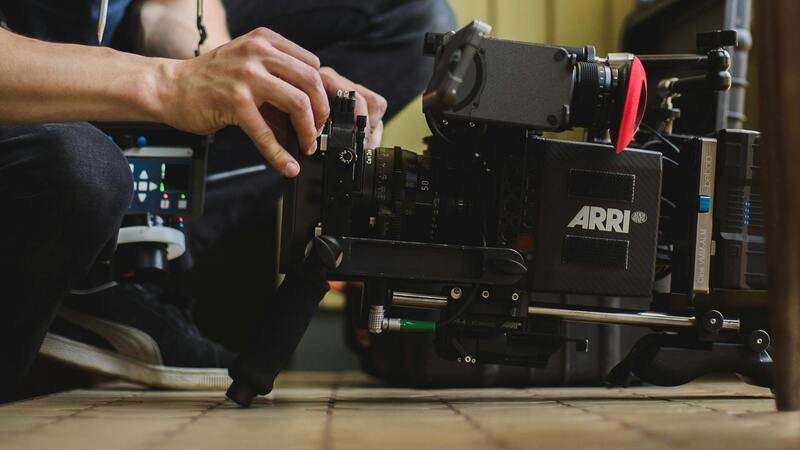
- Video Capture Devices: Cameras and encoding hardware capture live footage, transmitting it to the production system. Professional-grade cameras provide high-resolution feeds, crucial for large-scale broadcasts.
- Audio Equipment: Microphones, mixers, and audio interfaces ensure clear, synchronized sound. Good audio quality is vital for maintaining viewer engagement and conveying the event’s atmosphere accurately.
- Switching and Control Consoles: Production switches and control panels allow operators to select camera feeds, add graphics, and manage visual effects in real-time, creating a cohesive broadcast narrative.
- Internet Connectivity: Multiple high-bandwidth, reliable internet sources, including cellular bonding and fiber connections, ensure uninterrupted streaming even under network fluctuations.
- Streaming Platforms and Servers: Integration with platforms like YouTube, Facebook, or specialized CDN (Content Delivery Network) servers enables multi-platform distribution, maximizing reach and accessibility.
- Monitoring and Redundancy Systems: Real-time analytics and backup streams safeguard against technical failures, guaranteeing continuous delivery regardless of potential issues.
Types of Live Streaming Services
- Webinar Streaming: Ideal for educational, business, or corporate meetings, these services focus on interactive, small-to-medium audiences with emphasis on engagement tools such as chat and Q&A features.
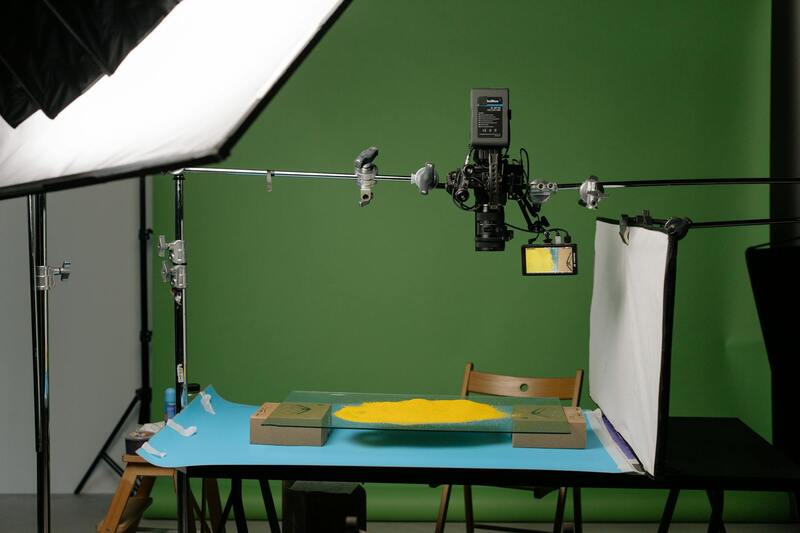
- Event Live Streaming: Cover large-scale events including conferences, festivals, or sports, requiring multi-camera setups and robust network infrastructure to handle high viewer counts.
- Concert and Entertainment Live Streams: Focus on high production values, utilizing real-time graphics, multiple angles, and immersive audio to replicate the onsite experience for remote audiences.
- Hybrid Streaming Solutions: Combine live and pre-recorded content, offering flexibility for complex productions and ensuring consistent delivery even if live elements encounter issues.
Planning and Pre-Production for Live Streaming
Effective live streaming begins well before the event itself. Pre-production involves detailed planning, including defining the event’s objectives, choosing the appropriate technology, and securing necessary permits or rights. A comprehensive storyboard or shot list is developed to organize camera angles, graphic inserts, and timing cues. Technical rehearsals are conducted to test equipment, internet connections, and signal workflows, eliminating potential issues during the actual broadcast. Assigning roles such as camera operators, technical directors, and audio engineers ensures a coordinated effort. Establishing clear communication channels among all team members facilitates swift responses to unforeseen challenges. Additionally, content promotion strategies are implemented to optimize audience reach, which may include social media campaigns or email announcements. Properly documented workflows and contingency plans contribute to a smooth execution, minimizing the risk of technical disruptions and maximizing broadcast quality.
Advanced Techniques for Reliable Production Live Streaming
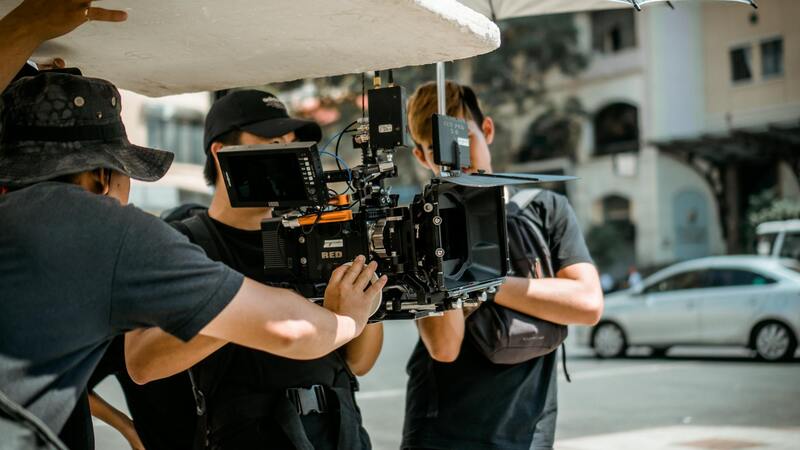
Implementing robust production live streaming requires meticulous attention to a variety of technical and operational aspects. High-quality streams depend on the integration of professional-grade equipment such as industrial-grade switchers, multi-camera setups, and redundant internet connections. For seamless operation, this includes deploying backup systems like secondary internet lines, portable encoders, and uninterruptible power supplies (UPS). These measures help maintain broadcast continuity even during unforeseen disruptions. Selecting high-bandwidth, dedicated connectivity solutions ensures the transmission remains stable across the entire event duration, minimizing latency and buffering concerns.
Incorporating advanced audio technologies is equally vital. Utilizing professional wireless microphones, digital mixing consoles, and sound processing units guarantees clear, balanced audio delivery. Proper sound checks and latency tests should be conducted beforehand to synchronize audio with visual content accurately. Meanwhile, real-time graphics integration through software solutions enhances viewer engagement, allowing dynamic overlays, score updates, and branding elements to be displayed seamlessly. These visual augmentations not only enrich the viewing experience but also aid in conveying vital information effectively.
Implementing Effective Real-Time Monitoring and Quality Assurance
Continuous monitoring during the event is crucial for maintaining broadcast integrity. Dedicated technicians oversee multiple streams and signal quality metrics, ready to troubleshoot issues promptly. Tools such as multi-view monitors and network analytics software provide insights into stream performance, enabling immediate corrective action if signal degradation or latency arises. Quality assurance protocols should include pre-event tests, regular in-event checks, and post-event evaluations. These steps help identify potential vulnerabilities and optimize processes for future productions.
Leveraging Secure Content Delivery Networks (CDNs)
Deploying your live stream through reputable CDNs ensures high availability and smooth delivery to diverse geographic locations. These networks distribute content efficiently, reducing load times and buffering. They also offer scalability options, accommodating fluctuating viewer counts without compromising stability. Implementing encryption methods like SSL/TLS safeguards the content during transit, preserving the integrity and confidentiality of the broadcast.
Adopting Interactive and Enhanced Viewer Engagement Strategies
Stream interactivity enhances the viewer experience and provides additional channels for engagement. Utilizing chat controls, live polling, or Q&A sessions invites audience participation, fostering a more immersive environment. Sophisticated streaming platforms allow for real-time analytics, offering insights into viewer behavior and preferences. This data can inform on-the-fly adjustments to content or presentation style, optimizing overall impact. Additionally, multi-platform delivery ensures broader reach, allowing audiences to access the stream via social media, websites, or dedicated apps.
Continuous Skill Development and Training
Achieving excellence in production live streaming necessitates ongoing training for technical staff. Workshops on the latest streaming technologies, troubleshooting techniques, and broadcast standards ensure the team remains competent and adaptable. Certification programs and industry seminars offer opportunities for learning best practices and emerging innovations. Cultivating a well-informed team capable of rapid response minimizes unexpected issues, contributing to a professional, high-quality production.