

Overview of Streaming Production
Streaming production has become an essential component of modern media dissemination, offering dynamic ways to broadcast live and on-demand content to diverse audiences across multiple platforms. At its core, it involves capturing video footage, encoding it into streams, and delivering the content seamlessly through the internet, allowing real-time interaction and engagement. The importance of streaming production extends beyond traditional broadcast settings, integrating into corporate communications, entertainment, education, and promotional events, especially within Miami's vibrant event and media industry.
In the digital age, consumption of media content is increasingly driven by online engagement. Live streaming offers immediacy and intimacy, creating opportunities for brands, artists, and event organizers to connect directly with their audiences regardless of geographic boundaries. For instance, Miami’s bustling event scene—diverse festivals, corporate gatherings, and cultural celebrations—benefits significantly from robust streaming production to maximize reach and impact.
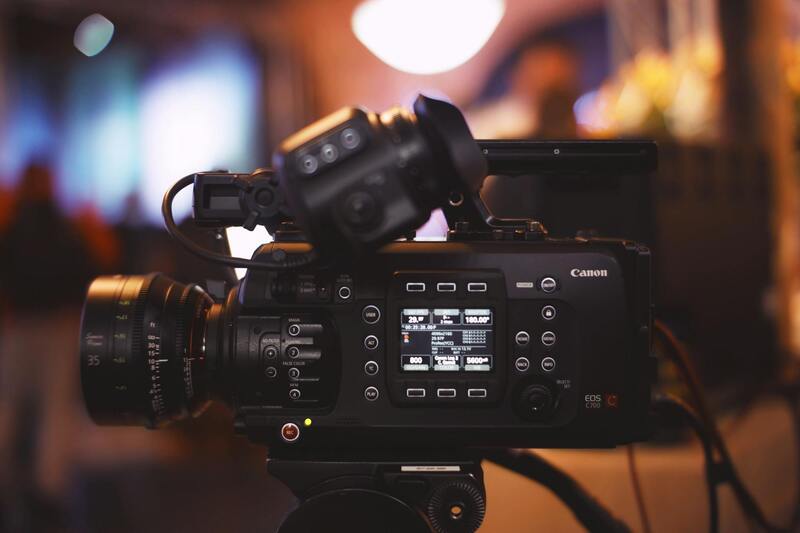
Implementing effective streaming production involves meticulous planning and execution. It encompasses everything from selecting the appropriate type of content delivery to configuring the technical infrastructure required for a smooth broadcast. The process ensures that audiences experience high-definition visuals, clear audio, and minimal latency, which are critical for maintaining viewer engagement and delivering a professional appearance.
As the landscape of media consumption continues to evolve with technological innovations, streaming production remains a cornerstone in strategic content delivery. Its effectiveness lies in the ability to adapt to multiple platforms, support interactive features, and deliver content that aligns with audience expectations for quality and accessibility.

Essential Techniques for High-Quality Streaming Production
Achieving professional-grade streaming requires a meticulous approach to both technical setup and content management. Setting up reliable streaming production involves selecting appropriate hardware, software, and network solutions to ensure seamless transmission. High-definition cameras, audio mixers, and encoding devices form the backbone of an effective broadcast. These components must be integrated within a carefully planned workflow to facilitate real-time content delivery without interruptions.
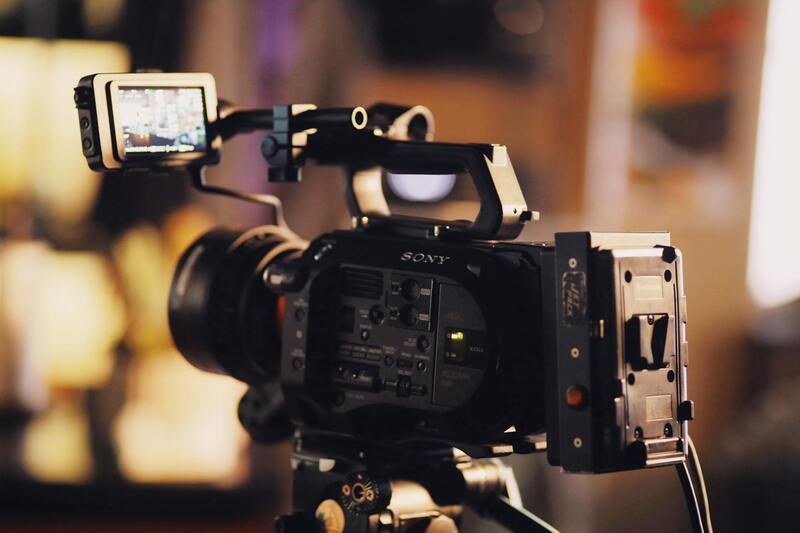
In addition to equipment choices, an optimized network infrastructure is vital. Using dedicated internet connections or bonding multiple networks can significantly reduce latency and increase bandwidth capacity. This ensures consistent video quality and minimal buffering, crucial for engaging live streams. Content delivery networks (CDNs) are also employed to distribute streams efficiently across multiple geographic locations, supporting audiences worldwide.
During a production, seamless transitions, graphics overlays, and real-time interaction features enhance the viewer experience. Incorporating professional broadcast software—such as switchers, overlays, and audio processors—allows producers to switch between camera feeds smoothly and add visual elements that align with the event’s branding. This attention to detail elevates the perceived quality of the broadcast, providing a polished, highly professional presentation.
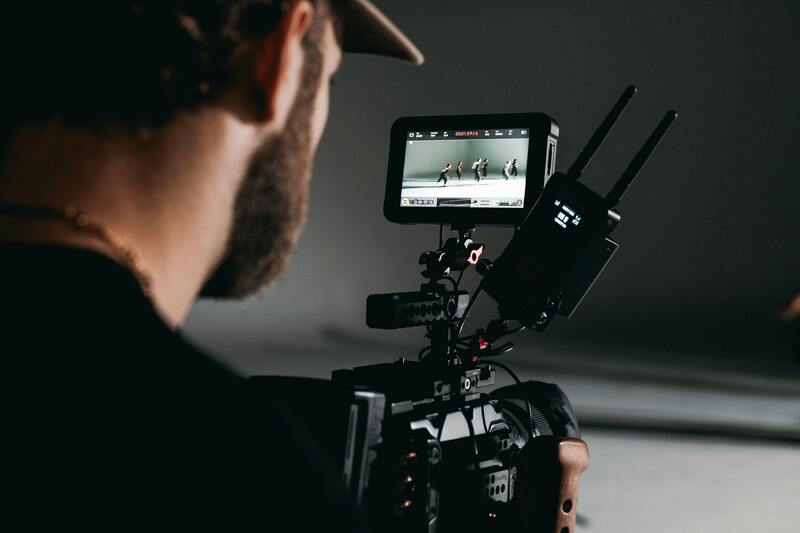
Incorporating multi-platform streaming capabilities ensures the content reaches diverse audiences effectively. Whether broadcasting through social media platforms, corporate websites, or dedicated apps, compatibility and adaptability are key areas of focus. Producers must verify that the technical setup supports encoding for different platforms and formats, providing flexibility in distribution channels. This approach maximizes engagement and broadens visibility, especially when targeting specific demographics or markets.
To maintain high standards of quality, consistent testing and pre-broadcast rehearsals are indispensable. These simulations help identify potential technical issues, synchronize audiovisual elements, and fine-tune the broadcast environment. Implementing backup solutions, such as secondary internet connections and redundant power supplies, ensures the stream remains uninterrupted in case of technical failures.

Overall, effective streaming production hinges on a combination of advanced technology, attentive planning, and real-time management. These components work together to deliver an engaging, high-quality experience for viewers, fostering stronger connections between hosts and audiences while providing the professionalism expected of modern digital broadcasting.
Overview of Streaming Production
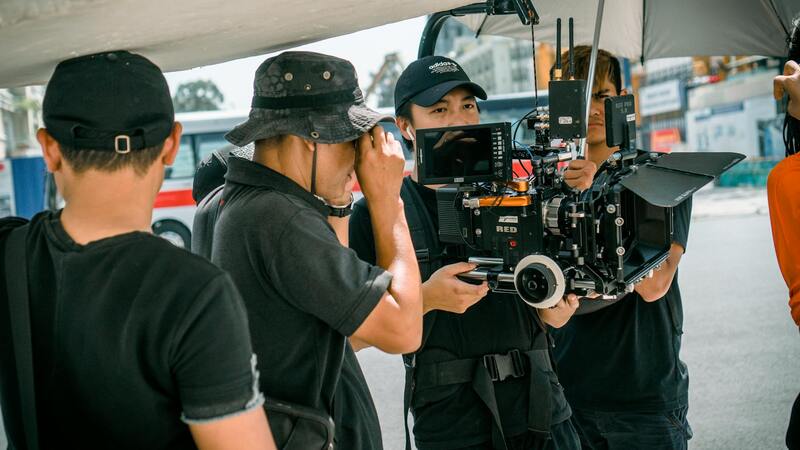
Streaming production encompasses the comprehensive process of creating, managing, and broadcasting live or pre-recorded content over the internet with high-quality video and audio. This field demands a specialized blend of technical expertise, creative vision, and meticulous planning to ensure each broadcast seamlessly reaches its target audience. From event coverage to corporate webinars, sports events, and entertainment productions, the scope of streaming production has expanded significantly, emphasizing professional-grade execution that aligns with modern viewer expectations.
Core Components of Streaming Production
- Pre-Production Planning: Detailed planning stages include location scouting, scheduling, technical assessment, and content storyboard development. This phase ensures all elements are aligned for a smooth broadcast.
- Production Setup: The live or recorded environment is established with essential equipment such as professional cameras, audio systems, lighting, and a robust network infrastructure to support high-bandwidth data transfer.
- Streaming Infrastructure: Implementation of encoders, switching hardware, and servers that facilitate real-time data compression, encoding, and distribution across various platforms.
- Real-Time Management: On-site technical oversight involves switching between camera feeds, managing audio levels, and ensuring visual clarity. Skilled operators monitor the stream for any anomalies and adapt quickly to changing conditions.
- Post-Production and Archiving: After the live event, the content often undergoes editing, enhancement, and storage within secure digital archives for future access or on-demand viewing.
Accurate Technical Integration for Optimal Broadcasts
Precision in technical integration is paramount to producing a broadcast that meets high standards. This involves compatibility checks among equipment, software calibration, and comprehensive testing procedures before the event. Ensuring the stability of the internet connection is critical; deploying multiple internet feeds or cellular bonding systems can significantly reduce the risk of interruptions. Additionally, redundant power supplies and backup hardware components serve as fail-safes, safeguarding the broadcast against unforeseen technical issues.
Multi-Platform Compatibility and Distribution Strategies
Modern streaming production emphasizes multi-platform distribution to maximize viewer engagement. While popular social media channels like Facebook, YouTube, and Twitch are standard, professional productions often include integration with custom websites and mobile applications. Technical setups must support encoding for various formats, resolutions, and data rates, ensuring seamless playback across devices and connection types. Strategic content scheduling and targeted promotional efforts also enhance visibility and viewer retention.
Quality Assurance Through Testing and Rehearsals
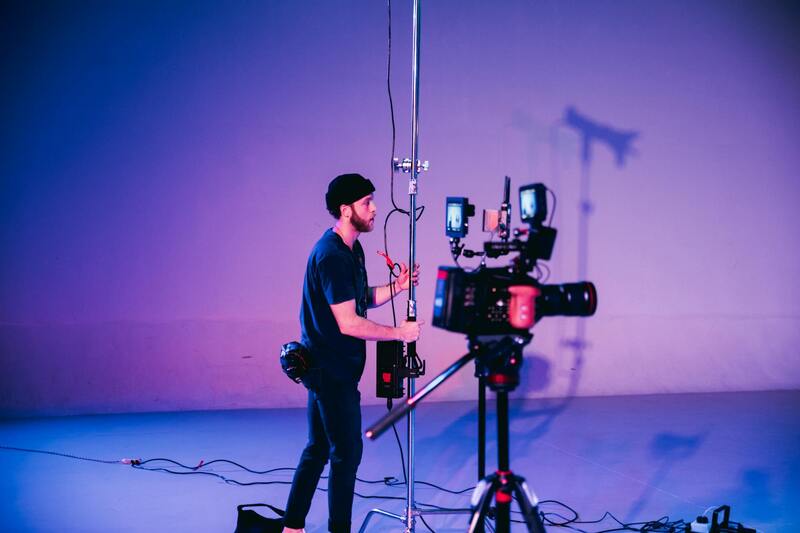
Thorough testing and rehearsal sessions are vital for identifying potential issues before the actual broadcast. These simulations facilitate synchronization of audiovisual elements, network load testing, and confirmation of platform compatibility. A detailed checklist covers equipment functionality, backup systems, and crew readiness, minimizing the chance of technical failures during the event. This proactive approach ensures a polished, professional delivery that meets audience expectations for clarity and reliability.
Advanced Techniques for Effective Streaming Production
To elevate the quality and reliability of your streaming projects, implementing advanced production techniques is essential. These methods ensure a seamless viewer experience, professional-grade visuals, and uninterrupted delivery across multiple platforms. By focusing on these key areas, production teams can overcome typical challenges faced during live streaming sessions.
Utilizing Professional Encoding and Transcoding Solutions
At the core of any high-quality streaming production lies robust encoding technology. Professional encoders convert raw video signals into optimized streams tailored for different platforms and bandwidth conditions. Advanced transcoding solutions further adapt these streams in real-time, adjusting resolution, bitrate, and format to match viewer device specifications and network environments. This dynamic adjustment minimizes buffering and latency, providing a consistently smooth playback experience for audiences regardless of their connection quality.
Implementing Multi-Camera and Multi-Source Integration
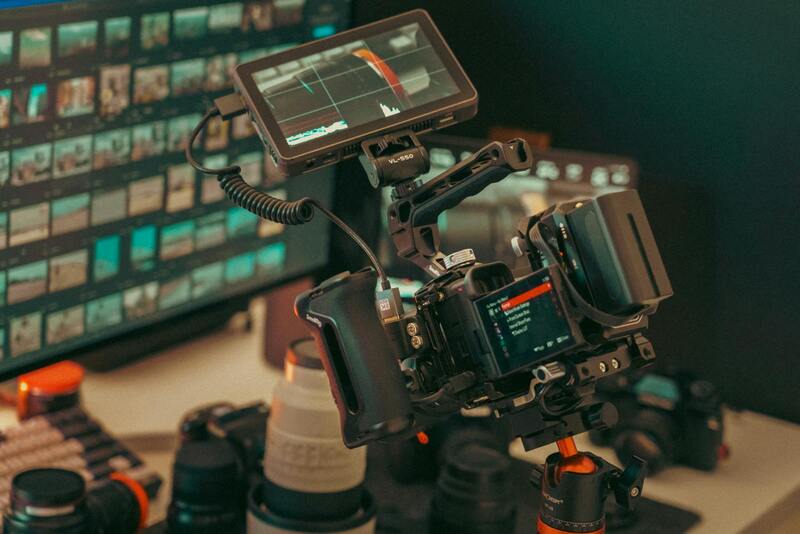
Incorporating multiple cameras allows for varied angles, close-up shots, and dynamic scene transitions, enriching the storytelling aspect of the broadcast. Integration of diverse sources—including screen captures, live feeds from onsite locations, and pre-recorded segments—requires synchronized workflows and precise timing. Hardware and software solutions such as switchers and mixers facilitate seamless transitions, ensuring a polished, professional output. Metadata management and real-time editing capabilities further enhance the visual narrative, maintaining audience engagement throughout the stream.
Network Optimization and Redundancy Protocols
Stable network infrastructure is vital for uninterrupted streaming. Employing multiple internet connections—such as wired broadband, LTE/5G, and satellite links—enables load balancing and failover capabilities. Cellular bonding systems aggregate these feeds into a single, reliable connection, significantly reducing the risk of disconnections. Additionally, network traffic management tools monitor bandwidth usage, optimize data flow, and detect potential bottlenecks that could impair stream quality. Establishing redundant systems, including backup servers and power supplies, ensures that unexpected failures do not compromise the broadcast.
Latency Reduction and Real-Time Delivery Optimization
Minimizing latency is critical for interactive and real-time broadcasts. Utilizing cutting-edge streaming protocols designed for low latency, such as WebRTC or SRT (Secure Reliable Transport), helps deliver near-instantaneous streams. These protocols prioritize speed and stability, allowing interactive features like live chat, Q&A sessions, or viewer polling to function smoothly. Adjusting encoding parameters and optimizing server configurations further reduces delays, making the live experience more engaging and responsive for viewers.
Quality Control and Continuous Monitoring
Implementing comprehensive quality control measures ensures consistent broadcast standards. Continuous monitoring of stream health includes checks on video and audio quality, latency levels, and network stability. Automated alerts notify technicians of any issues, enabling swift corrective action. Conducting pre-broadcast tests and dry runs identifies potential technical difficulties, allowing adjustments to be made well in advance. This proactive approach maintains the high standards expected by discerning audiences and upholds the professional integrity of the production.
Comprehensive Methods for Streaming Production Efficiency
Executing a seamless streaming production involves meticulous adherence to official methodologies that emphasize technological robustness, strategic planning, and operational excellence. To achieve high-quality, reliable broadcasts, professionals utilize a combination of established practices and cutting-edge tools that conform to industry standards, ensuring consistent performance across various environments. Encompassing everything from initial concept to post-broadcast review, these practices safeguard the integrity of the broadcast, provide a superior viewer experience, and support the dynamic nature of live events.
Strategic Pre-Production Planning
Successful streaming begins well before the cameras start rolling. Detailed planning sessions facilitate clear communication among production teams, clients, and stakeholders, ensuring all requirements are clarified and documented. Developing comprehensive shot lists, technical specifications, and contingency plans reduces unforeseen technical issues during the real-time broadcast. Scheduling rehearsals and technical dry runs allows teams to verify equipment functionality, test internet connectivity, and fine-tune camera angles and audio configurations. These preparatory actions lay a solid foundation for a smooth production, demonstrating adherence to best practices that prioritize logistical precision and technical readiness.
Infrastructure Setup and Redundancy Measures
Deploying reliable infrastructure is fundamental to maintaining consistent broadcast quality. Approved methods involve deploying high-capacity internet connections, such as dedicated fiber lines or bonded cellular systems, to mitigate potential network disruptions. Ensuring redundant hardware configurations—including backup servers, power supplies, and streaming encoders—addresses potential failure points proactively. These legitimate measures minimize the risk of interruption, uphold stream stability, and align with industry-standard operational protocols. Proper configuration of content delivery networks (CDNs) and distribution servers further enhances scalability and latency management, ensuring viewers experience uninterrupted streams regardless of their location.
Utilization of Advanced Equipment
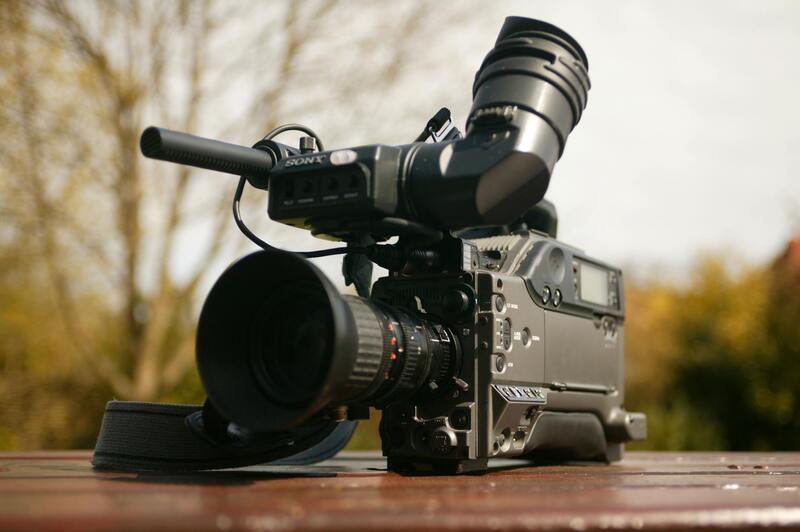
Utilizing equipment that meets recognized standards for video and audio quality guarantees a polished, professional presentation. Certified broadcasting cameras, high-fidelity microphones, and encoders that conform to industry specifications optimize image clarity and audio fidelity. Leveraging hardware with proven reliability, such as hardware-based switchers and streaming servers, minimizes latency and enhances stream stability. Employing standard-configured lighting systems and calibration tools ensures consistent visual output. Ensuring equipment is properly tested and maintained is integral to professional production workflows, aligning with official technical guidelines and operational protocols.
Optimized Production Workflow
Implementing an efficient production workflow involves integrating best practices for live switching, encoding, and streaming. Using software and hardware solutions compliant with industry standards allows for real-time video mixing, graphics insertion, and audio adjustments. Maintaining clear communication channels—through intercom systems and shared digital workspaces—facilitates synchronization among production personnel. Automated quality control systems monitor streams continuously, detecting issues related to bitrates, buffer times, or audio-video sync discrepancies, prompting immediate corrective actions. Such procedures exemplify legitimate approaches to uphold high standards, reduce errors, and guarantee a dependable viewer experience.
Real-Time Monitoring and Quality Assurance
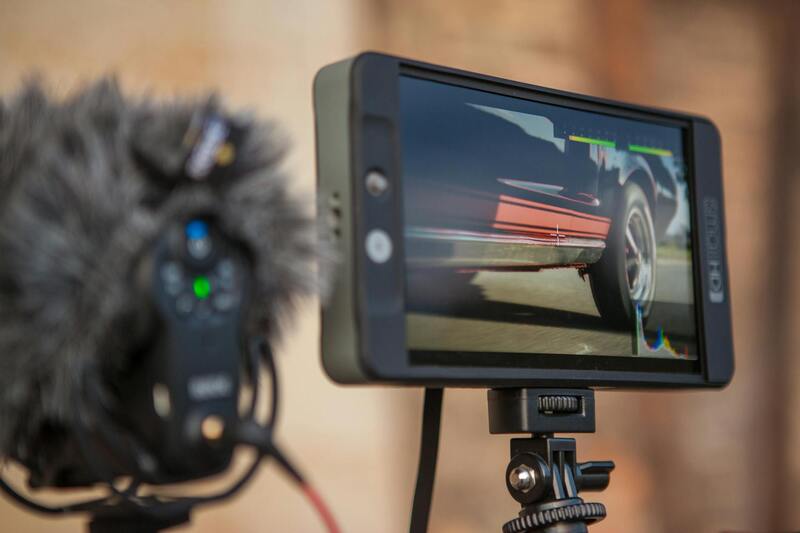
Active monitoring during live production is critical for preserving broadcast standards. Professional-grade tools facilitate real-time observation of stream health, including bandwidth consumption, latency metrics, and signal integrity. Automated alerts notify operators if any parameter deviates from acceptable thresholds, enabling swift intervention. Regular playback checks and pre-broadcast testing, aligned with predefined benchmarks, further enhance stream quality. Continuous quality assurance practices ensure the content remains consistent, minimizing technical anomalies and reinforcing the professionalism of the streaming service. These methods exemplify legitimate technical monitoring practices vital to high-impact production.
Overview of Streaming Production
Streaming production encompasses the comprehensive process of creating, managing, and delivering live video content over the internet, providing audiences with immediate access to live events, ceremonies, or broadcasts from any location. Proper streaming production requires meticulous planning, advanced technology, and adherence to standard practices to ensure high-quality delivery that meets professional standards. This includes organizing pre-production logistics, coordinating personnel, and utilizing robust infrastructure to facilitate seamless live transmission. Effective streaming production caters to a variety of events such as corporate conferences, concerts, religious services, esports competitions, and community gatherings, custom-tailored to the specific requirements of each occasion.

Types of Streaming Production Services
Various streaming production services are available to meet diverse needs, ranging from simple single-camera broadcasts to complex multi-camera productions. These services are generally categorized as follows:
- Basic Livestreams: Ideal for small-scale events needing minimal equipment and post-production editing, often utilizing basic cameras and streaming platforms.
- Multi-Camera Productions: Incorporate multiple camera angles to enhance viewer engagement, requiring professional switching equipment and operators.
- Remote Production: Enable crews to produce broadcasts from multiple locations, often utilizing bonded cellular technology or fiber links to connect various inputs seamlessly.
- Virtual and Hybrid Events: Combine live streaming with virtual elements such as overlays, graphics, and interactive features to provide dynamic online experiences.
Each service type demands a tailored approach, emphasizing precision in equipment deployment and real-time coordination to ensure a smooth broadcast.
Key Equipment and Technology
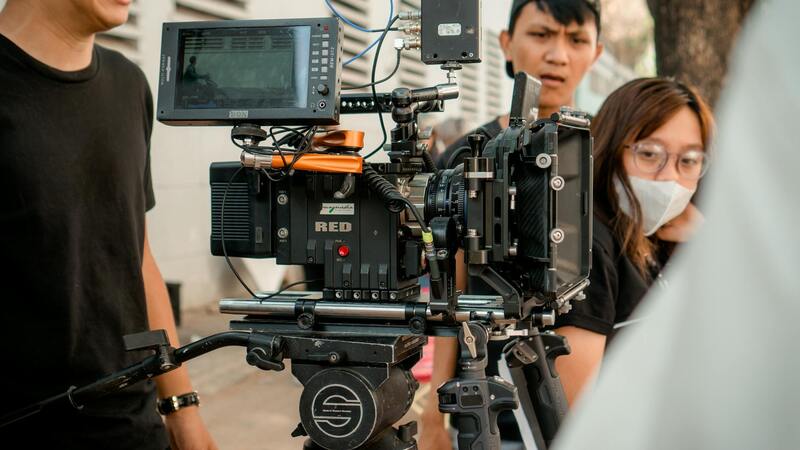
Delivering professional streaming content entails using an array of advanced equipment and technology solutions. Essential components include:
- High-Definition Cameras: Capturing crisp video footage, often with multiple units for different angles.
- Video Switchers: Facilitating live switching between camera feeds, graphics, and pre-recorded content.
- Audio Mixers: Ensuring audio clarity and balance across all inputs, including microphones and embedded sound sources.
- Encoding Hardware and Software: Compressing video signals into streams compatible with broadcasting standards, enabling efficient transmission over the internet.
- Internet Connectivity Solutions: Utilizing fiber optic, cellular bonding, or satellite links to guarantee minimal latency and stable streaming performance.
- Monitoring and Control Systems: Real-time tools that oversee stream health, detect issues, and permit immediate adjustments to maintain quality standards.
Production Workflow and Planning
Effective streaming production hinges upon rigorous workflow management, starting from project inception through post-broadcast analysis. The planning phase involves detailed coordination among producers, technicians, and clients, with clear objectives for content delivery and audience engagement. Key steps include:
- Pre-Production: Defining event scope, selecting suitable equipment, scouting locations, and organizing rehearsals to iron out technical and logistical details.
- Production Setup: Assembling the technical infrastructure, setting up cameras, audio, and internet links, and conducting test runs to troubleshoot potential issues.
- Live Execution: Managing camera switching, graphics insertion, and audio mixing in real time while adapting to unforeseen circumstances.
- Post-Production: Archiving stream footage, reviewing performance metrics, and generating reports for future improvements.
Such systematic planning ensures the production process remains streamlined, minimizes technical interruptions, and delivers a polished final product that aligns with broadcast standards.
Challenges and Solutions in Streaming Production
Implementing high-quality streaming production involves navigating several technical and operational challenges. Common issues include bandwidth limitations, signal interference, latency problems, and equipment failures. Solutions are centered on employing legitimate methods to enhance stream reliability and quality:
- Bandwidth Optimization: Utilizing dedicated internet connections and adaptive bitrate algorithms to accommodate fluctuating network conditions.
- Redundancy and Backup Systems: Implementing backup internet links and spare hardware components to prevent disruptions during unforeseen failures.
- Advanced Encoding and Compression: Applying efficient codecs like H.264 or H.265 to maximize quality within bandwidth constraints.
- Monitoring and Automated Alerts: Leveraging sophisticated monitoring tools that detect technical anomalies early, prompting proactive corrective measures.
- Personnel Training: Ensuring production teams are well-versed in troubleshooting procedures and standard operational protocols to address issues swiftly.
Through adherence to established practices and utilization of validated technology frameworks, streaming production can consistently achieve high standards, providing audiences with a seamless viewing experience.
Advanced Strategies for High-Quality Streaming Production
To consistently produce outstanding live streams, adherence to vetted workflows and embracing cutting-edge technology are essential. A meticulous approach to planning ensures synchronization across all elements, from content acquisition to final broadcast, minimizing errors and delays. Utilize legitimate, proven software solutions for encoding and streaming, ensuring compatibility across platforms and devices. Advanced encoding techniques such as H.265, along with adaptive bitrate streaming, optimize the viewer experience by dynamically adjusting quality based on real-time network conditions, thus maintaining stability and clarity.
Preparation and Rehearsal
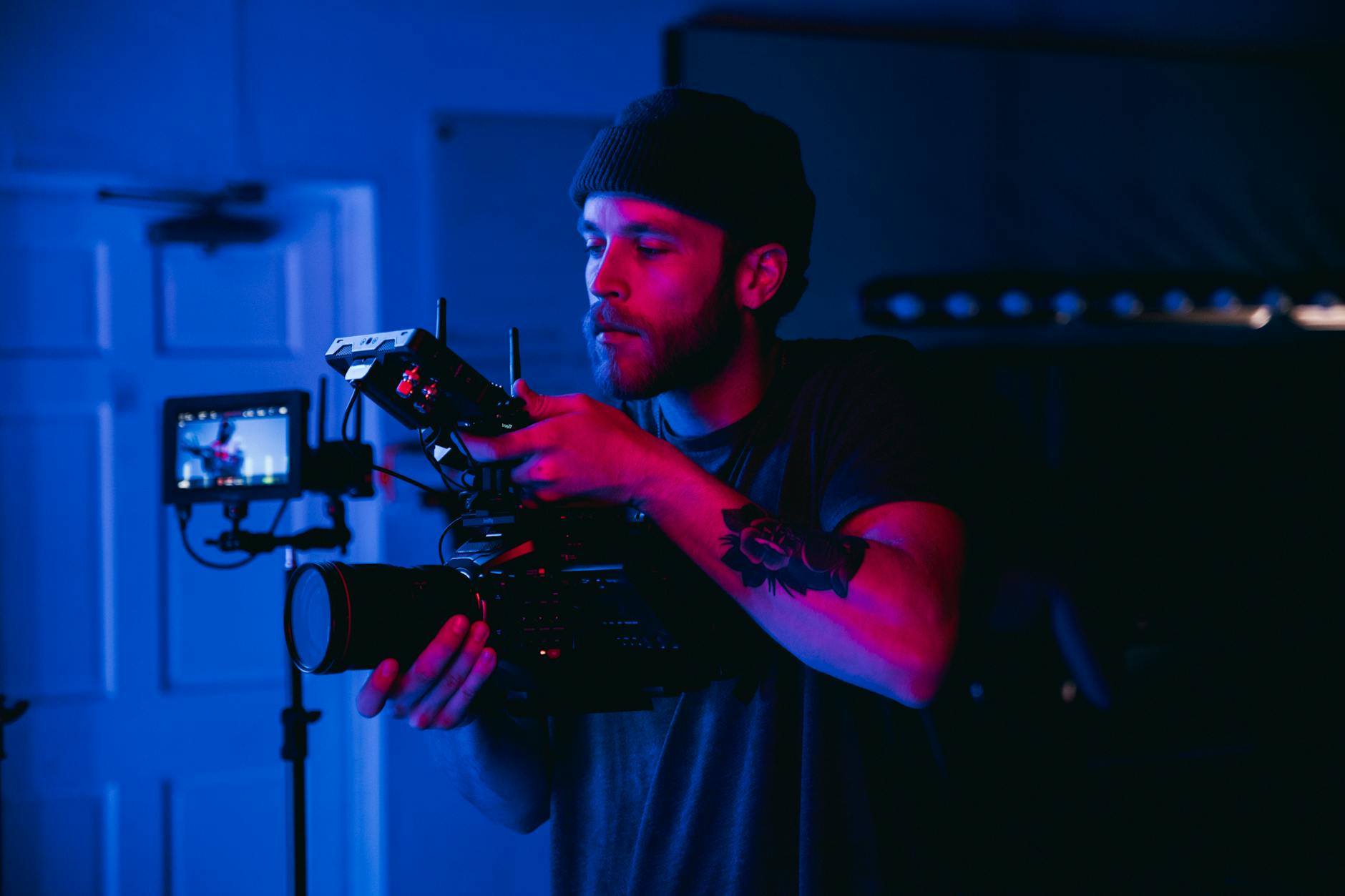
Pre-production rehearsals are vital to identify potential technical issues and streamline the entire process. Conduct comprehensive checks of all equipment—including cameras, microphones, internet connections, and backup systems—to ensure readiness. Coordination among the production team, camera operators, and on-screen talent minimizes on-air mishaps. Incorporate a detailed production timeline, outlining each segment's timing, cues, and transitions. This organized approach enhances efficiency and guarantees a seamless viewing experience for audiences.
Infrastructure Validation
Building a robust technical infrastructure is the backbone of reliable streaming. Implement dedicated internet connections to prevent bandwidth sharing that could cause interruptions. Test signal flow meticulously, ensuring all feeds—from multiple cameras to graphics and overlays—are synchronized. Employ legitimate signal distribution hardware and software solutions designed for live production, which maintain signal integrity and reduce latency. For mobile or remote setups, integrate bonded cellular systems to provide a secure, stable internet backup, further reducing the risk of drops or latency spikes.
Content Management and Quality Assurance
High-quality streaming production employs legitimate content management systems to organize and verify all media elements—videos, graphics, overlays—before going live. During the broadcast, dedicated quality assurance personnel monitor the feed for issues such as audio discrepancies, visual artifacts, or signal disruptions. Utilizing automated monitoring tools with real-time alerts allows swift correction of anomalies, safeguarding broadcast integrity. Moreover, employing legitimate encryption and rights management ensures exclusive access control, respecting content rights and avoiding unauthorized distribution.
Legitimate Methods for Ensuring Stream Reliability
- Use reputable, industry-standard hardware and software for encoding, switching, and distribution.
- Implement dedicated, high-bandwidth internet connections with failover capabilities.
- Leverage advanced compression codecs to maintain video quality within bandwidth constraints.
- Employ software solutions for real-time monitoring and troubleshooting during the stream.
- Coordinate with experienced technical personnel trained in live production protocols.
- Establish a clear contingency plan for technical failures, including backup streams and equipment.

Post-Production and Audience Engagement
Post-broadcast review of the stream provides insights into technical performance and viewer engagement metrics. Legitimate tools for analytics help identify areas for improvement, such as stream buffering issues or audio discrepancies. Incorporating viewer feedback and real-time interaction features—like chat or polls—enhances engagement. Properly archived content enables future use as on-demand media, extending the reach and impact of the live event.
Advanced Strategies for Reliable Streaming Production
Ensuring a seamless streaming experience requires adherence to established, legitimate production methods that prioritize quality and reliability. The foundation begins with selecting official, industry-standard hardware, which includes professional-grade encoders, switchers, and servers explicitly designed for live broadcasting. These tools facilitate stable data processing and transmission, minimizing the risk of signal degradation or dropouts during critical moments of the event.

Complementing hardware choices, robust internet connectivity is paramount. Dedicated, symmetrical high-bandwidth internet lines offer the necessary throughput, while failover solutions such as secondary connections or cellular bonding ensure continuous transmission in case of primary connection disruptions. Implementing multiple pathways for data redundancy significantly enhances stream stability, especially during high-profile or live events that demand uninterrupted broadcasting.
Advanced compression codecs, such as H.264 or H.265, are utilized to optimize video quality within available bandwidth constraints. These codecs enable high-definition streams to be efficiently transmitted without sacrificing clarity, reducing buffer times and enhancing viewer satisfaction. Proper network settings, including Quality of Service (QoS) configurations, prioritize streaming traffic over other network activities, further stabilizing the live broadcast.
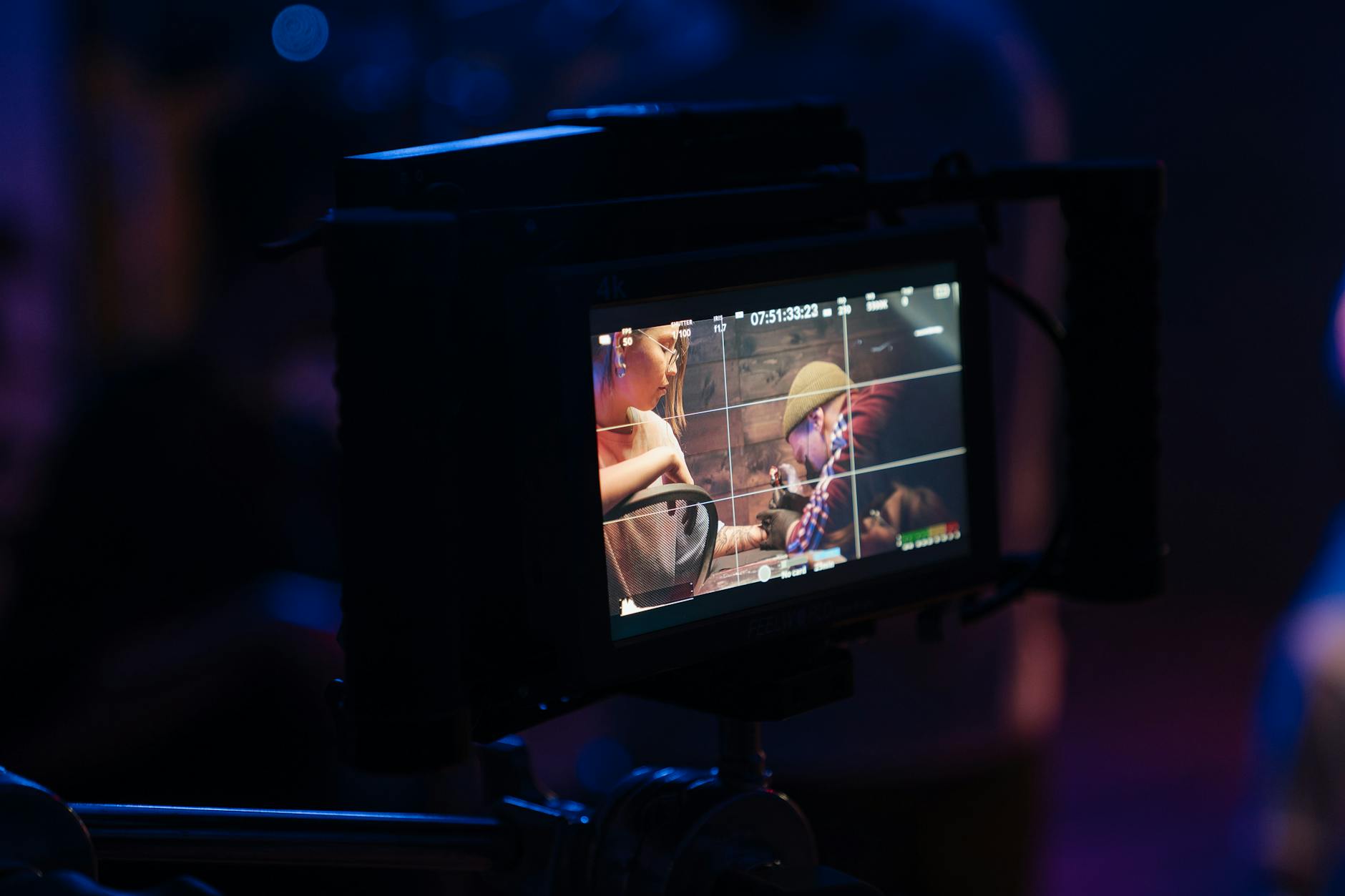
In addition to the technical setup, real-time monitoring software operates as an essential tool for promptly detecting anomalies such as latency spikes, dropped frames, or audio inconsistencies. These platforms provide immediate alerts to technical staff, allowing for swift troubleshooting and rectification. Employing automated error detection and correction algorithms ensures ongoing quality by minimizing manual intervention during live streams.
Equally important is the enforcement of content access controls through legitimate encryption methods. Proper encryption techniques prevent unauthorized interception or redistribution, securing the content’s integrity and safeguarding intellectual property rights. Rights management systems also play a critical role in controlling who can access, view, or share the streams, thereby maintaining compliance with licensing agreements and content distribution policies.
Furthermore, every legitimate streaming production incorporates comprehensive contingency planning. Backup equipment, such as secondary encoders and redundant power supplies, are strategically available to replace critical components if failures arise. Pre-established protocols guide technical teams through troubleshooting steps, ensuring rapid response and minimal disruption. Test runs before the event help identify potential issues, allowing for adjustments and equipment calibration to optimize performance during the live event.
Staff training is another vital component. Technicians skilled in live production protocols, troubleshooting, and system management contribute significantly to stream stability. Experienced personnel are adept at managing live feeds, switching between cameras, and coordinating with on-site talent, thereby maintaining high production standards.
Ultimately, the combination of reliable hardware, secure and efficient network infrastructure, vigilant monitoring, thorough planning, and skilled personnel defines the core of legitimate and effective streaming production. These practices not only ensure a high-quality broadcast but also reinforce trust and professionalism in delivering live content to diverse audiences across various platforms and geographies.