

Understanding Live Streaming Productions
Live streaming productions have become an integral component of contemporary event management and digital marketing strategies, providing real-time content delivery to audiences worldwide. These productions encompass a series of meticulously coordinated activities that capture, transmit, and broadcast live events over the internet, ensuring viewers experience the event as it unfolds, regardless of their geographical location. The core of a live streaming production involves several key elements: high-definition video capture, reliable data transmission, and an optimized delivery platform capable of handling significant viewer loads without latency or interruption.
Successful live streaming productions are built on the foundation of robust infrastructure and expert execution. They require an advanced understanding of camera work, audio quality, and the synchronization of visual and sound elements to create a seamless viewing experience. Additionally, live streaming demands a sophisticated content management system that ensures the stability of the broadcast, handles viewer interactions, and manages multiple streams if necessary. These productions are vital for a broad range of applications, including corporate conferences, concerts, sports events, webinars, and private celebrations, offering an immersive experience that bridges the gap between physical and digital audiences.

In essence, a live streaming production is an orchestrated effort to deliver professional-quality video content directly to a target audience via the internet. Its importance in today’s digital landscape is underscored by the growing reliance on virtual engagement tools, making it a crucial service for organizations seeking to expand their reach and enhance their event impact. Whether employing simple setups or complex multi-camera arrangements, the goal remains the same: to produce a seamless, engaging, and high-quality broadcast that reflects the professionalism and authenticity of the live event.

Understanding Live Streaming Productions
Delivering high-quality live streaming productions involves meticulous planning, professional equipment, and technical expertise. Central to a successful broadcast is the choice of reliable streaming software and hardware that can handle high data loads while maintaining clarity and synchronization across audio and video signals. This often includes multi-camera setups, professional microphones, and advanced encoders that convert raw footage into broadcast-ready streams. Ensuring a stable internet connection with sufficient bandwidth is critical; any interruption can compromise the viewing experience and diminish the production’s credibility.
Content management systems play a crucial role, enabling producers to switch between camera angles seamlessly, overlay graphics or slides, and incorporate live interactions such as Q&A sessions or polls. For live events, it’s essential to have redundancy measures—backup internet connections, secondary streaming servers, and uninterrupted power supplies—to prevent any disruptions. The integration of these elements culminates in a cohesive workflow that transforms raw footage into a polished presentation accessible across various platforms, including social media, corporate websites, or dedicated streaming channels.
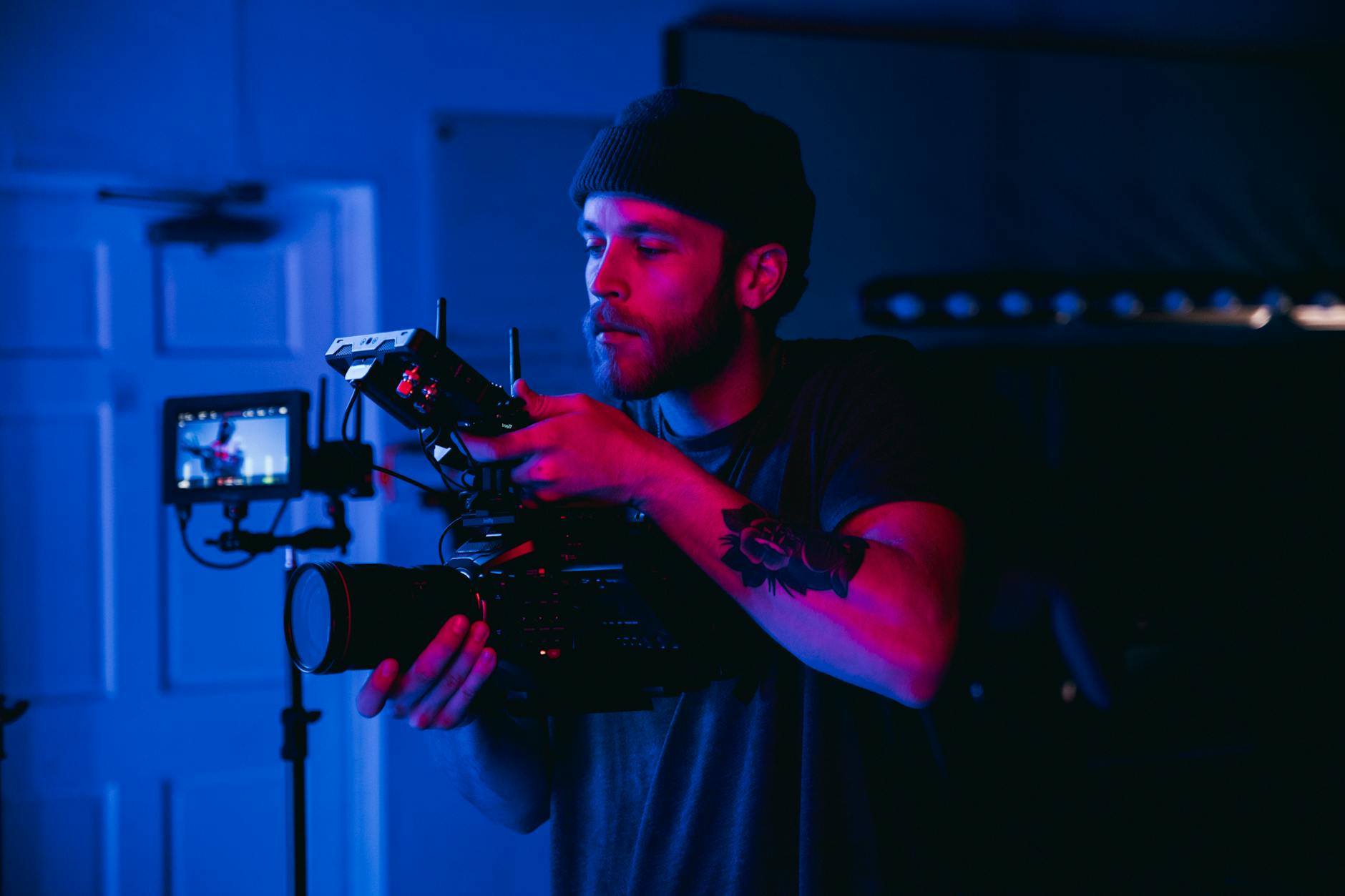
Innovation in hardware and software has expanded the possibilities for live streaming productions. Cloud-based solutions now allow remote management and real-time monitoring, making it easier to coordinate multi-location shoots. Meanwhile, hardware advancements such as streaming decks and video switchers enable on-the-fly adjustments, improving the overall quality and professionalism of the stream. Achieving a seamless live broadcast hinges on integrating these technical capabilities effectively and anticipating potential challenges before the event begins.
Key Components of a Live Streaming Production
- High-definition cameras for clear, engaging visuals
- Professional audio equipment to ensure clarity and depth
- Reliable internet connection with sufficient upload speed
- Powerful encoders and streaming software for data compression and broadcast management
- Content management systems for switching feeds, graphics, and overlays
- Backup systems for internet, power, and hardware to mitigate risks
Implementing a comprehensive check of all equipment prior to the event, along with detailed coordination among technical teams, sets the foundation for a successful live streaming production. The aim is to deliver a broadcast that looks as professional as a traditional television production, ensuring viewers receive an optimal experience regardless of their device or connection quality.
Equipment and Technology for Live Streaming
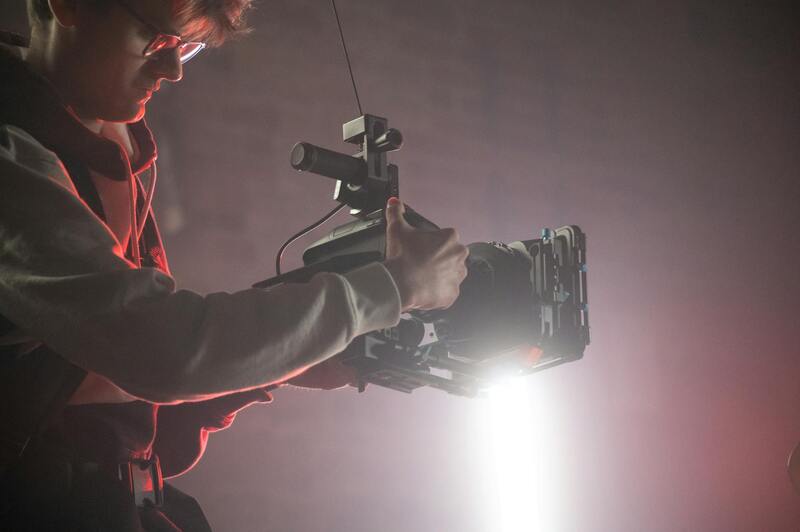
Successful live streaming productions hinge on the deployment of cutting-edge hardware and software components that guarantee high-quality output and seamless operation. At the core, professional-grade cameras capture crisp and engaging visuals, often utilizing multiple camera setups to provide varied angles and dynamic content. These cameras must be compatible with the streaming system, allowing for smooth switching and real-time adjustments.
Encoders play a crucial role by compressing video signals into streams suitable for online transmission without sacrificing quality. Hardware encoders, such as dedicated streaming decks, provide reliable, low-latency processing, while software encoders offer flexibility through user-friendly interfaces, making them ideal for productions with complex graphics or multiple feeds.
Understanding Live Streaming Productions
Arranging a successful live streaming production demands meticulous planning and execution across multiple phases. It begins with comprehensive pre-production work, which sets the foundation for a seamless broadcast. This process includes developing a detailed content script, organizing the event schedule, and coordinating with all involved teams to align on technical and creative aspects.
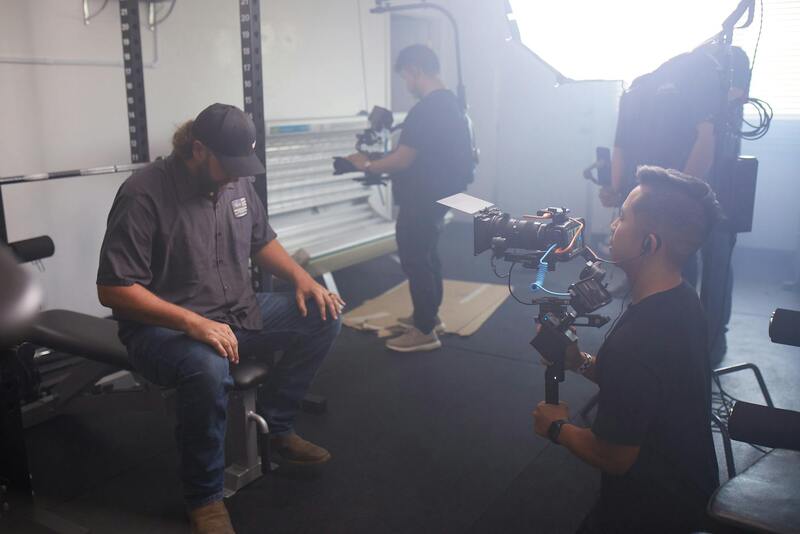
Equally important is the technical rehearsal stage, where all equipment is tested, and the entire production workflow is run through to identify and fix potential issues. During these rehearsals, the presentation team practices cues, camera angles, and transitions, while technical staff verifies connectivity, streaming platform compatibility, and audio/video synchronization.
Implementing the Right Infrastructure
To maintain the highest broadcast quality, it’s essential to rely on professional-grade equipment and dependable internet solutions. High-definition professional cameras, encoders capable of live compression, and high-fidelity audio gear form the core of a robust setup. These components work together to produce clear and sharp footage, with audio that remains crisp regardless of the event’s scale.
Reliable internet connectivity is vital, often achieved through dedicated high-speed upload connections with ample bandwidth. This not only minimizes latency but also reduces the risk of buffering, ensuring a consistent viewer experience. Many productions incorporate backup internet options such as secondary wireless links, wired failover systems, or even cellular data networks to safeguard against connectivity issues during live broadcasts.
Advanced Production Equipment and Technologies
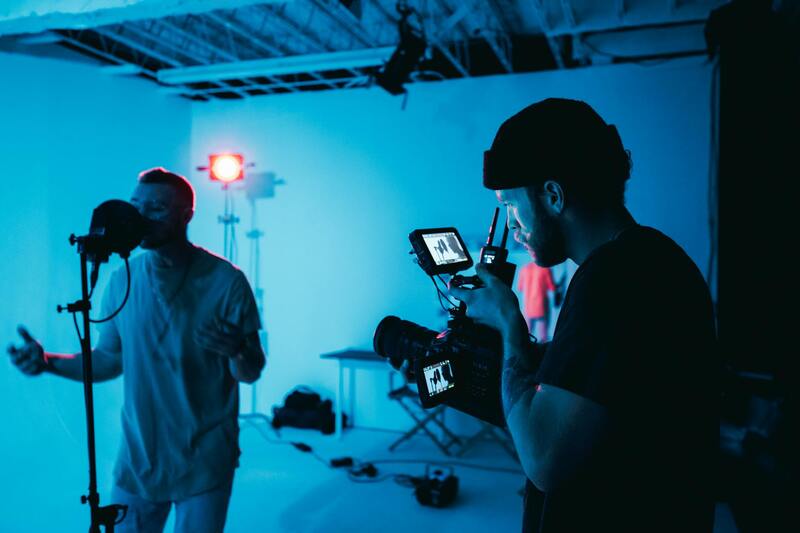
The deployment of multi-camera setups enables dynamic view switching, providing audiences with varied perspectives that enhance engagement. Video switchers allow seamless transitions between feeds, while graphics systems allow for real-time overlays such as titles, logos, and event information, elevating overall professionalism.
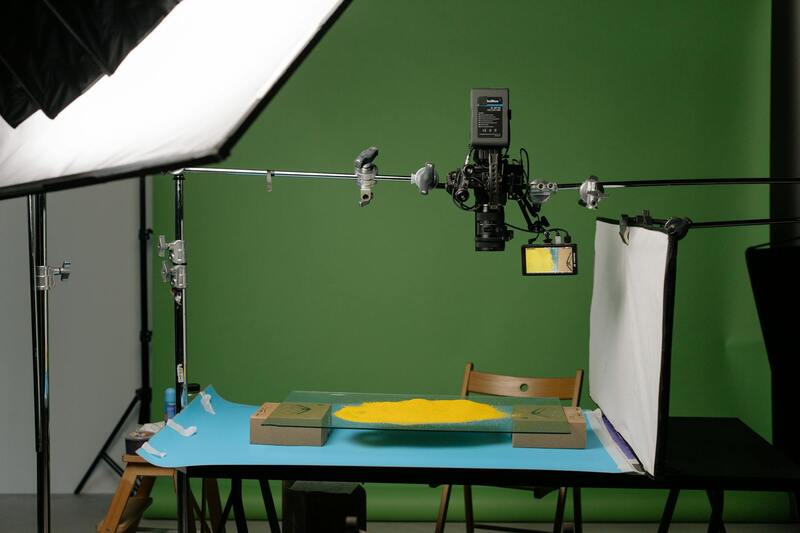
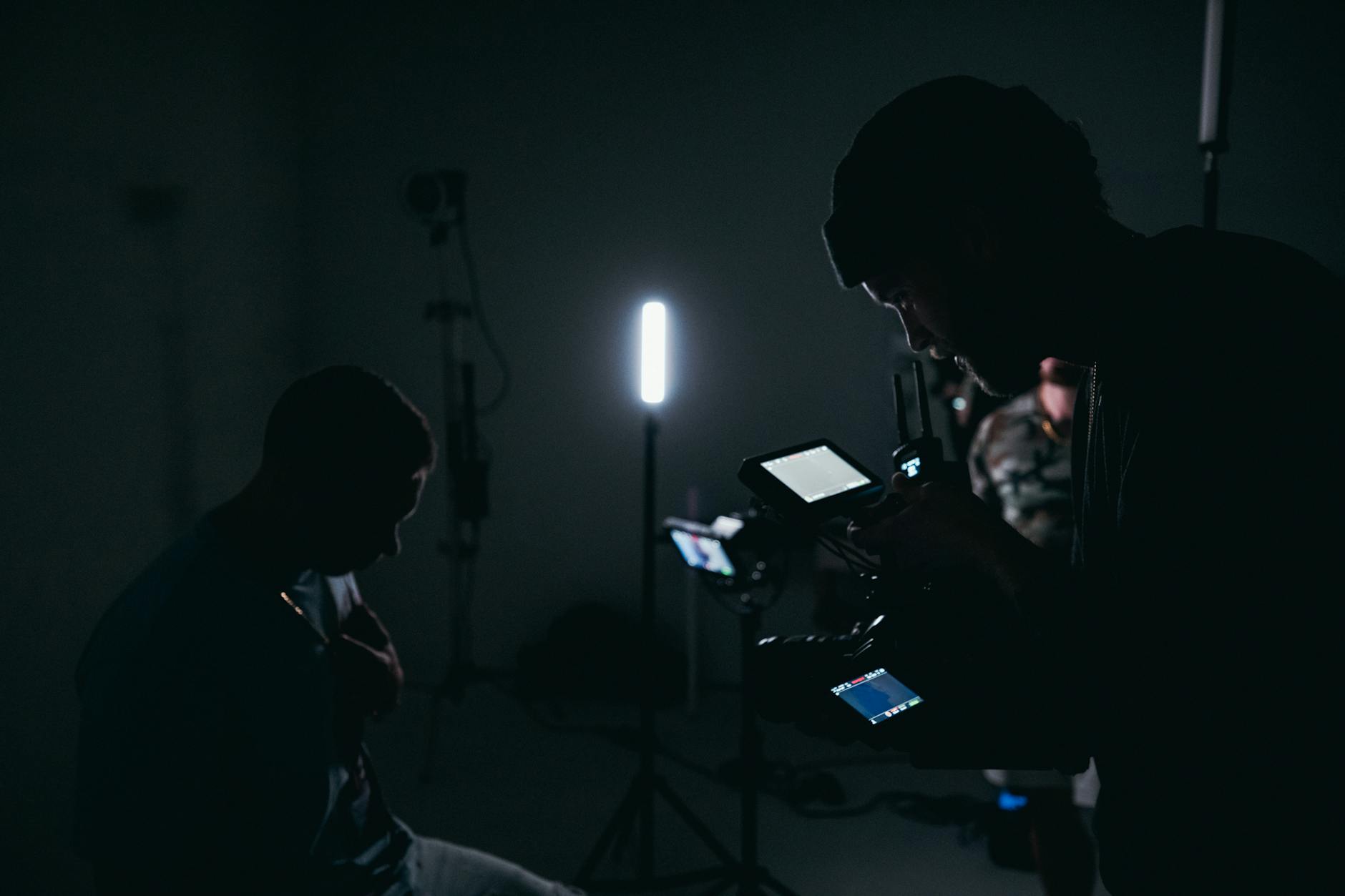
Packing the production with sophisticated accessories like multi-view monitors assists directors and technical teams in monitoring streams and making real-time adjustments. Audio mixers and external microphones safeguard sound clarity, especially in environments with background noise or multiple speakers.
Power and Backup Solutions
Power stability during live streaming is non-negotiable. Uninterruptible Power Supplies (UPS) and backup generators are implemented to prevent interruptions caused by power fluctuations or outages. These measures guarantee continuous operation, allowing seamless broadcasting without interruptions and maintaining professional standards throughout the event.
Pre-Event Testing and Fine-Tuning
Before going live, extensive testing assures that all systems are functioning correctly. Compatibility checks between hardware components, software configurations, and streaming platforms are performed. These pre-event rehearsals help identify potential technical glitches, thus minimizing the risk of last-minute issues. This attention to detail ensures the live stream runs smoothly, providing viewers with an uninterrupted, high-quality experience.
Understanding Live Streaming Productions
Effective live streaming productions demand meticulous planning and execution to ensure an engaging and professional broadcast. This process involves coordinating multiple technical components, including video and audio sources, internet connectivity, and platform integration. Skilled production teams utilize a combination of hardware and software tools to manage the entire stream seamlessly, from start to finish. The goal is to deliver high-quality content that captures the essence of the event while maintaining technical stability throughout the broadcast.
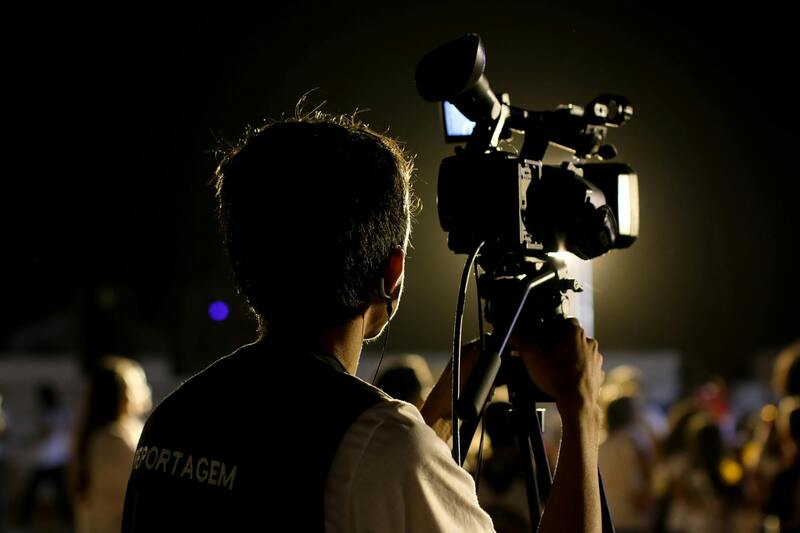
During a live streaming production, a comprehensive understanding of system setup, synchronization, and real-time decision-making is essential. The production team monitors all live feeds via multiple screens, ensuring each camera shot aligns with the director’s vision. Key personnel include video switchers, audio engineers, and technical directors who collaborate closely to deliver a cohesive broadcast. Moreover, implementing redundancy protocols, such as backup internet connections and secondary streaming devices, helps to mitigate the risk of disruptions.
Key Components of Effective Live Streaming Productions
- High-Definition Video Equipment: Cameras capable of recording in various resolutions to ensure sharp, clear visuals suitable for multiple display sizes.
- Audio Surveillance and Mixing: External microphones, audio mixers, and soundboards optimize audio quality, reducing background noise and balancing multiple audio sources.
- Reliable Internet Connectivity: Dedicated high-bandwidth internet connections, often with failover options, guarantee uninterrupted streaming performance.
- Streaming Hardware and Software: Professional hardware encoders and robust software platforms enable real-time encoding, multi-platform distribution, and stream management.
- Graphics and Overlay Systems: Real-time graphics, lower thirds, logos, and event information overlay enhance branding and viewer experience, adding a layer of professionalism to the broadcast.
- Monitoring and Control Interfaces: Multi-view monitors and control panels allow technical staff to observe multiple feeds simultaneously, facilitating immediate adjustments as necessary.
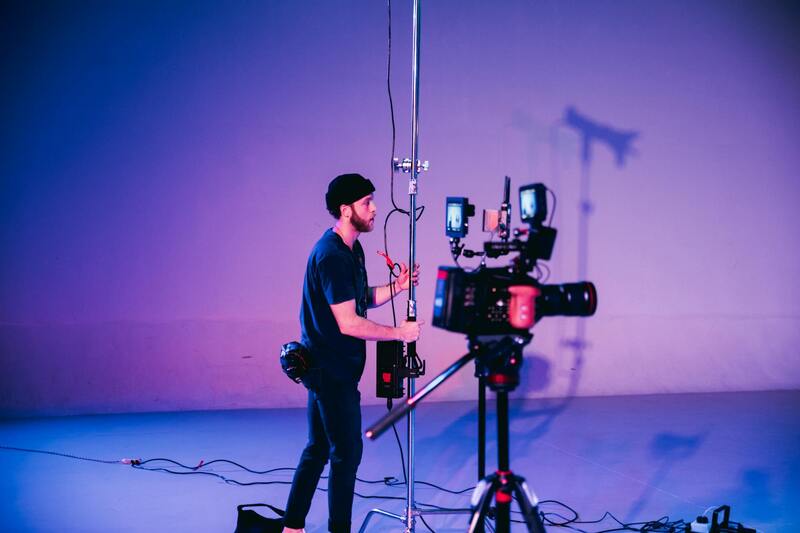
Pre-production planning is integral to a smooth live streaming experience. This includes rigorous equipment checks, rehearsals, and strategic planning of camera angles, audio cues, and graphics. Ensuring compatibility between hardware, streaming platforms, and content delivery networks (CDNs) minimizes potential technical issues. By addressing these aspects beforehand, production teams can respond swiftly to unforeseen challenges during the live broadcast.
Understanding Live Streaming Productions
Live streaming productions encompass a complex integration of technical expertise, creative planning, and strategic execution to deliver real-time content across various digital platforms. These productions involve capturing video and audio, transmitting the signal via the internet, and displaying it live to a global audience. Effective live streaming production demands meticulous coordination among equipment, personnel, and content to ensure a seamless viewing experience. The core goal is to replicate traditional broadcasting standards, offering high-quality visuals, crisp audio, and engaging visuals that keep viewers captivated throughout the event. This process often requires a dedicated production team skilled in managing multiple technical elements such as camera operation, sound management, graphics integration, and network stability, which altogether elevate the professionalism and reliability of the final broadcast.
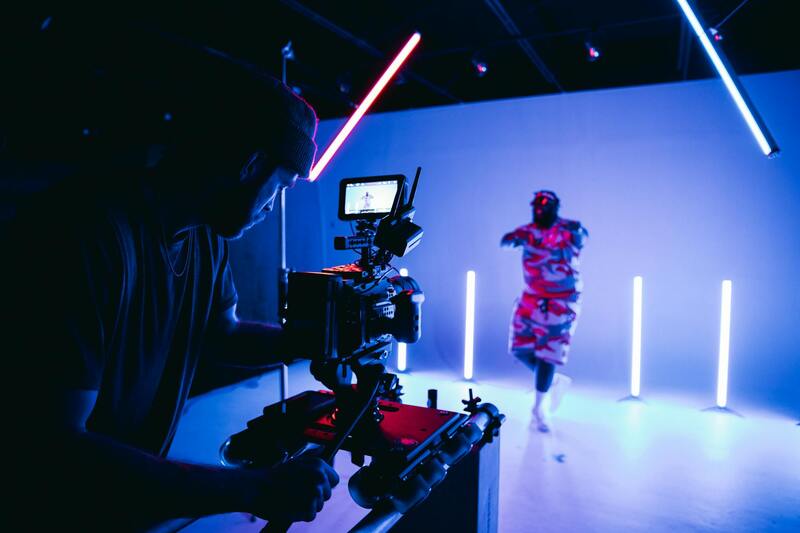
Given the dynamic nature of live events, the production process must accommodate real-time adjustments and troubleshooting. This includes monitoring audio levels, video feeds, and internet stability to prevent disruptions. The ability to adapt swiftly is crucial, especially in high-profile events where any technical lapse could impact the overall perception and success of the broadcast. Advanced setups may feature multiple camera angles, real-time graphics overlays, live switching, and interactive elements, providing a polished experience that mimics traditional television broadcasting. A thorough understanding of these components and their coordinated operation underpins a successful live streaming production, fostering audience engagement and expanding event reach beyond physical boundaries.
Types of Live Streaming Services
The diverse landscape of live streaming services caters to a wide array of client needs, ranging from corporate meetings to large-scale entertainment events. Basic services typically include straightforward streaming solutions designed for internal communications, product launches, or small gatherings, utilizing platforms that require minimal setup or technical expertise. On the other hand, premium offerings may involve multi-camera productions, custom graphics, interactive chat features, and multi-platform broadcasting, demanding specialized equipment and skilled operators. Hybrid models merge elements of both, offering scalable solutions that can be tailored to specific audience sizes and content types. Understanding the unique capabilities and limitations of each service type ensures that organizers select the optimal approach to meet their event objectives, ensuring a smooth, engaging viewer experience.
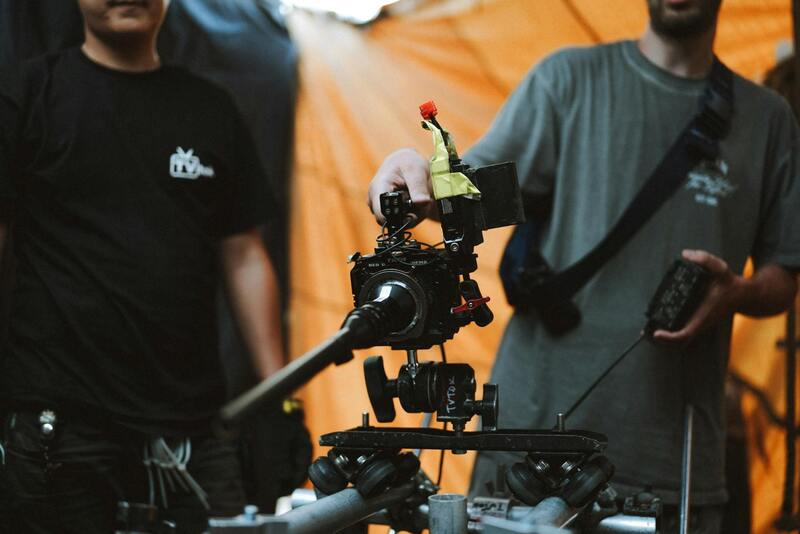
Deciding on a suitable live streaming service involves evaluating factors such as content complexity, audience size, interactivity requirements, and budget. For instance, simple live streams might leverage social media platforms like Facebook Live or YouTube Live, providing instant access with minimal setup. Conversely, large-scale corporate or entertainment events benefit from dedicated streaming solutions that incorporate multi-camera feeds, professional switching, and branded overlays, often hosted through specialized streaming platforms or custom-built workflows. These services enhance production quality, provide comprehensive analytics, and support secure streaming environments. Engaging with a reputable provider experienced in your chosen service type ensures technical proficiency, content integrity, and a superior viewing experience that aligns with your event’s goals.
Equipment and Technology for Live Streaming
Effective live streaming relies heavily on the right blend of hardware and software components. High-definition professional cameras equipped with remote control features allow for versatile shot selection and seamless camera switching, creating a dynamic visual experience. Audio quality is equally pivotal; external microphones such as shotgun mics, Lavalier units, and audio mixers help capture clear speech and reduce background noise, directly impacting viewer engagement. Content delivery networks and streaming encoders facilitate real-time encoding and distribution across multiple platforms, ensuring minimal latency and consistent performance. Graphics systems with overlays, such as lower thirds, logos, and informational banners, add branding consistency and visual appeal, elevating the overall production value. Reliable internet connectivity, often augmented with backup links or dedicated fiber lines, mitigates risks related to streaming interruptions, especially during critical moments of a broadcast.
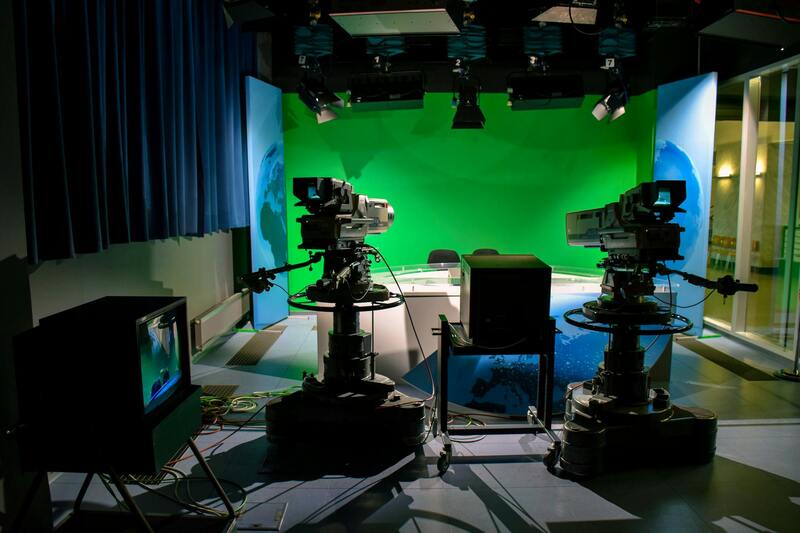
Integrating software solutions that support multi-camera switching, chroma keying, and real-time graphics is crucial for professional-grade productions. Many platforms offer user-friendly interfaces for controlling live content, enabling technical teams to manage multiple feeds, incorporate visual effects, and respond swiftly to on-the-fly changes. Wireless transmission options, such as bonded cellular or Wi-Fi streaming devices, provide flexibility when deploying cameras in various locations, especially for events on their premises or outdoors. As technology advances, innovations like 360-degree cameras, drone footage integration, and virtual set environments are increasingly incorporated to create immersive experiences that captivate audiences and provide unique perspectives.
Understanding Live Streaming Productions
Live streaming productions involve the real-time transmission of audio and video content over the internet to audiences across the globe. These productions demand meticulous planning, specialized equipment, and seamless execution to ensure a high-quality viewing experience. The core objective is to deliver engaging content without technical interruptions, utilizing professional-grade tools and platforms that support scalability, security, and viewer interaction. By leveraging advanced streaming solutions, event organizers and content creators can broadcast live conferences, concerts, corporate events, and much more, reaching audiences where they are most active and engaged.
Official Methods to Ensure Quality Live Streaming Productions
Achieving excellence in live streaming requires adherence to proven, credible methods supported by industry standards and best practices. These stages include comprehensive pre-production planning, deployment of reliable technology, and continual content review. Employing professional-grade hardware such as high-definition cameras, high-capacity encoders, and robust internet connections sets the foundation for smooth transmissions. It is also vital to utilize reputable streaming platforms and content delivery networks (CDNs) that specialize in handling high-volume traffic while maintaining minimal latency and buffering. This ensures viewers experience uninterrupted service regardless of geographic location or device type.
Moreover, deploying network security measures, such as encryption and secure login protocols, safeguards the content and the viewers' data, reinforcing trust and compliance with industry regulations. Prior to broadcast, rigorous testing of all equipment and connections helps identify potential issues, minimizing disruptions during live transmissions. Regular updates to streaming software and hardware firmware complement best practices, ensuring the entire system operates at optimal performance levels. The collaboration among technical teams, content creators, and platform providers facilitates an integrated approach that maximizes both operational efficiency and viewer satisfaction.
Official Equipment and Technological Solutions for Live Streaming

Successful live streaming operations depend heavily on official, industry-standard equipment designed to deliver professional-grade quality. High-definition (HD) and 4K cameras form the visual core of the production, capturing clear and vibrant images suitable for large screens and digital platforms. Audio clarity is equally important; professional audio mixers and microphones ensure crisp sound, free of background noise and distortion. Streaming encoders, whether hardware or software, convert raw footage into compressed digital streams optimized for online delivery while maintaining minimal delay.
Additional technological tools include multi-camera switching systems, which allow for dynamic transitions between different angles; graphic overlay systems that add branded visuals, informational banners, and lower thirds; and streaming software supporting features like chroma keying and real-time editing. These tools enhance the visual storytelling and production aesthetics, elevating the overall broadcast quality. Wireless solutions, such as bonded cellular or Wi-Fi transmission devices, provide flexibility for outdoor or multi-location events, enabling stable feeds without dependence on wired infrastructure.
Pre-Production Planning for Live Streaming Success
Before a live event, detailed planning is crucial to ensure a seamless broadcast. This involves defining the content goals, identifying target audiences, and setting clear timelines. Technical preparation includes selecting the appropriate equipment based on the event scale, from basic setups for small webinars to complex multi-camera systems for large concerts or conferences. A comprehensive script or run-of-show aligns content, cues, and transitions, preventing delays and confusion during transmission.
Team coordination is vital. Assigning roles for technical operators, content moderators, and hosts streamlines operations and reduces errors. Conducting rehearsals allows for testing equipment, internet connectivity, and the coordination of visual and audio cues. Creating backup plans, including alternate internet sources and redundant hardware, mitigates risks related to equipment failure or connectivity issues. Effective pre-production planning not only enhances broadcast quality but also reduces stress during live execution, ensuring a professional presentation for viewers.
Production Workflow and Live Execution
During the live event, the production workflow involves several interconnected stages managed by skilled operators. Video feeds from multiple cameras are fed into a production switcher, which enables real-time switching, picture-in-picture effects, and overlays. Audio feeds are monitored and mixed to ensure consistent sound levels across all channels. Graphics and on-screen information are integrated seamlessly, reinforcing branding and providing viewers with relevant information.
Streaming technicians continuously monitor the feed for quality, latency, and potential issues, ready to troubleshoot as needed. The use of dedicated streaming encoders and content delivery networks (CDNs) ensures smooth transmission. Communication tools such as headsets and messaging platforms keep the team coordinated, allowing swift responses to any technical challenges or requests from hosts and presenters.
Properly managing transitions, visual effects, and audio levels during the live broadcast maintains a professional experience, capturing audience attention. Real-time audience engagement features, like live chat and polls, can also be integrated, making the broadcast interactive and dynamic. After the event, data on viewer analytics helps evaluate performance, informing future streaming strategies.
Figures and Visual Enhancements

Understanding Live Streaming Productions
Executing a successful live streaming production requires meticulous attention to detail, advanced technology, and a well-orchestrated team effort. It involves capturing real-time video and audio, managing seamless transitions, and delivering high-quality content to viewers across various platforms. Every element of the production process, from pre-event planning to post-event analysis, plays a pivotal role in ensuring the final broadcast meets professional standards and engages the target audience effectively.
Types of Live Streaming Services
There are diverse live streaming services tailored to different event formats and organizational needs. Corporate events, for example, often require multi-camera setups, branded graphics, and interactive features to facilitate engagement with remote attendees. Concerts and entertainment events focus on high-quality video and immersive audio, sometimes incorporating augmented reality or special effects for enhanced viewer experience. Educational webinars and training sessions emphasize clear visuals and excellent audio clarity to maximize comprehension. Religious services and community gatherings often benefit from scalable solutions that accommodate large virtual audiences without compromising quality or stability. Understanding the specific requirements of each event type enables providers to deliver tailored solutions that align with organizational goals and audience expectations.
Equipment and Technology for Live Streaming
High-grade equipment forms the backbone of any professional live streaming production. Multiple HD or 4K cameras are used to capture various angles and provide visual variety. Video encoders convert raw footage into streaming-compatible formats, ensuring high fidelity and minimal latency. A reliable live switcher allows operators to seamlessly move between camera feeds, add graphics, and incorporate visual effects. Audio mixers and microphones guarantee crisp sound quality, essential for maintaining viewer engagement and understanding. Content delivery networks (CDNs) distribute the broadcast efficiently, minimizing buffering and ensuring accessibility across devices and locations. Additionally, streaming platforms and content management systems facilitate real-time viewer interaction, analytics tracking, and content archiving. The integration of these technologies results in a polished, professional livestream that reflects the event’s quality and organizational standards.
Pre-Production Planning
Thorough planning is essential for a seamless live streaming experience. It begins with clear goal setting, identifying target audiences, and defining key messages. A detailed production checklist includes equipment setup schedules, content scripts, camera shot lists, and technical rehearsals. Technical requirements, such as internet bandwidth, power sources, and backup systems, are carefully assessed to prevent disruptions. Content layout, graphics, and branding elements are designed to reinforce the event’s identity. Team coordination, including roles for camera operators, audio engineers, technical directors, and moderators, is established well before the event. Conducting dry runs allows for troubleshooting and fine-tuning, ensuring that each team member is familiar with their responsibilities, and that all equipment functions optimally under live conditions. Comprehensive planning minimizes risks and maximizes the quality and professionalism of the final broadcast.
Production Workflow and Execution
The live event unfolds through interdependent stages managed by experienced production crews. Video feeds from various cameras flow into a central switcher that facilitates real-time transitions, overlay rendering, and visual effects. Sound engineers monitor audio levels, applying adjustments to maintain consistency and clarity. Graphics and on-screen text are integrated seamlessly, reinforcing branding and providing useful information. Critical to the operation is continuous monitoring of stream quality, latency, and viewer engagement. The use of dedicated streaming encoders and reliable CDNs ensures that the content reaches audiences smoothly and without interruption. Effective communication systems, such as headsets and messaging apps, enable the production team to coordinate effortlessly, respond to technical issues swiftly, and implement requested changes in real time. Managing transitions, visual effects, and audio controls ensures a professional broadcast that captures and retains viewer attention throughout the event.
Post-Production and Content Repurposing
Once the live broadcast concludes, the content enters the post-production phase. Raw footage is archived for editing, repurposing, and distribution across other channels. Short clips, highlights, or full recordings can be shared on social media platforms, websites, or internal portals to extend audience reach. Editing can involve trimming segments, adding graphical overlays, or enhancing audio quality to produce polished versions suitable for on-demand viewing. Additionally, analyzing viewer data, such as engagement metrics and feedback, provides valuable insights for future productions. Repurposing content maximizes the return on investment, enhances brand visibility, and sustains audience engagement beyond the live event. This phase ensures that the effort invested in live streaming translates into long-term value for the organization.
Compliance, Security, and Best Practices
Ensuring the safety and integrity of live streaming productions involves implementing proper security protocols, such as encrypted data transmission and secure login procedures. Content management systems are structured to prevent unauthorized access or content theft. During the event, monitoring tools track system performance and detect potential vulnerabilities in real-time. Adhering to best practices—like conducting pre-event tests, maintaining reliable backup power and internet connections, and documenting procedures—helps prevent disruptions. Additionally, establishing clear communication channels among team members and leveraging encrypted messaging enhances coordination and confidentiality. Sometimes, employing watermarking or digital rights management solutions further protects intellectual property rights associated with broadcast content. Upholding these security measures and best practices guarantees a professional, secure, and trustworthy live streaming experience for all stakeholders involved.