

Overview of Live Broadcast Production
Live broadcast production is a sophisticated process that integrates technology, creative direction, and precise coordination to deliver real-time video content across various media platforms. This specialized field plays a critical role in modern media, corporate events, entertainment, sports, and cultural celebrations, particularly within busy markets like Miami where the demand for high-quality live streaming is ever-increasing. Live broadcast production encompasses all the stages involved in creating a seamless live video experience, from planning and technical setup to execution and post-broadcast content management.
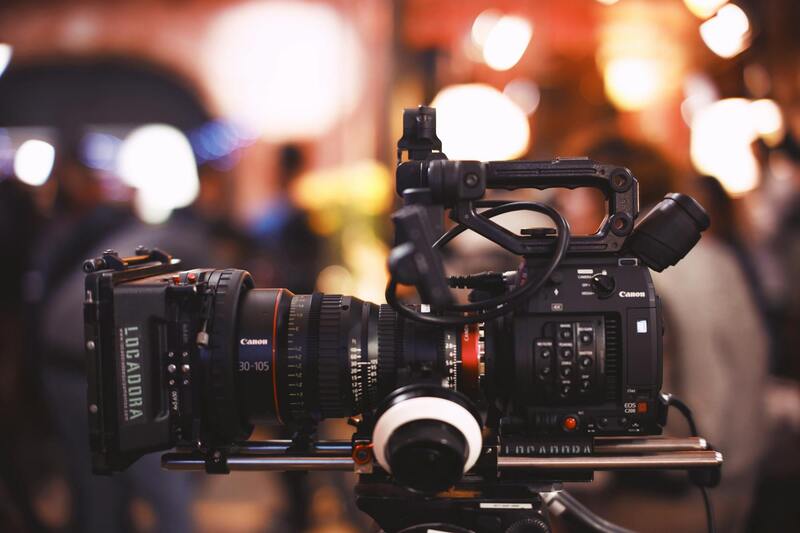
In essence, live broadcast production facilitates the real-time transmission of events, providing audiences with immediate access to live content happening anywhere around the globe. Whether it's a corporate conference, music festival, sports event, or community gathering, live broadcast production ensures that the event is accessible, engaging, and professionally delivered. In Miami, where the entertainment and business ecosystems thrive on innovative media solutions, professional live broadcast production companies offer invaluable services that elevate the reach and impact of events.
The process involves a multidisciplinary approach that combines several core elements. These include meticulous pre-production planning, technical operations, live filming, on-the-fly editing, and reliable streaming protocols. Each of these components must harmonize efficiently to produce a broadcast that is both synchronized and visually compelling. The ability to adapt quickly to unforeseen technical issues or changing event dynamics is a hallmark of skilled live broadcast production teams, ensuring that the final output maintains a consistent quality standard and meets client expectations.
Benefits of Professional Live Broadcast Production
- Enhanced audience engagement through high-definition streaming and interactive features
- Broader reach that engages audiences beyond geographical limitations
- Real-time feedback capabilities, allowing event organizers to respond promptly to viewer interactions
- Professional presentation that elevates brand image and event prestige
- Flexibility to accommodate hybrid event models, blending in-person and virtual attendance
For businesses and organizations in Miami, investing in expert live broadcast production offers a strategic advantage in today's digital landscape. It allows brands to extend their message effectively and ensures that their events achieve maximum visibility and impact. From initial conceptualization to final live streaming, the process involves a complex coordination of technology, creative vision, and logistical planning to deliver an immersive viewing experience that resonates with audiences and meets the highest standards of visual and audio quality.
Understanding the Core Methods of Live Broadcast Production
Executing a live broadcast that meets the highest standards involves more than just streaming footage in real time; it requires the implementation of official, standardized methods that ensure quality, reliability, and security. These methods encompass the entire production process, from pre-event planning through post-broadcast distribution, employing industry-best practices and cutting-edge technology to deliver a seamless viewing experience for audiences.
Pre-Event Planning and Coordination
Effective live broadcast production begins well before the cameras start rolling. This phase involves meticulous planning, including defining the broadcast’s objectives, understanding the target audience, and establishing the key performance indicators. Technical requisitions are precisely mapped out, specifying camera configurations, audio setup, lighting arrangements, and network infrastructure to support high-quality streaming. In addition, production teams coordinate part scheduling, setup logistics, and contingency plans to address potential technical issues, ensuring that each element integrates smoothly on the day of the event.
Technical Operations and Equipment Management
At the heart of professional live broadcast production lies the use of official, state-of-the-art equipment. Multi-camera systems facilitate varied shot angles, while professional audio mixers, microphones, and speakers ensure crystal-clear sound. Control rooms serve as the nerve center, housing video switchers, streaming encoders, and monitoring dashboards that provide real-time feedback on the broadcast quality. All gear undergoes rigorous testing and calibration prior to the event, adhering to industry standards, to guarantee optimal performance during the live stream.
Secure and Reliable Streaming Protocols
Reliable streaming relies on the deployment of official streaming protocols such as RTMP (Real-Time Messaging Protocol) and HLS (HTTP Live Streaming). These protocols are implemented through secure servers and content delivery networks (CDNs), which distribute the live feed efficiently while safeguarding against interruptions or unauthorized access. Authentication mechanisms, including encryption and access controls, further reinforce the integrity and confidentiality of the broadcast.
Live Production Execution
During the broadcast, technical operators manage the live feed, switching between cameras, adjusting audio levels, and overlaying graphics or titles as needed. This dynamic process demands real-time decision-making and strict adherence to the pre-established script and cues. Additionally, backup systems are on standby to take over instantly in case of hardware failure or network disruptions, minimizing downtime and maintaining broadcast continuity.
Post-Event Content Distribution
Once the live event concludes, official methods extend into content delivery and archival. Recorded footage is typically transcoded into various formats to accommodate different platforms, whether online on your website or via social media channels. Distribution practices include secure file transfer protocols and content management systems that store and organize broadcast recordings for future access or on-demand viewing. This phase may also include detailed analytics to assess viewer engagement and identify areas for improvement in future productions.
Implementing Best Practices for Live Broadcasts
- Maintaining high standards for audio and video quality through regular equipment upgrades and professional calibration.
- Adopting proven streaming protocols that deliver stability and security.
- Ensuring comprehensive pre-event testing and rehearsal sessions involving all technical personnel.
- Utilizing redundant systems and backup internet connections to prevent disruptions.
- Monitoring live feeds continuously for quality assurance and rapid issue resolution.
- Complying with intellectual property rights and licensing agreements for all visual and audio content shared during broadcasts.
Conclusion
Leveraging official, industry-standard methods in live broadcast production ensures production teams deliver dependable, high-quality streams that effectively engage audiences and uphold brand integrity. From meticulous planning and state-of-the-art technical execution to secure content distribution, each stage requires adherence to verified procedures and best practices. Employing these methods installs confidence in the broadcast's success, satisfying the expectations of clients and viewers alike, and establishing a reputable foundation for future live streaming endeavors.
Ensuring Accurate Content Management and Compliance
Effective live broadcast production relies heavily on implementing structured content management systems that facilitate seamless organization, storage, and retrieval of broadcast assets. Utilizing industry-standard content delivery networks (CDNs) ensures that broadcast streams reach viewers without interruption, maintaining high-quality resolution and minimal latency. These systems support secure transmission and help prevent unauthorized access or content piracy, protecting intellectual property rights and maintaining the broadcaster’s reputation.
In addition to content security, proper licensing and rights management play a vital role in live production. It is essential to verify that all visual and audio materials used during broadcasts are properly licensed, which compliance safeguards the organization from potential legal complexities and reinforces professionalism. Utilizing licenses for music, footage, and images ensures adherence to industry standards and helps avoid disruptions during live events.
Utilizing Verified Streaming Protocols and Technologies
Reliability in live broadcast production is underpinned by adopting proven streaming protocols such as Real-Time Messaging Protocol (RTMP), Secure Reliable Transport (SRT), or HTTP Live Streaming (HLS). These protocols provide scalable, stable, and secure transmission paths, minimizing the risk of stream interruptions. Implementation of adaptive bitrate streaming ensures viewers experience minimal buffering, regardless of their internet connection quality.
For optimal performance, broadcasters often employ hardware encoders that convert live video signals into streams compatible with chosen protocols. These encoders, combined with high-quality hardware, support high-resolution outputs such as 1080p or 4K, which are essential for engaging viewers through crisp visuals. Software encoders can also be deployed for flexibility and cost-efficiency, provided they are configured correctly and tested thoroughly before broadcast.
Pre-Broadcast Testing and Technical Rehearsals
Pre-event testing is a fundamental part of a verified live production process. This involves conducting comprehensive technical rehearsals, which encompass testing all equipment—cameras, microphones, switches, and streaming hardware—and verifying internet bandwidth capacity. These rehearsals allow technical teams to identify and resolve potential issues proactively, ensuring that all systems operate harmoniously during the live event.
During these sessions, the production team simulates the actual broadcast environment, calibrating audio levels and verifying video quality. It is also crucial to test different streaming devices and platforms that the audience might use, like desktops, tablets, or smartphones. This process guarantees that the live broadcast maintains high standards across diverse viewing scenarios, reducing the chance of glitches or degraded quality.
Redundant Systems and Connectivity Measures
To safeguard against potential disruptions, live broadcast production employs redundant systems, including backup internet connections—via fiber, LTE, or satellite—as well as secondary hardware units. Such redundancy ensures that if one pathway fails, the broadcast can seamlessly switch to an alternative, avoiding on-air outages. Redundancy is especially critical for high-profile or corporate virtual events where uninterrupted streaming is vital for audience engagement and brand reputation.
Furthermore, continuous real-time monitoring of live feeds allows producers to identify and respond instantly to any technical anomalies. Implementing multi-view monitoring dashboards provides visibility into each component's status, aiding rapid troubleshooting and quick decision-making during the event.
Monitoring and Quality Assurance During Live Streams
Real-time quality assurance protocols are indispensable for maintaining broadcast standards. Dedicated operators monitor audio and video feeds continuously, checking for sync issues, audio distortions, or visual artifacts. Should a problem arise, the technical team can execute predefined contingency plans, such as switching to backup feeds or adjusting audio levels remotely.
Advanced monitoring systems equipped with analytics tools offer insights into stream health, bandwidth consumption, and viewer engagement metrics. This data not only helps in immediate troubleshooting but also informs future production improvements, contributing to the evolution of best practices.
Content Delivery and Post-Broadcast Content Management
Delivering content through reliable content distribution strategies ensures that the live broadcast reaches the intended audience efficiently. Content delivery infrastructure must support tailored streaming options, including regional content restrictions, multibitrate feeds, and on-demand access after the live event concludes.
Post-broadcast, the live streams are archived using established content management systems. These archives facilitate on-demand viewing and enable organizations to repurpose content for marketing, training, or archival purposes. Proper cataloging and metadata tagging during the post-production phase support easy retrieval and content repurposing.
Advanced Techniques and Equipment Utilized in Live Broadcast Production
To ensure the seamless delivery of high-quality live broadcasts, production teams leverage a range of sophisticated techniques and state-of-the-art equipment. These tools are designed to optimize each phase of the production process, from initial setup to the final content delivery, thereby enhancing viewer engagement and maintaining professional standards across diverse event types.
Innovative Camera Technologies and Video Capture Techniques
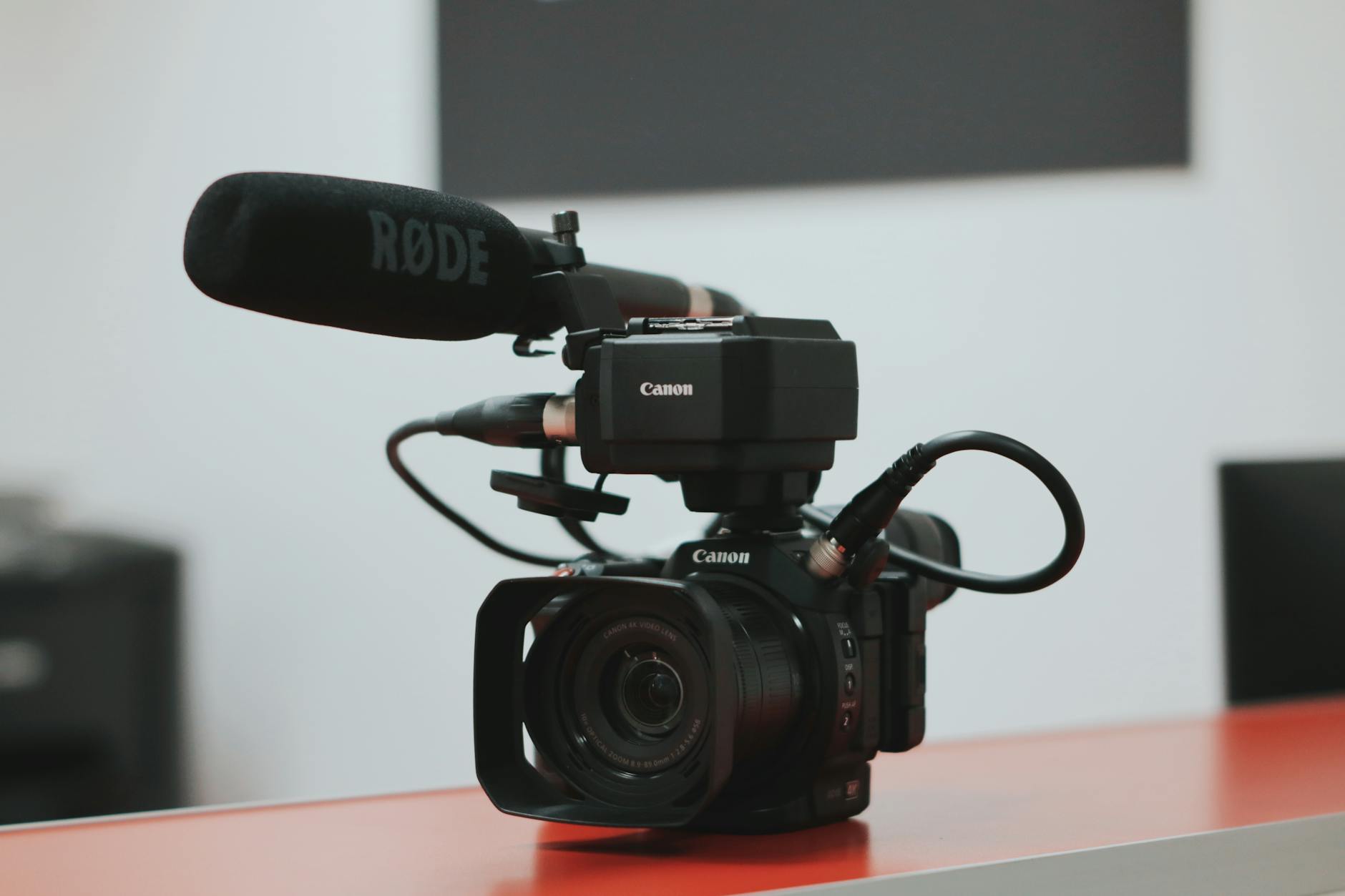
Modern live broadcast productions rely heavily on high-definition (HD) and 4K camera systems that deliver crisp, clear visuals. Utilization of camera arrays, remote cameras, and drone photography expands the creative scope, providing dynamic perspectives and comprehensive coverage of live events. Camera stabilization gear such as gimbals and steadicams ensures smooth footage, even in fast-paced or mobile environments. Multi-camera setups facilitate seamless switching between different angles, creating a more engaging viewing experience for the remote audience.
Advanced Sound Equipment and Audio Management
Achieving high-quality audio is crucial in live broadcasting. Professional-grade microphones, wireless audio systems, and digital mixers are employed to capture clear sound across different event venues. Acoustic treatments and soundproofing, combined with real-time audio monitoring, ensure crisp and balanced audio feeds. These measures prevent feedback, minimize background noise, and facilitate precise audio level adjustments during the event, ensuring an immersive experience for remote viewers.
Real-Time Video Switching and Mixing
Switching between multiple video sources is accomplished through broadcast-grade video switchers, which allow live editors to select, transition, and overlay visuals efficiently. This process is complemented by live graphics and branding integration, enhancing the professional quality of the broadcast. Video mixers enable real-time effects, picture-in-picture (PIP), and overlays, contributing to a polished presentation that aligns with the event’s branding and messaging objectives.
Robust Streaming Hardware and Encoding Solutions
Reliable streaming hardware, such as hardware encoders, ensures the transmission of high-quality video feeds over various internet connections. These devices compress and encode content in multiple formats, supporting adaptable streaming qualities for viewers with different bandwidth capacities. Adaptive bitrate streaming technology dynamically adjusts stream quality based on network conditions, reducing buffering and latency issues. Content delivery networks (CDNs) are integrated to distribute streams efficiently across geographic regions, ensuring consistent accessibility for a global audience.
Networking Infrastructure and Bandwidth Management
In live broadcast production, network stability and bandwidth capacity are fundamental. Dedicated fiber optic internet connections and bonded cellular systems, such as cellular bonding hardware, provide reliable, high-speed internet connections, minimizing interruptions. Network monitoring tools are deployed to track bandwidth usage and identify potential weak points, enabling pro-active adjustments during the event. Advanced networking solutions also accommodate remote feeds and multi-site collaborations without sacrificing video quality or stability.
Monitoring and Redundancy Measures
Comprehensive monitoring systems are implemented to oversee video, audio, and streaming health in real-time. These systems utilize analytics and diagnostic tools to detect issues promptly, facilitating swift troubleshooting. Redundancy strategies, including backup encoders, secondary internet lines, and redundant power supplies, are standard to maintain uninterrupted broadcasts, especially for large-scale or critical events.
Innovative Content Delivery Strategies
To maximize reach, live broadcast production incorporates multiple content delivery strategies. Multibitrate streaming ensures compatibility with varying internet speeds, while regional content restrictions adhere to geographic policies. Incorporating features like on-demand access post-broadcast allows audiences to revisit content at convenience. Customizable viewing options, such as multiple language channels or interactive overlays, further enhance audience engagement and accessibility.
Emerging Technologies Shaping the Future of Live Broadcasts
The integration of recent technological advancements, including augmented reality (AR), virtual reality (VR), and 360-degree video, expand capabilities for immersive live experiences. Cloud-based production workflows enable remote collaboration, reducing logistical constraints and increasing flexibility. Additionally, AI-driven analytics and audience engagement platforms provide real-time insights and personalized interactions, transforming the landscape of live broadcast production into a highly interactive and technologically sophisticated domain.
Technical Operations and Equipment
Executing a live broadcast demands meticulous management of technical equipment, which serves as the backbone of a successful production. Encompassing a wide range of devices, the technical setup begins with high-definition cameras capable of capturing the event from multiple angles, ensuring visual variety and coverage. Switchers and video mixers are employed to seamlessly transition between camera feeds, creating a dynamic viewing experience. Graphics systems are integrated to overlay titles, sponsor messages, and other visual elements that enhance the professionalism of the broadcast.
Critical to the technical operations is the streaming hardware, which includes encoders configured to optimize video quality and compression for different platforms. These encoders convert raw video signals into a digital format suitable for transmission over the internet. Reliable streaming hardware is complemented by robust network infrastructure, which must support high bandwidth demands and minimize latency for real-time viewing. Backup systems, such as secondary encoders and redundant internet connections, are standard practices to prevent interruptions and uphold broadcast integrity.
Technical Execution and Operations
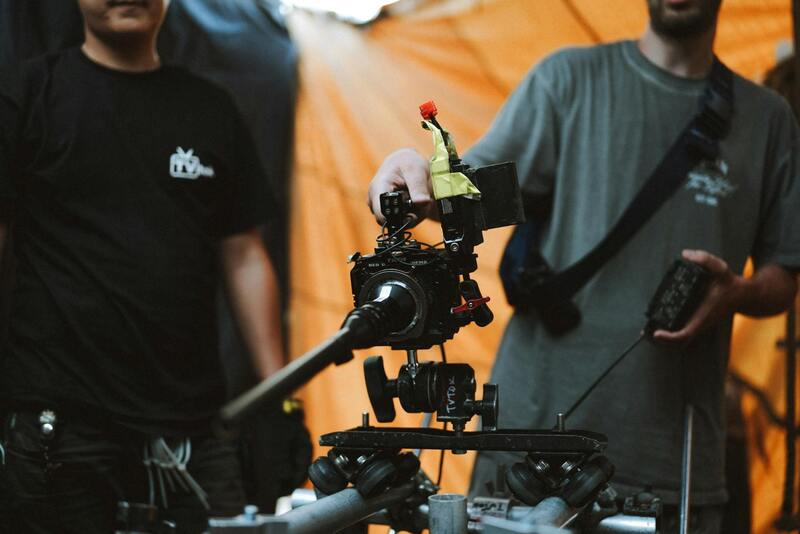
During the event, the technical team is tasked with the live management of all audiovisual elements. This includes direct operation of cameras, switching between different video feeds, and managing graphics overlays in real-time. Audio management is equally vital, requiring skilled audio engineers to balance sound levels and eliminate feedback or background noise. The switchover process often involves real-time communication among producers, directors, and technical operators to coordinate cues and transitions seamlessly.
Monitoring internet stability is paramount; the team continuously checks the connection and makes adjustments or switches to backup systems if needed. Network considerations involve utilizing high-speed broadband connections, fiber optics where available, and employing multi-bitrate streaming techniques. These strategies allow adaptive streaming that adjusts quality based on the viewer’s internet speed, providing a smooth experience regardless of device or connection quality.
Production Execution and Live Streaming
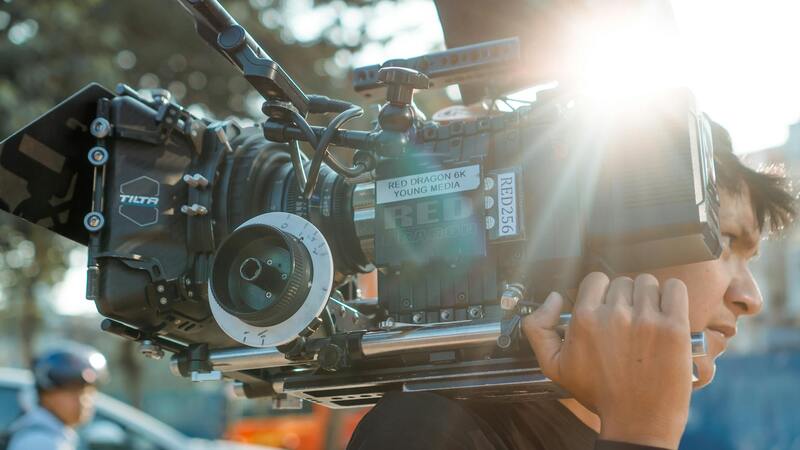
Execution during live streaming requires precision and coordination among various team members. Producers and directors oversee the flow of the broadcast, making real-time decisions to adapt to unforeseen issues or audience engagement metrics. Precise timing and communication are essential for cueing camera operators, starting graphics, and controlling on-screen content.
Using broadcast software platforms, the team manages multi-source feeds, overlays, and synchronized audio, ensuring the visual and auditory elements are perfectly aligned. The goal is to deliver a cohesive narrative and maintain viewer engagement until the event concludes. Additionally, monitoring live chat interactions or social media feeds integrated into the broadcast can foster audience interaction, further elevating the viewing experience.
Specialized Services and Equipment Rental in Miami
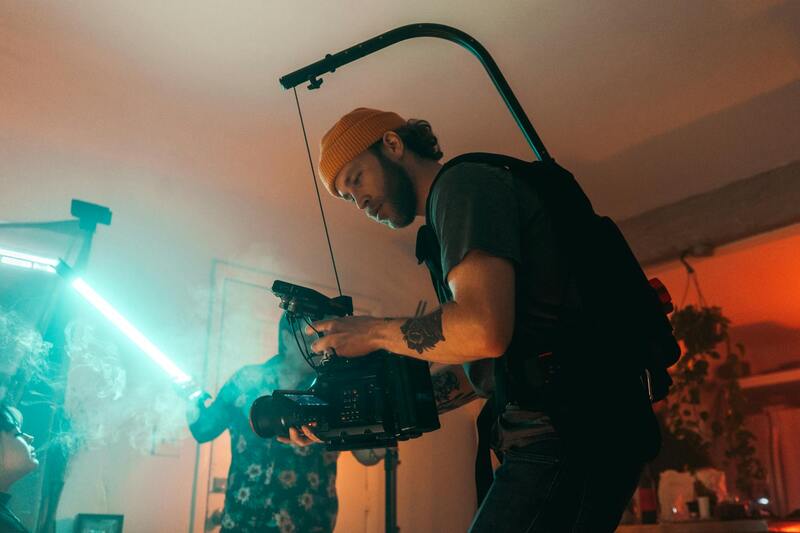
For organizations looking to produce professional live broadcasts without the expense of purchasing equipment, specialized rental services are available. These include high-grade cameras, portable live streaming encoders, audio mixers, and portable lighting setups. Renting provides access to the latest technology and ensures that high standards are maintained throughout the production.
Local rental companies often offer comprehensive packages, including technical support, setup, and operation of the rental equipment. This is particularly advantageous for one-off events or companies that prefer outsourcing technical responsibilities to experienced professionals. Such services alleviate logistical burdens and guarantee access to industry-standard gear, which is crucial for maintaining broadcast quality regardless of the event size or location.
Technical Operations and Equipment in Live Broadcast Production
Executing a professional live broadcast demands meticulous management of technical operations and the deployment of advanced equipment. This process involves a seamless integration of multiple hardware components and software systems to ensure viewers receive a smooth, high-quality experience. Central to this are the various technical workflows that coordinate the capture, processing, and distribution of video and audio feeds in real-time.
On-site technical teams often oversee equipment setup, calibration, and live operation, ensuring every element functions optimally throughout the event. These teams manage camera switching, ensuring the most compelling footage is selected and transitions are seamless. Audio mixing is equally critical; live sound engineers adjust levels dynamically, eliminate feedback, and ensure clarity across all channels. Graphics integration, including overlays, lower thirds, and branding elements, is synchronized with the live feed to enhance viewer engagement and reinforce branding messages effectively.
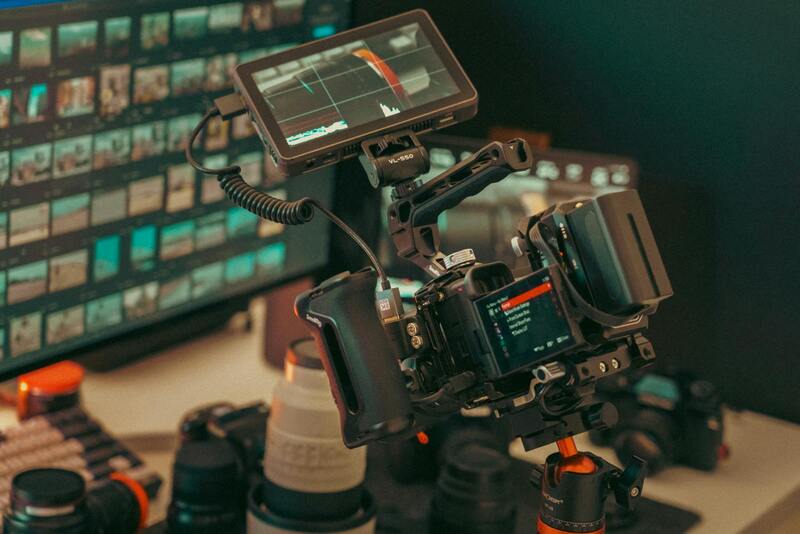
Real-time troubleshooting plays a pivotal role in maintaining broadcast integrity. When technical issues arise, quick and precise responses prevent disruptions that could diminish audience experience. This requires experienced operators who can swiftly identify, diagnose, and resolve problems such as signal loss, audio interference, or equipment malfunctions, often with backup solutions on standby.
Another key aspect involves network infrastructure. Reliable internet connections, often utilizing primary and backup links such as fiber optic and cellular bonding systems, are vital for live streaming. These systems ensure continuous data transfer, even if one connection experiences issues, minimizing latency and preventing buffering disruptions. Proper bandwidth management and data routing are planned meticulously during pre-production to accommodate the expected viewer load and quality requirements.
Furthermore, the selection of equipment is tailored to the specific scope and scale of each live event. High-definition cameras, professional-grade microphones, portable encoders, and switching consoles are typically used to achieve broadcast standards. The integration of these devices requires precise calibration and compatibility checks to ensure they perform seamlessly under live conditions. Specialty equipment rental companies in Miami, for example, provide access to the latest technology, including 4K cameras, wireless transmission systems, and real-time graphics servers, which are essential for delivering impressive and impactful broadcasts.
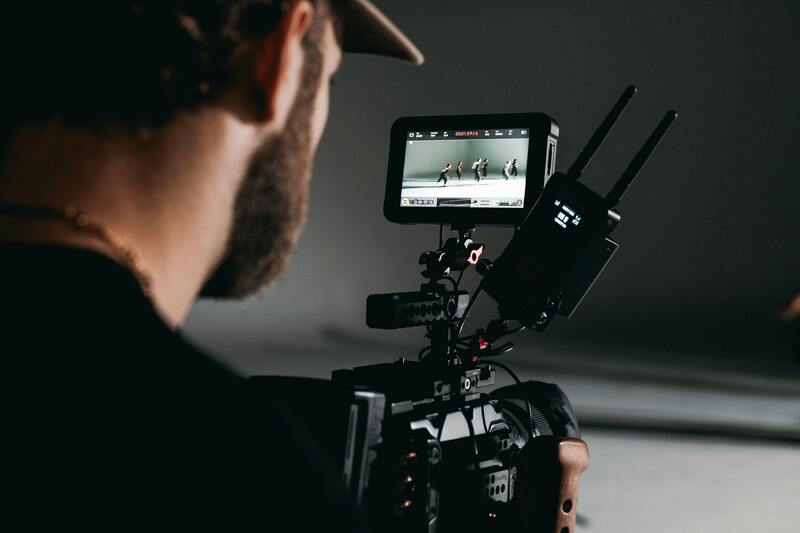
In addition to hardware, broadcast software platforms enable operators to control multiple sources, overlay graphics, and manage audio levels in real-time. These platforms facilitate the smooth execution of complex production elements, allowing for dynamic switching between camera angles and incorporating pre-recorded clips whenever necessary. Ensuring compatibility and robust operation of these software solutions is a fundamental aspect of technical performance, requiring trained personnel capable of leveraging their full capabilities.
Overall, the successful deployment of technical operations and equipment in live broadcast production hinges on thorough planning, skilled personnel, and high-quality hardware and software solutions. This multifaceted approach ensures that the live event maintains its professional standards, delivering engaging content that meets audience expectations across various platforms and devices.
Technical Operations and Equipment in Live Broadcast Production
Executing a flawless live broadcast depends heavily on meticulous technical operations and the deployment of cutting-edge equipment. The core of this process involves selecting and configuring hardware that is resilient enough to handle the rigors of real-time production. High-definition cameras, such as 4K or even 8K models, are frequently employed to ensure crisp visuals that meet modern broadcast standards. These cameras are often mounted on stabilized rigs or tripods, with wireless transmission systems enabling versatile and unobstructed shots from multiple angles.
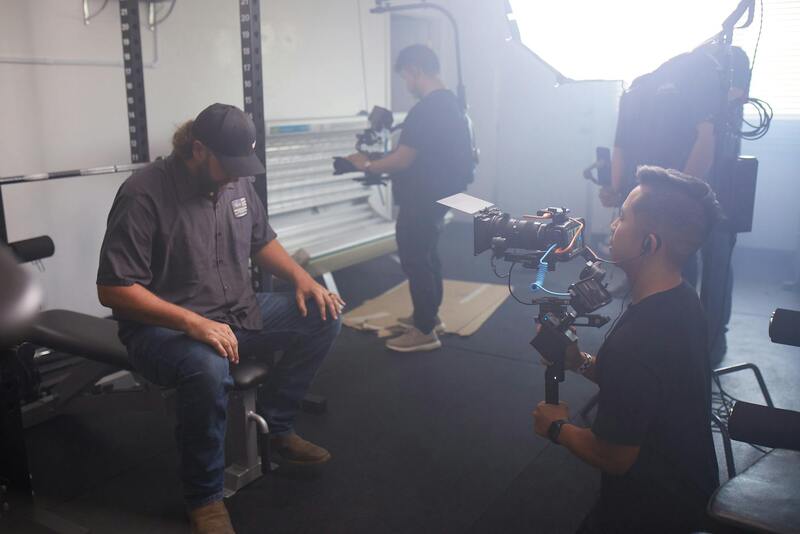
In addition to cameras, professional audio equipment is paramount for capturing clear speech and ambient sounds. This includes lavalier microphones, shotgun mics, and mixing consoles capable of handling multiple audio inputs. These devices are synchronized and calibrated to produce balanced sound levels that complement the visual content seamlessly. Real-time audio monitoring allows technicians to identify and mitigate issues promptly, maintaining broadcast quality.
Wireless signal transmission plays a critical role in live production environments where mobility and flexibility are mandatory. RF transmitters paired with receivers, along with mesh networks, facilitate reliable video and audio feeds from distant or hard-to-reach locations. For events that demand exceptional visual fidelity, the integration of 4K or higher resolution cameras with high frame rates ensures that details are preserved even under challenging lighting conditions.
Switching and Graphics Equipment
Switching consoles, often digital systems, allow operators to toggling seamlessly between different video sources. These systems are integrated with video servers and graphics engines that overlay dynamic graphics, titles, and branding elements. The real-time manipulation of overlays and visual effects enhances viewer engagement and reinforces branding consistency.
Modern broadcast workflows utilize software-based control panels that enable multi-layered graphics integration, synchronized with live video feeds. This capability allows for the layering of live stats, social media feeds, and pre-produced content, making the broadcast more informative and interactive. High-performance graphics servers, with robust processing capabilities, ensure smooth rendering without lag, even during complex visual transitions.
Monitoring and Backup Systems
Constant monitoring is essential during live events to promptly identify issues related to signal loss, audio imbalances, or visual artifacts. Multi-view monitors and reliability checks ensure all feeds are synchronized and operational. Additionally, redundant systems for critical hardware components—such as backup servers and power supplies—are implemented to mitigate the risk of technical failures.
Equipment Rental and Management Services in Miami
Many production companies in Miami feature specialized rental services for live broadcast equipment, offering access to the latest technology tailored to different event scales. These providers often include on-site technical support to facilitate setup and immediate troubleshooting. Leasing advanced equipment not only saves costs but also guarantees the use of proven, professional-grade hardware capable of delivering broadcast-quality streams.
Such equipment often includes wireless transmission units, 4K cameras, fiber optic links, and integrated control systems. The rental process usually involves comprehensive planning, where technicians collaborate with producers to select the appropriate gear based on the event’s specific requirements, timing, and logistical constraints.
Ensuring Legitimate and Reliable Live Broadcast Production Methods
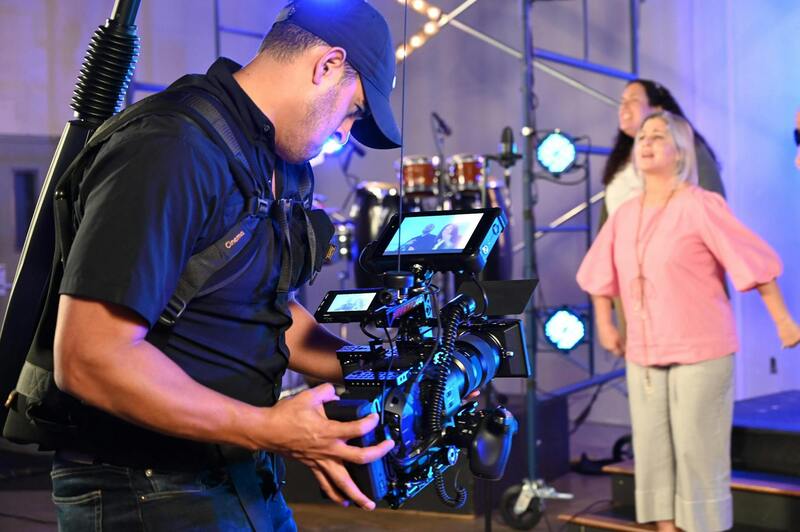
Securing a high-quality live broadcast requires adherence to established, professional standards that prioritize stability, security, and clarity. From detailed pre-production preparations to advanced technical execution, every step must utilize methods recognized for their effectiveness and dependability. These methods serve as the backbone of successful live streaming, facilitating seamless viewer experiences and minimizing technical disruptions.
Utilization of Certified Equipment and Software
Legitimate live broadcast production relies heavily on the deployment of certified, industry-approved hardware and software solutions. This includes professional-grade cameras, seamless switching hardware, and robust encoding software. When selecting equipment, producers prioritize brands and models that have undergone rigorous testing and certification processes. Such equipment ensures compatibility, durability, and optimal performance under the demanding conditions of live streaming.
Furthermore, utilizing software solutions that are regularly updated and supported by manufacturers guarantees improved security and compatibility. These software platforms facilitate real-time encoding, streaming, and multi-platform broadcasting, allowing media professionals to deliver consistent, high-quality streams across multiple channels while maintaining compliance with industry standards.
Adherence to Established Protocols and Industry Standards
Professional live broadcast production strictly follows recognized industry protocols, which cover everything from signal routing to audio-video synchronization. These protocols ensure each element of the broadcast is synchronized, reducing the likelihood of lag, buffering, or loss of video quality. For instance, implementing standards such as Transport Stream (TS) or Real-Time Messaging Protocol (RTMP) ensures compatibility across different distribution platforms.
Audio quality is equally vital; hence, legitimate production setups employ balanced audio inputs, noise reduction systems, and redundant audio feeds. This approach preserves clarity, prevents feedback or interference, and ensures seamless audio delivery regardless of unforeseen technical issues.
Employment of Secure Connection Methods
Ensuring that live streams are transmitted via secure, reliable connections is paramount. This involves the utilization of private fiber optic links, encrypted internet connections, and dedicated transmission servers designed to prevent unauthorized access and signal interception. Such methods often include Virtual Private Networks (VPNs) or secure cloud-based solutions that guarantee both the integrity and confidentiality of the live broadcast.
Implementation of Redundancy and Backup Systems
To uphold reliability, legitimate production teams implement redundancy strategies that encompass backup hardware, power supplies, and internet connections. For example, multiple encoders and backup servers are maintained on-site to automatically take over should primary systems encounter issues. Additionally, multi-path internet connectivity ensures continuous streaming even if primary networks experience interruptions.
Comprehensive Testing and Rehearsals
Prior to the event, thorough technical rehearsals and testing procedures are conducted to verify all equipment's functionality and network stability. These rehearsals confirm that audio levels, camera angles, and streaming bandwidth meet professional standards. Conducting these tests in the same environment as the actual event uncovers potential issues and allows technical teams to address them proactively.
Staffing with Certified Technical Experts
Engaging trained technicians and certified live stream producers is crucial for maintaining the integrity of the broadcast. These professionals possess specialized knowledge in signal flow, troubleshooting, and live event coordination, ensuring every component functions correctly throughout the event. Their expertise minimizes errors and enhances overall broadcast quality.
Conclusion
Employing proven, legitimate methods in live broadcast production guarantees a professional, secure, and high-quality streaming experience. The combination of certified equipment, strict adherence to industry protocols, secure transmission channels, redundancy measures, thorough testing, and professional staffing builds a resilient production framework capable of delivering compelling live content without compromise.
Comprehensive Approaches to Live Broadcast Production
Executing a seamless live broadcast involves meticulous adherence to recognized methods and strategic planning. It is imperative to employ robust infrastructure and processes that guarantee continuity, quality, and security throughout the production. These principles are aligned with industry best practices, emphasizing the importance of clear workflows, reliable equipment, and skilled personnel. The deployment of multi-point and redundant streaming setups ensures that content reaches viewers without interruption, even in the face of network instability. Such systems are designed to detect failures promptly and switch to backup sources automatically, minimizing the risk of broadcast downtime.
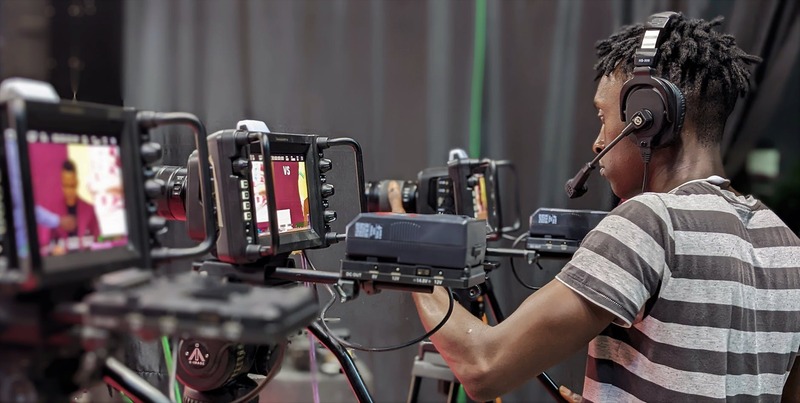
At the core of legitimate live broadcast production is the use of advanced, certified equipment tested extensively before the event. These include professional-grade cameras, audio systems, processing units, and encoders that adhere to industry standards. All devices undergo rigorous pre-event inspections and calibration to ensure optimal performance. In parallel, network configurations are optimized for high bandwidth and stability, with dedicated connection lines assigned to critical equipment to prevent latency issues. This level of technical diligence not only improves video and audio quality but also fortifies the broadcast against unforeseen disruptions.
In addition to hardware, employing professional-grade streaming platforms and secure transmission channels is critical. These platforms provide reliable delivery and often include integrated security features to protect content integrity. Content transmission should utilize encrypted protocols and controlled access to prevent unauthorized interference. Establishing a secure, private network for streaming minimizes risks of interference or data breaches, which is central to maintaining trust and quality during live events.
Personnel and Procedural Measures
- Skilled technical staffing: Certified technicians and engineers monitor and operate equipment during a live stream, ensuring constant quality control and troubleshooting potential issues swiftly.
- Structured rehearsals: Conducting comprehensive technical run-throughs ensures all systems are synchronized and functioning correctly, while rehearsals with on-camera talent optimize performance under actual event conditions.
- Protocol implementation: Establishing detailed operational procedures, including predefined responses to common technical challenges, guarantees a smooth production process. These procedures encompass camera switching, audio management, and real-time troubleshooting protocols.
Redundancy and Contingency Planning
Redundancy measures are integral to legitimate live broadcast production frameworks. These include backup equipment, alternate internet connections, and multiple streaming pathways. When primary systems encounter issues, automated failover protocols activate, redirecting the live feed through alternative channels without user intervention. These contingency plans are tested extensively in controlled environments to identify potential vulnerabilities and refine response strategies, further ensuring the broadcast's resilience.
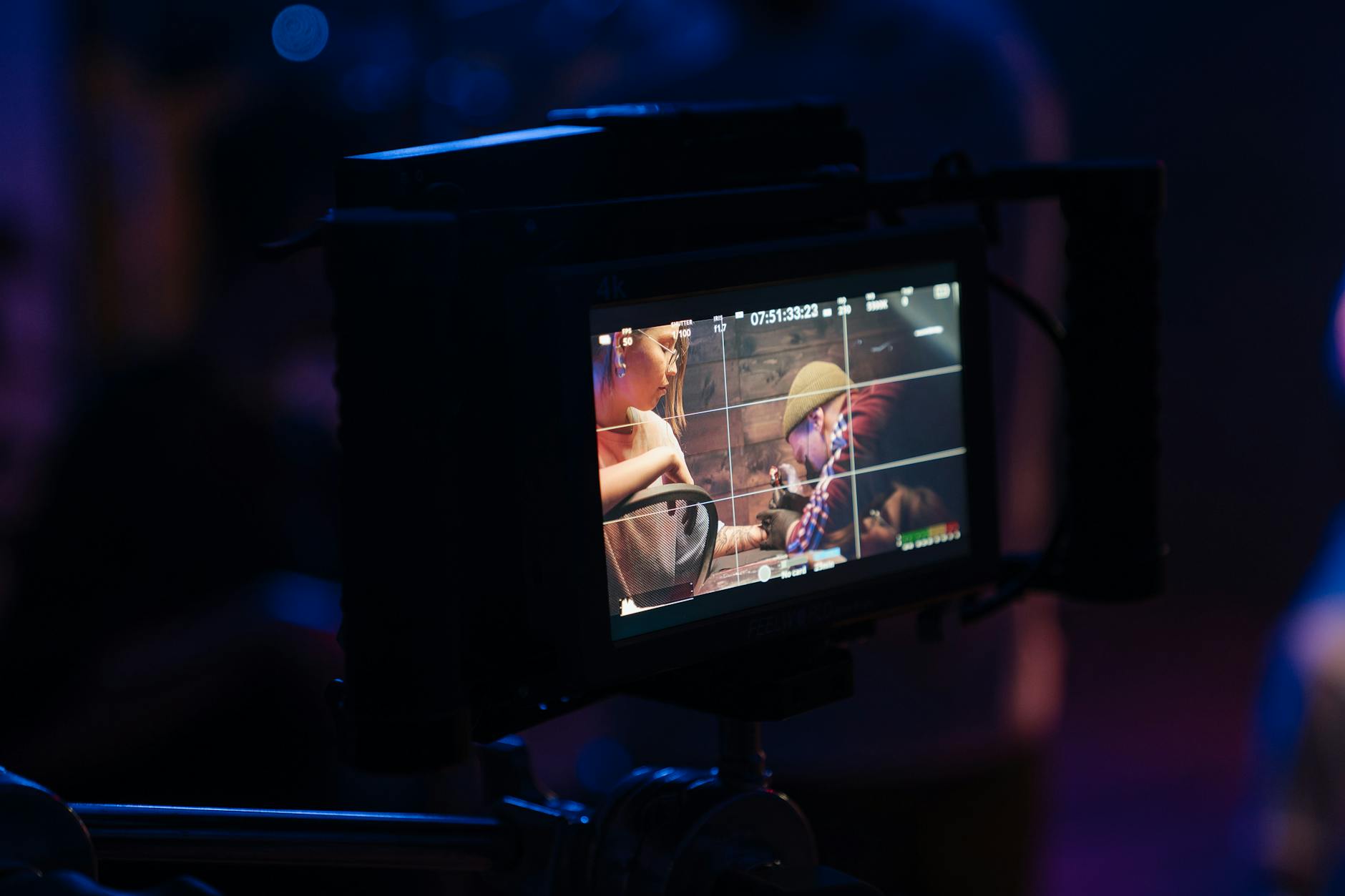
Incorporating these methods creates a resilient production environment capable of handling the dynamic nature of live events, thus delivering uninterrupted, high-quality streams for audiences worldwide. The combination of tested technology, trained personnel, procedural discipline, and redundancy ensures that live broadcasts are conducted professionally and reliably, reflecting the high standards expected in the industry.
Overview of Live Broadcast Production
Live broadcast production encompasses the comprehensive set of processes and technical procedures that enable real-time transmission of events, programs, or content to a broad audience via digital platforms. It requires meticulous planning, precision execution, and advanced technology to ensure seamless delivery and high-quality viewing experiences. This discipline has become a cornerstone in the entertainment, corporate, educational, and faith-based spheres, where immediate engagement and broadcast reliability are paramount.
Key Components of Live Broadcast Production
Executing a successful live broadcast hinges on multiple interconnected components, which include sophisticated equipment, skilled personnel, strategic planning, and robust infrastructure. Understanding each element's role facilitates the creation of resilient, high-quality streams that meet professional standards and audience expectations.
Technical Operations and Equipment
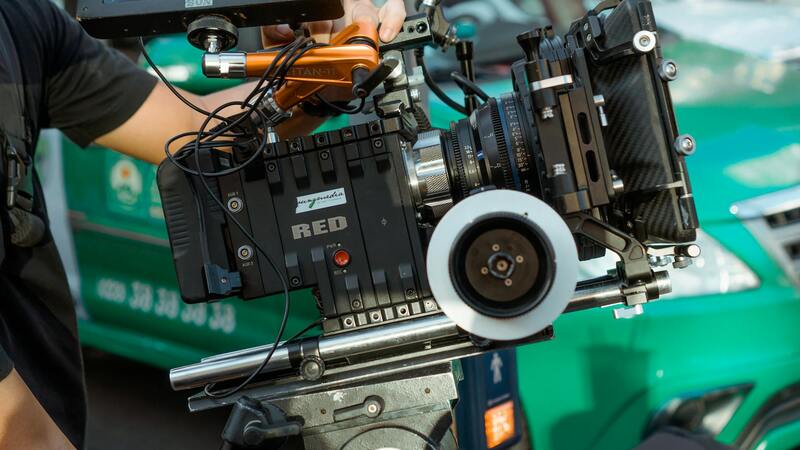
The backbone of any live broadcast lies in its technical operations and equipment. This involves high-definition cameras, professional audio gear, switchers, encoders, and stabilization systems. The deployment of redundant systems and backup power supplies further fortify the broadcast process, minimizing risks of interruptions due to technical failures. Reliable internet connections, such as fiber optics or bonded cellular solutions, are essential for maintaining stable streams, especially in large venues or outdoor locations where network stability can be unpredictable.
Technical Execution and Operations
During the live event, technical personnel coordinate live switching, audio mixing, graphic overlays, and real-time troubleshooting to adapt to unforeseen challenges. This stage demands an experienced team that can seamlessly integrate various production elements, manage multiple camera angles, adjust audio levels instantly, and maintain the overall flow of the broadcast. Attention to detail and quick decision-making are vital in ensuring the broadcast remains professional and engaging.
Production Execution and Live Streaming
The execution phase involves the live management of all technical aspects and the actual transmission process. Using dedicated streaming interfaces and content delivery networks (CDNs), the live feed is encoded and transmitted to distribution platforms such as corporate websites, social media channels, or streaming portals. Constant monitoring, scorecards, and communication channels enable the crew to address technical glitches swiftly, thereby providing audiences with an uninterrupted viewing experience. This phase also includes quality assurance checks to verify audio clarity, visual fidelity, and stream stability before and during the event.
Specialized Services and Equipment Rental in Miami
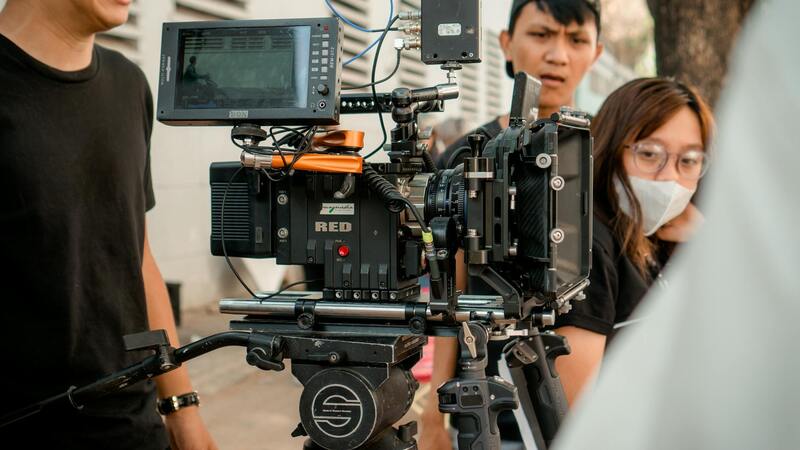
Miami hosts a variety of professional production service providers offering specialized live broadcast solutions. From high-end camera rentals and portable broadcast units to advanced graphics systems, these companies supply the equipment needed for complex live events. Additionally, rental services include satellite uplinks, robotic camera systems, and cloud-based switching platforms, allowing event organizers to customize their setup according to specific needs. These services not only support professional-grade production but also optimize costs and resource availability, especially for large-scale or multi-venue events.
Post-Production and Content Distribution
After the live transmission concludes, the focus shifts to post-production activities, including editing, captioning, and content optimization for on-demand viewing. High-resolution recordings are stored for future use, promotional purposes, or archival purposes. Distribution channels extend beyond the live event, reaching audiences through social media, on-demand platforms, or dedicated streaming services. Strategic dissemination of the content enhances audience engagement and maximizes the event’s impact, ensuring the reach extends beyond the live broadcast window.
Implementing secure content management practices and analytics tools further refines distribution strategies, providing valuable insights into viewer engagement and stream performance. This comprehensive approach guarantees that the content maintains its professional integrity while maximizing its accessibility and reach across various digital platforms.
Overview of Live Broadcast Production
Live broadcast production is a sophisticated process that involves multiple stages of planning, technical setup, and execution to deliver real-time video content to viewers across various platforms. It encompasses everything from pre-production preparations to post-event content distribution, aimed at ensuring seamless delivery of high-quality live streams. As audiences increasingly consume live content on digital devices, the importance of professional live broadcast production continues to grow, demanding meticulous coordination of technical and creative elements to achieve a broadcast that is both engaging and reliable.
Key Components of Live Broadcast Production
Understanding the core components involved in live broadcast production is essential for achieving a successful event. These include:
- Video Capture and Camera Operations: High-definition cameras capture the event from various angles, requiring skilled camera operators to ensure optimal framing and focus.
- Audio Management: Clear and balanced audio is crucial, necessitating professional sound engineers to handle microphones, mixers, and audio feeds.
- Switching and Video Mixing: Video switchers and mixers facilitate seamless transitions between different camera sources, graphics, and pre-recorded content.
- Encoding and Compression: Real-time encoding ensures that the broadcast stream is compatible with multiple devices and internet speeds, maintaining quality without buffering.
- Streaming Platform Integration: Reliable connection setups to streaming servers and social media platforms extend reach and accessibility.

Pre-Production Planning and Coordination
Effective live broadcast production begins with detailed pre-production planning. This phase involves defining the event’s objectives, target audience, and key messages. A thorough assessment of venue logistics, available technical infrastructure, and the audience’s digital consumption patterns helps shape the production approach. Coordination among creative teams, technical staff, and vendors ensures that all components—from camera placement to sound quality—align with the event’s goals.
Developing a comprehensive production timeline, including run-throughs and rehearsals, minimizes errors during the live event. Creating detailed shot lists, graphic templates, and cue sheets ensures smooth transitions and consistent visual storytelling. It’s also important to establish clear communication channels among team members to address emerging issues swiftly during the broadcast.
Technical Operations and Equipment
The backbone of live broadcast production lies in the deployment of specialized technical equipment and skilled personnel. This includes high-definition cameras, video switchers, audio consoles, and reliable internet connections. In Miami, numerous rental services provide access to cutting-edge broadcast hardware, such as robotic cameras, satellite uplinks, and cloud-based switching platforms. These resources enable producers to customize their setups, whether for small corporate events or large-scale concerts.
Technical operators monitor each component throughout the production, ensuring synchronization and functionality. Redundant systems and backup connections are critical to prevent interruptions. The integration of remote control technologies allows for flexible camera angles and live adjustments, particularly useful in hybrid or multi-location events.
Technical Execution and Operations
During the live broadcast, technical staff oversee real-time operations, managing video switching, audio levels, and encoding settings. A dedicated director coordinates the visual flow, making instantaneous decisions to enhance viewer engagement. Audio engineers continuously monitor sound quality, addressing potential issues like feedback or imbalance promptly.
Operators also supervise the connectivity to streaming platforms, confirming that the signal remains stable and synchronized across all destinations. Any technical anomalies require immediate troubleshooting, often involving switching to backup systems or rerouting feeds to maintain stream continuity.
Production Execution and Live Streaming
Executing a live broadcast demands precision in timing and execution. As the event progresses, the production team executes planned cues, transitions, and graphics seamlessly. Viewers expect a professional experience, which depends on the seamless coordination among camera operators, technical directors, and audio specialists.
Multi-platform streaming is standard in contemporary live broadcasts, requiring compatibility with social media networks, dedicated portals, and third-party streaming services. Quality assurance checks are performed continually to verify stream stability, resolution, and latency, ensuring that the broadcast reaches the audience with minimal delay and maximum clarity.
Specialized Services and Equipment Rental in Miami
Miami hosts a range of providers offering specialized live broadcast production services and equipment rentals. These include robotic camera systems, satellite uplinks, cloud-based switching platforms, and portable production units. Renting such equipment helps organizations maintain high production standards without significant capital investment, allowing flexibility for various event sizes and complexities. Technical crews in Miami are experienced in operating advanced hardware and software, ensuring professional-grade output for every project. The availability of tailored solutions facilitates on-site setup, live streaming, and multi-platform distribution, making it a preferred hub for large-scale and broadcast-quality productions.
Post-Production and Content Distribution
Once the live event concludes, the focus shifts to post-production tasks. Recorded footage is edited for highlight reels, promotional content, or archival purposes. Enhancements such as graphics, captions, and audio adjustments improve the final product's quality. The organized storage of high-resolution recordings supports future on-demand viewing and content marketing initiatives.
Distributing the finished content involves uploading to social media platforms, streaming services, or dedicated websites. Proper tagging, metadata, and promotional strategies help maximize reach and viewer engagement. Analytics tools are employed to assess viewer interactions, stream stability, and overall performance, informing improvements for future broadcasts. Implementing secure digital archiving and content management practices ensures protection and easy access to broadcast assets, maintaining the professional integrity of the production effort.
Ensuring Quality Control in Live Broadcast Production
Maintaining impeccable quality throughout a live broadcast is paramount to engaging viewers and delivering a professional appearance. This involves a comprehensive approach that integrates meticulous planning, advanced technical setups, and real-time monitoring. High-definition (HD) and 4K streaming technologies require robust encoding hardware and optimized bandwidth management to prevent buffering and lag, thus preserving visual clarity and streaming stability.
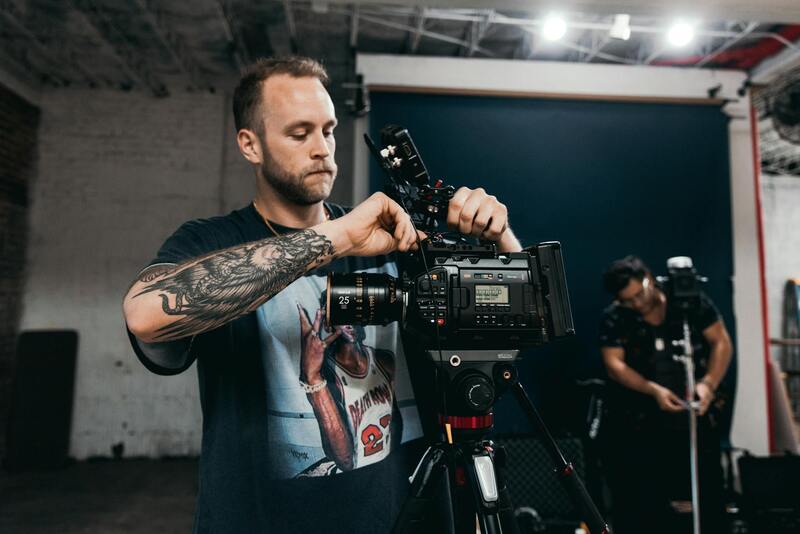
Quality control begins with pre-event testing of all equipment, including cameras, microphones, video switchers, and streaming encoders. Conducting run-throughs ensures that lighting conditions are suitable and that audio levels are balanced, avoiding issues like distortions or inaudibility during the broadcast. Regular checks of network infrastructure are vital; utilizing dedicated lines or bonded internet connections reduces vulnerability to fluctuations that could compromise stream quality.
Real-Time Monitoring and Troubleshooting
During live production, continuous oversight of audio and video feeds is essential. Experienced technical operators monitor stream stability, signal strength, and synchronization, making swift adjustments as needed. Advanced monitoring tools provide immediate alerts for issues such as audio dropouts, pixelation, or latency. Having backup equipment and redundant systems in place enables quick recovery from unexpected failures, minimizing disruptions.
Real-time communication among the production team allows for immediate decision-making. For instance, if a particular camera angle has a technical glitch, operators can switch to alternative feeds or reconfigure settings on the fly. This proactive approach ensures that viewers experience a smooth and uninterrupted broadcast.
Post-Event Quality Assessment
After the live event concludes, a thorough review of the recorded footage facilitates quality assessment and future improvements. Analyzing stream data, viewer feedback, and system logs helps identify areas for enhancement, whether related to equipment performance or content delivery strategies. Archiving high-quality recordings preserves the production's integrity and provides valuable material for post-event promotions or on-demand content.
Employing detailed quality assurance protocols and utilizing professional-grade hardware and software fortifies the entire live broadcast process. From meticulous pre-production planning to responsive on-the-fly adjustments and comprehensive post-event review, these practices uphold the highest standards in live broadcast production.
Comprehensive Methods for Authentic Live Broadcast Production in Miami
Implementing proven and professional techniques for live broadcast production ensures a high-quality, reliable streaming experience that resonates with viewers while maintaining operational excellence. These methods encompass meticulous planning, advanced technical setup, and seamless execution, all grounded in industry-wide standards and best practices.
Structured Planning and Coordination
The foundation of a successful live broadcast begins long before the event goes live. A detailed pre-production schedule involves defining the event's objectives, establishing clear roles for all team members, and securing the necessary permits and permissions. Effective coordination involves aligning the creative vision with technical capabilities, verifying equipment functionality, and conducting run-throughs to identify potential challenges.
Advanced Technical Infrastructure
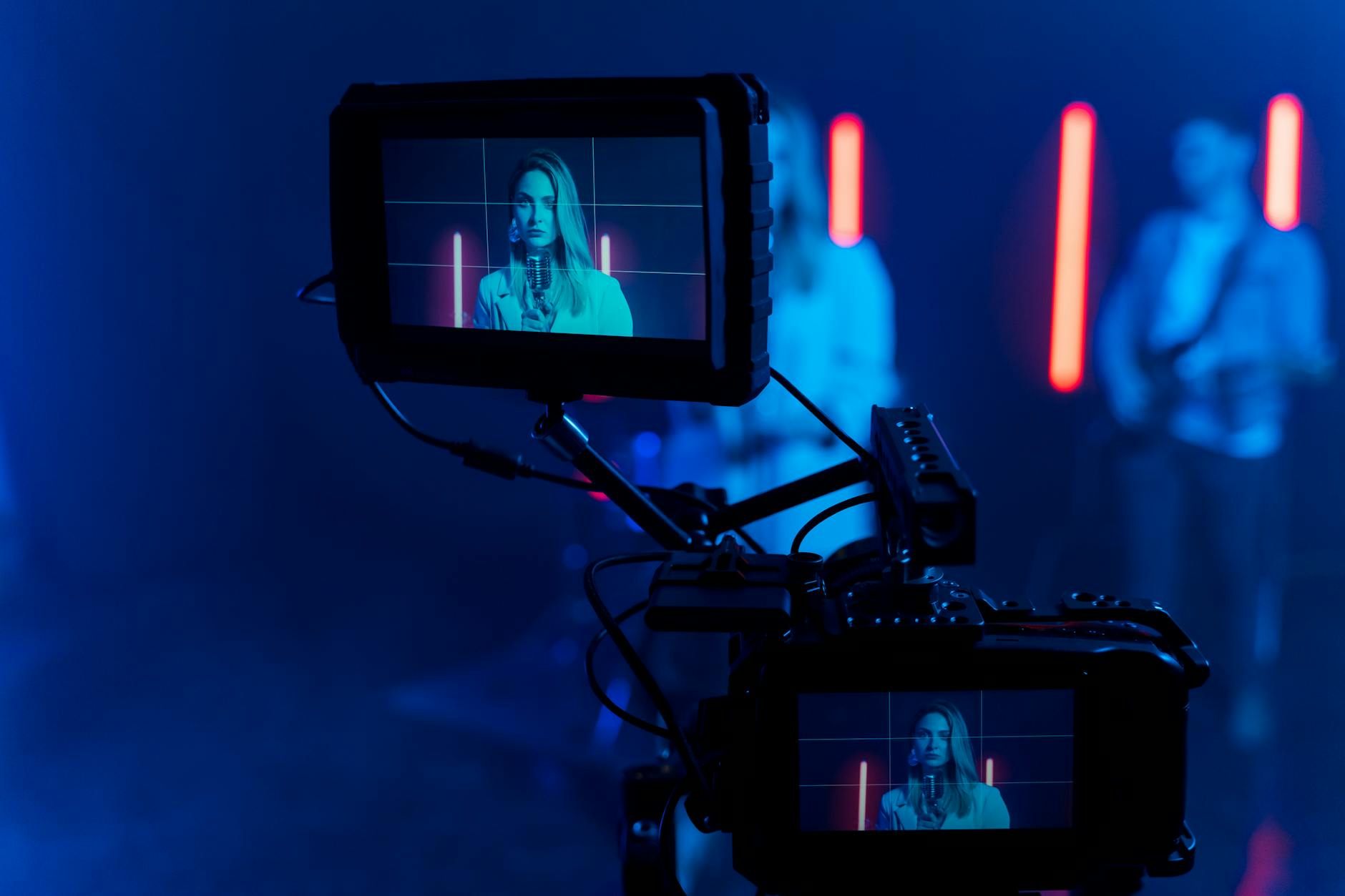
Leveraging state-of-the-art technology is critical for professional live broadcast production. High-definition cameras, professional audio equipment, and appropriate lighting contribute to high-quality visuals and sound. Utilizing robust encoding hardware and software ensures stream stability, while redundant systems like backup encoders, power supplies, and network connections provide resilience against unforeseen failures.
- Reliable internet connectivity, often with bonded or dedicated lines, minimizes latency and buffering issues.
- Real-time signal monitoring tools help technicians detect and resolve issues promptly, preserving stream quality.
- Encoding hardware should support high bit rates for 4K or higher resolutions, adapting to viewer bandwidth.
Precise Technical Operations
Executing the technical aspects involves real-time management of video feeds, audio levels, and streaming parameters. Skilled technical operators constantly monitor the stream's health, employing diagnostic tools to detect signal degradation, latency, or synchronization issues. Having a team dedicated to troubleshooting ensures immediate response to any anomalies, maintaining an uninterrupted broadcast.
Production Management and Content Delivery
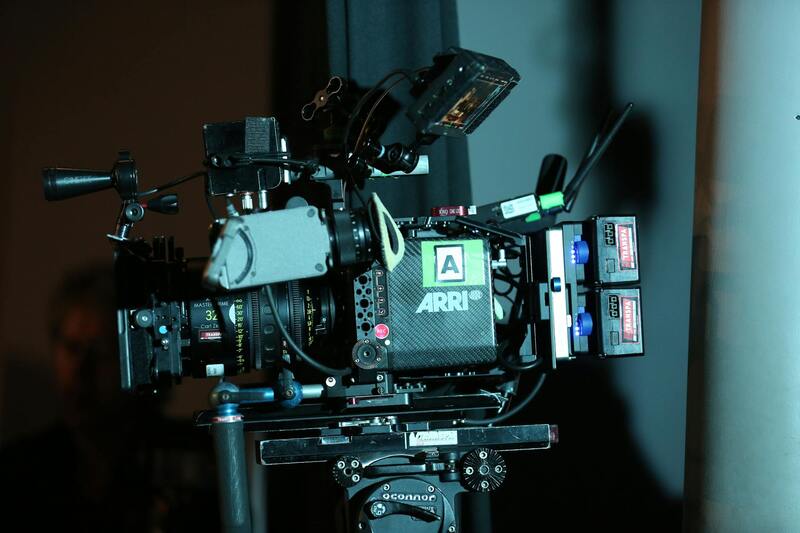
The production team orchestrates camera switching, graphics insertion, and live interviews, ensuring a cohesive viewer experience. Strategic placement of multiple cameras provides dynamic angles, while professional graphics and lower thirds enhance viewer engagement. Successful live streaming also involves effective content distribution channels, such as social media platforms, dedicated streaming servers, or private portals, tailored to the audience and event type.
Adopting Industry-Standard Best Practices
Adherence to established industry guidelines helps maintain high-quality output. These include optimizing bit rates for different bandwidth conditions, ensuring audio clarity, and employing standard camera framing techniques. Moreover, maintaining clear communication channels among crew members—via headsets or messaging platforms—is vital for synchronized operations.
Security Measures and Content Protection
Securing the live broadcast against unauthorized access or interception involves implementing encryption protocols, secure login procedures, and digital watermarking where appropriate. Regular security audits and updates protect the content and infrastructure, safeguarding against potential cyber threats.
Post-Broadcast Content Management
Post-event activities such as recording, editing, and distributing the broadcast content extend the value of the live production. High-quality recordings can be archived for on-demand use, used for promotional purposes, or repurposed in different marketing campaigns. Analyzing viewer analytics and feedback further informs improvements for future broadcasts.