

Introduction to Event Video Streaming Services
Event video streaming services have revolutionized the way live events are experienced and shared. In Miami, a vibrant hub for cultural festivals, corporate gatherings, concerts, and sporting events, the demand for high-quality streaming solutions continues to grow. These services enable organizers to transmit live footage across the internet, reaching audiences worldwide and expanding exposure beyond physical venues.
Implementing reliable event video streaming is pivotal for enhancing accessibility, allowing attendees and remote viewers to participate in real-time. Whether it's a corporate conference or a citywide celebration, streaming offers a dynamic way to increase engagement, facilitate remote participation, and archive events for future viewing. In Miami’s diverse and fast-paced environment, choosing the right streaming service ensures seamless delivery, professional presentation, and maximum audience reach.
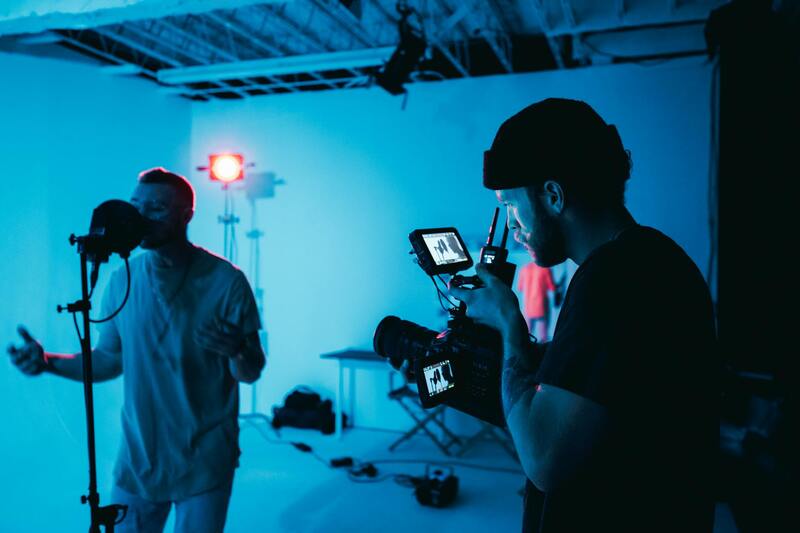
As the landscape of live event coverage evolves, an understanding of available streaming options becomes crucial. Whether aiming for web-based live streams, social media broadcasts, or integration with multiple platforms, selecting appropriate solutions can significantly influence an event’s success. The right service can deliver crisp visuals, minimal latency, and interactive features that keep viewers engaged and actively participating.
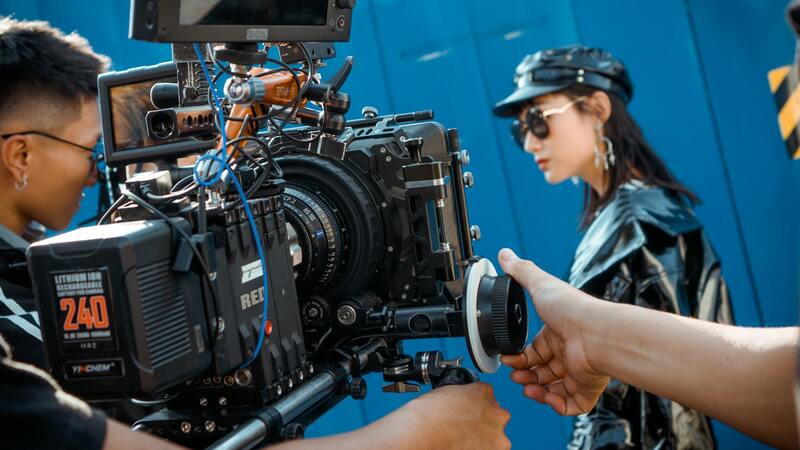
In today’s digital society, live streaming has become an indispensable tool for event organizers. It amplifies the reach of any gathering, making it accessible to those who cannot attend physically. As Miami continues to host a variety of large-scale events, the importance of dependable, high-performance streaming services becomes increasingly evident. Selecting the right provider ensures that every moment is captured with clarity and transmitted smoothly, elevating the overall experience for viewers and organizers alike.
Types of Video Streaming Solutions for Events
Event organizers have a multitude of streaming options that can be tailored to meet the specific demands of their gatherings. These solutions range from straightforward live broadcasting to more complex hybrid approaches, ensuring flexibility for various event sizes and formats. Understanding these options allows organizers to select the most effective method for delivering high-quality content to their audience.
Live Streaming
This is the most common method, transmitting real-time footage to viewers via internet platforms. It is ideal for conferences, performances, or ceremonies where immediate engagement is desired. Live streams can be broadcast on dedicated websites or social media channels, leveraging platforms with extensive user bases to maximize reach. High-definition video, reliable bandwidth, and minimal latency are essential components for successful live coverage.
On-Demand Content
Post-event, content can be made available on-demand, allowing viewers to access recordings at their convenience. This method extends the lifespan of an event’s content and caters to audiences across different time zones or with varying schedules. On-demand libraries can include full event recordings, clips, or highlight reels, providing valuable resources for future promotion or reference.
Hybrid Streaming Solutions
Combining live broadcast and on-demand features, hybrid streaming offers maximum flexibility. It allows organizers to transmit live events while simultaneously uploading recordings for later access. This approach enhances engagement by accommodating diverse viewer preferences and extending the content’s relevance beyond the live moment.
Simulcasting on Multiple Platforms
Many event organizers opt to broadcast their streams across multiple platforms simultaneously, such as social media, dedicated websites, and streaming services. This maximizes exposure and ensures different audience segments can access the event through their preferred channels. Employing multi-platform streaming requires robust infrastructure to handle higher bandwidth demands and ensure consistent quality across all streams.
By understanding the various streaming modalities and their respective advantages, event professionals in Miami can tailor their approach to optimize visibility, interaction, and overall event success. The right solution hinges on the specific goals, event type, target audience, and available technological resources, making strategic planning crucial for seamless delivery and memorable viewer experiences.
Technical Requirements for Successful Streaming
Executing a high-quality event video stream demands meticulous attention to technical setup and infrastructure. Ensuring seamless transmission requires a combination of reliable hardware and stable internet connectivity. Event organizers should invest in high-definition cameras capable of capturing clear visuals in different lighting conditions, including professional-grade camcorders or high-resolution digital cameras, depending on the event’s scale and ambiance.
In addition to cameras, a robust streaming encoder is essential. This device compresses the video feed for transmission over the internet while maintaining optimal quality. Live encoders like software-based solutions or dedicated hardware units facilitate real-time streaming, allowing for configuration of multiple input sources, overlays, and transitions to enhance the viewing experience.
It’s equally important to use a high-bandwidth, dedicated internet connection with upload speeds that exceed the streaming quality requirements. For instance, streaming in 1080p typically necessitates a minimum upload speed of 5 Mbps, while 4K streams require substantially higher bandwidth. Redundant internet connections or backup plans should be in place to prevent interruptions caused by connectivity issues.
Additional technical considerations include audio quality, lighting conditions, and troubleshooting tools. Clear audio, often enhanced with external microphones, plays a crucial role in audience engagement. Proper lighting ensures visuals are bright and detailed, minimizing shadows and glare that could detract from the presentation. Monitoring tools that track stream health in real-time enable organizers to quickly address issues such as buffering, latency, or audio delays, thereby maintaining a professional broadcast standard.
For virtual events, integration with content management systems and platforms that support interactive features can elevate the experience. This involves compatibility checks, secure access protocols, and the ability to handle multiple streams if simultaneous sessions or breakout rooms are involved.
By ensuring these technical elements are carefully planned and executed, event professionals in Miami can deliver compelling digital experiences that meet modern audience expectations and maximize engagement throughout the occasion.
Technical Requirements for Successful Streaming
Ensuring a seamless live stream at an event involves meticulous attention to technical setup and infrastructure. High-speed, stable internet connectivity is fundamental, typically requiring dedicated bandwidth that can handle the expected data load without interruption. For most high-definition streams, a minimum upload speed of 10 Mbps is recommended, but for 4K content or larger audiences, higher speeds are necessary to maintain quality and prevent buffering issues.
Quality streaming hardware forms the backbone of a professional broadcast. This includes professional-grade cameras capable of capturing crisp visuals, reliable encoders to convert video signals into streaming-compatible formats, and robust audio equipment such as external microphones that deliver clear sound. Proper lighting setups are equally critical, as they enhance visual clarity and ensure subjects are well-lit, minimizing shadows and glare.

Monitoring and troubleshooting tools are integral to a smooth broadcast. These technologies allow event organizers to oversee stream health in real time, providing instant alerts if issues such as increased latency, dropped packets, or audio sync problems arise. Additionally, having backup solutions, including secondary internet connections or portable data options, ensures continuity in case of primary connection failures.
For virtual or hybrid events, technical integration extends beyond hardware to platforms that support real-time interaction, such as chat functions, polls, or breakouts. Compatibility with various content management systems and streaming platforms allows for greater flexibility in distributing content to diverse audiences. Emphasizing security protocols, encryption, and access controls adds a layer of protection against unauthorized viewing, maintaining the integrity and professionalism of the broadcast.
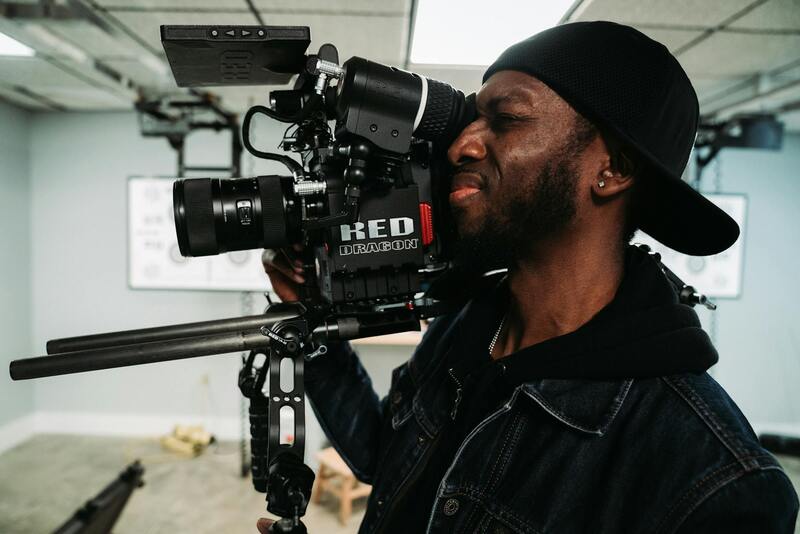
In conclusion, a comprehensive approach to technical readiness—covering internet connectivity, hardware, software, and security—empowers event organizers in Miami to deliver engaging and reliable live streaming experiences. Preparation in these areas reduces the risk of disruptions and enhances the overall impression of the event, ensuring that both virtual and in-person audiences receive a consistent and high-quality broadcast.
Choosing the Right Method of Event Video Streaming
When it comes to broadcasting your event to a wider audience, selecting the most effective and professional method of video streaming is crucial. Reliable methods include dedicated streaming hardware, such as professional encoders, and robust software platforms that integrate seamlessly with your existing audiovisual setup. These solutions ensure high-quality video delivery with minimal latency, allowing your virtual attendees to experience the event as if they were physically present.
Opting for live streaming services provided by specialized providers offers numerous advantages, including technical support, content management, and reliable infrastructure tailored for event broadcasting. For large-scale or high-profile events, professional-grade streaming hardware combined with a content delivery network (CDN) ensures smooth transmission across different regions without buffering or dropouts. This approach minimizes interruptions and enhances viewer engagement.
Furthermore, internet connectivity plays a pivotal role in selecting the appropriate streaming method. Utilizing dedicated wired connections or bonded internet solutions ensures bandwidth stability, reducing the risk of disruptions. For remote or outdoor events, supplemented mobile hotspots or portable data solutions can serve as backup options, maintaining the stream if primary connections encounter issues.
Many event organizers leverage cloud-based streaming platforms, which simplify the distribution process while offering features such as multiple camera feeds, real-time graphics, and audience interaction tools. These platforms often provide user-friendly interfaces, enabling easy setup and management even for teams without extensive technical expertise. When integrated properly, they provide a comprehensive solution that caters to both live viewers and on-demand content.
In selecting the appropriate method, consider factors such as audience size, event complexity, and available technical resources. Ensuring that all equipment is compatible and capable of delivering consistent performance is essential. Additionally, it’s important to incorporate backup solutions, such as secondary streaming devices or alternative internet connections, to prevent potential disruptions during critical moments of your event.
By choosing proven, professional streaming methods, event organizers in Miami can deliver a polished, engaging virtual experience that complements in-person happenings and reaches a wider audience with clarity and reliability. Careful planning and investment in quality technology ensure your event’s accessibility and impact extend far beyond the physical venue.
Technical Requirements for Successful Streaming
Achieving a seamless live event broadcast hinges on a solid understanding of the technical requirements involved. Reliable internet connectivity remains at the forefront, with dedicated high-speed broadband or fiber-optic connections offering the bandwidth necessary to support high-definition streams without buffering. It is crucial to assess the venue’s existing internet infrastructure well in advance, and where possible, secure dedicated lines to prevent bandwidth contention from other onsite activities.
Complementing the internet setup, professional-grade hardware such as encoders is vital. Hardware encoders convert raw video signals into digital formats suited for streaming, and choosing models with sufficient processing power ensures the quality and stability of the broadcast. Many event organizers opt for software encoders integrated into streaming platforms for flexibility, but dedicated hardware solutions often provide better reliability for large-scale events.
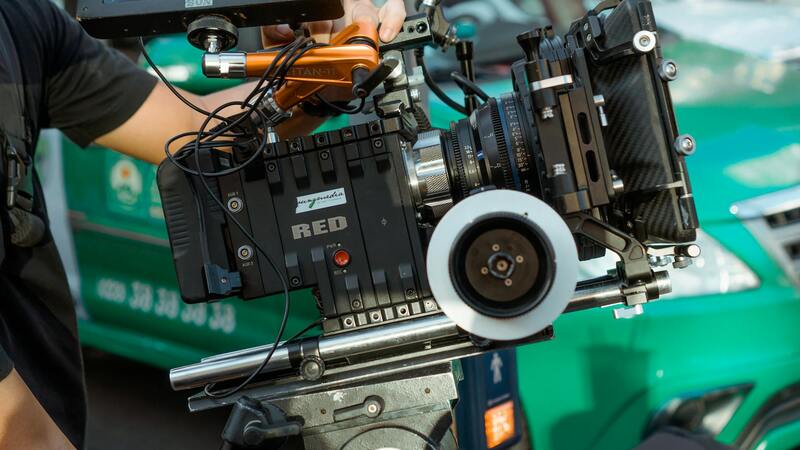
Video sources, including multiple cameras, should be synchronized and configured for optimal output. Multi-camera setups enable dynamic coverage, capturing different angles and perspectives that maintain viewer engagement. Using professional-grade video switchers allows seamless transitions between camera feeds, adding a polished feel to the stream.
Audio quality directly impacts the viewer experience. Employing high-fidelity microphones and mixing equipment ensures clear sound, minimizing echoes and background noise. Incorporating audio monitoring tools and backup audio feeds further reduces the risk of audio disruptions.

Comprehensive testing prior to the event is essential. Conducting rehearsals with all equipment, verifying internet stability, and practicing content delivery help identify potential issues early. Establishing contingency plans, such as backup internet connections, secondary streaming devices, or alternative broadcast pathways, ensures the stream remains stable even if unexpected technical difficulties arise.
Integrating these technical components with experienced streaming professionals creates a resilient infrastructure that can handle the demands of large-scale events. The use of cloud-based streaming platforms facilitates real-time content management, multiple camera inputs, and social media integration, further enhancing the broadcast experience. Ultimately, attention to detail in the technical setup ensures consistent quality, minimizing disruptions, and delivering a compelling viewing experience that accurately reflects the event's professionalism and significance.
Ensuring Fair Use and Proper Licensing of Streaming Platforms
When selecting an event video streaming service, it's crucial to ensure that the platform you choose complies with licensing agreements and terms of service set forth by content owners and broadcasters. This adherence protects the event organizer from potential legal complications and guarantees that all content shared during the broadcast is authorized for public viewing. Engaging with reputable streaming providers that have established partnerships and licensing arrangements helps safeguard your event from interruptions or takedown notices.

Many platforms offer integrated content management systems that assist in verifying licensing requirements and copyright compliance. These systems help organizers avoid inadvertent copyright infringements by providing access to licensed media libraries and tools for content verification. Additionally, working with providers experienced in handling complex licensing issues ensures your live stream adheres to intellectual property rules, providing peace of mind and uninterrupted broadcasting.
Utilizing Secure and Reliable Streaming Protocols
Secure transmission of live event footage is vital, especially for high-profile events with sensitive or proprietary content. Reliable streaming protocols such as RTMP (Real-Time Messaging Protocol) or SRT (Secure Reliable Transport) offer encrypted connections that safeguard live feeds against unauthorized access and data breaches. These protocols also provide resilience against network instability, which is particularly important in locations with fluctuating internet connectivity.
Implementing multi-bitrate streaming and adaptive streaming technologies allows viewers to receive the best possible quality based on their device and network conditions. This approach minimizes buffering interruptions, ensuring a smooth viewing experience for remote audiences. Professionals often utilize Content Delivery Networks (CDNs) to distribute streams efficiently across different geographic regions, reducing latency and increasing stream stability.
Prioritizing Platform Compatibility and Accessibility
A successful event stream needs to reach a broad audience regardless of their device or browsing environment. Selecting services compatible with multiple devices, operating systems, and browsers guarantees extensive accessibility. This includes optimizing streams for desktops, laptops, smartphones, and tablets, ensuring viewers can enjoy the content seamlessly. Furthermore, supporting various accessibility features, such as closed captions and audio descriptions, broadens the event's reach and enhances audience engagement.
Monitoring and Analytics for Live Event Optimization
Real-time monitoring tools provide insights into stream health, viewer engagement, and network performance. Monitoring dashboards help streaming technicians detect potential issues early—such as buffering, latency, or dropped connections—allowing immediate corrective actions. Post-event analytics further inform future improvements by offering data on viewer demographics, peak watch times, and engagement metrics. These insights enable organizers to refine their streaming strategies, optimize content delivery, and enhance overall viewer satisfaction.
Ethical Considerations and Content Management
Managing live content responsibly involves respecting intellectual property rights, privacy concerns, and audience sensitivities. Clear communication with performers, speakers, and participants about what will be streamed ensures transparency and consent. Additionally, implementing moderation tools helps control chat interactions and viewer comments, fostering a positive viewing environment. Proper watermarking or branding of the stream content maintains the event's integrity and prevents unauthorized redistribution of footage.
By carefully selecting streaming methods that prioritize licensed content, security, accessibility, and ethical standards, event organizers can deliver professional, high-quality broadcasts that resonate with audiences while maintaining compliance and integrity.
Legal Methods for Accessing Event Video Streaming Services
For organizations and individuals seeking to broadcast events professionally, utilizing official and authorized streaming platforms is essential. These platforms operate under strict licensing agreements with content owners, ensuring that all streamed content adheres to copyright standards and intellectual property rights. By choosing reputable providers, event organizers can guarantee high-quality streams that meet technical specifications and legal compliance, minimizing risks associated with unauthorized content distribution.
One widely recognized method involves subscribing to platforms that offer licensed streaming solutions tailored for events. These services often provide comprehensive packages, including content management, real-time monitoring, and viewer analytics, all under strict licensing terms. They serve as a secure conduit for live event broadcasting, allowing organizations to reach wide audiences without compromising ethical standards.
Another legitimate approach is leveraging professional videography services that hold necessary broadcasting licenses. Such providers typically employ state-of-the-art equipment and experienced technical staff to ensure seamless streaming. They also handle content rights verification, ensuring that every frame of the broadcast is authorized, which is crucial for compliant and high-quality streaming experiences.
Official streaming apps and platforms, endorsed by event organizers and content owners, offer user-friendly interfaces and reliable infrastructure. These services often include options for HD streaming, interactive features, and integrated chat functionalities, all within a framework of licensed content delivery. This guarantees that viewers access content legally while enjoying a smooth, uninterrupted experience.
Participating in authorized streaming events involves coordinated planning with the service providers to verify content rights, set up secure transmission channels, and configure branding elements. Such procedures align with official standards and ensure that the event's broadcast remains compliant with all relevant regulations. Throughout the process, maintaining transparency with stakeholders about the content source and distribution rights affirms the professional integrity of the streaming operation.
In summation, accessing event video streaming services through official channels involves selecting licensed platforms, working with authorized videography teams, and adhering to approved distribution methods. These practices bolster the event's credibility, safeguard against content disputes, and deliver a seamless viewing experience for audiences in Miami and beyond.