

Understanding Live Event Video Streaming
Live event video streaming has revolutionized the way organizations and individuals share moments, ensuring that audiences can experience events in real-time, regardless of their physical location. This method involves transmitting live video footage over the internet to viewers worldwide, enabling a seamless and immediate connection between event organizers and their audiences.
The importance of live streaming for events cannot be overstated. It significantly broadens reach, allowing individuals who cannot attend in person to participate virtually. This inclusivity enhances engagement, fostering a sense of community among participants regardless of geographical barriers. Furthermore, real-time broadcasting provides opportunities for interactive features such as live chat, Q&A sessions, and social media integration, which amplify audience involvement.
From corporate conferences and concerts to religious services and educational seminars, live streaming ensures that content remains accessible and shareable across platforms. It serves as an effective strategy for expanding brand visibility, increasing attendee numbers, and generating valuable data insights. As digital consumption continues to grow, adopting reliable live streaming practices is becoming indispensable for modern event planning and execution.
Implementing professional live streaming methods involves a comprehensive understanding of the different types of streams, the selection of suitable platforms, and ensuring the proper technical setup. These elements work together to deliver a smooth, professional broadcasting experience that reflects positively on the event organizers. By harnessing official and legitimate streaming techniques, event professionals can create memorable and accessible experiences that meet the demands of today’s digital landscape.
Why Live Streaming Matters for Your Events
- Expands audience reach far beyond physical venue limitations
- Enhances engagement through interactive features
- Creates accessible and inclusive experiences for diverse attendees
- Provides opportunities for content repurposing and marketing
- Supports hybrid event models, combining in-person and virtual participation
Understanding Live Event Video Streaming
Implementing live event video streaming using official and legitimate methods is crucial for ensuring a high-quality, reliable broadcast that represents your event professionally. When selecting methods to stream your event, it is essential to adhere to established standards and utilize authorized platforms and tools to guarantee seamless transmission and legal compliance.

Adhering to Approved Streaming Techniques
The foundation of a successful live stream lies in employing authorized streaming techniques that have been tested and proven to deliver consistent results. This includes using licensed streaming software and hardware, such as professional encoding devices, streaming platforms with proper licensing, and secure internet connections. These methods ensure that your broadcast remains stable, clear, and free from interruptions or unauthorized access.
Video encoders, such as hardware-based or robust software solutions, convert your event footage into a digital stream compatible with various streaming platforms. When incorporated correctly, these tools facilitate high-definition and real-time broadcasting, reflecting the professionalism of your event. Using approved APIs and SDKs provided by respected streaming service providers guarantees compatibility and security throughout the live session.
Utilizing Licensed Platforms and Content Distribution
Distributing your live stream through legitimate channels ensures compliance with platform policies and maintains the integrity of your content. Reputable streaming services, such as official event streaming platforms and social media integrations, allow you to broadcast efficiently while providing audiences with reliable access. These platforms often include features like muting unauthorized viewers, analytics, and content protection, which are vital for protecting your event’s intellectual property and ensuring an optimal viewing experience.
Official streaming platforms often offer customizable privacy controls, enabling you to restrict access to authorized viewers only. This is especially important for corporate events, private seminars, or exclusive product launches, where sensitive information may be discussed. Additionally, utilizing trusted CDN (Content Delivery Network) providers helps to distribute your content globally with minimal latency and buffering, upholding your event’s professional standard.
Implementing Secure Technical Practices
Security measures are integral to legitimate live streaming. Secure internet connections with backup options reduce the risk of disruptions. Employing encryption protocols such as RTMPS or FTPS ensures that your data remains protected from interception or tampering during transmission. Moreover, regular software updates and compliance with industry standards enhance the stability and security of your live stream infrastructure.
It is also advisable to work with trained technical personnel or certified AV providers who understand official streaming processes. Their expertise ensures all hardware and software components are configured correctly and that the event adheres to best practices for digital content delivery.
Selecting Authorized Streaming Devices and Software
- Professional-grade hardware encoders licensed for commercial use
- Official streaming software like OBS Studio, vMix, or Wirecast obtained through authorized sources
- Subscription to verified streaming platforms with proper licensing and content protection features
- Reliable networking equipment to maintain steady connectivity
- Content protection tools, such as DRM (Digital Rights Management), to prevent unauthorized redistribution
By focusing on these approved methods and tools, event organizers can deliver dependable, high-quality live streams that reflect well on their brand and ensure a smooth viewing experience for audiences worldwide. Maintaining compliance with trusted procedures fosters a professional image and preserves the integrity of your event content, enabling you to engage your audience effectively and securely across all digital channels.
Implementing Secure and Reliable Streaming Infrastructure
Effective live event video streaming depends heavily on the deployment of a robust, reliable infrastructure that upholds the highest standards of safety and performance. Central to this is the use of reputable hardware encoders, which are essential for converting high-quality video signals into digital streams suitable for transmission. These encoding devices should be obtained exclusively from authorized manufacturers to ensure compatibility with official streaming protocols and software.
Additionally, employing official streaming software like vMix, OBS Studio, or Wirecast, sourced directly from their providers or authorized resellers, guarantees access to legitimate features and ongoing updates. Subscription-based platforms that offer verified licenses and integrated content protection features provide added layers of security and content management, eliminating the risks associated with unlicensed or unauthorized tools.
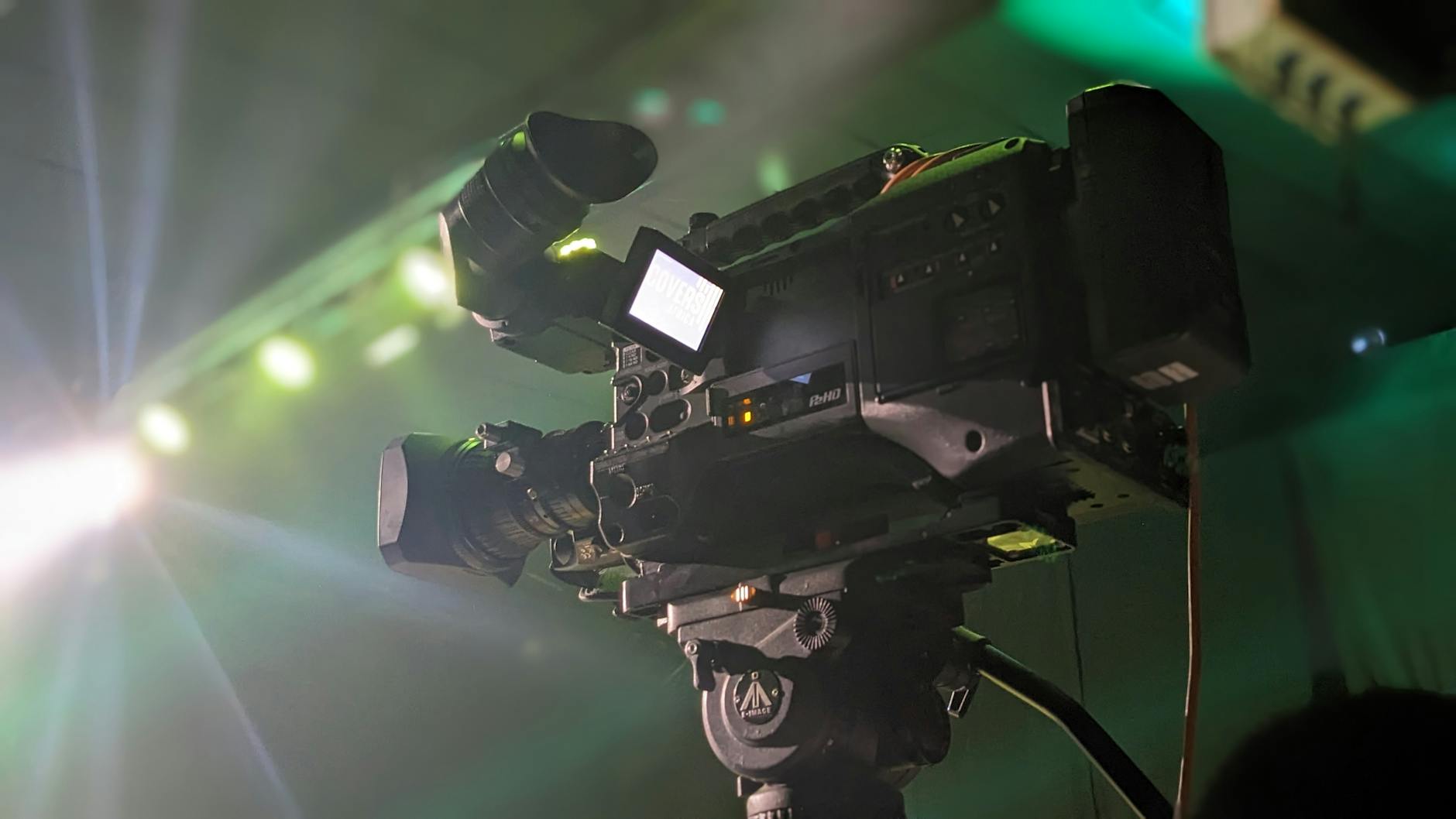
Networking equipment plays a crucial role in maintaining seamless connectivity throughout the event. Professional-grade routers, switches, and network interface cards, installed and configured by certified IT professionals, ensure minimal latency and prevent disruptions during the broadcast. Redundant internet connections, such as dual broadband links with automatic failover, can safeguard against potential outages, maintaining continuous live streams regardless of network issues.
Implementing Content Protection and Digital Rights Management
To enhance the security of your live streams, integrating content protection tools such as Digital Rights Management (DRM) systems is vital. DRM controls access to the stream, verifying audience eligibility and preventing unauthorized redistribution or recording. Many official streaming platforms offer built-in content protection options, making it easier for event organizers to manage rights and uphold broadcast integrity.
Encryption protocols should be employed extensively during transmission. Protocols like RTMPS, an encrypted version of Real-Time Messaging Protocol, encrypt the data to prevent interception or tampering during transmission. Consistently updating all hardware and software components ensures adherence to the latest security standards and reduces vulnerabilities.
Quality Assurance and Continuous Monitoring
Prior to the start of the event, a thorough quality check should be conducted. This includes testing the entire streaming setup — from hardware encoders and software configurations to network stability and content protection measures. During the broadcast, real-time monitoring tools allow technical teams to track stream health, latency, and viewer engagement, enabling quick responses to any issues that may arise.
This proactive approach minimizes the risk of quality degradation or unexpected disruptions, ensuring the audience experiences a smooth and professional broadcast. Post-event, analyzing stream performance data helps identify areas for improvement and guides future upgrades to infrastructure and security measures.
Understanding Live Event Video Streaming
Live event video streaming stands as a pivotal component in modern event management, allowing organizers to extend their reach beyond physical boundaries. This technology captures the event in real-time and transmits it over the internet to viewers worldwide, ensuring accessibility and immediacy. Optimal live streaming requires a robust understanding of the core components involved, including encoding hardware, reliable internet connectivity, and sophisticated content delivery methods. Effectively implementing these aspects guarantees high-quality broadcasts that maintain audience engagement and uphold professional standards.
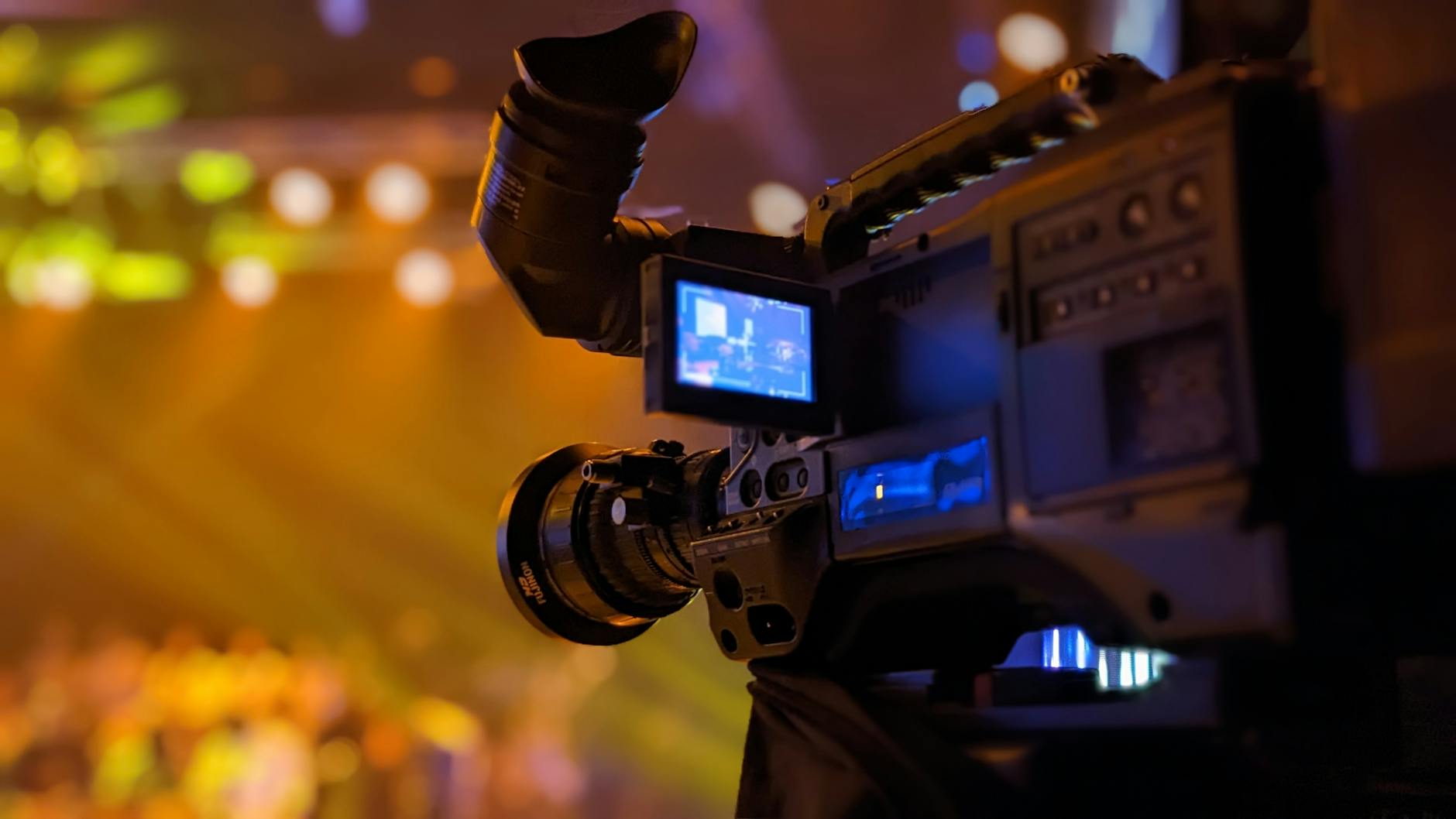
The primary goal is to produce a seamless viewing experience that replicates the excitement and atmosphere of the in-person event. This entails meticulous planning and execution, ensuring minimal latency, crisp video quality, and synchronized audio. Employing secure transmission protocols and content protection strategies can safeguard the stream from unauthorized access or recording, maintaining the integrity of the broadcast and respecting content rights. Technical teams must continually monitor stream performance, adjusting as needed to respond to changing network conditions or technical issues, ensuring viewers receive a smooth and professional presentation.
Key Elements for Effective Live Event Streaming
- Hardware and Software Setup: High-definition cameras, professional encoders, quality microphones, and reliable streaming software are fundamental. Selecting equipment compatible with streaming platforms ensures smoother integration and easier management.
- Network Infrastructure: A dedicated, high-bandwidth internet connection with stable upload speeds is essential. Redundant connectivity options prevent disruptions, especially during large-scale events with high viewer engagement.
- Content Protection: Implementing digital rights management (DRM), encrypted streaming protocols, and access controls helps safeguard content from unauthorized redistribution or recording. Many official platforms offer integrated security features that assist in managing rights and content distribution.
- Quality Assurance: Prior to event launch, extensive testing of all equipment, network stability, and security measures should be conducted. During the broadcast, real-time monitoring tools enable quick diagnostics if issues arise, maintaining stream quality and stability.
- Audience Engagement: Interactive elements such as live chats, polls, and Q&A sessions can significantly enhance viewer participation. These features foster a sense of community and make virtual attendance more immersive.
Prioritizing Security and Content Integrity
For official live streaming, employing robust security protocols is vital. Encryption enhancements like RTMPS encrypt data during transit, making interception difficult for malicious actors. Content protection measures should include access restrictions, watermarking, and digital rights management to enforce viewing rights. Content delivery networks (CDNs) with built-in security features distribute streams efficiently while safeguarding against tampering or piracy. Regular updates and security audits are integral to maintaining a resilient broadcasting environment, especially during high-profile or sensitive events.
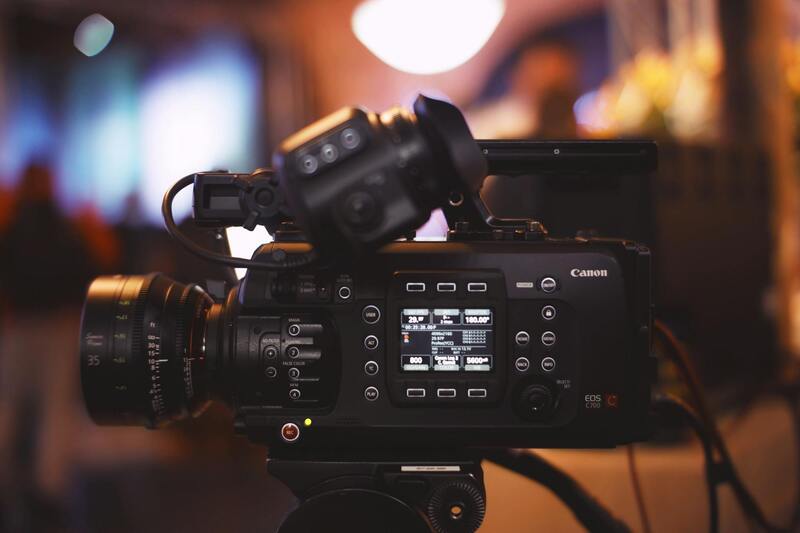
The continuous advancement of streaming technology, coupled with rigorous security practices, supports the production of high-quality, reliable broadcasts. By managing each technical aspect diligently, event organizers can deliver captivating live streams that reinforce their professional reputation and meet global audience expectations. Adopting official, well-established streaming methods ensures the event’s content remains protected, accessible only to authorized viewers, and delivered without compromise, solidifying the event’s success.
Understanding Live Event Video Streaming
Live event video streaming involves the real-time transmission of an event's visual and audio content over the internet, enabling remote audiences to experience the occasion as it unfolds. This method enhances accessibility, expands audience reach, and provides a dynamic platform for engagement. Configuring a reliable and professional live stream demands adherence to established methods, ensuring high-quality delivery and content security. Fundamental to this process is selecting official streaming solutions that are well-supported, trusted in the industry, and capable of handling the specific needs of various event types—from corporate conferences to cultural festivals.
Legal and Official Streaming Methods
To maintain consistency and uphold the event’s integrity, event organizers rely on legitimate streaming platforms and tools that are designed for professional broadcasting. These include enterprise-grade services with comprehensive features such as customizable access controls, encryption, and content protection mechanisms. Authentication measures guarantee that the content reaches authorized viewers only, fostering a secure environment. Employing Content Delivery Networks (CDNs) known for their robustness and security ensures that streams are resilient against interference or disruptions, delivering a seamless experience regardless of geographic location.
Official Streaming Software and Platforms
- Professional streaming services like BoxCast, Vimeo Livestream, and IBM Cloud Video offer tailored solutions for event broadcasters, integrating live chat, multi-camera support, and audience analytics.
- Dedicated hardware encoders and software encoders such as Wirecast, vMix, or OBS Studio enable broadcasters to produce polished streams with professional transitions and overlays, maintaining brand consistency and visual quality.
- Cloud-based platforms typically include features like scheduled broadcasting, remote management, and integrated monetization options, streamlining the entire streaming workflow.
Ensuring Content Security and Content Rights
To protect broadcast content, official streaming methods utilize encryption protocols such as RTMPS and HLS with Secure Sockets Layer (SSL). Access controls restrict viewing to pre-authorized users, often through login credentials or unique access codes. Watermarking embedded into the stream acts as a deterrent against unauthorized redistribution, maintaining brand integrity and transparency. Digital Rights Management (DRM) solutions further protect sensitive or proprietary content by controlling how viewers interact with it, ensuring that rights holders retain control over distribution.
Stream Distribution and Optimization
Distribution networks leverage CDNs to deliver content efficiently across diverse regions, reducing latency and buffering issues. Proper encoding settings and adaptive bitrate streaming dynamically adjust the quality based on the viewer’s internet speed, ensuring the best possible experience. Regular security audits and software updates mitigate vulnerabilities and enhance stream stability.
Best Practices for Reliable Live Streaming
- Conduct comprehensive pre-event testing of all equipment and internet connectivity to identify and resolve potential issues.
- Utilize backup internet connections and power supplies to prevent disruptions within critical moments of the event.
- Engage experienced technical support teams capable of troubleshooting and managing unforeseen problems promptly.
- Implement a detailed broadcast plan that encompasses camera cues, content overlay, and timing to ensure smooth transitions.
- Maintain open communication with the streaming team to adapt swiftly to any on-site or technical circumstances.
Adhering to these established practices ensures the authenticity and professionalism of the live stream, reinforcing the event's reputation and providing a satisfying experience for virtual attendees. Selecting reputable, official methods for live event streaming is instrumental in maintaining content security, enabling seamless delivery, and fostering viewer trust, thus contributing significantly to the event’s success.
Understanding Live Event Video Streaming
Live event video streaming is a sophisticated process that involves transmitting real-time video footage over the internet to a remote audience. This method enables organizations to extend their event’s reach beyond physical limits, offering viewers a seamless and immersive experience regardless of their geographical location. Successful live streaming requires a confluence of high-quality production, reliable technology, and strategic planning to ensure viewers receive a consistent and engaging broadcast. The core principle of live streaming hinges on capturing high-definition video content, encoding it into formats suitable for online delivery, and broadcasting it via a content delivery network (CDN) that optimizes delivery speed and quality. The infrastructure must support scalable bandwidth to accommodate varying viewer counts and internet speeds, ensuring minimal latency and buffering. Additionally, robust security measures help protect the stream from unauthorized access, safeguarding both proprietary content and viewer data.
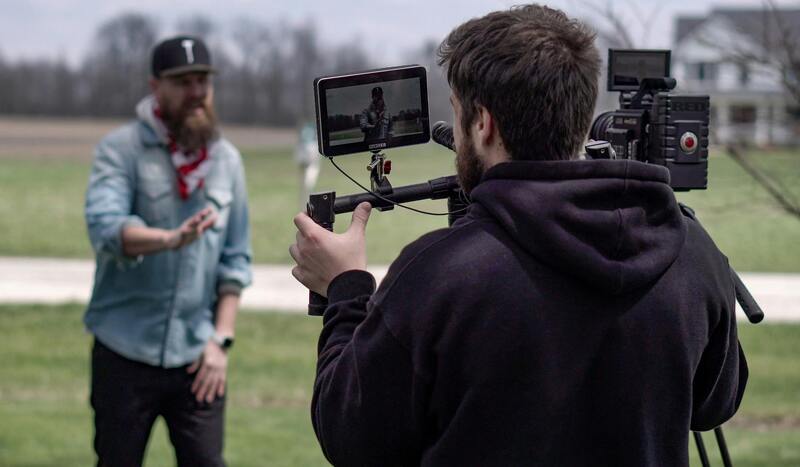
Types of Live Streaming for Events
Event organizers have multiple options for structuring their live broadcasts, tailored to their audience engagement goals and technical capabilities. The primary types include:
- Single Camera Live Streams: This straightforward format utilizes one camera positioned to capture the entire event. It is ideal for small gatherings, panel discussions, or concerts where a single perspective suffices. Minimal post-production is typically involved, and it is cost-effective.
- Multi-Camera Production: Incorporating several cameras allows for dynamic shot changes, close-ups, and different angles. This setup enhances viewer engagement, particularly for larger events such as conferences, sports, or theatrical performances. A dedicated director switches between camera feeds to create a professional broadcast experience.
- Hybrid Live Streams: Combining live footage with pre-recorded content, graphics, or overlays, this type offers a more polished and compelling presentation. It is often used in award shows, webinars, and corporate events where branding and visual branding are essential.
- 360-Degree Live Streaming: Utilizing specialized cameras, this immersive format provides a panoramic view, giving viewers a sense of being present at the event. Popular for exhibitions, art installations, or experiential marketing events, this method enhances audience interaction and engagement.
Choosing the Right Streaming Platforms and Tools
Selecting a suitable platform is crucial to maximize reach and ensure stability during the event. When evaluating options, consider factors such as audience size, platform features, integration capabilities, and support services. Official streaming platforms often offer tailored solutions that manage encoding, delivery, and viewer analytics seamlessly:
- Professional Platforms: Solutions like miamieventvideography.net specialize in streaming live events with high reliability, tailored to professional needs. They provide end-to-end services including platform management, quality assurance, and audience engagement tools, making them ideal for corporate functions and large-scale gatherings.
- Social Media Integration: Platforms like Facebook, YouTube, and LinkedIn allow easy integration and broad reach. They are suitable for smaller or community-focused events but may have limitations regarding customization and monetization options.
- Dedicated Streaming Services: Platforms such as Vimeo Livestream, StreamYard, and BoxCast offer advanced features like multi-camera support, advertising, and detailed analytics. They often provide user-friendly interfaces that enable organizers to control the broadcast with minimal technical fuss.
Technical Setup and Equipment for Live Streaming
Establishing a reliable live stream hinges on the right technical infrastructure. Essential components include:
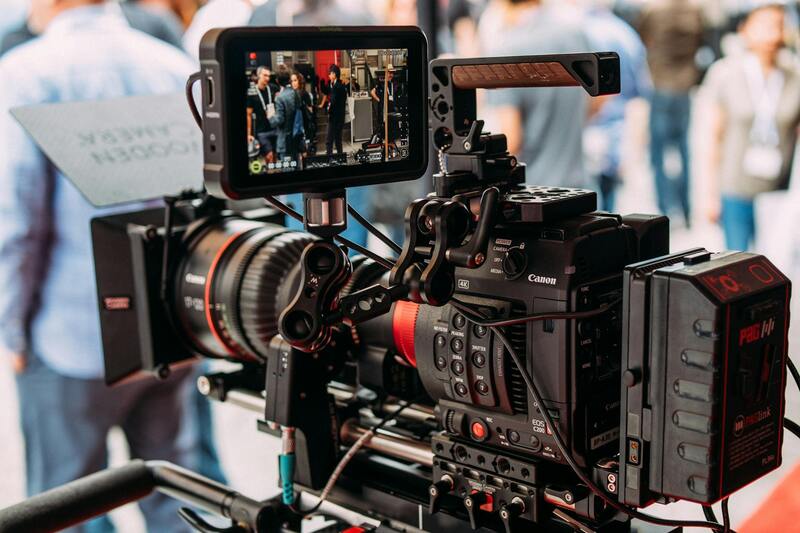
- Encoding Hardware or Software: Devices like hardware encoders or professional software (e.g., OBS Studio, vMix) convert raw video signals into streams compatible with distribution platforms.
- Quality Cameras: Depending on the event size, options range from high-definition camcorders to professional studio cameras. Proper lighting and audio capture equipment complement the cameras, ensuring clarity and visual appeal.
- Stable Internet Connection: A dedicated, high-bandwidth internet connection is vital to sustain uninterrupted streaming. Upload speeds should be at least 3-5 Mbps for HD streams, with redundancy via backup internet options to mitigate potential failures.
- Audio Equipment: High-quality microphones and audio mixers ensure clear sound, critical for audience engagement and professionalism.
- Backup Power Supplies: Uninterruptible Power Supplies (UPS) prevent disruptions caused by power fluctuations, maintaining continuous broadcasting during outages.
Planning and Executing a Live Event Stream
Effective execution begins long before the event starts. Detailed planning involves creating a broadcast script, determining shot lists, and setting technological checkpoints. Pre-event rehearsals allow technical teams to troubleshoot potential issues and familiarize themselves with the setup. Key steps include:
- Develop a Detailed Schedule: Map out camera cues, transitions, overlays, and timing to ensure a cohesive flow.
- Conduct Technical Rehearsals: Test all equipment, internet connectivity, and streaming platforms in real conditions to identify and resolve issues.
- Coordinate with the On-Site Team: Ensure communication channels are open for swift troubleshooting and adjustments during the broadcast.
- Implement Backup Protocols: Prepare contingency plans, including secondary internet connections and backup power sources, to handle unexpected disruptions.
- Engage Technical Support: Employ experienced personnel capable of managing live troubleshooting and making real-time adjustments to maintain broadcast quality.
- Manage Audience Interaction: Integrate live chat, Q&A sessions, or polling features strategically to foster engagement and enhance the viewing experience.
Leveraging meticulous planning and a well-equipped technical team ensures a smooth live streaming experience that upholds the event’s professionalism and maximizes viewer satisfaction. Utilizing only official and reputable streaming methods guarantees content security, encourages viewer trust, and aligns with best practices for virtual event delivery.
Understanding Live Event Video Streaming
Live event video streaming has revolutionized the way organizers broadcast their events, enabling real-time content delivery to audiences across the globe. Implementing effective live streaming services involves choosing official, proven methods that guarantee seamless transmission, secure data handling, and high-quality visuals. Adopting reputable streaming solutions ensures your content reaches viewers without interruptions, maintaining your event’s professional integrity. Streaming methods that are widely recognized for their reliability encompass licensed streaming platforms, authenticated content delivery networks, and secure encoding technologies. These options provide consistency, safety, and compliance with industry standards, supporting event planners, corporate organizations, and entertainment professionals in delivering impactful live experiences.
Official Streaming Channels and Platforms
Leveraging established platforms such as YouTube Live, Vimeo Livestream, or Facebook Live offers a straightforward path for official content broadcasting. These providers offer features like password protection, restricted access, and embedded players, ensuring that your stream remains confined to authorized viewers. Their infrastructure supports high-definition streaming and adaptive bitrate technology, which optimizes the viewing experience across various devices and internet speeds. For organizations requiring advanced solutions, custom integrations with content management systems and enterprise-grade security protocols are available through dedicated streaming services. These options support scalable, reliable, and compliant live broadcasting, which is vital for maintaining professionalism and audience trust.
- Secure login and access controls to prevent unauthorized viewing
- Dedicated customer support and technical assistance
- Advanced analytics and viewer engagement tracking
- Custom branding options and broadcast customization
- Integration with social media channels for wider dissemination
Utilizing Content Delivery Networks (CDNs)
For large-scale or high-profile events, employing official content delivery networks enhances streaming stability and distribution efficiency. CDNs distribute data across multiple servers worldwide, reducing latency and buffering times. Respecting proper licensing and contractual agreements with CDN providers ensures content delivery remains within authorized parameters, safeguarding your brand and audience data. These networks also facilitate live event recording, archival, and on-demand access, extending the lifespan and reach of your streamed content. When planning live events, selecting reputable CDN providers that align with your content and security requirements is essential for delivering a consistent and high-quality viewing experience.
Secure and Reliable Encoders
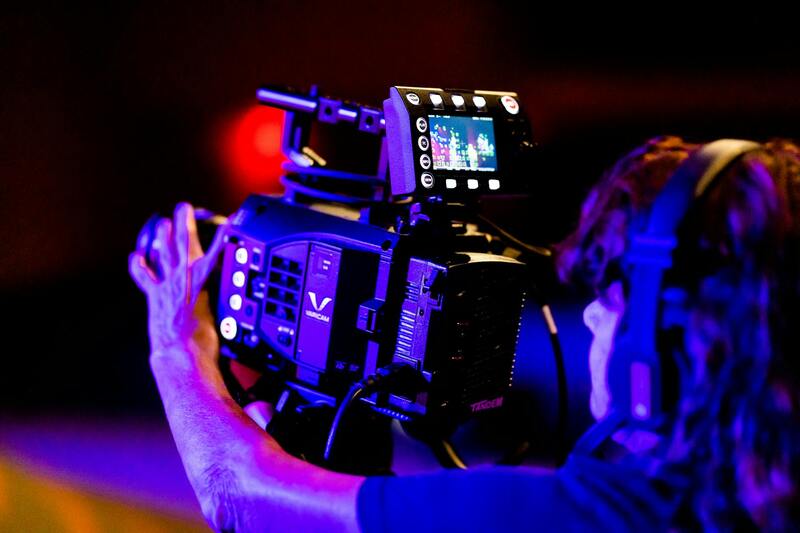
Encoding hardware or software plays a crucial role in translating raw footage into high-quality digital streams. Using trusted, widely supported encoders ensures compatibility with official streaming platforms and maintains video integrity throughout the broadcast. Certified encoders often come with encryption capabilities, preventing unauthorized access and piracy. Regular updates and validation from manufacturer sources reinforce the encoder’s security and functionality, providing peace of mind during live transmissions. Selecting officially endorsed encoders with proven track records for stability and performance minimizes technical disruptions during live events.
- Hardware encoders from reputable brands with security features
- Software encoding solutions adhering to industry standards
- Compatibility with various streaming platforms and codecs
- Enabling real-time encryption and secure data transfer
- Technical support from authorized providers for troubleshooting
Implementing Best Practices For Content Security
Protecting your live stream content requires compliance with official broadcasting methods that incorporate encryption, access controls, and digital rights management (DRM). Using platforms and tools that are approved and recognized by industry authorities offers built-in security measures, preventing unauthorized redistribution or recording of content. Additionally, ensuring your internet connection is dedicated and stabilized reduces the risk of interruptions or security breaches. Maintaining rigorous login procedures, employing token-based authentication, and utilizing secure streaming protocols fortify the overall security framework, ensuring your event’s broadcast remains private, intact, and compliant with best practices.
Advanced Security Measures for Live Event Video Streaming
Securing live event streams requires adherence to robust, officially-supported procedures that leverage proven encryption technologies and access controls. High-grade encryption protocols such as Secure Real-Time Protocol (SRTP) and Transport Layer Security (TLS) are fundamental in safeguarding content during transmission. These protocols ensure that data is unintelligible to unauthorized viewers, thereby maintaining content integrity and confidentiality throughout the streaming process.
Implementing digital rights management (DRM) solutions is critical for controlling how content is accessed and distributed. DRM technologies restrict recording, copying, or redistribution of streams, thereby preventing unauthorized dissemination of proprietary or sensitive content. When integrated with official streaming platforms that support DRM, content providers can enforce strict viewing rights, monitor access, and revoke permissions as needed.
Authentication mechanisms further enhance security by verifying user identities before granting access. Token-based authentication, including single-use or time-sensitive tokens, ensures that only verified users can access the live stream. Combining this with multi-factor authentication (MFA) adds an additional layer of verification, making unauthorized access significantly more difficult.
Optimizing Network Security and Infrastructure
- Dedicated Internet Connections: Utilizing dedicated and private internet connections minimizes potential threats from shared network traffic, reducing latency and improving stream stability.
- Firewall Configurations: Properly configured firewalls restrict unauthorized access to streaming servers and related infrastructure, ensuring only permitted traffic flows through.
- Secure Streaming Protocols: Choose streaming protocols such as SRT or RTMPS that natively support encryption, providing ADDITIONAL security layers during data transmission.
- Regular Security Audits: Periodic audits help identify vulnerabilities in the infrastructure, allowing for timely remediation and strengthening of security measures.
Using Official and Recognized Platforms
Choosing streaming platforms that are officially supported and recognized by relevant industry standards organizations ensures access to built-in security features, such as end-to-end encryption, secure login systems, and compliance with content protection protocols. These platforms often provide dedicated support and reliability that are essential for high-stakes live events, preventing content leaks and unauthorized recordings.
Moreover, streaming solutions endorsed by industry authorities typically incorporate comprehensive monitoring tools. These tools can detect suspicious activity, unauthorized access attempts, and bandwidth anomalies, allowing event organizers to respond swiftly to potential threats.
Best Practices for Content Security
It is vital to establish rigorous security protocols, such as enforcing secure login procedures, employing token authentication, and utilizing encrypted data streams. Employing multi-factor authentication (MFA) for administrators and content access points adds an extra layer of security, making it difficult for intruders to compromise the stream.
Maintaining an updated security posture with the latest software patches, firmware updates, and security patches from hardware and software vendors ensures defenses are current against emerging threats. Collaboration with trusted security professionals for regular reviews and vulnerability assessments is also recommended to uphold the highest security standards during live streaming events.