

Overview of Live Event Video Streaming Services
In the rapidly evolving landscape of event management, live event video streaming services have become integral for expanding an event's reach and enhancing audience engagement. These services enable organizations to broadcast live footage of their events to audiences around the world, breaking geographical barriers and creating new opportunities for interaction. Whether hosting a corporate conference, a concert, a graduation ceremony, or a religious service, live streaming allows organizers to connect with viewers in real-time, providing an immersive experience that enhances overall event impact.
The significance of live streaming lies not only in audience expansion but also in capturing a broader demographic that may not be able to attend in person due to travel constraints, health considerations, or scheduling conflicts. By offering a seamless live viewing experience, hosts can increase visibility, generate real-time feedback, and foster a sense of community among remote viewers. Moreover, the integration of live video into marketing strategies can amplify event branding and provide valuable content for post-event analysis and promotional purposes.
Implementing effective live streaming solutions involves understanding various platform options, technical requirements, and strategies to ensure a professional broadcast. The choice of platform can depend on factors such as target audience size, content type, and the level of interaction desired. Professional live streaming services employ state-of-the-art technology to deliver high-definition video and crystal-clear audio, minimizing latency and buffering issues that can detract from viewer experience. This reliability is crucial in maintaining audience interest and ensuring the perceived professionalism of the event.
Furthermore, live event streaming services offer features like multi-camera setups, real-time graphics, interactive Q&A sessions, and social media integration, effectively transforming a simple broadcast into an engaging digital event. Customization options allow organizers to tailor the streaming experience in line with the event’s branding and objectives. As technology advances, the scope of live streaming continues to grow, making it a vital component of modern event planning strategies.
From small webinars to large-scale international conferences, adopting official live streaming services not only extends the event’s reach but also provides valuable metrics and insights. Analytics such as viewer count, engagement levels, and geographic distribution help organizers evaluate success and optimize future events. Overall, integrating robust live event video streaming services is essential for organizations aiming to maximize their event's potential and create memorable experiences for audiences worldwide.
Overview of Live Event Video Streaming Services
In today’s digital landscape, live event video streaming services have become essential tools for reaching wider audiences and enhancing viewer engagement. Their primary function is to deliver high-quality live content to spectators regardless of geographical boundaries. Modern streaming solutions employ advanced encoding and compression techniques that ensure video remains crystal clear while maintaining minimal latency, which is crucial for real-time interaction and seamless viewing experiences. These services support a variety of event types, from corporate conferences and trade shows to concerts and community gatherings.
With the proliferation of digital events, many organizations opt for robust streaming platforms that offer reliable infrastructure, multi-camera support, and integration with social media channels. Such features enable organizers to create dynamic broadcasts, incorporating real-time graphics, polls, and interactive elements that foster audience participation. In addition, these services often include detailed analytics that measure viewer engagement, geographic reach, and content popularity, offering valuable insights to tailor future events more effectively.
Choosing a suitable live streaming service requires careful assessment of several factors, including the scale of the event, desired level of interactivity, branding opportunities, and technical support. For instance, smaller webinars might suffice with basic platforms integrated with social media, while large-scale events might necessitate dedicated streaming servers, professional-grade equipment, and onsite technical personnel. Regardless of size, employing professional live streaming services ensures a polished broadcast that can uphold organizational standards and maximize event exposure.
Advantages of Professional Live Streaming Providers
- High-definition video output with minimal latency
- Scalable solutions to accommodate various event sizes
- Multi-camera support and high-quality audio integration
- Custom branding options and graphic overlays
- Real-time audience interaction tools
- Comprehensive analytics and reporting capabilities
- Dedicated technical support before, during, and after the event
Partnering with experienced providers specializing in live event streaming, such as Miami-based videography services, ensures the seamless execution of the broadcast while minimizing technical challenges. These professionals bring deep knowledge of their equipment and workflows, guaranteeing that the event’s visual and sound quality meet industry standards. Their expertise extends to troubleshooting potential issues swiftly, so organizers can focus on content delivery and engaging their audience effectively.
Incorporating a professional live streaming setup exponentially increases an event’s reach, allowing virtual attendees to enjoy an experience similar to physical attendance. It also opens avenues for monetization through pay-per-view models or sponsorship integrations. By leveraging distinctive features such as multi-camera production, synchronized social media feeds, and interactive Q&A sessions, organizations can transform ordinary broadcasts into compelling digital experiences that leave lasting impressions and reinforce their brand message.
Key Features of Live Event Video Streaming Services
When selecting a live event video streaming service, it is essential to focus on specific functionalities that guarantee a professional and engaging broadcast. High-definition (HD) video quality ensures viewers experience crisp visuals, which are crucial for conveying detailed visuals during conferences, concerts, or large-scale gatherings. Multi-camera setups, often supported by advanced streaming platforms, enable dynamic shots, audience reactions, and different angles, enriching the viewing experience. Additionally, real-time audience interaction tools such as chat features, live polls, and Q&A sessions foster engagement and create a sense of community among virtual attendees. Content security measures, including encryption and access controls, safeguard sensitive material and manage viewer permissions effectively. Customizable branding options, such as graphic overlays, logos, and tailored intro/outro sequences, reinforce brand identity and make broadcasts appear professional and cohesive. Furthermore, seamless integration with social media channels allows broadcasters to amplify reach, facilitate sharing, and encourage audience participation. Advanced analytics and reporting functionalities enable organizers to monitor viewer engagement, track attendance numbers, gather feedback, and evaluate overall success. These insights are vital for refining future streaming strategies and demonstrating value to sponsors and stakeholders. The ability to seamlessly switch between different streaming quality levels based on viewer bandwidth ensures a smooth experience irrespective of network conditions. Lastly, reliable customer support before, during, and after the event provides peace of mind, ensuring any technical issues are promptly addressed.

Overview of Live Event Video Streaming Services
Live event video streaming services have revolutionized the way organizers connect with audiences both locally and globally. These services facilitate real-time broadcasting of events, ranging from corporate conferences and concerts to weddings and religious gatherings, offering an immersive experience for viewers who cannot attend in person. They provide a seamless platform for reaching vast audiences efficiently, expanding event visibility, and increasing engagement opportunities. The effectiveness of these services hinges on their ability to deliver high-quality video and audio, support various devices and network conditions, and integrate interactive features that foster audience participation.
Types of Live Streaming Platforms and Solutions
In the realm of live event streaming, a variety of platforms and solutions cater to different needs and scales. Broadly, these can be categorized into:
- Dedicated Streaming Platforms: These are specialized services designed exclusively for live streaming, offering robust infrastructure, enterprise-level features, and high scalability. Examples include Vimeo Livestream, IBM Cloud Video, and Wowza.
- Social Media Livestreams: Platforms like Facebook Live, YouTube Live, and Instagram Live provide accessible options for streaming directly to vast audiences, often with built-in engagement tools like comments and reactions.
- Hybrid Solutions: Combining dedicated platforms with social media integration, these solutions allow organizations to leverage numerous channels simultaneously, ensuring maximum reach and audience diversity.
- Corporate and Custom Platforms: For large-scale or highly secure events, tailored solutions provided by video production agencies or custom-developed platforms offer advanced features such as encryption, branded interfaces, and integration with existing systems.
Key Features of Live Event Streaming Services
Reliable live streaming requires a combination of advanced technology and user-friendly features. Critical elements include:
High-Definition Video Quality
Delivering crystal-clear visuals is essential for maintaining professionalism and viewer satisfaction. Most platforms support HD and 4K resolutions, with adaptive bitrate streaming that adjusts quality based on viewer bandwidth for uninterrupted playback.
Multi-Camera Support and Production Capabilities
Professional events typically benefit from multi-camera setups, enabling dynamic shots, smooth transitions, and immersive viewing experiences. Streaming services often integrate with hardware switchers and video switchers for real-time production adjustments.
Viewers Interaction Features
- Live chat and Q&A sessions to foster real-time audience engagement.
- Polls and feedback tools to gauge audience interest and participation.
- Interactive overlays and graphics to enhance visual appeal and highlight key information.
Content Security and Access Control
Securing exclusive content and managing viewer permissions through encryption, password protection, or geo-restrictions helps ensure that sensitive material remains protected and accessible only to intended audiences.
Branding and Customization
Utilizing customized overlays, logos, intro/outro sequences, and thematic graphics reinforces brand identity and provides a polished, professional appearance that aligns with organizational branding standards.
Social Media Integration
Seamless sharing and embedding options across social platforms amplify reach, encourage audience sharing, and facilitate broader exposure without additional effort from viewers.
Advanced Analytics and Reporting
Post-event insights into viewer demographics, engagement levels, and viewer retention empower organizers to evaluate success, improve future broadcasts, and satisfy stakeholders’ informational needs.
Scalability and Reliability
Ensuring smooth performance regardless of audience size requires scalable infrastructure and 24/7 support, especially during high-profile or decisive moments of live events.
Supporting Infrastructure and Features
High-quality live streaming relies on robust equipment and network infrastructure, including:
- Professional Cameras: For capturing high-resolution video from multiple angles.
- Encoding Hardware and Software: Devices that compress and prepare video signals for transmission without quality loss.
- Microphones and Audio Equipment: High-fidelity microphones to ensure crisp sound quality, paired with audio mixers for clear audio management.
- Reliable Internet Connectivity: High upload bandwidth, preferably wired fiber optic connections, to support continuous streaming without interruptions.
- Supportive Hardware: Video switchers, streaming encoders, and backup systems to ensure seamless production and transmission.
Overview of Live Event Video Streaming Services
Live event video streaming services have revolutionized the way organizations, corporations, and individuals broadcast their events to a global audience. These services provide a platform for real-time video transmission, enabling viewers to experience events as they happen from any location. The key advantage lies in expanding reach, enhancing accessibility, and creating interactive experiences that engage viewers beyond physical boundaries. The adoption of professional live streaming solutions ensures high-quality visuals and audio, which are essential for maintaining audience interest and delivering impactful presentations, performances, or announcements.
Types of Live Streaming Platforms and Solutions
The landscape of live event video streaming is diverse, encompassing multiple platforms and solutions tailored to different needs and budgets. These include:
- Dedicated Streaming Platforms: These are specialized services designed exclusively for live broadcasting, offering features such as customizable player embed codes, advanced analytics, and pay-per-view options. Examples include Vimeo Livestream, IBM Cloud Video, and DaCast.
- Social Media Live Streaming: Platforms like YouTube Live, Facebook Live, and Instagram Live enable broadcasters to reach audiences instantly through existing social channels. They are user-friendly and ideal for events targeting casual viewers or smaller, engaged communities.
- Hybrid Solutions: These combine professional-grade hardware and software with social media distribution, allowing for high-quality streams that are simultaneously broadcast across multiple platforms. This approach maximizes exposure and viewer interaction.
- Custom-Built Infrastructure: Larger events or those with specific technical requirements often utilize bespoke streaming solutions supported by enterprise hardware and content delivery networks (CDNs) for optimal performance and scalability.
Considerations When Choosing a Platform
- Audience size and expected traffic to ensure platform scalability
- Streaming quality and resolution, especially for high-definition content
- Integration capabilities with social media, websites, or apps
- Monetization features like ticketing, donations, or ad insertion
- Analytics tools to assess engagement and viewer demographics
- Technical support and reliability guarantees for uninterrupted broadcasts
Key Features of Live Event Streaming Services
Effective live streaming solutions incorporate a host of features that enhance the viewing experience and streamline production workflows. These features include:
- Multi-Source Input: The ability to manage multiple video sources—such as cameras, screen captures, and pre-recorded content—allows for dynamic broadcasts with varied visuals.
- Real-Time Encoding: Hardware or software encoders compress video signals efficiently to ensure high-quality transmission with minimal latency.
- Interactive Capabilities: Chat integration, polls, and Q&A sessions foster viewer participation and increase engagement during live events.
- Stream Security: Encryption, password protection, and DRM (Digital Rights Management) help safeguard content from unauthorized access.
- Automatic Recording and Post-Event Access: Sessions are recorded automatically for on-demand viewing or archival purposes, offering flexibility for viewers unable to attend live.
- Bandwidth Management: Adaptive streaming technology adjusts quality based on viewer bandwidth to prevent buffering and ensure consistent playback.
Equipment and Technical Requirements
The foundation of a successful live event broadcast lies in deploying high-caliber hardware and ensuring solid technical infrastructure. Critical components include:
- Professional Cameras: High-resolution cameras capable of capturing sharp images from multiple angles to create a visually engaging experience.
- Encoding Hardware and Software: Devices that efficiently compress video signals without compromising quality, facilitating smooth transmission.
- Audio Equipment: High-fidelity microphones coupled with mixers or audio processors ensure crystal-clear sound, pivotal for speeches, musical performances, or panel discussions.
- Reliable Internet Connectivity: Wired fiber optic connections with high upload bandwidth are essential. Redundant connections may be implemented for fail-safe operation.
- Support Hardware: Video switchers, streaming encoders, and backup servers contribute to seamless production management, especially during complex live setups.
Ensuring the robustness of the technical infrastructure minimizes disruptions, maintains broadcast quality, and enhances overall viewer satisfaction. Proper planning and testing are critical prior to the event to identify potential issues and establish effective workflows that accommodate the dynamic nature of live broadcasting.
Overview of Live Event Video Streaming Services
Live event video streaming services have transformed the way organizations and individuals share their events with global audiences. These services enable real-time broadcasting, allowing viewers to experience conferences, concerts, religious services, and other gatherings as they happen. They rely on sophisticated infrastructure to deliver high-definition video and audio feeds with minimal latency, providing immersive viewing experiences that closely mimic in-person attendance. The growing demand for live streaming has spurred a proliferation of providers offering diverse solutions tailored to different types of events, scale requirements, and technical complexities. The effectiveness of these services depends heavily on the quality of video delivery, reliability of the streaming platform, and the technical expertise behind the broadcast. High-end services utilize advanced encoding hardware, multiple camera angles, and optimized compression algorithms to ensure seamless transmission. These solutions often include features such as customizable player interfaces, integrated chat for audience interaction, and analytics to monitor viewer engagement. Leveraging professional live streaming services can offer significant advantages, including enhanced production quality, increased reach, and flexible viewing options for remote audiences.
Types of Live Streaming Platforms and Solutions
Depending on the requirements and scope of an event, a variety of live streaming platforms may be utilized. These can be categorized into dedicated enterprise solutions, cloud-based platforms, and hybrid approaches that combine on-premises hardware with cloud services.
- Dedicated Live Streaming Platforms: These are comprehensive solutions tailored for large-scale, professional broadcasts. They typically feature robust infrastructure, multiple encoder options, and customized branding. Examples include platforms specialized for sports, concerts, or corporate events, offering capabilities like multi-camera switching, real-time graphics, and on-site control.
- Cloud-Based Streaming Services: Such platforms provide flexible, scalable options suitable for a wide range of event sizes. They often include user-friendly interfaces, API integrations, and content distribution network (CDN) support to ensure global reach. These services facilitate live transcoding, adaptive bitrate streaming, and embedded chat functionalities, making them ideal for virtual or hybrid events.
- Hybrid Solutions: These combine the advantages of both, using local hardware encoders and mixers with cloud infrastructure for encoding, distribution, and analytics. Hybrid setups are particularly effective for complex live productions that require tight control over video feeds from multiple locations.
Choosing the Right Platform
Selection should be guided by factors such as event size, viewer engagement goals, technical complexity, and budget constraints. A detailed assessment ensures compatibility with existing infrastructure, allows for scalability, and provides necessary features like user analytics and interactive tools. Whether opting for a simple social media stream or a full-fledged broadcast solution, the key is to ensure reliable performance and high-quality delivery through proven, reputable platforms.
Overview of Live Event Video Streaming Services
Live event video streaming services have revolutionized the way organizers reach their audiences, offering a seamless way to broadcast events in real-time across the globe. These services encompass a variety of platforms and solutions designed to cater to different event types, sizes, and technical demands. They ensure high-quality video output, reliable distribution, and interactive viewer experiences, making live streaming an integral component for modern event management. Whether it’s a corporate conference, music festival, sports event, or subtle hybrid setups, the right live streaming solution provides scalability, security, and audience engagement. Providers specializing in live event video streaming leverage advanced encoding technologies, robust content delivery networks (CDNs), and integrated analytics tools to optimize viewer experience and gather actionable data. Professional-grade solutions also include features like adaptive bitrate streaming to accommodate viewer bandwidth variability, multi-camera support for dynamic coverage, and real-time graphics that enhance the visual presentation. These aspects contribute significantly to elevating the professionalism and impact of live broadcasts, helping organizations to expand their reach while maintaining the integrity and quality of their event content.

By integrating dependable streaming services, event organizers can ensure their content reaches audiences safely, from any device or location. These services are also equipped with redundancy measures, failover protocols, and technical support to prevent disruptions during critical moments. The result is a smooth, engaging broadcast that maintains viewer trust and maximizes exposure. As the demand for high-fidelity live content grows, the importance of selecting an appropriate streaming service tailored to specific event requirements becomes paramount. Such decisions are guided by factors including audience size, interaction level, geographic distribution, and budget constraints—elements that influence the choice of platform, whether a straightforward social media integration or a comprehensive broadcast solution.
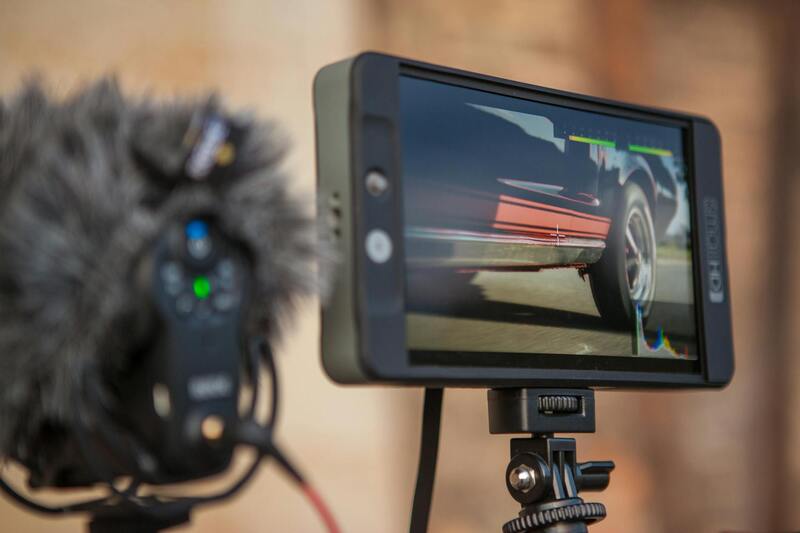
Overall, live event video streaming services represent a critical tool for expanding event reach and enhancing attendee engagement. With cutting-edge technology and diligent planning, these services allow organizers to deliver compelling content that resonates with audiences while capturing valuable metrics to inform future event strategies.
Comprehensive Overview of Live Event Video Streaming Services
When it comes to hosting successful live events, deploying reliable and high-quality video streaming services is crucial. These platforms enable organizers to broadcast content seamlessly across multiple devices and geographic locations, ensuring a wider reach and enhanced engagement. The core of effective live streaming involves a blend of technical infrastructure, user experience, and strategic planning, all of which are offered by specialized service providers dedicated to event broadcasting. By leveraging professional live event video streaming services, organizers can elevate the overall impact of their events, whether they are corporate conferences, concerts, sports, or community gatherings.
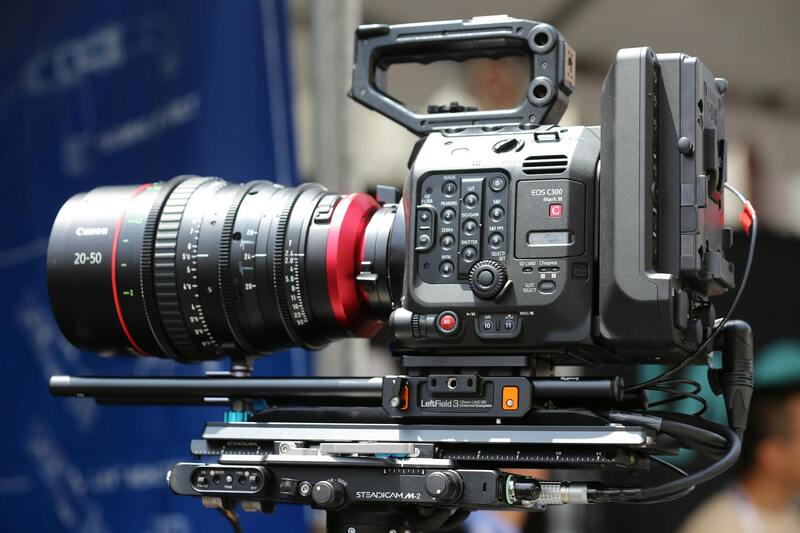
Miami, with its vibrant event scene, benefits tremendously from the tailored solutions provided by Miami-based service providers, offering customized packages that meet specific event requirements. These professionals manage everything from initial planning and technical setup to post-event analytics, ensuring every detail aligns with organizational objectives and audience expectations. With their expertise, live streams can be rendered with cinematic quality, incorporating multiple camera angles, professional audio, and graphics, thereby delivering a broadcast that captivates viewers and maintains their trust throughout the event.
Types of Live Streaming Platforms and Solutions
Choosing the right streaming platform depends on various factors including audience size, interaction needs, and content complexity. Popular solutions can be classified into several categories:
- Social Media Live Streaming: Platforms such as Facebook Live, YouTube Live, and Instagram Live offer ease of access and broad outreach, suitable for public events intended for mass audiences.
- Dedicated Streaming Services: These include providers offering enterprise-grade solutions with features like multi-camera support, branding options, and real-time analytics, ideal for corporate and specialized events.
- Hybrid and Custom Platforms: Combining elements of social media and professional services, hybrid solutions are customizable, scalable, and provide integrations with other event management tools.
- OTT (Over-the-Top) Channels: For premium content delivery, OTT platforms deliver high-fidelity streams directly to smart TVs, streaming devices, and mobile apps, enhancing viewer experience.
Key Features of Professional Live Streaming Services
To ensure a high-quality broadcast, professional services incorporate features that optimize performance and viewer engagement:
- High-Definition Video & Audio: Ensuring clarity and detail through 1080p, 4K streaming options, and professional-grade audio.
- Multiple Camera Feeds: Providing dynamic visuals through multi-camera setups with seamless switching capabilities.
- Real-Time Interaction: Chat functions, polls, and Q&A sessions foster active engagement with remote audiences.
- Stream Redundancy & Failover Protocols: Protecting against interruptions via multiple servers and backup systems.
- Analytics & Reporting: Gathering viewer data to assess engagement, optimize content, and inform future event planning.
- Security & Access Control: Implementing encryption, password protection, and geographic restrictions to safeguard content integrity.
Equipment and Technical Essentials
Successful live streaming relies heavily on quality equipment and technical arrangements. Essential components include:
- Cameras: Professional-grade broadcast cameras capable of capturing high-resolution footage from multiple angles.
- Audiovisual Equipment: Lavalier microphones, mixers, and amplifiers to deliver crisp sound.
- Encoding Devices: Hardware or software encoders convert raw footage into streaming-compatible formats.
- Reliable Internet Connection: High-speed, dedicated internet with ample upload bandwidth ensures smooth transmission.
- Streaming Servers: Cloud-based or on-premises servers that host the live feed, equipped with failover capabilities for uninterrupted streaming.
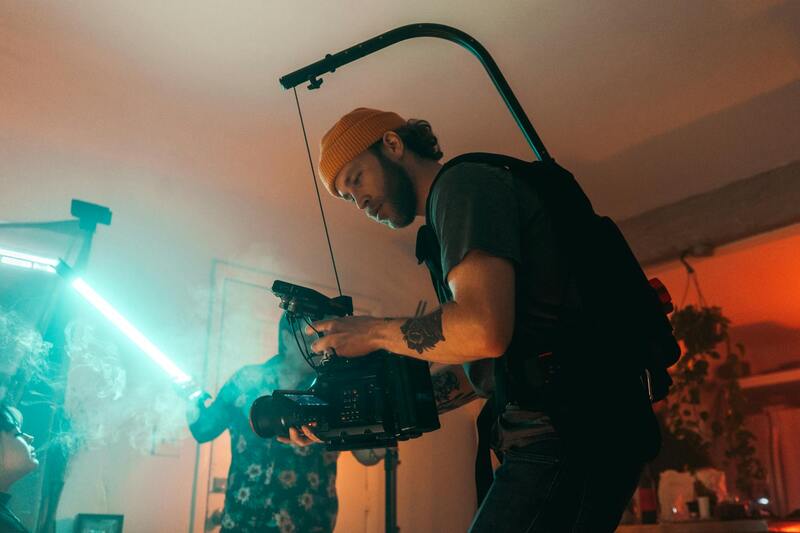
Strategies for Planning and Executing a Successful Live Stream Event
Effective planning is essential to deliver engaging live content. This includes:
- Pre-Event Coordination: Defining goals, target audience, and selecting appropriate platforms. Conducting technical rehearsals to identify potential issues.
- Technical Setup: Ensuring all equipment is correctly configured, tested, and synchronized. Confirming internet stability and backup arrangements.
- Content Optimization: Crafting compelling visuals and audio, integrating graphics, and planning camera angles for maximum impact.
- Engagement Tactics: Incorporating live polls, Q&A sessions, and social media integration to foster viewer interaction.
- Post-Event Analysis: Tracking viewer metrics, feedback, and technical performance to improve future broadcasts.
Effective Monetization and Audience Interaction Approaches
Leveraging live streams for revenue generation involves several strategies:
- Pay-Per-View and Ticketed Access: Charging viewers for access to premium content or VIP experiences.
- Sponsorships and Advertising: Integrating brand sponsorships and dynamic advertisements within the stream.
- Subscription Models: Offering ongoing content access to subscribed audiences.
- Interactive Engagement: Real-time chat, giveaways, and exclusive content unlocks participation and loyalty among viewers.
Advantages of Partnering with Miami-Based Professional Video Production Agencies
Opting for experienced Miami-based agencies ensures comprehensive support and high standards. These specialists provide tailored solutions that match your event's unique requirements, leveraging local industry expertise and state-of-the-art equipment. Their involvement streamlines the entire process—from planning and technical execution to post-broadcast analysis—minimizing risks while maximizing audience engagement and content quality.