

Overview of Sports Video Production
Sports video production has become a cornerstone of modern athletic events, revolutionizing how fans and spectators experience live competitions. The significance of professional sports video production extends beyond simple recording; it encompasses live streaming, multi-camera angles, instant replays, and immersive coverage that captivate audiences globally. With the advent of high-definition broadcast equipment and advanced streaming technologies, the potential for engaging storytelling and dynamic coverage has greatly expanded. This evolution has allowed sports organizations, broadcasters, and production companies to reach broader audiences, increase viewer participation, and create more interactive experiences.
Live streaming of sports events, in particular, has become a vital component of the media landscape. It enables real-time access to events regardless of geographic location, offering fans the convenience of watching their favorite teams or competitions from the comfort of their homes or on the go. This immediacy fosters deeper fan engagement, driving loyalty and enthusiasm. Additionally, broadcasters and event organizers leverage live streams to generate additional revenue streams through ad placements, sponsorships, and exclusive content.
High-quality sports video production also enhances media coverage by providing professional visuals that complement commentary and analysis. This synergy elevates the overall viewer experience. As a result, sports entities invest heavily in state-of-the-art equipment, skilled production teams, and sophisticated workflows to ensure seamless live broadcasts. The importance of robust infrastructure, including reliable internet connectivity, advanced encoding, and secure streaming platforms, cannot be overstated in delivering uninterrupted, high-definition content.
Furthermore, sports video production encompasses not only live broadcasts but also highlight reels, behind-the-scenes footage, and archival content. These elements contribute to comprehensive media strategies that increase visibility, promote brands, and engage audiences across multiple channels. As technological innovations continue to transform the industry, the scope and quality of sports video production are expected to develop even further, making it an indispensable aspect of modern sports management and media coverage.
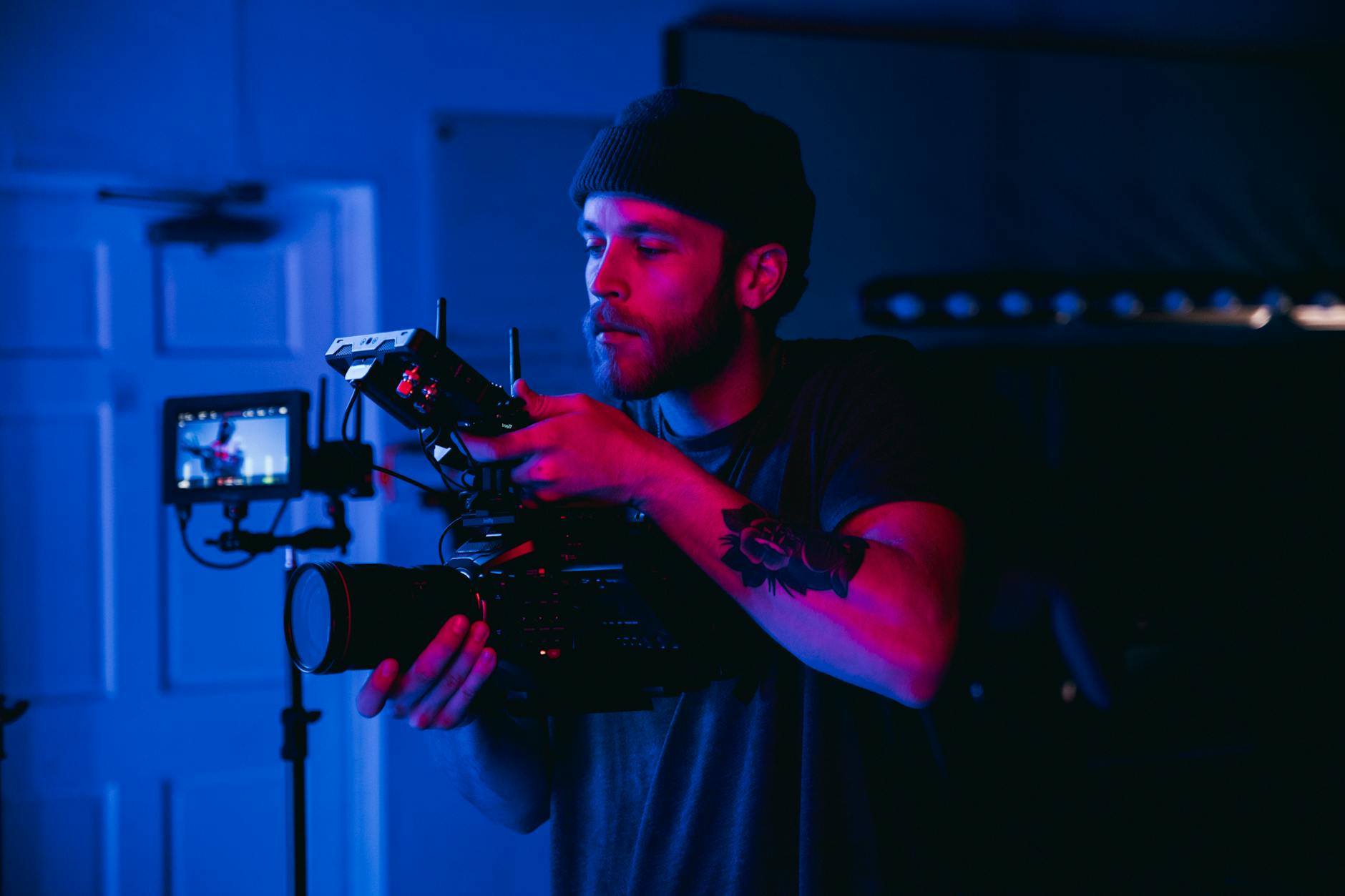
Utilizing Official Streaming Platforms for Sports Video Production
To ensure the highest quality and reliability in sports video streaming, organizers and broadcasters should opt for established, reputable platforms that provide comprehensive solutions tailored to sports events. These platforms are designed with features that support multi-camera integration, high-definition streaming, and real-time audience interactions. Examples include dedicated sports streaming services that offer customizable overlay graphics, real-time stats, and replay capabilities, which significantly enhance the viewer experience.
Many of these platforms also support integration with popular social media channels and content management systems, allowing for seamless distribution across various digital channels. This cross-platform compatibility ensures that live sports content reaches a broader audience, boosting engagement and maximizing exposure. Ensuring the platform employs secure, scalable infrastructure is paramount to accommodate large viewership numbers without disruptions, especially during high-profile events.
Another critical aspect involves compliance with broadcasting standards and codecs. Official streaming solutions adhere to industry-wide protocols such as H.264 or H.265 for video encoding, which optimize streaming efficiency and quality. This adherence reduces latency and buffering, providing viewers with a smooth, real-time viewing experience. Additionally, these platforms incorporate adaptive bitrate streaming, which automatically adjusts video quality based on the viewer's internet connection, ensuring uninterrupted content delivery.
Choosing platforms that prioritize security features, such as encrypted streams and access controls, is equally vital, especially when handling exclusive or licensed sports content. This protection prevents unauthorized viewing and content theft, enabling rights holders to control distribution effectively.
Professional Equipment and Infrastructure for Stream Sports Video Production
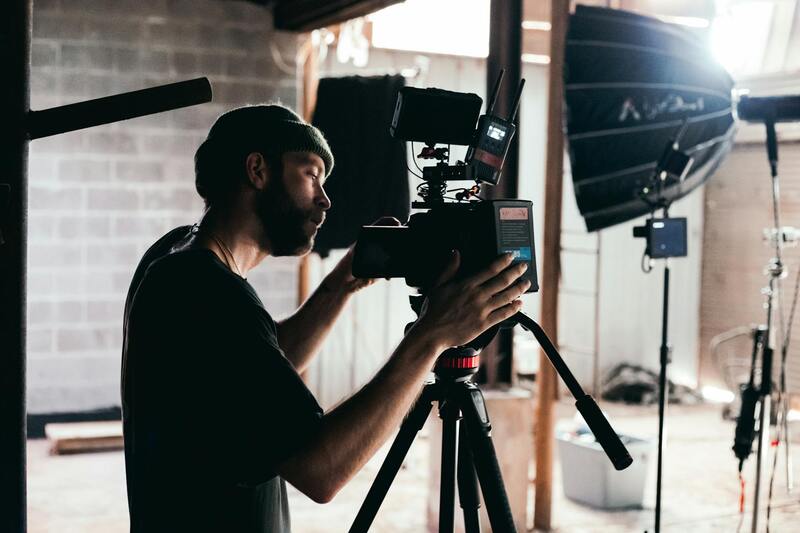
Successful sports video production relies heavily on the selection of professional-grade equipment and robust infrastructure. High-definition cameras equipped with fast autofocus and low-light capabilities are essential for capturing fast-paced action from multiple angles. Event organizers often deploy camera trucks or drone cameras for aerial views that provide dynamic perspectives of the venue.
Switchers and video processors facilitate seamless transitions and overlays during live broadcasts, allowing producers to insert graphics, score updates, and sponsor logos effortlessly. Reliable audio equipment, including wireless microphones and sound mixers, ensures clear commentary and audience sounds, heightening immersion.
To support the heavy data flow and prevent dropouts, high-bandwidth internet connections and cellular bonding systems are utilized. These redundancies guarantee continuous streaming even in challenging network environments. Secure, high-performance encoding hardware converts raw footage into stream-ready formats at low latency.
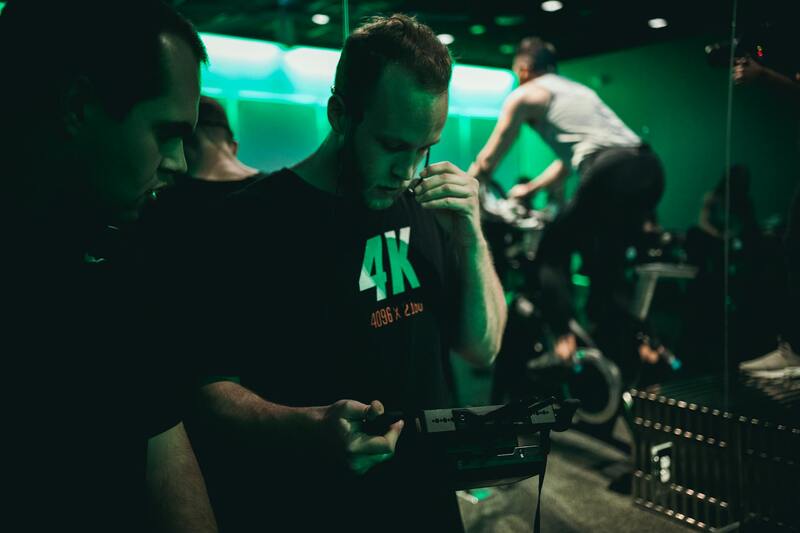
Equipping production teams with the latest tools, such as robotic cameras and instant replay servers, further enhances the quality and professionalism of the broadcast. Automated workflows, including pre-set camera positions and programmable graphics inserts, streamline operations and reduce human error. These integrated technical solutions create a cohesive environment that supports live sports production at a professional level.
Adherence to Industry Best Practices and Standards
Maintaining high standards in sports video production entails strict adherence to industry best practices. This includes systematic pre-production planning, thorough testing of all equipment, and comprehensive staff training. Clear communication protocols and a well-defined production schedule ensure smooth coordination among camera operators, directors, and technical staff.
Synchronization tools like timecode systems maintain alignment across multiple input sources, crucial for multi-camera footage. Regular quality checks throughout the broadcast process monitor for issues related to audio levels, video quality, and synchronization anomalies.
Furthermore, employing standardized workflows supports efficient post-production edits, highlight compilations, and archival storage. These practices facilitate a consistent, high-quality output that aligns with the expectations of sports fans, media outlets, and rights holders.
Advancing the Techniques of Sports Video Production through Professional Methods
Executing a high-quality sports streaming event demands a combination of precise production techniques and well-structured workflows that adhere to industry standards. A systematic approach ensures the seamless integration of multiple sources and smooth delivery to viewers, regardless of the scale or complexity of the event.
One foundational aspect is comprehensive pre-production planning, which involves detailed scheduling, site surveys, and technological assessments. This phase allows production teams to identify optimal camera placements, establish reliable data connections, and prepare contingency plans for potential technical issues. Leveraging advanced coordination tools such as synchronized timecode systems guarantees accurate alignment across all camera feeds, audio tracks, and graphics, which is vital for creating a cohesive viewing experience.
During actual live coverage, meticulous attention to technical details is paramount. Continuous monitoring of audio levels, video signals, and synchronization ensures real-time adjustments to prevent discrepancies that could detract from broadcast quality. Employing signal testing and quality assurance procedures at regular intervals during the event sustains high standards, minimizing the risk of disruptions.
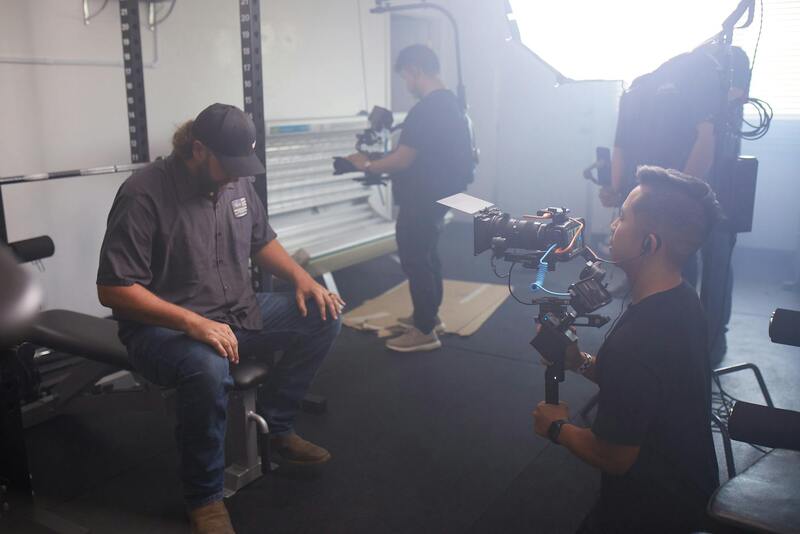
Post-production workflows further reinforce professional standards. This includes efficient editing for highlight reels, creating engaging graphics and overlays, and archiving footage for future use. Employing standardized procedures enables quick turnaround for content delivery, whether for immediate highlights or longer-form recaps, ensuring consistent quality that resonates with viewers and stakeholders alike.
Implementing Industry-Proven Equipment and Protocols
In the realm of sports video production, utilizing standardized, high-grade equipment is critical for capturing fast-paced action and delivering a crisp, clear broadcast. Professional-grade robotic cameras, capable of precise pan, tilt, and zoom functions, can be strategically positioned to cover critical game moments. These cameras often incorporate auto-tracking features, which are invaluable for follow-the-action scenarios, reducing the need for manual camera adjustments and allowing operators to focus on overseeing multiple feeds.
Advanced video switchers and instant replay servers enable producers to dynamically select camera angles and provide instant highlights, enhancing viewer engagement. Simultaneously, robust audio mixing consoles deliver clear sound quality, regardless of ambient noise levels typical in sports venues.
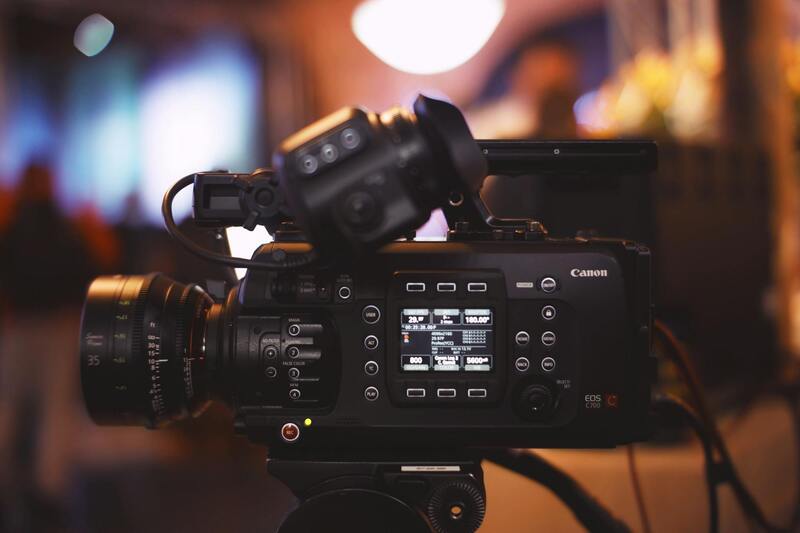
Incorporating AI-powered cameras and auto-tracking technology transforms sports production. These innovations facilitate real-time focus adjustments based on player movement, optimizing shot selection and ensuring critical moments are never missed. High-performance long-range zoom lenses extend coverage without sacrificing image quality, particularly valuable in arenas with expansive playing surfaces.
To maximize the potential of these tools, production teams must implement strict procedures for equipment calibration, staff training, and maintenance. Standardized protocols guarantee that each piece of technology performs optimally throughout the event, preventing technical glitches and preserving broadcast integrity.
Official Streaming Platforms and Software Solutions for Sports Video Production
In the realm of stream sports video production, selecting the appropriate platforms and software is essential to delivering high-quality broadcasts that engage viewers and provide a seamless viewing experience. The industry relies on a range of reputable streaming platforms and production tools that are designed to support live sports events, whether small-scale or large-scale tournaments, ensuring compliance with broadcasting standards and reliability for live transmission.
Leading platforms such as YouTube Live, Facebook Live, and Vimeo Livestream offer secure, scalable solutions for streaming sports content directly to audiences on social media and dedicated websites. These platforms provide features like real-time chat, multi-platform integration, and adaptive bitrate streaming to accommodate viewers across various devices and network conditions. Their robust infrastructure ensures minimal latency and consistent stream quality, which are crucial for live sports coverage.
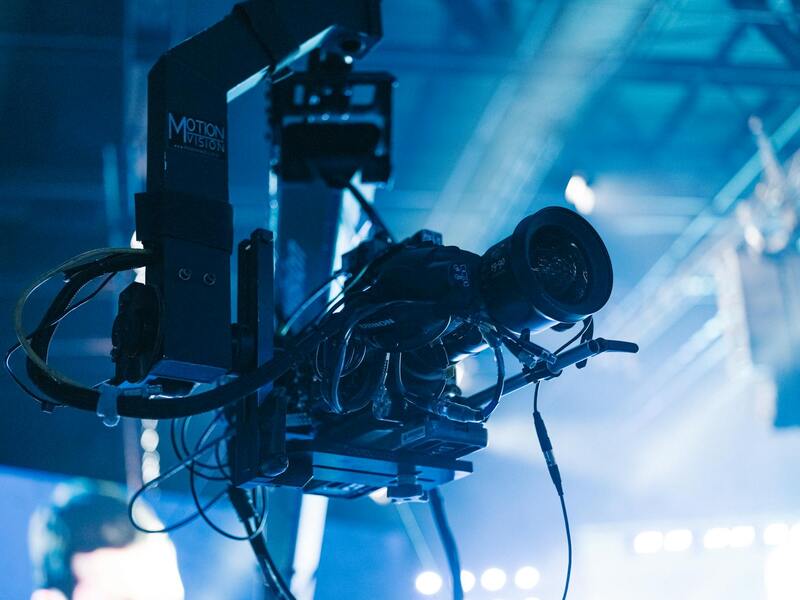
For professional-grade production, dedicated software solutions such as Wirecast, vMix, and OBS Studio are widely adopted. These tools facilitate complex multi-camera switching, real-time graphics, overlays, and instant replays, all within a user-friendly interface. They support integration with various hardware encoders and streaming services, allowing production teams to customize workflows according to event requirements. Moreover, these platforms offer scheduled streaming, recording capabilities, and multi-output options, providing flexibility for post-production editing or highlight reel creation.
Advanced solutions incorporate AI-driven features, such as automated shot selection, auto-tracking, and intelligent scene switching, which enhance the professionalism of sports broadcasts. These innovations reduce the reliance on manual operator input, enabling efficient coverage of fast-paced action while maintaining focus on key moments. Integration with data overlays, player stats, and live score updates further enriches the viewer experience and provide comprehensive coverage of the event.
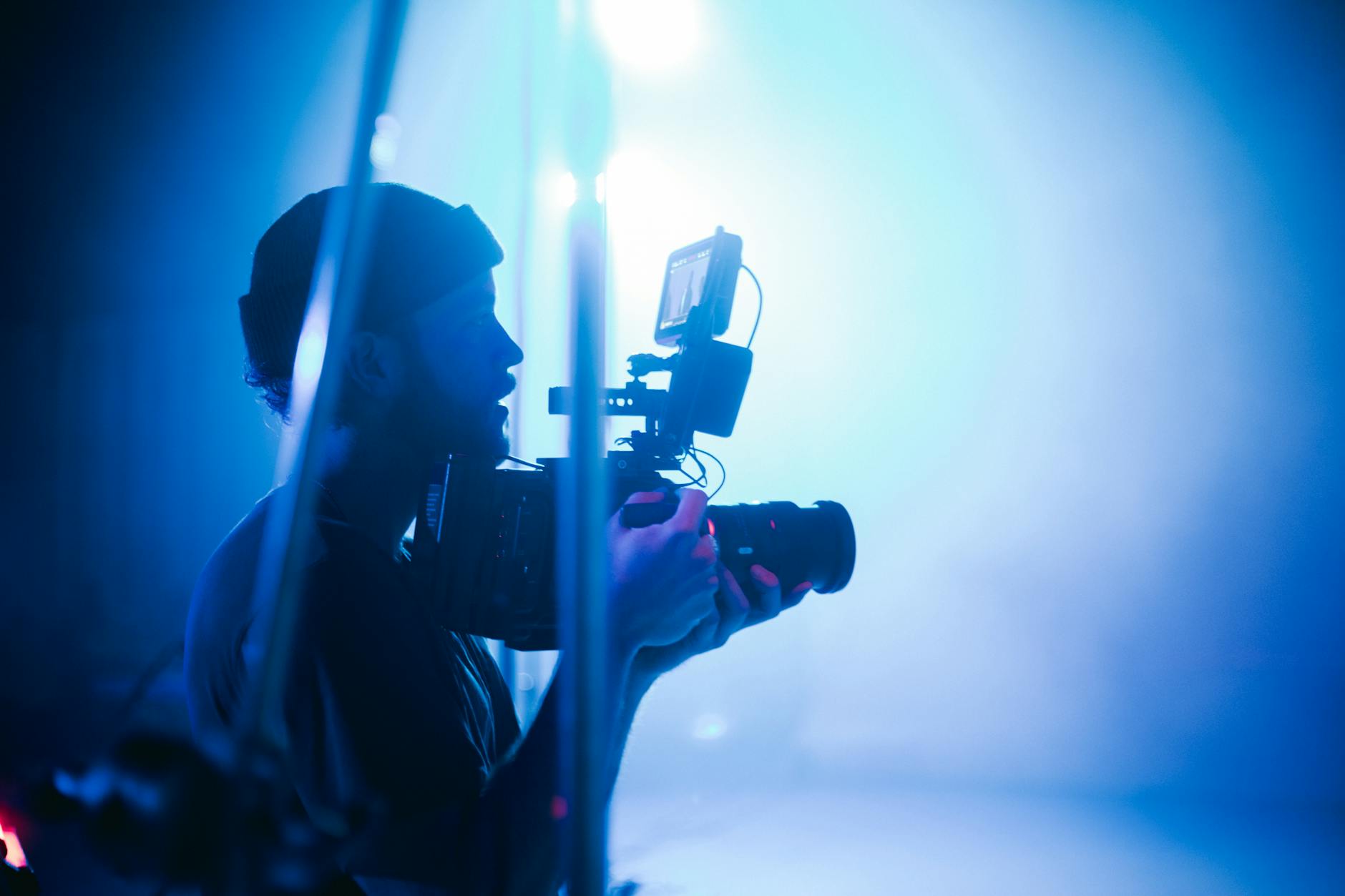
It is essential to employ secure, compliant platforms and software that meet broadcasting standards, especially for tournaments involving official sponsorships or broadcasting rights. Employing reliable encoding hardware and redundant streaming pathways ensures that even in unforeseen technical issues, streams remain uninterrupted. Additionally, integrating with content delivery networks (CDNs) distributes the stream widely with minimal delay, accommodating a broad audience without compromising quality.
To optimize streaming reliability, production teams often incorporate a combination of external encoders, such as hardware-based units from Teradek or Magewell, and software encoders subject to thorough testing before the event. This dual setup minimizes potential disruptions and ensures a professional, high-quality broadcast experience for viewers, regardless of their location.
Advanced Techniques in Sports Video Production
Ensuring high-quality sports video production for live streaming requires a combination of cutting-edge technology and meticulous workflow management. Production teams utilize multi-camera setups with synchronized feeds, enabling seamless switching between different vantage points that capture the intensity and dynamics of the game. The integration of professional switchers, or vision mixers, allows operators to execute real-time scene transitions, overlays, and graphics that highlight crucial moments, player statistics, and score updates, creating a polished broadcast experience.
In addition, the deployment of wireless transmission systems plays a pivotal role in mobile and outdoor sports events, where cabling limitations can hinder camera deployment. Technologies such as microwave links, 4G/5G bonding, and satellite uplinks provide reliable data pathways, ensuring that live feeds are transmitted to the control center efficiently and with minimal latency. These tools are crucial for capturing fast-paced action from multiple angles while maintaining stream stability.
Post-production also plays a strategic role in creating engaging sports content. Advanced editing suites and replay systems, such as instant replays and highlight clips, can be integrated into the live stream workflow, allowing broadcasters to emphasize key moments instantly. This not only boosts viewer engagement but also enhances the overall spectator experience, especially during multi-camera productions where real-time editing is critical.
Reliable Streaming Infrastructure and Quality Assurance
Another essential aspect of professional sports video production involves establishing a resilient streaming infrastructure. Employing redundant encoders, network backup pathways, and content delivery networks (CDNs) ensures uninterrupted streams despite potential network fluctuations. Hardware encoders, like those from Magewell or Teradek, are used alongside software solutions that are tested rigorously before events, allowing for flexibility and quick adjustments in dynamic environments.
Quality assurance practices include constant monitoring of stream health via network diagnostics and live feedback platforms. These systems alert production teams to latency issues, pixelation, or connection drops, permitting immediate remedial actions. The use of multi-bitrate streaming also adapts the video quality based on viewer bandwidth, optimizing the viewing experience across diverse devices and internet conditions.
Standardized Protocols and Compliance Measures
Adhering to established broadcasting standards and protocols is fundamental in ensuring a professional and seamless stream. This involves utilizing industry-standard codecs, such as H.264 or HEVC, for compression, and conforming to broadcast graphics and overlay specifications. Additionally, compliance with content licensing agreements and broadcasting rights management is crucial for the distribution of live sports content across digital platforms.
The synchronization between different hardware components, including cameras, encoders, switchers, and streaming servers, must abide by strict protocols to maintain the integrity of the broadcast. Implementing secure access controls and encryption further safeguards content during transmission, preventing unauthorized access and ensuring viewer trust.
Key Considerations for Effective Sports Streaming
- Selection of robust, high-definition cameras with fast autofocus and high frame rates to capture rapid motion clearly.
- Real-time data integration, such as live scoring and player stats overlay, to augment the viewer experience.
- Utilization of high-bandwidth networks and backup connections to mitigate interruptions caused by network disruptions.
- Pre-event testing of all equipment and workflows to identify potential issues beforehand.
- Adherence to standardized streaming protocols and content management practices for consistency and reliability.
By leveraging sophisticated production equipment, employing resilient infrastructure, and following industry best practices, sports organizations can deliver engaging, stable, and professional live streaming experiences that meet the expectations of modern digital audiences.
Strategies for Effective Sports Video Production Through Streaming
Successful streaming of sports events hinges on a thorough understanding of video production intricacies and the deployment of official, best-practice methodologies. This involves meticulous planning, precise execution, and employing technology that sustains high-quality live broadcasts. It begins with structuring a comprehensive workflow that considers pre-event preparations, live production, and post-event distribution, ensuring every phase aligns with industry standards for reliability and viewer engagement.
Establishing a Robust Production Framework
Implementing a disciplined approach to content capture, management, and transmission requires dedicated planning around camera placement, crew coordination, and technology integration. Strategic placement of multiple high-definition cameras across the venue provides diverse angles, allowing dynamic coverage that encompasses close-ups, wide shots, and crowd reactions. This multi-camera setup is orchestrated via video switchers, facilitating seamless transitions and real-time graphics insertions, which enhance the viewer experience.
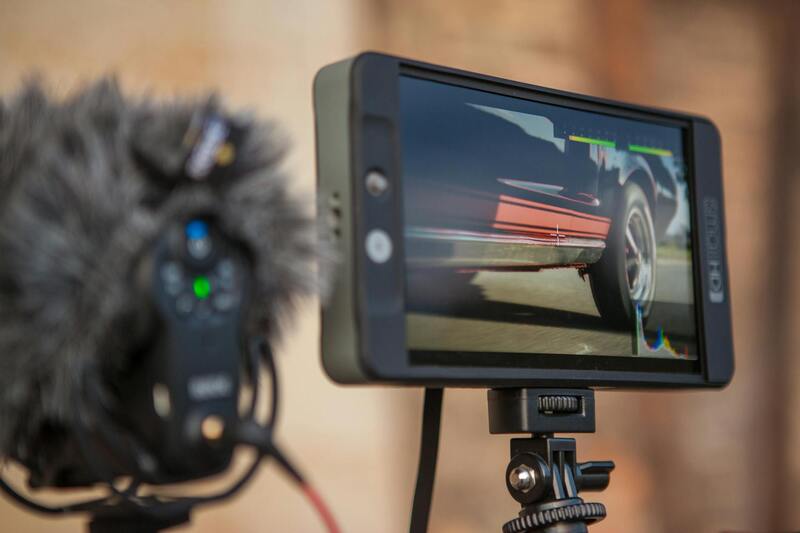
Ensuring that all equipment adheres to strict standards for latency, resolution, and synchronization is critical to prevent broadcast issues. Using SDI (Serial Digital Interface) and HDMI connections with high-grade cables preserves signal integrity during transmission. Experience and adherence to international video standards enable smooth integration between cameras, switchers, and streaming encoders, facilitating an uninterrupted broadcast flow.
Secure and Reliable Data Transmission
Transporting live footage demands high-bandwidth, low-latency networks capable of handling large data streams without degradation. Employing dedicated internet lines, fiber optic connections, or bonded cellular systems ensures sufficient bandwidth and redundancy. These systems allow for backup connections in case of primary network failure, minimizing the risk of broadcast interruptions—a non-negotiable element for professional sports streaming.
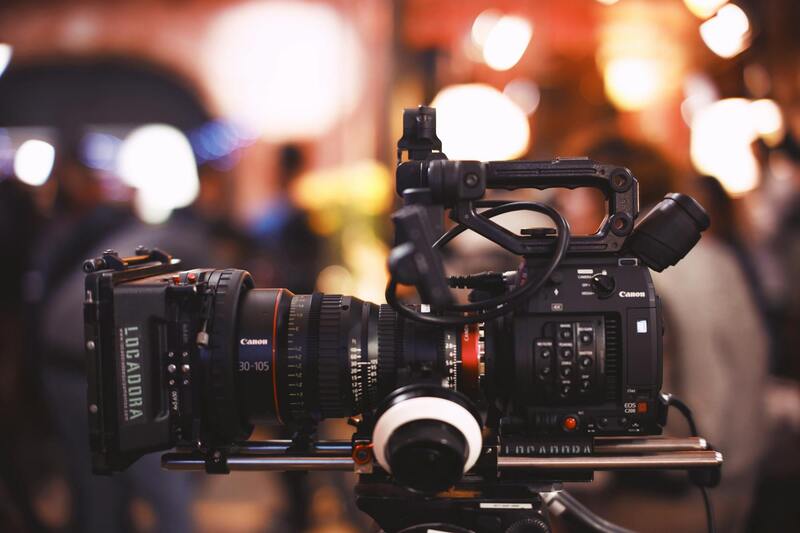
Additionally, encryption protocols and secure access controls are essential for safeguarding content during transmission, especially when distributing across diverse platforms. Properly configured firewalls and content delivery networks (CDNs) further enhance security and extend broadcast reach, enabling smooth streaming to multiple viewer endpoints simultaneously.
Standardized Production Workflows and Protocols
A formalized production pipeline ensures consistency, quality, and adaptability to unforeseen issues. Pre-event testing of all hardware and software components—including cameras, encoders, and switching software—is fundamental to identify potential malfunctions before the event. This proactive approach minimizes on-site surprises and guarantees a smooth production experience.
Effective workflow protocols also encompass real-time monitoring, where technical team members track signal integrity, stream stability, and viewer engagement metrics. Employing specialized software tools for diagnostics and remote control capabilities allows operators to make instantaneous adjustments, maintaining broadcast excellence throughout the event.
Adherence to Industry-Recognized Best Practices
To produce a professional live sports stream that meets viewer expectations, producers must follow established guidelines for content quality, latency, and graphic overlays. This involves syncing audio and video signals precisely, managing overlay graphics for scores and statistics, and implementing multi-language or accessibility features where applicable. Keeping production teams trained on evolving standards and new technologies ensures ongoing improvement and innovation in sports streaming services.
Strategies for Off-Grid Sports Video Production
While traditional sports streaming relies on infrastructure-heavy setups, many teams and organizations seek alternatives when broadcasting from remote or off-grid locations. These scenarios demand specialized approaches that maintain video quality, ensure reliability, and optimize bandwidth. Approachable yet robust off-grid solutions ensure high production standards without the need for continuous access to power or internet infrastructure, broadening the scope of sports coverage in diverse environments.
Utilizing Mobile 4G/5G Networks and Bonding Technology
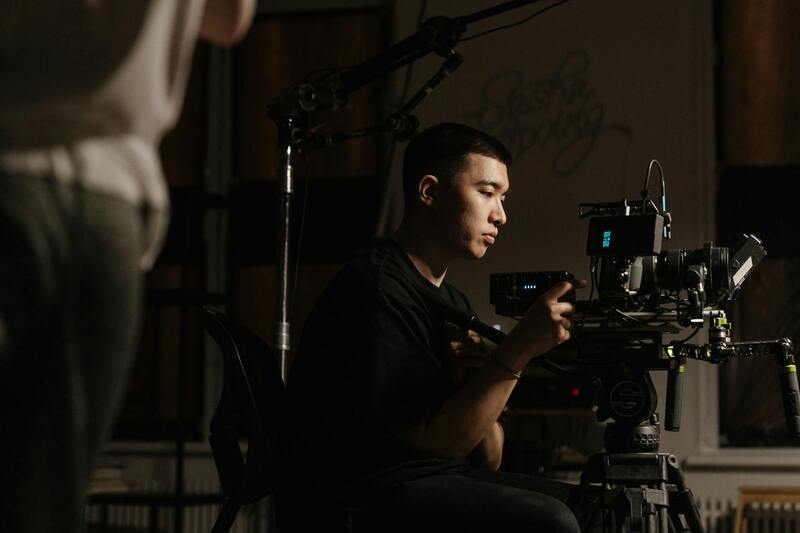
Modern sports productions operating in remote areas often depend on cellular bonding systems to transmit high-quality video streams. These systems aggregate multiple cellular connections across 4G and 5G networks, creating a resilient and faster data pipeline. This redundancy is crucial in environments where network stability can fluctuate, providing a seamless streaming experience. Proper placement of cellular antennas, combined with high-gain boosters, enhances signal strength, mitigating common issues such as signal dropout or latency spikes.
Power Solutions for Remote Locations
Reliable power is essential for sustained live broadcasts in off-grid settings. Portable generators, high-capacity battery packs, and solar panel systems form the backbone of such setups. Solar power, in particular, offers a sustainable and quieter alternative that can operate continuously if paired with adequate storage. Combining these sources with energy-efficient equipment helps minimize downtime and ensure uninterrupted video transmission, even in challenging environments where traditional power sources are unavailable.
Rugged, Portable Equipment for Mobility and Durability
Transporting gear in rugged terrain necessitates specialized equipment designed for durability and ease of setup. Waterproof and shockproof cases protect cameras, transmitters, and encoders from environmental hazards. Compact and lightweight tripod systems or handheld gimbals facilitate dynamic shot composition while reducing logistical complexity. Moreover, remote-controlled or robotic camera systems can deliver varied perspectives with minimal physical presence, enhancing coverage without additional personnel on-site.
Wireless and Remote Camera Technologies
Advancements in wireless camera systems enable live coverage from difficult-to-reach vantage points. These cameras operate over RF or Wi-Fi links, transmitting real-time footage to the main production hub. Remote panning, tilting, and zooming capabilities extend shooting flexibility, especially in limited space or hazardous zones. Integrating these with truck-mounted or drone-based stabilization platforms further extends coverage and provides unique perspectives, elevating the production quality in challenging environments.
Optimized Workflow and Signal Management in Remote Settings
Efficient management of video signals is vital for off-grid sports production. Deploying portable signal management tools, such as encoders, decoders, and monitor systems, facilitates real-time troubleshooting and adjustments. Streamlining the workflow minimizes latency, aligns audio-visual synchronization, and preserves graphics overlays — crucial factors for professional presentations. Pre-event testing and automated failover protocols safeguard against potential disruptions, ensuring a smooth broadcast regardless of environmental factors.
Implementing Cloud-Based and Remote Control Systems
Cloud-based management platforms enable remote control over camera functions, stream encoding, and system diagnostics. This centralized approach reduces on-site staffing requirements, as operators can supervise multiple feeds from a secure location. These systems also support live analytics, allowing producers to monitor stream performance, viewer engagement, and technical metrics in real time, facilitating timely interventions when issues arise.
Environmental and Logistical Considerations
Successful off-grid sports video production demands meticulous planning around environmental conditions. Weatherproofing gear against rain, dust, and wind extends equipment lifespan and maintains operational integrity. Logistical factors such as transportation, accommodation, and local permissions influence setup timelines and operational efficiency. Coordinating these aspects with local partners and leveraging detailed site surveys ensures readiness and minimizes on-site surprises, leading to a more seamless production process.
Advanced Techniques and Quality Management in Sports Video Production
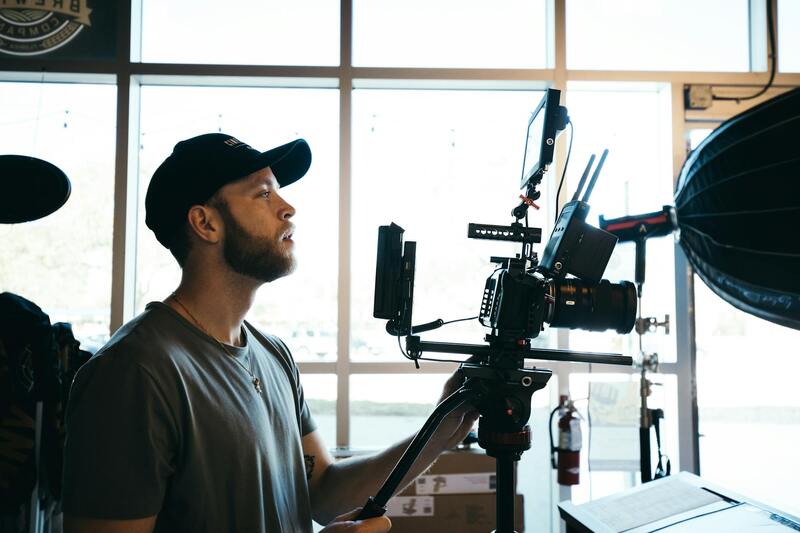
Ensuring the highest quality in sports streaming demands meticulous attention to advanced production techniques coupled with rigorous quality management practices. Professionals leverage a combination of precision camera work, optimized signal flow, and real-time monitoring to deliver seamless broadcasts. This includes employing high-resolution cameras, such as 4K or higher, to capture fast-paced action with clarity, along with employing high-quality lenses and stabilization systems to maintain image stability during dynamic movements.
Audio quality is equally critical. Multiple strategically placed microphones capture game sounds, commentary, and crowd noise, providing an immersive experience. Mixing consoles with low latency are used to balance audio feeds in real time, preventing distortion or delay, which could detract from viewer engagement.
Why Quality Control Matters
- Signal Integrity: Continuous monitoring of video and audio signals helps detect and correct issues immediately, reducing the risk of disruptions.
- Color and Light Calibration: Regular calibration ensures consistency in color rendition and exposure, maintaining a professional look across all feeds.
- Graphics and Overlay Accuracy: Precise placement and synchronization of scoreboards, timers, and other overlays enhance viewer comprehension and engagement.
- Failover Protocols: Automated systems can switch to backup feeds instantly in case of primary source failure, assuring an uninterrupted broadcast.
Post-Production and Stream Optimization
While live production focuses on real-time accuracy, post-production editing allows for refining the footage with color correction, slow-motion replays, and detailed graphics overlay. These elements elevate the broadcast quality and viewer experience for on-demand content. Implementing adaptive streaming technologies also optimizes bandwidth usage, automatically adjusting video quality based on viewer connection speed to prevent buffering issues.
Utilizing Professional Field Equipment
Field equipment like wireless transmitters, portable encoders, and robust mounting accessories increases flexibility and accessibility during outdoor or off-site sporting events. The use of high-bandwidth wireless solutions reduces cabling clutter and setup time, enabling quick deployment without sacrificing stream stability.
Staffing and Operational Best Practices
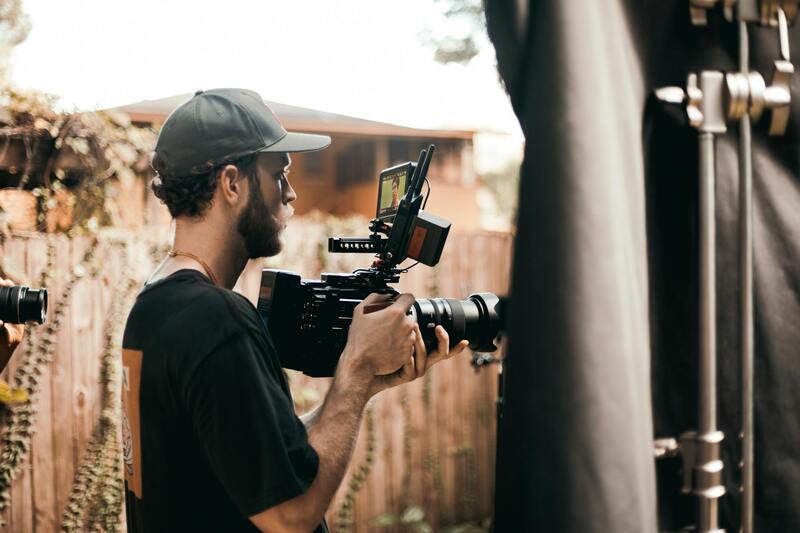
Professional crews trained in dynamic sports environments are essentials for successful production. Roles include camera operators, technical directors, audio engineers, and stream engineers, each contributing to a cohesive workflow. Clear communication protocols and contingency planning are vital to swiftly address unforeseen issues and maintain a high standard throughout the event.
Integrating Data and Analytics
Advanced sports productions incorporate real-time data feeds and viewer analytics to tailor the broadcast experience and maximize engagement. Data-driven insights allow producers to adjust camera angles, graphics overlays, and commentary focus, enhancing the overall quality and relevance of the live stream.