

Introduction to Live Stream Webcasting
Live stream webcasting has become an essential component for amplifying the reach of various events, including corporate gatherings, conferences, concerts, and community functions. This technology allows organizers to broadcast live footage over the internet, providing real-time interaction and engagement for remote audiences. In Miami, a vibrant hub for business, entertainment, and cultural events, utilizing professional webcasting services ensures that your event reaches a broader audience beyond physical boundaries.
The importance of high-quality live streaming lies in its ability to deliver seamless, real-time content with clarity and reliability. Businesses leverage these services to showcase product launches or host virtual seminars, expanding their exposure without geographical limitations. Event planners benefit from engaging live coverage that attracts online viewers and encourages social sharing. By harnessing the power of live streaming, organizations can foster a dynamic, interactive experience that elevates their event branding and online presence.
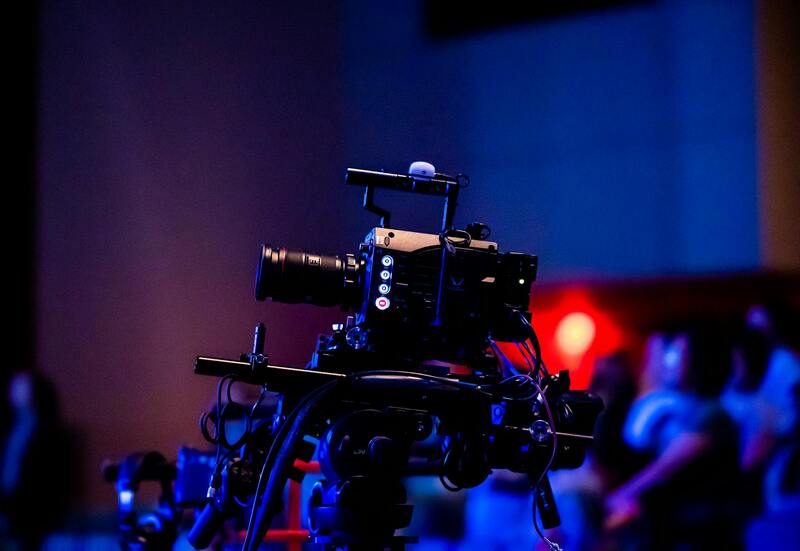
Moreover, Miami's diverse population and active online communities make professional webcasting an invaluable tool for engaging audiences. Whether it's a corporate town hall or a local festival, live streaming services accommodate various event formats with flexible solutions tailored to client needs. As digital consumption continues to rise, opting for expertly managed live webcasting solutions ensures your event is accessible, engaging, and professionally presented.
Types of Live Streaming Services Offered
Professional live stream providers in Miami offer a broad spectrum of services to meet different event requirements. These include:
- Event-specific Webcasting: One-time broadcasts for conferences, weddings, or product launches, ensuring high-quality delivery for single occasions.
- Multi-camera Production: Utilizing multiple camera angles to create a dynamic viewing experience that mimics professional television broadcasts.
- Webinar and Virtual Conference Streaming: Specialized services for hosting interactive webinars with features like live Q&A, polls, and chat integration.
- On-Demand Streaming: Recording live sessions for later access, allowing viewers to revisit content or catch up on missed events.
- Hybrid Event Streaming: Combining in-person and virtual participation to maximize reach and engagement.
Miami's local providers also customize these services to align with specific event sizes, formats, and audience engagement goals, ensuring a seamless digital experience.
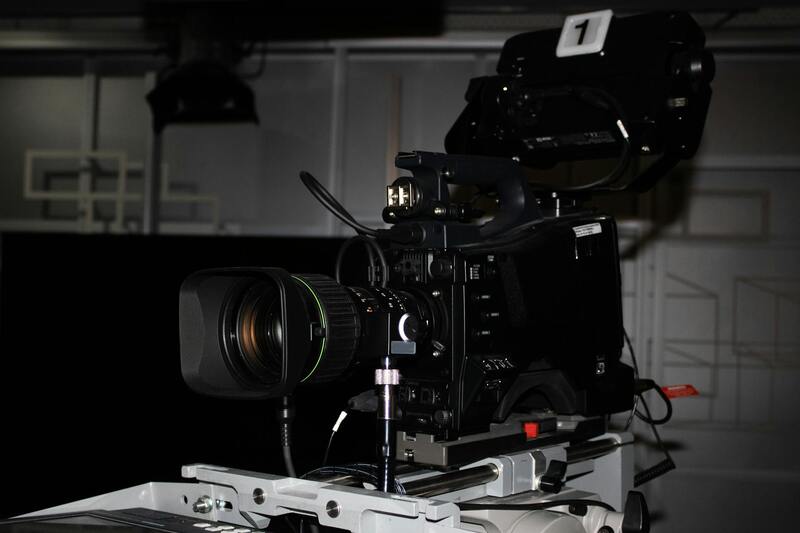
Types of Live Streaming Services Offered
Miami's professional live stream webcasting providers offer an extensive variety of services designed to cater to diverse event needs. These services not only ensure a high-quality viewing experience but also provide flexibility that aligns with specific objectives and audience engagement strategies. A detailed understanding of these services helps clients select the most appropriate solution for their particular event, maximizing reach and impact.
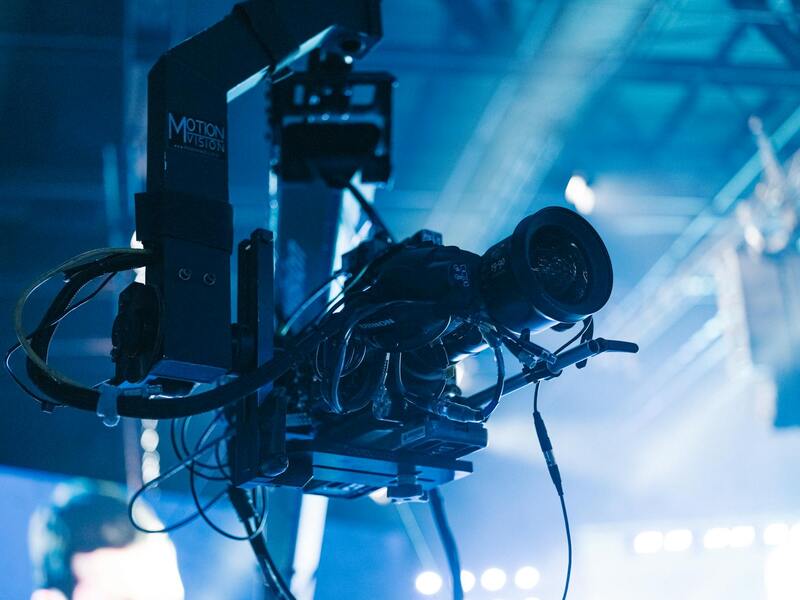
Event-specific Webcasting
This service is ideal for singular events such as corporate conferences, weddings, workshops, or product launches. It guarantees professional delivery and high-quality audio-visuals, allowing in-person and remote audiences to experience the event as if they were present. Customization options include branding, dedicated streaming platforms, and tailored viewer engagement tools to enhance the overall event experience.
Multi-camera Production
Employing multiple cameras ensures a dynamic and engaging visual presentation. This approach mimics traditional television broadcasts and provides viewers with varied perspectives, whether it's capturing keynote speakers, panel discussions, or audience reactions. Additionally, professional editors are employed to switch camera angles seamlessly, producing a polished final product.
Webinar and Virtual Conference Streaming
Specialized for interactive online meetings, webinars, and large-scale virtual conferences, this service integrates features such as live chat, question and answer sessions, polls, and real-time engagement analytics. It allows organizers to facilitate an immersive virtual environment that encourages active participation from remote attendees.
On-Demand Streaming
Post-event recordings provide flexibility for viewers to access content at their convenience. This service is particularly valuable for training sessions, seminars, or product demos, enabling attendees to revisit key moments or catch up on missed sessions. Proper encoding and hosting ensure high-quality playback across devices.
Hybrid Event Streaming
By blending in-person and virtual participation, hybrid streaming broadens your reach significantly. This approach often involves simultaneous live broadcasts to physical attendees and online audiences, creating an inclusive environment. Interactive features like live polling, chat, and Q&A are often integrated to enhance engagement for both in-person and virtual spectators.
Providing tailored solutions, Miami's webcasting specialists analyze event scope, target audience, and engagement goals to recommend the most effective methods and technology configurations. This strategic approach results in a seamless and memorable digital event experience for all participants.
Introduction to Live Stream Webcasting
Live stream webcasting offers a dynamic way to reach audiences across the globe, providing real-time access to events, conferences, and presentations. As technology advances and audience expectations evolve, professional webcasting services have become essential for organizations aiming to deliver high-quality virtual experiences. These services combine advanced video production, seamless streaming protocols, and interactive features to produce engaging digital broadcasts. When selecting a provider, understanding the core offerings and technological capabilities ensures that your event runs smoothly and reaches your target viewers effectively.
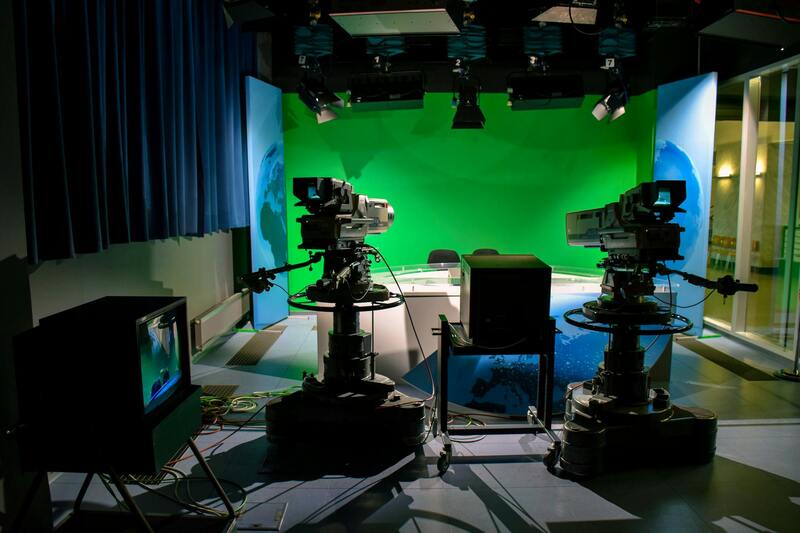
Types of Live Streaming Services Offered
Many providers offer specialized streaming options tailored to various event formats and audience needs. These include:
- Webinar and Virtual Conference Streaming: Designed for interactive sessions with features such as live chat, Q&A, polls, and attendee engagement analytics. This service creates an immersive virtual environment ideal for training, product launches, or industry conferences, allowing participants to connect regardless of their physical location.
- On-Demand Streaming: Facilitates post-event playback, enabling viewers to access recordings whenever convenient. This method is particularly effective for educational content, training materials, or recorded seminars, ensuring flexible access and content reuse.
- Hybrid Event Streaming: Merges live in-person events with virtual participation. This approach broadens reach and inclusivity by broadcasting live to both physical audiences and online viewers. Interactive elements such as live polling, chat rooms, and Q&A sessions are integrated to maintain engagement across all participants.
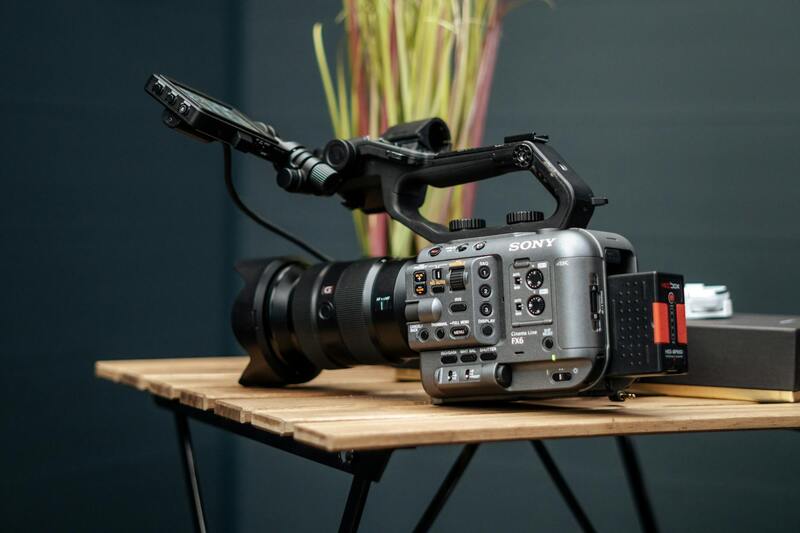
Providers specializing in live stream webcasting tailor their solutions based on event scope, target demographics, and engagement objectives. This strategic customization ensures that the virtual presentation aligns with organizational goals while delivering a results-oriented digital experience.
Key Features of Professional Webcasting Solutions
Effective live streaming services incorporate essential features to enhance broadcast quality, security, and audience interaction. These features include:
- High-Definition Video Production: Advanced cameras and professional editing ensure crisp visuals regardless of your event size or location.
- Multi-Platform Streaming: Simultaneous broadcasting across various platforms such as YouTube, Facebook, and proprietary websites expands visibility and accessibility for viewers using different devices.
- Audience Engagement Tools: Interactive chat modules, polls, Q&A sessions, and live feedback mechanisms foster active participation and real-time communication.
- Content Security: Encrypted streams, password-protected access, and secure hosting safeguard sensitive content from unauthorized viewing.
- Reliable Streaming Infrastructure: Redundant servers and adaptive bitrate streaming ensure consistent playback, minimizing buffer times and stream disruptions.
Advantages of Using Local Miami Webcasting Providers
Partnering with Miami-based webcasting specialists provides several key benefits. Local providers possess a nuanced understanding of regional event landscapes, available venues, and audience preferences. They also offer prompt on-site technical support, which reduces potential technical issues during live broadcasts. Furthermore, proximity allows for customized consultations, enabling organizers to craft tailored streaming solutions that align with their specific requirements, ensuring a seamless virtual event experience.
Planning and Executing a Successful Webcast
Effective webcasting begins with meticulous planning, including defining clear objectives, understanding the target audience, and determining the appropriate streaming technology. Pre-event rehearsals are essential to test equipment, verify internet connectivity, and rehearse transitions. During the event, real-time monitoring by technical staff ensures that any issues are addressed promptly. Post-event, analyzing engagement metrics and viewer feedback helps refine future streaming strategies, ensuring continual improvement and increased audience satisfaction.
Technology and Equipment Used in Live Streaming
Broadcast quality relies heavily on robust hardware and reliable software solutions. Key equipment includes professional-grade cameras, high-quality microphones, and video switchers that allow multiple angle captures and seamless transitions. Encoding hardware or software converts raw video feeds into optimized web-friendly formats. Internet connectivity is critical, with redundant broadband sources or dedicated lines minimizing disruptions. Additionally, streaming platforms utilize Content Delivery Networks (CDNs) that distribute live content efficiently across diverse geographic locations, maintaining high quality even with large viewerships.
Cost considerations for live stream webcasting services
The cost structure varies based on event complexity, duration, production quality, and the level of interactivity. Basic streaming services might include equipment setup and a standard HD broadcast, while more comprehensive packages incorporate multi-camera setups, custom graphics, live editing, and interactive features. Additional expenses such as on-site technical support, rehearsal sessions, and post-production editing should be considered. Working with a professional provider allows for transparent pricing, detailed proposals, and tailored packages that optimize your investment and elevate your event's online presence.
Technology and Equipment Used in Live Streaming
Ensuring high-quality live webcasting requires a comprehensive array of sophisticated hardware and software tools. Professional-grade cameras are fundamental, often utilizing 4K ultra-high-definition units capable of capturing clear, detailed visuals under various lighting conditions. These cameras are frequently operated by experienced cameramen who can switch between multiple angles, enhancing viewer engagement through dynamic shot composition. Complementing the video capture are high-fidelity microphones, strategically placed to capture clear audio from speakers, performers, or on-site attendees, minimizing background noise and ensuring an immersive experience.
To facilitate seamless transitions and multi-source integration, broadcast operators employ video switchers or mixers. These devices allow live switching between different camera feeds, overlay graphics, and incorporate pre-recorded content as needed. Modern streaming setups incorporate advanced encoding hardware or software solutions. Encoding converts raw footage into optimized digital formats—most commonly H.264 or H.265—ensuring compatibility with streaming platforms while maintaining high visual quality at manageable bitrates.
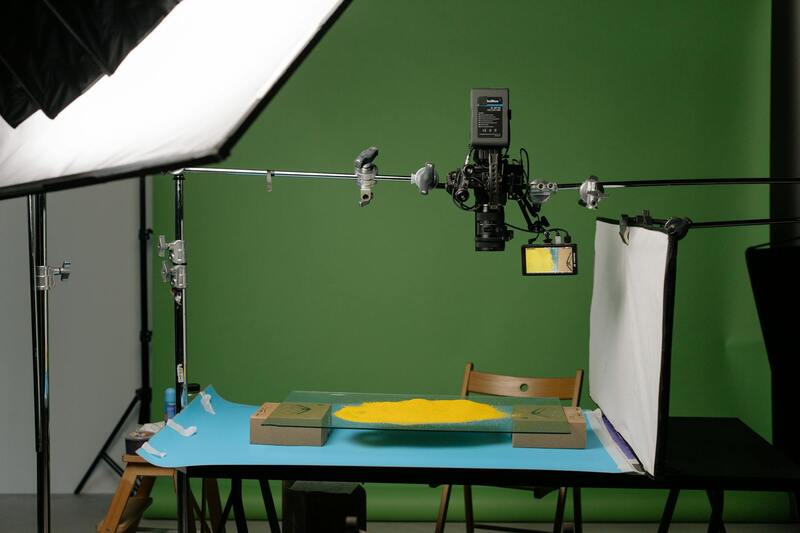
Reliable internet connectivity is a cornerstone of successful webcasting. Broadcast operators typically utilize dedicated broadband lines or multiple internet sources with load balancing to prevent disruptions. Redundant connections serve as fail-safes, ensuring continuous streams even if one network experiences issues. Content Delivery Networks (CDNs) play a crucial role by distributing live streams efficiently across multiple geographic regions. This technology minimizes latency and buffering, providing viewers with a smooth, high-quality experience regardless of their location.
Additionally, the entire production relies on intuitive software that manages the live stream in real time. These platforms support features such as live chat, multi-camera control, live polls, and real-time analytics, which enhance viewer interaction and provide valuable insights to organizers.
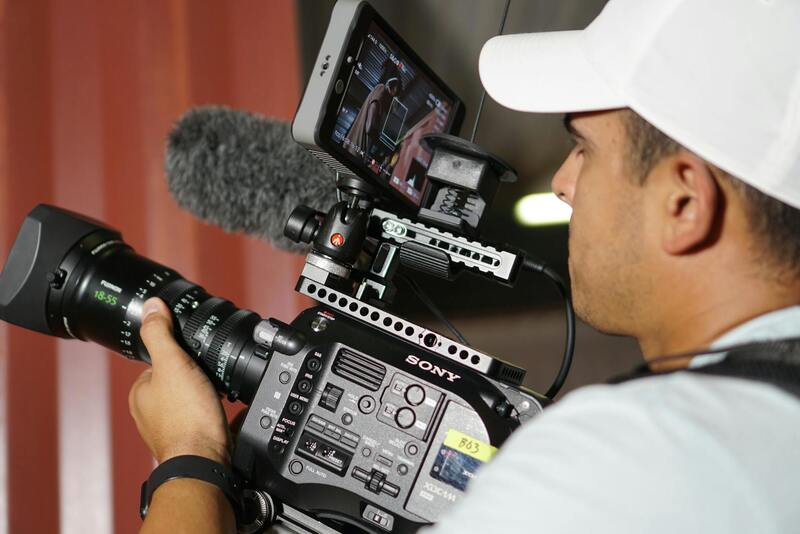
Adopting cutting-edge technology and meticulously calibrated equipment ensures your live webcast maintains a polished, professional standard. Whether broadcasting keynote speeches, interactive panels, or entertainment events, the combination of premium hardware and robust software forms the backbone of a memorable online experience for your audience.
Modern Equipment and Technologies Powering Live Stream Webcasting
Successful live streaming relies heavily on the deployment of advanced equipment and technology to ensure seamless delivery and superior quality. High-definition cameras serve as the cornerstone of capturing clear, crisp visuals, with many providers utilizing multiple camera angles to create a dynamic viewing experience. These cameras often feature high frame rates and low-light capabilities, accommodating various lighting conditions and ensuring consistent output.
Complementing the visual hardware, professional audio equipment such as lavalier microphones, shotgun microphones, and audio mixers are employed to deliver crystal-clear sound. Clear audio is just as critical as video quality in engaging viewers and conveying the event’s message effectively. Noise reduction and audio leveling processes are integrated into the production workflow to eliminate background noise and ensure consistent volume levels.
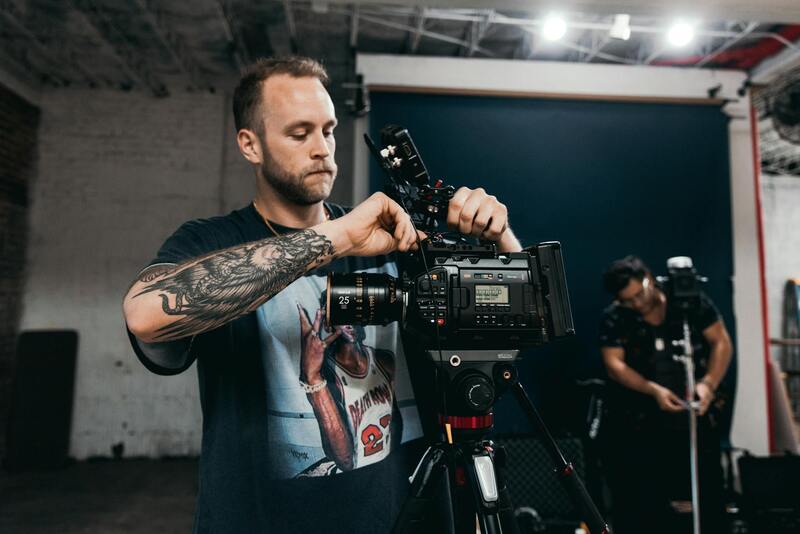
To unify the visuals and audio, professional switchers and mixers enable real-time editing, multi-camera switching, and visual effects. These tools afford producers the flexibility to produce polished and engaging broadcasts, even during live events.
Supporting hardware involves robust streaming encoders that convert raw video and audio signals into digital streams compatible with various platforms. Hardware encoders are preferred for their stability and real-time encoding capabilities, especially in high-stakes environments.
Reliable internet connectivity is imperative for uninterrupted streaming. Fiber optic connections, dedicated broadband lines, or bonded internet solutions combine multiple connections to provide bandwidth stability. Redundant internet sources serve as fail-safes, allowing the webcast to continue seamlessly despite potential network issues.
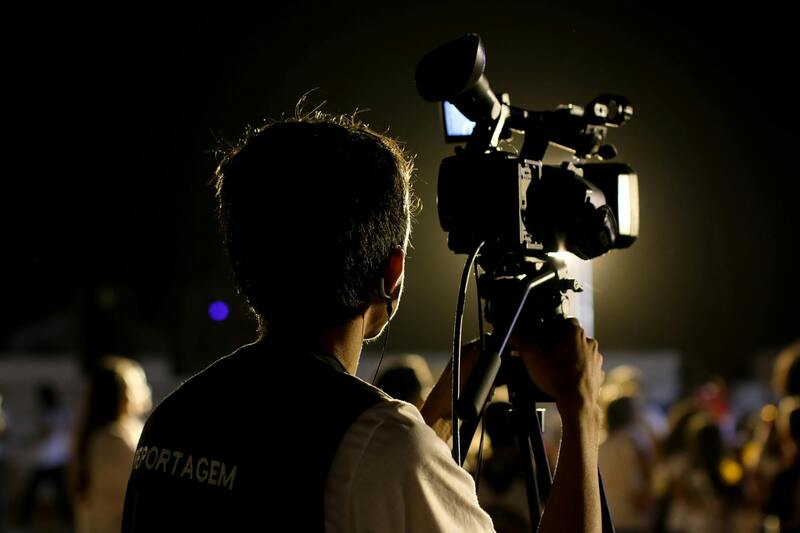
Utilizing Content Delivery Networks (CDNs) enhances the distribution process, reducing latency and buffering by strategically caching content across various geographic locations. This infrastructure guarantees that viewers, regardless of their location, experience a smooth and high-quality broadcast.
Finally, integrated software platforms designed for live streaming management provide essential control over the broadcast. These platforms support multistreaming, real-time analytics, viewer interaction features such as live chat, and audience engagement tools. The effective use of these technologies results in a professional and reliable streaming operation that meets the expectations of both organizers and viewers.
Introduction to Live Stream Webcasting
Live stream webcasting has become an indispensable tool for organizations seeking to reach their audiences in real-time, across geographic boundaries. This technology enables the broadcast of events, conferences, and special moments to viewers worldwide with minimal latency. When selecting live stream services, it is crucial to prioritize providers that uphold high standards of technical proficiency and reliability, ensuring an uninterrupted and high-quality viewing experience. Modern webcasting leverages advanced encoding, content delivery infrastructures, and user engagement features, transforming traditional event coverage into dynamic digital experiences. The seamless integration of high-definition video, clear audio, and interactive elements fosters heightened audience engagement and amplifies event reach.
Types of Live Streaming Services Offered
Providers specializing in live stream webcasting services offer diverse solutions tailored to varied event needs. These include:
- Event Coverage Expertise: Professional streaming of corporate events, conferences, webinars, and live performances, ensuring that each broadcast maintains high production quality.
- Platform-Specific Streaming: Delivering content to multiple platforms such as YouTube, Facebook Live, or specialized enterprise portals, often through multistreaming capabilities, to maximize audience exposure.
- On-Demand & Simulcast Options: Combining live feeds with on-demand access post-event allows viewers to revisit content at their convenience, enhancing overall engagement.
- Interactive Webcasting: Incorporating real-time chat, polls, and Q&A features to foster interaction between presenters and viewers.
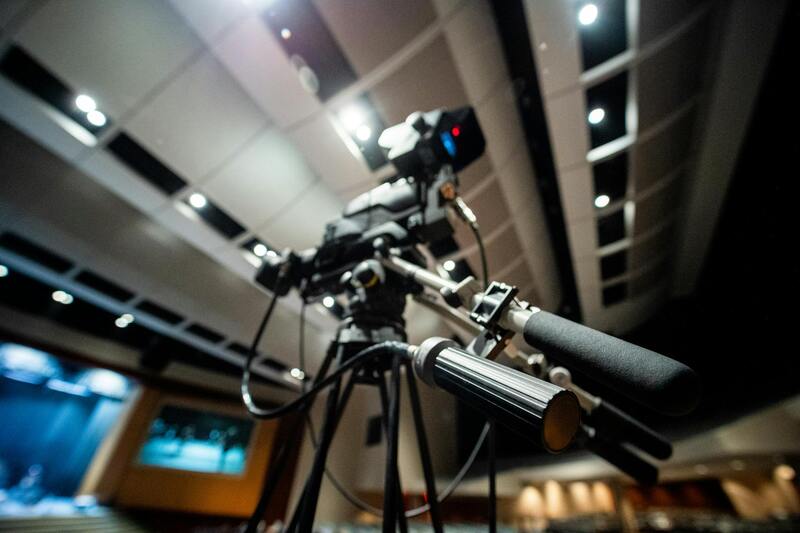
Key Features of Professional Webcasting Solutions
Effective webcast solutions encompass a range of features designed to optimize broadcast quality and viewer experience:
- High-Quality Video Encoding: Utilization of industrial-grade hardware encoders ensures high-definition output with minimal latency.
- Robust Streaming Infrastructure: Content Delivery Networks (CDNs) distribute streams efficiently, reducing buffering and ensuring worldwide reach.
- Reliable Internet Connectivity: Dedicated fiber or bonded internet lines provide stable bandwidth, critical for smooth streaming.
- Advanced User Interface and Control: User-friendly management platforms enable real-time monitoring, multistreaming, and viewer interaction.
- Security Measures: Encryption and access controls protect content from unauthorized viewing or interception.
- Analytics and Reporting: Post-event data provides insights into viewer engagement, geographic distribution, and technical performance issues.
Advantages of Using Local Miami Webcasting Providers
Partnering with local webcasting experts in Miami offers numerous benefits that enhance the quality and reliability of live streams:
- Proximity and Responsiveness: Local providers can swiftly address technical issues and tailor solutions to specific event venues.
- Knowledge of Regional Infrastructure: Familiarity with Miami’s internet landscape ensures optimal connectivity solutions tailored for each event location.
- On-Site Support and Equipment Setup: Immediate access to technical personnel and equipment for seamless live broadcast setup and troubleshooting.
- Cost-Effective Solutions: Reduced logistics costs and customized service packages align with budget considerations.
- Compliance and Permitting Assistance: Local providers assist in navigating any regional event or broadcasting regulations, ensuring smooth operations.
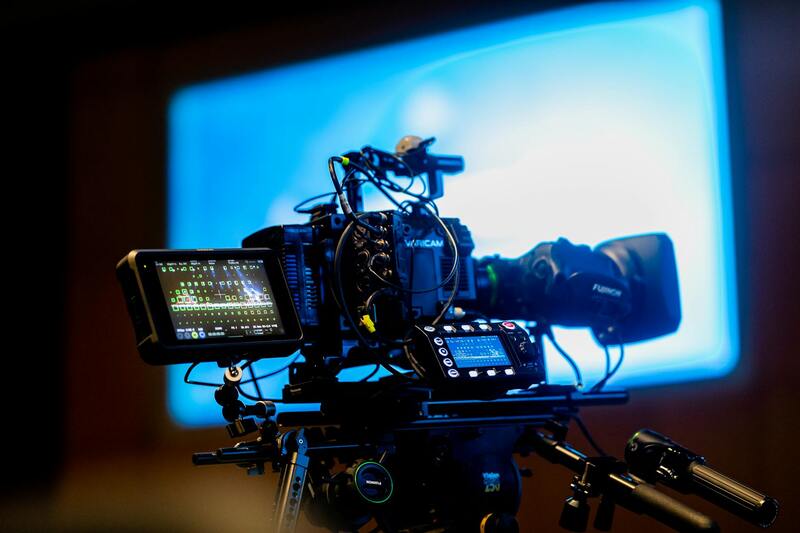
Planning and Executing a Successful Webcast
Executing a professional webcast involves meticulous planning and precision in execution. Key steps include:
- Pre-Event Planning: Define objectives, select appropriate streaming platforms, and identify target audiences. Coordinate with technical teams for equipment needs and internet bandwidth assessments.
- Content Preparation: Develop engaging content, rehearse with presenters, and ensure all visuals and audiovisual elements are optimized for streaming.
- Technical Setup: Arrange high-quality cameras, encoders, microphones, and backup internet solutions. Conduct test runs to troubleshoot potential issues in advance.
- Live Broadcast Management: Monitor stream quality continuously, manage viewer engagement through chat features, and address any technical hiccups promptly.
- Post-Event Analysis: Collect data on viewer metrics, analyze technical performance, and gather feedback to improve future webcasting efforts.
Attention to detail during each phase ensures that the live streaming experience remains professional, engaging, and free of interruptions. Collaborating with experienced local providers guarantees that all technical, logistical, and regulatory aspects are seamlessly managed, resulting in a successful webcast that meets your organizational goals.
Technology and Equipment Used in Live Streaming
Implementing a high-quality live stream webcasting requires the integration of advanced technology and robust equipment. Professional Miami webcasting services utilize state-of-the-art solutions to ensure seamless broadcasts that deliver crisp visuals and clear audio. This includes the deployment of multiple high-definition cameras capable of capturing different angles, which enriches the viewer experience and provides dynamic content flow. High-performance video encoders are employed to compress video streams efficiently without sacrificing quality, allowing for a stable broadcast over various internet connections.
Microphones and audio mixers are essential for capturing and balancing sound, especially in environments with multiple speakers or live performances. These audio devices help eliminate background noise and maintain sound clarity. Additionally, professional lighting setups are often used to enhance visual quality, ensuring that presenters and presenters' subjects are well-illuminated and visibly engaging on camera.

Reliable internet connectivity is critical for uninterrupted streaming. Local providers optimize internet bandwidth and incorporate backup solutions such as redundant internet lines or mobile data hotspots to prevent interruptions caused by connectivity issues. Encoder software, often operating on dedicated hardware or high-performance computers, encodes the live footage into streaming-compatible formats and formats it for delivery across multiple platforms.
Furthermore, live streaming solutions are often integrated with content management systems and analytics tools. These systems allow real-time monitoring of stream quality, viewer engagement, and data collection to improve future events. The selection and calibration of this equipment and technology are tailored to the specific requirements of each event, ensuring optimal performance regardless of scale or complexity.
Investing in professional-grade equipment and technology is fundamental to delivering a polished, credible webcast that maintains participant engagement and meets organizational expectations. Miami's local webcasting providers are equipped with the latest innovations, helping organizers present their content with precision, clarity, and interactive capabilities that resonate with remote audiences.
Exploring the Legitimacy and Reliability of Live Stream Webcasting Methods
Engaging in live stream webcasting requires adherence to officially recognized methods that guarantee quality, security, and compliance with industry standards. When selecting a provider, it is crucial to verify that they employ proven, reputable technologies such as secure streaming protocols (like RTMP, HLS, or DASH), enterprise-grade encoders, and robust content delivery networks (CDNs). These tools ensure a seamless viewing experience free from interruptions and disruptions. Moreover, legitimate webcasting services utilize encrypted transmission channels to protect content integrity and viewer data, fostering trust among organizers and audiences alike.
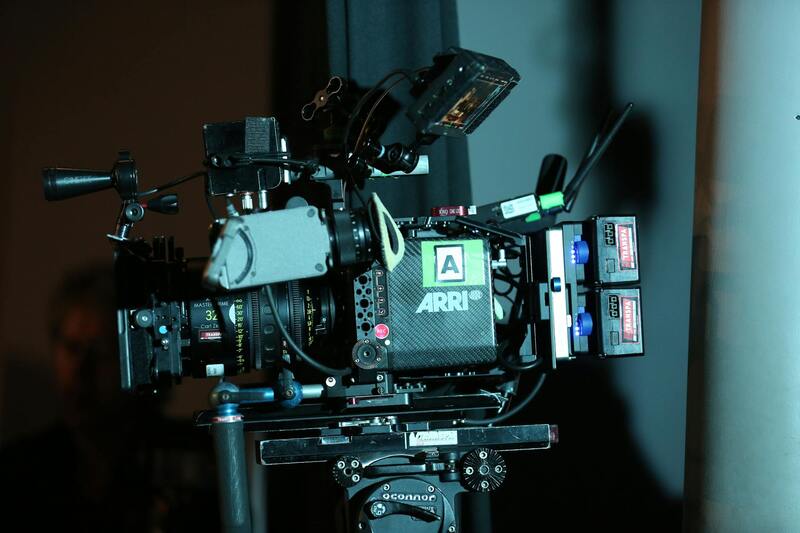
It is also essential to confirm that the providers follow industry standards for internet bandwidth management. Utilization of dedicated servers and redundant streaming pathways ensures continuous delivery, even during unexpected network issues. These methods are grounded in best practices endorsed by leading technology associations and certified professionals, underscoring their validity and effectiveness.
In addition to technical protocols, an established live streaming operation relies on authorized content licensing and compliance with platform guidelines. This includes obtaining necessary rights for the use of multimedia content, adhering to copyright laws, and following platform-specific policies for broadcasts. Such compliance measures not only prevent legal complications but also maintain the webcast’s credibility and reputation.
Regarding equipment, reputable providers operate with high-quality, industry-standard hardware and software. These include professional-grade cameras, audio capture devices, and broadcasting software that meet rigorous specifications for broadcast quality. Their use reflects adherence to authorized and legitimate manufacturing and software licensing agreements, reinforcing the integrity of the entire streaming process.
Furthermore, the implementation of official analytic tools and viewer engagement metrics allows organizers to monitor stream performance and audience interaction in real-time. These systems are developed by recognized providers and integrate seamlessly with the streaming infrastructure to provide accurate, actionable insights. Such tools support data-driven decision-making, enabling continuous improvement of future live events.
Choosing a live streaming partner with clear, official methods ensures the event’s success while maintaining organizational standards and safeguarding against potential disruptions. It is vital to engage with providers who are transparent about their techniques, use certified equipment, and operate within a framework of recognized industry practices. This approach guarantees the delivery of a professional, reliable webcast that aligns with the event’s goals and audience expectations.