

Understanding Live Event Excellence
Achieving distinction in live event production involves a comprehensive focus on multiple facets that contribute to an unforgettable experience for participants and viewers alike. Central to this pursuit is an unwavering commitment to delivering superior quality in every element of the event, from the technical setup to audience engagement strategies. The goal is to craft an environment where seamless execution and immersive storytelling converge, creating a memorable occasion that resonates long after the event concludes.
Defining Quality in Live Events
Quality in live event production is characterized by clarity, professionalism, and reliability across all platforms. From crisp audiovisuals to smooth streaming with minimal latency, the technical backbone must be robust to prevent disruptions. A high-quality experience is also about ensuring visual and audio elements complement the narrative, enhancing the emotional impact and ensuring the content is accessible and engaging for all attendees.
Engagement as a Cornerstone
Engagement extends beyond passive observation; it involves actively capturing and maintaining the audience’s interest through interactive features, live polls, Q&A sessions, and social media integration. Facilitating real-time interaction fosters a sense of community and inclusion, making viewers feel part of the moment, whether they are physically present or watching remotely.
Seamless Event Execution
Execution refers to the flawless coordination of all moving parts—from pre-event setup to post-event follow-up. It requires meticulous planning, contingency strategies for technical issues, and experienced personnel who can adapt swiftly. A well-organized event minimizes glitches and maximizes the audience's perception of professionalism and credibility.
Implementing Professional Strategies
- Utilize cutting-edge streaming technology that guarantees high-resolution live broadcasts without buffering.
- Invest in high-quality equipment, including cameras, microphones, and switching devices, to capture every detail with precision.
- Develop a comprehensive production plan encompassing timelines, responsibilities, and contingency procedures.
- Train staff extensively to handle live production challenges confidently and efficiently.
- Maintain clear communication channels among team members to ensure synchronization during live transmissions.
Measuring Success
To gauge the effectiveness of the live event, employ analytics tools that track viewer metrics, engagement levels, and technical performance. Feedback from participants, via surveys or direct input, provides valuable insights for refining future events. Monitoring these indicators enables organizers to identify strengths and areas for improvement, fostering a culture of continuous enhancement in live event production.
Understanding Live Event Excellence
Achieving excellence in live events necessitates adherence to proven, legitimate methodologies that ensure an authentic and seamless experience for all participants. Central to this approach is the selection of reputable streaming platforms that are designed to deliver high-quality, reliable broadcasts. Utilizing official platforms—such as industry-trusted services that adhere to recognized standards—provides a foundation of trustworthiness and superior performance, essential for maintaining audience engagement and demonstrating professionalism.
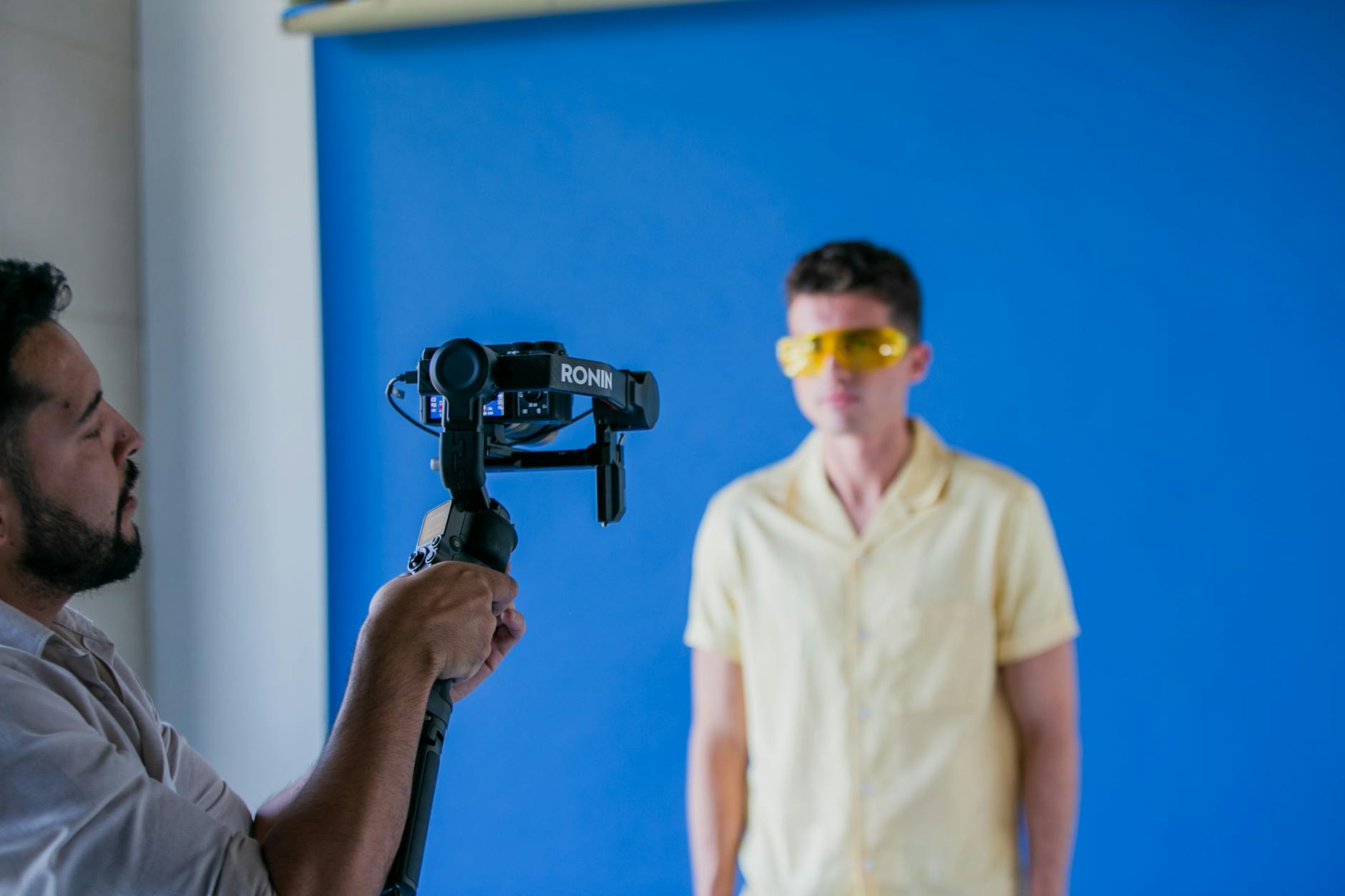
Consistent quality assurance involves meticulous equipment checks and network stability assessments before going live. High-resolution cameras, professional-grade microphones, and switching hardware from established vendors ensure that visuals and sound are clear and immersive. Confirming that all equipment is compatible with reputable streaming services, and that backups are in place, minimizes the risk of technical interruptions during broadcast.
Leveraging Trusted Streaming Platforms
Choosing officially recognized live streaming services tailored for event broadcasting guarantees access to robust features—such as adaptive streaming, secure access controls, and real-time analytics. These platforms typically comply with high-security standards and are supported by dedicated technical teams capable of providing prompt assistance, which is vital for resolving unforeseen issues swiftly.
Organizers should prioritize platforms that offer customization options to match event branding and user interfaces that are accessible across various devices. Furthermore, integrating these services seamlessly with supplementary live event tools—such as ticketing systems or engagement applications—enhances the overall experience and operational efficiency.
Implementing Official Content Enhancement Strategies
Authentic engagement is amplified through a well-structured content strategy. This includes professional camera work that captures key moments and close-up shots, along with planned interview segments or behind-the-scenes content, to add depth to the live broadcast. Using approved graphics and visual effects, aligned with the event’s branding, elevates the viewer's perception of quality.
It is equally important to develop a comprehensive transmission schedule. This plan should outline precise timeline markers—such as start times, transition cues, and key performance segments—to ensure smooth flow. Training hosts, camera operators, and production staff on these schedules aligns roles and responsibilities, contributing to a polished presentation.
Securing Reliable Technical Infrastructure
Reliability in live broadcasting depends on layered network infrastructure. Secure, wired internet connections tend to outperform Wi-Fi during live streams, particularly in high-traffic environments. Employing multiple internet sources—such as dedicated fiber connections and cellular backup networks—provides fail-safes against disconnections.
Additionally, for critical equipment such as encoders, switches, and recording devices, sourcing from established manufacturers known for durability and consistent performance ensures risk mitigation. Properly maintaining and updating firmware and software from vetted providers is a standard practice in maintaining equipment integrity.

Engaging viewers authentically involves promoting transparent, official content channels. Strategic pre-event marketing and real-time updates foster anticipation and participation. Properly calibrated technical setups foster trust, encouraging repeat viewership, and elevating the event's credibility.
Utilizing Professional Live Streaming Platforms
Choosing the right platform is a critical determinant of live event success. Opt for reputable streaming services that demonstrate consistent performance, robust security measures, and user-friendly interfaces. These platforms should offer high-definition video quality, adaptive bitrate streaming to accommodate varying viewer bandwidths, and integrated chat or interactive tools that foster real-time engagement. Additionally, features such as multiple content delivery networks (CDNs) and advanced analytics enable event organizers to monitor stream performance and audience behavior effectively.
The selection process must involve a comprehensive evaluation of the platform’s technical infrastructure, scalability, and support services. Platforms with dedicated customer support and troubleshooting resources contribute significantly to a seamless broadcast experience. Furthermore, integration capabilities with social media channels amplify event reach by allowing simultaneous streaming to multiple platforms, such as Facebook Live, YouTube, or dedicated event portals. Ensuring that the streaming service offers secure login and data encryption helps protect the integrity of the content and maintain audience trust.
Integrating Reliable Technical Infrastructure
Behind the scenes, a sturdy technical infrastructure forms the backbone of an exemplary live broadcast. Secure, wired internet connections should be prioritized over wireless options, particularly when hosting large audiences that demand stable connectivity. Employing multiple internet sources, such as dedicated fiber lines and cellular backup networks, minimizes the risk of disconnection during the event. These layered connections automatically switch to backup sources if primary links experience issues, maintaining continuous streaming without interruption.
Investment in high-caliber equipment is indispensable. Professional-grade encoders, switchers, and capture devices from reputable manufacturers ensure crisp, clear footage with minimal latency. Regular firmware updates and maintenance of this hardware are essential to uphold peak performance. Furthermore, deploying high-quality audio equipment enhances the clarity and overall viewer experience, making the event more engaging and professional.
Pre-event testing is an integral component of technical planning. Conduct thorough run-throughs to identify and resolve potential issues related to connectivity, equipment, and broadcasting software. Establishing a dedicated technical support team available during the event ensures immediate troubleshooting if problems arise, keeping the broadcast on track. Incorporating monitoring tools that track stream health, viewer engagement, and technical performance allows real-time adjustments, thereby preserving broadcast quality and viewer satisfaction.
Implementing Secure Content Delivery
Security measures are fundamental for safeguarding live streams from unauthorized access or disruptions. Employing encrypted data transmission protocols, such as HTTPS and Secure Real-time Transport Protocol (SRTP), ensures content integrity and confidentiality. Implementing access controls, including password-protected streams or token-based authentication, allows organizers to restrict viewership to authorized audiences. Furthermore, diligent monitoring for suspicious activity and the use of firewall protections mitigate potential threats, fostering a trustworthy environment for viewers and organizers alike.
Technical Setup and Equipment Best Practices
Achieving peak live event quality hinges greatly on meticulous technical setup and the strategic selection of equipment. Organizers must prioritize high-definition video cameras capable of capturing every detail on the event floor, ensuring smooth and glitch-free streaming experiences. It's essential to incorporate professional-grade audio systems, including lapel microphones, shotgun microphones, and line array speakers, to deliver crystal-clear sound that complements the visual content. Proper placement, calibration, and redundancy in both video and audio equipment minimize potential disruptions during the broadcast.
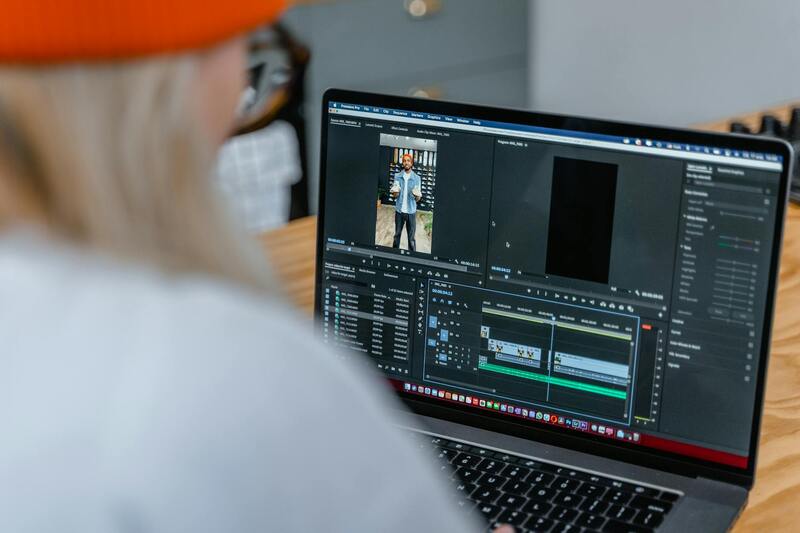
In addition to core hardware, employing robust network infrastructure is critical. Wired Ethernet connections are preferred over Wi-Fi to ensure stable bandwidth and reduce latency. Upgrading to fiber-optic Internet services can further enhance the reliability of the live stream, especially for large-scale events with high viewer demand. Real-time monitoring of network performance during setup allows technical teams to identify bottlenecks or potential failures before the event begins.
Camera operators should be trained to manage framing, focus, and transitions seamlessly. Usage of versatile tripods and stabilizers guarantees steady shots, especially during dynamic event moments. For multi-camera setups, synchronized switching through professional video switchers or software is necessary to maintain a fluid viewing experience. Incorporating high-quality encoding devices or software ensures optimal compression without sacrificing resolution, delivering a broadcast that meets professional standards.
Pre-event rehearsals are indispensable, allowing the technical team to assess equipment functionality, troubleshoot connectivity issues, and refine camera angles. Testing auxiliary components like lighting, backdrops, and power supplies contributes to a smooth operation. Establishing a dedicated tech support team experienced in live event production ensures rapid response to any unforeseen issues, minimizing downtime. Employing monitoring tools to track stream health, viewer metrics, and real-time technical performance guides immediate adjustments, sustaining high broadcast quality throughout the event.
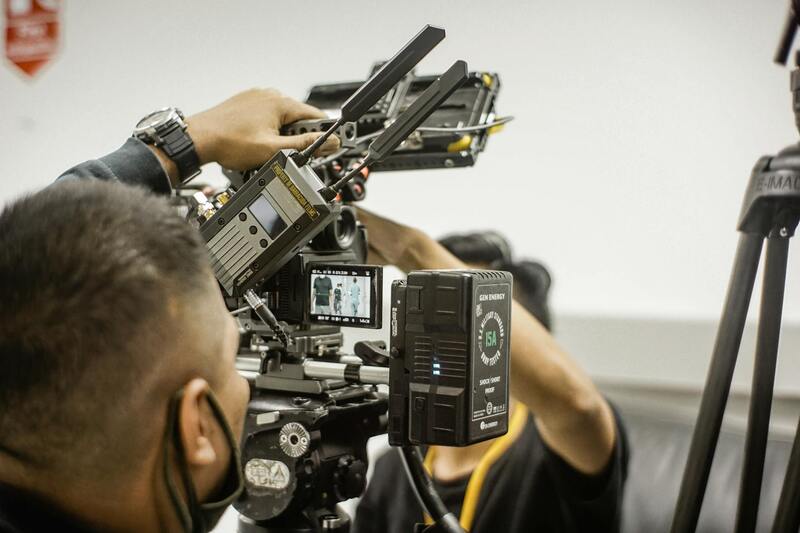
By adhering to these best practices, event organizers can significantly elevate the quality of their broadcasts, ensuring that audiences receive an engaging, professional viewing experience that reflects well on the event’s reputation.
Understanding Live Event Excellence
Delivering a top-tier live event experience hinges on meticulous planning, high-quality execution, and consistent audience engagement. Organizers must prioritize seamless coordination across all technical and logistical components, ensuring every aspect of the event—from staging to technical support—is optimized for excellence. A professional approach entails rigorous rehearsals, detailed checklists, and deploying reliable equipment, all aimed at providing viewers with a clear, engaging, and immersive experience. High-quality audio and video are fundamental, as they directly influence the viewer's perception of the event’s professionalism and overall impact.
Success in live event broadcasting also involves understanding audience expectations and delivering content that resonates. This requires a strategic blend of compelling visual storytelling and interactive features that foster viewer participation. Additionally, a well-thought-out contingency plan catered to potential technical issues ensures minimal disruption, maintaining trust and satisfaction among viewers. Cutting-edge streaming technology and infrastructure are at the core of these efforts, enabling smooth playback, high-resolution visuals, and real-time interaction.
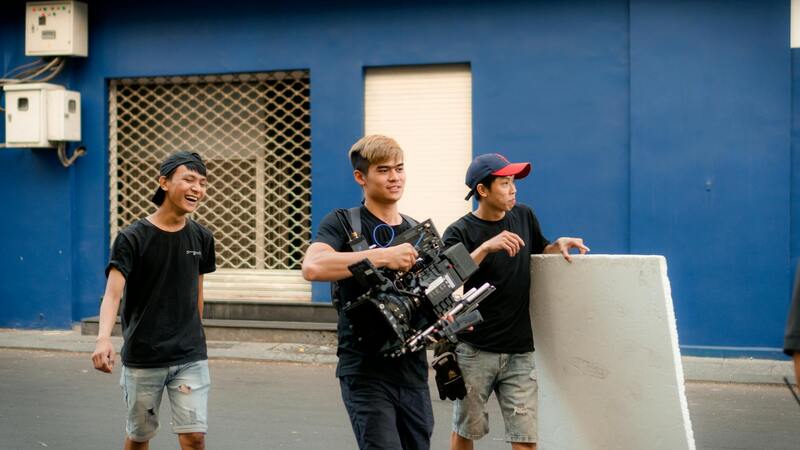
Effective Event Planning and Coordination
The foundation of a successful live event resides in thorough planning and precise coordination. This process involves setting clear objectives, defining roles and responsibilities, and establishing timelines for each phase—from pre-event preparations to post-event follow-up. Effective communication channels among team members, vendors, and stakeholders are vital to prevent misunderstandings and ensure all elements align harmoniously.
Utilizing detailed event timelines and checklists assists in managing multiple tasks effortlessly, including equipment setup, content rehearsals, and audience engagement strategies. Coordinating with technical teams ahead of time ensures all hardware and software components function correctly, including cameras, audio, streaming platforms, and auxiliary devices. Clear assignment of responsibilities for troubleshooting, technical support, and audience interaction enhances operational efficiency and ensures a unified approach in managing the event workflow.
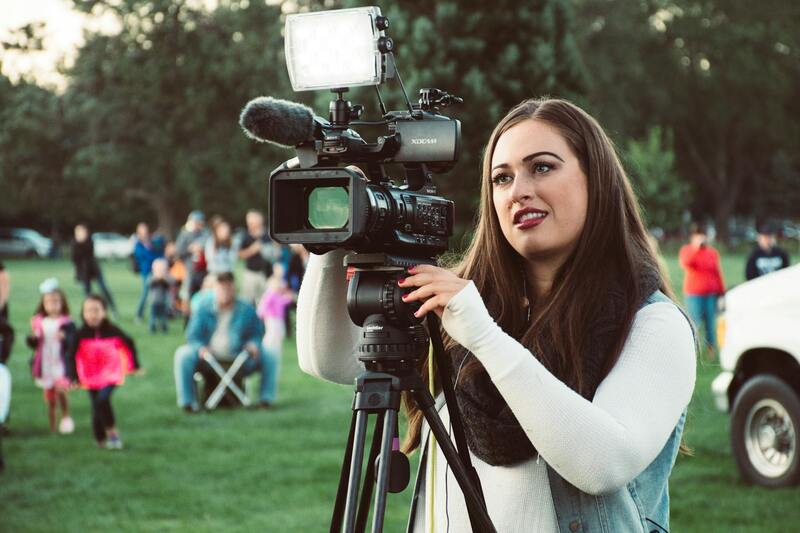
Utilizing Professional Live Streaming Platforms
Selecting the right streaming platform is crucial for maximizing reach, quality, and audience engagement. A professional platform should support multiple camera feeds, provide high-definition streaming capabilities, and offer reliable bandwidth to accommodate large viewership numbers. Features such as adaptive bitrate streaming ensure viewers experience smooth playback regardless of their internet connection, while customizable branding options elevate the event's professional appearance.
Implementing advanced encoding solutions and multi-camera switching software guarantees dynamic visual presentation and cohesive transitions. Cloud-based services can facilitate scalability and ease of access, enabling event organizers to manage streams efficiently without extensive on-site infrastructure. Monitoring tools integrated within these platforms provide real-time analytics on viewer engagement, stream health, and technical performance, empowering organizers to make immediate adjustments that enhance overall broadcast quality.
Understanding Live Event Excellence
Achieving exceptional live events requires meticulous attention to detail across multiple domains. Ensuring high-quality audio, crisp visuals, seamless transitions, and reliable connectivity creates an immersive experience that resonates with audiences. Central to this is a comprehensive understanding of technical planning, audience engagement, and content delivery. A well-coordinated team that manages equipment, timing, and audience interaction can elevate a live event from ordinary to extraordinary. Optimizing production workflows involves clear communication channels among event staff, on-site technicians, and digital coordinators. Establishing a rehearsed schedule and run-of-show minimizes unexpected issues and ensures every segment aligns perfectly. In addition, strategic use of professional-grade equipment guarantees sharp visuals and clear sound, vital for maintaining audience focus.
Effective Event Planning and Coordination
Pre-event planning acts as the backbone of a successful live broadcast. This involves detailed scheduling, role assignments, and contingency planning. Assigning specific responsibilities—such as technical support, content moderation, and audience interaction—streamlines operations and preempts potential disruptions. Creating a comprehensive checklist covering equipment setup, streaming platform configurations, and backup solutions ensures readiness. Coordination meetings should align all teams on timelines, technical needs, and emergency procedures. Incorporating a detailed run sheet, with cues for transitions, overlays, and camera changes, enables smooth execution. Utilizing project management tools for task tracking and real-time updates facilitates transparency and accountability. Establishing clear communication channels via radios, messaging apps, or internal systems ensures quick response to any technical hiccups or unforeseen circumstances.
Utilizing Professional Live Streaming Platforms
Selecting an appropriate live streaming platform is pivotal for leveraging professional tools designed specifically for high-quality broadcasts. Features to consider include multi-camera support, adaptive bitrate streaming, and customizable branding options that enhance the event’s visual identity. An optimal platform supports scalable streaming solutions, capable of accommodating large audiences without compromising quality. Cloud-based services facilitate easy management and scalability, reducing dependency on extensive on-site infrastructure. Real-time analytics and monitoring tools provide insights into viewer engagement and stream performance, allowing immediate adjustments to preserve broadcast integrity. Furthermore, multi-platform compatibility extends reach across various devices, ensuring accessibility regardless of viewers’ hardware. Integration with social media platforms can also amplify exposure and foster community interactions.
Engaging Audience Through Interactive Features
Audience engagement enhances live event experiences, transforming passive viewers into active participants. Incorporating features such as live chat, polls, Q&A sessions, and social media integration fosters a sense of community and immediacy. Interactive overlays, real-time scoring updates, and behind-the-scenes glimpses create dynamic content that sustains interest. Encouraging viewers to share content and participate in polls can increase visibility and foster a sense of ownership. Implementing virtual meet-and-greets or interactive segments with performers or speakers bridges the gap between remote audiences and live experiences, making the event more memorable and inclusive.
Technical Setup and Equipment Best Practices
A solid technical foundation is essential for a flawless live event. This includes selecting high-definition cameras capable of capturing different angles, professional-grade microphones for clear audio, and reliable streaming equipment tailored to the event’s scope. Proper cabling and power backups prevent interruptions, while on-site technicians should perform pre-event system tests to identify and resolve potential issues. Camera operators must be trained to manage shots, focus, and transitions seamlessly. Network connectivity remains a critical factor; dedicated internet lines or bonded connections can ensure stable bandwidth. Encoding devices and switching hardware should be configured correctly to maintain high visual quality and manage multi-camera feeds effectively. Incorporating redundant systems and real-time diagnostics provides additional layers of security, minimizing downtime and ensuring a professional viewing experience for the audience.
Understanding Live Event Excellence
Delivering a standout live event hinges on meticulous planning, professional execution, and leveraging high-quality technology. At the core of a successful event is a seamless experience that captures the audience’s attention and keeps them engaged from start to finish. This involves crafting a compelling narrative, ensuring smooth transitions between segments, and maintaining a polished presentation. Understanding the importance of timing, pacing, and visual storytelling helps in creating an event that resonates with viewers and leaves a lasting impression.
Achieving excellence in live event broadcasting also requires adherence to best practices in technical setup and audience interaction. The integration of professional-grade equipment, reliable internet connectivity, and skilled personnel ensures a smooth broadcast free from interruptions. Additionally, fostering interactivity through real-time polls, Q&A sessions, and instant feedback mechanisms amplifies audience involvement, transforming passive viewers into active participants. Maintaining a dynamic and engaging atmosphere through strategic content delivery and responsive communication is vital for success.
Effective Event Planning and Coordination
Planning a live event involves detailed coordination across various teams and stakeholders. Establishing clear objectives, timelines, and roles creates a solid foundation for the event. This entails booking venues, arranging technical logistics, managing registration, and preparing contingency plans for unexpected issues. Coordination between staff members, performers, and technical teams ensures that everyone understands their responsibilities and the event flows seamlessly.
- Creating comprehensive schedules and run-of-show timelines.
- Assigning roles for camera operators, sound engineers, and hosts.
- Conducting rehearsals to troubleshoot technical and operational aspects.
- Using checklists to guarantee all equipment and materials are in place.
Effective communication channels, such as dedicated messaging groups or project management tools, facilitate real-time updates and issue resolution. Collaborating with a reliable live streaming service provider ensures technical support is available throughout the event, minimizing the risk of technical difficulties.
Utilizing Professional Live Streaming Platforms
Selecting the right live streaming platform is crucial for broadcasting high-quality content and reaching your target audience effectively. Leading platforms offer features such as multi-camera support, customizable interfaces, and integrated analytics to monitor viewer engagement. These platforms are designed to support high-definition streams with minimal latency, delivering a professional experience to remote viewers.
It is important to evaluate platforms based on factors like user interface simplicity, scalability, compatibility with various devices, and security features. Working with reputable providers that offer comprehensive technical support ensures that any issues during the live broadcast can be swiftly addressed. Custom branding options enhance the professionalism of the stream, aligning it with your event’s brand identity.
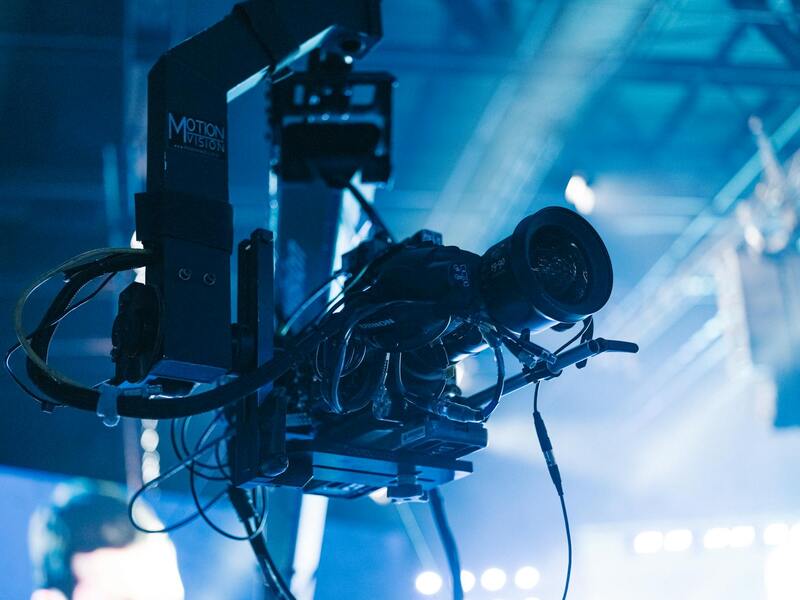
Additionally, incorporating features such as chat, live polls, and viewer interactions provided by these platforms can enhance audience participation. Distributing streams across multiple channels or embedding them on your website increases accessibility and broadens your reach, ultimately elevating the event's stature and viewer satisfaction.
Engaging Audience Through Interactive Features
Active audience engagement is a key factor in elevating a live event from ordinary to extraordinary. Interactive tools such as live chat, polls, and Q&A sessions make viewers feel involved and valued, creating a sense of community even in virtual spaces. Incorporating real-time interactions allows for immediate feedback, which can be used to adapt the presentation dynamically and address audience interests.
Offering exclusive behind-the-scenes content or virtual meet-and-greets further fosters connection. Interactive games or challenges integrated into the stream incentivize participation and keep viewers engaged over extended periods. These strategies not only enhance user experience but also boost event visibility through social sharing and word-of-mouth.
Technical Setup and Equipment Best Practices
Behind every successful live event is a robust technical infrastructure. High-definition cameras capable of capturing multiple angles and smooth transitions are essential for delivering a cinematic viewing experience. Professional-grade microphones ensure crystal-clear audio, which is as critical as visual quality. Proper cabling, secure power backups, and redundancy systems prevent interruptions caused by technical failures.
Pre-event system checks by on-site technicians identify potential issues before the broadcast begins, allowing for timely resolutions. Trained camera operators and engineers should be familiar with equipment functions, focus management, and live switching. Reliable internet connectivity, often through dedicated lines or bonded connections, maintains stable streams and minimizes buffering or disconnections. Encoders and hardware switchers should be configured correctly to handle different resolutions and multi-camera feeds efficiently.
Implementing real-time diagnostics and backup systems ensures a professional-grade broadcast that audiences will remember. A focus on meticulous setup and testing establishes a foundation for delivering a flawless live experience that aligns with audience expectations for quality and professionalism.
Understanding Live Event Excellence
Delivering an outstanding live event experience requires meticulous attention to detail and a comprehensive approach to execution. Success hinges on not only capturing high-quality visuals but also creating an environment that maintains audience engagement from start to finish. A well-orchestrated event combines seamless technical execution with compelling content, ensuring viewers remain immersed and satisfied. This involves strategic planning, precision in setup, and continuous monitoring to adapt to unforeseen challenges that may arise during the broadcast.
Strategic Event Planning and Coordination
Effective coordination begins with clear objectives and detailed timelines. Establishing roles and responsibilities among team members such as technical crew, hosts, and content managers ensures that each aspect of the event progresses smoothly. Advanced preparation includes creating contingency plans for potential technical issues and rehearsing key segments to identify and mitigate risks. Additionally, coordinating with venue staff ensures proper space setup, efficient equipment placement, and adherence to safety standards. Incorporating audience engagement strategies into the planning phase enhances interaction and participation, transforming passive viewers into active contributors to the event atmosphere.
Utilizing Professional Live Streaming Platforms
Choosing a reputable streaming platform is crucial for broadcasting a professional-level event. Modern platforms offer capabilities such as multi-camera switching, high-definition quality, and low-latency streaming that mimic traditional broadcast standards. Platforms like miamieventvideography.net provide tailored solutions designed to meet the demands of live event coverage, ensuring stability and high performance under varying network conditions. These services facilitate reliable transmission, comprehensive analytics, and integration with social media channels to broaden reach and visibility. Leveraging advanced encoding hardware and dedicated bandwidth ensures uninterrupted streams, while features like multi-source switching enable dynamic visual storytelling that captivates viewers.

Engaging Audience Through Interactive Features
Active audience participation is essential for creating memorable live experiences. Incorporating interactive elements such as live polls, Q&A sessions, and chat functionalities transforms passive viewers into engaged participants. Interactive overlays, real-time feedback, and social media integration enable viewers to influence content dynamically. For example, enabling live comments or reactions enhances viewer involvement, fostering a sense of community and shared experience. These features require robust backend systems to manage real-time data, as well as skilled moderation to maintain a positive environment. Customized call-to-action prompts, such as encouraging viewers to share the stream or participate in contests, further amplifies event visibility.
Technical Setup and Equipment Best Practices
Achieving a high-production value live event depends heavily on technical infrastructure. Employing professional-grade cameras capable of capturing multiple angles allows for dynamic visual storytelling, while high-fidelity microphones ensure crystal-clear audio that complements the video feed. Proper cabling, secure power supplies, and backup systems protect against unforeseen disruptions. A comprehensive pre-event checklist, including equipment testing and on-site technical support, minimizes risks during live broadcast. Reliable internet connectivity, often through dedicated lines or bonded solutions, sustains a stable stream even under heavy network loads. Equipment calibration, real-time diagnostics, and contingency plans for device failures fortify the overall broadcast quality and reliability.
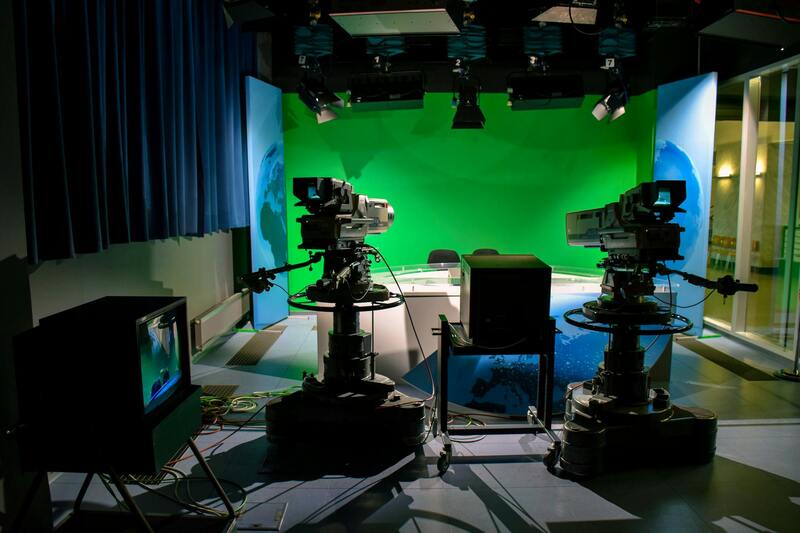
Creating Compelling Content and Experiences
The core of a memorable live event lies in engaging content that resonates with the audience. Incorporating storytelling elements, live interviews, behind-the-scenes footage, and interactive segments helps maintain interest and emotional connection. High-energy introductions, consistent updates, and timely highlights keep viewers invested. Visual enhancements such as motion graphics, overlays, and themed transitions elevate the production quality. Additionally, tailoring content to specific audience demographics—whether sports fans, conference attendees, or concert goers—ensures relevance and engagement. Indexing important moments and providing accessible highlights or replays extends the lifespan of the event’s content beyond its live window.
Post-Event Engagement and Content Repurposing
Post-event strategies are vital for maximizing reach and impact. Editing raw footage into highlight reels, tutorials, or promotional material enables businesses and organizers to repurpose content across multiple channels. Distributing recordings through social media, email newsletters, and official websites sustains audience interest and encourages ongoing interaction. Gathering feedback through surveys or analytics provides insights into viewer preferences and technical performance, informing future improvements. Engaging with the audience post-event by sharing behind-the-scenes footage and thanking participants nurtures community-building and strengthens brand loyalty. These practices extend the value of live events, turning them into assets for ongoing marketing efforts and audience engagement initiatives.