

Understanding Live Streaming for Events
Live streaming has become an integral component of contemporary event planning, especially in dynamic and vibrant environments like Miami. This technology allows organizers to broadcast live audio and video content from an event to a remote audience instantly. It bridges physical boundaries, enabling participation from viewers who are unable to attend in person, thus expanding an event’s reach and engagement. In essence, live streaming transforms traditional events into interactive experiences, reaching viewers across different geographies and platforms.
Implementing live streaming involves a combination of high-quality equipment, reliable connectivity, and professional expertise. Camera setups capture the event’s key moments, while advanced encoding hardware or software transmits the feed over a high-bandwidth internet connection. The stream is then distributed through specialized platforms or proprietary portals designed for seamless viewer access. For event organizers in Miami, this means leveraging local vendors with proven experience in live broadcasting, ensuring a smooth and professional presentation regardless of event size or complexity.
The benefits of live streaming extend far beyond mere broadcasting. It enhances attendee engagement, creates lasting digital content, and provides measurable metrics on viewer interaction and reach. Furthermore, it offers flexibility for hybrid event formats, combining live and virtual elements to cater to diverse audience preferences. In the increasingly digital landscape of event management in Miami, incorporating live streaming services is not just an option—it’s a strategic necessity for maximizing impact and inclusivity.
Types of Live Streaming Events
Various event formats benefit from tailored live streaming solutions. Corporate conferences, product launches, award ceremonies, educational webinars, religious services, and community events all leverage this technology to maximize visibility and participation. Each event type requires specific considerations for camera angles, audio fidelity, and platform integration to ensure the content resonates effectively with the target audience.
For instance, a corporate conference may focus on keynote speeches and panel discussions, necessitating multiple camera angles and synchronized audio feeds. Conversely, a church service might prioritize capturing the congregation’s reactions and the ambiance of the sanctuary. Recognizing these distinctions helps in selecting the most suitable live streaming methods and equipment, ensuring a professional and engaging broadcast.
Key Features of Live Streaming Services
- High-definition video and crystal-clear audio quality
- Multiple camera inputs and professional switching capabilities
- Real-time graphics, overlays, and branding integration
- Stream security and access controls to protect content
- Multi-platform distribution for wider reach
- On-site technical support to handle live production aspects
- Post-event analytics to evaluate viewer engagement
These features ensure that streamed events maintain professionalism and technical excellence, vital for audiences that expect high-quality digital experiences. Additionally, the capability to incorporate real-time graphics and branding enhances the visual appeal and reinforces event messaging, making live streaming an effective extension of the event’s branding strategy.
Understanding Live Streaming for Events
Effective delivery of live streaming services for events requires meticulous planning and deployment of proven, reputable methods that ensure a seamless viewer experience. When organizations consider broadcasting their events, there are core components that must be prioritized: high-quality video and audio capture, robust platform selection, and secure transmission channels. The reliability of these connections depends on dedicated infrastructure and reputable service providers committed to maintaining high standards throughout the broadcast process.
An essential aspect involves choosing the correct encoding hardware or software solutions that efficiently compress and transmit content without compromising quality. These tools facilitate real-time processing, allowing multiple camera feeds and layered audio to be integrated into a cohesive stream. High-definition (HD) and ultra-high-definition (UHD) formats are standard choices for professional event streaming, ensuring clarity and engagement for remote audiences. Simultaneously, maintaining synchronization between visual and audio feeds is paramount to delivering a professional experience that reflects the event's tone and importance.

Essential Technologies and Equipment
- Professional-grade cameras capable of streaming in HD or UHD resolution
- High-fidelity microphones for capturing clear and natural audio
- Video switchers and stream encoders to manage multiple inputs and optimize transmission
- Reliable internet connectivity with dedicated bandwidth to avoid interruptions
- Backup systems in case of technical failures
- Secure streaming platforms with access controls and encryption measures
Beyond technical hardware, trusted service providers often employ dedicated on-site technical teams skilled in managing live production workflows. These experts oversee signal integrity, troubleshoot issues promptly, and coordinate with event organizers to ensure that every element aligns seamlessly. The integration of real-time graphics, branding overlays, and interactive components further enhances viewer engagement and reinforces the event’s messaging.
Ensuring Broadcast Security and Accessibility
Security measures are crucial in safeguarding the stream from unauthorized access or disruptions. This includes implementing login portals, encrypted streams, and access restrictions, which collectively create a protected environment for viewers and content alike. Simultaneously, multi-platform distribution—spanning social media, dedicated websites, and streaming portals—maximizes reach and accessibility for diverse audiences. These routes allow viewers from different regions and device types to access the event comfortably, ensuring broad visibility and participation.
In terms of compliance, utilizing established Content Delivery Networks (CDNs) and streaming servers guarantees scalability and stability, even during peak viewer loads. These systems actively load-balance streams, reducing latency and buffering issues that could impair the viewing experience. For organizations aiming to expand their digital footprint, employing these official transmission channels is essential for maintaining a polished and professional online presence during live events.

Partnering with Reputable Providers
Trustworthy live streaming providers come equipped with a track record of delivering steady, high-quality broadcasts aligned with industry standards. These partners often offer end-to-end services, from pre-event production planning and technical rehearsals to post-event analytics. Leveraging their experience ensures that every facet of the broadcast is optimized for clarity, stability, and viewer engagement. The selection process should include evaluating their technical capabilities, case studies, customer reviews, and their adherence to best practices in live streaming security and platform compatibility.
By relying on proven methods and well-established service providers, event organizers can focus on their core objectives, knowing that the backbone of their digital broadcast is handled with professionalism and precision. As live streaming technology continues to evolve, staying aligned with established, reputable channels guarantees access to the latest innovations and unwavering service quality, ultimately elevating the event's digital outreach and engagement levels.
Understanding Live Streaming for Events
Effective live streaming for events hinges on the utilization of legitimate, well-structured transmission channels that ensure both the quality and security of your broadcast. Organizers looking to reach broad audiences through online platforms must prioritize partnering with trusted providers who employ official streaming platforms with proven infrastructure. These platforms facilitate seamless content delivery, minimizing disruptions caused by buffering or latency issues. Leveraging reputable live streaming infrastructure means investing in reliable data centers, robust content delivery networks (CDNs), and advanced encoding technologies that adapt to various device types and internet speeds.
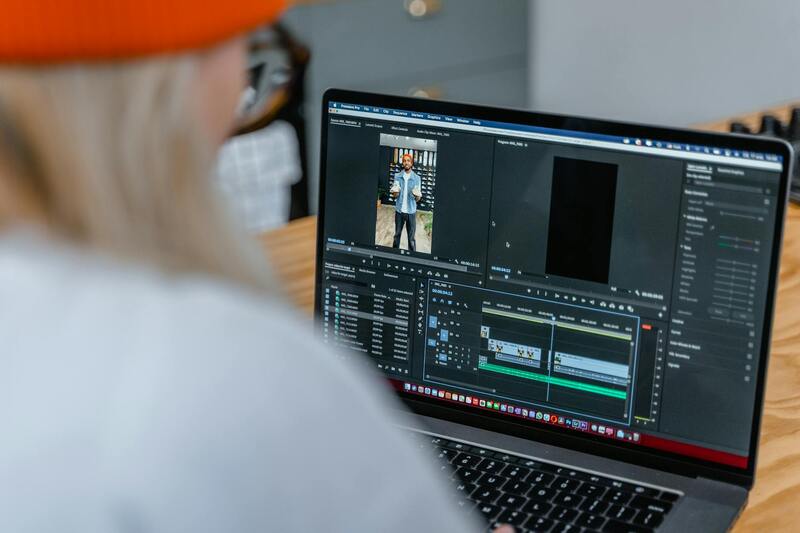
In addition to technological robustness, proper live streaming encompasses comprehensive security measures. This includes encrypted data transmission, secure login credentials for authorized viewers, and controlled access to prevent unauthorized viewing. These mechanisms protect content integrity and uphold the professional reputation of the event organizers. For instance, deploying end-to-end encryption and utilizing secure token authentication are essential practices that ensure the stream remains exclusive to intended audiences.
Official Transmission Channels for Event Live Streaming
Choosing official transmission channels means working with established, recognized service providers that adhere to industry standards and best practices. These providers often offer detailed pre-event consultations, technical rehearsals, and on-site support to optimize broadcast quality. Moreover, they are proficient in multi-platform support, enabling streaming across various social media, websites, and dedicated apps, thereby expanding the event's reach.
Such channels are equipped with state-of-the-art video encoders, multi-bitrate streaming capabilities, and adaptive streaming technology. These features allow viewers to enjoy uninterrupted viewing experiences regardless of their internet speed or device type. The providers' infrastructure is continually updated to incorporate the latest advances in streaming technology, guaranteeing a consistently high standard for your event's digital presentation.
Benefits of Using Reputable Live Streaming Service Providers
- Consistent High-Quality Broadcasts: Access to advanced encoding, storage, and delivery systems ensures clarity and stability at all times.
- Technical Expertise: Experienced professionals manage all production aspects, from setup to the live feed, reducing technical errors.
- Security and Privacy: Implementation of encryption, secure servers, and access controls guarantees content safety and exclusivity.
- Scalability: Infrastructure supports varying audience sizes, from small gatherings to massive international viewerships.
- Integrated Analytics: Detailed post-event insights help organizers evaluate engagement and reach.
Planning for Reliable Live Streaming
Early planning is fundamental in ensuring the success of your live event broadcast. Establishing clear communication with your streaming partner allows for customized solutions tailored to your event’s specific needs, including the type of content, expected audience size, and distribution platforms. Regular technical rehearsals between organizers and technical staff help identify potential issues, refine workflows, and execute contingency plans.
Furthermore, assessing network stability at the event site is crucial. Adequate upload bandwidth, backup internet sources, and on-site technical support contribute to uninterrupted streaming. Optimizing audio-visual equipment setup, lighting, and camera angles also plays a vital role in producing an engaging and professional broadcast.
Choosing the Right Partner for Live Streaming Your Event
The selection process should encompass evaluating the provider’s portfolio, including previous successful projects, client testimonials, and case studies. Confirm that their infrastructure aligns with the scale of your event and that they employ up-to-date, scalable technologies. Establishing a transparent communication channel and comprehensive service agreement help set clear expectations and accountability.
In summary, ensuring the use of official, proven transmission channels paired with reputable live streaming service providers is the cornerstone of delivering high-quality, secure live broadcasts. Such strategic choices enable event organizers to maximize their digital outreach, deliver engaging content, and enhance their reputation in the digital space, ensuring the event’s success is felt both in the physical venue and across online audiences.
Implementing Official Transmission Channels
Ensuring that live streaming for events relies on official transmission channels is essential for maintaining high-quality, reliable broadcasts. These channels are typically provided by reputable content delivery networks (CDNs) and streaming platform providers that have a proven track record of secure and consistent service. Utilizing these trusted pathways minimizes the risk of interruptions, buffering issues, or quality degradation that can occur with illicit or unauthorized streaming sources.

When selecting a live streaming provider, it’s critical to verify that they employ established, reliable protocols such as RTMP (Real-Time Messaging Protocol), HLS (HTTP Live Streaming), or SRT (Secure Reliable Transport). These protocols enable seamless, low-latency data transfer, which is especially vital for live event broadcasts where timing is critical. Additionally, trusted service providers maintain robust infrastructure with redundant servers, ensuring continuous streaming despite unforeseen technical issues or network failures.
Reputable Streaming Service Providers
Partnering with providers who have a well-established reputation in the industry is crucial. These companies typically possess extensive experience in handling various event types, from corporate conferences to concerts, and possess the technical infrastructure to deliver scalable solutions. They often offer end-to-end services, including pre-event testing, real-time monitoring, and post-event analytics, which collectively contribute to a seamless live streaming experience.
Established providers also adhere more strictly to data security standards, safeguarding content against unauthorized access or piracy. They often employ advanced encryption protocols, access controls, and secure servers to protect both the event content and the audience’s data. Choosing such providers ensures that your live stream is transmitted through a legitimate, safeguarded pathway, reinforcing your event's professional standing and reach.
Technical Infrastructure and Network Compatibility
Quality live streaming depends heavily on the network infrastructure at the event site. Reliable, high-bandwidth internet connections, with sufficient upload speeds, are fundamental. Many reputable providers recommend dedicated internet lines to avoid bandwidth sharing that can compromise stream quality. Backup internet sources, such as cellular or satellite connections, are also advisable to ensure uninterrupted transmission in case of primary network failure.
On-site technical support is a critical component of maintaining reliable streams. Experienced technicians can monitor the feed in real time, troubleshoot issues promptly, and coordinate with the streaming provider to resolve unforeseen glitches. Furthermore, proper network equipment configuration, including load balancers and firewalls, optimizes data flow and minimizes latency, which is vital for engaging and synchronized live broadcasts.
Optimizing Audio-Visual Setup
High-quality, official live streaming relies on professional audio-visual equipment and setup protocols. Camera angles, lighting, and sound capture should be coordinated with technical teams to ensure clarity and engagement. High-definition cameras, lapel or shotgun microphones, and proper sound mixing facilitate crisp visuals and audio, which are essential for audience retention and overall production value.
Testing and rehearsals before the event help identify potential issues, refine camera placements, and validate streaming pathways. Reputable service providers often include these preparatory steps as part of their comprehensive packages. Balancing quality with bandwidth efficiency is key—compression codecs like H.264 or H.265 help transmit high-definition content without overburdening network resources.
Maintaining Content Security and Audience Privacy
Using official platforms and transmission channels also supports secure distribution of content. Many live streaming services offer configurations that restrict access to authorized viewers only, through password protection, geo-fencing, or OAuth authentication. Such measures prevent unauthorized viewing or sharing, ensuring that your event reaches its intended audience securely and maintains professional integrity.
It’s imperative to communicate with your streaming provider about security expectations and IP management. Employing encrypted streams and secure servers guarantees the content’s confidentiality, allowing event organizers to focus on delivering engaging, polished broadcasts without concerns over piracy or content leaks.
Understanding Live Streaming for Events
Live streaming services for events have become an integral component of modern event planning, offering an effective way to engage audiences who cannot attend physically. These services enable real-time broadcasting, ensuring that participants across different locations experience the event as if they were present at the venue. High-quality live streams promote inclusivity, expand reach, and create opportunities for interactive engagement with viewers. To ensure a seamless broadcast, organizers must prioritize reliable technology, well-coordinated production elements, and secure transmission methods. The reliance on official streaming platforms and licensed equipment guarantees consistent performance, safeguards content integrity, and supports audience trust.

Advantages of Using Established Live Streaming Services
- High-Definition Quality: Leveraging advanced broadcasting technology ensures crisp visuals and clear audio, essential for audience retention and viewer engagement.
- Bandwidth Management: Professional platforms optimize streaming codecs like H.264 or H.265, balancing high-quality delivery with bandwidth efficiency to prevent buffering issues.
- Security and Control: Established services offer secure transmission options, including password protection, geo-fencing, and encrypted streams, to control access and protect content from unauthorized sharing.
- Technical Support and Reliability: Partnering with reputable providers guarantees dedicated support, redundant servers, and contingency planning to minimize disruptions during live events.
- Audience Analytics and Interaction: Many platforms provide real-time analytics, viewer engagement tools, and interactive features such as live chat or Q&A sessions that enhance the virtual experience.
Implementing Official Live Streaming Methods
To utilize live streaming services effectively, event organizers must adhere to structured, official channels of transmission. This involves encrypting the streams using secure SSL/TLS protocols, employing compliant hardware, and engaging with licensed streaming service providers that offer robust, multi-platform broadcasting capabilities. These services typically include integrations with widely used content delivery networks (CDNs) and streaming protocols like RTMP, SRT, or HLS, which facilitate stable and high-quality transmission across diverse network environments.
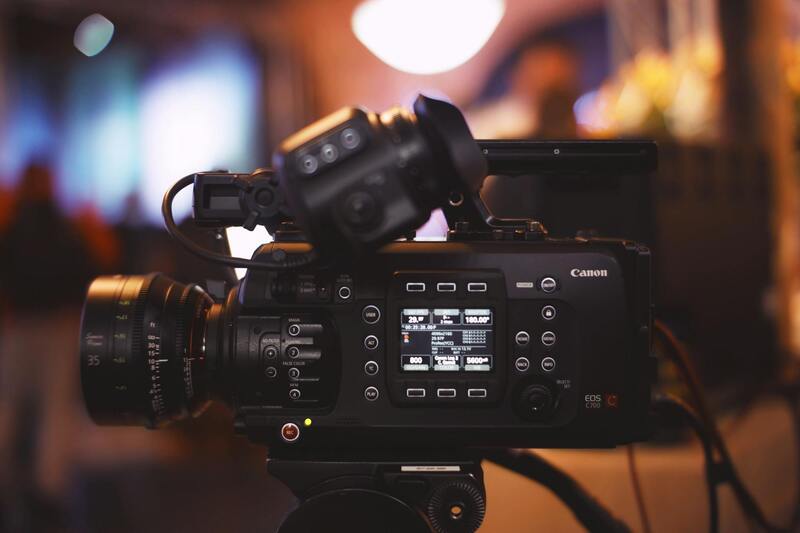
Ensuring Content Security and Privacy
Maintaining the integrity of your event’s broadcast involves employing advanced security measures supported by licensed streaming platforms. These include user authentication, access controls, and data encryption, which limit viewership strictly to authorized individuals. Configurations such as OAuth authentication, geo-fencing, and password-protected streams help prevent unauthorized access, ensuring that the event reaches only intended audiences. Configuring the streaming environment with secure, dedicated servers further mitigates risks, safeguarding proprietary content and sensitive information.
Best Practices for Using Legitimate Live Streaming Solutions
- Partner with Established Providers: Choose vendors with a proven track record, proper licensing, and adherence to industry standards for quality and security.
- Test and Rehearse: Conduct thorough pre-event testing, including network bandwidth checks, camera placements, and audio checks, to identify and resolve technical issues proactively.
- Implement Redundant Systems: Use backup hardware and alternate streaming paths to ensure continuous broadcast in case of hardware failure or connectivity issues.
- Secure Transmission: Utilize encrypted streams and secure transmission protocols to protect intellectual property and prevent unauthorized access.
- Monitor Performance: Continuously track stream metrics and viewer feedback during the event, making real-time adjustments as needed to maintain quality standards.
Understanding Live Streaming for Events
Live streaming has revolutionized the way events are shared with audiences, allowing real-time broadcasting across the globe. The technology involves capturing video and audio content, encoding it into a digital format, and transmitting it via a network to viewers on various devices. This process enables hosts to reach a wider audience without geographical limitations, providing an interactive and immersive experience for viewers. Utilizing licensed and reputable streaming solutions ensures high-quality output, minimal latency, and secure delivery. Event professionals increasingly prefer official streaming methods due to their reliability, advanced security features, and support for complex production needs, including multi-camera setups, graphics, and overlays. As the demand for digital event access grows, understanding the core components and proper execution of live streaming becomes vital for achieving professionalism and engaging viewers effectively.

Types of Live Streaming Events
Live streaming services cater to a broad spectrum of event formats, each requiring specific technical configurations and production styles. Corporate conferences, with their emphasis on keynote speeches, panel discussions, and product showcases, leverage multi-camera streams combined with real-time graphics to enhance viewer engagement. Weddings and social occasions often utilize more intimate setups, focusing on high-quality video capture from multiple angles to recreate the atmosphere for remote attendees. Conferences and trade shows benefit from scalable streaming solutions that support simultaneous sessions, breakouts, and interactive Q&A segments. Artistic performances, including theater and concerts, demand high-fidelity audio and visuals, often supported by professional-grade equipment and optimized bandwidth to ensure minimal delays. Understanding these categories helps in selecting a licensed and suitable live streaming platform capable of fulfilling specific event requirements.

Key Features of Live Streaming Services
- High-Definition Video and Audio: Ensures clarity and crispness, providing viewers with a professional experience.
- Multi-Platform Compatibility: Supports viewing across desktops, tablets, and smartphones, expanding reach.
- Security Protocols: Features like encrypted streams, geo-restrictions, and secure access controls protect content.
- Interactive Capabilities: Live chat, polling, and Q&A functionalities enhance viewer engagement.
- Reliable Connectivity and Redundancy: Backup streaming options safeguard against technical failures during events.
- Custom Branding: Incorporation of logos, graphics, and customized overlays reinforce event branding.
- Scalability: Adjusts to accommodate varying audience sizes without compromising quality.
Choosing a platform with these features ensures the broadcast remains professional, engaging, and secure, reinforcing the event’s reputation and audience satisfaction.
Choosing the Right Live Streaming Platform
Selecting an appropriate licensed live streaming service involves evaluating key factors aligned with your event's scope and goals. First, consider the platform's support for the digital medium, including the ability to host high-definition videos, support multiple video feeds, and facilitate interactive features. Compatibility across devices and operating systems should also be assessed to ensure all viewers have seamless access. Additionally, examine the security features available, such as password protection, geo-restrictions, and encrypted streams, to safeguard your content. Technical support and scalability are crucial, especially for large or complex events, to handle unexpected issues and accommodate audience growth. It's advisable to partner with providers with proven experience in delivering professional-grade broadcasts, equipped with a dedicated support team that can assist with pre-event testing, live troubleshooting, and post-event analytics. By prioritizing these considerations, you ensure the chosen platform provides a smooth, engaging, and risk-mitigated streaming experience.

Ensuring a Secure and Reliable Streaming Experience
When it comes to broadcasting live events, the backbone of a successful stream lies in its security and dependability. Licensed live streaming services employ robust encryption protocols, such as SSL/TLS, to protect content from unauthorized access during transmission. Additionally, features like password protection and geo-restrictions are standard, allowing event organizers to control who can view the broadcast, which is especially important for private or invitation-only events.
Redundancy measures are integral to dependable streaming. This includes utilizing multiple servers or content delivery networks (CDNs) to distribute the stream, thus mitigating disruptions caused by server failures or network issues. These services also offer real-time monitoring, enabling technical teams to identify and resolve problems swiftly, ensuring minimal downtime during critical moments of the event.

Implementing Proper Licensing and Content Management
Legitimate live streaming services require appropriate licensing agreements to guarantee that all content rights are complied with. This ensures that copyright protections are respected and that the stream is authorized for distribution. Content management features offered by these platforms include digital rights management (DRM), watermarking, and content moderation tools. These features help prevent unauthorized redistribution or piracy, maintaining the integrity of the event and protecting intellectual property.
Advantages of Using Official Streaming Methods
- Legal protections for organizers and broadcasters
- Ensured access to updates, security patches, and technical support
- Compliance with content licensing laws and regulations
- Enhanced trustworthiness and professionalism
Utilizing licensed streaming services also provides a framework for compliance with branding and sponsorship agreements, allowing custom overlays and monetization opportunities that adhere to legal standards. This level of control contributes to the overall success of the event by facilitating seamless integration of branding elements and interactive features that foster audience engagement.
Technical Support and Compliance Features
Reliable providers offer comprehensive pre-event testing and on-site support to ensure that all systems are functioning optimally. During the event, dedicated support teams address any technical issues promptly, minimizing the risk of interruptions. Compliance features include detailed logs, user access controls, and experience with various broadcasting standards, enabling organizations to meet legal and operational requirements without complication.

By opting for official methods supported by knowledgeable providers, event organizers ensure that their broadcasts remain secure, compliant, and professionally delivered. This approach not only protects the content but also enhances the experience for viewers, who can enjoy the event without technical difficulties or concerns over content security.
Ensuring Secure and Reliable Live Streaming Methods
For organizations and event organizers aiming to deliver seamless live streaming experiences, selecting established and dependable streaming methods is essential. Utilizing official streaming platforms and services guarantees a high standard of security, stability, and compliance with industry standards. These platforms often come equipped with robust infrastructure designed to handle large audiences and complex content delivery, ensuring that your event runs smoothly without interruptions.
There are several core methods considered best practices for official live streaming. These include:
- Dedicated Streaming Services: Using specialized platforms such as Vimeo Livestream, Eigen, or Brightcove provides tailored solutions for event broadcasting. These services offer customizable interfaces, integrated analytics, and dependable content delivery networks (CDNs).
- Content Delivery Networks (CDNs): Partnering with reputable CDNs like Akamai or Cloudflare ensures your stream is quickly and securely distributed worldwide with minimal latency and buffering.
- Event Management Platforms: Platforms such as Hopin or ON24 integrate event registration with live streaming, offering streamlined workflows that enhance user experience and event control.
- Hardware-Based Solutions: For high-profile or large-scale events, using dedicated streaming hardware—encoders, switchers, and servers—helps maintain high quality and security, especially when integrated with certified streaming services.
Implementing these methods involves ensuring proper account security protocols, such as encrypted transmission, secure access controls, and password protection for restricted streams. Publicly accessible streams should be protected with custom authentication or watermarking techniques to prevent unauthorized redistribution or recording. These measures safeguard the integrity of the broadcast and protect the content from misuse.
Technical configurations, including setting bitrates, resolution, and audio quality, are also vital. Official streaming methods allow precise control of these parameters, which helps in providing a premium viewing experience regardless of the viewer’s device or internet speed. Furthermore, professional-grade streaming platforms often supply comprehensive technical support and pre-event testing, which are critical steps to minimize the potential for technical difficulties during the event.
Monitoring and Troubleshooting During Broadcasts
Operational oversight during the live stream is crucial for immediate issue resolution. Using official streaming services typically includes dashboards and real-time analytics that enable organizers to monitor stream health, viewer engagement, and potential interruptions. Dedicated technical support teams coordinate behind the scenes, ready to address any problems that arise, whether they stem from bandwidth limitations, encoder settings, or content delivery issues.
Finally, post-event analytics provided by these services offer insights into viewer behavior and technical performance, supporting continuous improvement for future broadcasts. This data-driven approach ensures that each live streaming event becomes more refined and reliable over time.