

Understanding Live Video Streaming
Live video streaming has revolutionized the way content is consumed, broadcasted, and shared across various sectors. It involves transmitting real-time video footage over the internet to viewers worldwide, enabling instant interaction and engagement. As technological advancements continue to improve bandwidth and reduce latency, live streaming has become an integral part of business operations, entertainment, education, and community events. The exponential growth of live streaming is particularly evident in sectors like sports, corporate communications, religious services, and event coverage. For Miami-based production agencies, harnessing live streaming enables expanding their reach beyond traditional constraints, providing dynamic and immersive experiences for local and global audiences. High-quality live broadcasts can showcase events such as concerts, conferences, weddings, and community gatherings with professionalism and reliability. Effective live video streaming requires a combination of robust infrastructure, expert management, and strategic planning. Agencies specializing in live streaming services invest in top-tier equipment, including encoders, broadcast servers, and reliable internet connections to ensure seamless transmission. Additionally, real-time monitoring and quality control are essential to manage potential disruptions, such as network instability or hardware failures. Beyond technical aspects, content creators and organizers benefit from the immediacy and interactivity that live streaming offers. Audience engagement tools like live chat, polls, and social media integration foster a participatory environment, elevating viewer experience. For Miami production agencies, offering comprehensive live streaming solutions not only broadens their service offerings but also positions them as leaders in a competitive market. Furthermore, the growth of live streaming coincides with the rise of OTT (over-the-top) platforms, which deliver streaming content directly to viewers via the internet, bypassing traditional cable or satellite channels. This shift underscores the importance of official, well-established streaming methods that prioritize broadcast quality, security, and compliance. In summary, live video streaming represents an evolving landscape of digital communication, with profound implications for diverse industries. Miami production agencies that leverage reputable streaming methods and platforms stand to enhance their service quality, reach, and overall client satisfaction. As technology progresses, the importance of proven, reliable streaming practices will only increase, making it essential for agencies to understand the core principles and opportunities within live video transmission.
Understanding Live Video Streaming
Live video streaming has become an essential component of modern digital communication, enabling real-time content delivery to audiences across multiple platforms and devices. The process involves capturing live footage through high-quality cameras and transmitting it via stable internet connections to viewers worldwide. Ensuring a seamless experience requires integrating advanced encoding technologies, reliable data transmission protocols, and robust content distribution networks. Content creators and event organizers benefit from features like real-time viewer interaction, instant content sharing, and immediate feedback mechanisms, which elevate viewer engagement and participation.
To provide high-quality live streams, professionals often rely on dedicated hardware encoders that convert raw footage into suitable streaming formats, such as H.264 or H.265. These devices offer superior reliability compared to software-based encoders, minimizing latency and ensuring consistent broadcast quality. Additionally, utilizing multi-bitrate streaming protocols allows audiences with varying internet speeds to access content smoothly, adapting resolution and bandwidth dynamically without buffering disruptions. The selection of a secure and scalable Content Delivery Network (CDN) is crucial for delivering content efficiently, especially during high-demand situations or large-scale broadcasts.
Official and Reliable Streaming Methods
Adherence to established protocols and official platforms form the foundation of dependable live streaming operations. RTMP (Real-Time Messaging Protocol) remains a widely used method for transmitting live video content from encoders to streaming servers. From there, streams can be distributed via CDN to end-users. Many professional platforms, such as BoxCast and Castr, provide integrations with third-party encoders and support flexible streaming architectures, ensuring high broadcast quality while maintaining security standards.
- RTMP and SRT (Secure Reliable Transport): Protocols that facilitate high-quality, low-latency transmission from encoding hardware or software to streaming servers.
- Use of Hypertext Transfer Protocol Live (HLS) and MPEG-DASH: Adaptive streaming technologies that optimize delivery based on user bandwidth, enhancing viewing experience across devices.
- Content Security Measures: Implementing encryption, access controls, and authentication processes to protect content against unauthorized access and ensure data integrity.
Furthermore, official streaming services often include features such as customizable branding, monetization options, and detailed analytics. These tools allow streamers to gauge viewer engagement, optimize content delivery, and increase revenue opportunities through advertising or pay-per-view models. Overall, leveraging reputable streaming methods ensures a professional, reliable, and secure broadcast, aligning with industry standards and audience expectations.
Ensuring Compliance with Industry Standards
To maintain the highest broadcast quality, content providers should adhere to best practices outlined by recognized organizations and standards bodies. This includes regular equipment calibration, network performance monitoring, and compliance with data privacy regulations. Additionally, choosing streaming solutions that offer redundancy and failover capabilities helps mitigate disruptions during live events.
It's also advisable to conduct pre-broadcast tests to identify potential issues related to bandwidth, audio-video synchronization, and streaming latency. Implementing a structured workflow with dedicated personnel overseeing the live stream can further enhance the overall quality and professionalism of the broadcast.
Understanding Live Video Streaming
Live video streaming has transformed the way organizations broadcast real-time content to audiences across various sectors, including corporate events, entertainment, education, and community gatherings. Its core function involves transmitting live footage over the internet, enabling viewers to access events in real time from any location with an internet connection. The effectiveness of live streaming hinges on several crucial components: robust infrastructure, reliable transmission protocols, and advanced content delivery networks (CDNs). These elements ensure seamless, high-quality broadcasts, minimize latency, and accommodate large viewer volumes without interruptions.
Delving into the technical side of live video streaming, it generally involves encoding video signals into digital formats, compressing these signals to optimize bandwidth use, and then transmitting them via secure channels to viewers. Encoders—either hardware-based or software-based—play a pivotal role in converting physical camera feeds into streamable digital content. Once encoded, streams are distributed through a CDN, which caches content at geographically dispersed servers, reducing latency and buffering issues.
Essential Technologies Supporting Live Streaming
- Encoding Devices: Hardware encoders or software solutions that convert raw footage into compressed digital streams.
- Content Delivery Networks: Global networks optimized for high-speed content distribution, ensuring efficient delivery regardless of viewer location.
- Streaming Protocols: Protocols like RTMP, HLS, and DASH facilitate streaming compatibility across devices and platforms.
- Authentication and DRM: Security measures including access controls and digital rights management can prevent unauthorized access and protect proprietary content.
Any live streaming system deployed must prioritize stability, scalability, and security. Regular testing before events, coupled with redundancy plans—including backup streams and failover mechanisms—guarantee minimal disruptions during broadcasts. Moreover, integrating data analytics allows content providers to monitor viewer engagement in real time, enabling quick adjustments and strategic insights to optimize future streams.
Official Streaming Methods for Reliable Broadcasts
To ensure a successful live stream, utilizing official, professional-grade streaming services is indispensable. These solutions typically offer comprehensive tools for managing multi-camera setups, incorporating branding elements, enabling audience interaction, and guaranteeing high-quality audio/video output. Unlike informal or third-party tools, official platforms often adhere to industry standards for latency and synchronization, ensuring the viewer experience remains consistent and professional across devices.
In addition to core streaming functionalities, reputable providers deliver valuable features including advanced security protocols, customizable branding options, and detailed analytics dashboards. These features empower organizations to not only broadcast effectively but also to measure and enhance viewer engagement and satisfaction. Adopting established, trustworthy streaming methods ensures that content delivery aligns with operational standards and audience expectations, fostering credibility and professionalism in every broadcast.
Understanding Live Video Streaming
Live video streaming has revolutionized the way organizations, event organizers, and content creators connect with their audiences in real time. It involves transmitting live video footage over the internet to viewers regardless of their geographic location, enabling immediate interaction and engagement. This technology relies on sophisticated streaming protocols, high-capacity servers, and reliable networks to deliver seamless experiences. As viewers increasingly demand high-definition content with minimal latency, choosing the right streaming methods becomes essential for maintaining professionalism and ensuring broadcast stability.
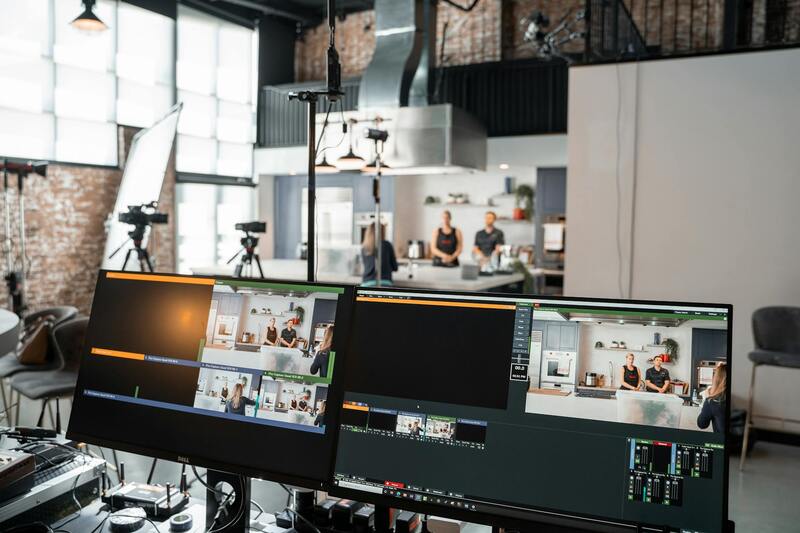
Fundamentals of Live Video Transmission
At its core, live streaming requires capturing video and audio signals, encoding them into digital formats, and transmitting these signals over the internet. The process involves several stages, including content acquisition, encoding, transmission, and playback. To facilitate high-quality streams, organizations utilize dedicated streaming hardware or software encoders compatible with official streaming platforms. The entire workflow must be optimized to minimize latency, prevent buffering, and ensure synchronization between audio and video components.
Why Using Official Streaming Protocols Matters
Official streaming methods leverage established protocols like RTMP (Real-Time Messaging Protocol), SRT (Secure Reliable Transport), or HLS (HTTP Live Streaming). These protocols provide a foundation for stable, secure, and scalable live broadcasts. They ensure that data packets are transmitted efficiently, maintaining consistent quality during network fluctuations. Moreover, adherence to standard protocols enhances compatibility across devices and streaming platforms, delivering a uniform viewer experience. Professional-grade streaming solutions also feature adaptive bitrate streaming, which dynamically adjusts video quality based on viewer bandwidth, reducing latency and buffering issues.
Technical Considerations for Reliable Live Streams
- Bandwidth Capacity: Ensuring sufficient upload bandwidth is crucial. Overestimating requirements helps prevent interruptions during high viewer demand or unexpected network congestion.
- Redundancy and Failover: Implementing backup internet connections and redundant streaming paths guarantees uninterrupted service in case of primary network failures.
- Encoding Quality: Using high-definition encoders with support for professional settings ensures sharp visuals and professional sound quality.
- Security Measures: Employing secure streaming protocols, encrypted streams, and access controls protect content from unauthorized access and piracy.
- Synchronization: Maintaining audio and video sync is essential for a seamless viewing experience, especially when managing multi-camera setups or complex production workflows.
Implementing Professional Streaming Tools
Choosing the right tools from reputable providers simplifies the setup process and enhances production quality. Professional solutions often provide integration with multiple camera feeds, customization options for branding, and features like live chat, polling, or interactive overlays to boost viewer engagement. These platforms also facilitate stream management during live events, allowing operators to monitor performance metrics, adjust encoding settings on the fly, and troubleshoot issues promptly.
Incorporating official streaming methods not only elevates broadcast quality but also reinforces organizational credibility. As audiences become more discerning, the ability to deliver consistent, high-quality live content becomes a key differentiator for event organizers and content providers. By leveraging the right protocols, tools, and infrastructure, organizations can meet rising expectations and foster long-term audience loyalty.
Understanding Live Video Streaming
Live video streaming has become an essential component of modern content delivery, enabling organizations and event organizers to reach audiences in real time across various platforms. It involves capturing live footage, encoding it into digital signals, and distributing it to viewers through the internet. High-quality live streaming provides immediacy and interactivity, making it a favored method for broadcasting sports events, religious services, corporate conferences, and social gatherings. Ensuring the delivery of an uninterrupted, clear, and secure stream requires adherence to specific technical protocols and official delivery channels, which maintain the integrity of the content and uphold professional standards.
Types of Live Streaming Services
- Self-Hosting Solutions: These involve using dedicated servers or cloud infrastructure to manage streaming independently. They often require comprehensive technical expertise but offer customization and control over the entire process.
- Platform-Based Services: Popular platforms such as YouTube Live, Facebook Live, and Vimeo Livestream provide accessible, scalable solutions. They manage encoding, distribution, and viewer management, simplifying the process for users while providing options for monetization and interactivity.
- Enterprise Streaming Services: These are designed for organizations with high demands for security, scalability, and customization. Solutions like Wowza, DaCast, or BoxCast provide professional-grade infrastructure tailored to complex broadcast needs.
Key Features of Live Streaming Platforms
Choosing the appropriate streaming service involves evaluating features that ensure reliability, security, and audience engagement. These essential features include:
- High-Definition Encoding: Supports HD and 4K resolutions with adjustable bitrates, delivering crisp visuals regardless of network conditions.
- Secure Streaming Protocols: Use of protocols such as RTMP, SRT, or HLS with encryption safeguards the content from unauthorized access.
- Multi-Device Compatibility: Platforms should be optimized for viewing across desktops, tablets, and smartphones, ensuring seamless accessibility.
- Interactive Features: Live chat, polls, and overlays foster engagement and real-time interaction with viewers.
- Stream Management Tools: Capabilities for monitoring stream health, managing multiple camera angles, and adjusting encoding settings during live broadcasts are vital for professional production.
- Content Delivery Network Integration: Distributed servers reduce latency and prevent buffering, especially during high-traffic events.
- Analytics and Reporting: Detailed insights into viewer engagement, geographic distribution, and playback statistics help refine future content strategies.

Understanding Live Video Streaming
Live video streaming has revolutionized how content is delivered to viewers across the globe, providing real-time access to events, performances, and information. It involves encoding live video footage, transmitting it over the internet, and decoding it on viewers' devices, ensuring immediate participation with minimal latency. This immediacy enhances engagement and allows broadcast professionals to reach vast audiences simultaneously. The importance of reliable infrastructure and robust platforms in live streaming cannot be overstated, as they directly influence the quality and security of the broadcast. Moreover, advancements in compression algorithms, content delivery networks, and adaptive streaming technologies have made high-definition live streaming accessible to both small organizations and large enterprises. In essence, live streaming bridges the gap between content creators and audiences, enabling dynamic, interactive, and expansive communication channels that adapt to evolving viewer preferences and technological capabilities.

Types of Live Streaming Services
There are several categories of live streaming services, each tailored to specific needs and audiences. These include:
- Self-Hosted Streaming Platforms: These platforms require organizations to manage their own servers and infrastructure, offering maximum control over content and branding. Examples include Wowza Streaming Engine and Red5.
- Cloud-Based Streaming Solutions: Providers like DaCast, Vimeo Livestream, and BoxCast offer scalable, turnkey solutions that minimize setup complexity. These services handle server management, encoding, and distribution, allowing clients to focus on content creation.
- White Label Streaming Platforms: These enable businesses to customize the user interface, branding, and functionalities for a seamless viewer experience. They are often used by media companies and broadcasters aiming to maintain brand consistency.
- Specialized Streaming Services: For niche markets such as sports, religious events, and corporate meetings, platforms often include features like multi-camera support, instant replay, and interactive tools tailored to specific industries.
Understanding the distinctions among these service types helps organizations select the approach that best aligns with their scale, budget, and technical expertise.

Key Factors in Selecting a Streaming Service
Choosing the right platform involves assessing several critical factors:
- Scalability: The capacity to support increasing viewer counts without compromising quality.
- Reliability: Consistent uptime and minimal buffering are essential for professional broadcasts.
- Security: Features like encryption and controlled access protect sensitive content during transmission.
- Ease of Use: Intuitive interfaces for content setup, management, and analytics facilitate smoother operations.
- Cost-Effectiveness: Balancing features with budget considerations ensures optimal value for the investment.
Understanding Live Video Streaming
Live video streaming has revolutionized how content reaches audiences around the globe. Unlike traditional broadcasting methods, live streaming enables real-time video transmission over the internet, fostering direct engagement and immediate interaction. This technology underpins a wide array of applications, from corporate webinars and religious services to sports events and entertainment shows. The core principle involves capturing video content, encoding it into a digital format, and transmitting it via internet infrastructure to viewers' devices, facilitated by specialized streaming platforms that manage the complexities of delivery. As internet speeds and bandwidth capacities increase, so does the quality of live streams, supporting high-definition visuals and multi-camera setups to deliver professional-grade broadcasts. Achieving a seamless viewing experience depends on sophisticated encoding hardware or software, along with robust distribution networks that mitigate latency, buffering, and compatibility issues across various devices and operating systems.

Types of Live Streaming Services
There exists a diverse landscape of live streaming services, each tailored to specific needs and audience sizes. Audience-centric platforms like social media live features facilitate quick, informal broadcasts capable of reaching large numbers with minimal setup. Professional-grade solutions, on the other hand, provide advanced functionalities such as multi-camera support, low latency, and integrated monetization tools, catering to broadcasters, government entities, and corporate producers. Managed streaming services often include comprehensive support, allowing clients to outsource much of the technical workload, ensuring high reliability and security during transmission. White-label platforms enable organizations to customize the entire viewer interface in accordance with their branding, offering a seamless experience for users. Specialized services might focus on niche markets like sports streaming, religious events, or enterprise communication, incorporating industry-specific features to enhance the broadcast quality and viewer engagement.

Key Features of Live Streaming Platforms
Choosing an optimal live streaming platform involves understanding core features that ensure a professional broadcast. These include scalability, enabling support for growing audiences without degradation in quality. Reliability is crucial to maintain consistent uptime and minimize disruptions, providing viewers with a smooth experience across various network conditions. Security measures, like encryption and access controls, help safeguard sensitive content from unauthorized access. Ease of use pertains to intuitive interfaces for content uploading, management, and real-time analytics, empowering producers to operate efficiently. Additionally, integration capabilities, such as compatibility with third-party encoding hardware or social media platforms, facilitate seamless workflows. Cost-effectiveness remains an essential consideration, requiring a balance between functionalities and budget constraints, especially for smaller organizations or local productions.

Popular Platforms and Solutions
Several leading live video streaming platforms cater to a broad spectrum of requirements, delivering reliable, high-quality broadcast solutions. Manufacturers like BoxCast offer comprehensive solutions including web-based control, multi-camera support, and easy integration with existing production equipment. Castr provides a flexible platform supporting multi-platform streaming, monetization options, and custom-branded OTT applications, suitable for broadcasters seeking to expand their reach. These platforms typically incorporate features such as real-time comments, viewer analytics, and adaptive bitrate streaming to optimize quality based on viewers' bandwidth. Many solutions also support cloud transcoding, enabling adaptive delivery depending on device and network conditions, thus ensuring a smooth experience regardless of viewer location or device type.

Integrating Live Streaming in Production Workflows
Effective incorporation of live streaming into production workflows requires careful planning and the right technological setup. Streaming solutions are increasingly integrated into existing broadcast infrastructures, allowing for multi-camera feeds, live switching, and real-time graphics insertion. Using hardware encoders, software solutions, or a combination of both, producers can transmit high-quality signals directly to streaming platforms. Cloud-based workflows offer scalability and flexibility, supporting remote production teams and collaborative editing in real-time. Workflow automation tools further streamline operations by scheduling events, managing multiple streams, and performing automated quality checks. Integrating live streaming with content management systems and social media platforms allows for broader audience engagement, real-time interaction, and instant feedback, creating a dynamic and interactive broadcasting environment.

Monetization and Security for Live Streams
Achieving revenue from live video broadcasts involves deploying monetization features such as pay-per-view, subscription models, and advertising integrations. These options enable content creators and organizations to generate income directly from their streams. Proper security measures are vital to protect premium content and control access. Encapsulation techniques, user authentication systems, and unique access tokens help restrict viewing to authorized audiences. Encrypted streams prevent interception and unauthorized redistribution, preserving the integrity of the content and revenue streams. Additionally, analytics tools provide insights into viewer engagement, helping producers refine their monetization strategies and enhance the overall viewer experience. By combining reliable monetization options with robust security protocols, organizations can optimize the value of their live streaming efforts, ensuring a sustainable and protected digital broadcast environment.
Understanding Live Video Streaming
Live video streaming has revolutionized the way organizations and content creators reach their audiences in real time. This technology involves transmitting live video feeds over the internet, allowing viewers to experience events as they happen, regardless of geographical location. Unlike pre-recorded content, live streaming requires robust infrastructure to ensure smooth, uninterrupted broadcasts. It has become an essential component for various industries, including entertainment, education, corporate events, and religious services, by enabling immediate engagement and interactive communication.

Key aspects of live streaming include real-time video encoding, adaptive bitrate streaming, content delivery networks (CDNs), and user interface considerations. These elements work together to provide high-resolution broadcasts with minimal latency, allowing audiences to participate actively through comments, polling, and other interactive features. Proper planning and execution are vital to handle potential issues such as buffering, signal degradation, or unauthorized access, which can impact viewer satisfaction and the overall success of the stream.
Types of Live Streaming Services
The landscape of live streaming services is diverse, catering to different needs and technical capabilities. Broadly, these categories include:
- Dedicated professional platforms: Designed for high-quality broadcasts with features for multi-camera setups, custom branding, monetization, and security controls. Examples include enterprise-focused solutions that integrate seamlessly into existing workflows.
- Consumer-oriented services: Platforms like Facebook Live, YouTube Live, and Instagram Live that allow quick and easy streaming directly from smartphones or webcams. These are ideal for casual or small-scale events but may have limitations on customization and monetization options.
- Hybrid solutions: Combine elements of professional and consumer services, providing scalable options suited for various event sizes. They often include additional features such as analytics, integrations, and cloud recording capabilities.
- Specialized OTT platforms: Offer multi-platform streaming, app development, and a wider range of monetization tools tailored for broadcasters seeking to reach audiences through branded apps and custom portals.
Key Features of Live Streaming Platforms
Effective live streaming platforms share several core functionalities that ensure smooth operation and audience engagement:
- Adaptive bitrate streaming: Dynamically adjusts video quality based on viewers' network conditions to minimize buffering and latency.
- Multi-platform support: Compatibility with desktops, smartphones, tablets, and smart TVs to maximize reach.
- Security measures: User authentication, encrypted streams, and access controls prevent unauthorized viewing and distribution.
- Interactive tools: Live chat, polls, Q&A, and social media sharing facilitate viewer interaction and foster community engagement.
- Analytics and reporting: Provide insights into viewer behavior, engagement metrics, and stream quality, aiding content strategies and technical improvements.
- Scalability and reliability: Support for large audiences and uninterrupted delivery, even during peak traffic periods, through robust infrastructure like CDNs.
Popular Platforms and Solutions
Several platforms stand out in the live streaming ecosystem due to their features, ease of use, and integrations. Noteworthy options include:
- StreamAny: Offers high-definition live streaming with built-in tools for monetization and secure access control, suitable for enterprise-level broadcasting.
- StreamHub: Known for its user-friendly interface, multi-platform distribution, and analytics dashboard, ideal for marketing events and webinars.
- LiveVision: Specializes in high-quality, low-latency streaming tailored for sports and entertainment industries, with customizable branding and monetization features.
- Custom OTT Platforms: Enables organizations to develop branded streaming apps with unique features, integrated payment gateways, and tailored content delivery.

Integrating Live Streaming in Production Workflows
Seamless integration of live streaming into existing production workflows often involves multiple components, including hardware encoders, software mixers, and content management systems. Video sources such as professional cameras or IP cameras feed into encoders that compress and optimize streams for transmission. These feeds are then processed through switching and graphic overlays in production control rooms or remotely via software controllers. Post-production workflows may include live editing, transcoding, and adaptive streaming preparations to ensure quality across different delivery platforms.
Advanced integrations enable real-time monitoring, automated quality checks, and synchronization with other media assets. Connecting streaming platforms with content management systems ensures cataloging, scheduling, and archiving of live sessions, facilitating on-demand access after broadcasts. Furthermore, incorporating social media APIs allows for interactive broadcasts that expand engagement and reach through integrated chat feeds and social sharing functionalities.
Monetization and Security for Live Streams
Revenue generation from live video streams can be achieved through various monetization channels such as pay-per-view, subscription models, and advertisement placement. These methods require reliable setup to track engagement and manage payments efficiently. Implementing secure access controls—such as token-based authentication, encrypted streams, and geo-restrictions—helps protect premium content and manage audience rights effectively.
Security features like digital rights management (DRM), secure token authentication, and watermarking further safeguard content from unauthorized redistribution. These measures are complemented by analytics tools that monitor viewer activity, aiding in refining monetization strategies and enhancing audience targeting. Combined, these approaches facilitate a sustainable, protected streaming environment that aligns revenue goals with content security.