

Understanding Event Live Streaming Services
Event live streaming services have revolutionized how organizations, businesses, and communities share their moments with audiences worldwide. These services enable real-time broadcasting of live events, allowing viewers to participate virtually from anywhere in the globe. As digital connectivity continues to improve, live streaming has become an indispensable component of modern event planning, providing a dynamic platform for both engagement and outreach.
The core function of an event live streaming service is to transmit high-quality audio and video feeds to online viewers in real time. This process involves capturing footage using professional cameras, encoding the stream through advanced software or hardware solutions, and distributing the content over a reliable internet infrastructure. The goal is to deliver a seamless, synchronized viewing experience that emulates being physically present at the event.

Such services are crucial for a variety of events — corporate conferences, award presentations, educational seminars, religious gatherings, and live performances, among others. They expand the reach of an event, increase accessibility to wider audiences, and foster real-time interaction through features like live chat, Q&A sessions, and social media integration.
Key features that make live streaming services essential include scalable broadcast capabilities, robust cloud infrastructure, high-definition video output, reliable internet encoding and delivery, security protocols to protect content, and versatile platform compatibility. These elements ensure the event remains professional, engaging, and accessible, regardless of geographical or technical limitations.
As technology advances, live streaming platforms continuously improve, offering adaptive bitrate streaming for varying internet speeds, multi-camera feeds for dynamic presentation, and integrated analytics for post-event insights. This combination of features supports a richer, more interactive experience and provides organizations with valuable data about viewer engagement and reach.
Choosing a comprehensive live streaming service involves evaluating these features alongside your event's specific needs, anticipated audience size, technical capacity, and budget considerations. The right service partner will enable you to broadcast professionally, ensuring your event’s success resonates both online and in-person.
Understanding Event Live Streaming Services
Event live streaming services have become an integral component of contemporary event management, enabling organizations to broadcast their events to a global audience in real time. These services facilitate seamless delivery of high-definition video and audio, ensuring that viewers experience the event as if they were physically present. Beyond simply transmitting footage, professional live streaming providers offer a suite of features designed to enhance engagement, security, and accessibility.
Choosing an appropriate event live streaming service involves understanding the key components that contribute to a successful broadcast. These include a reliable cloud-based infrastructure that supports scalable streaming, multi-platform compatibility for wider reach, and advanced encoding systems that adapt to varying internet speeds. Secure content transmission protocols are also critical, safeguarding the footage against unauthorized access or piracy. High-resolution output, such as 1080p or 4K, guarantees that visual quality remains sharp and engaging, even on larger screens.
Moreover, well-designed live streaming services incorporate features like multi-camera feeds, allowing producers to switch between different angles and perspectives in real time. This creates a dynamic viewing experience that can rival traditional television broadcasts. Interactive elements such as live chat, Q&A sessions, and social media integration enable real-time audience participation, fostering a sense of community and engagement during the event.
Another critical aspect is the ability to quickly adapt to technical issues or audience feedback. Experienced streaming service providers employ dedicated support teams and redundant systems to prevent interruptions, ensuring that the event proceeds smoothly regardless of potential disruptions. Integration with content management systems and analytics tools further allows organizers to track viewer engagement, measure reach, and gather actionable data post-event.
When selecting an event live streaming service, it is essential to evaluate the provider's technical expertise, track record with similar events, and available technological enhancements. Professional services often include pre-event testing, on-site technical support, and post-event analysis. These comprehensive solutions help deliver a polished, professional experience that meets organizational objectives and audience expectations.
Furthermore, platforms that support hybrid and virtual event setups provide additional flexibility. They enable live streams to be embedded into websites, social media, or dedicated event platforms, allowing broader accessibility. With the rise of virtual interactions and remote participation, choosing a service that offers versatile streaming options is increasingly important for the success of any event.
Official and Legitimate Methods for Event Live Streaming
In the landscape of event live streaming, leveraging official and recognized channels is essential to ensure a smooth, reliable, and high-quality broadcast. These methods include utilizing reputable streaming platforms, partnering with professional service providers, and employing hardware and software solutions that adhere to industry standards. Relying on trustworthy channels not only guarantees optimal performance but also safeguards your event's reputation and viewer experience.
Utilizing Reputable Streaming Platforms
Leading streaming platforms such as Vimeo, YouTube Live, Facebook Live, and Twitch are popular choices for official event broadcasting. These platforms offer robust infrastructure, scalability, and extensive support for high-definition streaming. They also provide built-in features for audience interaction, analytics, and monetization, making them suitable for a wide range of events from corporate conferences to live performances. When selecting a platform, consider factors like security, customization options, and integration capabilities to align with your event’s goals.
Partnering with Professional Live Streaming Service Providers
Engaging with experienced service providers, such as Miami Event Videography, ensures access to comprehensive solutions that encompass technical expertise, state-of-the-art equipment, and dedicated support. These providers often offer end-to-end services, including pre-event testing, onsite technical assistance, and post-event analysis. Their familiarity with multiple broadcasting protocols guarantees a resilient stream, minimizing disruptions and maximizing viewer satisfaction. Professional providers can customize the streaming experience, embedding your content into websites or social media platforms, while also implementing security measures to protect your stream from unauthorized access.
Using Certified Hardware and Software Solutions
Official live streaming is also built on certified hardware and software solutions designed for broadcasting. This includes high-definition cameras, encoders, switching equipment, and streaming engines that comply with technological standards. Advanced encoding devices, such as hardware encoders from trusted manufacturers, provide consistent video quality and low latency, even during high-traffic events. Software solutions, including OBS Studio or vMix, are used in conjunction with streaming services to produce professional-grade broadcasts with overlays, multiple camera angles, and real-time graphics. Fixing technical issues swiftly is facilitated through redundant systems and backup protocols, making sure your event remains uninterrupted.
Implementing Secure Streaming Protocols
Security is a critical aspect of legitimate live streaming. Utilizing encrypted protocols like HTTPS and RTMPS ensures the protection of your content from unauthorized access and cyber threats. Certified streaming platforms and service providers incorporate security measures such as digital rights management (DRM), access controls, and watermarking to maintain content integrity. These measures also prevent piracy and unauthorized redistribution, maintaining your brand’s professionalism and respectability in the broadcasting process.
Adopting a Multi-Channel Approach
Employing multiple official streams across various channels can maximize your event’s reach. Multistreaming to platforms like YouTube, Facebook, and dedicated event sites simultaneously enables broader audience engagement. It also provides redundancy in case one platform encounters technical difficulties. Coordinating these streams through reliable, licensed multistreaming tools empowers event organizers to analyze viewership in real time, adapt content delivery, and optimize audience engagement across all channels.
Ensuring Access to Official Streaming Methods
For any event organizer aiming to deliver a professional and seamless live streaming experience, employing official streaming methods remains the cornerstone of success. Legitimate event live streaming services utilize secure, authorized platforms that comply with industry standards and best practices. This approach not only guarantees high-quality transmission but also provides assurances regarding content protection and reliability. When selecting a live streaming partner, it's crucial to verify that they operate through established channels such as certified CDN (Content Delivery Network) providers, reputable streaming platforms, and licensed multistreaming tools. These entities possess the infrastructure to handle large audiences without interruption and are bound by contractual obligations to comply with optimal data security measures, ensuring your content remains unaltered and accessible solely to intended viewers.
Maintaining Content Integrity and Security
Choosing official methods for live streaming also entails leveraging encrypted streaming protocols such as HTTPS, RTMPS, or HLS. These protocols safeguard your broadcast against interception by unauthorized entities, protecting sensitive content from potential breaches. Additionally, employing digital rights management (DRM) and watermarking technology prevents piracy and unauthorized redistribution, which can tarnish your brand’s reputation. Content protection tools integrated into legitimate streaming solutions allow event organizers to control access, set password protections, and restrict viewing to registered users or specific geographic regions. These measures not only uphold content integrity but also enhance the audience's trust and confidence in your event's professionalism.
Utilizing Concurrent Multichannel Distribution
Official streaming methods also support multichannel distribution strategies. By deploying multistreaming technology, organizers can broadcast your event across multiple platforms simultaneously, such as YouTube, Facebook, or dedicated event portals. This multiplatform approach broadens your reach and engages diverse audiences while providing fallback options in case one channel experiences an issue. Streaming through licensed multistreaming services often includes detailed analytics, enabling you to monitor viewer engagement, geographic distribution, and streaming quality metrics in real-time. These insights facilitate on-the-fly adjustments to your content delivery and foster data-driven decision making, ensuring each event maximizes its outreach potential.
Ensuring Technical Support and Compliance
Legitimate streaming providers typically offer comprehensive technical support during the event, assisting with setup, troubleshooting, and real-time monitoring. This support minimizes technical glitches and guarantees uninterrupted viewing experiences for your audience. Moreover, compliance with industry standards and licensing agreements is inherently maintained when using official methods, shielding your organization from potential legal complications and fostering a reputation for professionalism. Many certified providers also adhere to accessibility standards, offering features such as closed captioning and multilingual support, broadening your event’s inclusivity and adhering to best practice standards for digital broadcasting.
Importance of Reliable Equipment and Infrastructure
Implementing official streaming channels necessitates the use of high-quality AV equipment, robust internet connectivity, and backup systems. For large-scale events, redundant internet connections, backup power supplies, and failover protocols ensure continuity even in the face of unforeseen technical failures. Leveraging off-the-shelf, licensed hardware and software solutions, coupled with experienced technical teams, guarantees that your live event maintains a high standard of production quality. When coupled with official streaming procedures, these resources deliver a polished viewing experience that reflects well on your organization, enhances viewer retention, and promotes future event participation.
Ensuring Compliance with Industry Standards and Licensing
Utilizing official and legitimate methods for event live streaming ensures that your content adheres to all relevant industry standards and licensing agreements. This approach not only safeguards your organization from potential disruptions but also guarantees that your broadcast respects intellectual property rights and content distribution regulations. Licensed streaming solutions incorporate rights management features, allowing you to control access levels, prevent unauthorized sharing, and maintain the integrity of your content. Furthermore, approved streaming providers often maintain compliance with accessibility standards, making your live event available to a broader audience, including individuals with disabilities. These compliance measures demonstrate your commitment to professionalism and inclusivity, enhancing your organization’s reputation and fostering trust among your viewers.
Official Platforms and Tools for Streaming
Choosing official platforms and tools for live streaming guarantees an optimized broadcast experience, supported by industry-leading technology and dedicated technical assistance. Popular options include proprietary streaming services provided by established technology companies, alongside well-regarded broadcast software and hardware solutions. These platforms typically offer integrated features such as security protocols, audience analytics, and real-time moderation capabilities, which are essential for managing large-scale or complex virtual events. When opting for official systems, organizations can also leverage extensive technical support, ensuring that the live stream proceeds smoothly from setup through to broadcast completion. Moreover, official tools often come with comprehensive updates and security patches, reducing vulnerability to interruptions caused by technical failures or cyber threats.
High-Quality Equipment and Infrastructure
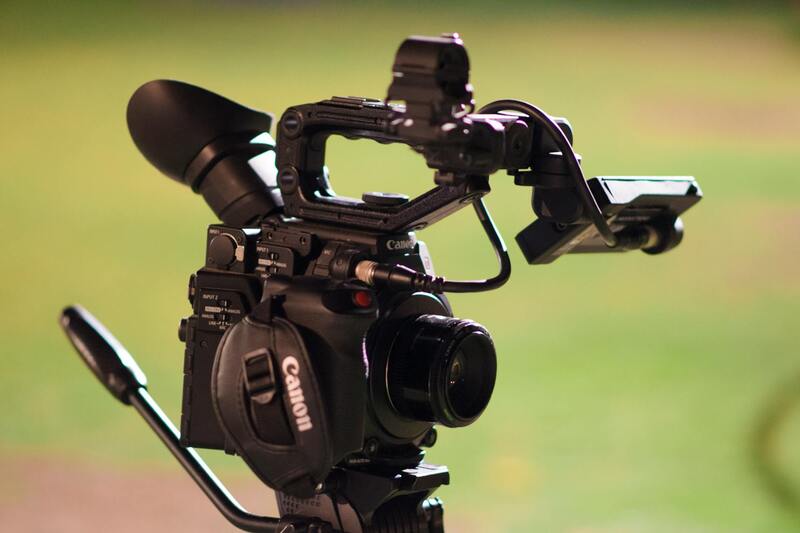
The foundation of a successful, official live stream lies in employing high-quality AV equipment, reliable internet connectivity, and strategic backup systems. Professional-grade cameras, microphones, and encoding hardware ensure that both audio and video are captured and transmitted with clarity and precision. Pairing this with robust internet infrastructure—preferably with redundant connections and load balancing—minimizes the risk of stream interruptions. For large or high-profile events, backup power supplies and failover protocols are essential to maintain a continuous broadcast. These measures, combined with licensed hardware and software, deliver a professional production quality that reflects positively on your organization. Properly configured equipment not only enhances viewing experiences but also simplifies troubleshooting, should issues arise, enabling quick resolutions and maintaining viewer engagement throughout the event.
Implementing Best Practices for Seamless Live Streaming
To maximize the potential of your official live streaming methods, it’s crucial to follow best practices across all stages of production. This includes meticulous planning, such as testing all equipment beforehand and confirming network stability. Adequate preparation ensures that you're ready to address unforeseen challenges swiftly. During the broadcast, continuous monitoring of stream quality, bandwidth, and viewer engagement metrics allows for real-time adjustments, maintaining a professional standard throughout. Employing multiple camera angles and high-quality audio feeds enhances viewer immersion, making the virtual experience more engaging. Additionally, pre-recorded content or backup streams can serve as contingencies, providing flexibility if live segments encounter difficulties. Training your technical team on the latest streaming protocols and leveraging official support ensures that any technical issues are managed efficiently, minimizing disruptions and preserving the integrity of the event.
Understanding Event Live Streaming Services
Event live streaming services have revolutionized the way organizations reach and engage their audiences. By broadcasting events in real-time over the internet, these services enable organizations to extend their reach beyond physical boundaries, delivering content directly to viewers’ devices regardless of location. High-quality live streaming ensures that remote attendees experience the event with clarity and professionalism, which is essential for maintaining credibility and engagement. Utilizing official and reputable live streaming services guarantees reliable transmission, superior audiovisual quality, and technical support that upholds your event’s integrity. When choosing a service, it’s vital to consider factors such as bandwidth capacity, compatibility with various devices, and the availability of features like multi-camera feeds, live chat, and interactive overlays. These elements contribute to a seamless virtual experience and help prevent disruptions or buffering issues that can detract from the event’s overall quality.
Types of Live Streaming Platforms
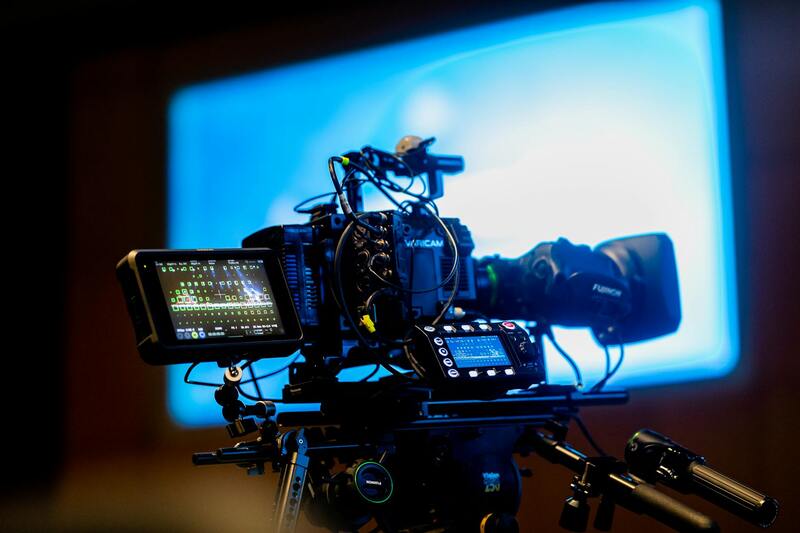
There exists a variety of platforms tailored to different types of events and audiences. Official live streaming services often leverage dedicated broadcast platforms designed specifically for events such as conferences, concerts, or corporate meetings. These platforms include detailed controls for organizers, enabling them to manage multiple camera angles, overlay graphics, and incorporate real-time interactions. Popular professional platforms are integrated with enterprise capabilities, ensuring data security and audience analytics. On the other hand, some organizations prefer using global streaming giants that offer straightforward solutions suitable for simple broadcasts or one-way communication. It’s crucial to select a platform that aligns with your event’s scale, complexity, and targeted viewer experience. When opting for official methods, always prioritize platforms that provide robust security measures, compliance with industry standards, and dedicated customer support to facilitate smooth operations during your event.

Key Features to Consider When Choosing a Service
- Reliability and Uptime: Critical for uninterrupted streams, especially during high-profile events.
- Adaptive Bitrate Streaming: Ensures smooth playback across devices and bandwidth conditions.
- Multiple Camera Support: Enhances visual engagement through varied angles and perspectives.
- Interactive Features: Live chat, Q&A, polling, and social media integration improve viewer interaction.
- Security Measures: Password protection, encryption, and access control prevent unauthorized viewing.
- Analytics and Reporting: Provides insights into viewer engagement, geographic distribution, and device usage.
- Technical Support: Dedicated assistance during the event minimizes technical disruptions.
Step-by-Step Guide to Planning Your Live Stream
- Define Objectives: Clarify whether the goal is education, promotion, or engagement.
- Select the Right Platform: Based on your event size, audience, and features needed.
- Prepare Content and Equipment: Confirm audiovisual requirements and test all hardware/software in advance.
- Coordinate with Your Technical Team: Ensure all personnel are trained on the chosen platform and protocols.
- Promote the Event: Use official channels and marketing strategies to reach your target audience.
- Conduct a Test Run: Simulate the live event to troubleshoot potential issues and confirm stream quality.
- Go Live: Monitor stream performance constantly and be prepared to adjust as needed.
- Post-Event Engagement: Share recordings, gather feedback, and analyze performance metrics for future improvements.

Understanding Event Live Streaming Services
Event live streaming services have become essential for organizations aiming to extend their reach and enhance engagement during events of all sizes. These services enable real-time broadcast of live events, providing viewers with a seamless, high-quality experience regardless of their location. To achieve optimal results, it is crucial to understand the core elements of professional live streaming, including content delivery, technical setup, and viewer interaction. Live streaming transforms a traditional event into an immersive experience that can attract wider audiences, generate immediate feedback, and foster ongoing engagement beyond the event’s physical boundaries.

Choosing the right live streaming service involves assessing service provider capabilities, technical expertise, and the level of customization offered. When executed properly, it can enhance brand visibility, improve attendee satisfaction, and deliver measurable results such as increased participation and engagement metrics. The official and reputable providers utilize advanced hardware and software solutions, including HD video cameras, professional lighting, encoders, and reliable content delivery networks, to ensure a smooth streaming experience. Furthermore, many services offer additional features such as multiple camera angles, real-time graphics, and interactive tools that boost viewer involvement and increase the overall production value. As live streaming technology continues evolving, features like adaptive bitrate streaming, cloud-based production, and integration with social media platforms play a pivotal role in elevating the quality and reach of broadcasted events.

Advantages of Choosing a Reputable Event Live Streaming Service
- Consistent High-Quality Video & Audio: Professional equipment and skilled operators ensure crisp imagery and clear sound, even under challenging conditions.
- Scalability and Flexibility: Reliable services cater to events of varying sizes, from intimate gatherings to large conferences, with options for on-demand recording.
- Technical Support and Troubleshooting: Dedicated technical teams provide real-time assistance, swiftly resolving any issues that may arise during the broadcast.
- Enhanced Viewer Interaction: Features such as live chat, polling, and Q&A sessions foster active participation and community building.
- Comprehensive Analytics and Reporting: Post-event insights help organizers evaluate engagement levels, popular content segments, and geographic reach.
Paid Versus Free Live Streaming Platforms
While free platforms like social media live streams offer convenience and wide dissemination, they often come with limitations in video quality, customization, and control over the content. Paid streaming services, however, provide dedicated servers, higher bandwidth, and premium features that significantly improve the viewing experience. Authorized service providers employ robust security measures to protect content and restrict access to authorized audiences, which is especially important for corporate and private events. Additionally, professional services often include a tailored approach, with pre-event planning, content management, and post-event analytics, ensuring a comprehensive and professional broadcast. Relying on licensed, official streaming solutions helps organizations adhere to best practices and produce reliable, high-impact live events without interruptions or compromises.
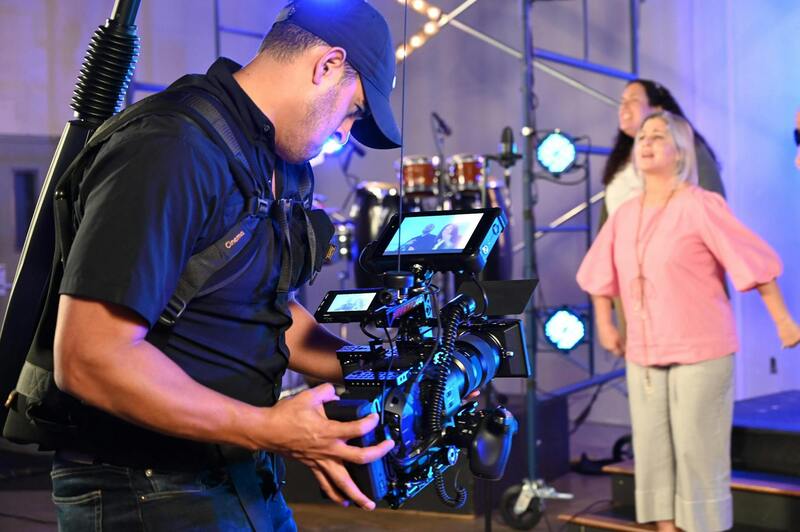
Ultimately, selecting an appropriate event live streaming service depends on your specific event needs, audience size, and desired level of production quality. Partnering with experienced providers guarantees access to advanced technology, professional support, and legal compliance, which are critical components for a successful live broadcast. As live streaming becomes an integral facet of modern event planning, investing in accredited solutions not only elevates your event’s profile but also ensures a seamless experience that leaves a lasting impression on your viewers.
Understanding Event Live Streaming Services
Event live streaming services have revolutionized how organizers connect with their audiences, offering real-time broadcast capabilities that transcend geographic boundaries. These services enable event hosts to deliver live content to viewers in multiple locations simultaneously, ensuring an engaging and interactive experience. The core of a successful event streaming relies on advanced technology, robust infrastructure, and professional execution. Providers specializing in this field offer tailored solutions that include high-definition video transmission, synchronized audio, and seamless integration with various platforms. Leveraging official streaming services ensures reliability, content protection, and compliance with industry standards, making them an essential component of modern event planning.
Types of Live Streaming Platforms
Live streaming platforms vary widely, each suited to different event requirements. Professional-grade services often operate through dedicated servers and content delivery networks (CDNs), which guarantee high bandwidth and minimal latency. These platforms support features like multi-camera switching, real-time graphics, interactive chat, and audience analytics. Some services are designed for specific types of events, such as corporate conferences, concerts, or webinars, offering specialized tools to enhance the viewing experience. On the other hand, there are more accessible platforms that cater to smaller or informal events, providing user-friendly interfaces but with less customization and technical support. Selecting a legitimate platform aligned with your event's scale and objectives is crucial for delivering a polished, high-quality broadcast.
Key Features to Consider When Choosing a Service
- Video and audio quality: Ensure the platform supports HD or 4K video streams and delivers crisp audio to maintain audience engagement.
- Reliability and uptime: Look for providers with a proven track record of minimal downtime and uninterrupted streaming capabilities.
- Security measures: Content encryption, access controls, and secure login options safeguard your broadcast against unauthorized viewing.
- Customization options: Features such as branded player interfaces, interactive tools, and real-time chat enhance viewer interaction and event branding.
- Platform compatibility: Confirm the service seamlessly integrates with popular event platforms, website embeds, and social media channels.
- Support and technical assistance: Access to professional support before, during, and after the event ensures smooth operation and quick resolution of any issues.
Step-by-Step Guide to Planning Your Live Stream
- Define your objectives: Clarify the purpose of the event, target audience, and key messages to tailor your streaming approach.
- Select the right platform: Choose an official, feature-rich streaming service that aligns with your event requirements and audience size.
- Develop a content plan: Schedule segments, presentations, or performances, and determine the technical needs for each part.
- Arrange technical equipment: Invest in or rent high-quality cameras, microphones, and encoding hardware to ensure optimal video and audio capture.
- Coordinate with a professional team: Engage experienced AV technicians or streaming specialists to handle setup, testing, and live operation.
- Promote your event: Use official channels and marketing strategies to maximize audience reach and awareness about the live broadcast.
- Conduct rehearsals: Run thorough test sessions to troubleshoot potential issues and familiarize your team with the platform interface.
- Go live with confidence: Launch the stream, monitor the broadcast continuously, and engage with your audience through chat or polls.
- Post-event analysis: Review viewer metrics, gather feedback, and compile reports to evaluate success and inform future streaming initiatives.
Best Practices for Producing High-Quality Live Streams
Producing a successful live event stream requires meticulous planning and attention to detail. Consistently high-quality streams are achieved through proper equipment, skilled operators, and strategic execution. It’s vital to use professional-grade cameras that provide clear, high-resolution footage and microphones that capture crisp audio across different environments. Reliable internet connections with sufficient bandwidth are non-negotiable to prevent buffering and disconnects. Implementing redundancies, such as backup internet feeds and portable power supplies, minimizes risk during live transmission. Employing a dedicated technical crew to manage encoding, switching, and troubleshooting ensures smooth delivery. Additionally, employing a dedicated producer to oversee content flow, timing, and audience interaction helps maintain professionalism and engagement throughout the event.
Incorporating interactive features, such as live chat, Q&A sessions, and real-time polls, can significantly enhance viewer engagement. Post-event, providing recorded content and analytics reports allows organizers to measure impact and optimize future broadcasts. Properly managing all these components ensures the delivery of a cohesive, engaging, and visually appealing broadcast that resonates with your remote audience and elevates your event’s profile.