

Overview of Live Event Broadcast Companies
Live event broadcast companies play a pivotal role in transforming traditional gatherings into dynamic digital experiences. Their core responsibilities include capturing high-quality video and audio content, streaming live footage to audiences across various platforms, and ensuring seamless delivery of content to viewers regardless of their location. These companies leverage a combination of advanced technology, skilled personnel, and strategic planning to provide real-time broadcasting services that meet the specific needs of diverse events, from corporate conferences to entertainment festivals.
In the vibrant city of Miami, where cultural and business events flourish, the significance of professional live event broadcast companies cannot be overstated. They enable organizers to extend their reach beyond physical venues, offering virtual participation options that enhance audience engagement and brand visibility. This accessibility not only increases event impression but also boosts revenue potential through wider attendance and sponsorship opportunities.
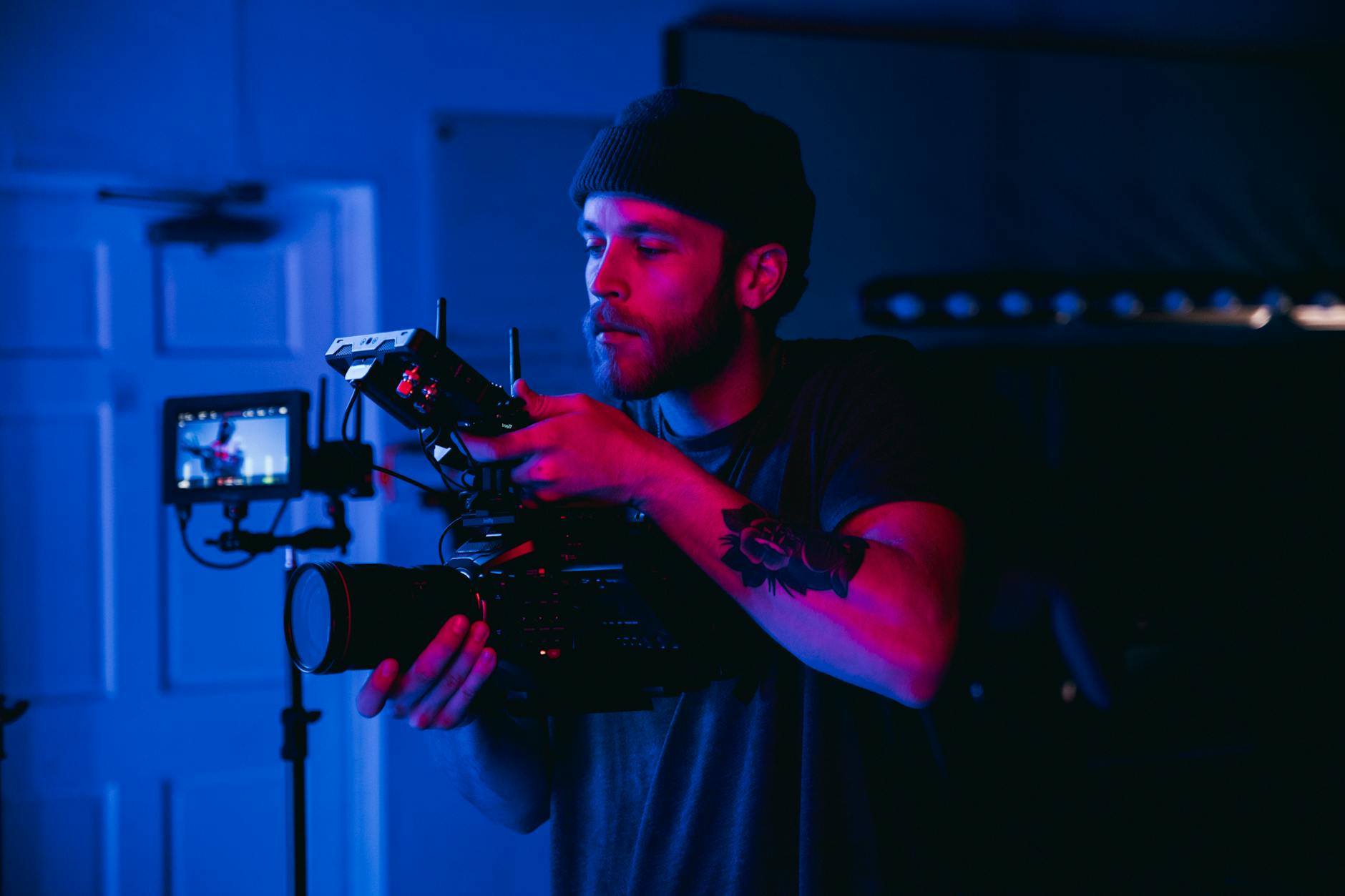
Live event broadcasters specialize in producing flawless video streams that are reliable and visually compelling. Their services encompass pre-event planning, onsite setup, live production, streaming, and post-event analytics. As an essential element of contemporary event management, they support a variety of formats including hybrid, virtual, and fully virtual events, ultimately fostering real-time interaction and broadening audience reach.
Moreover, these companies are equipped to handle large-scale events, such as international conferences or city festivals, where the demand for uninterrupted broadcast quality is critical. Employing cutting-edge equipment and integrating the latest streaming protocols, they ensure that every frame transmitted is clear and consistent, thus delivering an immersive viewing experience. This proficiency is particularly valuable in Miami’s diverse event landscape, where high standards and technological excellence are expected.
Ultimately, choosing a renowned live event broadcast company is a strategic decision that influences an event’s success. From comprehensive coverage to technical support and audience engagement strategies, these professionals make sure that the essence and excitement of an event are effectively conveyed across digital channels. For Miami-based organizations, partnering with reputable live broadcast firms means tapping into a network of expertise that aligns with modern expectations for quality, reliability, and innovation.
Overview of Live Event Broadcast Companies
In the dynamic landscape of event management, live event broadcast companies play a pivotal role in transforming in-person gatherings into engaging digital experiences. These companies specialize in delivering high-quality live streams that enable audiences to participate remotely, expanding reach and enhancing overall engagement. Their expertise spans comprehensive pre-event planning, precise onsite setup, seamless live production, and post-event analysis, ensuring every aspect of the broadcast aligns with the event's objectives.
Miami, with its vibrant cultural scene and diverse corporate sector, benefits significantly from partnering with proficient live broadcast firms. These entities employ the latest technology and streaming protocols to guarantee that visuals and audio are crystal clear, free of lag, and adaptable to various devices and bandwidths. This level of professionalism ensures that virtual attendees experience the energy and atmosphere of physical events in real-time, whether they are conferences, concerts, festivals, or corporate meetings.
The importance of these services is underscored by their ability to support hybrid formats—integrating both physical and virtual elements—allowing organizers to maximize audience participation while maintaining high production standards. For Miami-based organizations, the decision to collaborate with experienced live event broadcast companies translates into smoother execution, enhanced brand visibility, and the capacity to attract a broader demographic.
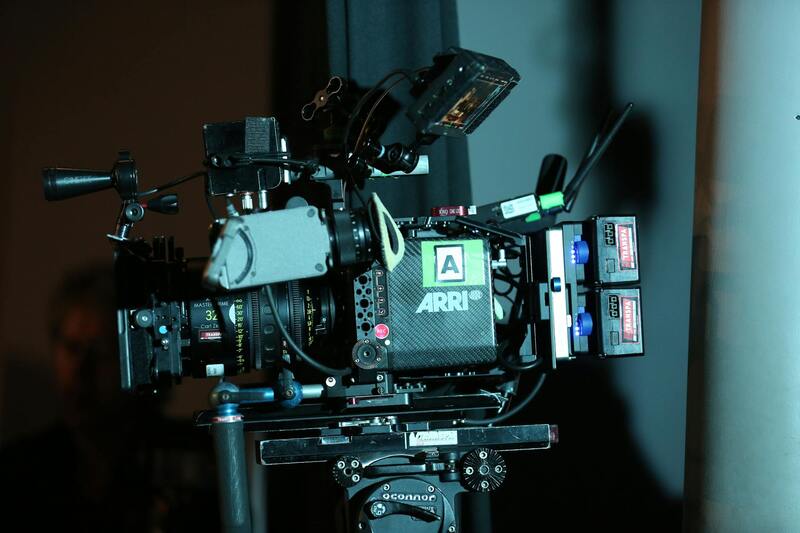
Moreover, these companies are equipped to handle large-scale international events, city festivals, and intricate conference setups, where reliability and visual fidelity are critical. By employing state-of-the-art equipment—including multi-camera rigs, professional switchers, and streaming servers—they ensure a consistently immersive viewing experience for remote audiences. The integration of advanced streaming protocols, such as RTMP, HLS, and MPEG-DASH, further enhances compatibility and stability across different viewing platforms, from smartphones to large screens.
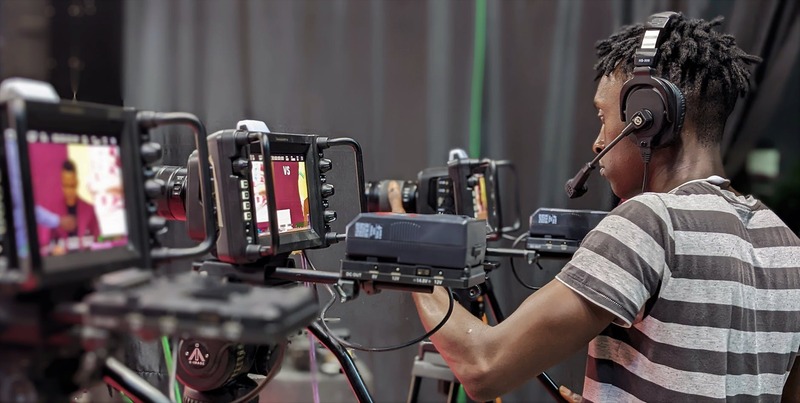
Choosing a reputable live event broadcast company in Miami involves evaluating various factors, including their technical proficiency, range of services, and experiences with similar events. Clients should verify the company’s portfolio and seek testimonials that highlight successful past projects. Effective communication and flexibility in tailoring solutions to specific event needs are also essential, given the complexity and unique requirements of each occasion. In essence, collaborations with established live broadcast firms empower event organizers to deliver compelling, visually stunning, and technically flawless streams. As digital engagement continues to grow, the role of these companies becomes ever more central in ensuring memorable, impactful events that reach audiences beyond physical venues and geographical boundaries.
Overview of Live Event Broadcast Companies
Live event broadcast companies serve as the backbone of modern event coverage, specializing in delivering high-quality live streams that reach audiences across multiple platforms and devices. These companies employ a combination of skilled technicians, state-of-the-art equipment, and cutting-edge technology to transform physical events into engaging digital experiences. Whether it’s a corporate conference, a music festival, or a large-scale public gathering, live broadcast companies ensure seamless streaming with minimal downtime and maximum clarity. Their expertise spans from pre-production planning to on-site execution and post-event analytics, making them comprehensive partners in event dissemination.
Understanding the role of these companies involves recognizing their capability to handle complex logistical requirements, coordinate multiple camera angles, and incorporate interactive elements that enhance viewer engagement. Moreover, established live event broadcast firms bring a wealth of experience, having managed diverse event types and scales, from intimate seminars to international expos. Their technical proficiency ensures stable internet connections, synchronized multi-camera feeds, and real-time graphics integration, which collectively elevate the broadcast quality.
Additionally, many live event broadcast companies are adept at integrating live streams with social media platforms, websites, and proprietary apps, expanding the event’s reach and engagement footprint. They also prioritize audience interaction features such as live Q&A, polling, and chat functionalities, turning passive viewers into active participants. As digital consumption continues to rise, these companies are essential allies for organizations seeking to extend their event’s impact beyond physical venues and reach global audiences efficiently and professionally.
In an increasingly digital world, the demand for reliable live event broadcast companies underscores the importance of professional-grade production values, consistent service delivery, and technical innovation. By partnering with experienced firms, organizers can focus on their event content while ensuring that the technical aspects of broadcasting are handled with expertise, resulting in a polished and captivating live stream that resonates with viewers and maximizes outreach efforts.
Overview of Live Event Broadcast Companies
Live event broadcast companies serve as essential partners for organizations seeking to share their events with a wider audience through high-quality streaming solutions. These companies specialize in capturing live events, such as conferences, concerts, corporate seminars, and sports competitions, and transmitting them seamlessly across digital platforms. Their expertise ensures that event organizers deliver engaging and professional broadcasts that can reach audiences anywhere in the world. With a focus on technical precision and storytelling, live event broadcast companies leverage advanced technology to provide smooth, uninterrupted streaming experiences that maintain viewer engagement and elevate the overall impact of the event.
These firms typically employ a team of skilled professionals, including camera operators, sound engineers, directors, and technical support staff, to handle every aspect of the broadcast. They work closely with event organizers during pre-production, onsite execution, and post-event analysis to ensure that the final output aligns with the client's goals. Furthermore, by utilizing reliable internet connections, multi-camera setups, real-time graphics, and immersive audio-visual tools, these companies deliver broadcasts that are both visually compelling and technically sound.
Types of Live Event Broadcast Services
- Single-Camera Streaming: Ideal for straightforward presentations or performances where minimal camera angles are sufficient, providing a cost-effective solution with high quality.
- Multi-Camera Live Streaming: Utilizes multiple camera feeds to create a dynamic viewing experience, perfect for large-scale events, panel discussions, and concerts.
- Hybrid and Virtual Event Broadcasts: Combines live in-person coverage with virtual components, enabling audiences to participate remotely through online streaming platforms.
- Simulcasting: Transmitting the live event across multiple channels and social media platforms simultaneously to maximize reach.
- On-Demand Video Packages: Providing recorded versions of the live broadcasts for later viewing, extending the event’s lifespan and accessibility.
Technology and Equipment Used
Leading live event broadcast companies leverage state-of-the-art equipment to ensure polished streams. This equipment includes high-definition cameras with zoom and stabilization features, professional-grade audio mixers, wireless microphone systems, and real-time switchers that allow for seamless transitions between camera feeds. Advanced encoding hardware ensures stable streaming over various internet connections, whether fiber-optic, satellite, or cellular networks. Additionally, integrated graphics systems and lower-third overlays enhance visual storytelling, while live captioning and translation services expand accessibility for diverse audiences.
Furthermore, many companies adopt scalable solutions, such as mobile broadcasting units and cloud-based streaming services, to accommodate events of different sizes and complexities. These technological approaches guarantee a resilient, high-performance broadcast capable of handling multiple camera angles, synchronized feeds, and viewer interaction features like live chat and polling. The integration of these advanced tools not only enhances the viewing experience but also ensures that organizers can monitor and troubleshoot technical issues in real-time, maintaining the broadcast's integrity throughout the event.
Overview of Live Event Broadcast Companies
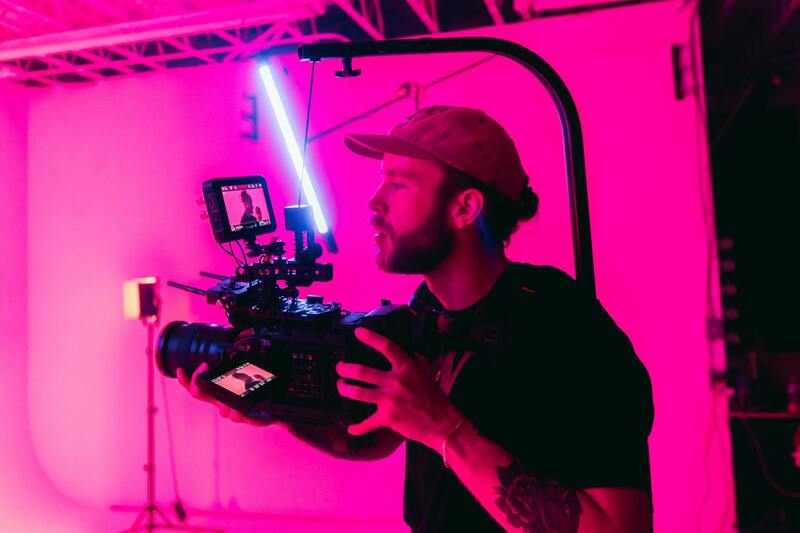
In the realm of modern event management, live event broadcast companies serve as pivotal partners in amplifying an event’s reach and impact. These organizations specialize in delivering high-quality live streams that capture the energy, details, and key moments of both large-scale and intimate gatherings. By utilizing comprehensive technical expertise and strategic planning, they ensure that every broadcast aligns with the organizer’s objectives, whether for promotional purposes, internal communications, or audience engagement. Their role extends beyond mere video recording; they craft immersive viewing experiences that translate in-person excitement to a digital audience, fostering wider accessibility and engagement. In Miami, a hub of vibrant cultural, corporate, and social events, these companies harness local knowledge and industry-leading technology to customize solutions tailored to diverse event types—ranging from conferences and product launches to festivals and educational seminars.
Types of Live Event Broadcast Services
Live event broadcast companies offer a spectrum of services designed to meet the specific needs of each event. These services can generally be categorized as follows:
- Basic Livestreaming: This includes the professional capture of the event using multiple cameras, synchronized audio, and real-time streaming to platforms such as YouTube, Facebook, or proprietary websites. It provides an accessible way for remote audiences to follow along without technical complexities.
- Hybrid and Virtual Events: Combining in-person presence with online participation, these services incorporate multiple camera feeds, interactive features like Q&A sessions, chat functions, and virtual breakout rooms to facilitate engaging, seamless hybrid experiences.
- On-Demand Content Production: Expanding beyond live transmission, this involves editing and distributing recorded versions for later viewing, maximizing the longevity and accessibility of the content.
- Webcasting with Interactivity: Incorporating live polls, audience feedback, and engagement tools, these broadcasts foster real-time interaction that keeps viewers involved and invested in the event proceedings.
- Multi-Camera Production: Utilizing several camera angles, professional switching, and graphical overlays, this service enhances the visual storytelling element, creating a polished and dynamic viewing experience.
Technology and Equipment Used
Leading live broadcast companies in Miami emphasize the importance of technological excellence to deliver impeccable streaming quality. Their toolkit includes high-definition cameras equipped with optical zoom and stabilization features, ensuring sharp visuals regardless of event scale or environment. Professional-grade audio equipment, such as wireless microphones and sound mixers, guarantees crystal-clear sound reproduction. The real-time video switchers enable smooth transitions between camera angles, while advanced encoding hardware ensures stable streams across various internet bandwidths, including fiber-optic, cellular, and satellite connections. Complementing the core filming hardware, integrated graphics systems provide engaging visual overlays, lower-third graphics, and branding elements, enriching the viewer experience. Accessibility features, such as live captioning and multilingual translation, are also integrated to broaden the reach. Moreover, mobile broadcasting units and cloud-based streaming platforms enable scalability, facilitating events of any size—from small gatherings to full-scale conferences—without compromising quality or stability.
These technological systems are monitored continuously during the event to promptly identify and address potential issues, ensuring the broadcast’s consistency. The adoption of scalable, redundant systems guarantees that even during technical disruptions, the live stream remains unaffected, providing an uninterrupted experience for remote viewers. Additionally, integrating viewer interaction platforms allows audiences to engage actively, making the broadcast more memorable and participatory. Whether utilizing cable-based infrastructures or portable, wireless solutions, these companies tailor their tech configuration to the specific demands of each event—be it a corporate summit, music festival, or academic symposium.
Overview of Live Event Broadcast Companies
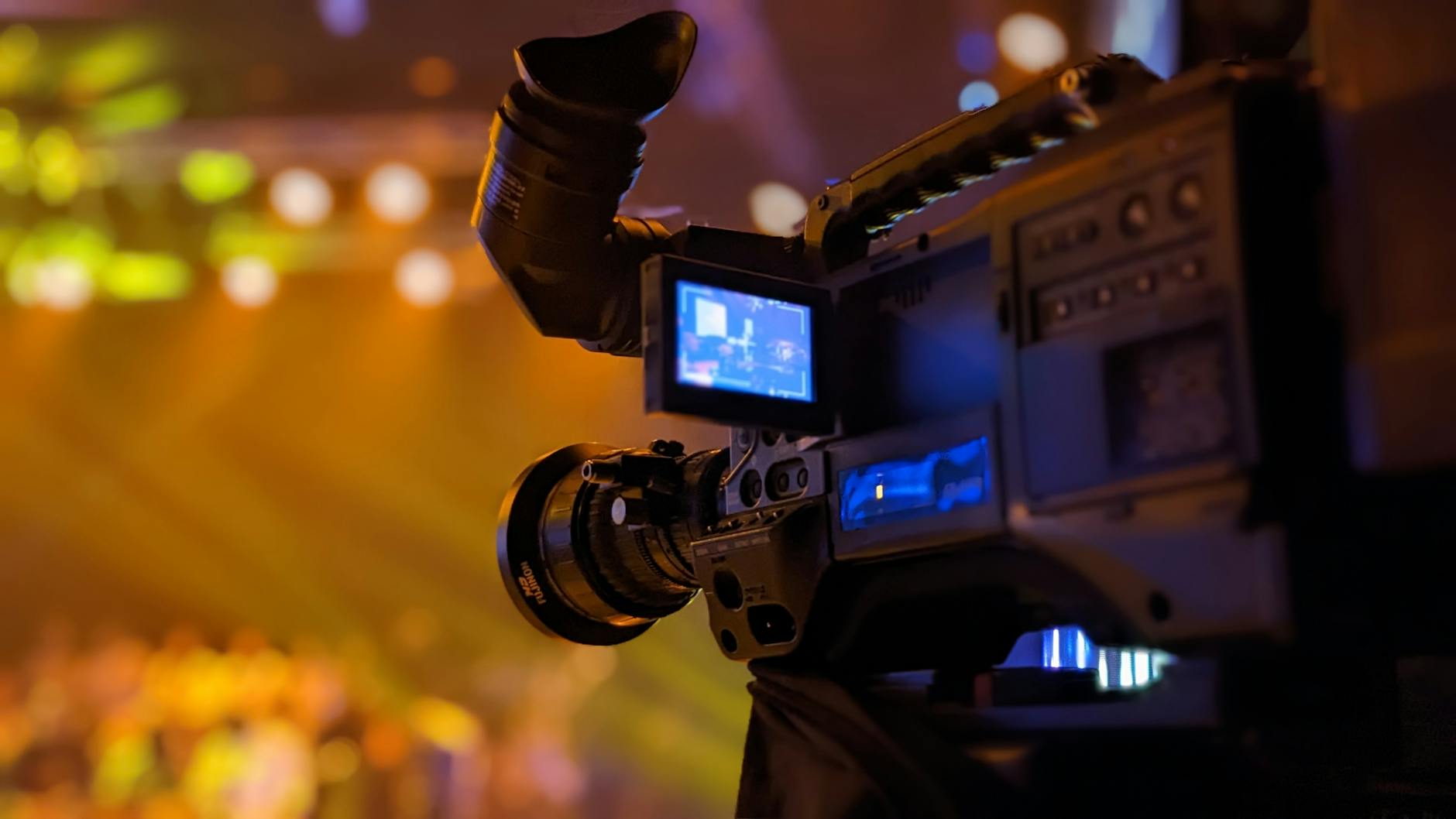
Live event broadcast companies are specialized service providers that focus on delivering high-quality streaming solutions for various types of events. These companies possess a comprehensive understanding of both technical requirements and production best practices, ensuring that live streams are smooth, visually engaging, and reliable. From corporate conferences, sports tournaments, and music festivals to religious services and social gatherings, these organizations bring the necessary expertise and equipment to elevate the viewing experience for remote audiences. Their services often encompass pre-event planning, on-site setup, real-time broadcasting, and post-event analysis, creating a seamless process that allows event organizers to focus on their core activities. With an emphasis on professionalism, they utilize cutting-edge technology to facilitate high-definition video delivery, reliable audio, and interactive features that foster audience engagement. Selecting a reputable live event broadcast company ensures your event is accessible to a wider audience, maintains brand integrity, and achieves your communication objectives effectively.
Types of Live Event Broadcast Services
Providers in this industry offer a diverse range of services tailored to meet the specifics of various event formats. These include:
- Single Camera Live Streaming: Ideal for small-scale events such as seminars or church services, where a single camera captures the main activity and streams it live.
- Multiple Camera Production: Suitable for larger events like conferences or concerts, using multiple camera angles to provide dynamic and comprehensive coverage.
- Hybrid Streaming: Combines live footage with pre-recorded content, graphics, and overlays to enhance visual appeal and provide additional context.
- Interactive Live Broadcasts: Incorporates viewer engagement features such as live chat, Q&A sessions, and real-time polling to foster audience participation.
- On-Demand Video: Records the live stream for later access, allowing attendees and those unable to watch live to view the content at their convenience.
Companies may also provide supplementary services such as closed captioning, multilingual translation, social media integration, and analytics to track viewer engagement. These diverse service options enable organizations to select a package that aligns with their event goals and audience expectations, all while leveraging professional expertise to deliver a flawless broadcast.
Technology and Equipment Used
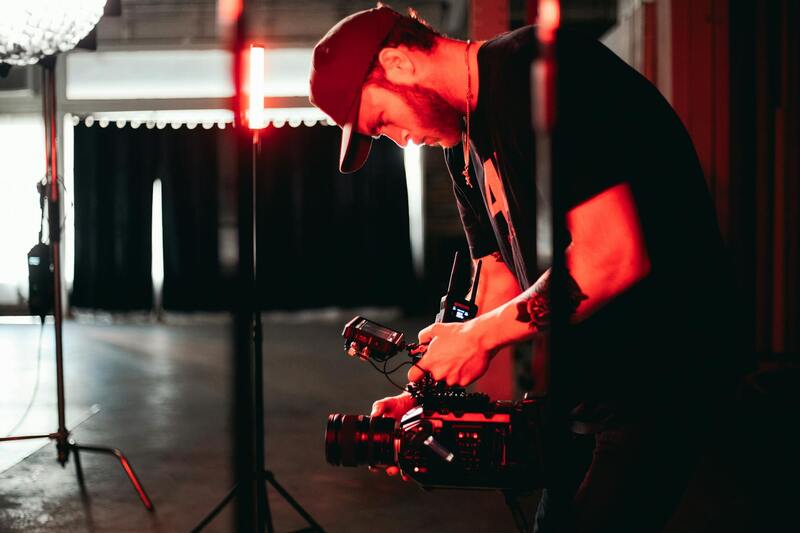
To ensure a professional-quality live stream, broadcast companies employ state-of-the-art technology and equipment. This includes:
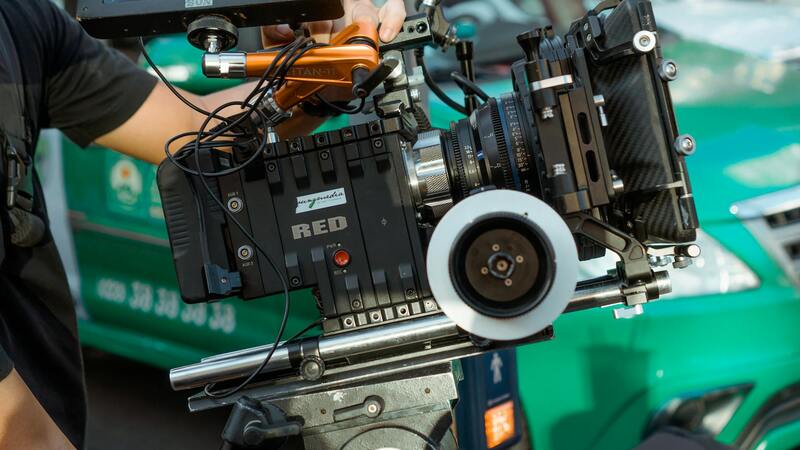
- High-Definition Cameras: Often 4K or HD capable, these cameras deliver crisp visuals and support multiple angles.
- Video Switchers and Production Software: Enable seamless transitioning between camera feeds, graphic overlays, and pre-recorded segments.
- Encoders and Streaming Hardware: High-performance hardware that compresses and transmits video data reliably across various internet connections, including fiber optic, cellular, and satellite.
- Audio Equipment: Quality microphones and mixing consoles to produce clear and balanced sound.
- Connectivity Solutions: Redundant internet links and wireless transmission systems ensure minimal disruptions during live broadcasts.
- Graphics and Overlays: Custom branding, lower thirds, and real-time information display enhance viewer engagement.
Advanced features such as remote camera operation, robotic cameras, and cloud-based switching platforms allow for flexible and scalable production workflows. Additionally, accessibility options like live captioning extend the reach of broadcasts to diverse audiences, including those with hearing impairments.
Benefits of Hiring Live Event Broadcast Companies in Miami
Engaging a local Miami-based live event broadcast company offers distinct advantages. The proximity to event venues allows for better logistical coordination and quick access to equipment and technical support. Local companies are familiar with Miami’s event spaces, permitting tailored technical setups that optimize signal quality and camera coverage. They also have established relationships with venue staff, ensuring smoother logistics and setup processes.
Furthermore, local broadcast providers can accommodate last-minute adjustments more efficiently, a crucial factor for dynamic event environments. Their familiarity with regional internet infrastructure guarantees stable streams, reducing the risk of technical glitches. Miami’s vibrant event scene and diverse audience demand high standards, and established broadcast companies are equipped to meet these expectations with customized solutions that reflect regional nuances.
Another benefit is the ability to incorporate regional branding and cultural elements into the broadcast, which can resonate more effectively with local viewers. Their knowledge of local permits and regulations also streamlines compliance, avoiding potential disruptions or delays. Using a nearby broadcast company ensures a collaborative approach to delivering engaging, flawless live streams that augment the overall event experience while expanding reach and visibility.
Overview of Live Event Broadcast Companies
Live event broadcast companies serve as the backbone of modern event coverage, providing comprehensive solutions to capture, stream, and deliver live content across various platforms. Their expertise encompasses technical planning, equipment deployment, onsite management, and post-event analytics, ensuring seamless delivery of real-time videos for audiences watching from afar. These firms typically have specialized teams equipped with industry-grade cameras, switchers, audio systems, and streaming servers to guarantee high-quality broadcasts that meet professional standards.
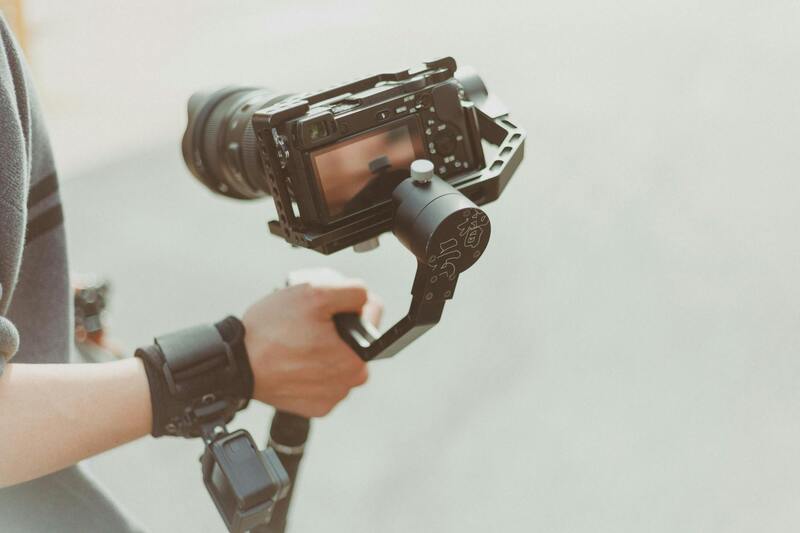
They cater to diverse types of events including corporate meetings, conferences, sports competitions, concerts, and cultural festivals. By integrating innovative production techniques such as multiple camera angles, live graphics, and on-screen branding, these companies enhance audience engagement and amplify event visibility. Their understanding of regional logistics, regulatory considerations, and AV technology positions them as vital partners for delivering impactful live streams.
Types of Live Event Broadcast Services
- Standalone Live Streaming: Providing only the broadcast aspect, ideal for clients with existing event production setups.
- Full-Service Event Production: Handling everything from planning, equipment setup, to post-production, ensuring a comprehensive approach.
- Hybrid Event Streaming: Combining physical on-site presence with virtual participation, perfect for reaching a wider audience.
- On-Demand Video Services: Archiving and hosting recorded streams for later viewing, maximizing event reach beyond the live moment.
- Multilingual and Accessibility Services: Incorporating translations, subtitles, and sign language to make content accessible to diverse audiences.
Technology and Equipment Used
Leading live event broadcast companies employ advanced equipment such as 4K cameras, wireless transmitters, professional audio systems, and cloud-based streaming platforms. They utilize hardware encoders for stable video delivery, backup generators to ensure uninterrupted service, and adaptive bitrate streaming to optimize quality across different internet speeds. Their technical arsenal often includes remote cameras for wide coverage, instant graphics overlays, and multiple audio channels to capture and mix sound accurately. The deployment of lightweight, portable broadcasting kits facilitates setup in various venues, from convention centers to outdoor locations.
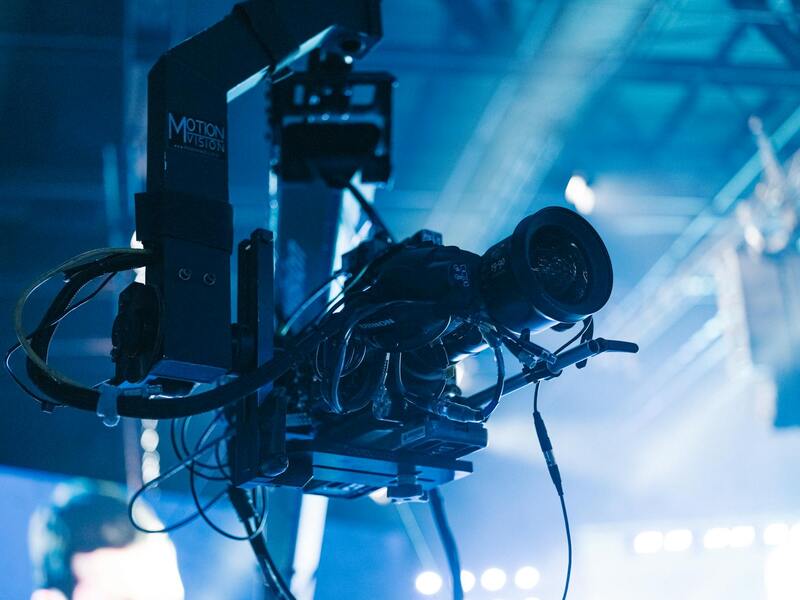
Cloud-based streaming solutions allow real-time monitoring and quick adjustment, providing clients with immediate feedback and control. These technologies collectively serve to deliver crisp visuals, clear audio, and minimal latency, crucial elements that define a successful live broadcast environment.
Benefits of Hiring Live Event Broadcast Companies in Miami
Selecting a Miami-based live event broadcast company grants strategic advantages rooted in local expertise. The proximity to prominent venues and event spaces streamlines logistics, enabling rapid deployment and efficient coordination. Local companies are well-versed in Miami’s unique venue layouts, infrastructure, and regional regulations, which fosters smoother setup and operation. Their established relationships with venue staff facilitate quicker access to power sources, internet connections, and technical support, reducing potential delays.
Furthermore, Miami’s vibrant and diverse audience demands a customization of content that resonates culturally and regionally. Local broadcasters can incorporate regional branding, music, and motifs seamlessly into the live stream, enhancing viewer engagement. Because of their familiarity with Miami’s internet infrastructure, these companies are better equipped to provide stable streams despite potential network fluctuations, minimizing buffering or disruptions. Their capabilities in quick troubleshooting and onsite adjustments ensure the event’s technical quality remains uncompromised, thereby elevating the overall viewing experience.
Key Factors in Selecting a Live Event Broadcast Company
- Technical Expertise and Equipment Quality: Confirm their familiarity with the latest broadcast technologies and their ability to adapt to different venue conditions.
- Experience with Similar Events: Review their portfolio for past successful projects aligned with your event type and size.
- Reputation and Client Feedback: Seek testimonials or references that attest to their professionalism and reliability.
- Customization and Flexibility: Ensure they can tailor solutions that match your specific event needs and cultural nuances.
- Local Knowledge: Prioritize companies with regional experience to streamline logistics and compliance.
- Post-Event Support: Check if they offer analytics and content archiving services to maximize event impact.
Comprehensive Strategies for Engaging Live Event Broadcasts
When considering a live event broadcast, it’s essential to adopt methodologies that ensure seamless delivery and maximal audience engagement. This involves meticulous planning, licensing, and execution using approved and reliable content distribution channels. Engaging professionally recognized live event broadcast companies guarantees adherence to established broadcast standards, reducing the risk of technical hiccups during the event. It’s important to leverage reputable platforms that are supported by certified infrastructure, including high-capacity servers and fail-safe streaming protocols, to guarantee uninterrupted viewing experiences.
Vetting Approaches for Live Streaming Methods
- Utilization of Certified Streaming Platforms: Opt for streaming services that have user verification and usage rights confirmations. These platforms often meet strict broadcast criteria that ensure content security and stability.
- Use of Licensed Content Delivery Networks (CDNs): Engage CDNs with proven performance records. They serve as backbone systems that distribute streams efficiently across diverse geographical locations, minimizing latency.
- Integration of Broadcast Licenses and Rights Management: Secure explicit permissions for all content included in the live stream, including music, videos, and trademarks. Proper rights management prevents legal complications and maintains content integrity.
Technical Foundations Supporting Quality Delivery
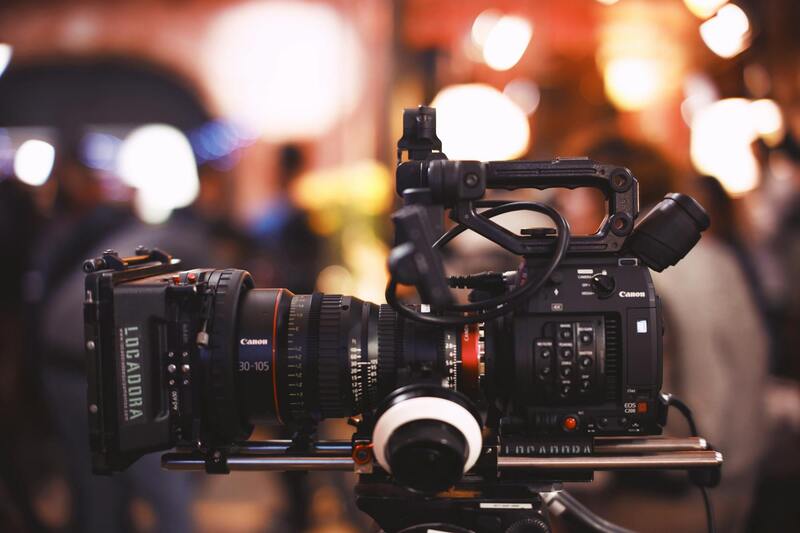
Implementing legitimate broadcast solutions relies heavily on state-of-the-art technology and licensed equipment. These include high-definition cameras, wireless encoders, and redundant streaming servers to ensure multiple layers of backup. Professional-grade audio mixers and microphones guarantee audio clarity, which is crucial for immersive viewer experiences. Furthermore, secure connectivity through fiber optic lines or dedicated internet connections reduces latency and buffering issues. Employing licensed professionals who specialize in broadcast engineering ensures that each transmission maintains high standards of quality and complies with existing technical regulations.
Ensuring Compliance with Media Standards and Content Rights
Adhering to established broadcast standards involves detailed preparation procedures. It is critical to verify that all content aired during the event respects intellectual property rights and distribution rights obtained through certified licensing channels. Regular audits and content reviews conducted by trained personnel help maintain compliance and prevent inadvertent infringements. Additionally, using approved software tools designed for rights management and content encryption solidifies the integrity of the broadcast, safeguarding both the event organizers and the broadcasters.
Best Practices for Securing High-Quality Live Streams
- Conduct Preliminary Testing: Before the event, perform comprehensive testing of all equipment, networks, and streaming platforms to identify potential issues. This helps in troubleshooting technical problems proactively.
- Establish Contingency Plans: Have backup devices, network pathways, and alternative streaming sources ready to deploy if primary systems encounter failures.
- Coordinate with Certified Technical Providers: Engage experienced broadcast technicians who hold certifications from recognized professional organizations. Their expertise ensures adherence to current broadcast regulations and technical standards.
- Implement Secure Access Controls: Use authentication mechanisms and encrypted streams to prevent unauthorized access or piracy, ensuring that content distribution remains within authorized limits.
- Monitor Stream Performance in Real-Time: Use legitimate monitoring tools to oversee stream quality and performance continuously, enabling immediate intervention if issues arise.
Adopting these approaches with verified, legitimate methods solidifies the production of reliable, high-quality live event broadcasts. This professionalism translates into increased viewer satisfaction, broader reach, and enhanced reputation for event organizers. Ensuring that all components—from content rights to technical infrastructure—are managed through authorized channels is the cornerstone of successful live event broadcasting, especially within dynamic regions like Miami, where audience expectations are high and market standards are rigorous.