Overview of Live Webcasting Services
Live webcasting services have revolutionized the way organizations, businesses, and event organizers in Miami accomplish their broadcasting needs. These services enable real-time transmission of video and audio content over the internet, reaching audiences instantaneously regardless of their geographic location. In an era where instant connectivity defines engagement, live webcasting offers a dynamic platform for sharing critical moments, promoting cultural events, corporate meetings, or community gatherings with broad reach and enhanced interaction.
For Miami’s vibrant event scene, the importance of live webcasting is multifaceted. It ensures inclusivity—allowing participants who cannot physically attend to remain engaged via streamed content. It also amplifies visibility, enabling organizations and brands to extend their message beyond traditional boundaries, attracting digital audiences that often span across international borders. Additionally, live webcasting can serve as an archival record for events, providing valuable content that can be referenced or repurposed for future marketing or educational initiatives.
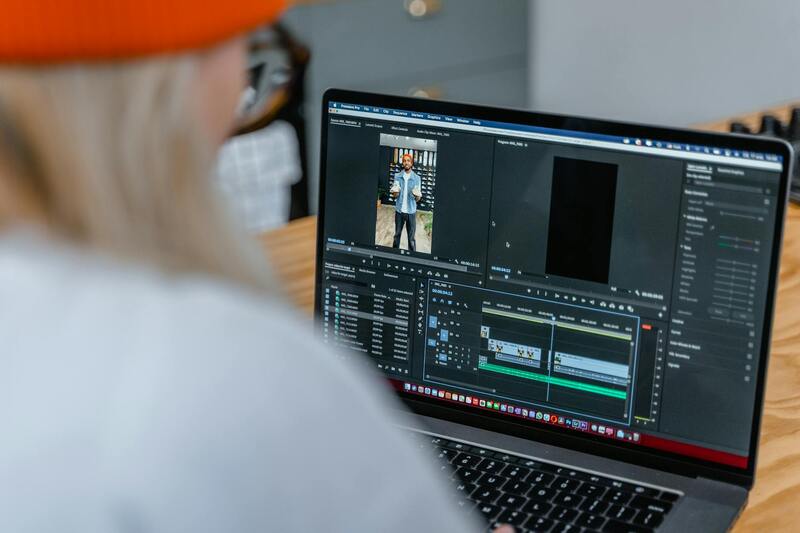
From corporate conferences and trade shows to cultural festivals and academic seminars, live webcasting services have become essential in providing professional, reliable streaming solutions that cater to diverse event requirements. Their significance continues to grow as companies and organizations recognize the necessity of maintaining a strong digital presence while ensuring seamless, immersive viewing experiences for online audiences.
Types of Live Webcasting Solutions
Several different types of webcasting solutions are available to meet the specific needs of each event. These solutions vary based on scale, technical complexity, and audience engagement levels. Understanding the key types helps organizers assess which approach aligns best with their objectives.
- Basic Webcasting: Suitable for small-scale events with limited audiences, this solution offers straightforward streaming with minimal technical setup. It typically involves a single camera and a basic internet connection.
- Multi-Camera Professional Webcasting: Designed for larger or more complex events, this approach incorporates multiple cameras, professional audio equipment, and advanced editing capabilities to deliver a polished broadcast experience.
- Interactive Live Streaming: Enhancing viewer engagement, these solutions incorporate live chat, Q&A sessions, and social media integrations, fostering real-time interaction with remote audiences.
- Global Streaming Platforms: For wide-reaching broadcasts, leveraging established platforms or customized content delivery networks ensures stable streaming across multiple regions, accommodating large-scale online viewership.
Key Factors in Choosing a Webcasting Provider
Selecting the right live webcasting provider is essential for ensuring high-quality production and smooth performance. Several criteria should be considered during the selection process:
- Technical Expertise: The provider’s experience with the event type and their technical capabilities influence the overall success of the broadcast.
- Equipment Quality: High-definition cameras, clear audio systems, and reliable internet connections are vital components.
- Platform Compatibility: The provider should offer flexible platforms compatible with various devices and operating systems, ensuring maximum accessibility.
- Support and Reliability: Continuous technical support throughout the event minimizes risks of disruptions or technical failures.
- Customization Options: Tailored solutions that align with branding, event format, and audience engagement strategies add value.

Choosing a reputable provider with proven expertise ensures that live webcasting services meet the rigorous standards required for professional broadcasting, allowing organizers to host successful and engaging events with confidence.
Types of Live Webcasting Solutions
In the landscape of live webcasting, selecting an appropriate solution hinges on the specific requirements of each event. The spectrum of webcasting options is broad, encompassing various formats and technological approaches to achieve optimal audience engagement and production quality.
One of the most prevalent formats is livestreaming platforms. These solutions rely on established platforms that offer robust infrastructure for real-time broadcasting. Events such as corporate meetings, conferences, or product launches benefit from the simplicity and widespread accessibility of popular streaming services, which support extensive viewership without compromising quality.
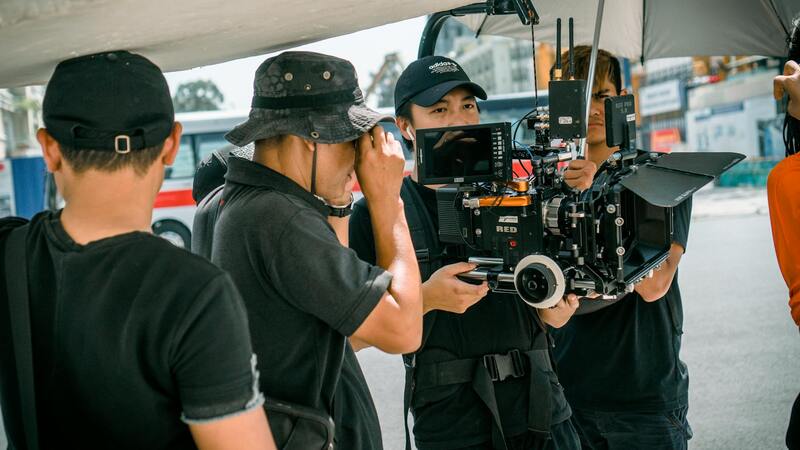
Another significant approach involves event broadcasting systems, which integrate multi-camera setups, professional audio feeds, and customized visual effects. These solutions are ideal for high-profile events, including awards ceremonies, sports competitions, and large-scale community gatherings, where production value and visual clarity are paramount.
Hybrid event solutions combine physical in-person experiences with virtual streaming components, enabling broader accessibility while maintaining attendee interaction and engagement. These formats are increasingly popular as they allow for flexible participation, accommodating both physical and remote audiences concurrently.
The technological backbone for these diverse solutions typically includes adaptive streaming technology, multi-platform compatibility, and interactive features such as chat, Q&A sessions, and virtual networking. These elements enhance viewer participation and ensure that events are memorable and impactful.
Choosing the right webcasting approach depends on factors like event scale, audience size, budget, and desired engagement level. The integration of scalable cloud-based solutions and reliable content delivery networks (CDNs) ensures that live streams are delivered without interruption, regardless of geographic dispersion or viewer volume.
Incorporating tailored solutions can best address the unique needs of each event, ensuring a professional, smooth, and engaging live webcast experience for Miami-based gatherings and beyond.
Equipment and Technology Used in Live Webcasting
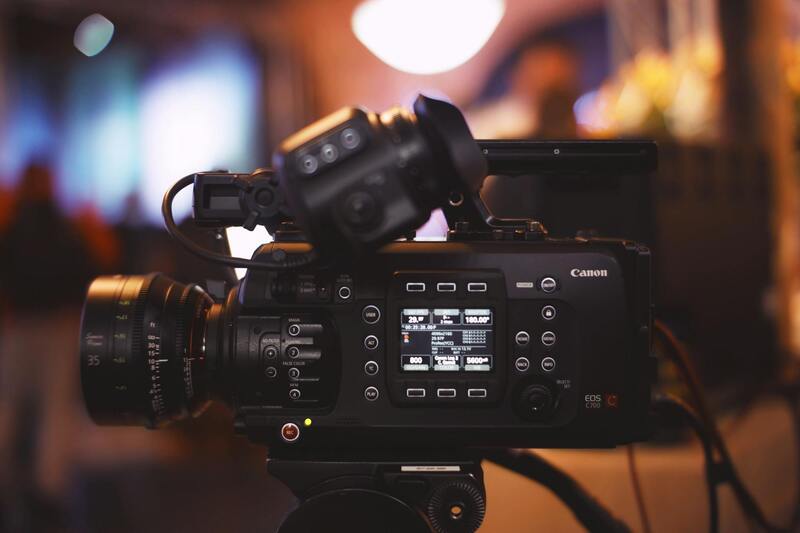
High-quality live webcasting hinges on the deployment of advanced equipment and cutting-edge technology. Professional-grade cameras are employed to capture every detail of the event with clarity and precision, often utilizing HD or 4K resolution to provide viewers with a crisp visual experience. These cameras are strategically placed to ensure optimal angles and comprehensive coverage of the event’s key moments.
Audio quality is equally critical. Digital microphones, wireless lapels, and directional microphones are used to capture clear sound without interference, ensuring that presenters, performers, and audience reactions are delivered seamlessly to remote viewers. Sound mixing consoles and audio processors manage audio levels dynamically, preventing distortions or unwanted background noise.
For encoding and streaming, robust hardware encoders are essential. These devices compress video signals efficiently, reducing latency and maintaining visual integrity during transmission. Adaptive streaming technology automatically adjusts bandwidth usage, ensuring continuous playback even in fluctuating network conditions, thus preventing buffering and interruptions.
In addition to core hardware, reliable content delivery networks (CDNs) are employed to distribute the live stream across multiple servers globally. This infrastructure minimizes latency and optimizes viewer experience, regardless of geographic dispersion. Multi-platform compatibility, including integration with social media channels, websites, and dedicated streaming platforms, enhances audience accessibility.
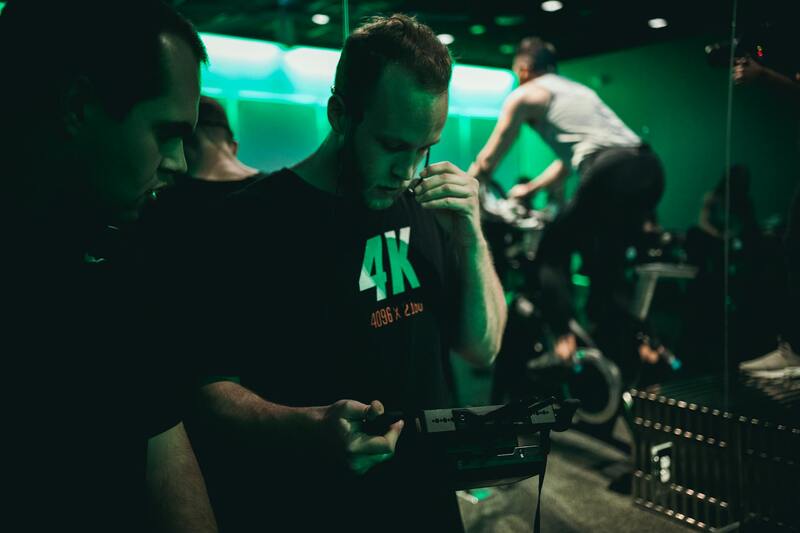
Interactive tools such as chat modules, live polls, and Q&A features are integrated into the streaming platform to foster viewer engagement. These interactive elements enable real-time communication, making virtual audiences feel connected and involved throughout the event.
Undoubtedly, the seamless coordination between hardware and software components is fundamental to delivering a professional webcast. Regular maintenance, calibration, and updates of equipment guarantee optimal performance, safeguarding a glitch-free streaming experience for all viewers.
Overview of Live Webcasting Services
Live webcasting services have transformed how events are experienced by audiences around the globe. These services encompass a comprehensive suite of solutions designed to transmit live video and audio content over the internet in real-time. For event organizers, businesses, and educational institutions in Miami, utilizing professional webcasting ensures their message reaches a broader audience without geographical constraints. This technology encapsulates sophisticated encoding hardware, high-capacity content delivery networks, and interactive tools—all working cohesively to deliver a seamless viewing experience. A well-executed webcasting service guarantees high-quality video streams, minimal latency, and cross-platform accessibility, including integration with social media channels, websites, and dedicated streaming portals. The infrastructure supporting these services employs adaptive streaming protocols that dynamically adjust quality based on viewers' network conditions, resulting in uninterrupted broadcasts even during fluctuating bandwidths. By leveraging state-of-the-art content delivery networks (CDNs), live streams are distributed across multiple servers globally, reducing latency and ensuring consistent performance for audiences regardless of their location. Whether hosting corporate conferences, religious gatherings, concerts, or educational seminars, live webcasting provides a strategic advantage by enabling real-time engagement and interaction. The process involves meticulous planning, including selecting appropriate streaming platforms, reliable internet connectivity, and professional-grade equipment to ensure a polished, professional broadcast that resonates with viewers and drives engagement.

Types of Live Webcasting Solutions
Live webcasting solutions are tailored to meet the specific needs of different event types, scale, and target audiences. Broadly, these solutions can be classified into three main categories:
- Dedicated Event Webcasting: This involves customized solutions for specific events such as conferences, product launches, or festivals. It often includes advanced features like multi-camera setups, professional audio equipment, and integrated interactive modules, ensuring a polished presentation suited for high-profile events.
- On-Demand Streaming: While not strictly live, on-demand streaming allows recorded content to be published online for later viewing. This method is ideal for educational content or events that may need to be accessed asynchronously, providing flexibility for viewers and extending the lifespan of the content.
- Hybrid Webcasting: Combining live streaming with on-demand access, hybrid solutions enable organizations to broadcast events in real-time while also offering recorded versions afterward. This approach maximizes reach and engagement, accommodating viewers across different time zones and schedules.
Each solution type requires specific technology stacks and platform integrations to fulfill expectations around quality, interaction, and accessibility. For Miami-based events, choosing the right type hinges on factors like target audience size, event complexity, and desired level of viewer engagement.
Key Factors in Choosing a Webcasting Provider
Selecting a dependable webcasting provider in Miami involves evaluating several critical aspects to ensure successful event transmission. Firstly, the provider’s technological expertise and equipment quality are paramount. They should utilize high-definition cameras, professional audio gear, robust encoders, and state-of-the-art streaming platforms capable of handling the expected viewer load. Secondly, assessing the provider’s infrastructure is vital. This includes their CDN capabilities, bandwidth capacity, and server redundancy, which collectively influence stream stability and quality. Providers should also demonstrate experience in handling live event complexities, including multi-camera setups and interactive features. Thirdly, the level of customer support and technical assistance offered is an important consideration. A dedicated team available before and during the event can troubleshoot issues promptly, reducing downtime and ensuring a smooth broadcast. Furthermore, considering the provider’s familiarity with multi-platform streaming and social media integration enhances audience engagement. Compatibility with devices such as smartphones, tablets, and desktops ensures that viewers have a consistent experience regardless of their chosen device. Lastly, transparency in pricing and detailed service packages help organizers understand what’s included and avoid unforeseen costs. Clear communication regarding production schedules, post-event analytics, and content licensing also plays a role in selecting the most suitable webcasting partner for Miami-based events.
Legal and Security Considerations
Ensuring the security and integrity of live webcasting streams is paramount for organizers seeking seamless broadcast delivery. The infrastructure should incorporate advanced cybersecurity measures, including encrypted data transmission, secure login protocols, and protective firewalls to prevent unauthorized access. Additionally, access controls such as password protection, stream obfuscation, and user authentication mechanisms help limit viewership to authorized audiences, safeguarding proprietary content.
Content management plays an essential role in streaming operations. Employing digital rights management (DRM) systems helps protect intellectual property during live broadcasts, especially when sensitive or copyrighted material is involved. These systems enforce restrictions on recording, copying, or distributing the stream without permission.
From a privacy standpoint, providers must comply with relevant data protection regulations by implementing secure data handling practices. Collecting viewer information necessitates transparent privacy policies and secure storage solutions to prevent breaches or misuse of personal data.
For live events with interactive components, moderation tools are crucial in maintaining a safe and respectful environment. Features such as real-time comment filtering and moderation dashboards help prevent spam, offensive content, or harassment, promoting a positive viewer experience.
Choosing a webcasting service with a proven track record in security ensures that live content remains protected from potential cyber threats. Regular security audits and compliance checks further bolster confidence in stream integrity, ensuring the broadcast is not compromised or disrupted.
Ultimately, thorough attention to legal and security aspects not only protects valuable content but also enhances the reputation of the event organizers. Reliable security measures demonstrate a commitment to safeguarding intellectual property and audience privacy, fostering trust among viewers and stakeholders alike.
Equipment and Technology Used in Live Webcasting
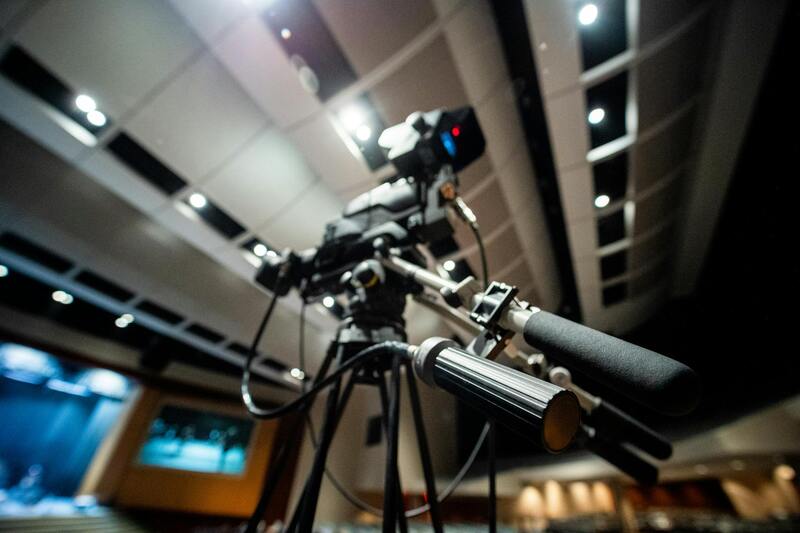
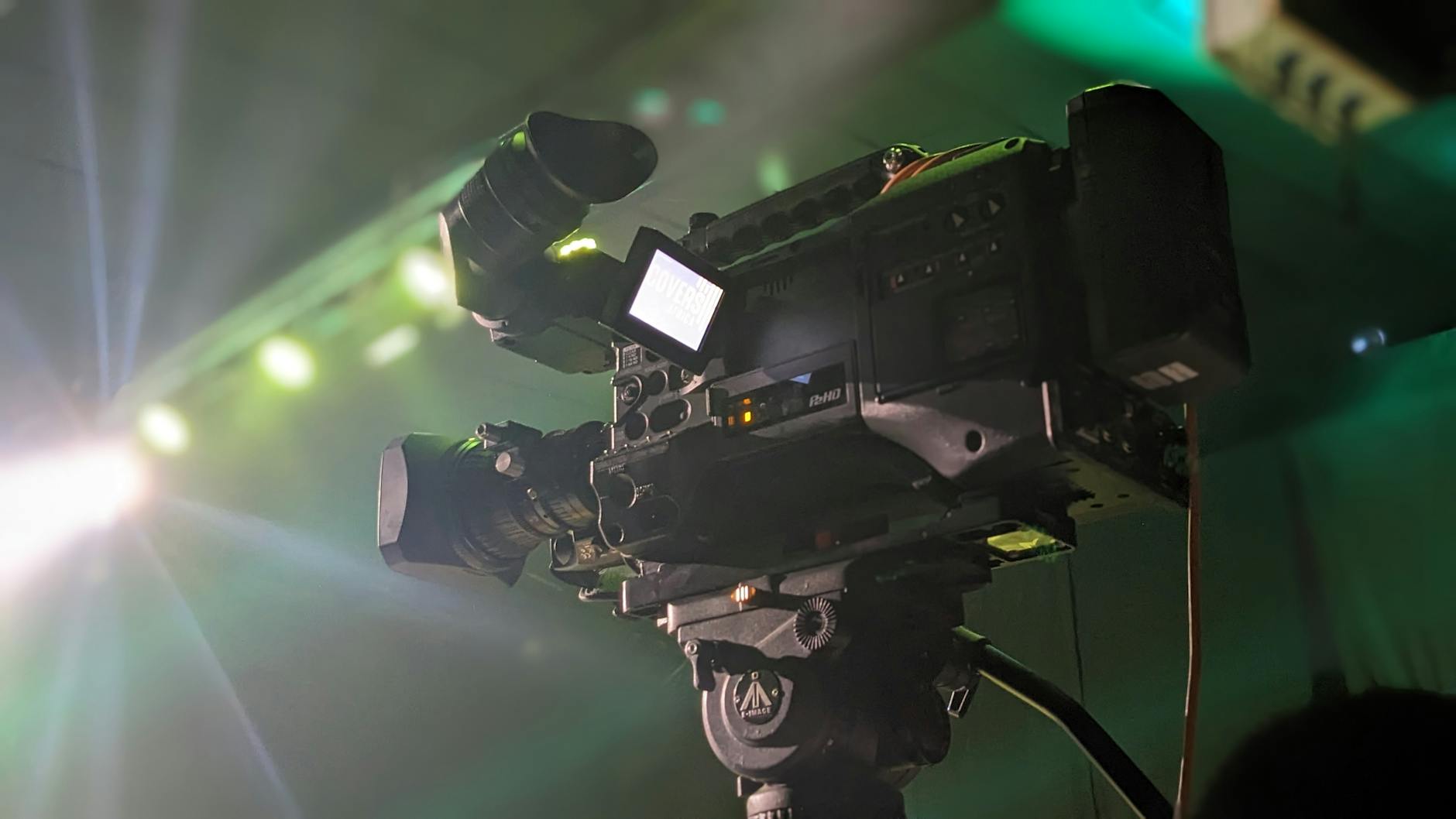
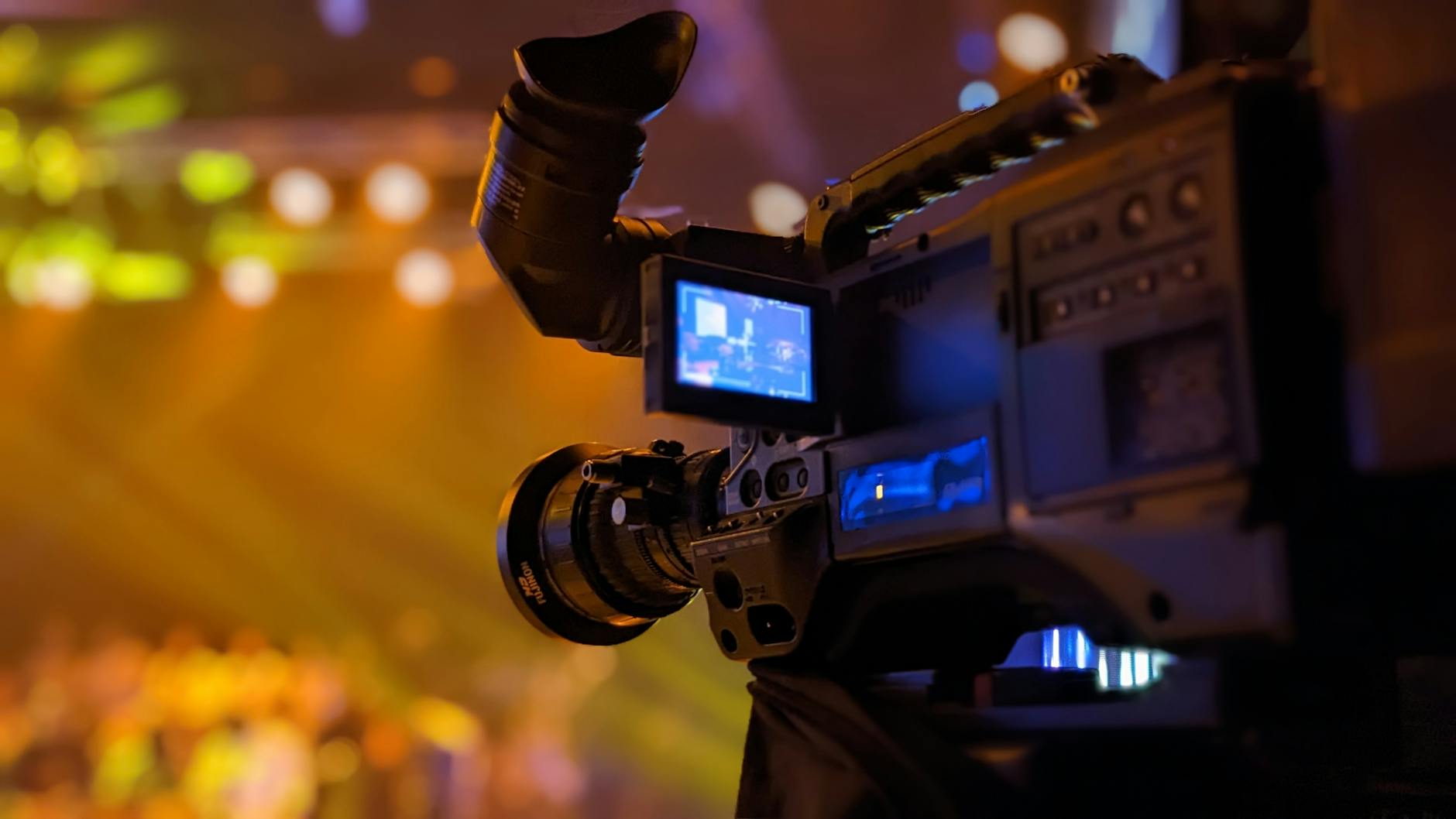
Effective live webcasting relies heavily on advanced equipment and cutting-edge technology to deliver high-quality streams seamlessly. The core components typically include high-definition cameras capable of capturing clear, crisp video footage that can adapt to different lighting conditions and event formats. Depending on the scale of the event, providers might utilize multiple cameras positioned at strategic angles to produce dynamic video feeds, creating a more engaging experience for viewers.
To ensure audio clarity, professional-grade microphones are employed. These may include lapel mics, boom mics, or shotgun microphones, selected to suit the environment and audience size. Clear audio is essential for maintaining viewer engagement and conveying the event’s message effectively.
Stream encoding hardware plays a critical role in converting the raw video and audio signals into a digital format suitable for transmission over the internet. Advanced encoders ensure minimal latency and high reliability, which are crucial during live broadcasts where buffering or delays can diminish viewer satisfaction.

Reliable internet connectivity forms the backbone of any successful live webcast. Typically, providers employ dedicated fiber optic lines or bonded internet solutions to guarantee bandwidth stability and prevent interruptions. Redundant connections are often implemented as backup options to maintain stream continuity even if primary connections face issues.
To facilitate smooth streaming, content delivery networks (CDNs) are utilized. CDNs distribute the live video streams across multiple servers geographically dispersed, reducing latency and buffering times for viewers regardless of their location.
Modern webcasting setups also incorporate production control systems, allowing operators to manage multiple video feeds, insert graphics or live overlays, and switch between camera angles in real time. This enhances the visual appeal and professionalism of the broadcast, making it more engaging for Miami audiences and beyond.

Benefits of Live Webcasting for Miami Events
Delivering content via live webcasting opens numerous opportunities for Miami-based events, providing a platform to reach a broader audience beyond physical attendees. This technology ensures that events—whether corporate meetings, seminars, sporting competitions, or cultural festivals—are accessible to viewers globally, accommodating diverse schedules and time zones.
Live streaming enhances attendee engagement by offering interactive features such as real-time Q&A, chat functionalities, polls, and social media integrations. These tools foster a sense of community and participation, even in a virtual environment.
Beyond expanding reach, live webcasting significantly boosts event visibility and marketing impact. Companies and organizers can generate additional exposure by sharing live content across multiple channels, including social media platforms, websites, and email campaigns.
Financially, live streaming can reduce costs associated with physical event logistics—venue setup, printed materials, and on-site staff—while still providing a compelling experience to remote viewers. This cost-efficiency, combined with scalable options for audience size, makes live webcasting an attractive solution for a variety of event types in Miami.
Furthermore, integrating webcast recordings allows for on-demand access, giving attendees the flexibility to revisit key moments or catch up on missed content. This post-event engagement sustains interest and promotes ongoing communication with the target audience.
Legal and Security Considerations
Ensuring Content Rights and Permissions
When broadcasting live webcasts, securing proper rights to all content included is fundamental. This involves obtaining necessary permissions for copyrighted materials such as music, videos, images, and any proprietary content used during the event. Collaborating with content owners ensures that all legal requirements are met, preventing potential disputes or takedown notices that could disrupt the webcast.
Additionally, for organizations hosting live streams, it is essential to have clear agreements with presenters, speakers, and performers regarding their consent to be recorded and broadcast. Clear communication about the scope of the webcast helps mitigate misunderstandings and protects the interests of all involved parties.
Data Privacy and Viewer Security
Protecting viewer information and maintaining data privacy are paramount in live webcasting. Implementing secure streaming protocols, such as encryption and secure servers, minimizes the risk of unauthorized access or interception of live content. Secure login systems and authentication procedures help control access, ensuring only authorized viewers can participate or view the stream.
Moreover, complying with relevant data protection regulations, like the General Data Protection Regulation (GDPR) and other local data laws, is essential when collecting viewer data or handling registration processes. Transparency about data usage and providing viewers with options to manage their privacy preferences enhance trustworthiness and encourage engagement.
Preventing Unauthorized Distribution and Content Theft
In addition to securing access, measures should be in place to prevent illegal sharing or recording of the webcast. Digital Rights Management (DRM) technologies or watermarking can deter unauthorized copying and distribution. These tools help organizations monitor where and how their content is being used post-broadcast, enabling swift action if misuse occurs.

Legal and Security Considerations
Ensuring the security and proper authorization of live webcasting content is fundamental to delivering a professional and responsible service. It is essential to establish clear procedures for obtaining permissions from individuals and organizations involved in the webcast, particularly when broadcasting private or sensitive content. Formal consent forms should be meticulously drafted to cover aspects such as recording, broadcasting, and distribution, with explicit acknowledgment from all participants.
From a security perspective, deploying advanced encryption standards during live streaming can significantly prevent unauthorized access or interception of content. Protocols like Secure Real-Time Transport Protocol (SRTP) and Transport Layer Security (TLS) are commonly implemented to safeguard data transmission. Moreover, utilizing dedicated streaming servers rather than public internet platforms adds an additional layer of stability and control, reducing vulnerabilities.
Access control mechanisms play a vital role in maintaining a secure streaming environment. Implementing password-protected streams, IP restrictions, and multi-factor authentication ensures that only vetted viewers can access the webcast. These measures are especially important for corporate events, private conferences, or exclusive seminars where confidentiality is a priority.
Protecting the intellectual property contained within a webcast is equally crucial. Digital Rights Management (DRM) solutions and digital watermarking techniques can hinder unauthorized copying and distribution of live content. Watermarking embeds identifiable information within the streamed video, serving as a deterrent against piracy and allowing content owners to trace the origins of unauthorized reproductions.
In addition, organizations should develop comprehensive policies for content management and breach response protocols. Establishing a rapid response team and procedures for dealing with content theft or misuse ensures quick action when issues arise, minimizing potential damage and maintaining the webcast's integrity.
Adherence to relevant data privacy frameworks, such as GDPR or the California Consumer Privacy Act (CCPA), is imperative when managing viewer data. Transparency about data collection practices, as well as providing options for viewers to manage their privacy settings, fosters trust and aligns with best practices for responsible broadcasting.