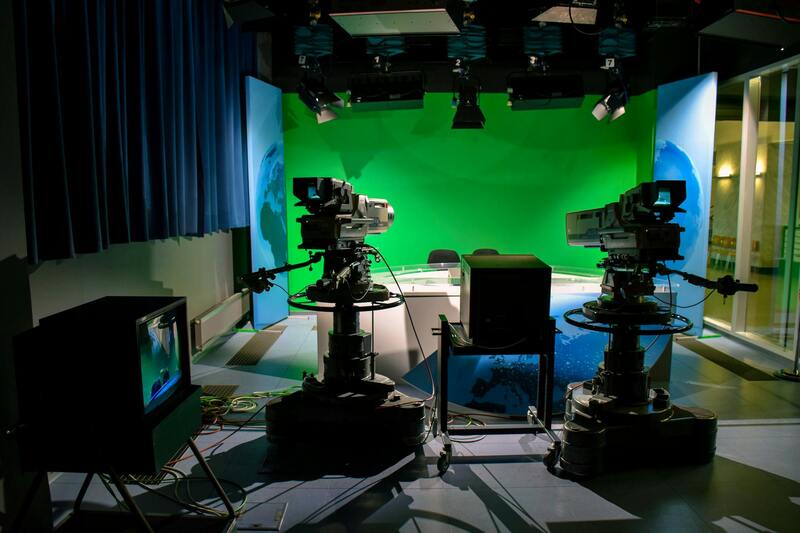
Understanding Livestreaming Production
Livestreaming production represents the comprehensive process of planning, executing, and managing live digital broadcasts that deliver real-time visual content to audiences across various platforms. This specialized form of media production has become an integral component of digital communication, bridging the gap between brands, corporations, entertainment entities, and their viewers. In today’s fast-paced digital era, effective livestreaming facilitates instant engagement, interactive experiences, and global reach, making it essential for organizations aiming to maximize their impact and visibility.
The importance of livestreaming production lies in its ability to combine technical expertise with creative storytelling. Successful live broadcasts require meticulous coordination of technical elements such as camera work, audio clarity, reliable internet bandwidth, and seamless transitions, all orchestrated in real-time. For Miami, a city renowned for its vibrant entertainment scene and diverse corporate landscape, livestreaming serves multiple sectors—ranging from high-profile entertainment events, fashion shows, and music festivals to corporate webinars, product launches, and community engagement initiatives. The region’s dynamic market demands professional production teams that guarantee quality, reliability, and audience engagement.
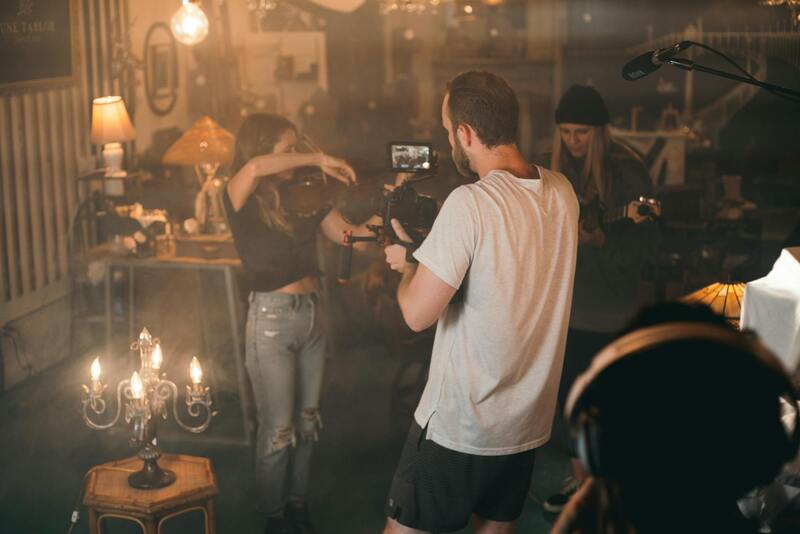
Effective livestreaming production hinges on a strategic approach to content delivery. It involves pre-production planning, real-time management during the event, and post-event analysis. Pre-production includes defining objectives, selecting appropriate platforms, and ensuring all technical components are in place. During the broadcast, operators monitor the live feed for technical issues, coordinate camera angles, manage audio levels, and ensure synchronized visuals and sounds. Post-production may involve editing clips, analyzing viewer engagement, and preparing content for on-demand purposes.
This process requires a combination of high-quality equipment, skilled personnel, and an understanding of audience behavior. When these elements come together, livestreaming becomes a powerful tool for engaging audiences, amplifying brand messages, and creating memorable experiences. In Miami’s competitive market, professional livestreaming production services ensure that every virtual event maintains a high standard of quality and professionalism, reinforcing the reputation of both brands and entertainment acts.
Components of a Livestreaming Setup
Establishing a reliable livestreaming production in Miami hinges on assembling an integrated setup that covers all technical bases. This includes high-definition video cameras capable of capturing content from multiple angles, microphones that ensure crystal-clear audio, and video switchers to facilitate smooth transitions between camera feeds. Additionally, professional streaming encoders are essential for compressing and transmitting the live feed with minimal latency. A robust internet connection, preferably with dedicated bandwidth and backup options, guarantees uninterrupted streaming, which is vital for maintaining audience engagement.
Audio equipment must be carefully selected to capture sound quality that enhances viewer experience, including mixers and wireless lapel or handheld microphones for mobility and clarity. Video production pipelines often involve multiple monitors and control surfaces, allowing operators to oversee camera feeds, adjust settings, and troubleshoot issues in real-time. On-site power supplies and surge protectors help safeguard equipment against unexpected outages.
In terms of platform integration, compatibility with popular social media networks, dedicated streaming services, or custom content delivery networks (CDNs) ensures the broadcast reaches a targeted audience effectively. This process often requires specialized hardware and software that can handle live streaming protocols and provide analytic tools for post-event evaluation.
Essential Components of a Livestreaming Setup
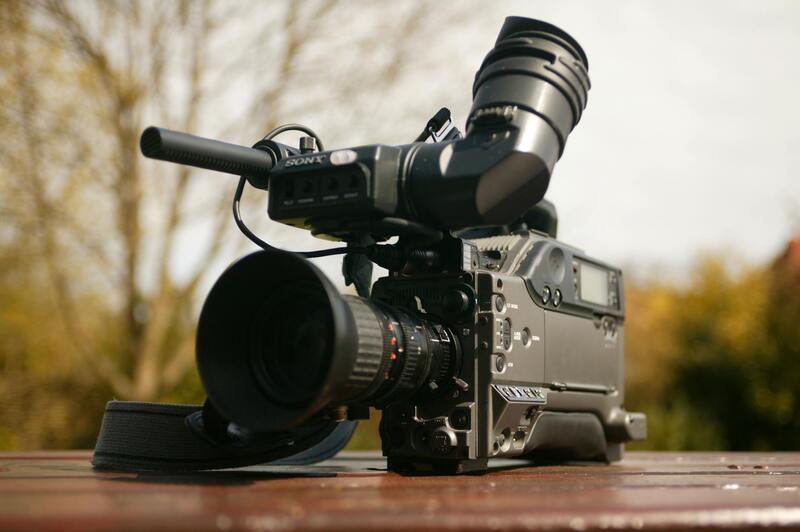
Establishing a professional livestreaming production in Miami necessitates a comprehensive array of hardware and software components designed to work harmoniously. The core hardware includes high-definition cameras capable of capturing crisp visuals from multiple angles, which are essential for engaging and dynamic broadcasts. These cameras often integrate with video switchers that allow seamless transitions, picture-in-picture inserts, and effects that enhance the viewing experience. Encoders are vital to convert the video signals into a digital format compatible with streaming platforms, ensuring a smooth and high-quality broadcast.
In addition to video equipment, robust audio solutions such as mixers, microphone systems, and audio interfaces are crucial for capturing clear sound and balancing audio levels across all sources. Reliable internet connectivity, often involving dedicated fiber or bonded cellular solutions, guarantees uninterrupted streams, especially in a bustling Miami environment where network stability is a priority.
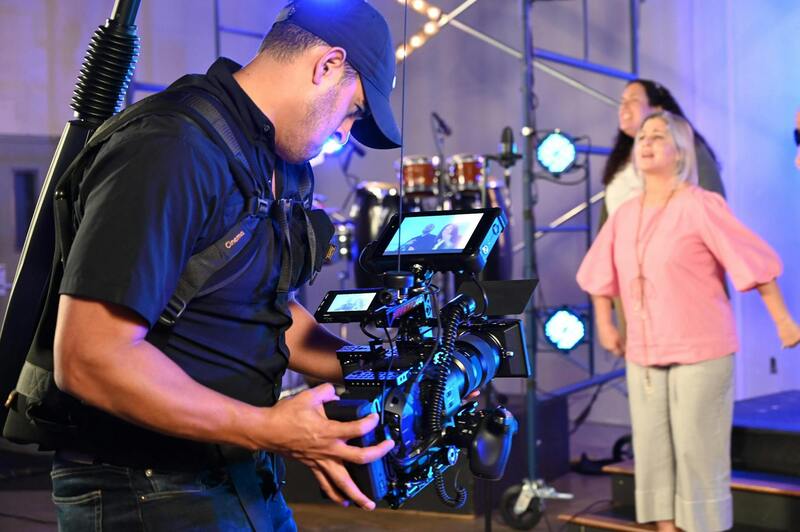
On the software front, a variety of platforms facilitate the streaming process—ranging from dedicated streaming software to integrated content management systems. These platforms handle tasks such as encoding, stream scheduling, live chat, and analytics, providing producers with real-time insights into broadcast performance. Multi-platform streaming software allows simultaneous coverage across multiple social media and content delivery networks (CDNs), broadening reach and engagement.
Control software is used in conjunction with hardware to oversee the entire operation, enabling smooth transitions, graphics overlay, and multi-camera management. For high-profile events, professional-grade hardware encoders, hardware switchers, and streaming servers are often used to optimize quality and reliability.
Supporting Infrastructure for Smooth Livestreaming
Alongside core equipment, a dedicated control room or production station equipped with monitors, backup power, and redundant internet connections is essential. Constant pre-broadcast testing and dry runs are performed to identify potential technical issues and validate the setup. Backup solutions, including spare hardware and additional internet pathways, help mitigate disruptions and ensure an uninterrupted broadcast experience.
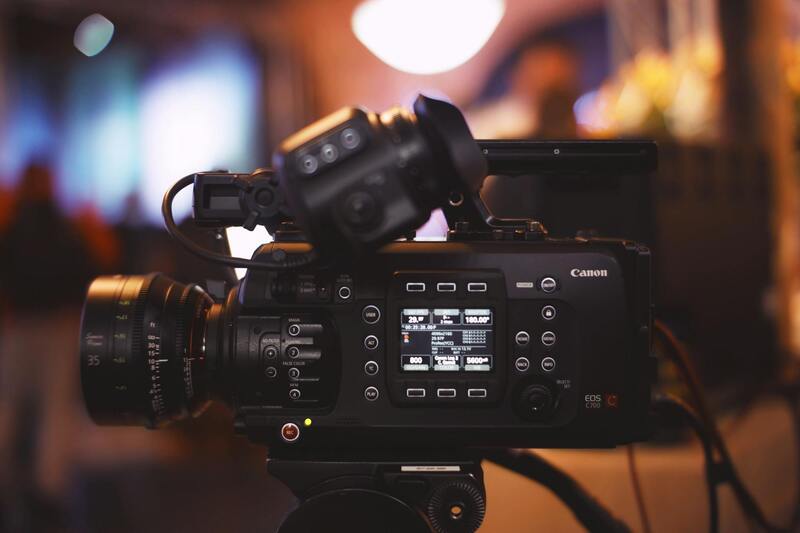
This meticulous configuration underpins the delivery of high-quality live broadcasts in Miami’s vibrant event industry. It ensures that every element—from camera shot composition to audio clarity—is optimized, resulting in professional productions that captivate audiences and meet the high standards demanded by clients. Precision in setup and operation directly correlates to the overall success of each livestream, increasing viewer engagement and reinforcing the credibility of the event or brand being showcased.
Understanding Livestreaming Production
Livestreaming production is a multifaceted process that involves meticulous planning, technical proficiency, and seamless coordination of various components to deliver high-quality live content. It requires integrating sophisticated hardware and software systems to capture, encode, and transmit live video and audio to audiences across diverse platforms. A well-executed livestreaming setup not only ensures real-time engagement but also enhances the credibility and professionalism of the event or brand being showcased.
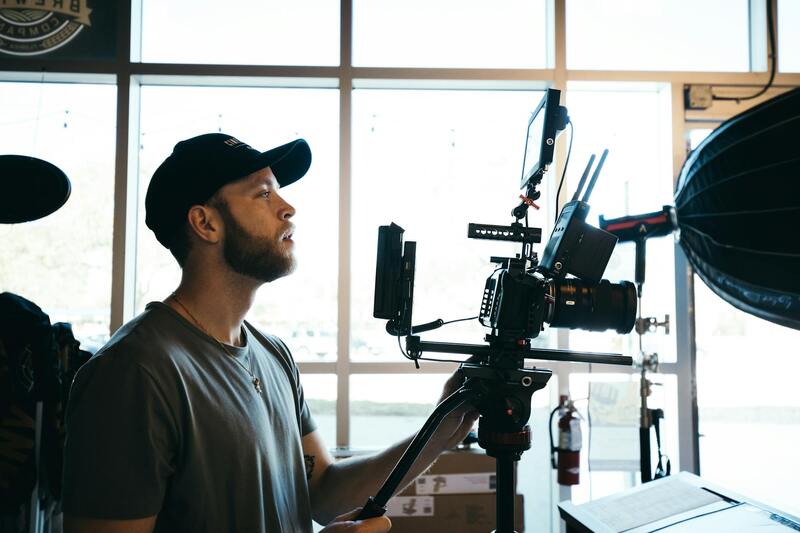
Key Elements of a Livestreaming Production
Effective livestreaming production hinges on a combination of hardware, software, personnel, and logistical arrangements. Each element plays a vital role in guaranteeing the smooth delivery of live content, particularly in a vibrant market like Miami where events demand top-tier quality and reliability.
Hardware Components
- Video Cameras: High-definition cameras capable of multi-camera angles to capture diverse shots that keep viewers engaged.
- Encoding Devices: Hardware encoders convert raw video into compressed streams suitable for online distribution, ensuring stability and high quality.
- Switchers and Mixers: Video switchers allow seamless transitions between camera feeds, graphics, and video clips, creating a polished broadcast appearance.
- Audiovisual Equipment: Professional microphones, audio mixers, and speakers to ensure clear sound alongside visual clarity.
- Network Infrastructure: Dedicated, high-bandwidth internet connections with backup pathways to prevent disruptions during live transmission.
Software and Control Systems
Control software enables real-time management of all streaming aspects, including switching visuals, overlaying graphics, and monitoring stream quality. These systems support multi-platform streaming, allowing content to be broadcast securely across social media, content delivery networks (CDNs), and private portals.
Personnel and Expertise
Experienced professionals are essential at every stage of a livestream. Technical directors, camera operators, sound engineers, and producers work collaboratively to oversee the production process, troubleshoot issues promptly, and deliver a professional broadcast. In particular, a dedicated control room or production station acts as the nerve center, coordinating all technical elements and ensuring the broadcast proceeds without interruption.
Supporting Infrastructure
Supporting infrastructure encompasses backup power sources, redundant internet connections, and pre-broadcast testing facilities. Dry runs and rehearsals are crucial for identifying potential issues and maintaining high standards. Redundancies and contingency plans help mitigate risks, ensuring live streams are consistent even under unforeseen circumstances.
Quality Assurance
Quality assurance processes include continuous monitoring of stream health, picture and sound quality, and viewer engagement metrics. These efforts guarantee that each broadcast meets the highest standards, effectively capturing the event's essence and delivering a memorable experience to the audience.
Significance of a Precise Livestreaming Setup
In Miami's dynamic event landscape, a meticulously configured livestreaming production directly correlates with the success of each event. It enhances audience interaction, amplifies the event's reach, and reinforces the professional image of brands or organizers. Proper setup ensures that visual stories are compelling and that technical challenges do not hinder the viewing experience.
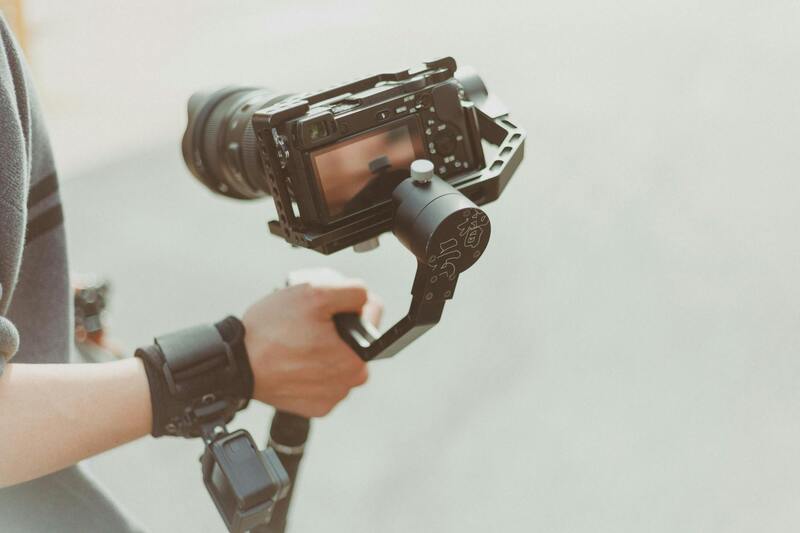
The integration of these elements forms the backbone of compelling and reliable livestreaming. When executed with precision, it elevates the event's profile while fostering meaningful connections with viewers, regardless of their physical location.
Understanding Livestreaming Production
Livestreaming production involves a complex integration of technical expertise, hardware, and creative vision to deliver high-quality live broadcasts that capture events in real-time. It encompasses everything from pre-production planning, camera work, sound management, to the actual streaming process. Precise coordination among specialized roles ensures that viewers, regardless of location, receive an engaging and uninterrupted experience. In Miami’s vibrant event scene, professional livestreaming production plays a pivotal role in expanding reach, elevating brand visibility, and delivering compelling visual narratives.
Essential Elements of a Livestreaming Production
- Pre-Production Planning: This stage involves detailed planning sessions to determine technical requirements, event flow, and visual storytelling. It includes site inspections, equipment checks, and rehearsals to address potential issues proactively.
- Technical Setup: Installation and calibration of cameras, microphones, switchers, and encoding devices are critical for delivering superior image and audio quality. The choice of equipment impacts the clarity, stability, and overall professionalism of the broadcast.
- Stream Management: Selecting the right platform and encoding software ensures compatibility and optimal performance. Streaming servers and content delivery networks facilitate smooth distribution to audiences on various devices.
- Operational Execution: Skilled operators handle camera movements, audio mixing, and real-time switching to create dynamic visuals. Monitoring stream health continuously during the broadcast allows for immediate troubleshooting if issues arise.
- Post-Broadcast Analysis: Gathering viewer metrics and feedback provides insights into the broadcast’s effectiveness. This data helps refine future livestreaming strategies and ensures continuous quality improvement.
Choosing the Right Equipment and Setup
Opting for state-of-the-art equipment tailored to the event’s scope guarantees a seamless broadcast. High-definition cameras, professional-grade microphones, and reliable streaming hardware are fundamental components of a solid setup. In Miami’s competitive event environment, investing in advanced encoders and redundant internet connections helps mitigate potential disruptions. Additionally, employing backup power supplies and pre-broadcast testing ensures that technical failures do not interrupt the live event. Proper calibration and professional handling of each device contribute to crystal-clear visuals and crisp audio, making the broadcast appear polished and engaging.
Optimizing the Audience Experience
The success of a livestream depends largely on how well the production team can engage viewers. This involves integrating dynamic camera angles, well-balanced sound, and real-time graphics or overlays that add to the storytelling. Interactive elements such as live polls, Q&A sessions, and viewer comments can further enhance engagement. Monitoring viewer metrics like stream stability, buffering frequency, and viewer retention rates provides valuable feedback that guides adjustments mid-broadcast. These efforts elevate the overall viewing experience, ensuring it remains compelling and professional throughout the event.
Understanding Livestreaming Production
Livestreaming production involves the comprehensive planning and execution of live content broadcasting that engages audiences in real-time. It encompasses a series of coordinated activities, including pre-event planning, equipment setup, live operation, and post-broadcast review. Effective livestreaming production ensures that content delivery is seamless, professional, and tailored to meet the specific needs of the event and audience expectations.
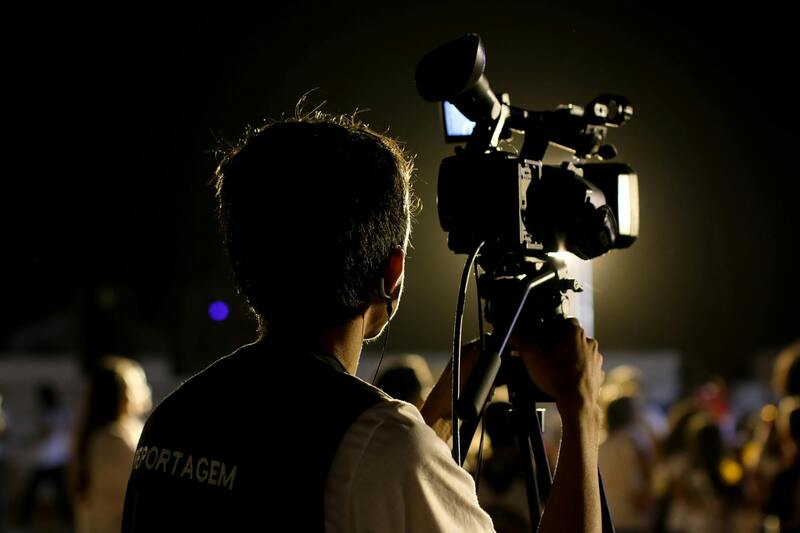
Key Aspects of Livestreaming Production
- Pre-Production Planning: Detailed scheduling, storyboard creation, and technical rehearsals help in aligning the technical teams and content managers towards a common goal.
- Technical Setup: Choosing the right hardware and software, including high-definition cameras, professional audio systems, reliable streaming encoders, and backup internet connections.
- Content Management: Incorporating visuals, graphics, overlays, and interactive elements like live polls or Q&A sessions enhances viewer engagement.
- Live Execution: Coordinating camera operations, managing audio quality, monitoring streaming health, and troubleshooting any arising issues in real-time.
- Post-Event Analysis: Reviewing stream metrics, viewer feedback, and technical performance to refine future livestreaming strategies.
Essential Equipment for Livestreaming
A successful livestream relies on the integration of advanced technology. High-definition cameras coupled with professional-grade microphones ensure crisp visuals and clear audio. Modern streaming encoders transmit video data efficiently, while redundant internet connections prevent disruptions during the broadcast. Additionally, uninterruptible power supplies (UPS) and backup hardware serve as safeguards against technical failures. Proper calibration and regular testing of all equipment are indispensable to maintaining high broadcast standards.
Workflow for Livestreaming Production
- Conceptualization: Define the event goal, target audience, and content outline.
- Resource Allocation: Assign roles to team members, select equipment, and prepare the streaming platform.
- Technical Rehearsals: Conduct dry runs to identify potential issues with equipment and connectivity.
- Execution: Monitor the live stream, coordinate camera angles, and manage viewer interactions.
- Wrap-Up and Review: Collect data, analyze engagement metrics, and identify areas of improvement.
Best Practices for Quality Livestreaming
Maintaining a high-quality livestream requires meticulous attention to multiple factors. Ensuring adequate internet bandwidth is crucial; a minimum of 10 Mbps upload speed is recommended for HD streaming. Employing multiple camera angles and professional audio equipment creates a dynamic and professional broadcast. Using encoding hardware or software that supports real-time adjustments helps adapt to unforeseen challenges. Engaging the audience through interactive features sustains viewer interest and participation. Continuous monitoring of stream health allows for quick responses to buffering issues or technical obstacles, maintaining a smooth and engaging experience.
Furthermore, clear communication among production team members and establishing contingency plans are vital components of a successful livestream. Regular training and staying updated with emerging streaming technologies can enhance the overall quality and reliability of live broadcasts.
Understanding Livestreaming Production
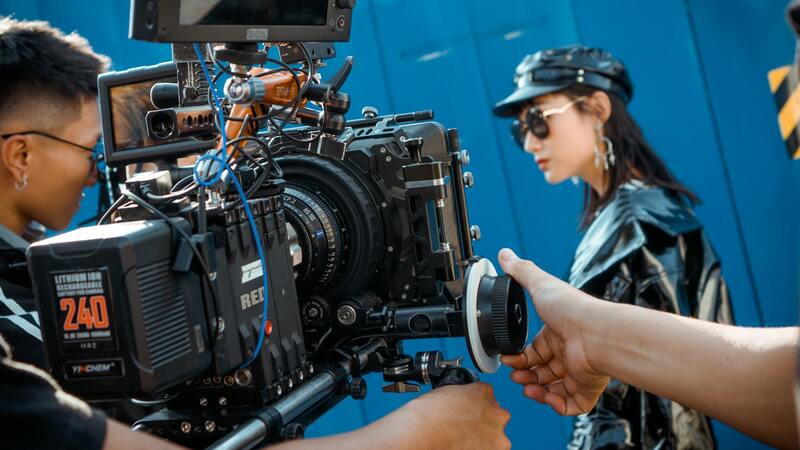
Livestreaming production encompasses a comprehensive process that transforms a physical event into a real-time digital broadcast, accessible to audiences across various locations. It involves meticulous planning, execution, and management of technical elements to ensure a seamless viewing experience. In Miami, the increasing demand for professional livestreaming services reflects the importance of high-quality production standards in corporate events, concerts, conferences, and hybrid gatherings.
Core Components of a Livestreaming Production
- Pre-Production Planning: Establishing objectives, selecting the right platforms, and organizing the technical team.
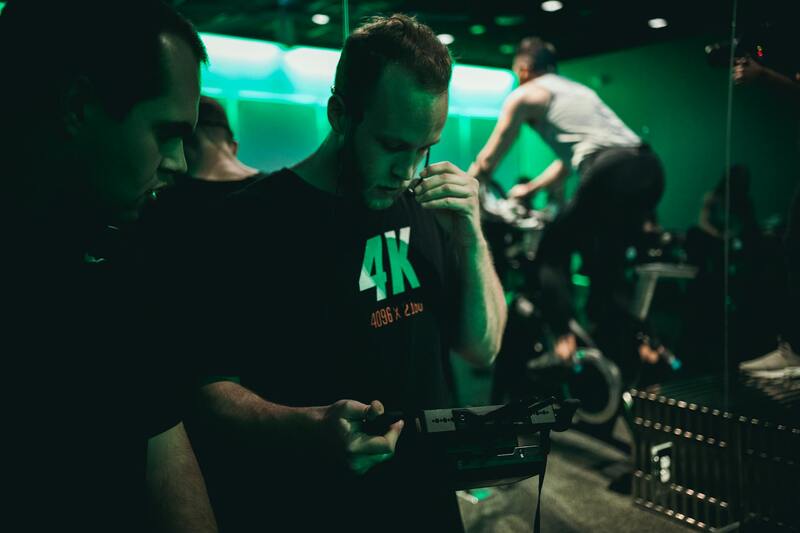
- Equipment Setup: Arranging high-quality cameras, microphones, lighting, and encoding hardware/software to capture and transmit content effectively.
- Content Coordination: Managing camera angles, transitions, graphics, and overlays to enhance visual engagement.
- Technical Rehearsals: Conducting dry runs to identify potential issues with equipment, connectivity, or synchronization.
- Live Execution: Monitoring the stream, adjusting camera angles, managing audio levels, and responding promptly to any unexpected technical challenges.
- Post-Stream Review: Collecting engagement data, analyzing viewer metrics, and assessing technical performance to refine future broadcasts.
Technical Infrastructure and Protocols
A successful livestreaming production relies on a robust technical setup. High-bandwidth internet connectivity, ideally exceeding 10 Mbps for HD streaming, ensures smooth data transmission. Multiple cameras and professional audio equipment contribute to a dynamic and immersive experience. Additionally, reliable encoding hardware or software supports real-time adjustments, crucial for adapting to unforeseen issues like bandwidth fluctuations or equipment malfunctions.
To facilitate multi-platform streaming, integrations with social media and streaming services are often employed, expanding the reach and engagement potential. Furthermore, employing backup systems for power, internet, and critical equipment minimizes disruptions during the event.
Role of the Production Team
A proficient livestreaming production team integrates creative and technical skills. The team may include a producer overseeing the event flow, camera operators capturing various angles, audio technicians managing sound clarity, and technical support staff ensuring connectivity and hardware functionality. Clear communication and coordinated efforts are vital, especially when managing complex hybrid or virtual formats that involve remote contributors or performers.
Quality Control and Audience Engagement
Maintaining high broadcast quality transcends hardware and connectivity; it encompasses audience interaction and content delivery. Features such as chat moderation, real-time annotations, polls, and Q&A sessions foster active viewer participation. Frequent testing, monitoring stream health, and implementing contingency plans for technical issues are essential practices to uphold a professional standard throughout the broadcast.
Efficient resource allocation also entails clear role delegation, appropriate equipment selection, and platform configuration tailored to the event’s scale and audience demographics. Continuous staff training on emerging technologies and streaming platforms further elevates production quality, especially within Miami's vibrant event scene.
Advanced Techniques for Livestreaming Production
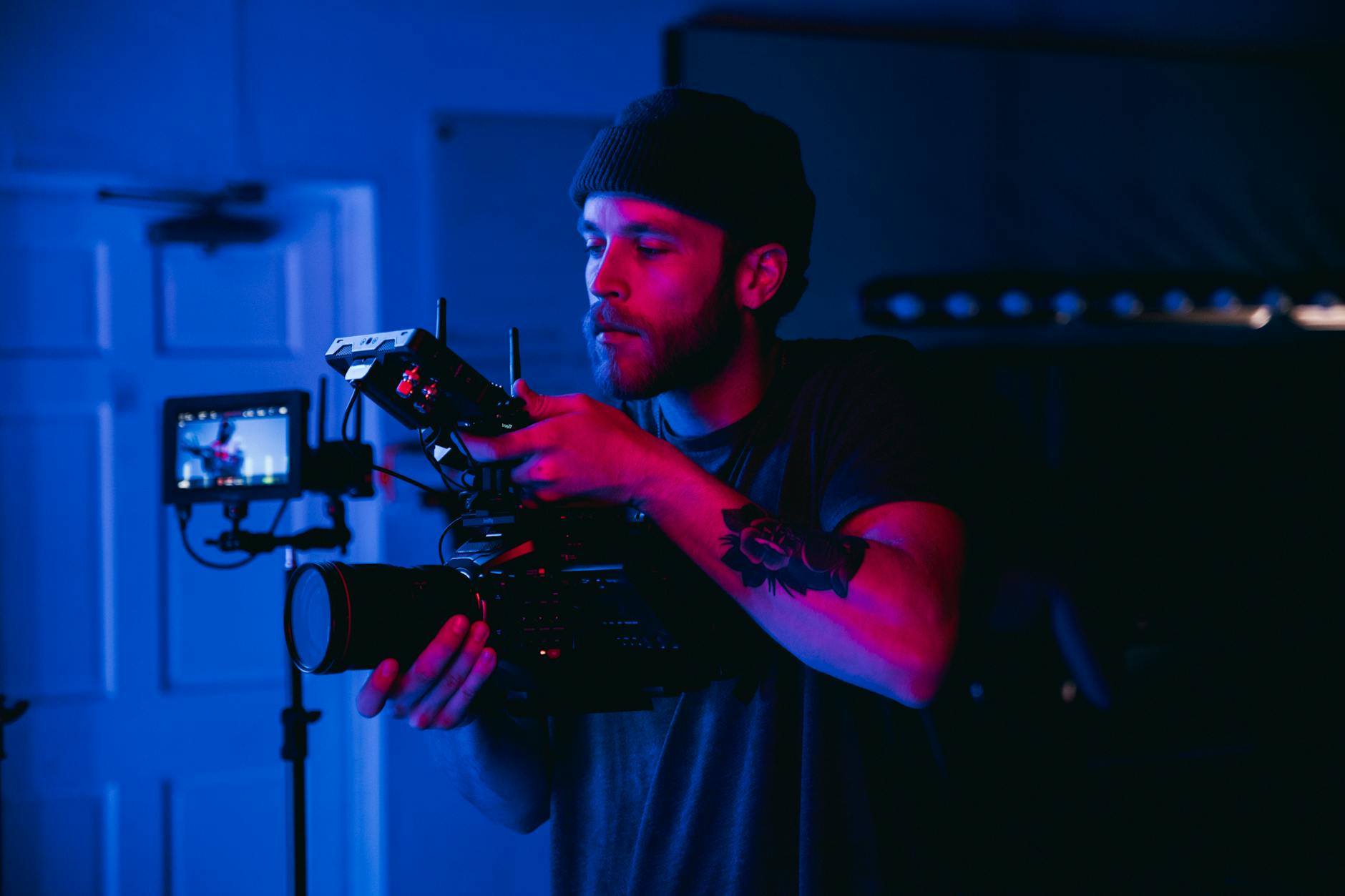
Mastering effective livestreaming production requires more than just high-quality equipment and a skilled team; it involves integrating innovative strategies and tools that elevate the broadcast experience. One such advanced approach is the incorporation of multi-camera setups combined with live switching capabilities. This technique allows producers to seamlessly transition between different angles, enhancing viewer engagement by creating a dynamic visual narrative. Utilizing hardware or software-based live switchers, operators can select camera feeds in real-time, providing a polished, professional feel comparable to traditional broadcast productions.
Leveraging Real-Time Data Integration
Another sophisticated method involves integrating real-time data into livestreams to provide timely and relevant information that enriches the viewing experience. For example, during sports or conference events, embedding live statistics, social media feeds, or interactive polls allows the audience to participate actively. Employing software solutions designed for data overlay ensures that critical information is synchronized with the video stream, enhancing both informational value and viewer retention.
Optimizing Network Infrastructure
Advanced livestreaming heavily depends on a robust internet infrastructure. Employing multiple redundant internet connections, such as bonding cellular networks with wired broadband, can significantly avert disruptions caused by network instability. This bonding process combines bandwidth from various sources, distributing the stream load and maintaining continuous broadcast quality even if one connection encounters issues. In Miami's vibrant event landscape, deploying such resilient systems minimizes potential disruptions during crucial moments of a livestream.
Implementing Professional Audio Techniques
Audio quality substantially impacts the perceived professionalism of a livestream. Utilizing industry-grade microphones, such as shotgun, lavalier, or condenser mics, paired with sound mixers for post-production adjustments, results in clear and balanced audio. Incorporating live audio monitoring and feedback systems enables real-time adjustments, ensuring speech clarity, minimizing background noise, and maintaining consistent volume levels. These practices are essential, especially for virtual panels, interviews, or musical performances, which often feature diverse audio sources.
Employing Cutting-Edge Software Solutions
Advanced streaming software platforms like vMix, OBS Studio, or Wirecast offer producers extensive control over the live broadcast. Features such as custom overlays, transitions, chroma keying for green screens, and live chat integration streamline the production process. These software tools also facilitate streaming to multiple platforms simultaneously, expanding reach without additional hardware. Familiarity and proficiency in these platforms enable Miami-based production teams to deliver versatile and high-quality content tailored to specific event needs.
Sample Workflow for Advanced Livestreaming
- Preparation involving detailed storyboard development and equipment testing.
- Setup of multi-camera systems, audio gear, and network infrastructure, including redundancy measures.
- Integration of data overlays and real-time feedback systems to enhance interactivity.
- Execution with professional switchers and streaming software, managing transitions and overlays effectively.
- Continuous monitoring of stream health, audience metrics, and technical performance, with contingency plans in place.
The Role of Experienced Livestreaming Production Professionals
Implementing these advanced methodologies requires a seasoned team with a deep understanding of both technical and creative aspects of streaming. Professionals proficient in network management, video switching, sound engineering, and software operation are indispensable for executing complex workflows seamlessly. In Miami, where live events span a broad spectrum—from high-profile corporate launches to cultural festivals—the value of experienced producers cannot be overstated. They ensure that each livestream is conducted smoothly, meets quality expectations, and resonates with the target audience effectively.