

Understanding Live Streaming Event Services
Live streaming event services have become essential tools for organizations and individuals seeking to broadcast their events to a broader audience. These services facilitate real-time transmission of video and audio content over the internet, allowing viewers to participate remotely regardless of their physical location. For hosts in Miami, leveraging professional live stream services ensures that their events are accessible, engaging, and professionally presented, thereby expanding their outreach and enhancing audience interaction.
The primary purpose of live streaming event services is to mimic the experience of attending an event in person while offering the convenience of virtual participation. Such services are particularly valuable in a dynamic city like Miami, where diverse audiences are eager to connect with festivals, conferences, concerts, corporate meetings, or religious gatherings. Through high-quality live streaming, event organizers can reach local attendees and those around the globe, effectively breaking geographic barriers.
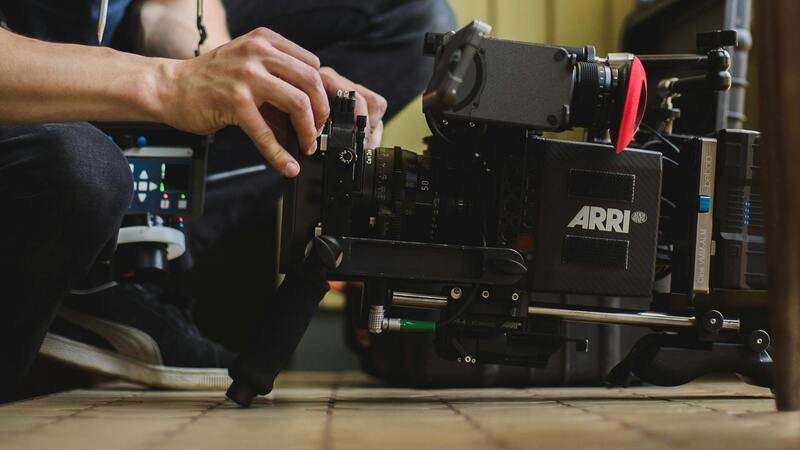
One of the significant advantages of utilizing a dedicated live stream event service is the enhancement of event visibility. These services employ professional-grade equipment and skilled technicians to produce streams that are clear, stable, and engaging. The result is an immersive viewing experience that rivals in-person attendance, with crisp visuals, balanced sound, and minimal latency.
Another key benefit is the ability to customize the live stream according to the event’s unique requirements. Whether the focus is on streaming a keynote speech, a panel discussion, or a multi-camera concert, professional providers tailor their equipment and approach to suit the occasion. This customization ensures that the visual and audio quality meet high standards, maintaining the integrity and professionalism of the event.
Furthermore, live streaming services in Miami often include features such as multiple camera angles, real-time graphics, and live interaction options that increase audience engagement. These enhancements make the event more interactive and memorable, encouraging viewers to share the content across social platforms, thereby broadening the event's reach.
In addition to the production aspect, these services typically handle technical logistics such as bandwidth management, encoding, and streaming platform integration. This comprehensive approach alleviates the burden on event organizers, allowing them to focus on their content and audience engagement while trusting experienced technical teams to manage broadcast quality.
Choosing an appropriate live stream event service involves assessing the provider’s experience, equipment quality, and customer support capabilities. When selecting a provider in Miami, it’s vital to consider their familiarity with local venues, understanding of regional internet infrastructure, and previous success with similar event types. For organizations aiming to maximize exposure, the right service provider can make a significant difference in the success and professionalism of the event broadcast.
Ultimately, live stream event services serve as a crucial bridge between organizers and global audiences. With Miami’s vibrant event scene, employing the right live streaming partner ensures that your event is not only accessible but also delivers a top-tier viewing experience, fostering greater engagement and extending your message's reach far beyond traditional boundaries.
Technical Infrastructure and Equipment for Live Streaming Events
Implementing a successful live stream event hinges on the deployment of advanced technical infrastructure and high-quality equipment. Providers specializing in live stream event services utilize a blend of professional-grade cameras, switchers, microphones, and encoders to ensure pristine audio and crisp video output. These tools are essential for capturing the event’s visuals and sounds accurately, accommodating multiple camera angles and dynamic scenes seamlessly.
In addition to core audiovisual hardware, streaming platforms require robust internet connectivity solutions. This involves dedicated bandwidth management to prevent interruptions and ensure a stable broadcast. Many services employ load balancing and failover mechanisms, which automatically switch to backup internet sources if primary connections falter, guaranteeing continuous streaming. These technical safeguards are vital in maintaining a reliable broadcast, especially for high-profile or large-scale events where technical glitches can significantly impact audience experience.
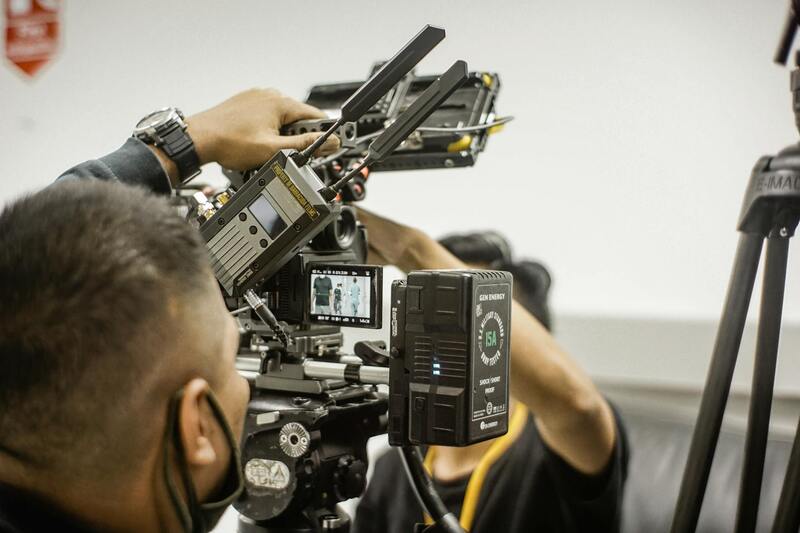
Encoding technology also plays a critical role. It converts raw audio and video signals into streamable formats compatible with various platforms, whether they are social media, dedicated hosting services, or corporate portals. Modern encoders support adaptive bitrate streaming, allowing viewers with different internet speeds to experience smooth playback without buffering.
Furthermore, integration with streaming platforms involves specialized software or hardware solutions that manage the entire broadcast process. These systems facilitate multi-camera switching, on-screen graphics, and real-time content adjustments, providing an engaging viewer experience. Systematic testing and configuration of this equipment before the event are crucial steps taken by the technical team to identify potential issues and optimize broadcast quality.
Ensuring high production standards extends to using professional lighting setups, wireless microphones, and audio mixers, all contributing to the clarity and professionalism of the live feed. When selecting a live stream event service, an assessment of equipment capabilities and setup procedures helps ensure that the provider can meet the specific demands of your event, whether it’s a corporate conference, a ceremonial occasion, or a large entertainment show.
In the context of Miami's bustling event landscape, local providers often tailor their technical setups to accommodate regional internet infrastructure variations and venue-specific requirements. Using state-of-the-art equipment and dependable connectivity solutions, these services maximize broadcast quality, fostering a polished and engaging live streaming experience for audiences regardless of their location.
Ultimately, the technical infrastructure underpinning live stream events must be meticulously managed and consistently upgraded to keep pace with advancing technology standards. Clients benefit greatly from providers who incorporate the latest tools and techniques, ensuring their events are broadcast with clarity, stability, and high professional standards.
Technical Aspects of Live Streaming
Ensuring a seamless live stream event involves meticulous attention to technological details that optimize broadcast quality and viewer experience. At the core is the selection of high-definition cameras capable of capturing every detail with clarity. These cameras, often equipped with multiple angles, allow producers to switch seamlessly between shots, enhancing viewer engagement and creating a professional broadcast appearance. Alongside camera equipment, high-fidelity audio solutions such as wireless microphones, audio mixers, and noise-canceling headsets are imperative. Clear, uninterrupted sound complements the visual content, making the event more accessible and enjoyable for all participants.
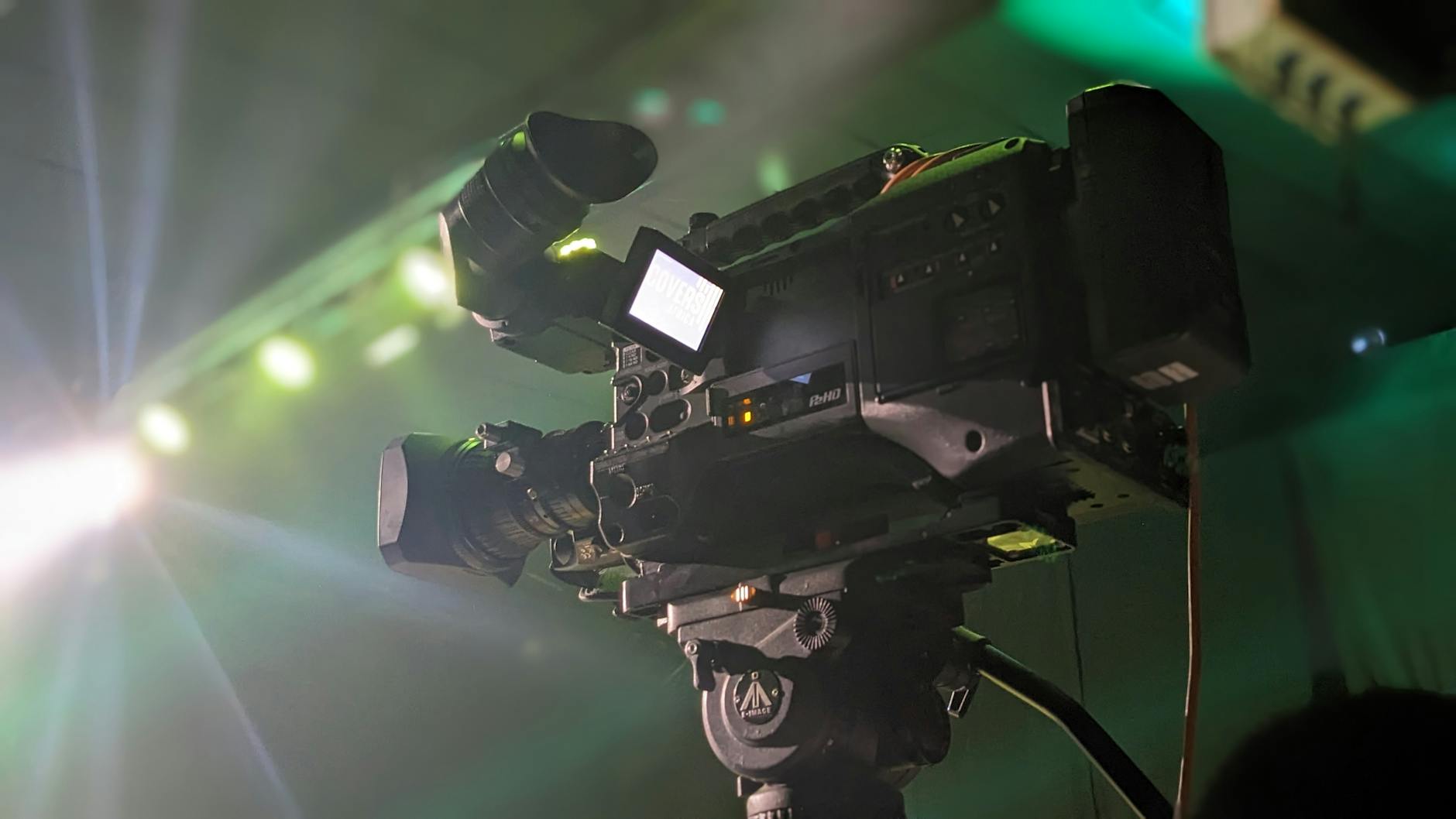
Reliable internet connectivity is the backbone of any live streaming service. Utilizing dedicated internet lines, capable of supporting the bandwidth requirements for high-definition video and audio feeds, ensures stability and prevents disruptions during the broadcast. It is common to employ backup internet connections or failover systems to mitigate the risk of connection failures, especially for high-profile events where consistent stream quality is non-negotiable.
For software solutions, versatile streaming platforms support real-time encoding, adaptive bitrate streaming, and multi-platform outputs. These tools allow the seamless transmission of content across various streaming channels, such as social media, corporate portals, or dedicated event websites. Encoders must be properly configured and tested ahead of time to handle live data flows efficiently, with attention paid to latency issues, video quality, and synchronization.
Server configurations and delivery network optimizations are equally critical. Content Delivery Networks (CDNs) are often employed to distribute streams efficiently across geographic regions, reducing latency and buffering times for remote viewers. Additionally, integrating robust security measures—including stream encryption and secure tokens—protects content from unauthorized access and piracy.
Proper technical setup also involves pre-event testing, including equipment calibration, internet speed tests, and run-throughs of the entire broadcast workflow. This process helps identify potential technical issues, allowing adjustments before the live event begins. During the event, real-time monitoring by trained technicians is essential. They manage encoding, troubleshoot unexpected problems, and adjust broadcast parameters to maintain the highest possible quality.
Executing a Flawless Live Stream
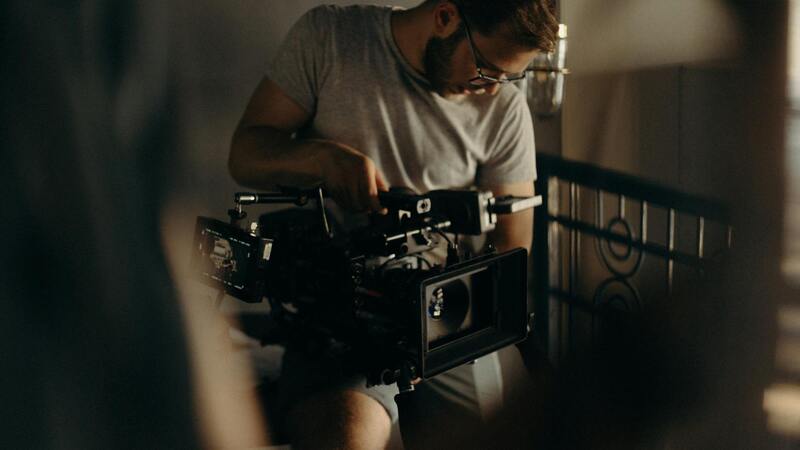
Execution requires coordination across multiple teams, including technical personnel, event planners, and hosts. The technical team executes a detailed run sheet, outlining camera shots, audio cues, transitions, and segment timings. Communication channels are established among all involved to facilitate smooth operation during the broadcast.
During the event, continuous oversight ensures that software and hardware perform as intended. Real-time feedback from the stream monitoring dashboard allows rapid response to any issues that arise, such as audio dropouts, visual disruptions, or connectivity lapses. A designated team member often manages interactions with the audience, such as live chat moderation or Q&A sessions.
Engagement features like live polls, virtual backgrounds, and multi-camera switching enrich the viewer experience. These elements require precise timing and coordination with the host or speaker, emphasizing the importance of thorough rehearsal and technical familiarity.
Post-broadcast, a debrief with team members helps identify successes and areas for improvement. Data analytics provide insights into viewer engagement, drop-off points, and overall stream performance, informing strategies for future events.
Technical Setup and Equipment for Live Stream Events in Miami
Ensuring a seamless live stream requires a robust technical setup tailored to the specific demands of each event. In Miami, a strategic combination of high-definition cameras, professional audio systems, and reliable internet connections forms the backbone of an effective live stream. Multi-camera rigs allow for dynamic shots, enhancing viewer engagement by providing varied perspectives. Additionally, professional-grade microphones and audio mixers ensure crystal-clear sound quality, which is crucial for audience retention and overall production value.
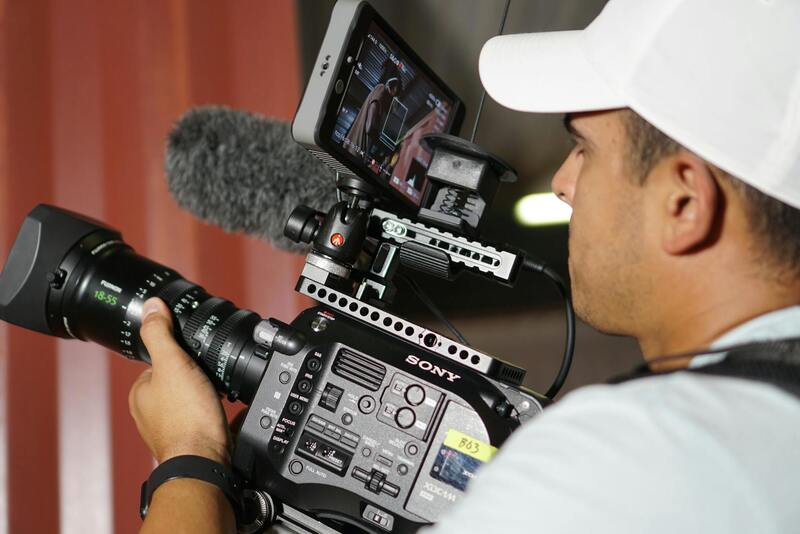
Connectivity reliability is paramount. Miami hosts many event venues with advanced internet infrastructure, but it’s critical to perform pre-event network testing. Often, dedicated upload bandwidth is used to prevent fluctuations or interruptions during the broadcast. For venues with limited internet options, providers may deploy portable LTE/5G modems with multiple SIM cards, ensuring a fail-safe connection. Wireless encoders or bonded streaming solutions amalgamate multiple internet sources, providing extra stability and reducing latency.
Overlay Graphics, Media Files, and Real-Time Engagement Tools
Professional live stream services in Miami employ sophisticated software to incorporate overlay graphics, lower thirds, and branded elements that align with your event’s theme. These visual enhancements not only maintain a polished aesthetic but also convey critical information like speaker names, sponsors, and upcoming segments. Media files such as pre-recorded videos, slideshows, or animated graphics can be integrated seamlessly, enriching the viewer experience.
Furthermore, real-time engagement tools such as live chat, polls, and Q&A sessions are crucial in fostering interaction with remote audiences. Live stream professionals coordinate these features to be synchronized with the broadcast, requiring experience in both technical execution and audience management. These elements boost engagement metrics and deliver a more participatory experience for viewers tuning in from Miami or beyond.
Ensuring a Flawless Broadcast: Testing and Rehearsals
Preparation extends beyond equipment setup. Conducting comprehensive tests and rehearsals familiarizes the entire team with the event flow and technical requirements. During these sessions, potential issues such as audio feedback, camera angles, or timing discrepancies are identified and addressed. Rehearsals also involve testing engagement features to ensure they function correctly during the live event.
For Miami-based events, collaborating with a live stream service provider with local knowledge can streamline these preparations. Experienced providers understand the typical venue layouts, internet considerations, and logistical nuances specific to Miami, ensuring everything runs smoothly on the day of the event.
Deploying Backup Solutions and On-Site Support
Even with meticulous planning, technical issues can arise unexpectedly. To counteract this, live stream service providers in Miami often implement backup solutions, including secondary internet sources, spare equipment, and emergency protocols. On-site support teams monitor the broadcast continuously, allowing for swift troubleshooting of any technical anomalies. Rapid response teams can quickly switch between primary and backup streams, mitigating downtime and ensuring a continuous viewer experience.
By investing in comprehensive technical infrastructure, detailed planning, and dedicated on-site support, Miami event organizers can achieve a high-quality live stream that meets and exceeds audience expectations. Professional live stream event services are equipped with the tools and expertise necessary to manage all these aspects effectively, providing a polished digital presentation aligned with the event’s objectives.
Technical Requirements for Seamless Live Streaming
Executing a successful live stream event hinges on several critical technical components. High-definition multi-camera setups provide diverse angles and enhance viewer engagement, requiring precise synchronization and professional-grade equipment to prevent lag or distortion. Audio clarity is equally vital; utilizing high-quality microphones and sound mixing ensures that narration, commentary, and background sounds are delivered crisply and without interference. Reliable internet connectivity cannot be overstated, as unstable or insufficient bandwidth can lead to buffering, dropped signals, or degraded video quality. Many providers employ dedicated internet lines or multiple sources to guarantee stability during the broadcast, particularly in venues with fluctuating Wi-Fi strength.
Broadcast standards should adhere to industry-accepted resolutions and bitrates to ensure compatibility across various devices and platforms. This includes focusing on transmission protocols such as RTMP (Real-Time Messaging Protocol) and adopting adaptive bitrate streaming, allowing the broadcast to adjust dynamically to viewers’ internet speeds. Employing professional encoding hardware or software manages these parameters effectively, maintaining consistent quality throughout the event.
Implementing Backup and Redundancy Strategies
No matter how meticulously planning, unpredictable technical issues can emerge unexpectedly. To mitigate these risks, comprehensive backup strategies are essential. Backup internet connections, such as secondary broadband lines or cellular data networks, serve as failover options should primary sources fail. Spares of critical equipment—including cameras, microphones, and streaming hardware—are kept on hand for immediate replacement.
On-site technical teams play a pivotal role in supervising the broadcast environment. Continuous monitoring of audio-visual signals, internet stability, and stream health allows for rapid troubleshooting. In many cases, dual encoding or broadcasting to multiple platforms simultaneously acts as an additional safeguard, ensuring that a technical hiccup on one stream won’t affect audience access. Immediate response teams can swiftly implement switchovers, minimizing downtime and preserving viewer experience.
Proactive Testing and Final Preparations
Testing is crucial to pinpoint potential issues well ahead of the event. Pre-event rehearsals enable the technical crew to simulate the live environment, fine-tune equipment, and verify streaming quality. This process involves checking internet connections, verifying camera angles and audio outputs, and testing engagement features like live chat, polls, or Q&A sessions. Test runs also help determine the optimal encoding settings and ensure integration with the chosen streaming platform.
Event logistics are equally important. Confirming venue internet capabilities, setting up dedicated workstations, and coordinating with venue staff facilitate smooth operation on the day of the event. Establishing clear roles among technical team members—who control camera angles, audio levels, and streaming inputs—ensures coordinated efforts and quick reaction to any unforeseen issues.
Integrating Branding and Engagement Features
Incorporating branding elements into the broadcast, such as overlays, lower thirds, and watermarks, enhances event professionalism and helps reinforce branding messages. Additionally, engagement tools such as live chat, polling, and social media integration foster interaction between the audience and event hosts, elevating viewer participation and satisfaction. Ensuring these features function correctly during rehearsals allows for smooth deployment during the live stream, creating a dynamic and interactive experience.
Ensuring Stream Security and Maintaining Quality Standards
When executing a live stream event, maintaining a high level of security and ensuring the integrity of the broadcast are paramount. This involves implementing secure data transmission protocols to prevent unauthorized access to the stream and safeguarding sensitive event content. Many professional live stream service providers utilize encryption techniques, secure login portals, and password-protected streams to restrict access exclusively to authorized viewers. These measures help protect the event from potential disruptions or content theft, providing peace of mind for organizers and participants alike.
In addition to security, consistently delivering top-tier video and audio quality involves meticulous attention to technical details. This begins with selecting the right streaming resolution and bit rate settings that align with the available internet bandwidth. For instance, streaming in 1080p or 4K requires a stable, high-bandwidth connection, necessitating pre-event internet speed tests and dedicated network setups if possible. On-site technical teams should continuously monitor the stream's health through specialized software that provides real-time analytics on latency, buffering, and data loss, enabling immediate troubleshooting if issues arise.
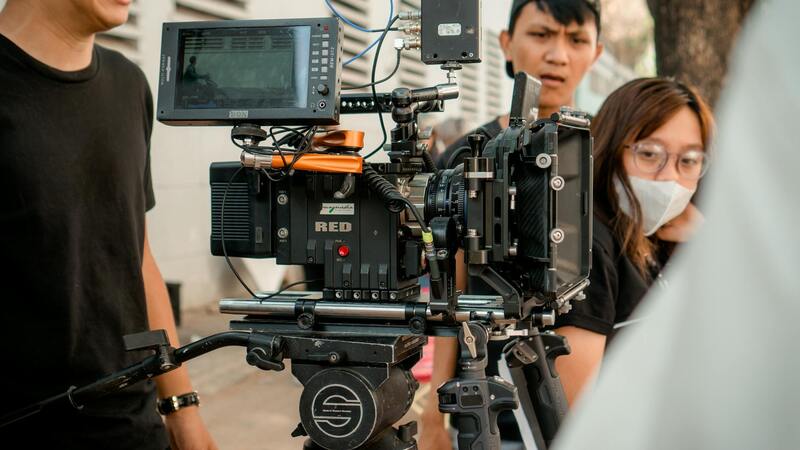
Choosing reliable equipment and redundant systems also plays a critical role. Multiple encoders, backup internet sources, and redundant power supplies help prevent interruptions, even during unforeseen technical failures. These measures should be tested thoroughly before the event and monitored throughout the live broadcast to promptly address any problems that could compromise streaming quality or viewer experience.
Engagement and Interaction During Live Streaming
An effective live streaming event service integrates interactive features designed to foster audience engagement. Incorporating real-time chat functionalities, Q&A sessions, and live polls transforms passive viewers into active participants, increasing overall event impact. These features should be tested during rehearsals to ensure seamless operation, and moderation protocols should be in place to manage viewer interaction efficiently, maintaining a professional and respectful environment.
Social media integration further amplifies reach and participation by allowing viewers to share content, ask questions, or comment directly from their social platforms. This intervention creates a dynamic environment that encourages audience involvement beyond the confines of the live stream itself. By leveraging these engagement tools, event organizers can gather immediate feedback, measure viewer satisfaction, and enhance future event planning with data insights derived from audience interactions.
Ultimately, the goal of a live stream event service is to deliver an immersive, professional, and engaging experience that resonates with viewers long after the event concludes. Meticulous planning, advanced technology, and proactive management ensure that every live broadcast achieves this standard, reinforcing the professionalism and reputation of both the organizer and the service provider.
Technical Infrastructure for High-Quality Live Streaming
Executing a seamless live stream event requires a robust technical setup tailored to meet the specific demands of professional broadcasting. This encompasses high-definition cameras, professional-grade audio equipment, and reliable encoding hardware to ensure crisp visuals and clear sound. The choice of a streaming platform plays a vital role, offering stability and low latency to prevent delays or interruptions that could diminish viewer experience.
Bandwidth capacity is a critical factor; sufficient upload speeds must be secured to support the desired streaming quality without buffering issues. Redundant internet connections, such as backup fiber lines or cellular bonds, are often employed to maintain uninterrupted transmission even if primary connections fail. For audio clarity, digital mixers and wireless microphones are integrated into the setup, ensuring those behind the scenes have tight control over sound levels and clarity.
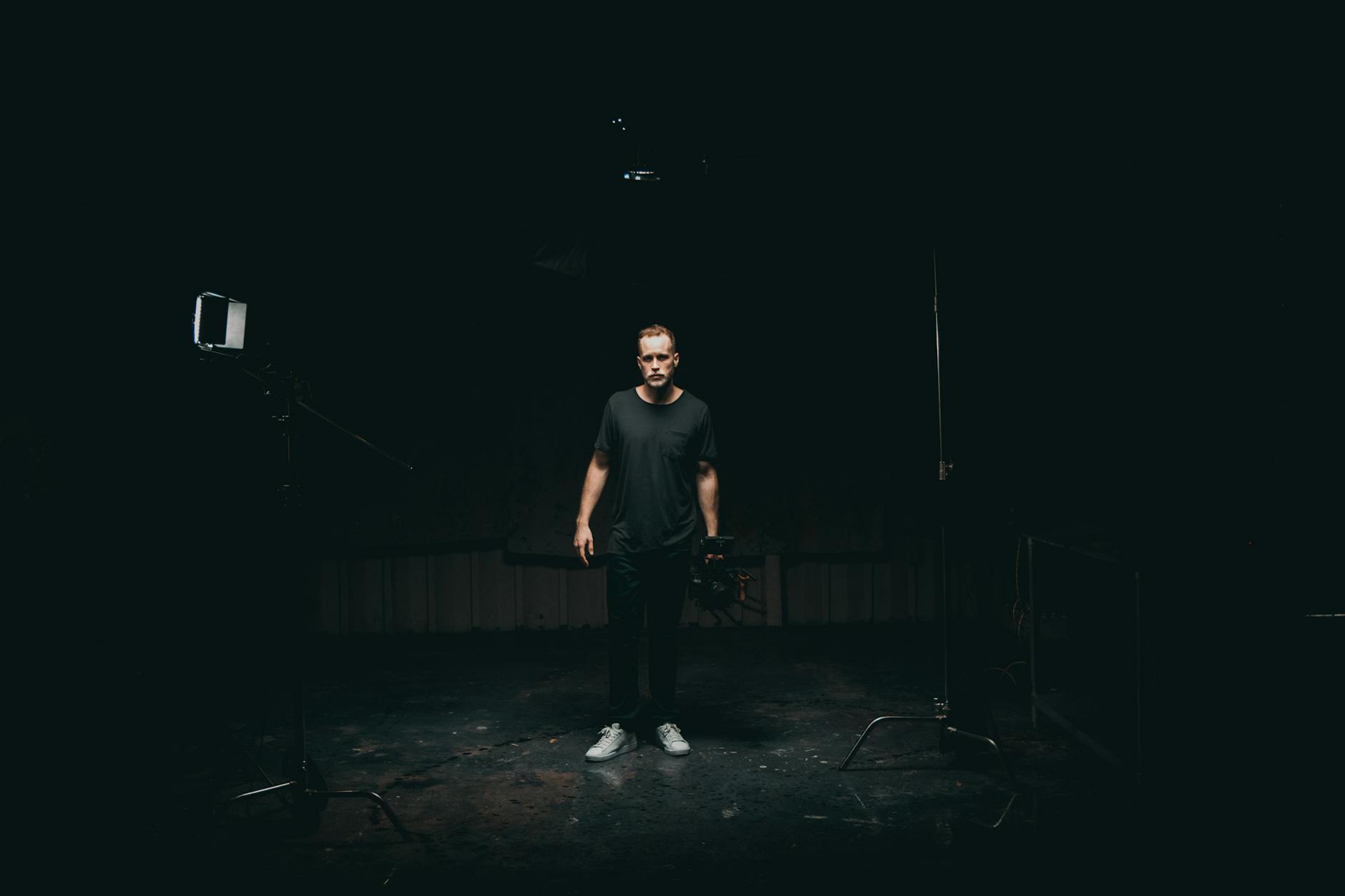
In addition to hardware, the software layer involves encoding solutions that convert raw video and audio signals into formats optimized for streaming. Cloud-based streaming services or dedicated servers are managed by experienced technicians who monitor stream health continuously, ready to troubleshoot any issues swiftly. This helps maintain a consistently high-quality broadcast that meets the expectations of viewers and organizers alike.
Workflow and Coordination for Smooth Execution
Pre-event planning involves meticulous scheduling, technical rehearsals, and coordination among various teams. A detailed run-of-show plan is established, outlining camera shots, graphics, overlays, and interactive segments such as Q&As or polls. Technical rehearsals ensure proper synchronization of video feeds, audio levels, and engagement features, highlighting potential points of failure that can be addressed before the actual event.
During the live event, a dedicated technical team oversees all aspects, from switching camera angles to managing live graphics and viewer interactions. Clear communication channels among camera operators, producers, and moderators are maintained through headsets, fostering rapid response to any unforeseen problems. This team is also responsible for engaging the audience through integrated chat functions, social media sharing, and audience polls, reinforcing viewer involvement and making the program dynamic.
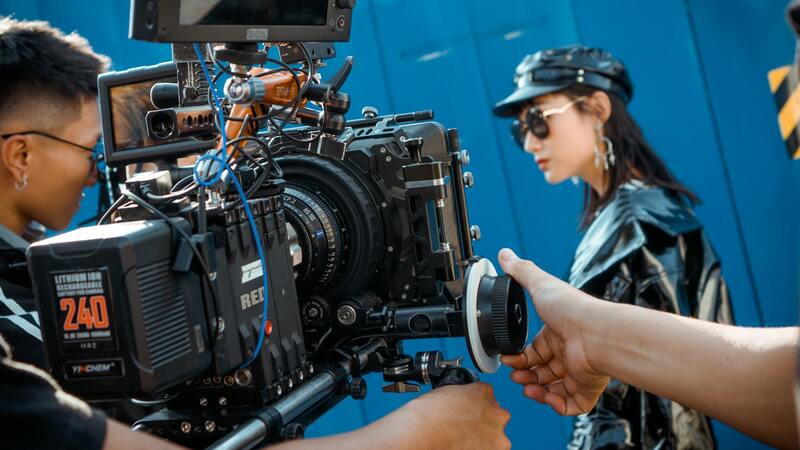
Post-broadcast, data analysis and feedback collection are essential for assessing the stream’s performance and identifying areas for improvement. Detailed metrics such as viewer counts, engagement rates, and technical issues encountered provide insights that inform future live stream strategies. Additionally, recording the event allows organizers to repurpose content for marketing, training, or archival purposes, extending the value of the live broadcast well beyond the initial event.
Choosing a dedicated live stream service provider in Miami with proven technical expertise and comprehensive support ensures that every detail of your event is managed professionally. From initial setup and rehearsal to the live broadcast and post-event analysis, a reliable provider guarantees a polished, immersive experience for your audience, reinforcing your event’s impact and reputation.
Legal and Accessibility Considerations
Ensuring comprehensive compliance when hosting a live stream event in Miami involves meticulous attention to legal and accessibility standards. Securing necessary permissions and rights for content, including music, video clips, or proprietary visuals, safeguards your event from potential disputes and maintains the integrity of your broadcast. It is vital to verify that all media used during the stream is properly licensed or authorized, especially when live broadcasting involves third-party content. Proper licensing not only adheres to local and federal regulations but also upholds your organization's reputation for professionalism and respect for intellectual property.
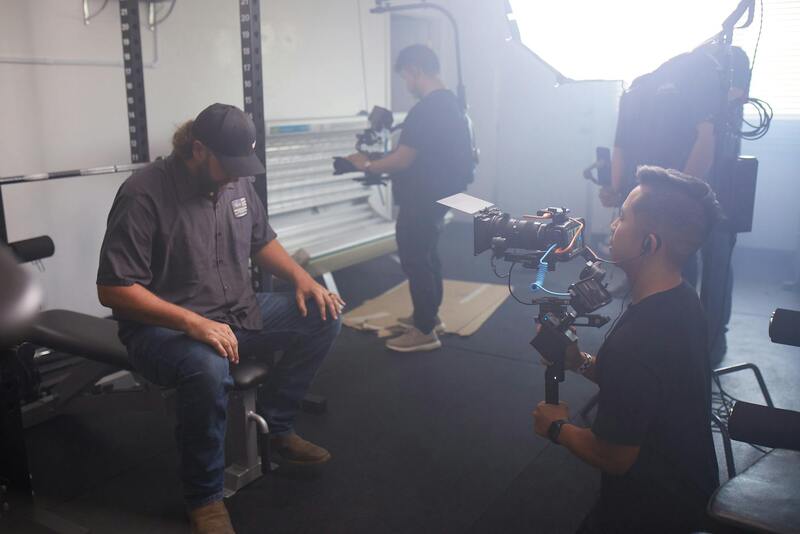
In addition to legal compliance, making your live stream accessible to diverse audiences forms a core part of responsible event hosting. Incorporate features such as closed captioning and sign language interpretation to cater to viewers with hearing impairments. Audio descriptions can also enhance the experience for visually impaired audiences, providing a descriptive narration of visual content. These measures demonstrate a commitment to inclusivity, broadening your reach and ensuring your event resonates with all participants irrespective of their abilities.
Miami's vibrant and progressive environment encourages adherence to accessibility requirements. Many professional live stream providers are well-versed in integrating these features seamlessly into your broadcast infrastructure, ensuring your event remains compliant and inclusive. Moreover, establishing clear communication with audience members who utilize accessibility features beforehand guarantees they can fully engage with your content without obstacles.
Best Practices for Ensuring Accessibility and Content Compliance
- Implement real-time closed captioning during the stream to improve comprehension for viewers with hearing impairments.
- Integrate sign language interpreters or on-screen sign language overlays where relevant.
- Provide audio descriptions for any visual content to cater to visually impaired viewers.
- Obtain all necessary content permissions well in advance of the event to avoid interruptions or legal complications.
- Review local Miami regulations and international standards relevant to accessibility and content rights to ensure full compliance.
- Submit an accessibility and compliance checklist during the planning phase to anticipate and address potential issues proactively.
- Coordinate with a professional live stream provider experienced in accessibility features for seamless implementation.
These steps not only facilitate a smooth and legitimate streaming process but also enhance your event’s reputation by demonstrating inclusivity and respect for content rights. Engaging a dedicated team of experts ensures that technical, legal, and accessibility facets are managed comprehensively, allowing you to focus on delivering compelling content that resonates with your audience.