

Overview of Video Webcasting Services
Video webcasting services have become an essential component for organizations seeking to broadcast live events, meetings, and conferences to their audiences over the Internet. In the Miami area, businesses, educational institutions, and event organizers leverage these services to extend their reach well beyond physical locations, ensuring that remote participants can experience the event as if they were there. The core function of webcasting is to deliver high-quality, real-time video content directly to viewers across various devices, including desktops, tablets, and smartphones.
These services facilitate a seamless broadcasting experience by managing the entire process—from capturing the live event, encoding the video into suitable formats, to streaming it over a reliable content delivery network. This allows organizations to maintain professional standards in delivery, offering viewers crisp visuals and clear audio, which are critical for impactful communication. As an evolving facet of digital engagement, video webcasting has become integral to the operational strategy of many Miami-based organizations, especially amidst the increasing need for remote participation and virtual connectivity.

Types of Webcasting Services Offered
The landscape of webcasting encompasses various service types, tailored to meet diverse event requirements:
- Single-camera Webcasts: Ideal for smaller events or meetings, using one camera to stream the session with minimal equipment.
- Multiple-camera Productions: Suitable for larger, more complex events such as conferences, with multiple cameras providing dynamic shots and angles.
- Hybrid Webcasting: Combines live video feeds with pre-recorded content or slideshows to enhance viewer engagement.
- On-demand Streaming: Provides recorded versions of live streams that viewers can access at their convenience, useful for training or corporate communications.
Each service type employs specific equipment and software solutions to ensure optimal broadcast quality, catering to the unique demands of Miami's vibrant event scene.

Features and Technologies Used
Modern video webcasting services incorporate advanced features and technologies to deliver a professional viewing experience. High-definition (HD) streaming is standard to ensure clarity and visual appeal. Adaptive bitrate streaming automatically adjusts video quality based on the viewer’s device and internet speed, minimizing buffering issues.
Other key technologies include:
- Encoding Software: Transforms raw video feeds into streamable formats compatible with internet delivery.
- Content Delivery Networks (CDNs): Distribute the stream across multiple servers to ensure broad coverage and minimal latency.
- Secure Streaming Protocols: Utilize encrypted connections to protect the content and enhance viewer trust.
Interactive features such as live chat, polling, and Q&A sessions are also integrated to foster audience engagement and participation during live broadcasts.

Benefits of Webcasting for Miami Businesses and Events
Webcasting offers numerous advantages for organizations in Miami by expanding their event reach and improving communications. Some of the primary benefits include:
- Increased Audience Engagement: Reach participants unable to attend physically, enabling broader participation regardless of geographic location.
- Cost Efficiency: Reduces the need for extensive travel, venue logistics, and printed materials associated with in-person events.
- Enhanced Visibility: Facilitates international exposure for Miami-based companies and organizations.
- Record and Archive Capabilities: Webcasts can be recorded for future reference, training, or promotional content.
- Real-time Interaction: Allows live audience questions, feedback, and networking opportunities during the event.
By adopting professional webcasting services, Miami entities can maximize the impact of their events, improve accessibility, and foster stronger relationships with their audience base.
Overview of Video Webcasting Services
Video webcasting services have revolutionized how organizations in Miami connect with their audiences by enabling real-time broadcasting of events, meetings, and presentations over the internet. With the ability to deliver high-quality streams to viewers across the globe, these services combine advanced streaming technology with robust infrastructure to ensure a seamless viewing experience. At the core, professional webcasting involves multiple layers of technical execution, including encoding live video feeds, managing data delivery through optimized networks, and providing interactive features that elevate viewer engagement. Miami-based businesses and event organizers increasingly leverage these services to expand their outreach, enhance stakeholder communication, and create memorable virtual experiences that mirror in-person participation.

High-quality video production is essential in webcasting, requiring multi-camera setups, professional lighting, and audio equipment to deliver crisp visuals and immersive sound. These technical elements are complemented by sophisticated streaming protocols, such as adaptive bitrate streaming, to ensure stability across varied internet speeds. Content delivery networks (CDNs) play a crucial role by distributing content efficiently, minimizing latency, and preventing buffering issues for viewers regardless of their location. Encryption and secure transmission protocols further safeguard broadcast content, protecting intellectual property and maintaining viewer trust. The integration of interactive features, including live chat, real-time polls, and Q&A sessions, allows Miami organizations to foster active participation, making virtual events more dynamic and engaging.

Many webcasting platforms also incorporate analytics tools that track viewer metrics such as engagement levels, peak viewership times, and geographic data. These insights help organizers refine future broadcasts, tailor content to audience preferences, and demonstrate the reach and impact of their online events. Moreover, the scalability of these services caters to a wide range of event sizes, from small seminars to large conferences attended by thousands. The ability to record live streams and archive them for on-demand access adds significant long-term value, allowing content reuse for marketing, training, and internal communications. Overall, professional webcasting services provide a reliable, interactive, and versatile solution for Miami-based organizations looking to extend their digital footprint and connect with broader audiences effectively.
Overview of Video Webcasting Services
Video webcasting services have become an essential component of modern event broadcasting, especially in vibrant cities like Miami where diverse industries leverage digital platforms to reach wider audiences. These services encompass a broad spectrum of solutions designed to capture, transmit, and stream live video content over the internet with high reliability and quality. They cater to various event types, including corporate conferences, educational seminars, entertainment festivals, and community gatherings. By utilizing advanced streaming technologies, professional webcasting providers ensure that content is delivered seamlessly across different devices and network conditions, providing an engaging viewer experience regardless of geographical location.

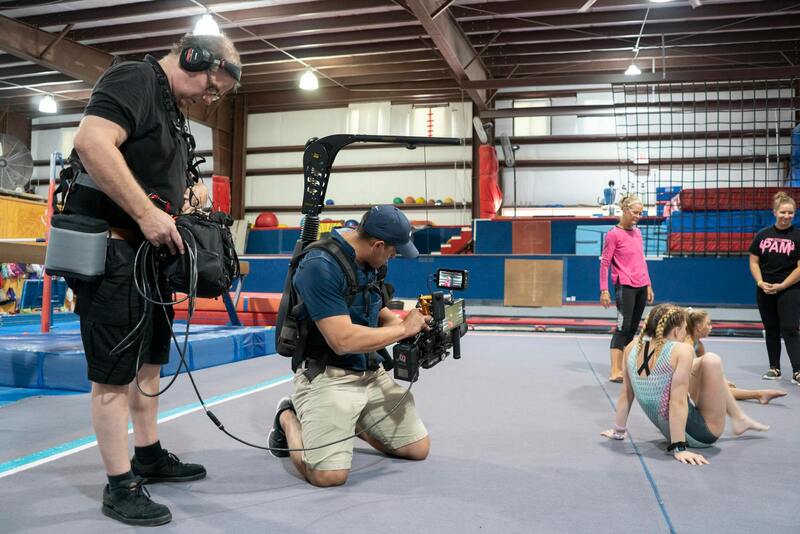
Central to these services is the ability to support scalable and customizable broadcast solutions tailored to specific event needs. This includes integrating multiple camera angles, professional-grade audio systems, and real-time graphics to create a polished and immersive presentation. Additionally, webcasting solutions often include tools for interactive participation, enabling viewers to engage through live chats, polls, and Q&A sections, thereby transforming passive viewing into active involvement.
Types of Webcasting Services Offered
There are several core types of webcasting services available to meet distinct organizational requirements:
- Livestreaming Platforms: These provide real-time broadcasting primarily aimed at larger audiences, ensuring minimal latency and robust performance for sizable virtual events.
- On-Demand Streaming: Recorded sessions are processed and uploaded for later access, ideal for training materials, promotional content, or archive purposes.
- Hybrid Webcasting: Combines live and on-demand elements, offering flexible viewing options that maximize reach and engagement.
- Event-Specific Solutions: Tailored packages for webinars, product launches, panel discussions, and other specialized event formats, often including branding elements and customized interactive features.
Each of these service types is supported by advanced technology stacks, including content delivery networks (CDNs) that ensure smooth transmission, encryption protocols that protect proprietary information, and analytics tools that measure viewer engagement and content performance.
Extended Overview of Video Webcasting Services
Implementing effective webcasting solutions requires a strategic approach centered on the selection of appropriate technology and adherence to best practices. Professional webcasting providers leverage high-performance streaming servers and content delivery networks to facilitate seamless transmission of live video content. These servers distribute the video streams efficiently across various regions, minimizing lag and buffering, regardless of the size of the audience. This infrastructure is pivotal for ensuring that all viewers, whether local or international, experience optimal video quality with synchronized audio, crisp visuals, and minimal latency.

To bolster engagement and interaction, many webcasting solutions incorporate real-time analytics and viewer statistics. These insights include data regarding viewer demographics, engagement duration, and interaction rates, empowering organizations to tailor content dynamically and improve future broadcasts. Advanced encryption protocols and secure streaming channels are standard, safeguarding proprietary information and maintaining viewer trust by protecting against unauthorized access.
Moreover, compatibility with various devices and platforms is essential. Leading webcasting services optimize streams for desktops, tablets, and smartphones, ensuring accessibility across different operating systems and network environments. Adaptive bitrate streaming techniques automatically adjust video quality based on viewers’ internet speeds, maintaining continuous playback and reducing disruptions.
Technical Features and Solutions Employed
- Multiple Camera Feeds and Professional Production: High-quality multicam setups enable dynamic shots, switching seamlessly between camera angles to enhance viewer experience.
- Audio Fidelity: Integration of professional-grade audio systems ensures clear sound, essential for engaging presentations or Q&A sessions.
- Real-Time Graphics and Overlays: Graphics, lower thirds, and branding elements are used to create polished visual presentations that align with event branding.
- Interactive Tools: Live chat, polling, and Q&A features foster real-time viewer interaction and engagement.
- Content Management System (CMS): Helps organize, schedule, and archive footage efficiently for on-demand viewing.
- Enhanced Security Measures: Streaming encryption, access controls, and secure login procedures protect event content and audience data.
- Customizable Interface and Branding: Services provide options for integrating logos, themes, and other branding elements to match organizational identity.
Supported Technologies and Frameworks
Successful webcasting depends on the integration of various technological frameworks that facilitate high-quality streaming and viewer engagement. These include:
- Content Delivery Networks (CDNs): Ensures scalable and reliable delivery of video content globally.
- Adaptive Streaming Protocols: Dash and HLS optimize video quality based on real-time network conditions.
- RTMP and WebRTC: Facilitate low-latency streaming, critical for interactive events.
- Content Management Systems (CMS): Enable comprehensive organization and distribution of content archives.
- Secure Streaming Protocols: SSL/TLS encryption and token-based access provide secure transmission channels.
These technological essentials are foundational to delivering a reliable and engaging webcasting experience tailored to diverse organizational needs, ranging from corporate conferences to community events in Miami.
Legal and Security Considerations
Implementing video webcasting services demands a comprehensive approach to safeguarding both content and audience information. These considerations extend beyond technical robustness, encompassing policies and practices that uphold data integrity, privacy, and secure delivery. For Miami-based organizations, ensuring compliance with local regulations and industry standards is essential for a seamless and trustworthy streaming experience.
One of the primary measures is utilizing advanced encryption protocols during content transmission. Secure sockets layer (SSL) and transport layer security (TLS) encrypt data streams, preventing unauthorized access and eavesdropping during live broadcasts. Content Delivery Networks (CDNs) are often configured with encrypted channels, reinforcing security across global audiences.

Access control mechanisms are equally critical. These include customized login portals, token-based authentication, and user permission settings that restrict content viewing to authorized audiences. Such measures are particularly relevant for corporate webinars, private conferences, or paid digital events. Brand-specific branding elements and content are protected through digital rights management (DRM) systems, ensuring that proprietary themes and visuals remain secure.
Additionally, legal considerations related to content rights and intellectual property must be addressed proactively. Contracts and licensing agreements clarify permissible content use, preventing unauthorized distribution or replication. Clear guidelines around recording, archiving, and subsequent dissemination of live broadcasts help organizations maintain control over their digital assets.
Data protection policies are essential for compliant handling of viewer information. Proper storage protocols, secure databases, and regular audits reduce vulnerabilities related to personal data collection. This is especially crucial for events with interactive features such as live chat or surveys, where audience engagement involves data exchange.
For Miami businesses considering webcasting solutions, partnering with providers that demonstrate robust security infrastructures and comprehensive compliance practices can foster confidence. Such collaborations ensure that every stage of the webcast—from initial setup through post-event archiving—is managed with security as a core priority, helping organizations deliver high-quality live experiences without compromising safety.
Legal and Security Considerations
When utilizing video webcasting services, it is imperative for Miami businesses and event organizers to adopt comprehensive security measures that ensure the protection of digital assets and sensitive information. Employing encrypted data transmission protocols, such as Secure Sockets Layer (SSL) or Transport Layer Security (TLS), can significantly reduce the risk of interception or unauthorized access during live streams. Additionally, utilizing secure streaming servers with restricted access controls ensures that only authorized personnel can manage and distribute the webcast.
Implementing digital rights management (DRM) systems plays a crucial role in safeguarding proprietary content. These systems control the distribution, copying, and viewing rights of digital media, maintaining control over who can access and reproduce the content. It is equally important to establish strict access credentials, including multi-factor authentication, to prevent unauthorized entry to webcasting platforms.
Furthermore, organizations should pay close attention to their contractual agreements with webcasting providers. Clear clauses that outline responsibilities for security, data privacy, and content protection contribute to a secure operational environment. Regular audits and compliance checks are necessary to identify potential vulnerabilities and to ensure that all security measures are effectively enforced throughout the entire webcasting process.
For content involving sensitive or confidential information, employing watermarking techniques can add an additional layer of security, enabling the tracking and identification of unauthorized redistributions. Managing viewer data responsibly through GDPR-compliant practices or other relevant privacy standards not only enhances trust but also mitigates data breach risks.
Legal and Security Considerations
When utilizing video webcasting services in Miami, organizations must adopt comprehensive measures to ensure content protection and compliance with established standards. This includes implementing robust access controls that restrict viewing rights to authorized individuals, employing encryption techniques to safeguard live streams, and ensuring secure data storage practices. Protecting the proprietary nature of the content is crucial, especially when dealing with sensitive corporate information or confidential event details.
In addition to safeguarding the content during transmission, organizations should verify the secure handling of viewer data. Implementing GDPR-compliant privacy practices and adhering to local data protection laws help maintain trust and prevent potential breaches. Regular security audits assist in identifying vulnerabilities within the webcasting infrastructure, enabling proactive measures against potential threats.
Content rights management is another essential aspect. This involves establishing clear copyright agreements and licensing rights prior to the webcast, ensuring all used media—such as music, videos, and images—have proper authorization. Watermarking can serve as an effective deterrent against unauthorized redistribution and piracy, allowing content owners to track breaches precisely.
Accessibility and Inclusivity
Ensuring that webcasts are accessible to diverse audiences aligns with best practices and broadens the reach of events. Captioning services, sign language interpretation, and compatibility with assistive technologies are vital components that enhance user experience and meet accessibility standards.

Organizations should collaborate with providers who incorporate these features seamlessly into their platforms, reinforcing both security and inclusivity.
Adherence to Legal Content Use
To prevent copyright infringement, meticulous verification of all content prior to broadcast is necessary. This includes securing licenses for licensed materials and using original content whenever possible. Clear documentation of permissions and licenses should be maintained to substantiate lawful use.
Furthermore, organizations should foster awareness around intellectual property rights among staff and event participants. This proactive approach reduces the risk of inadvertent violations and enhances the organization’s reputation for integrity.
Legal and Security Considerations in Video Webcasting
Executing a professional video webcasting service in Miami demands adherence to key legal and security protocols that protect both the content creators and the audience. Ensuring that the live stream complies with intellectual property rights involves rigorous content management practices. Before broadcasting, organizations should conduct thorough content audits to verify they possess the rights to all multimedia elements integrated into their webcast, including music, visuals, and proprietary footage. This often requires securing licenses from rights holders and maintaining detailed records of permissions, licenses, and correspondence related to content approval.
Watermarking technologies serve as effective tools to safeguard digital content. Embedding watermarks in broadcast videos helps content owners trace unauthorized redistribution, thereby deterring piracy efforts. Additionally, employing digital rights management (DRM) solutions can restrict unauthorized access and downloading, ensuring that only verified viewers can access sensitive or exclusive content.
Implementing Secure Streaming Protocols
Security in live streaming is paramount, especially when handling sensitive or proprietary information. Advanced encryption standards, such as Transport Layer Security (TLS) and Secure Real-Time Transport Protocol (SRTP), are essential for encrypting data streams, preventing interception or tampering during transmission. Content Delivery Networks (CDNs) equipped with robust security features help distribute live streams efficiently while protecting against Distributed Denial of Service (DDoS) attacks. Many providers incorporate multi-factor authentication and access controls within their platforms, so event organizers can restrict viewing privileges to authorized audiences only.
Managing Audience Accessibility and Data Privacy
Inclusive streaming practices must be embedded into the technical framework of the webcast. This includes integrating captioning services, sign language interpretation options, and compatibility with various assistive technologies to reach diverse audience segments. These features not only promote inclusivity but also align with best practices for civic responsibility and broad audience engagement.
Data privacy is equally critical. Secure login procedures, encrypted registration forms, and compliance with data protection regulations help maintain user confidentiality. Adequate logging and audit trails should be maintained to monitor access and detect any irregular activities during the webcast. These measures foster trust and demonstrate a commitment to responsible content management.
Staff Training and Internal Protocols
Ensuring a secure and compliant webcasting environment also involves educating staff and event participants about security best practices. Training should cover topics such as recognizing phishing attempts, handling sensitive information, and adhering to content usage policies. Establishing clear internal protocols for content verification, access management, and breach response can significantly mitigate risks associated with live broadcasting.
Technical Consultation and Continuous Improvement
Consulting with security experts and staying updated on emerging threats are vital in maintaining a resilient webcast infrastructure. As technology evolves—introducing features such as end-to-end encryption, biometric authentication, and AI-driven threat detection—providers should continuously refine their security measures. Regular audits and testing protocols can identify potential vulnerabilities before they impact the webcast, ensuring a safe and seamless experience for Miami audiences.