

Overview of Live Video Production
Live video production encompasses the process of creating and broadcasting video content in real time. This practice has become integral to how organizations, brands, and event organizers deliver engaging visual content directly to audiences worldwide. The primary goal of live video production is to facilitate instant communication, provide immersive experiences, and extend the reach of events beyond physical boundaries. Whether hosting a corporate conference, a music festival, or a community gathering, live video production ensures that audiences can partake in the event as it unfolds, fostering interaction and immediacy.
Key components of live video production include capturing high-quality video footage, efficient audio handling, real-time video switching, streaming technology, and distribution platforms. The quality of the production hinges on seamless coordination among camera operators, technical directors, audio engineers, and streaming specialists. By integrating sophisticated equipment and innovative software, live video production teams can deliver polished, professional broadcasts that meet specific audience engagement goals and enhance the overall event experience.
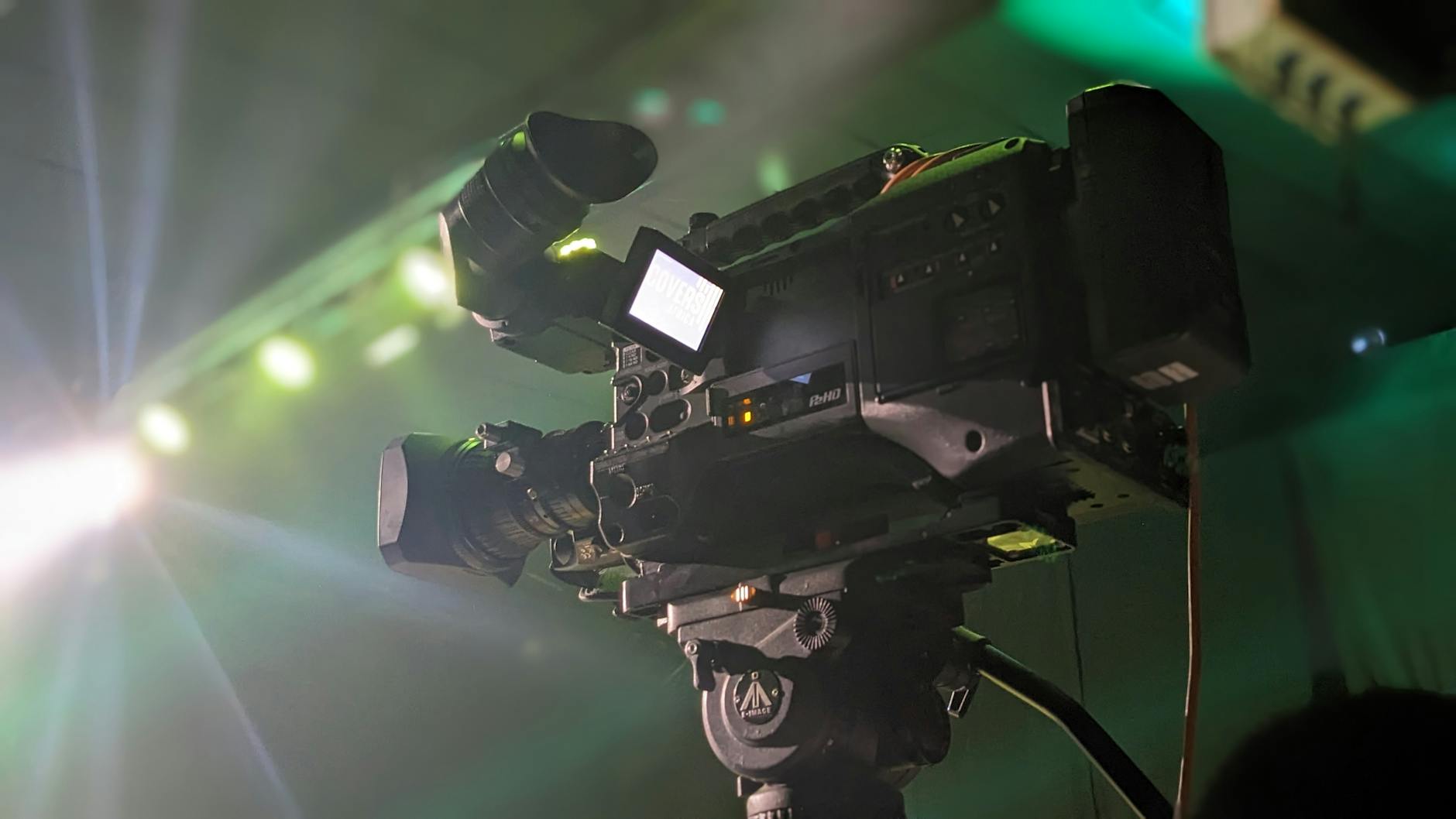
In addition to visual and technical excellence, effective live video production incorporates strategic planning. This involves understanding the target audience, selecting appropriate platforms, preparing content, and managing the logistics of each event. The culmination of these efforts produces a dynamic broadcast capable of capturing attention, increasing visibility, and delivering value to viewers and stakeholders.
Overall, live video production serves as a vital tool in the modern digital landscape. Its ability to connect audiences instantly and interactively offers unmatched advantages in brand visibility, event marketing, and customer engagement. As technology continues to evolve, live video production remains a cornerstone of effective communication strategies across diverse industries and event types.
Essential Techniques and Methodologies in Live Video Production
Successful live video production relies on a combination of meticulous planning, advanced technology, and precise execution. To ensure a high-quality broadcast that meets audience expectations, production teams prioritize reliable workflows and robust methodologies that address every phase of the process.
Pre-production planning is fundamental. This includes detailed storyboarding, shot mapping, and technical rehearsals to identify potential issues before the event. Clear communication among directors, camera operators, audio engineers, and technical staff ensures that everyone understands their roles and the overall vision.
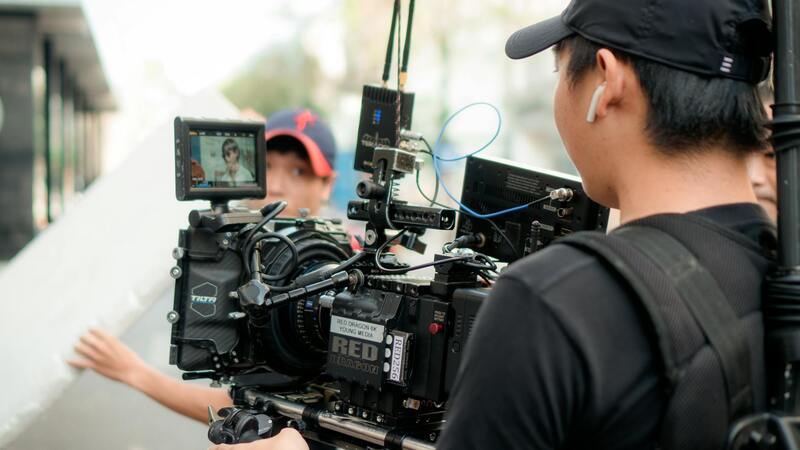
During the live event, continuous monitoring and coordination are vital. Video switchers or vision mixers enable real-time scene changes, transitions, and overlay graphics, all synchronized with audio feeds. Utilizing multi-camera setups allows dynamic coverage from various angles, providing a professional look and engaging viewer experience.
- Technology integration: Implementing high-definition cameras, professional audio equipment, and reliable streaming hardware ensures visual and auditory clarity.
- Real-time collaboration: Use of communication tools such as intercom systems facilitates immediate adjustments and rapid problem-solving during the broadcast.
- Redundancy measures: Incorporating backup systems for critical components minimizes disruptions, maintaining a seamless transmission even in case of technical failures.
Post-event, the focus shifts to efficient archiving and content delivery. Many production teams utilize cloud storage solutions to store raw footage and finished streams, enabling easy repurposing for on-demand viewing, highlight reels, or promotional materials.
Adherence to Industry Standards and Best Practices
Operating within established standards ensures the consistency, safety, and quality of live video productions. These encompass technical specifications such as broadcast resolutions, frame rates, and audio standards, which vary depending on the platform and audience requirements.
Implementing standard protocols for network security and data privacy protects sensitive content and viewer information, especially during public live streams or private virtual events. Regular equipment calibration and staff training are integral to maintaining technical proficiency and preventing avoidable issues.
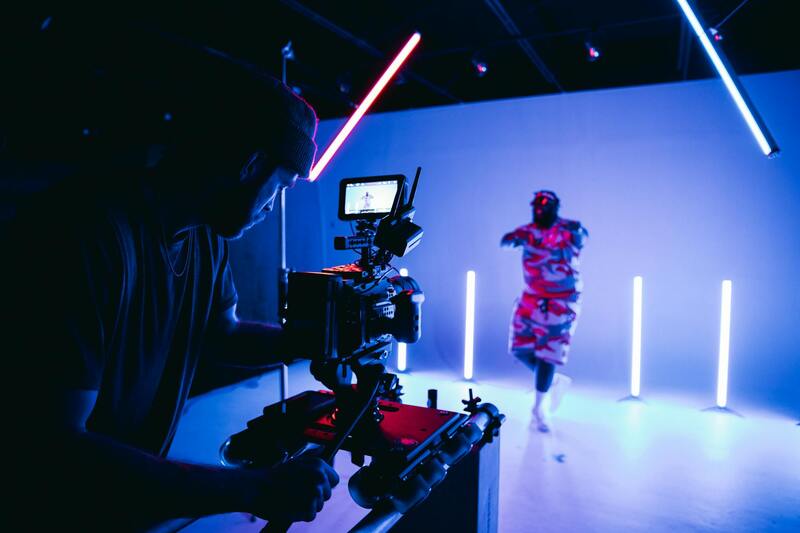
Monitoring tools and analytics platforms provide real-time insights into stream performance, audience engagement, and technical metrics. These data points inform adjustments during the event and guide the development of future productions.
As live video continues to expand in scope and complexity, adopting proven methodologies and adherence to best practices remain crucial for producing captivating, reliable broadcasts that resonate with viewers and achieve event objectives.
Overview of Live Video Production
Live video production encompasses the comprehensive process of capturing, editing, and broadcasting real-time video content to an audience through various digital platforms. This dynamic field leverages cutting-edge technology to deliver high-quality, uninterrupted streams suitable for diverse applications such as corporate events, concerts, sports, educational seminars, and public gatherings. A well-executed live production requires meticulous planning, robust technical infrastructure, and skilled personnel capable of managing multiple simultaneous tasks, all aligned to ensure a seamless viewing experience.
Effective live video production goes beyond simply transmitting footage; it involves strategic coordination of equipment, leveraging the latest streaming protocols, and adhering to quality standards that ensure stability and clarity. The primary goal remains to engage viewers with compelling content, maintain production reliability even amidst unforeseen challenges, and facilitate easy access to the broadcast across multiple devices and platforms.
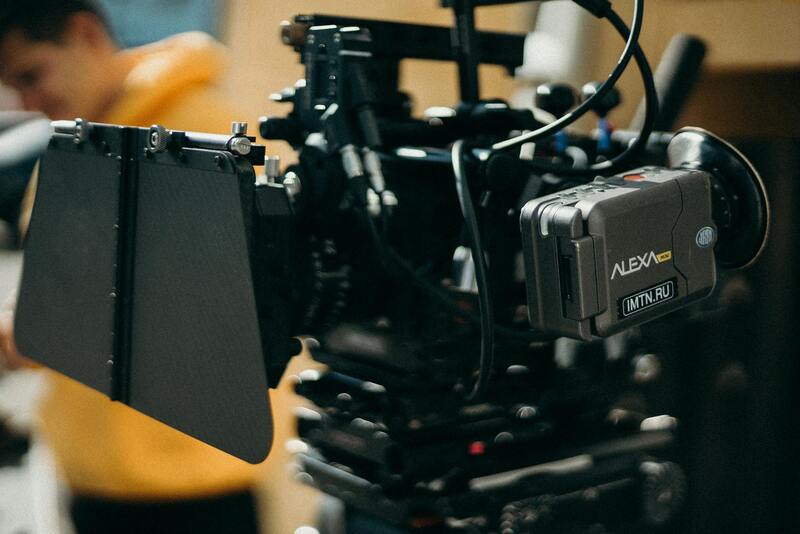
Key Components of Live Video Production
- Pre-production planning: Establishing objectives, creating a storyboard, scheduling, and coordinating personnel and equipment.
- Technical setup: Configuring cameras, audio devices, encoders, and streaming hardware to ensure optimal signal quality.
- Production execution: Managing live feeds, switching between camera angles, integrating graphics or overlays, and monitoring audio levels.
- Post-production: Archiving raw footage, editing highlights if necessary, and preparing content for on-demand access.
Importance of Standardized Workflows and Protocols
Implementing structured workflows and adhering to industry-benchmarked protocols are integral to maintaining consistency and ensuring every element of the production aligns with platform specifications and audience expectations. This includes confirming broadcast resolutions—such as Full HD or 4K—maintaining correct aspect ratios, and ensuring audio standards meet broadcast or online streaming platforms' requirements. Such measures prevent technical disruptions, safeguard viewer experience, and uphold professional standards.
Furthermore, establishing best practices for network security and data protection is crucial, especially during live streams involving sensitive or proprietary content. Regular calibration of equipment and continuous staff training fortify technical proficiency, minimizing errors and facilitating smooth troubleshooting when issues arise. These efforts cumulatively contribute to the robustness and reliability of live broadcasts, fostering trust and engagement among viewers.

Utilizing Monitoring and Analytics Tools
Real-time monitoring tools and analytics platforms are vital for tracking stream performance, viewer engagement metrics, and technical stability during live events. Insights derived from these tools inform immediate operational adjustments, such as optimizing bitrate, switching camera angles, or addressing audio issues, thus enhancing the overall quality of the broadcast. Post-event analytics further aid in evaluating viewer retention, identifying peak engagement periods, and understanding content effectiveness, guiding future production improvements.
These data-driven practices ensure that each live event not only meets immediate quality benchmarks but also contributes to ongoing refinement, aligning production strategies with evolving audience preferences and technological advances.
Advanced Methods for Live Video Production
Enhancing the overall quality and reliability of live video production involves utilizing official, industry-standard techniques and tools that streamline workflows and improve viewer engagement. These methods encompass a comprehensive range of practices, from sophisticated encoding solutions to robust streaming protocols, ensuring a seamless broadcast experience that maintains high technical standards.
Utilization of Professional Encoding and Streaming Protocols
At the core of high-quality live video production lies the selection of appropriate encoding solutions. Using hardware encoders or trusted software encoders that support industry-standard streaming protocols guarantees efficient data transmission with minimal latency. Protocols such as Real-Time Messaging Protocol (RTMP), Hypertext Transfer Protocol Live Streaming (HLS), and Dynamic Adaptive Streaming over HTTP (DASH) facilitate adaptive bitrate streaming. This allows the broadcast to dynamically adjust to viewers’ internet speeds, minimizing buffering and maintaining consistent quality across multiple devices and network conditions.
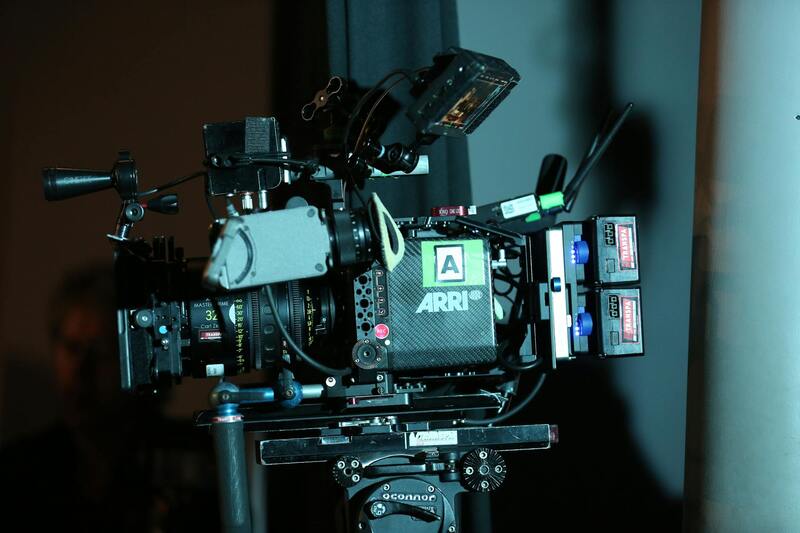
Leveraging these protocols in conjunction with Content Delivery Networks (CDNs) enables the distribution of live streams to a global audience efficiently. CDNs cache live content across geographically dispersed servers, reducing load times and preventing disruptions caused by network congestion. Integrating official streaming standards and trusted CDN providers ensures content delivery fidelity, security, and scalability, essential components for large-scale live events.
Implementation of Reliable Hardware and Backup Systems
To uphold uninterrupted streaming, the deployment of reliable hardware components such as high-definition cameras, professional-grade switches, and redundant power supplies is fundamental. Incorporating backup solutions, including secondary encoders, alternative internet connections (via cellular bonding or fiber), and uninterruptible power supplies (UPS), mitigates risks associated with equipment failure or network instability.
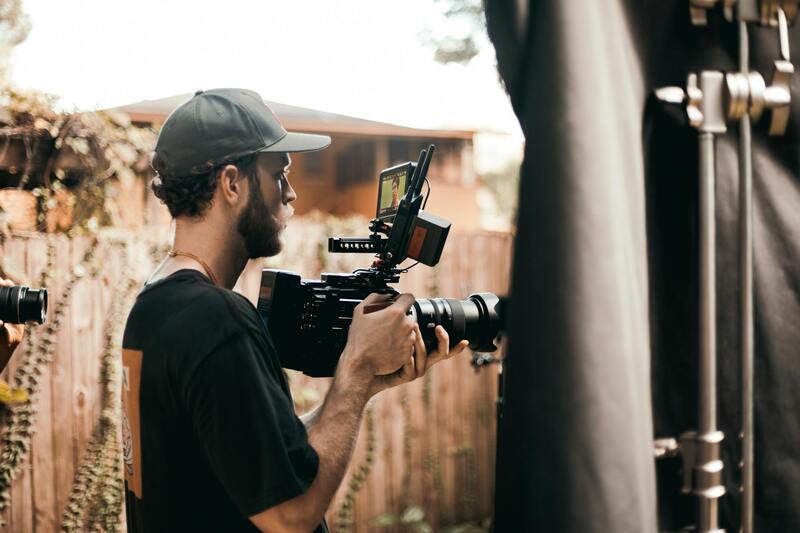
Employing official, industry-approved hardware and following manufacturer-recommended setup and calibration procedures optimize the performance and longevity of production gear. Routine maintenance and pre-event equipment testing are essential for identifying potential issues ahead of time, thereby ensuring the smooth execution of live broadcasts.
Adherence to Security and Data Protection Standards
Maintaining secure streaming environments involves implementing best practices such as encrypted data transfer, user authentication, and access control. Utilizing official encryption protocols, including Secure Reliable Transport (SRT) and Transport Layer Security (TLS), ensures the confidentiality and integrity of live data streams. These methods protect proprietary content from unauthorized access and cyber threats.

Furthermore, establishing fortified network security measures, such as firewalls, VPNs, and secure Wi-Fi networks, prevent unauthorized interference or data breaches during live production. Regular security audits and staff training on data handling procedures reinforce the safety and confidentiality of all live streaming activities.
Use of Official Monitoring and Analytics Tools
Integrating professional monitoring systems allows real-time tracking of stream health, viewer engagement, and bandwidth utilization. Platforms that provide detailed analytics enable technical teams to promptly identify and address issues such as dropped frames, audio fluctuations, or latency spikes. These insights support immediate troubleshooting and broadcast optimization, elevating the viewer experience.
Post-broadcast analysis using analytics data further informs strategic decisions, guiding content improvements and technical upgrades. Metrics like viewer retention rates, peak engagement periods, and playback quality help tailor future live production workflows to audience preferences and technological advancements.
Training and Certification of Production Staff
Ensuring staff proficiency through official training programs and certifications guarantees adherence to industry best practices. Certified technicians familiar with standard procedures for equipment setup, troubleshooting, and live operation can swiftly respond to unforeseen challenges, minimizing downtime and technical difficulties.
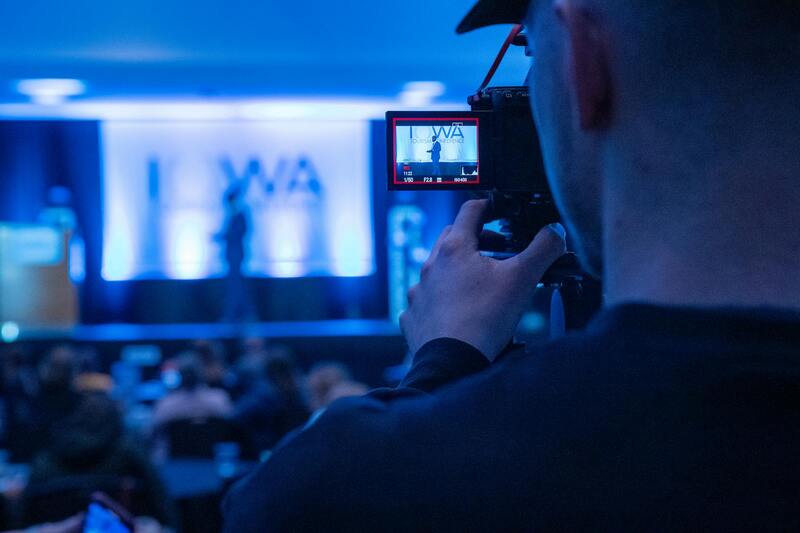
Continuous professional development, including updates on emerging technologies and production techniques, enhances a team’s ability to deliver top-tier live content consistently. Implementing official training modules and participating in industry-certified workshops solidifies this expertise.
Methods for Authentic Live Video Production
Creating genuine live video content relies on implementing official, tested, and reliable production techniques. Utilizing certified equipment, collaborating with accredited professionals, and adhering to industry-standard workflows ensures the delivery of high-quality, seamless live broadcasts. These methods emphasize precision, reliability, and professionalism, making certain that the content reaches audiences effectively and without interruption.
Investment in Certified Equipment and Software
Choosing equipment and software that are approved and certified by reputable industry organizations guarantees that the technology used in live video production meets strict standards for quality and safety. Certified cameras, switchers, mixers, and streaming hardware undergo rigorous testing to ensure optimal performance under live conditions. Software platforms designed expressly for live production—such as licensed streaming engines and editing tools—offer reliable features like multi-camera switching, graphic overlays, and real-time audio mixing, all crucial for professional live broadcasts.
Engagement with Certified Production Professionals
Employing trained, certified personnel is fundamental in executing live productions with precision. Certified operators are familiar with optimal setup processes, troubleshooting procedures, and live broadcast protocols. This familiarity reduces the risk of technical issues during transmission and ensures the seamless execution of complex live event elements. Ongoing professional training and certification courses from recognized industry bodies help production teams stay current with evolving standards and best practices.
Adherence to Established Production Workflows
Official procedures and checklists driven by industry standards contribute significantly to consistent live broadcasts. These workflows include pre-production planning, equipment testing, rehearsal schedules, and contingency plans. Implementing standardized checklists ensures that each step of the production process is thoroughly addressed, minimizing errors and technical hiccups. Additionally, establishing clear roles and communication channels among team members enhances coordination and responsiveness during live events.
Utilization of Professional Live Streaming Platforms
Streaming through reputable, licensed platforms ensures stable, secure, and compliant distribution channels. These platforms have built-in safeguards such as encrypted transmission, bandwidth management, and real-time analytics. Using such tools allows producers to monitor stream health actively, engage with viewers through integrated features, and promptly address any immediate issues. Their robust infrastructure supports large audiences and provides multiple options for integrating audience interaction features securely.
Monitoring and Quality Assurance Protocols
Real-time quality assurance measures are crucial in maintaining high standards during live broadcasts. Certified monitoring systems track audio-visual quality, stream stability, and latency metrics continuously. These systems facilitate swift adjustments to prevent issues such as dropped frames, lag, or audio delays. Regular testing protocols prior to the event, including dry runs and technical rehearsals with the entire production team, further solidify the fidelity of the live feed.
Legal and Technical Compliance
Ensuring all content complies with relevant licensing, copyright, and technical standards supports a professional presentation. Verification of media rights, adherence to accessibility guidelines, and compliance with broadcasting regulations prevent interruptions, penalties, or content removal. Working within approved legal frameworks preserves the credibility of the production and safeguards the reputation of the hosting organization.
Understanding Official Methods for Live Video Production
Executing a professional live video production involves multiple layers of meticulous planning, technical execution, and adherence to fundamental standards that uphold the integrity and quality of the broadcast. To ensure a seamless experience for viewers and stakeholders, production teams rely on established procedures that promote consistency, reliability, and high-quality output. At the core of these practices is a comprehensive approach that covers everything from selecting sanctioned equipment to implementing robust workflows for live event management.
Utilizing Certified Equipment and Infrastructure
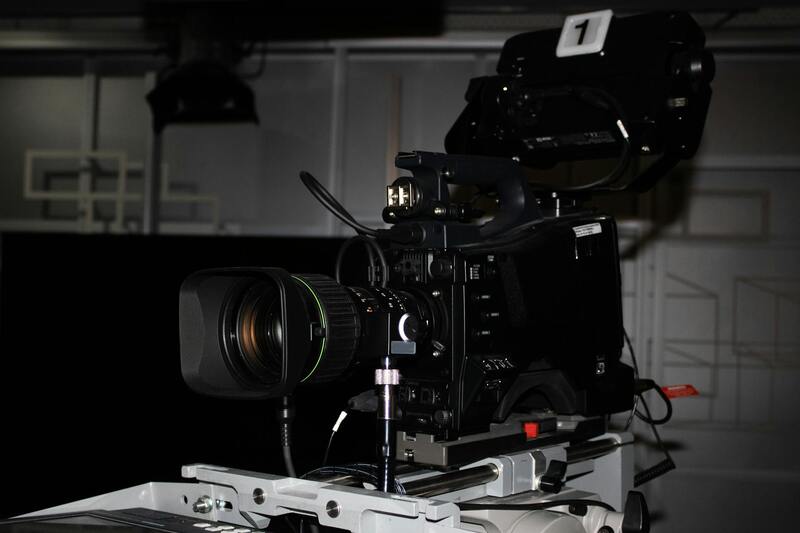
Ensuring the use of certified, industry-standard equipment is fundamental in official live video production. This includes utilizing cameras, audio gear, switchers, and encoders that meet rigorous manufacturing and performance standards. Authorized equipment providers supply tools that comply with technical specifications, safety protocols, and compatibility requirements. This guarantees that the production maintains high fidelity, minimizes technical disruptions, and aligns with regulatory guidelines. Installation and calibration of this equipment must be performed following manufacturer instructions and professional best practices to optimize performance during live broadcasts.
Adherence to Authorized Content and Licensing Standards
Content management forms an integral part of legitimate live video productions. This involves verifying rights and permissions for all media elements, including music, visuals, and third-party footage. Employing licensed media and securing appropriate clearances prevents inadvertent copyright violations that could lead to content removal or legal disputes. Moreover, adherence to broadcasting rights ensures the production remains within the bounds of accepted legal frameworks, providing confidence in the credentials of the organization conducting the live stream.
Detailed Planning and Documentation
Pre-production planning emphasizes detailed documentation of every aspect of the live event. This documentation covers technical workflows, equipment setup, personnel roles, contingency plans, and communication protocols. An official script or run sheet, created in consultation with all involved parties, helps coordinate timing and transitions, reducing errors during the live event. Conducting technical rehearsals with the entire production crew verifies that all systems function correctly and that every team member understands their responsibilities.
Implementing Quality Control and Monitoring Procedures
Maintaining high standards during a live broadcast requires continuous monitoring using authorized quality control systems. These systems track video and audio quality, stream stability, and latency metrics in real-time. By employing certified tools and software, producers can identify issues such as dropped frames, audio delays, or synchronization errors promptly. Regular dry runs and technical rehearsals with checked equipment further solidify the reliability of the broadcast. Having a dedicated technical team responsible for real-time adjustments ensures a smooth viewing experience for audiences.
Secure Transmission and Distribution Channels
The backbone of legitimate live video production is a secure and reliable transmission infrastructure. This involves utilizing encrypted streaming protocols and dedicated bandwidth solutions to prevent unauthorized access and signal interruption. Certified content delivery networks (CDNs) and streaming platforms facilitate distribution across multiple channels, whether on proprietary servers, established social media platforms, or authorized streaming services. These channels are selected based on compliance with technical standards and their capacity to support the expected viewership volume, ensuring consistent quality and accessibility.
Documentation and Record-keeping
Accurate documentation of the production process, including equipment logs, content permissions, and transmission records, is vital for accountability and future reference. Maintaining comprehensive logs supports operational transparency and provides a basis for resolving any post-event inquiries or audits. Additionally, retaining copies of the recorded live streams can serve as valuable assets for promotional purposes, review, or legal compliance.
Training and Certification of Personnel
All personnel involved in live video production should undergo requisite training and certifications aligned with industry standards. This includes operators managing broadcast hardware, technical directors, and content editors. Certified training programs ensure that staff are familiar with the latest technology, safety procedures, and operational protocols. Employing trained professionals guarantees that the production team can respond effectively to unforeseen circumstances, uphold safety guidelines, and execute the broadcast with precision.
Summary of Official Practices for Live Video Production
- Use of certified and authorized equipment compliant with industry standards
- Verification of media rights and adherence to licensing protocols
- Meticulous pre-production planning and documentation
- Implementation of real-time monitoring and quality assurance systems
- Deployment of secure, encrypted transmission channels
- Comprehensive personnel training and certification
- Maintaining detailed records to support transparency and accountability
Overview of Live Video Production
Live video production involves the real-time creation and broadcasting of video content, typically for events, corporate communications, entertainment, or educational purposes. This process requires meticulous coordination of equipment, personnel, and platforms to ensure a seamless viewing experience for audiences across various devices. Successful live production is rooted in a comprehensive understanding of technical workflows, adherence to professional standards, and strategic content planning. It encompasses everything from pre-event setup to post-broadcast analysis, ensuring the content delivered is high-quality, secure, and engaging.
Key Components of Live Video Production
- Pre-Production Planning: This stage involves defining the objectives, script development, location scouting, equipment selection, and crew assignment. Detailed planning minimizes the risk of technical issues during the broadcast.
- Production: During live filming, operators manage cameras, audio, lighting, and switching between video feeds. A dedicated director oversees the flow, making real-time decisions to maintain coherence and visual quality.
- Post-Production and Distribution: Once the live stream concludes, recorded footage is archived for review, marketing, or legal documentation. Content distribution is executed via various streaming platforms, social media, or private portals, tailored to target audiences effectively.
Effective live video production hinges on combining cutting-edge technology with professional expertise. Leveraging high-definition cameras, multi-channel audio systems, robust internet connections, and live switching hardware ensures broadcast reliability and viewer engagement. Implementing secure data transmission protocols safeguards content integrity and prevents unauthorized access. Additionally, meticulous documentation of workflows, equipment logs, and transmission records supports operational transparency and future reference.
Technical Infrastructure and Innovations
Advancements in streaming technology, such as cloud-based production platforms and real-time analytics, have transformed the live video landscape. Cloud solutions enable remote coordination, scalable infrastructure, and flexible content management. AI-driven tools facilitate real-time editing, captioning, and quality assurance, elevating the professional standard of live broadcasts. As integration with platforms like social media and content delivery networks becomes seamless, broadcasters can reach larger audiences with minimal latency and high reliability.
Operational Best Practices
- Rigorous Testing: Conduct comprehensive checks of all equipment prior to the event to identify and address potential issues.
- Redundancy Systems: Deploy backup hardware and internet connections to mitigate disruptions in case of primary system failure.
- Personnel Training: Ensure staff are trained to operate live production technology efficiently, with clear protocols for troubleshooting common problems.
- Compliance and Documentation: Maintain detailed records of permissions, licensing, and media rights, which are crucial for transparency and future audits.
- Content Monitors: Use multi-screen monitoring to oversee upstream feeds, audio levels, and stream health continuously during the broadcast.
By integrating these practices, organizations can deliver consistent, high-quality live content that meets professional standards and audience expectations. This commitment to quality control and operational excellence ensures that every live stream is a reliable and engaging experience for viewers, reinforcing the brand image and fulfilling the strategic goals of the event or organization.
Advanced Techniques for Live Video Production
Achieving top-tier live video content requires a combination of innovative methods and meticulous execution. Advanced techniques leverage cutting-edge technology and refined workflows to enhance the quality, interactivity, and reach of live broadcasts. These methods are essential for producers aiming to deliver an engaging viewer experience while maintaining technical excellence across diverse environments.
Utilizing Multi-Camera Setups and Dynamic Switching
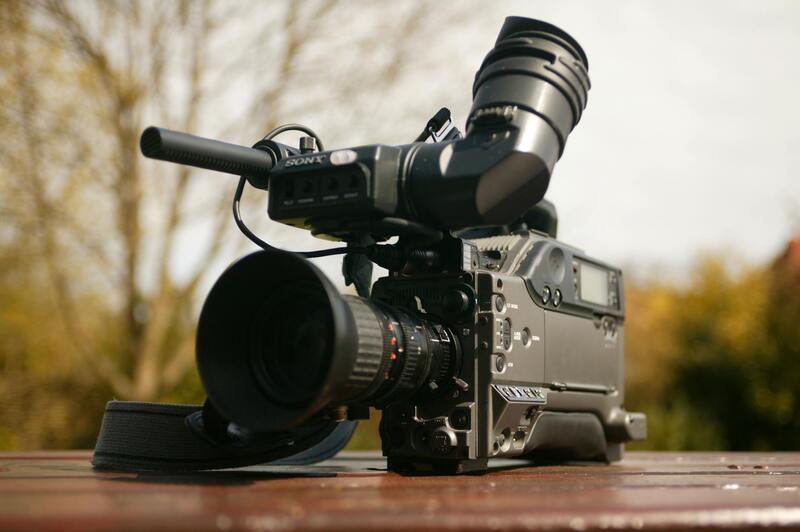
Implementing multi-camera configurations allows producers to capture various angles and perspectives, creating a more immersive viewing experience. Employing live switching software enables seamless transitions between camera feeds, incorporating effects such as picture-in-picture, overlays, and creative transitions. This flexibility enhances storytelling and maintains audience engagement throughout the broadcast.
Professional Audio Integration
High-quality audio is crucial for a professional live broadcast. Employing digital audio mixers and wireless microphone systems ensures clear sound capture and minimizes background noise. Incorporating audio monitoring allows producers to adjust levels in real-time, ensuring an optimal audio experience that complements high-definition video feeds.
Advanced Encoders and Streaming Protocols
Using state-of-the-art encoders with adaptive bitrate technology ensures smooth streaming even under fluctuating network conditions. Streaming protocols such as SRT (Secure Reliable Transport) and RTMP (Real-Time Messaging Protocol) provide stability and low latency, essential for real-time audience interaction and seamless delivery across multiple platforms.
Implementing Real-Time Graphics and Overlays
Integrating real-time graphics, branding overlays, and dynamic text elements enhances visual storytelling and reinforces brand identity. These features are typically managed via live graphics engines that allow instant updates, making broadcasts more informative and visually appealing without interrupting the flow of the live event.
Remote and Cloud Production Facilities
Remote production workflows enable multiple teams to collaborate from different locations, reducing logistical complexities and costs. Cloud-based platforms facilitate real-time editing, content management, and distribution, allowing for scalable solutions that adapt to event size and complexity. This approach ensures high-quality output regardless of geographic constraints.
Stream Monitoring and Quality Assurance
Continuous monitoring of stream health, latency, and viewer metrics is paramount for professional live broadcasting. Utilizing multi-screen monitors and dedicated QA tools allows operators to address issues proactively, ensuring that viewers experience consistent quality without interruptions or buffering problems.
Education and Training for Technical Teams
Regular training in the latest live production technologies and protocols is essential for maintaining high standards. Technical teams should be proficient in troubleshooting, equipment handling, and emergency procedures. Investing in certification programs and ongoing education enhances team performance and overall broadcast reliability.
Leveraging Artificial Intelligence and Automation
AI-powered tools are transforming live video production by automating tasks such as transcriptions, captioning, facial recognition, and content tagging. Automation reduces manual workload and improves real-time decision-making, providing a more polished and accessible live broadcast for diverse audiences.
Post-Production Integration
Seamless integration of live and post-production workflows enables broadcasters to enhance content immediately after the live event. Instant clips, highlights, and summaries can be generated for social media and on-demand access, extending the lifespan and reach of the broadcast content.
Final Considerations for Mastering Live Video Production
To achieve highest quality standards, producers must prioritize rigorous pre-event testing, redundancy planning, personnel training, and continuous quality control. Investing in robust infrastructure and adopting innovative technologies ensures that every live production meets professional expectations and audience demands.