

Understanding Livestreaming Services
Event livestreaming services have revolutionized the way organizations, corporations, and individuals conduct and share their events. These services encompass a broad spectrum of solutions designed to broadcast live video and audio content over the internet, making it accessible to remote audiences in real-time. With rapid advancements in technology and increasing demand for digital engagement, livestreaming has become an essential element in modern event planning and execution.
At its core, event livestreaming involves capturing live footage through professional cameras, which is then encoded, transmitted, and streamed via dedicated platforms or software. This process ensures high-quality delivery, minimal latency, and reliable connectivity, enabling viewers to experience the event just as if they were physically present. The importance of such services extends beyond mere broadcasting; they facilitate interactive features such as live chat, Q&A sessions, and virtual networking, creating a dynamic and engaging virtual environment.
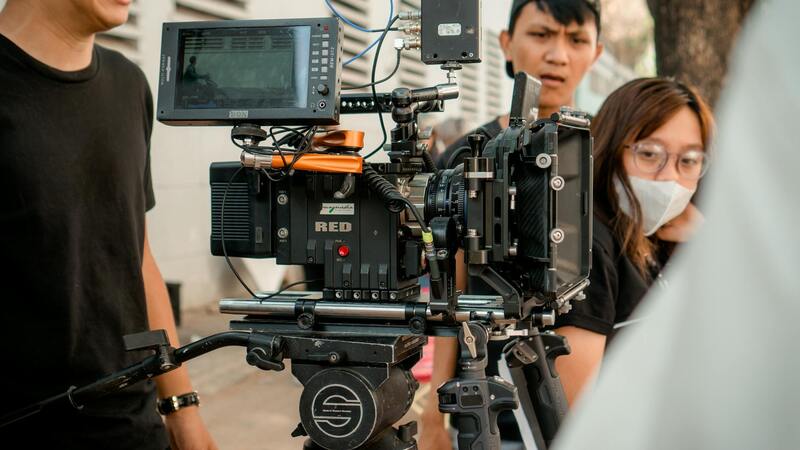
Modern event livestreaming services serve a diverse range of purposes, including corporate conferences, product launches, awards ceremonies, community events, religious services, and educational webinars. By enabling remote viewing, these services eliminate geographical barriers, allowing audiences across the globe to participate simultaneously. This not only broadens reach but also enhances audience engagement and inclusivity, accommodating different time zones, accessibility needs, and personal preferences.
Beyond simply streaming live content, advanced livestreaming providers also offer on-demand access to recorded sessions, providing flexibility for participants to view content at their convenience. Such services often include extensive support for branding, customized graphics, multiple camera angles, and integrated multimedia presentations, ensuring a polished and professional broadcast quality that aligns with the event’s objectives and branding guidelines.
In addition, the technical backbone of event livestreaming relies heavily on stable internet connections, high-speed data transfer, and professional audio-visual equipment. Many providers utilize redundant streaming setups, backup systems, and real-time monitoring to ensure uninterrupted service, even in the face of unforeseen technical challenges. This level of sophistication is essential in delivering a dependable, high-quality viewing experience that elevates the event’s professionalism and impact.
Furthermore, the option of hybrid events—combining in-person presence with virtual participation—has gained significant popularity. Livestreaming services enable event organizers to integrate live feeds into larger formats, facilitating interactions between onsite and remote audiences. This approach maximizes engagement and ensures that the event’s message reaches a wider demographic, making livestreaming an indispensable component of contemporary event management.
As technology continues to evolve, features such as 4K streaming, 360-degree video, virtual reality integration, and AI-powered content enhancement are becoming more accessible, offering immersive and innovative experiences. For event organizers seeking to expand their digital footprint, investing in reliable and professional livestreaming services is essential for achieving seamless delivery, engaging audiences, and ensuring the success of their events in an increasingly connected world.
Securing Access through Formal Streaming Methods
To ensure a seamless and high-quality broadcast, event organizers should utilize reputable streaming platforms that are recognized for their stability, security, and compatibility with professional equipment. Established service providers often offer dedicated platforms optimized for live event streaming, which support features like multi-camera switching, real-time overlays, and high-definition video transmission. These platforms are designed to handle large audiences concurrently without sacrificing stream integrity or viewer experience, making them suitable for conferences, award ceremonies, and corporate launches.
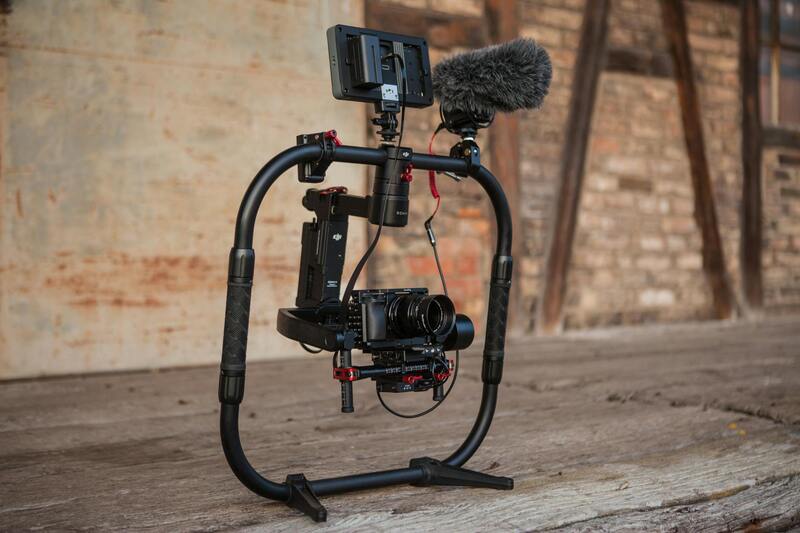
When choosing a streaming service, organizations should look for platforms that employ encryption and secure data transfer protocols to protect content during transmission. Many professional services also integrate access control features, such as password protection or token-based authentication, allowing organizers to restrict viewership to registered or authorized audiences only. These measures help maintain event confidentiality and prevent unauthorized access, ensuring that the content reaches only the intended viewers.
Reliable Hardware and Software Utilization
Leveraging official hardware and software solutions is critical to maintaining high quality during a livestream. Professional-grade encoder devices, such as hardware encoders, capture, and convert live video feeds into streams with minimal latency. These devices offer superior reliability compared to consumer-grade streaming tools and are typically supported by technical personnel for setup and troubleshooting.
- Broadcast Encoders: Hardware encoders designed specifically for live events ensure professional-grade streaming with consistent quality.
- Content Delivery Networks (CDNs): Utilizing CDN services provided by reputable streaming providers ensures low latency and minimal buffering for viewers around the globe.
- Secondary Backup Systems: Implementing backup internet connections, redundant encoders, and fail-safe power supplies mitigates the risk of disruption.
In addition, synchronized audio-visual equipment, such as professional microphones, mixers, and cameras, is essential for capturing clear audio and sharp visuals. These components often connect through official software platforms designed to integrate seamlessly with streaming services, facilitating smooth transitions and high-quality output.
Optimizing Content Delivery and Viewer Engagement
Structured scheduling and the use of official communication channels help direct audiences efficiently to the livestream. Event organizers often utilize branded landing pages or dedicated microsites hosted on secure servers, providing a centralized access point for live viewers. These websites are designed to support high traffic volumes and integrate smoothly with streaming platforms.
Adding features such as live chat moderation, real-time polling, and Q&A sessions enhances the viewer experience and promotes engagement. Official streaming tools include moderation dashboards that allow organizers to monitor audience interactions, filter inappropriate content, and facilitate smooth communication between hosts and viewers.
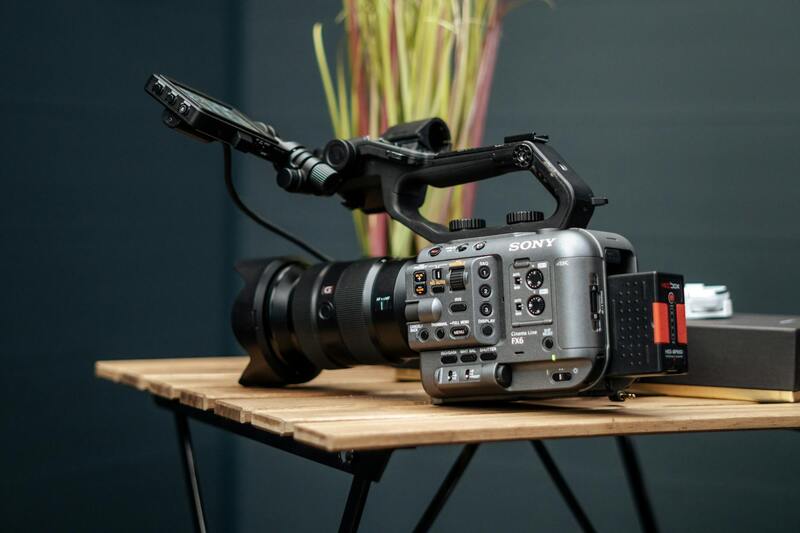
Consistently rehearsing the technical setup and coordinating with platform providers ensure all components function correctly on event day. Such rigorous preparation eliminates most technical issues, providing a professional experience that reflects positively on the event's reputation.
Understanding Livestreaming Services
Engaging audiences in real-time has become a cornerstone of modern event planning, with official, professional livestreaming services leading the charge. These services provide a seamless, high-quality broadcast experience that captures the event’s essence while ensuring viewers from anywhere in the world can participate. At the core, legitimate livestreaming providers deploy robust infrastructure, including enterprise-grade servers, secure content delivery networks (CDNs), and industry-standard encoding hardware, which guarantees stable stream transmission. This infrastructure is vital in maintaining high bandwidth, minimizing buffering, and preventing disruptions during the live broadcast.
Professionals utilize a combination of specialized hardware and off-site server management, often hosted within data centers that are compliant with stringent operational standards. These off-site servers, coupled with encryption protocols, ensure that the stream remains confidential and protected from unauthorized access. The encoding process involves converting high-resolution video signals into compressed digital formats that are optimized for internet delivery while maintaining visual clarity. These processes are supported by software platforms that streamline stream management, monitor quality metrics, and facilitate instant troubleshooting when needed.
To maximize the effectiveness of a livestream, event organizers rely on official tools and methods to embed branding elements, such as overlays and lower thirds, directly into the broadcast. Integration with social media platforms and dedicated event websites further expand reach and engagement. These official methods include secure streaming protocols like RTMP (Real-Time Messaging Protocol) and SRT (Secure Reliable Transport), which facilitate low-latency, reliable transmission to viewers worldwide.
Content Delivery Networks and Security
Utilization of Content Delivery Networks (CDNs) is central to distributing streams efficiently across various regions. CDNs operate through a network of geographically distributed servers that cache content, ensuring that viewers receive the stream from the nearest node, thereby reducing latency and load times. Coupled with advanced security measures, such as encrypted tokens, digital rights management (DRM), and SSL certificates, official livestreaming platforms safeguard content integrity and restrict access to authorized viewers.
Technical Support and Rehearsals
Another critical aspect of official livestreaming involves meticulous planning and technical rehearsals. These sessions allow technical teams to verify connections, audio-video synchronization, and interface functionality with the streaming platform. Having a dedicated technical support team on-site or on-call ensures quick resolution of any issues during the event, maintaining professionalism and viewer satisfaction.
Event organizers should select providers with a proven record of delivering reliable, scalable, and compliant livestreaming solutions. This involves thorough consultations to understand the technological capabilities, security features, and support options available. A coordinated approach—covering pre-event tests, real-time management, and post-event analytics—can significantly boost the event's impact and audience engagement.
Official Equipment and Platforms Used in Livestreaming
To ensure a seamless and professional live event, official livestreaming services utilize specialized hardware and software tools designed for high-performance streaming. This includes broadcast-grade cameras, professional audio mixers, encoders, and switchers that facilitate real-time switching between multiple video sources. Additionally, enterprise-grade streaming platforms are employed to distribute content reliably. These platforms, often cloud-based, cater specifically to event needs, providing stability, scalability, and security features that consumer-grade solutions lack. The integration of such equipment guarantees a high-quality viewing experience for audiences regardless of geographic location.
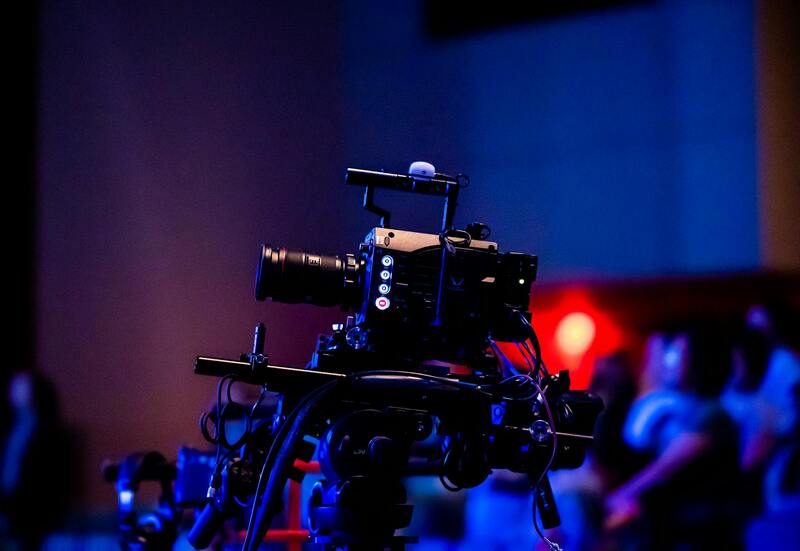
Operationally, these services rely on robust infrastructure, including dedicated servers and secure content delivery networks (CDNs), to minimize latency and prevent buffering. Many providers also implement encrypted streaming protocols, such as Secure Reliable Transport (SRT), to safeguard data during transmission. The use of reliable hardware and platforms underpins the credibility of official livestreams, making them the preferred choice for corporate events, conferences, and large-scale public gatherings.
Standard Protocols and Methodologies for Live Streaming
Implementing an effective live streaming workflow involves adhering to strict protocols that prioritize quality, consistency, and security. This begins with comprehensive pre-event testing, where the technical team verifies camera angles, audio clarity, network stability, and synchronization between video and audio feeds. During the event, real-time monitoring is critical to address any issues immediately, whether it’s adjusting camera angles, switching between feeds, or managing audio levels.
- Connection Management: Ethernet connections are preferred over Wi-Fi for stability, with backup connections ready in case of primary network failure.
- Streaming Bitrate: High bitrates are selected to preserve image quality, especially for high-resolution video, while balancing bandwidth capacity.
- Encoding Settings: Encoding hardware or software must be configured for optimal output, typically in H.264 or H.265 formats.
- Security Measures: Employing SSL certificates, tokenized access, authentication protocols, and DRM solutions ensures only authorized viewers can access the stream.

Post-event, detailed analytics help assess viewer engagement, stream quality, and technical performance. This feedback is crucial for improving future livestreams. Professional livestreaming services operate within established industry standards and employ best practices, including redundant system setups and real-time quality assurance, to deliver events that meet the expectations of varied audiences.
Legal and Ethical Considerations in Livestreaming
Maintaining the integrity of live broadcasts requires adherence to prescribed internal policies and industry regulations. This includes acquiring necessary permissions for copyrighted content, managing attendee privacy, and implementing data protection protocols. For instance, when broadcasting a public event, it's essential to coordinate with rights holders to avoid unauthorized use of media or intellectual property. Additionally, deploying content moderation tools can prevent inappropriate material from being streamed, safeguarding the event's reputation and complying with regulations governing online content dissemination.
In terms of operational transparency, providers often maintain detailed documentation of their streaming procedures, security measures, and contingency plans. This transparency fosters trust and assures clients that the livestream complies with professional standards and best practices. Proper planning around content rights, privacy, and security forms the backbone of a reputable livestreaming service, ensuring the event runs smoothly and ethically.
Choosing an Appropriate Livestreaming Service Provider
Organizations should select providers that demonstrate a comprehensive understanding of the technological requirements and legal frameworks governing live streaming. Criteria include proven experience with similar event types, a robust technical infrastructure, and clear communication channels. It's advisable to review case studies, seek references, and assess the provider's ability to handle peak viewership and complex event setups. Providers with certified expertise often have ISO certifications or industry recognitions that attest to their adherence to quality and security standards.
Furthermore, proper contractual agreements should specify responsibilities related to content rights, access controls, technical support, and contingency plans. Such diligence ensures a smooth operational flow and mitigates unforeseen issues during the event, ultimately bolstering the professional reputation of the event organizers and streamers alike.

Understanding Livestreaming Services
Livestreaming services have revolutionized the way events are shared with audiences across the globe. These professional platforms ensure real-time delivery of high-quality audiovisual content, enabling organizers to reach attendees instantaneously, regardless of physical location. In the realm of event management, employing legitimate livestreaming methods not only guarantees seamless broadcast quality but also involves adherence to established industry standards that respect content rights, privacy, and security protocols. Reliable services utilize robust infrastructure, including high-bandwidth networks, professional encoding hardware, and stabilized streaming servers, to facilitate uninterrupted viewing experiences. Importantly, authentic livestreaming providers prioritize transparency by documenting their technical procedures, security measures, and contingency strategies, fostering trust among clients and viewers alike.

Types of Livestreaming for Events
Depending on the nature and scope of the event, different approaches to livestreaming are available, each suited to specific requirements. Some of the main types include:
- Simulcast Streaming: This involves broadcasting the event simultaneously on multiple platforms to maximize reach. It is ideal for large-scale conferences or public events where broad audience engagement is desired.
- Hybrid Streaming: Combines in-person attendance with virtual viewing options, allowing participants to attend physically or watch via a secure online stream. This is increasingly popular in corporate or academic settings, offering flexibility and safety.
- On-Demand Recording: Capturing the live stream to be made available after the event. This format benefits viewers in different time zones or those who want to revisit key moments.
Key Features of Professional Livestreaming Services
High-caliber livestreaming relies heavily on specific features that ensure clarity, security, and interaction. The essential elements include:
- Multi-Platform Compatibility: Ability to broadcast across various platforms such as YouTube, Facebook, or proprietary portals, ensuring diverse audience access.
- High-Resolution Video: Delivering crisp images with minimal latency, often supporting 4K or HD streaming, to preserve visual quality.
- Audio Clarity and Balance: Professional audio equipment ensures clear sound, with adequate noise reduction and real-time mixing capabilities.
- Security Measures: Implementing encryption, access controls, and login credentials to protect content and prevent unauthorized viewing.
- Technical Support and Monitoring: Continuous oversight during the stream to troubleshoot issues proactively and maintain optimal broadcast conditions.
- Interactive Features: Real-time chat, Q&A sessions, and polling tools to enhance audience engagement and participation.

Benefits of Using Miami-Based Production Agencies
Partnering with local Miami-based livestreaming professionals offers distinct advantages. Their proximity affords easier coordination and swift on-site support, essential for onsite troubleshooting and equipment adjustments. These agencies bring a deep understanding of local venues, ensuring optimal camera angles, lighting, and acoustics tailored to specific event spaces. Additionally, Miami's vibrant media industry means access to cutting-edge technology and experienced technicians committed to quality production. Local agencies are familiar with city-specific permits and regulations, streamlining planning processes. They also leverage regional networks to incorporate diverse media partnerships and cross-promotional opportunities, amplifying overall event visibility. The result is a seamless integration of technical expertise and cultural relevance that elevates the event's professional standard.
Ensuring Content Security During Livestreams
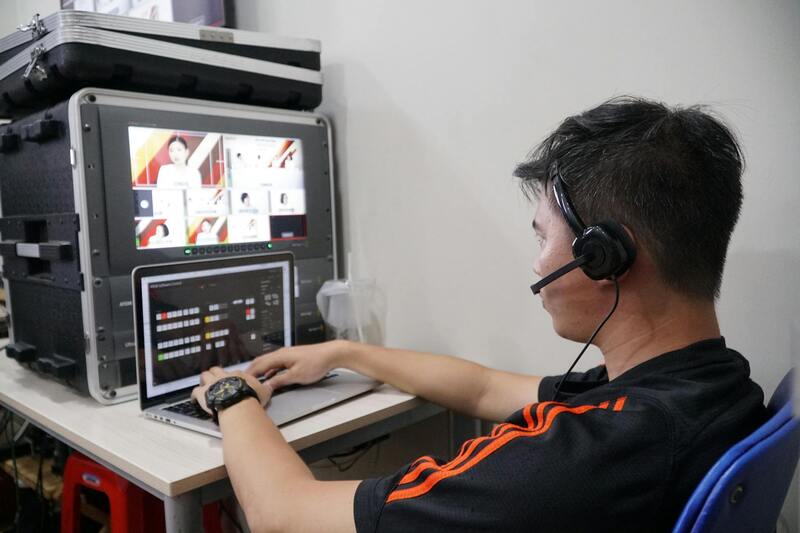
Maintaining the security of your event content is vital to safeguarding your brand’s reputation and protecting sensitive information. Professional livestreaming services employ advanced encryption protocols to encode live streams, making unauthorized interception or access exceedingly difficult. These services typically incorporate secure access controls, ensuring only authenticated viewers can participate. This includes methods such as login credentials, unique access codes, or invitation-only links, which help restrict viewership to intended audiences, especially for exclusive or private events.
Moreover, implementing Digital Rights Management (DRM) and real-time content monitoring allows event organizers to detect and address any breaches during the broadcast. This proactive approach minimizes the risk of content theft or unauthorized redistribution. Additionally, secure data transmission channels use industry-standard SSL/TLS encryption to protect the stream during transmission from the production studio to viewers’ devices. These security measures are critical to uphold the integrity of your content and to provide a seamless, protected viewing experience for your audience.
Technical Support and Monitoring of Livestream Events
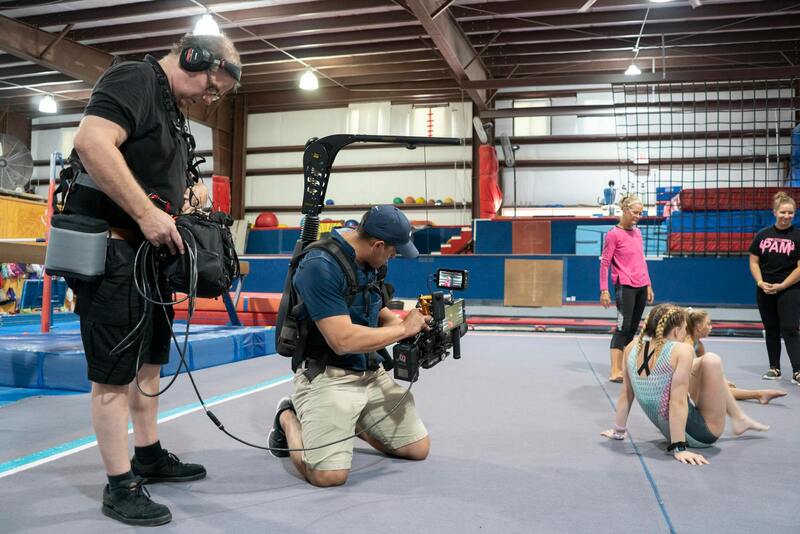
Comprehensive technical support is a cornerstone of successful livestreaming. During the event, dedicated technicians continuously monitor all system components—ranging from cameras and encoding devices to internet connectivity and streaming platforms. This constant oversight allows for swift identification and rectification of issues, reducing potential downtime or disruptions that could compromise the viewer experience.
Pre-event rehearsals are integral to this process, enabling technicians to fine-tune all technical aspects. These rehearsals facilitate troubleshooting, ensure equipment compatibility, and verify internet stability. During the live broadcast, real-time analytics tools provide insights into stream health, viewer engagement, and technical performance, allowing support teams to make immediate adjustments if necessary.
In addition to managing technical parameters, support teams handle ancillary functions such as managing interactive features like live chat, Q&A sessions, or polling. Ensuring the smooth operation of these elements enhances audience participation and engagement. For high-profile or long-duration events, having a dedicated technical support team on-site or remotely available is essential to address potential issues promptly, maintaining a flawless and professional broadcast from start to finish.

Ensuring Legal Compliance with Livestreaming Methodologies
Undeniably, employing official channels for event livestreaming represents a cornerstone of responsible content distribution. This approach guarantees that broadcasters adhere to intellectual property rights, avoid unauthorized content use, and align with contractual obligations concerning content licensing. Using legitimate platforms and services underscores a commitment to transparency and respect for creators, artists, and stakeholders involved.
Legitimate livestreaming methods often involve the use of licensed streaming platforms, which provide secure and reliable transmission channels. These platforms employ encryption and secure data handling practices to protect stream integrity and viewer information. Additionally, content hosting through authorized providers ensures compatibility with diverse devices and guarantees quality delivery, reducing the likelihood of interruptions caused by inferior or uncertified sources.
Properly integrating official streaming methods also involves adherence to local, regional, and international regulations affecting broadcast licensing, advertising standards, and data privacy. Technical agreements and licenses should clearly specify the scope of content rights, ensuring that all material streamed is authorized and free from infringement concerns. This contractual clarity supports seamless operations and mitigates risks associated with unauthorized dissemination.
Another critical aspect is the integration of broadcast automation tools that support rights management, content scheduling, and real-time monitoring. Automated compliance checks, watermarking, and digital rights management (DRM) are tools that uphold content integrity and prevent unauthorized copying or redistribution during the live event.
Implementing Robust Technical Protocols
Technical protocols form the backbone of lawful and high-quality live streaming. These protocols include secure internet connections, redundancy in encoding and streaming servers, and real-time troubleshooting procedures. By employing professionally managed networks and dedicated data centers, event organizers reduce latency and streaming failures, creating a more dependable viewing experience while maintaining compliance with infrastructural standards.
Employing licensed encoding and streaming equipment ensures that content is transmitted within the scope of authorized parameters. Such equipment typically includes hardware encoders that apply dual-streaming capabilities, allowing a backup stream in the event of primary stream failure. These measures are essential for maintaining lawful and consistent transmission.
Furthermore, incorporating professional monitoring and analytics tools during the live event provides real-time insights into stream health and compliance status. Immediate detection and correction of issues allow for the ongoing integrity of content distribution, reinforcing adherence to official methods and standards.
Summary of Best Practices
- Utilize licensed, reputable streaming platforms equipped with encryption and security features.
- Ensure content rights and licensing agreements are clearly established and respected.
- Employ professional-grade encoding equipment with fail-safes and redundancy systems.
- Adopt secure internet protocols and dedicated network resources to prevent unauthorized access.
- Implement real-time monitoring tools for immediate issue resolution and compliance assurance.
Ensuring Legitimacy and Compliance in Livestreaming Practices
As the popularity of event livestreaming continues to surge, organizations and individuals seeking to broadcast content must prioritize adherence to formal, recognized methods that guarantee reliable and lawful transmission. Employing approved infrastructure and protocols is vital for maintaining high-quality streams while safeguarding content integrity and viewer trust.
Utilization of Certified Hardware and Platforms
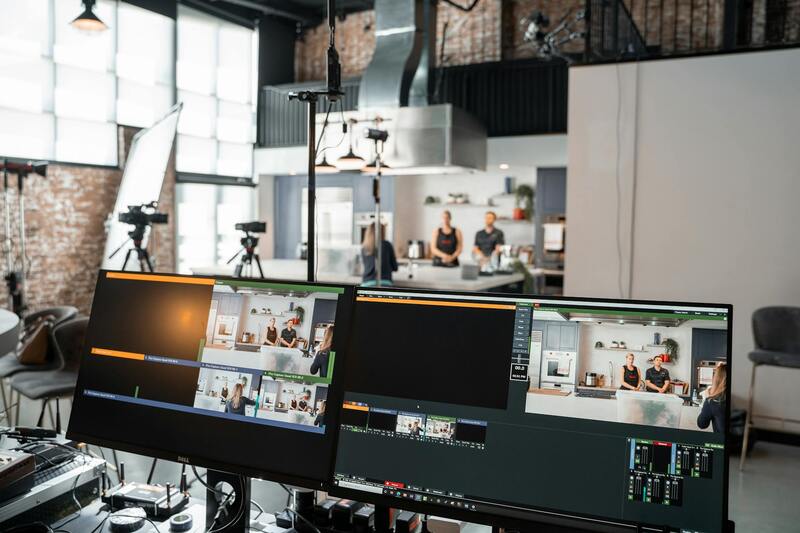
The foundation of a trustworthy livestream involves utilizing certified encoding hardware and broadcasting platforms that conform with industry standards. Hardware encoders with dual-streaming capabilities provide redundancy, allowing a seamless switch to backup streams if primary feeds encounter issues. These tools are engineered to maximize uptime and minimize disruptions, preventing potential data loss or unauthorized access.
Recognized streaming platforms employ encryption, robust security protocols, and privacy controls to uphold content confidentiality and prevent unauthorized access during broadcasts. Ensuring that all equipment and services are appropriately licensed and compliant with multimedia transmission standards creates a reliable backbone for any virtual event.
Adherence to Content Rights and Licensing
The success of legitimate livestreaming also hinges on respecting intellectual property rights and licensing agreements. Working with providers that validate each piece of content—be it copyrighted videos, music, or images—reinforces the integrity of the broadcast while avoiding legal complications. Proper licensing safeguards broadcasters from potential disputes, ensuring that all streamed material is authorized for distribution.
Implementation of Security and Monitoring Measures
Secure internet protocols, dedicated network channels, and advanced access controls form the cornerstone of official streaming methodologies. These measures protect streams from unauthorized interception or hacking attempts. Additionally, real-time monitoring of streaming health metrics and viewer analytics enables broadcasters to promptly detect and address transmission issues, maintaining high standards of broadcast stability and compliance.

Best Practices for Content Management
- Verify all content rights thoroughly before live transmission.
- Use encrypted and authenticated streaming solutions to prevent unauthorized access.
- Employ global servers and CDNs to enhance stream consistency across viewers.
- Maintain detailed logs of content licensing and transmission activities for accountability.
- Coordinate with licensed technical personnel to monitor live feeds continuously.
The Role of Professional Livestreaming Services
Partnering with reputable providers like those featured on miamieventvideography.net ensures the application of vetted, lawful techniques for live broadcasting. Such collaboration guarantees adherence to the highest standards of quality, security, and legal compliance—qualities essential for preserving reputation and meeting audience expectations.
By choosing officially recognized and licensed methods, event organizers can deliver engaging, seamless live streams that reflect professionalism and reinforce their credibility. These practices also pave the way for scalable, repeatable success in future streaming endeavors, solidifying a reputation for reliable virtual event delivery that aligns with industry best practices.