

Overview of Remote Live Video Production
Remote live video production has revolutionized the way events, broadcasts, and corporate communications are executed across Miami and beyond. It refers to the process of managing and producing live video content from locations geographically distant from the studio or event site, leveraging advanced technology to orchestrate seamless broadcasts in real-time. This approach eliminates the need for large on-site crews and equipment, allowing for more flexible, cost-effective, and scalable productions.
The evolution of remote live video production in Miami’s vibrant broadcasting and event industry has been driven by rapid technological advancements and increasing demand for real-time content delivery. Historically, live productions required extensive physical presence, bulky equipment, and substantial logistical coordination. However, the advent of high-speed internet, IP-based workflows, and cloud computing has significantly transformed this landscape. Today, Miami’s production agencies can deliver high-quality live broadcasts remotely, providing clients with engaging visual experiences without the constraints of traditional on-site setups.

This shift not only enhances operational efficiency but also expands creative possibilities. Remote live video production caters to a wide array of event types, including corporate meetings, sports events, concerts, and public broadcasts. Its adoption has grown steadily as the industry recognizes its potential to reduce costs, improve turnaround times, and reach broader audiences with high-quality content. The method’s flexibility allows Miami-based production companies to adapt swiftly to changing client needs and environmental factors, ensuring consistent delivery of professional-grade live video content across various platforms.
In the context of Miami’s diverse event landscape, remote production offers a strategic advantage by enabling real-time management of multi-camera feeds, live switching, graphics overlay, and audio mixing from centralized broadcast hubs. This efficiency supports rapid decision-making, minimizes on-site personnel requirements, and streamlines post-production workflows. As remote live video production continues to evolve, it stands as a cornerstone technology that empowers Miami’s creative and broadcasting professionals to innovate and deliver compelling, real-time experiences to audiences worldwide.
Key Components of Remote Live Video Production
Implementing remote live video production requires an integrated suite of reliable hardware, sophisticated software platforms, and seamless control systems. These components work together to deliver high-quality, real-time broadcast content from multiple locations without on-site presence, ensuring professional standards are maintained at every stage of production.
Core Hardware Elements
- Encoders: Devices that compress and transmit video signals over IP networks, serving as the backbone for remote streaming workflows.
- PTZ Cameras: Pan-tilt-zoom cameras allow remote operators to control camera angles and framing, providing versatile coverage with minimal physical touchpoints.
- Audio Equipment: High-quality microphones and remote audio interfaces ensure clear sound transmission, critical for engaging live presentations and broadcasts.
- Network Infrastructure: Dedicated fiber-optic or robust internet connections with sufficient bandwidth are vital for minimizing latency and maintaining stream stability.
Software and Control Systems
- Broadcast Management Platforms: Cloud-based platforms facilitate multi-feed management, live switching, graphics overlay, and real-time monitoring from centralized locations.
- Remote Control Interfaces: User-friendly control panels allow operators to adjust camera angles, audio levels, and visual effects remotely, streamlining the production process.
- Content Management Systems: Systems that organize, schedule, and distribute video content, ensuring smooth transitions and consistency across multiple platforms.
Supporting Equipment and Connectivity
- Signal Conversion Devices: Facilitate the translation of various video formats and protocols, enabling interoperability across diverse hardware setups.
- Redundancy Systems: Backup power supplies, redundant network paths, and failover configurations safeguard against disruptions during live broadcasts.
- Audio Mixers and Processing Equipment: Ensure optimal sound quality, levels, and effects that match broadcast standards.
Integration with Cloud Platforms
Cloud-based solutions form the backbone of remote live video production infrastructures, enabling scalable, flexible, and resilient operations. These platforms support multi-user access, remote collaboration, and seamless content delivery, which are essential for managing complex productions across geographically dispersed locations. They also facilitate real-time analytics and remote troubleshooting, significantly reducing on-site staffing needs and operational costs.

Integration of Network Protocols and Standardization for Seamless Connectivity
Efficient remote live video production hinges on robust network protocols and standardized communication interfaces that ensure reliable data transmission across diverse hardware and software environments. Industry-grade RTMP (Real-Time Messaging Protocol) remains a cornerstone for streaming live video segments, providing low-latency and adaptive bitrate capabilities essential for high-quality broadcasts. Additionally, protocols like SRT (Secure Reliable Transport) have gained popularity for their ability to securely and resiliently transmit live video over unpredictable networks, minimizing packet loss and latency issues.
Moreover, the adoption of standardized video interfaces such as SDI (Serial Digital Interface) and HDMI (High-Definition Multimedia Interface) facilitate interoperability between cameras, switchers, and recording devices, maintaining signal integrity during production workflows. As remote production evolves, more organizations integrate IP-based video transport standards such as SMPTE ST 2110, which enables uncompressed, multicast media flows over standard Ethernet networks, considerably increasing scalability and flexibility.
Ensuring Quality and Reliability through Advanced Network Infrastructure
High-performance network infrastructure forms the backbone of effective remote live video production operations. Redundant network pathways, including fiber optic links and cellular bonding solutions, provide failover capabilities that ensure continuous stream delivery even in case of primary network disruptions. Multi-protocol label switching (MPLS) networks or dedicated private connections further enhance security, latency reduction, and bandwidth prioritization, contributing to stable, high-fidelity video signals.
QoS (Quality of Service) configurations within network equipment help prioritize video packets over standard data traffic, reducing latency and preventing jitter during live streams. Organizations specializing in remote video production implement real-time network monitoring tools that continuously track bandwidth usage, jitter, latency, and packet loss, allowing technical teams to preempt potential issues before they impact broadcast quality.
Remote Control and Monitoring Technologies for Enhanced Production Oversight
Remote control systems, including sophisticated software interfaces, enable producers and operators to manage all aspects of the live production process from a distance. Such platforms support real-time adjustments to camera angles, video feeds, audio levels, and graphic overlays, creating a flexible and responsive production environment. These control interfaces often utilize secure cloud authentication, allowing authorized personnel to access and operate systems from multiple locations securely.
Real-time monitoring dashboards are integral for tracking video quality metrics, stream health, and system performance. They provide immediate insights into any anomalies or potential disruptions, allowing teams to initiate troubleshooting protocols swiftly. Additionally, remote control solutions incorporate various security measures, including encrypted connections and user authentication, to safeguard production workflows from unauthorized access.
Content Management and Workflow Automation
Effective content management systems (CMS) streamline the organization, scheduling, and deployment of live video streams. These platforms enable producers to pre-define broadcast sequences, integrate overlays and graphics, and coordinate multi-platform distribution, all from remote locations. Workflow automation tools enhance efficiency by executing repetitive tasks automatically, such as transcoding, transcoding, and archiving, freeing up valuable production resources.
Automation also encompasses quality checks and content validation, ensuring that streams meet broadcast standards before going live. The integration of artificial intelligence and machine learning algorithms further enhances content moderation, captioning, and metadata tagging, creating comprehensive workflows that support large-scale remote productions with minimal manual intervention.
Core Elements of Efficient Remote Live Video Production
Executing a seamless remote live video production demands a meticulous integration of several fundamental components that work in harmony to deliver broadcast-quality content from off-site locations. The integration process begins with high-performance cameras and audio equipment, which form the visual and auditory foundation essential for capturing professional-grade footage. Typically, remote setups utilize IP-enabled cameras capable of transmitting signals over the internet, significantly reducing the need for extensive cabling and physical connection. These cameras can be operated remotely, providing flexibility and enabling camera operators to control shot angles, focus, and zoom from any location with an internet connection.
Alongside high-quality hardware, robust network infrastructure plays a pivotal role. Stable, high-bandwidth internet connections ensure uninterrupted content delivery, minimizing latency and buffering issues that could compromise broadcast quality. When deploying remote production solutions in Miami, agencies often leverage local fiber optic networks or dedicated internet connections that guarantee sufficient upload speeds and low latency. Network redundancy is also crucial; having backup connections or failover systems in place ensures continuity in case of connectivity issues.
The control interface is a key component that enables remote producers to oversee the entire live feed. These control rooms are equipped with professional video switchers, audio mixing consoles, and real-time monitoring tools, all accessible remotely through secure, encrypted connections. This setup ensures that producers can make swift adjustments to the broadcast, manage overlays and graphics, and coordinate multiple feeds simultaneously, regardless of their physical location.
Ensuring Quality and Security in Remote Operations
To uphold high-quality standards, remote production workflows incorporate sophisticated Content Management Systems (CMS) and automation tools. These systems streamline scheduling, pre-production planning, and live content deployment, allowing for pre-set overlays, graphics, and transitions that can be triggered remotely. Workflow automation minimizes manual input and reduces the risk of errors, supporting large-scale remote events with consistency and efficiency.
Security measures are equally critical in remote live video production. Encrypted data transmission, multi-factor authentication, and secure VPNs safeguard sensitive content and access points from potential vulnerabilities. As remote operations expand, continuous monitoring for cybersecurity threats and regular system audits help maintain integrity and protect proprietary material from unauthorized access.
Additionally, automation tools can facilitate quality control processes by checking streams against broadcast standards before distribution. Artificial intelligence-driven applications can assist with real-time captioning, metadata tagging, and content moderation, which are invaluable for large-scale remote productions. Combining these solutions ensures consistent quality, security, and operational efficiency, making remote live video production a viable and compelling option for Miami-based agencies seeking expandability and innovation in their broadcasts.
- Integration of IP-based camera systems for flexibility and remote control
- Reliable high-bandwidth internet with network redundancy
- Secure, encrypted connections to protect sensitive data
- Advanced control interfaces for comprehensive remote management
- Content management and automation tools for efficiency
- AI-driven quality assurance and content moderation
Advanced Methods for Secure and Reliable Remote Live Video Production
To maintain the integrity and quality of remote live video productions, employing refined and official methods of connection and content management is essential. This includes the integration of enterprise-grade, IP-based camera systems that can be remotely controlled and monitored, allowing producers to adjust angles, focus, and settings from any location with a secure connection. These systems provide unparalleled flexibility and ensure high-quality visuals that meet broadcast standards, even when operated from distant sites.
Consistent, high-bandwidth internet connectivity coupled with network redundancy by utilizing multiple internet sources (such as fiber, LTE, or broadband backup) helps eliminate disruptions caused by network outages or fluctuating bandwidth. Employing network strategies like load balancing and automatic failover ensures continuous stream delivery, which is vital for live event coverage in remote production environments.
Secure Data Transmission and Content Management
All data exchanged during remote production must be transmitted over encrypted channels to protect sensitive content from unauthorized access. Utilizing secure VPNs and encrypted streaming protocols ensures that live feeds and proprietary materials remain confidential throughout the production process. These security measures support compliance with industry best practices, reinforcing client trust and safeguarding business interests.
In parallel, sophisticated content management and automation platforms streamline the handling, storage, and retrieval of large video files. These tools support real-time metadata tagging, automatic content transcoding, and integration with content distribution networks, optimizing workflow efficiencies and enabling rapid delivery to multiple channels or platforms.
Operational Control and Monitoring
Advanced control interfaces grant remote operators the ability to manage multi-camera setups, audio levels, graphic overlays, and streaming parameters from secure locations. These interfaces often come with user authentication protocols and multi-factor login controls, ensuring only authorized personnel can make adjustments during live broadcasts.
Furthermore, real-time monitoring dashboards provide status updates on stream health, network performance, and system alerts. Automated quality assurance tools can detect artifacts, latency issues, or signal degradation, triggering instant corrective actions to maintain the broadcast's integrity.
Automation and AI Integration
Incorporating automation tools and artificial intelligence (AI) enhances the efficiency and quality of remote production workflows. AI-driven captioning systems provide accurate, real-time transcription of live speech, which is essential for accessibility and content indexing. Metadata tagging powered by AI accelerates post-production editing and content archiving processes. Content moderation tools help identify inappropriate content during live feeds, enabling swift intervention if necessary.
These technological integrations optimize operational efficiency while elevating the production quality in remote live video scenarios, making them more manageable and scalable for Miami-based production agencies aiming to innovate and expand their broadcast capabilities.
Advanced Methods for Ensuring Legitimacy and Security in Remote Live Video Production
Maintaining the integrity and authenticity of live video streams is paramount in remote live video production. To achieve this, industry professionals rely on a combination of verified authentication protocols, encrypted data transmission, and secure access controls. Implementing multi-factor authentication (MFA) ensures that only authorized personnel can access production interfaces, reducing the risk of unauthorized interference. Secure login procedures, such as biometric verification or hardware tokens, further strengthen security measures.
Encryption plays a critical role in safeguarding live video feeds during transmission. Employing industry-standard encryption algorithms, such as AES (Advanced Encryption Standard), guarantees that data remains confidential and unaltered en route from cameras to streaming endpoints. Additionally, using secure protocols like SSL/TLS ensures that data packets are transmitted securely over networks, minimizing vulnerabilities.
Furthermore, the adoption of digital watermarking acts as a tool for content verification. Watermarks embedded into the video stream make it easier to detect unauthorized redistribution or manipulation of live content, preserving content rights and authenticity. Digital signatures and verification hashes can be integrated into the broadcast pipeline to validate the source and integrity of the video feed, providing clear evidence of origin and preventing fraud.
In addition to technological measures, comprehensive access management policies are essential. Role-based access control (RBAC) ensures that users only have permissions necessary for their specific functions, reducing the possibility of accidental or malicious disruptions. Implementing audit trails and real-time logging allows operators to monitor activities continuously, facilitating rapid response to suspicious actions.
Contingency planning and robust backup systems are vital components of security in remote production. Redundant systems and failover protocols enable seamless continuity in case of technical disruptions. Regular security audits and vulnerability assessments help identify and rectify potential weak points, ensuring the entire remote production environment remains resilient against evolving threats.
Overall, adherence to established security standards and the use of verified, proven technologies create a trustworthy environment for remote live video production, making it safe, reliable, and compliant with the expectations of clients and viewers alike. These methodologies help Miami production agencies deliver high-quality broadcasts that are both engaging and secure, reinforcing their reputation in the industry.
Advanced Methodologies for Secure Remote Live Video Production
Implementing reliable remote live video production systems requires combining multiple approaches to ensure the integrity and quality of broadcasts. Miami production agencies emphasize the integration of reputable streaming protocols, encryption standards, and continuous monitoring practices to maintain high standards of security and performance.
Encrypted Transmission Protocols
Utilizing end-to-end encryption protocols is fundamental in safeguarding video feeds from interception or tampering during transmission. Protocols such as Secure Reliable Transport (SRT) and Real-Time Messaging Protocol (RTMP) with SSL/TLS encryption enable secure, low-latency streaming pathways. These technologies encrypt video data at the source and decrypt it at the destination, preventing unauthorized access or data leaks.
Source Verification and Validation
Ensuring the authenticity of video sources is achieved through digital signatures and cryptographic verification methods. Digital watermarking can be employed to embed identifiers within the video feed, making it easier to verify the origin and detect any unauthorized alterations in real-time. Using dedicated hardware or software authentication mechanisms helps confirm the legitimacy of each video source before it enters the broadcast pipeline.
Access Control and User Authentication
Stringent access controls are critical to preventing unauthorized personnel from gaining control or viewing sensitive streams. Role-based access control (RBAC) systems restrict permissions based on individual roles, and multi-factor authentication (MFA) adds an additional layer of security. These measures ensure only vetted personnel can manage or modify live productions, reducing the risk of malicious activities.
Real-Time Monitoring and Incident Response
Continuous monitoring of live streams using advanced analytics platforms helps detect anomalies such as unauthorized access, stream interruptions, or suspicious activity. Real-time logging and alerting facilitate quick responses to potential threats, minimizing disruption. Having predefined incident response protocols allows teams to swiftly address unforeseen issues, maintaining the broadcast’s security and stability.

Redundant Infrastructure and Failover Solutions
Redundancy is vital to maintaining uninterrupted live broadcasts. Multiple data paths, backup power supplies, and failover servers ensure that technical issues or security breaches do not jeopardize the production. Implementing automated switchover mechanisms enables seamless continuity, even when primary systems encounter problems.
Regular Security Audits and Updates
Frequent vulnerability assessments and security audits are essential to identify and address emerging threats. Keeping all software and hardware components up to date with the latest security patches protects against exploitation. Additionally, ongoing staff training on security best practices fortifies the human element against potential vulnerabilities.
By combining these legitimate strategies—advanced encryption, source verification, strict access controls, continuous monitoring, infrastructure redundancy, and regular audits—Miami production agencies can ensure their remote live video productions are both reliable and secure. These methodologies foster confidence among clients and viewers, supporting the delivery of high-quality, trustworthy broadcasts in an increasingly digital landscape.
Methods for Securing Remote Live Video Production
Implementing safe and efficient remote live video production requires a combination of multiple official methods designed to protect the integrity of the broadcast while ensuring seamless operation. Central to this approach are advanced encryption techniques that safeguard video streams from interception or unauthorized access. Segmenting data channels with encrypted codecs, such as Secure Real-time Transport Protocol (SRTP) or Transport Layer Security (TLS), provides a foundation for confidentiality, especially when transmitting over public or shared networks.
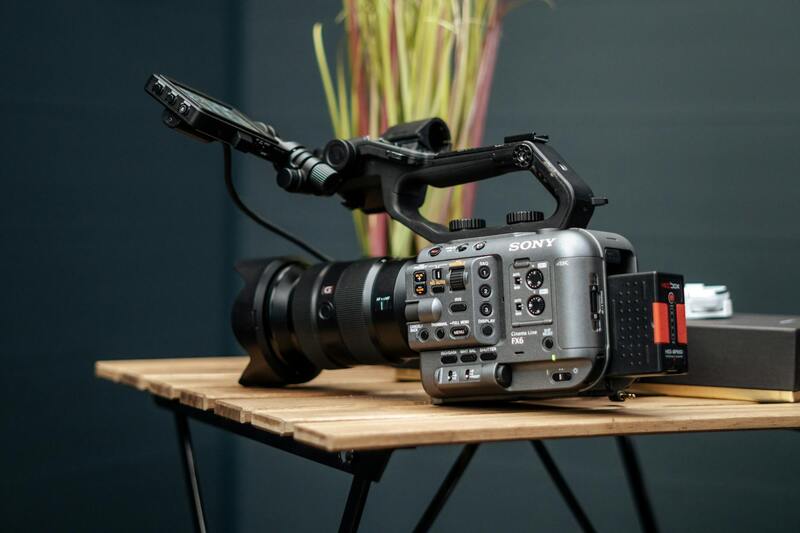
Source validation is another crucial method. Using cryptographic hashing and digital signatures, production teams verify that incoming video feeds originate from authenticated sources. This process prevents tampering or substitution of signals, which could compromise the broadcast's credibility.
Utilizing VPNs and Dedicated Networks
Virtual Private Networks (VPNs) create secure tunnels that connect remote production locations with central facilities, effectively encrypting all transmitted data. However, for higher security demands, dedicated fiber optic links or leased private networks are preferred. These dedicated channels reduce reliance on public internet infrastructure, minimizing latency and potential vulnerabilities.
Implementing Access Controls and Authentication Protocols
Strict access controls limit system entry to authorized personnel only. Multi-factor authentication (MFA) adds an additional layer of security by requiring users to verify their identity through multiple methods, such as biometrics or one-time passcodes. Regularly updating access permissions and maintaining logs of user activity enhance accountability and facilitate swift response to any anomalies.
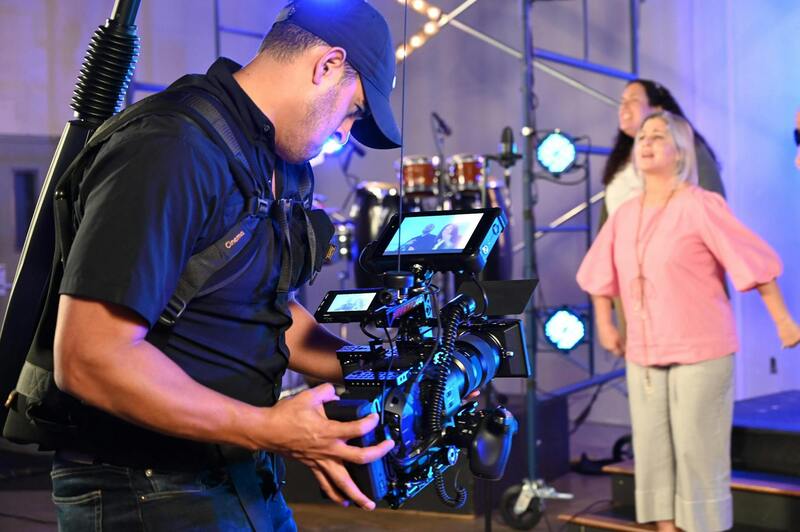
Continuous Monitoring and Incident Response
Establishing real-time monitoring systems ensures immediate detection of suspicious activity or potential breaches. Network intrusion detection systems (IDS) and anomaly detection algorithms monitor data flow, alerting technical teams to anomalies. A predefined incident response plan enables quick mitigation measures, such as isolating compromised feeds or switching to backup sources, ensuring minimal disruption to the live broadcast.
Infrastructure Redundancy and Failover Protocols
Redundancy involves deploying multiple data and hardware pathways. Multiple internet connections, backup servers, and power supplies ensure the continuity of production in case of single points of failure. Automated failover mechanisms enable seamless transition between primary and secondary systems without noticeable interruption, which is critical during live events.
Regular Security Audits and System Updates
Periodic vulnerability assessments and security audits help identify and remediate emerging threats. Keeping all software, firmware, and security protocols up to date patches known vulnerabilities and enhances resilience. Staff training on security awareness further strengthens organizational defense by reducing human error.
Combining these methods—robust encryption, source verification, secure network connections, strict access controls, proactive monitoring, redundancy, and ongoing maintenance—ensures that remote live video productions are conducted within a reliable, secure framework. This comprehensive approach not only protects the broadcast from potential disruptions but also reinforces confidence in delivering high-quality, trustworthy content to viewers.