

Overview of Live Webcasting Services
In the dynamic landscape of contemporary communication, live webcasting has emerged as an essential technology for organizations and event organizers seeking real-time digital engagement. At its core, live webcasting involves the transmission of live audio-visual content over the internet, allowing audiences to experience events as they happen from virtually any location. This capability has revolutionized how businesses, nonprofits, educational institutions, and entertainment entities share their messages, showcase their products, and foster community engagement in Miami and beyond.
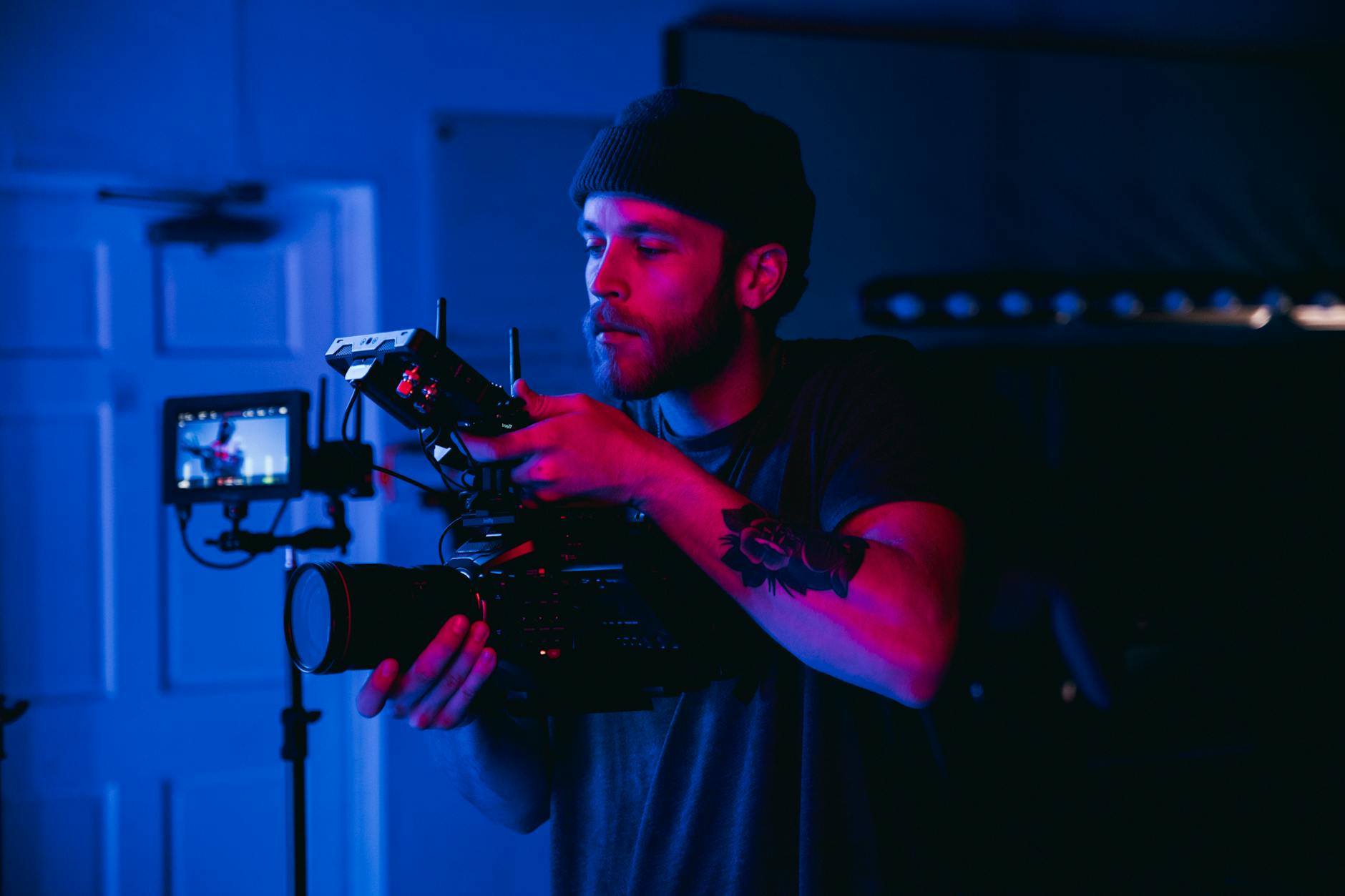
The primary function of a live webcasting service is to facilitate high-quality streaming of live events directly to viewers' devices such as computers, tablets, and smartphones. This requires robust encoding and distribution platforms that ensure seamless, uninterrupted delivery. As technology advances, the integration of high-definition video, multi-camera setups, and synchronized audio has become standard, providing audiences with an immersive viewing experience.
Geographical barriers are minimized through live webcasting, making it possible for viewers across Miami and globally to participate in events without physical presence. This capability enhances accessibility, allowing for greater reach and inclusivity. Whether it's a corporate conference in downtown Miami, a Miami Dolphins game, a university graduation, or a religious service, live webcasting ensures that the message is transmitted accurately and professionally in real time.
Beyond just streaming, these services often include features such as live chat capabilities, audience polling, and real-time analytics. These tools enhance viewer engagement and provide organizers with valuable data regarding audience behavior and interests. Additionally, the stored recordings of live streams can be repurposed for on-demand viewing, creating a lasting digital archive of events that can be accessed long after the live broadcast concludes.
Effective live webcasting requires a combination of technical expertise and reliable infrastructure. Professional service providers in Miami utilize advanced hardware such as multi-camera systems, encoders, and live switching equipment to produce polished broadcasts. High-speed internet connections with sufficient upload bandwidth are critical to prevent buffering or delays, maintaining a smooth viewing experience for end-users.
As the demand for real-time, remote engagement continues to grow, more organizations are recognizing the value of investing in comprehensive live webcasting solutions. From small community gatherings to large-scale international conferences, the capacity to broadcast professionally and efficiently is now a fundamental aspect of strategic communication in Miami’s diverse event scene.
In sum, live webcasting services serve as a vital bridge connecting organizers and audiences through the power of internet technology. By leveraging these services, Miami-based events can expand their reach, improve audience engagement, and deliver a compelling digital experience that transcends traditional geographical constraints.
Overview of Live Webcasting Services
Live webcasting services have revolutionized the way organizations and individuals share their events with audiences around the globe. These services involve the real-time transmission of video and audio content over the internet, enabling viewers to experience live events no matter their geographic location. The process relies heavily on sophisticated hardware and robust online infrastructure, ensuring the broadcast is smooth, high-quality, and accessible to all viewers.
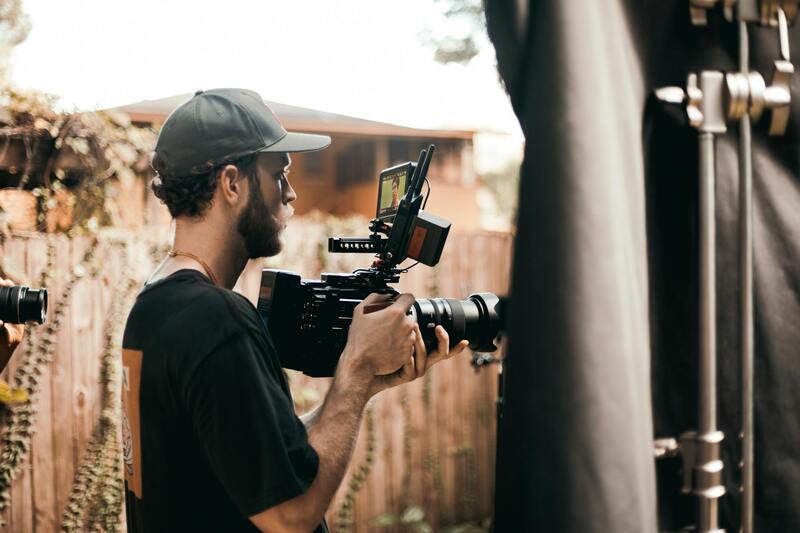
In Miami, professional live webcasting providers utilize multi-camera setups, professional encoders, and live switching technology. These elements function together to produce polished, engaging broadcasts that can include multiple camera angles, real-time graphics, and interactive features. The choice of an appropriate broadcasting platform and internet connection with sufficient upload bandwidth are critical for maintaining stream stability and clarity, thereby preventing common issues such as buffering or delays.
Reliable infrastructure is essential for high-caliber live streaming. Top-tier providers often incorporate redundant internet connections, backup power supplies, and advanced encoding hardware to minimize interruptions. This level of technical preparation guarantees that the event remains uninterrupted, preserving the professionalism and integrity of the broadcast. It also allows organizers to focus on content delivery without concerns over technical glitches.
An effective live webcasting setup does more than just transmit video; it creates an immersive experience that engages viewers and extends the event's reach. Incorporating interactive elements such as live chat, question-and-answer sessions, and social media integration transforms passive viewers into active participants. This level of engagement can significantly enhance brand visibility, viewer satisfaction, and overall event impact.
In the realm of corporate conferences, religious gatherings, educational seminars, and cultural festivals, live webcasting has become an essential component. It not only broadens accessibility but also provides vital analytics, enabling organizers to measure engagement and gather insights for future planning. This data-driven approach enhances the effectiveness of ongoing and future events, creating a continuous loop of improvement and audience connection.
For Miami-based organizations, partnering with experienced live webcasting service providers ensures access to state-of-the-art technology and expert support. These professionals tailor their solutions to meet specific event needs, whether it’s a small webinar or a large international event. The end goal remains consistent: delivering a seamless digital experience that connects organizers with their audience in meaningful and impactful ways.
Technical Aspects and Equipment for Webcasting
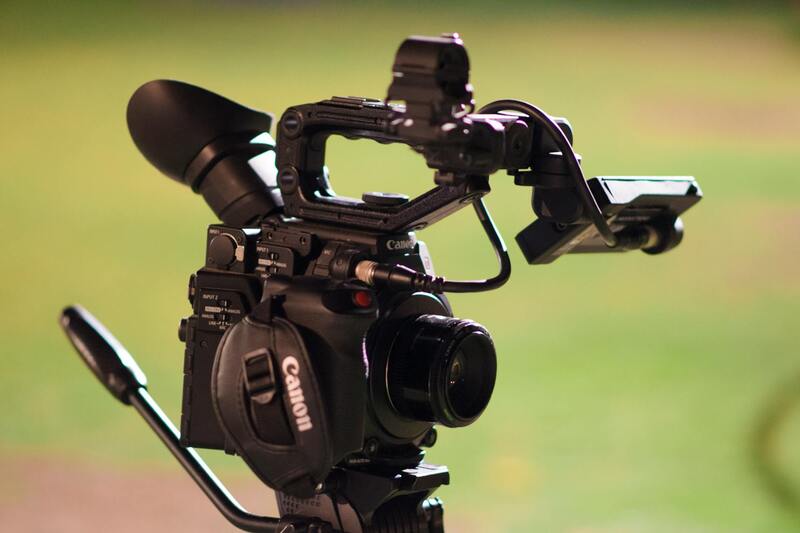
Implementing a professional live webcasting service requires meticulous attention to technical specifications and equipment to ensure a seamless viewing experience. The backbone of any effective webcast involves high-quality video capture devices, reliable encoding hardware, and a robust internet connection. Cameras used in live webcasting should support high-definition output, ideally 4K resolution, to deliver sharp and clear footage across various devices and bandwidths. Invest in professional-grade camcorders or PTZ (pan-tilt-zoom) cameras that permit remote control and multi-angle shots, enhancing the visual appeal of the broadcast.
Audio quality is equally critical. The integration of high-fidelity microphones, such as wireless lapel or shotgun mics, ensures clear sound without background noise interference. Audio mixers can be employed to balance multiple input sources, providing consistent sound levels throughout the event.
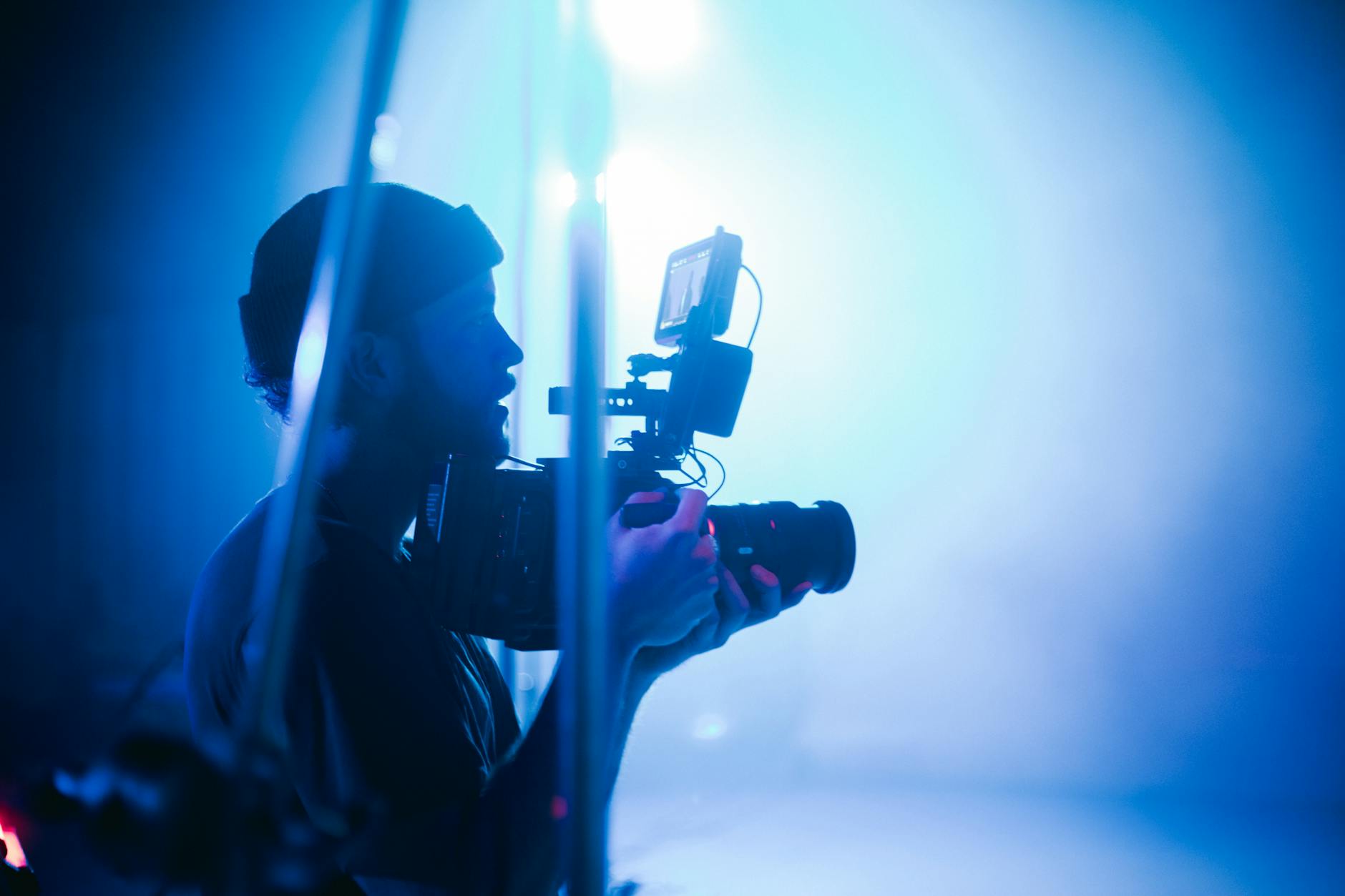
Encoding devices serve as the link between captured video and the streaming platform. Hardware encoders with hardware acceleration units are preferred for their stability and ability to handle multiple streams simultaneously. This is complemented by a dedicated, high-bandwidth internet connection, ideally wired Ethernet, to prevent disruptions. A backup internet source or cellular tethering can provide additional reliability, ensuring the webcast proceeds without interruptions even if primary connections falter.
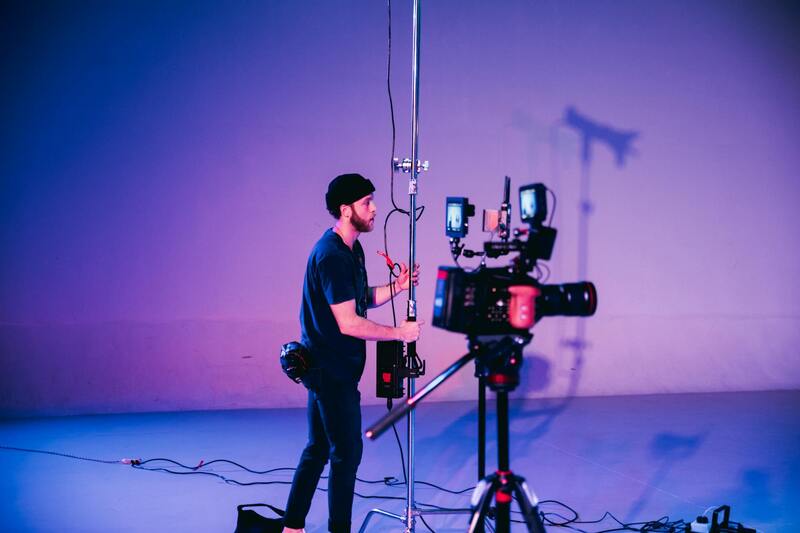
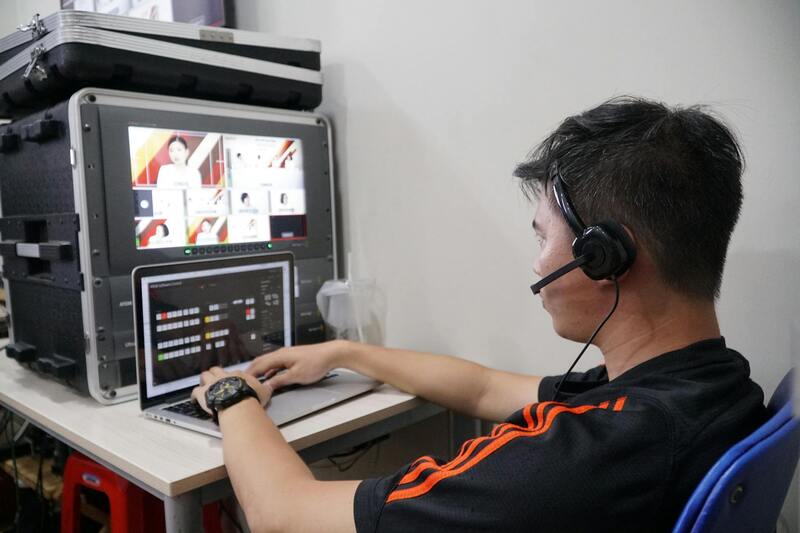
Additionally, multiviewer monitors allow operators to oversee multiple feeds and ensure proper framing and quality in real time. For large-scale events, a dedicated control room with a skilled production team is instrumental in managing transitions, graphics, and live interactions efficiently. Incorporating live switching equipment and real-time graphics overlay can elevate the broadcast’s professionalism, making it more engaging for viewers and aligning with brand standards.
Best Practices for Executing a Successful Live Webcast
Achieving a seamless and engaging live webcast hinges on meticulous planning and execution. Prior to the event, conduct comprehensive technical rehearsals to identify and resolve potential issues, such as signal disruptions or audio mismatches. Confirm that all equipment is properly synchronized and tested in an environment similar to the actual event setting.
During the broadcast, communication between the production team and presenters is crucial. Use dedicated headsets or communication systems to coordinate stage cues, camera angles, and graphics transitions smoothly. Familiarizing with the platform's features, such as chat moderation tools or interactive polls, helps enhance audience engagement in real time.
Post-event, evaluate the webcast’s performance through analytics and viewer feedback. Metrics such as peak viewership, engagement duration, and geographic data provide valuable insights for future events. Additionally, recording the webcast allows for on-demand viewing, further extending the event's reach and longevity.
Overview of Live Webcasting Services
Live webcasting services have revolutionized the way organizations and individuals share their events across digital platforms. By transmitting live audio and video content over the internet, these services enable real-time engagement with audiences regardless of geographical boundaries. Professional webcasting involves a comprehensive approach that encompasses high-quality video capture, robust streaming infrastructure, and sophisticated encoding solutions to deliver uninterrupted, high-definition broadcasts.
In Miami and beyond, professional live webcasting ensures that events such as corporate conferences, educational seminars, religious gatherings, cultural festivals, and entertainment shows reach a broader audience without compromising on quality. Unlike traditional broadcasting methods, live webcasting provides flexibility, interactivity, and immediate access, making it an essential tool for modern event dissemination.

Key Features of Live Webcasting
- High-Definition Video Quality: Professional webcasting services deliver crystal-clear visuals, supporting HD and 4K resolutions to ensure a compelling viewing experience.
- Multi-Platform Compatibility: Streams are optimized for various devices, including desktops, tablets, and smartphones, ensuring accessibility for all viewers.
- Reliable Streaming Infrastructure: Utilization of redundant servers and content delivery networks (CDNs) guarantees minimal buffering and high uptime during the broadcast.
- Interactive Features: Incorporation of live chat, polls, Q&A sessions, and viewer analytics enhances audience engagement and provides valuable feedback.
- Recorded Playback: Post-event recordings allow on-demand viewing, expanding content reach and usability beyond live transmission.
- Secure Streaming Options: Encrypted streams and password-protected access control safeguard sensitive content.
Technical Aspects and Equipment for Webcasting
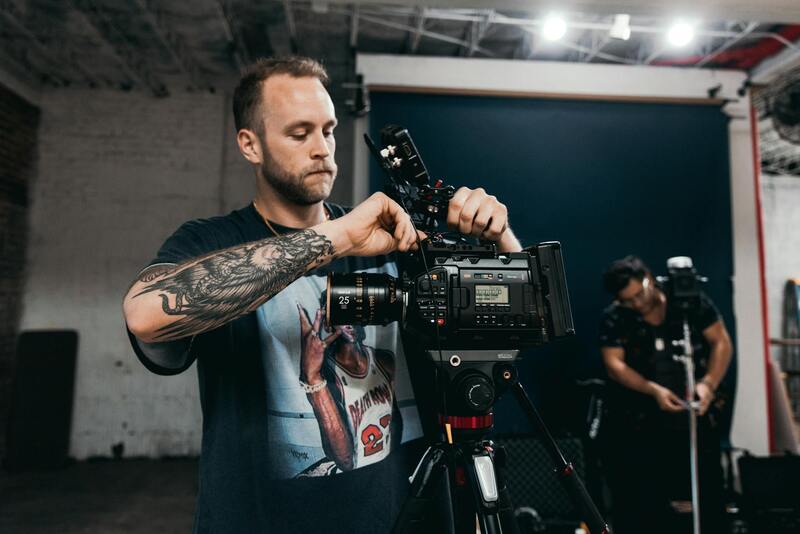
Effective live webcasting in Miami hinges on the deployment of professional-grade equipment and meticulous technical planning. High-definition video cameras capture clear visuals that translate seamlessly across multiple devices, with some setups supporting 4K resolution for exceptional detail. Audio quality is equally vital, necessitating the use of professional microphones, audio mixers, and soundproofing measures to ensure crisp sound devoid of background noise.
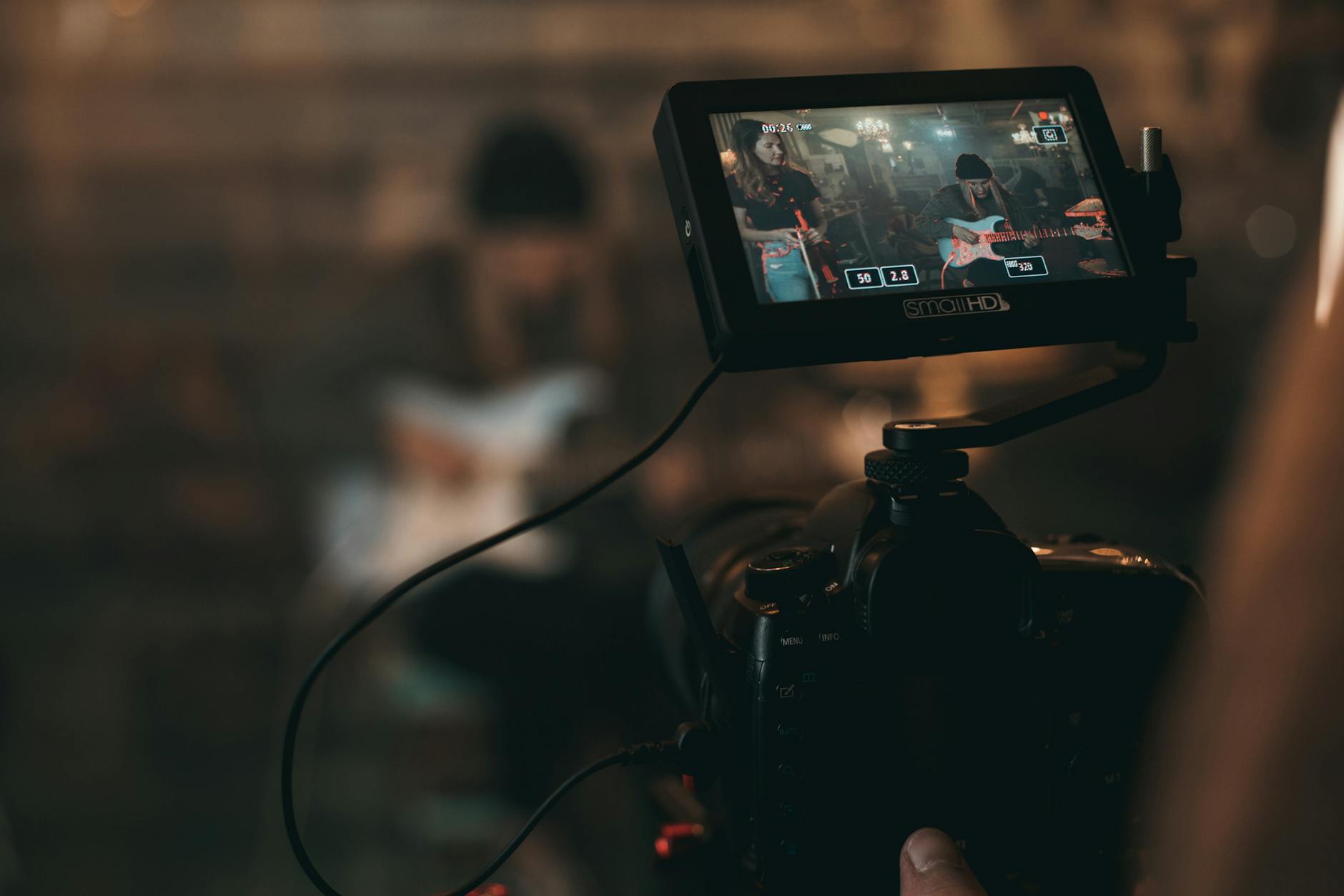
Transitioning between different camera angles and managing live feeds require robust video switchers and streaming hardware capable of handling high data throughput without latency. Reliable internet connectivity, backed by dedicated fiber-optic lines, SPF networks, or bonded cellular technology, safeguards against interruptions during live transmission. Content delivery networks (CDNs) are fundamental in distributing high-quality streams efficiently, reducing buffering and latency issues for viewers regardless of their geographic location.
Best Practices for Executing a Successful Live Webcast
To ensure a smooth and professional live webcasting experience, several best practices should be followed. Pre-event planning involves precise coordination with all stakeholders, including technical teams, speakers, and event organizers. Conducting comprehensive test runs allows the production team to identify and rectify potential issues before the actual broadcast.
- Optimize Internet Connectivity: Ensuring a high-bandwidth, dedicated internet connection reduces the risk of stream interruptions. Redundant internet sources or backup connections are advisable.
- Engage a Skilled Production Team: Experienced operators can adeptly manage camera switching, audio, graphics, and live interactions, maintaining a professional presentation throughout.
- Implement Interactive Features: Incorporate real-time chat, Q&A, and polling functions to foster audience engagement and gather instant feedback.
- Stream to Multiple Platforms: Distributing content across diverse channels such as social media, websites, and streaming platforms maximizes reach.
- Monitor the Broadcast: Continuous real-time monitoring ensures quick resolution of any technical issues, minimizing downtime.
- Post-Event Accessibility: Providing recorded versions for on-demand viewing extends the event’s impact and accessibility.
Following these guidelines, paired with a comprehensive understanding of your event requirements, will significantly enhance the quality and reliability of your live webcasting in Miami.
Choosing a Live Webcasting Service Provider
Securing the right live webcasting service provider is essential for achieving a seamless and professional broadcast of your Miami event. When evaluating potential providers, it’s crucial to focus on their technical expertise, experience with similar event types, and their ability to customize solutions according to your specific needs.
One of the primary considerations is the provider's familiarity with various streaming platforms and their capacity to deliver high-quality content across multiple channels simultaneously. The provider should have a robust infrastructure that supports high bandwidth requirements, ensuring stable streams even during peak viewership times. Their equipment and technical staff must be adept at handling real-time challenges, such as internet fluctuations, audio-video sync issues, and viewer engagement.
It is also beneficial to verify the provider’s track record by reviewing case studies or testimonials from previous clients. A competent live webcasting service should demonstrate proficiency in managing large-scale events, including corporate conferences, religious gatherings, or cultural festivals prevalent in Miami. Their portfolio should reflect diverse experience, confirming their versatility in adapting to different event formats and audience sizes.
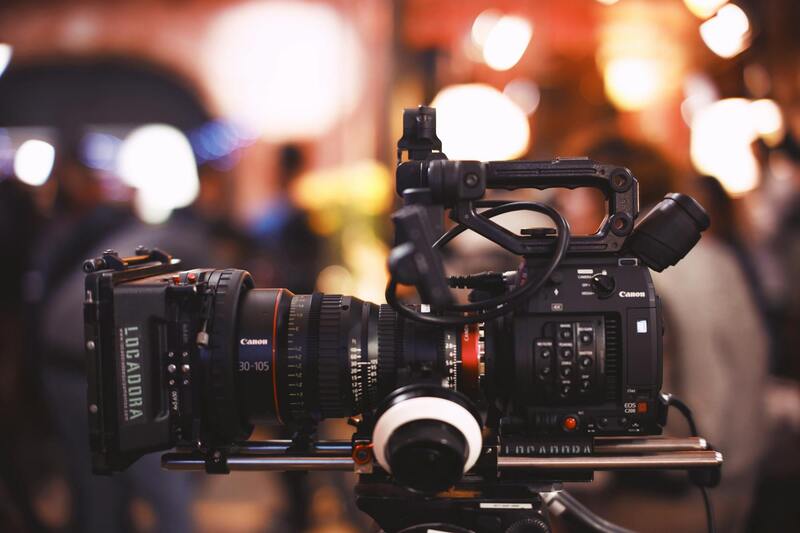
Furthermore, transparency regarding pricing and service packages is essential. Reliable providers offer clear details about what is included in their services, such as the provision of cameras, audio equipment, streaming platform licenses, and technical support during the event. It is also advisable to inquire about their contingency plans and backup solutions to mitigate unforeseen technical issues.
Effective communication between your team and the service provider before the event is vital. This coordination includes establishing the event’s technical requirements, content delivery formats, and interactive features like live chat or Q&A sessions. Ensuring that the provider’s team is accessible throughout the planning process helps in addressing any unforeseen adjustments seamlessly.
By leveraging providers with proven expertise, advanced technology, and transparent practices, your Miami event’s live webcasting experience can meet the high standards expected by your audience. Selecting a provider that aligns with your event’s goals guarantees an engaging, reliable, and visually compelling broadcast that extends your reach far beyond the physical venue.
Technical Aspects and Equipment for Webcasting
To ensure a seamless live webcasting experience, a thorough understanding of the technical components involved is essential. High-quality streaming relies on a blend of specialized equipment and robust infrastructure designed to deliver clear video and audio, minimal latency, and stable connectivity. This setup forms the backbone of any professional live webcast, especially for diverse events across Miami's vibrant scene.
Core Hardware Components
- Cameras: Professional-grade cameras with high-definition (HD) or 4K resolution capabilities are fundamental. These cameras should be capable of optical zoom, precise focus, and low-light performance to adapt to various event settings.
- Audio Equipment: Crisp, clear audio is crucial for viewer engagement. Lavaliere microphones, shotgun mics, and mixing consoles help capture sound accurately, minimizing background noise and ensuring speech clarity.
- Switchers and Mixers: Video switchers enable real-time transitions between multiple camera feeds, ensuring dynamic broadcasts. Audio mixers allow balancing sound levels across different sources for an even audio experience.
- Encoding Devices: Hardware or software encoders convert video signals into a digital format suitable for streaming. They manage quality settings, compression rates, and deliver stable broadcast streams.
Networking and Internet Infrastructure
Reliable internet connectivity is the foundation for any live webcast. A dedicated high-speed fiber-optic connection is recommended to prevent interruptions. Multiple redundancies, including backup internet lines and wireless fail-safes, safeguard against potential disruptions. Network configurations should prioritize low latency and high bandwidth to accommodate simultaneous high-quality video and audio transmission.
Streaming Platforms and Content Delivery
Choosing an appropriate streaming platform is vital for audience engagement and accessibility. Many professional services integrate with popular Content Delivery Networks (CDNs) ensuring high availability and scalability. Features such as adaptive bitrate streaming allow viewers with varying internet speeds to receive smooth playback. Platforms should also support interactive features like real-time chat, polls, and Q&A sessions, fostering engagement during live events.
Technical Support and On-Site Crew
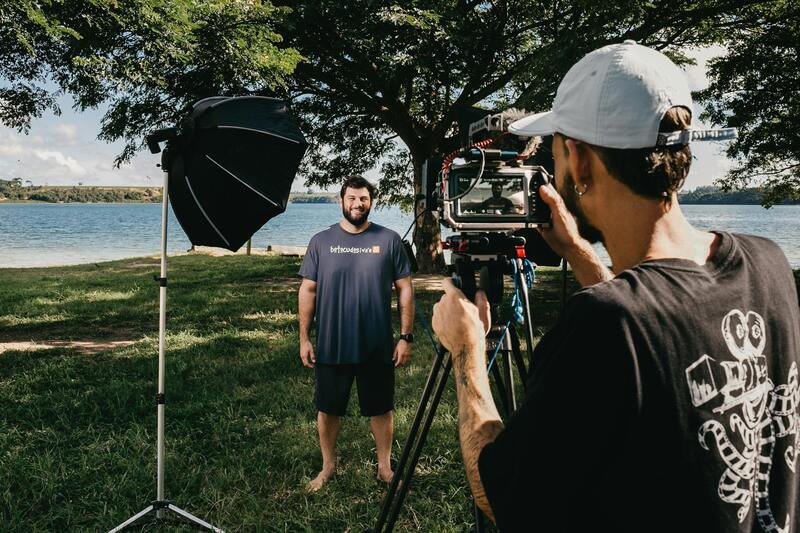
Having skilled technicians on-site guarantees that all equipment functions correctly throughout the event. Technical support covers everything from initial setup, testing, and live operation to troubleshooting unexpected issues. Experienced crew members can make real-time adjustments, ensuring a high-quality viewing experience. Additionally, pre-event dry runs and rehearsals play a significant role in identifying potential technical challenges before the live broadcast begins.
Post-Event Analysis and Archiving
Effective post-event management involves archiving the webcast for on-demand viewing, analysis of viewer engagement statistics, and collecting feedback to improve future broadcasts. Maintenance of recordings and technical documentation supports ongoing optimization of setup and operations, making future webcasts more efficient and engaging.
Ensuring Legitimacy and Security in Live Webcasting
When selecting a live webcasting service, it is paramount to verify the provider’s adherence to established standards and protocols that safeguard the integrity and security of the broadcast. Reputable companies such as Miami Event Videography prioritize security measures including end-to-end encryption, secure login credentials, and protected streams to prevent unauthorized access and data breaches. These protocols not only ensure that your event remains confidential but also enhance viewer confidence.
Another critical aspect is the provider's compliance with industry best practices for data privacy. This involves transparent policies regarding viewer data collection, storage, and usage, aligning with recognized standards which can vary based on regional regulations. Choosing a provider with a proven track record in data protection minimizes risks associated with data breaches and unauthorized data exploitation.
Moreover, professional live webcasting services utilize redundant streaming infrastructure and multiple content delivery networks (CDNs) to guarantee high availability and reliability. These measures help mitigate issues related to bandwidth fluctuations and technical disruptions, ensuring a smooth viewing experience for your audience regardless of their device or internet connection quality.
Verifying Technical Expertise and Support
Legitimate providers demonstrate their expertise through experienced technical teams capable of managing complex broadcasting setups. Support staff should be available before, during, and after the event to troubleshoot potential problems swiftly. This ongoing technical support guarantees uninterrupted streaming, reduces downtime, and maintains professionalism during high-stakes events.
Reputable companies also conduct comprehensive pre-event rehearsals. These dry runs allow technicians to test all equipment, internet connections, and streaming platforms, addressing any issues before they impact the live broadcast. Such diligence minimizes risks and ensures a seamless event experience for both organizers and viewers.
Evaluating Equipment and Technology Standards
Legit live webcasting providers utilize advanced, industry-standard production equipment to deliver superior video and audio quality. This includes high-definition cameras, professional audio capture devices, and high-bandwidth internet connections. The deployment of adaptive streaming technology ensures that the broadcast dynamically adjusts quality based on viewers’ internet speeds, reducing buffering and playback errors.
Additional technological features such as multi-camera angles, graphics overlays, and real-time subtitles further enhance the professionalism and engagement of your webcast. Providers that keep abreast of emerging streaming technologies demonstrate their commitment to delivering cutting-edge services, offering future-proof solutions that can adapt to evolving digital broadcasting trends.
Establishing Credibility Through Client Testimonials and Case Studies
Reviewing case studies, client testimonials, and portfolio examples provides insight into a provider’s reliability and quality of service. Established companies in Miami, such as those specializing in event videography, often showcase successful webcast deployments for diverse events, illustrating their capacity for handling various logistical challenges.
Seeking references and feedback from past clients offers additional assurance. Feedback focusing on technical performance, team professionalism, and overall satisfaction helps in making an informed decision, ensuring your event’s live streaming aligns with your expectations and standards.
Conclusion
Choosing a reliable and legitimate live webcasting service involves verifying security protocols, technical competence, equipment quality, and client feedback. Ensuring these elements are in place provides a foundation for a successful, high-quality live streaming experience that effectively meets your organizational needs while safeguarding your brand reputation.