

Understanding Event Streaming and Its Importance
Event streaming has rapidly become a foundational element of modern event management, transforming how live, hybrid, and virtual events are delivered and experienced. At its core, event streaming involves transmitting live audio and video feeds to a remote audience via the internet, enabling real-time engagement regardless of geographical boundaries. This technology is not only about broadcasting; it includes the seamless integration of content delivery platforms, high-quality audiovisual equipment, and reliable internet infrastructures to ensure an uninterrupted viewing experience.

The importance of event streaming in today’s event landscape cannot be overstated. For organizers, it offers unparalleled access to a broader audience, extending the reach well beyond the physical venue. This capacity is especially critical for hybrid events that combine in-person and virtual participation, creating a shared experience that is inclusive and engaging for all attendees. Virtual event streaming also provides flexibility, allowing participants to join from anywhere, whether they are attending a conference, seminar, or product launch. The immediacy of live streams facilitates real-time interaction through chat functions, Q&A sessions, and social media engagement, fostering a dynamic and participatory environment.
In addition to expanding reach and fostering engagement, event streaming delivers tangible benefits for brand visibility and audience analytics. High-quality streams enhance the perceived professionalism and credibility of an event, often translating into increased media exposure and sponsorship opportunities. Event organizers can collect detailed analytics on viewer engagement, such as viewership numbers, geographic locations, and interaction rates, providing valuable insights for future planning and marketing strategies.
The growth of on-demand content also complements live streaming, allowing event content to be repurposed for ongoing marketing efforts or post-event engagement. This dual approach maximizes content value and sustains interest long after the live event concludes. As technology advances, innovations such as 4K streaming, augmented reality overlays, and interactive digital elements are further elevating the spectator experience, making event streaming an essential component of innovative event production.
Overall, adopting a robust event streaming strategy is vital for organizations aiming to stay competitive in a digital-first world. Whether for corporate conferences, product unveilings, entertainment festivals, or religious services, the ability to deliver high-quality live streams reliably is transforming how events are produced, perceived, and remembered. For professionals seeking expert support, partnering with a specialized event streaming company ensures access to state-of-the-art technology, experienced technical staff, and tailored solutions that meet specific event objectives.
Understanding Event Streaming and Its Importance
Event streaming involves the real-time transmission of live audio and video content to audiences across various locations via the internet. Its significance lies in its ability to broaden audience reach, facilitate immediate interaction, and create immersive experiences. Traditional in-person events are often limited by geographic and logistical constraints, but event streaming dissolves these barriers, empowering organizations to connect with global audiences seamlessly.
At the core of effective event streaming are advanced technologies and reliable infrastructure that guarantee minimal latency and high-definition quality. As consumer expectations shift towards instant access and high-quality visuals, employing high-caliber equipment and sophisticated delivery methods becomes critical. These elements work together to enhance viewer engagement, foster brand credibility, and generate measurable impact for event organizers.
Enhancing Audience Engagement and Interaction
Modern event streaming solutions incorporate features such as live polls, Q&A sessions, and chat functionalities that allow viewers to participate actively. This interaction not only boosts engagement but also provides immediate feedback that can be invaluable for gauging audience interest and improving subsequent events.
Another key aspect is data analytics. By monitoring viewer metrics—such as engagement rates, geographic location, and device usage—organizers can gain insight into audience preferences and behaviors. These insights aid in customizing future content and optimizing marketing efforts, ensuring that each event resonates more profoundly with the target demographic.
Ensuring Reliability and Quality
To guarantee a seamless streaming experience, professional event streaming companies utilize redundant systems and advanced encoding technologies. High-quality cameras, professional-grade microphones, and robust internet connections are essential components. Furthermore, leveraging content delivery networks (CDNs) helps distribute streams efficiently across different regions, minimizing buffering and latency issues.
Real-time monitoring tools enable technical staff to swiftly address any disruptions, maintaining high standards throughout the event duration. The combination of these measures ensures viewers enjoy crisp visuals, clear audio, and uninterrupted streams, which are vital for maintaining professionalism and audience trust.
Security and Accessibility in Event Streaming
Secure streaming platforms incorporate encryption and access controls to protect sensitive content. Password-protected streams, secure login portals, and geo-restrictions are employed to prevent unauthorized access. Simultaneously, accessibility features such as captions, subtitles, and compatibility with assistive technologies ensure that content reaches a diverse audience, including individuals with disabilities.
It is also important for organizers to consider bandwidth variations among viewers. Adaptive streaming technologies automatically adjust video quality based on available internet speeds, providing the best possible experience irrespective of individual network conditions.
Customizing a Streaming Strategy to Meet Event Goals
Selecting the right technologies and approaches should align with the specific objectives of each event. Whether aiming for broad outreach or targeted engagement, organizers must assess factors such as audience demographics, content type, and platform compatibility. Partnering with an experienced event streaming company allows for tailored solutions, including multi-platform distribution, interactive features, and post-event content repurposing.
The deployment of comprehensive pre-event planning, thorough testing, and dedicated technical support ensures all aspects of the stream operate smoothly. This proactive approach minimizes technical issues and guarantees a professional presentation that supports the event’s overall goals.
Advanced Equipment and Techniques for Superior Event Streaming
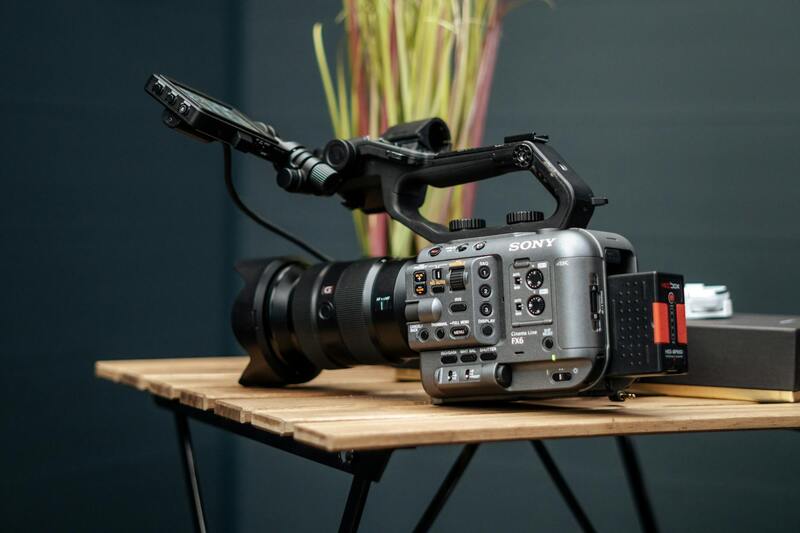
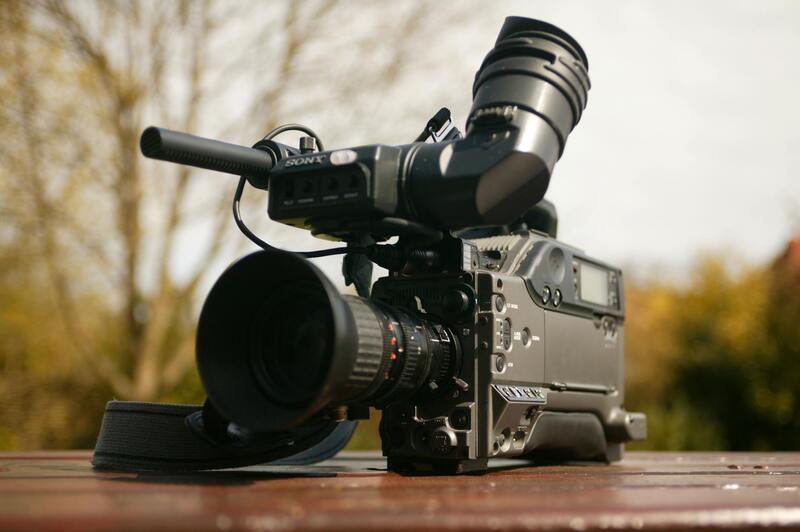
Achieving impeccable quality in event streaming hinges on deploying the latest technical equipment and utilizing proven methodologies. Professional-grade cameras, such as 4K UHD streaming cameras, ensure crisp, clear visuals capable of capturing detailed scenes from multiple angles. These high-resolution cameras are often paired with wide-angle or remote-controlled lenses to offer flexibility during dynamic event scenarios. Additionally, utilizing multiple camera feeds enables smooth switching between different views, providing a more engaging experience for remote audiences.
Complementary to the camera setup, high-quality audio equipment—including lavalier and shotgun microphones—captures sound with clarity, effectively minimizing background noise. Wireless microphone systems allow speakers to move freely without sacrificing audio fidelity, while audio mixers are employed to balance multiple sound sources seamlessly. Integrating an advanced video switcher or production switcher facilitates live editing, enabling real-time transitions, overlays, and graphics to be inserted without delay, further elevating the production's professionalism.

Leveraging Reliable Streaming Protocols and Infrastructure
To ensure a consistent, interruption-free broadcast, choosing the right streaming protocols and network configuration is critical. Protocols such as Secure Reliable Transport (SRT) and Real-Time Messaging Protocol (RTMP) are widely adopted within the industry for their ability to deliver low-latency, resilient streams even under variable network conditions. These protocols work in tandem with Content Delivery Networks (CDNs), which distribute the live feed across multiple servers globally, reducing latency and buffering issues for viewers regardless of their geographic location.
Implementing dedicated, high-bandwidth internet connections—often with backup systems—is essential to prevent disruptions during the event. These connections are typically optimized with load balancing and network prioritization techniques, ensuring that streaming data maintains priority over other network traffic. Employing hardware encoders, such as those from trusted manufacturers, further enhances signal stability and quality, converting raw camera feeds into optimized streams ready for transmission.
Integrating Interactivity and Engagement Tools
Enhancing viewer engagement is a fundamental aspect of modern event streaming. Incorporating interactive features such as live chat, polls, Q&A sessions, and social media integration transforms passive viewers into active participants. These tools can be embedded directly into streaming platforms or integrated through third-party applications, allowing real-time interaction that boosts audience involvement and satisfaction.
Some platforms support synchronized on-screen graphics, virtual backgrounds, and replay features that enable hosts to emphasize key moments, making the remote experience as immersive as possible. For multi-location or hybrid events, overlay graphics indicating speaker names, titles, or event branding can be dynamically inserted to reinforce professionalism and branding consistency. Such enhancements require precise timing and coordination, often managed by experienced technical teams to ensure seamless execution.
Continuous Testing and Technical Support
Prior to the event, comprehensive testing of all equipment, software, and network components is pivotal. This process includes verifying camera angles, audio levels, streaming stability, and compatibility across platforms. Simulating the event environment helps identify potential issues, allowing for corrective measures to be taken proactively. During the event, dedicated technical support teams remain on standby to monitor streams, troubleshoot in real time, and make adjustments as necessary—ensuring a flawless broadcast.
Post-event, detailed analytics assess streaming performance metrics such as viewer engagement, bandwidth usage, and technical issues encountered. Analyzing this data informs future improvements, facilitating an iterative approach to enhancing event streaming quality and reliability.
Implementing Reliable Streaming Protocols for Optimal Delivery
Event streaming companies utilize a range of official, proven protocols to ensure that live broadcasts are transmitted smoothly and without interruptions. Among the most prevalent is the Real-Time Messaging Protocol (RTMP), which has been industry standard for years due to its robustness in delivering high-quality video and audio streams. RTMP facilitates low-latency streaming, making it suitable for interactive live events such as Q&A sessions, live polls, and audience engagement activities. Additionally, advanced streaming protocols like SRT (Secure Reliable Transport) and CMAF (Common Media Application Format) are increasingly adopted for their enhanced stability over unpredictable networks and improved compatibility across devices.
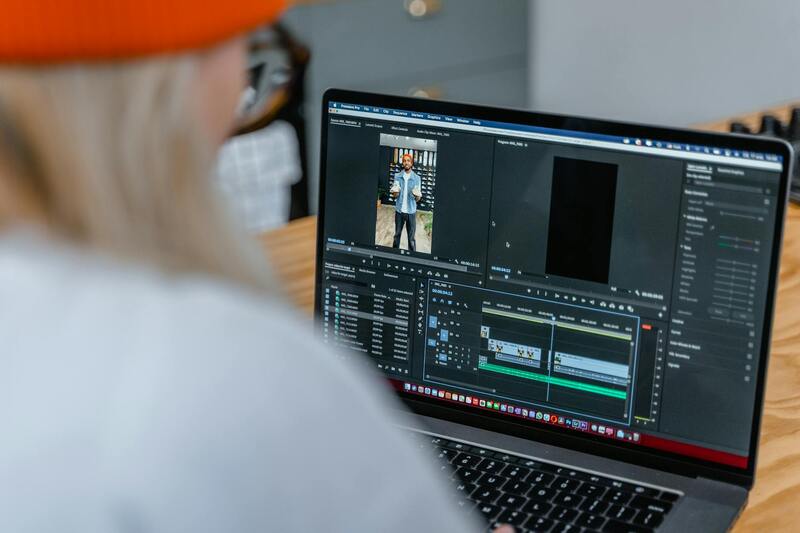
Incorporating these protocols involves meticulous configuration of streaming hardware and software, emphasizing settings for bitrate management, latency optimization, and error correction. Advanced encoders from reputable manufacturers are configured to utilize these protocols effectively, guaranteeing minimal signal loss and synchronized delivery even in challenging network environments. Proper implementation not only enhances viewing quality but also provides stability during high-traffic periods often seen in large-scale virtual conferences or hybrid events.
Utilizing Professional Hardware for Uninterrupted Streaming
Reliable, professional-grade hardware forms the backbone of successful event streaming. This includes high-definition cameras, multi-channel switchers, and robust audio equipment that collectively ensure clear visuals and pristine sound quality. Event streaming companies rely on redundant setups—such as dual HDMI feeds and backup internet connections—to safeguard against potential technical failures. Hardware encoders with hardware acceleration capabilities deliver high-resolution streams at reduced latency, which is critical for maintaining audience engagement.
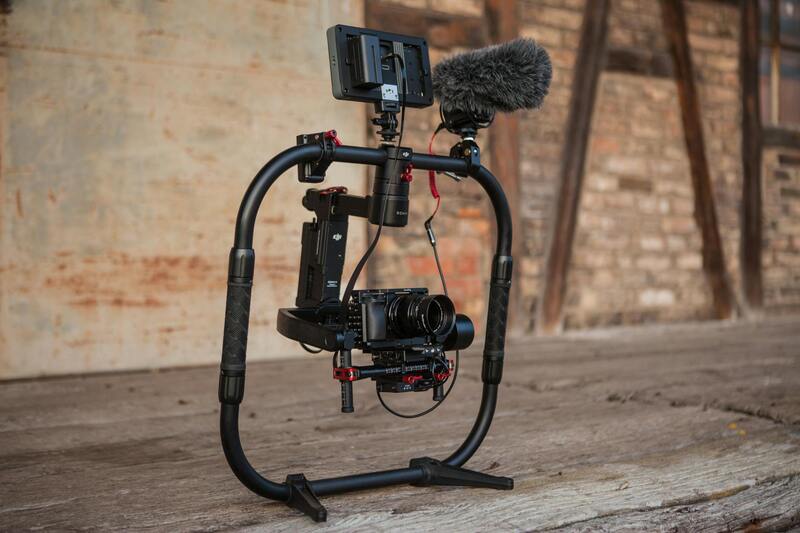
In addition to the core streaming apparatus, professional audio-visual equipment like microphone arrays, mixing consoles, and lighting systems are integrated to enhance broadcast quality. This meticulous attention to equipment ensures that even in complex scenarios—such as multi-camera shoots or large venue events—the live stream remains consistent, clear, and engaging. Whether it’s a corporate webinar, a concert, or a large conference, high-end hardware minimizes risks of signal degradation and ensures that the event’s visual and audio integrity is preserved throughout.
Technical Staff and Support for Seamless Broadcasts
Effective event streaming companies employ experienced technical teams dedicated to managing all aspects of the live broadcast. These professionals execute pre-event checks, including verifying system connections, testing signal paths, and simulating the live environment to identify potential issues beforehand. During the event, the team remains on standby, monitoring stream health in real time, and adjusting settings as needed to counteract any unforeseen disturbances.

Their responsibilities extend to managing network bandwidth, coordinating camera switching, and overseeing audio levels—key factors in delivering a professional broadcast. The presence of such dedicated support significantly reduces the likelihood of disruptions, providing clients with peace of mind and an elevated viewing experience for their audience.
Utilizing Cloud-Based Infrastructure for Scalability and Flexibility
Modern event streaming relies heavily on cloud-based infrastructures that facilitate scalable and flexible delivery of content. Cloud servers are used to host streaming endpoints and content distribution networks (CDNs), which ensure that streams are delivered efficiently across diverse geographic locations. This approach allows for rapid scalability during peak viewer engagement and offers redundancy in case of hardware failures.
Streaming platforms integrated with cloud capabilities support adaptive bitrate streaming, adjusting quality in real-time based on viewer bandwidth. This technology guarantees that viewers, regardless of their network conditions, receive a continuous and high-quality broadcast. Additionally, cloud hosting simplifies content archiving, enabling event recordings to be efficiently stored, managed, and repurposed for post-event analysis or promotional use.
Monitoring and Analytics for Continuous Improvement
Legitimate event streaming companies utilize comprehensive monitoring tools to analyze stream performance and viewer engagement metrics. These tools track data such as buffering frequency, viewer drop-off points, and overall streaming quality. The insights gained from these analytics inform future strategies, allowing event organizers to optimize content delivery, enhance viewer satisfaction, and streamline technical processes.

This data-driven approach enables continuous refinement of streaming protocols, equipment configurations, and platform selections. Companies dedicated to high-quality live streaming prioritize transparency and provide detailed performance reports, helping clients make informed decisions for upcoming events. Through ongoing assessment and technical adaptation, they ensure each live broadcast surpasses previous standards and enhances overall audience engagement.
Implementation of Secure and Reliable Streaming Methods
Ensuring the integrity and smooth delivery of live event streams is paramount for any event streaming company. The utilization of encrypted transmission protocols is a primary method to safeguard content from unauthorized access. Protocols such as Secure Real-Time Transport Protocol (SRTP) and Transport Layer Security (TLS) encrypt data, preventing interception and maintaining content confidentiality during transmission. These encryption standards are essential, especially when streaming sensitive or proprietary content.
Another critical approach involves implementing Digital Rights Management (DRM) solutions. DRM technologies restrict access to live streams, allowing only authenticated viewers to participate. This restriction not only protects intellectual property but also enforces regional licensing agreements, ensuring compliance with contractual terms. By incorporating robust DRM systems, streaming providers can prevent unauthorized redistribution and piracy of streamed content.
To bolster security, a multi-factor authentication (MFA) process is often employed for viewer access. This multi-layered verification could involve email confirmation, one-time passcodes, or biometric authentication, adding an extra layer of security against unauthorized login attempts. Regular security audits and vulnerability assessments are also integral, enabling companies to identify and address potential points of compromise proactively.

In terms of infrastructure, deploying content delivery networks (CDNs) enhances the stability and speed of streaming by distributing content across multiple servers globally. This decentralized approach minimizes latency and buffering, providing viewers with a seamless experience. Paired with load balancing and failover systems, a CDN ensures high availability, even during traffic spikes or technical disruptions.
Monitoring and real-time analytics are vital for maintaining stream integrity. Continuous surveillance of streaming performance allows for immediate identification of issues such as latency spikes or packet loss. Automated alerts can trigger rapid response actions, ensuring minimal disruption. Furthermore, comprehensive logging and documentation aid in post-event analysis, enabling the streaming company to refine their security and delivery protocols continually.
It is also essential to establish clear data handling policies that comply with relevant privacy regulations. Implementing secure storage solutions for recorded streams, alongside controlled access to these archives, helps prevent data breaches and unauthorized dissemination of content.
Ultimately, employing a combination of encryption technologies, access controls, infrastructure redundancies, and rigorous monitoring forms the backbone of advanced and trustworthy event streaming practices. These measures foster a secure environment for both content providers and viewers, ensuring a consistent, high-quality broadcast experience across all devices and network conditions.
Legal, Security, and Accessibility Considerations
When planning an event streaming initiative, ensuring compliance with established standards and best practices for legal, security, and accessibility considerations is paramount. This involves implementing robust encryption protocols to secure transmitted data, protecting sensitive content and viewer information from unauthorized access. Utilizing secure transmission channels, such as secure HTTP (HTTPS) and Virtual Private Networks (VPNs), helps safeguard live streams from potential interception or tampering during broadcast.
Content distribution needs to adhere to rights management and licensing agreements, especially when broadcasting copyrighted material. Proper authorization and licensing ensure the event stream complies with intellectual property rights, avoiding potential legal complications.
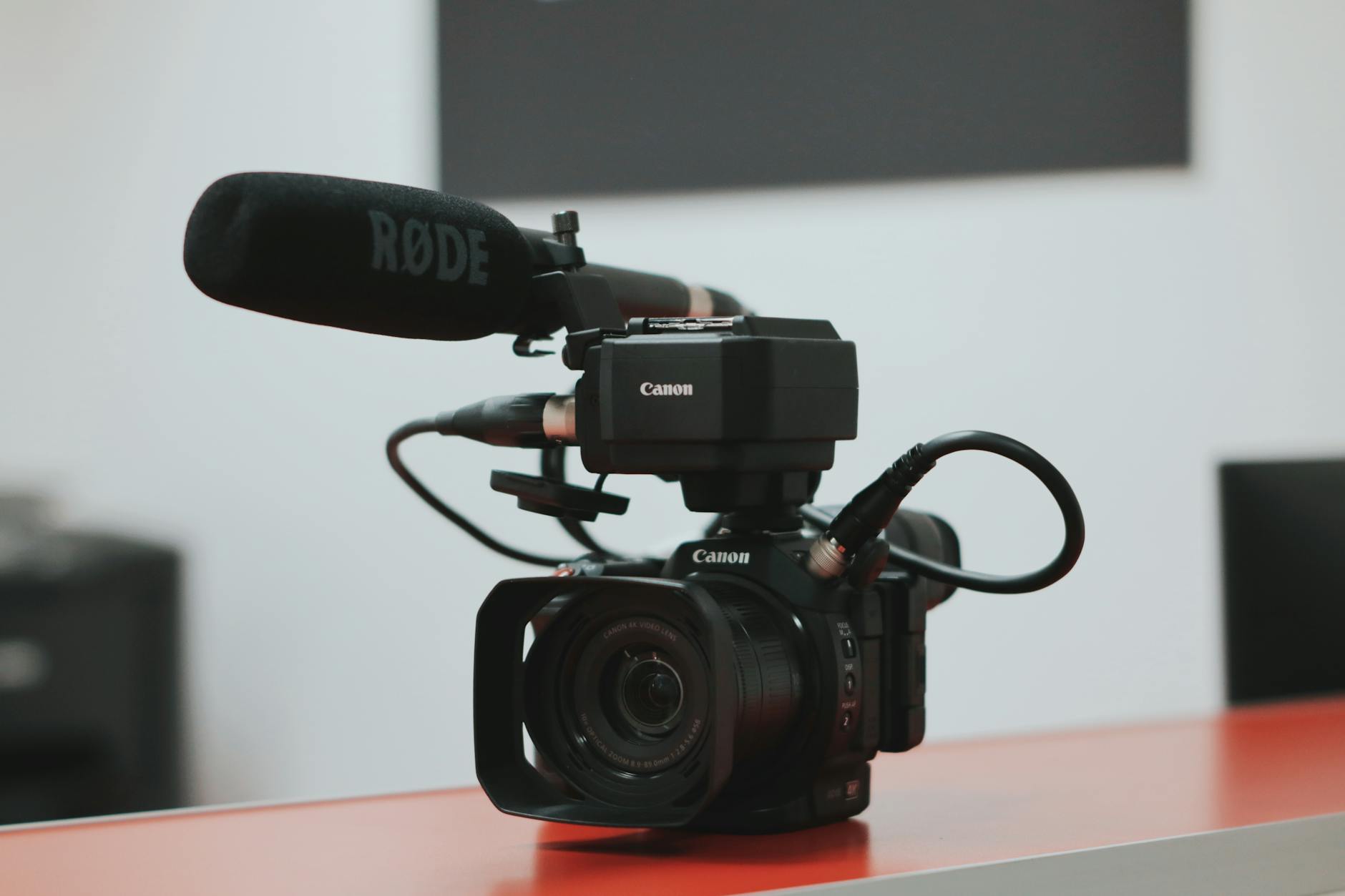
Accessibility is another crucial aspect that elevates the quality and reach of streaming events. Implementing features such as closed captioning, audio descriptions, and sign language interpretation allows a broader audience, including those with disabilities, to engage fully with the content. Ensuring the streaming platform supports multiple device types and provides options for adjustable playback settings further enhances accessibility.
From a security standpoint, integrating multi-factor authentication and access controls restricts content viewing to authorized participants only. Regular audits and vulnerability assessments contribute to identifying potential risks, which can then be mitigated through continuous updates and patches.
Finally, transparent data handling policies reassure viewers and clients that their privacy is protected. Clear communication about data collection, storage, and usage helps build trust and aligns with best practices in digital privacy, fostering a positive reputation for your streaming operations.

Understanding Event Streaming and Its Importance
Event streaming has revolutionized the way organizations share live content with audiences, whether for corporate functions, conferences, concerts, or community gatherings. By leveraging real-time broadcasting techniques, event streaming companies enable seamless virtual participation, broadening reach and enhancing engagement. High-quality streaming ensures that viewers experience the event with clarity, reliability, and professionalism, which is critical for maintaining brand image and audience satisfaction.
In today’s digital landscape, a reliable event streaming service underpins successful communication strategies. It allows event organizers to extend their reach beyond geographical limitations and cater to remote attendees, investors, or clients. The importance of a trustworthy event streaming company becomes evident as organizations seek to deliver content that preserves the event’s integrity, captures the nuances of live interactions, and provides an interactive experience for viewers at home or in the office.
The choice of an event streaming partner impacts various facets of the event, including video and audio quality, stability of the broadcast, and overall viewer experience. Therefore, selecting a skilled event streaming company with a track record of professional delivery and technical expertise is crucial for ensuring that the event's objectives are met without interruption or technical difficulties.
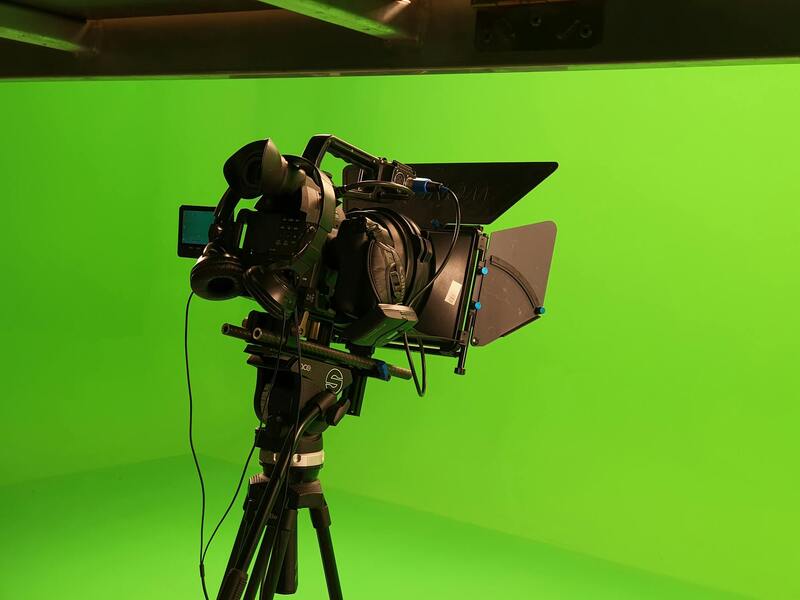
Key Technologies and Equipment for High-Quality Live Streaming
Achieving superior streaming quality relies on sophisticated technologies and premium equipment. High-definition cameras capturelive footage with clarity, while advanced audio systems ensure crisp sound, vital for maintaining audience engagement. Multi-camera setups allow for dynamic shots, switching between different angles to keep the presentation lively, professional, and visually appealing.
Central to the success of any event stream are reliable hardware components and integrated systems, including:
- Broadcast-grade encoders: Compress the video and audio signals for broadcasting across various streaming platforms, maintaining clarity and minimizing latency.
- Professional audio equipment: Microphones, mixers, and speakers ensure voice clarity and ambient sound capture, essential for interactive sessions or performances.
- Streaming servers and CDN (Content Delivery Network): Distribute the live feed efficiently, reducing lag, buffering, or interruptions for viewers regardless of their location.
- Redundant internet connections: Multiple high-speed connections safeguard against connectivity issues, ensuring continuous stream delivery.
- Monitoring and control software: Provide real-time analytics, stream quality assessment, and troubleshooting capabilities for smooth operation.
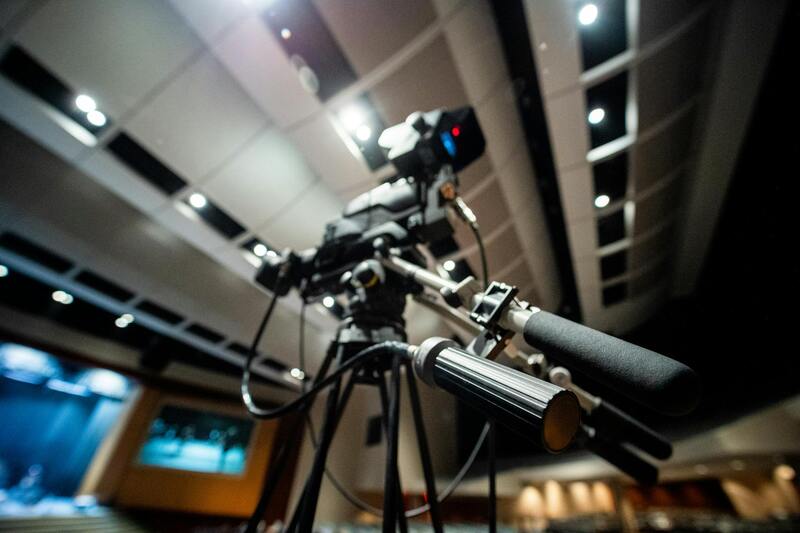
Modern Equipment for Seamless Streaming Choosing the Right Event Streaming Platform
Picking an appropriate streaming platform forms the backbone of a successful virtual event. Factors influencing this choice include platform compatibility, scalability, security, user interface, and integration capabilities with other event management tools. The platform should support multiple device types—smartphones, tablets, desktops—and offer features such as multi-language support, interactive chat, and Q&A modules to enhance attendee engagement.
Reputable event streaming companies often have partnerships with leading industry platforms, ensuring seamless integration and technical support. They also prioritize data privacy and security protocols to protect sensitive content and viewer information. Simultaneously, the platform must have scalable infrastructure to accommodate fluctuating audiences, especially for large-scale events like conferences or product launches.

Optimized Platform for Virtual and Hybrid Events Planning and Executing a Successful Streaming Event
Executing a high-quality streaming event necessitates meticulous planning, robust technical setup, and real-time management. Starting with a comprehensive event plan that details the core objectives, target audience, content flow, and technical requirements provides a clear roadmap. Prioritizing rehearsals and technical dry runs allows for troubleshooting and familiarization with the streaming equipment and platform.
Critical pre-event preparations include:
- Technical testing: Verify audio-visual equipment, internet connectivity, and platform functionality.
- Content coordination: Confirm presentation materials, speaker cues, and visual overlays.
- Audience engagement strategies: Prepare interactive features like polls, chat, or breakout sessions.
- Backup plans: Establish contingency procedures for technical failures or connectivity disruptions.
During the event, real-time monitoring ensures the broadcast remains stable, high-quality, and engaging. Post-event analysis, including viewer feedback and technical performance reports, helps refine future streaming endeavors.
Strategic Planning for Flawless Streaming Ensuring Technical Reliability and Viewer Engagement in Event Streaming
Delivering a seamless streaming experience demands meticulous attention to technical reliability and viewer engagement. A dedicated technical team should monitor all live feed components, including audio, video, and internet connectivity, throughout the event. Employing redundant systems, such as backup internet connections and secondary hardware setups, significantly reduces the risk of disruptions.
In addition to technical robustness, audience engagement strategies are crucial for maintaining viewer interest. Interactive features like live polls, chat functions, Q&A sessions, and social media integrations can elevate the virtual experience. Skilled moderators should oversee these interactions to foster a sense of community and ensure content remains engaging.
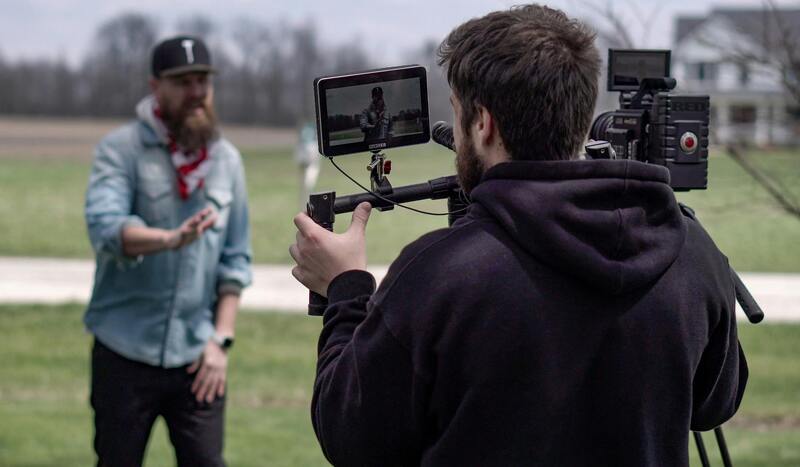
High-Quality Visuals and Audio Capture Equipment High-quality audio and visual equipment form the backbone of professional event streaming. HD cameras, wireless microphones, and clear audio mixers ensure crisp visuals and sound. Proper lighting setups enhance visibility, especially when streaming speakers or performances on stage. The placement of cameras and microphones should be strategically planned to capture key moments and speaker interactions effectively.
Post-Event Content Management and Performance Analysis
Post-event procedures are essential for maximizing the value of your online event. Transcoding and uploading recorded streams allow for on-demand access, expanding audience reach beyond live broadcast times. Analyzing audience analytics provides data on viewer engagement, peak viewing times, and dropout points to inform future improvements.
Feedback collection through surveys or direct communication helps identify areas of success and opportunities for enhancement. Sharing highlights or key moments from the event on social media or via email newsletters maintains momentum and keeps the audience engaged long after the live session concludes.
Security and Accessibility in Live Streaming
Security measures such as encrypted streaming links and password protection safeguard your content from unauthorized access. Implementing digital rights management (DRM) techniques ensures that your event media is protected from unauthorized distribution. Additionally, adhering to accessibility standards—such as closed captions, sign language interpreters, and screen reader compatibility—broadens your audience and makes your content more inclusive.
It's vital to work with a streaming provider experienced in security protocols and accessible technology. These measures not only protect your content but also demonstrate a commitment to inclusivity, essential for reaching diverse audiences.
Leveraging Data and Feedback for Continuous Improvement
Gathering comprehensive data analytics post-event allows organizations to evaluate the success of their streaming efforts. Metrics such as viewer count, watch time, engagement rates, and geographic distribution help in understanding audience behavior and content effectiveness.
Continual improvements are driven by feedback from viewers and technical teams. Conducting post-event debriefs with stakeholders ensures lessons learned are incorporated into planning future streams. Using this data-driven approach ensures ongoing enhancements in quality, security, engagement, and accessibility, aligning with the evolving expectations of the digital audience.
Partnering with a Professional Event Streaming Company
To guarantee a high-quality live streaming experience, partnering with an established event streaming company experienced in hybrid and virtual events is essential. Such companies provide end-to-end solutions, including content production, technical support, platform management, and audience engagement strategies. They bring industry-best practices and the latest technology to your event, enabling your organization to focus on content and interaction without worrying about technical issues.
Working with expert providers ensures that you meet your event objectives, deliver engaging content, and provide a stable, secure streaming environment for your audience. This professionalism enhances your brand reputation and helps you achieve measurable success in your virtual and hybrid event initiatives.