
Understanding Live Video Stream Services
Live video streaming has become an integral component of modern media dissemination, transforming the way organizations, production agencies, and businesses communicate with audiences. Unlike traditional broadcast methods, live video stream services enable real-time transmission of audiovisual content across diverse digital platforms, ensuring immediacy and interactivity. This technology allows event coverage, corporate announcements, webinars, and entertainment experiences to reach global audiences instantly, fostering engagement and expanding outreach.
At the core of live streaming is the platform or service that facilitates the capture, encoding, and transmission of video data over the internet. For production agencies, the choice of a reliable and efficient streaming service is critical. The platform must deliver consistent quality, minimal latency, and scalable bandwidth to handle varying audience sizes. Reliable streaming platforms also provide features such as multi-platform broadcasting, viewer analytics, and integrated chat functions, which enhance the viewer experience and enable comprehensive content management.

The significance of dependable live video stream services extends beyond mere transmission. They underpin the success of visual storytelling, live event broadcasting, and interactive sessions. This makes it essential for production agencies in Miami and elsewhere to partner with platforms that offer robust technical support, high-quality video processing, and seamless integration with social media or bespoke websites.
Choosing the right service involves understanding its infrastructure capabilities, content delivery networks, and compatibility with various hardware and software. Factors such as user interface, security measures, and customer support also influence the overall effectiveness and ease of use. The proliferation of digital events has elevated the necessity for high-caliber streaming solutions capable of meeting diverse and demanding production needs.

In essence, live video stream services are pivotal in the modern digital ecosystem. They facilitate immediate content delivery, support interactive engagement, and enable organizations to broaden their reach. Selecting an appropriate streaming platform involves careful consideration of technical attributes, reliability, and scalability—factors that directly influence the quality and success of live broadcasts for production agencies operating within Miami and beyond.
Understanding Live Video Stream Services
Live video stream services form the backbone of modern digital broadcasting, enabling real-time content delivery across various platforms and devices. These services are designed to handle high bandwidth demands while maintaining low latency, ensuring audiences experience seamless and interactive broadcasts regardless of their location. The architecture of a reliable live video stream service typically involves sophisticated content delivery networks (CDNs) that distribute streams efficiently, minimizing buffering and lag.
At their core, live stream solutions provide a comprehensive infrastructure that supports robust encoding, transcoding, and adaptive bitrate streaming. This allows viewers with diverse internet speeds to access high-quality video without interruption. Equally important are security features such as encrypted streams and access controls, which safeguard content from unauthorized viewing and protect intellectual property.
Hosting such platforms requires high-performance servers and minimum downtime, especially during critical events like conferences or live performances in Miami. These services must also integrate smoothly with social media channels and websites, providing options for multistreaming—simultaneously broadcasting to multiple destinations—thereby expanding audience reach. For production agencies, this capability is vital for maximizing exposure and interaction.
Technical support and user-friendly interfaces are additional considerations. Intuitive dashboards facilitate easy setup, monitor stream health, and allow customization options such as branding, overlays, and interactive elements. Detailed analytics offer insights into viewer engagement, geographic distribution, and stream stability, helping content creators refine their live broadcast strategies effectively.
Key Components of Top-Tier Streaming Solutions
- Multistreaming Capabilities: Simultaneously broadcasting to platforms like Facebook, YouTube, and proprietary websites to diversify audience access.
- Low Latency Technology: Ensuring minimal delay between the live event and viewer reception, critical for interactive sessions.
- Content Customization: Incorporating branding, logos, overlays, and interactive chat features to enhance viewer engagement and promote brand identity.
- Recording and Replay: Offering on-demand access post-broadcast for viewers who could not attend live, or for archival purposes.
- Analytics and Reporting: Providing comprehensive data on viewer metrics, engagement levels, and technical performance to inform future productions.
Official Methods to Access Live Video Stream Services
Obtaining access to a reliable live video stream service requires adherence to legitimate processes that ensure quality and security. Starting with official platforms such as miamieventvideography.net, clients can explore premium streaming solutions tailored for various event types. These platforms offer structured subscription plans or one-time payment options, providing seamless access to features like multistreaming, customizable branding, and detailed analytics. Users should create an account on the service’s website, providing accurate information to unlock full functionality. Once registered, users can select a suitable plan based on their streaming needs, whether for small-scale gatherings or large-scale productions.
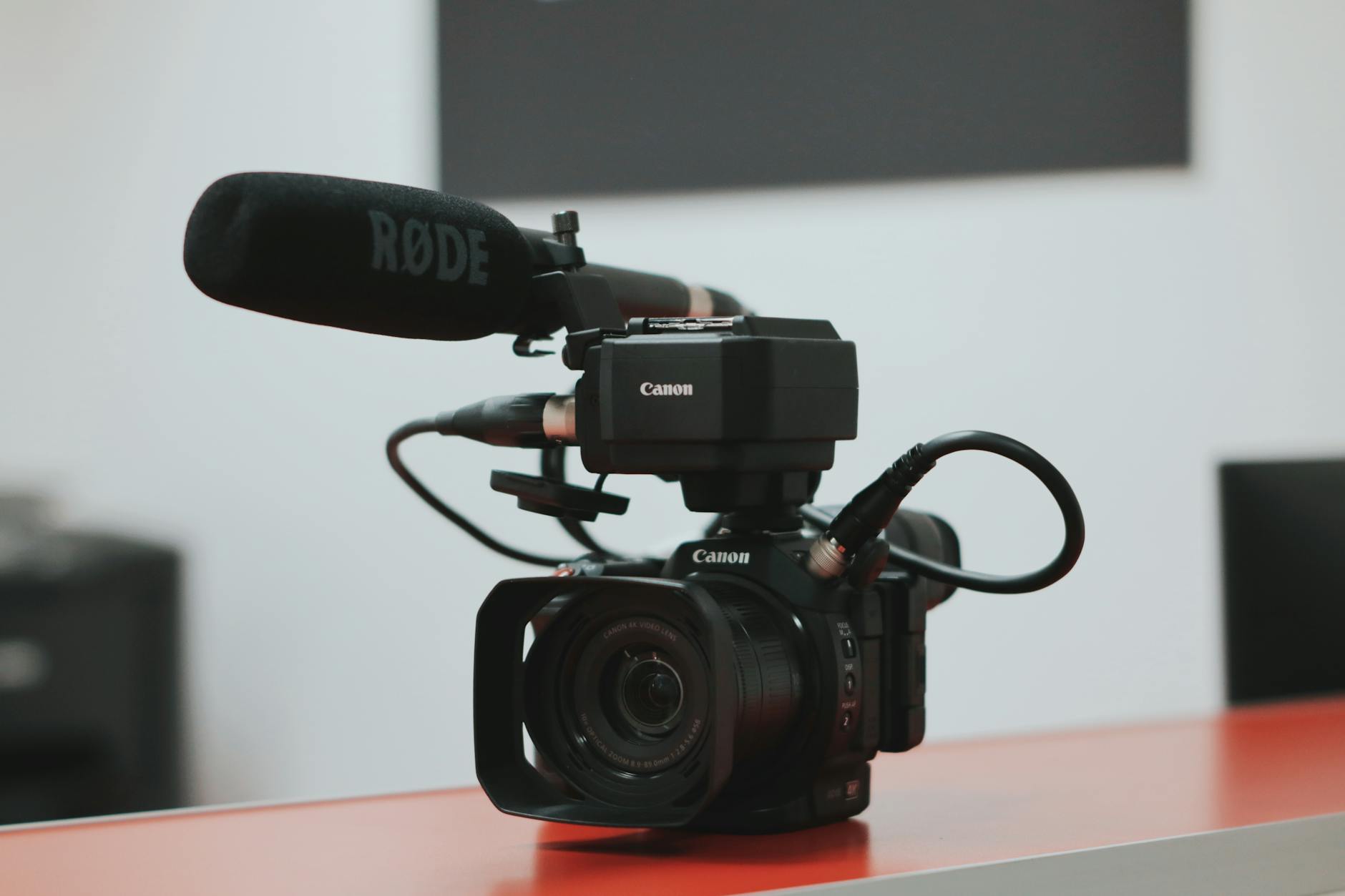
To maintain service integrity, engaging directly with the platform via their official portal guarantees application security and access to customer support. Many providers also offer onboarding tutorials, which assist users in configuring their streaming hardware, setting up overlays, and integrating interactive features. For production agencies serving Miami and surrounding areas, establishing a direct relationship with authorized service providers is essential for reliable, high-quality streams that meet professional standards.
Steps to Legally Set Up and Use a Live Video Stream Service
- Research Reputable Providers: Identify premier live streaming companies with proven track records in event broadcasting, customer testimonials, and positive industry reputation. These providers typically offer transparent pricing and comprehensive feature sets.
- Create an Official Account: Register on the chosen platform’s website, providing verified contact information. Proper registration facilitates account security, stream management, and access to analytics tools.
- Select an Appropriate Subscription or Package: Choose a plan aligned with your event scope, expected viewer count, and technological requirements. Many platforms allow upgrades and customization options for future streams.
- Configure Hardware and Software: Use approved encoder software or hardware, which can be acquired through the platform’s recommended vendors. Proper configuration guarantees minimal latency and optimal stream quality.
- Perform Test Streams: Before the actual event, conduct test broadcasts to assess audio-visual synchronization, streaming stability, and overlay integrations. These rehearsals help minimize disruptions during live sessions.
- Secure Necessary Licenses and Permissions: Ensure all content used within the stream—such as music, images, or third-party footage—has proper authorization, preventing issues related to copyright and content rights.
- Implement Stream Monitoring and Support: Throughout the live event, continuously monitor stream health via platform dashboards. Many services provide real-time alerts for any technical issues, allowing immediate troubleshooting.
- Archive and Repurpose Content: Post-event, utilize recorded streams for on-demand access, content repurposing, or promotional material, thereby maximizing engagement opportunities.
Using Official Platforms to Ensure Compliance and Support
Engaging with established live video stream services through their official portals ensures access to reliable technical support, software updates, and dedicated customer service. These providers often maintain comprehensive help centers, tutorial resources, and direct communication channels that facilitate smooth streaming experiences. For Miami-based agencies, collaborating with authorized vendors guarantees adherence to industry standards, optimal stream quality, and protection against potential disruptions. Moreover, official platforms frequently implement features like secure content delivery networks (CDNs), encryption, and user authentication, which preserve the integrity of the broadcast and safeguard proprietary content.

Understanding Live Video Stream Services
Live video stream services have become central to modern content delivery, enabling organizations to broadcast real-time video content to large audiences across various digital platforms. These services utilize sophisticated infrastructure, including content delivery networks (CDNs), streaming protocols, and encryption technologies, to ensure high-quality, uninterrupted broadcasts. They serve a diverse range of needs—from corporate webinars, product launches, and live concerts to sporting events and community gatherings. The core advantage lies in their ability to transcend geographical barriers, providing immediate access to live content irrespective of viewers’ locations. This accessibility is further enhanced by features such as adaptive bitrate streaming, which dynamically adjusts video quality based on viewers' internet speeds, ensuring optimal viewing experiences for all users.

Key Features of Live Video Streaming Platforms
- Reliable Streaming Protocols: Platforms employ advanced protocols such as RTMP, HLS, and DASH to deliver stable and synchronized streams, reducing latency and buffering issues.
- Scalability: The ability to handle a growing viewer base without compromising stream quality is essential. Off-the-shelf solutions typically offer scalable bandwidth options and cloud-based infrastructure that automatically adapt to audience size.
- Security Measures: Encryption, digital rights management (DRM), and secure content delivery networks (CDNs) protect broadcast content from unauthorized access or piracy.
- Integration Capabilities: Seamless integration with existing websites, social media channels, and analytics tools enhances distribution and audience engagement.
- Customization and Branding: Many platforms facilitate custom overlays, watermarks, and branded interfaces to reinforce brand identity during broadcasts.
- Monitoring and Analytics: Real-time monitoring dashboards provide insights into stream health, viewer engagement, and technical performance, enabling quick troubleshooting and data-driven optimizations.
Benefits of Live Video Streaming for Businesses
Implementing live video streams offers numerous advantages that bolster brand presence and facilitate interactive communication. The immediacy of live broadcasts fosters a sense of authenticity and transparency, building trust with audiences. Businesses can use live streams to engage customers directly, enhance marketing campaigns, and generate real-time feedback. For event organizers, live streaming extends reach beyond physical venues, significantly increasing audience size without additional logistical costs. It also enables content repurposing; recordings of live broadcasts can be transformed into on-demand videos, further expanding content utility and extending the lifespan of the original event.
Moreover, live streaming offers analytics capabilities that measure viewer behavior, engagement levels, and geographic distribution. This data informs targeted marketing strategies and enhances future broadcast quality. In sectors like education, healthcare, and corporate training, live video services facilitate virtual participation, democratizing access to vital information and collaborative discussions. The integration of interactive features such as Q&A sessions, polls, and chat functionalities further elevates viewer participation, fostering dynamic interactions that are difficult to replicate with pre-recorded content.
Understanding Live Video Stream Services
Live video stream services have transformed the way organizations communicate and share content with their audiences. These platforms enable real-time broadcasting, allowing viewers to engage with content as it unfolds. The primary purpose of a live video stream service is to facilitate seamless, high-quality transmission of live events, whether they are corporate meetings, concerts, religious services, or educational seminars. By leveraging advanced streaming protocols, these services reduce latency and ensure stable connections, even with large viewer counts. Furthermore, they often come equipped with tools that help broadcasters manage their streams effectively, including layout customization, audience interaction features, and real-time analytics.
Choosing the right live video stream service involves understanding the technical specifications and the features offered. It must support the desired distribution channels, whether that’s social media platforms, dedicated websites, or custom apps. Compatibility with various devices and operating systems is also critical, as audiences access content from smartphones, tablets, and desktops. Another key consideration is the scalability of the service. A reliable platform should handle fluctuating viewer numbers without performance degradation. Additional elements such as security measures, support for multi-camera setups, and integrated monetization options also play a pivotal role in selecting an appropriate service for professional use.
Key Features of Live Video Streaming Platforms
- Multi-Platform Compatibility: The platform should support streaming across multiple social channels and websites simultaneously, enabling broadcasters to maximize their reach.
- Custom Branding: Ability to incorporate logos, overlays, and watermarks to maintain brand consistency and professional appearance during live broadcasts.
- Interactive Tools: Features such as live chat, Q&A, polls, and viewer reactions foster engagement and allow for real-time interaction with audiences.
- Analytics and Reporting: Comprehensive data on viewer metrics, engagement levels, and geographic distribution to inform future content strategies.
- Encoding and Transcoding Capabilities: Support for various hardware and software encoders, ensuring the best video quality and adaptive streaming based on viewer bandwidth.
- Security and Access Controls: Options for password protection, geo-blocking, and encrypted streams to safeguard content from unauthorized access.
- Recording and On-Demand Content: Recording live sessions for later on-demand access, which can significantly extend content lifespan and utility.
Benefits of Live Video Streaming for Businesses
Implementing live video streaming provides a strategic advantage for organizations aiming to enhance their brand visibility and foster audience engagement. The immediacy and authenticity of live content create a sense of closeness and transparency that resonates with viewers. This unfiltered approach can build stronger trust and loyalty among customers and stakeholders. Live streams are particularly effective for product launches, webinars, and corporate events, as they allow real-time interaction and feedback.
Organizations also benefit from the broad reach that live streaming offers, removing geographic barriers and enabling virtual participation on a global scale. This extension of accessibility is vital for educational institutions, non-profits, and event organizers seeking to maximize attendance without incurring significant logistical costs. Additionally, live content can be repurposed into shorter clips, highlights, or educational modules, providing ongoing value. The insights gained from viewer analytics support targeted marketing efforts and help optimize future broadcasts for higher engagement.
Understanding Live Video Stream Services
Live video stream services are dedicated platforms that facilitate the real-time transmission of video content over the internet. These services have evolved to cater to a wide array of users, including corporate entities, event organizers, educational institutions, and content creators. Their core purpose is to provide reliable, high-quality streaming experiences that engage viewers effectively. By leveraging these platforms, organizations can broadcast live events, webinars, product launches, and virtual conferences to audiences worldwide, breaking down geographic barriers and expanding reach. The architecture of a typical live video stream service involves encoding hardware or software, streaming servers, and content delivery networks (CDNs) that distribute the stream efficiently to viewers across various devices and locations.
Key Features of Live Video Streaming Platforms
Effective live video streaming platforms incorporate a suite of features designed to enhance the streaming experience for both broadcasters and viewers. These features include:
- Multi-Platform Compatibility: Supports broadcasting across various social media channels and websites simultaneously.
- High-Definition Streaming: Ensures crystal-clear quality with adaptive bitrate streaming to accommodate different internet speeds.
- Interactive Tools: Live chat, polls, Q&A sessions, and audience engagement features foster real-time interaction.
- Content Recording and Archiving: Allows broadcasters to save streams for on-demand viewing, extending content utility beyond live transmission.
- Security Measures: Implements encryption and access controls to protect content from unauthorized access.
- Analytics and Reporting: Provides insights into viewer engagement, demographics, and viewing patterns to inform future strategies.
- Customization and Branding: Offers options for custom overlays, watermarks, and branded interfaces to enhance brand visibility during streams.

Benefits of Live Video Streaming for Businesses
Adopting live video streaming can significantly transform business communication and marketing efforts. One of the primary advantages is the ability to reach a vast and geographically dispersed audience instantaneously. This immediacy creates a sense of authenticity and transparency, fostering increased trust and loyalty among viewers. Live streams serve as dynamic channels for product launches, corporate announcements, and stakeholder engagement, providing real-time feedback and interaction. Moreover, live content can be repurposed into clips and highlights for ongoing marketing campaigns, maximizing content value and outreach. The analytics generated from live streams help organizations tailor future content, optimize engagement, and measure success effectively.
Furthermore, live streaming enhances brand positioning by demonstrating innovation and a commitment to transparency. It can elevate customer experience by offering behind-the-scenes insights and interactive sessions, thus strengthening emotional connections with audiences. Streamed events also reduce logistical costs associated with physical gatherings, allowing businesses to operate more sustainably and efficiently. Overall, integrating live video streaming into business strategies enables companies to create more meaningful, immediate, and impactful connections with their target audiences.
Understanding Live Video Stream Services
Live video stream services have revolutionized digital communication and content dissemination by enabling real-time broadcasting over the internet. These platforms facilitate the transmission of high-quality video and audio content directly to audiences in various locations, providing an immersive and interactive experience. Leveraging robust encoding technologies and high-capacity servers, live streaming services ensure minimal latency, reliable data delivery, and scalable audience reach, making them indispensable tools for businesses aiming to engage audiences dynamically. They accommodate a plethora of event types, from corporate webinars and product launches to large-scale conferences, enabling organizations to extend their reach beyond traditional physical boundaries. Selecting a live video stream solution involves understanding the technical backbone, platform features, and compatibility with existing systems, which collectively influence the quality and effectiveness of the broadcast.

Key Features of Live Video Streaming Platforms
Effective live streaming services incorporate several vital features that optimize both the broadcasting process and viewer engagement. These include multi-platform compatibility, allowing streams to be broadcast simultaneously across social media and dedicated websites, expanding audience access. Custom branding options support organizations in aligning streams with their visual identity, enhancing recognition and professionalism. Interactive functionalities such as live chat, polls, and Q&A sessions foster real-time engagement, making viewers active participants. Advanced analytics provide insights into viewer demographics, engagement levels, and viewing patterns, empowering content creators to refine future broadcasts. Additionally, security measures like encryption and access controls safeguard content and prevent unauthorized viewing, ensuring the integrity of live events. Seamless integration with hardware encoders and third-party tools further extends the capabilities and flexibility of the streaming platform.
Technical and Compatibility Considerations
When selecting a live video stream service, it is crucial to assess its technical infrastructure. Reliable bandwidth and encoding solutions are essential to manage high-quality video transmission without buffering or lag. Compatibility with various devices, operating systems, and browsers ensures your content reaches the widest possible audience. Support for different streaming protocols, such as RTMP or HLS, enhances versatility and integration with existing broadcasting hardware. Furthermore, scalability options allow the platform to accommodate growing viewership numbers, maintaining performance during peak occasions. Data privacy and content rights management are significant concerns that should be addressed through robust platform policies and features ensuring compliance with relevant standards.
Benefits of Live Video Streaming for Businesses
Implementing live video streaming strategies offers substantial advantages for companies seeking to enhance visibility and connect meaningfully with their audiences. Live broadcasts create an authentic and transparent image, fostering trust and loyalty among viewers. They enable real-time product demonstrations, Q&A sessions, and corporate updates, making communication more direct and engaging. Additionally, live content’s immediacy encourages spontaneous interactions, resulting in valuable feedback and insights. Effective streaming also amplifies marketing efforts by providing easily repurposed clip content for social media campaigns. The cost efficiency of virtual events, compared to physical gatherings, further supports sustainable business practices. Metrics derived from live streams assist organizations in understanding audience preferences and optimizing content strategies, leading to improved engagement metrics over time.

Understanding Live Video Stream Services
Live video stream services facilitate real-time broadcasting over the internet, connecting content creators and audiences instantly across various platforms. These services are essential for organizations aiming to deliver events, webinars, or corporate messages without geographic limitations. They rely on robust infrastructure that ensures smooth transmission, minimal latency, and high-quality visuals to maintain viewer engagement.
Technical Foundations of Live Streaming
At the core, live streaming uses protocols such as Real-Time Messaging Protocol (RTMP) and Hypertext Transfer Protocol Live Streaming (HLS). RTMP efficiently handles the delivery of live content to streaming servers, while HLS ensures compatibility with a broad range of devices, including smartphones, tablets, and desktops. Advanced services incorporate adaptive bitrate streaming, which dynamically adjusts video quality based on network conditions, offering a seamless viewing experience regardless of bandwidth fluctuations.

Integration with Production Hardware
Modern live video stream services support integration with professional broadcasting equipment such as switchers, mixers, and encoders. This compatibility enables professional production values, including multi-camera setups, real-time graphics, and audio mixing, which elevate the quality of the broadcast. Many platforms offer API access or direct integration features, facilitating streamlined workflows for production teams.
Customization and Branding
One notable feature of leading live video stream services is customization, allowing organizations to brand their streams with logos, overlays, and tailored interfaces. This consistency enhances brand recognition and creates a cohesive viewer experience. Additionally, some services enable custom domain streaming, which helps in maintaining a professional appearance aligned with the organization’s website.
Audience Engagement and Interactivity
Effective live streaming platforms incorporate features that promote active audience participation. Real-time chat, polls, Q&A modules, and emoji reactions foster a sense of community and encourage viewer interaction. These engagement tools provide immediate feedback, helping content creators gauge audience interest and adjust their presentation accordingly.
Security and Content Management
Security measures such as encryption, access controls, and secure token authentication are vital for protecting sensitive content. Content management features enable stream scheduling, access restriction, and content archiving for later viewing. Ensuring these features are robust helps organizations control distribution rights and maintain the integrity of their broadcast content.
Analytics and Performance Monitoring
Advanced live video stream services offer comprehensive analytics dashboards that track viewer metrics, engagement rates, geographical distribution, and device breakdowns. These insights inform future content strategies and help optimize streaming performance, ensuring viewers receive high-quality streams consistently.
Scalability and Reliability
Reliability during large-viewership events is crucial. Leading platforms utilize Content Delivery Networks (CDNs) to distribute streams across global servers, minimizing latency and buffering. Scalability features allow service plans to grow in tandem with event size, ensuring consistent quality no matter how extensive the audience becomes.