

Overview of Streaming Services for Events
In the dynamic landscape of event management, live streaming services have become an indispensable tool for organizers aiming to reach broader audiences. The ability to broadcast events in real-time facilitates greater engagement, enhances visibility, and allows attendees who cannot be physically present to participate virtually. Particularly in Miami, a vibrant hub for cultural, corporate, and entertainment events, the integration of professional streaming services is transforming the way events are planned, executed, and experienced.
Streaming services for events encompass a range of solutions designed to deliver high-quality live broadcasts through internet platforms. These platforms leverage advanced technology to ensure seamless transmission, impeccable audio-visual quality, and interactive features that elevate the viewer experience. By deploying these services, event organizers can expand their reach beyond geographical confines, providing access to local, national, and even international audiences.
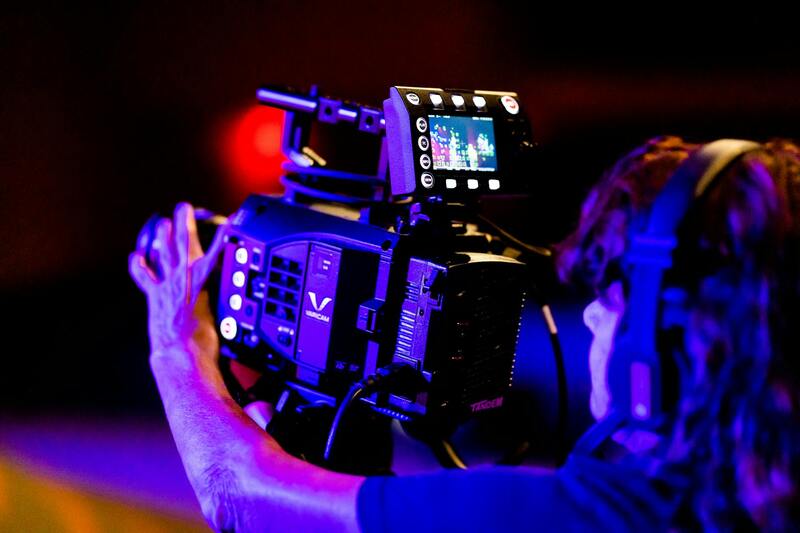
The importance of such services lies not only in audience expansion but also in the capacity to offer real-time updates, interactive engagement through chat and polls, and the ability to archive and replay content for later access. For businesses, nonprofits, or entertainment entities in Miami, streaming live events can significantly boost brand visibility, foster community involvement, and drive revenue through ticket sales and sponsorships.
Types of Streaming Platforms for Events
There is a diversity of platforms available tailored to specific types of events and organizational needs. These include:
- Owned Platforms: Custom-built solutions integrated into a company's website or app, offering complete control over branding, user experience, and content management.
- Third-party Streaming Services: Popular platforms like Vimeo, YouTube Live, and Facebook Live, which provide reliable infrastructure and widespread accessibility.
- Hybrid Solutions: Combining personal streaming servers with third-party CDN (Content Delivery Network) providers to optimize performance and scalability.
Each platform offers unique advantages, whether it's advanced privacy settings, monetization options, or extensive analytics, allowing event organizers in Miami to select the most suitable solution for their specific requirements.
Key Features to Consider in a Streaming Service
Choosing an effective streaming service involves assessing core features that directly impact the success of live broadcasts. These aspects include:
- Video Quality: Support for high-definition streams ensures a clear, professional presentation.
- Reliability and Uptime: Stable service with minimal lag or disconnection risks is crucial for maintaining viewer trust.
- Interactivity: Features such as live chat, Q&A, and polls enrich audience engagement.
- Accessibility: Compatibility across devices and platforms ensures broad reach.
- Security: Measures to protect content and prevent unauthorized access or piracy.
- Analytics and Reporting: Data insights help organizers gauge audience engagement and improve future events.
Event organizers must evaluate these features meticulously to align with their technical requirements and audience expectations, ensuring a smooth, professional broadcast experience.
Benefits of Using Streaming Services for Event Productions
Integrating streaming services into event production offers numerous advantages:
- Extended Audience Reach: Stream to viewers worldwide, overcoming geographical barriers.
- Enhanced Engagement: Interactive features foster real-time viewer participation.
- Cost-Effectiveness: Reduce expenses related to venue size and physical logistics by expanding virtual attendance.
- Content Permanence: Recordings can be archived and shared post-event, amplifying content longevity.
- Data Collection: Analytics provide insights into viewer demographics, preferences, and behaviors.
- Brand Building: Professional-quality streaming elevates event credibility and brand presence.
For Miami-based event organizers, these benefits translate into increased visibility, higher attendee satisfaction, and measurable returns on investment.
Types of Streaming Platforms for Events
Choosing the right streaming platform for an event hinges on understanding the specific requirements and characteristics of the event itself. Different types of streaming platforms cater to various event formats, ensuring optimal viewer experience and engagement. These platforms can generally be categorized into specialized solutions tailored for conferences, concerts, corporate meetings, and large-scale festivals.
Conference Streaming Platforms
Designed to support webinars, seminars, and multi-session conferences, these platforms offer features such as breakout rooms, live Q&A, and multi-camera views. They are optimized for professional presentations, panel discussions, and networking opportunities, often incorporating moderation tools to ensure smooth interactions.
Concert and Live Performance Platforms
Specialized for music festivals, concerts, and theatrical performances, these platforms prioritize high-definition video and synchronized audio, providing immersive experiences. They often include features like multi-view options, chat for fans, and digital ticketing integrations.
Corporate Event Streaming Solutions
These platforms focus on internal meetings, product launches, and industry expos. They typically support secure login, branded interfaces, and integrated analytics for measuring engagement and reach. Some also offer interactive features like polls, surveys, and networking lounges.
Large-Scale Festival Streaming Platforms
Designed to handle enormous audiences, these platforms utilize distributed content delivery networks (CDNs) ensuring smooth streaming regardless of geographic distribution. They support multiple simultaneous streams, on-demand content, and often incorporate multilingual support to cater to diverse global audiences.
Each event type has unique demands, making it essential for organizers to select a platform that aligns with their specific goals. Whether prioritizing interactivity, high-quality visuals, or audience capacity, understanding these distinctions ensures a seamless and engaging streaming experience for all viewers.

Overview of Streaming Services for Events
Streaming services for events have become essential tools for organizers seeking to reach wider audiences without geographical limitations. These platforms enable live broadcasting of conferences, concerts, festivals, and corporate gatherings, ensuring that viewers can participate in real time from their preferred locations. As technology advances, these streaming solutions have evolved beyond basic live feeds to include interactive elements, on-demand content, and sophisticated analytics, making them integral to modern event marketing and engagement strategies.

Choosing the right streaming service involves assessing various features such as video quality, platform stability, audience capacity, and support for specific content formats. The ability to customize viewing environments, incorporate branding, and provide supplementary interactive tools enhances audience engagement and satisfaction. The diversity of available platforms allows event organizers to select solutions tailored precisely to their unique goals, whether hosting intimate workshops or large-scale festivals.
Types of Streaming Platforms for Events
Different event types require distinct streaming solutions to optimize viewer experience and logistical efficiency. Here is an overview of key platform categories tailored for specific event formats:
- Webinar and Workshop Platforms: Designed for smaller, interactive sessions, these platforms support real-time Q&A, polls, and breakout rooms, fostering engagement within controlled environments.
- Concert and Live Performance Platforms: Focused on delivering high-definition visuals and synchronized audio, these services often feature multi-view options, chat functionalities, and digital ticketing integration to recreate immersive concert experiences remotely.
- Corporate Event Streaming Solutions: Supporting internal communications, these platforms emphasize security, branded interfaces, and audience analytics to measure engagement and gather feedback.
- Large-Scale Festival Streaming Platforms: Equipped to handle enormous audiences through distributed content delivery networks (CDNs), supporting multiple simultaneous streams, multilingual content, and on-demand availability to meet global demand.
Matching the platform with the specific needs of an event guarantees a seamless experience for viewers while providing organizers with critical tools to manage, analyze, and optimize their live content delivery.
Image Placeholder
Advantages of Using Streaming Services for Event Productions
Employing dedicated streaming services for events offers numerous benefits that significantly enhance the overall experience for organizers and attendees alike. One of the primary advantages is the ability to reach a broader audience without geographical constraints, enabling real-time engagement with viewers across different regions and countries. This global accessibility not only expands the event’s footprint but also boosts potential revenue streams.
Cost efficiency is another compelling factor. Traditional venues and physical attendance often entail substantial expenses related to logistics, staffing, and equipment. Streaming services reduce the need for extensive on-site setups, allowing organizers to allocate resources more strategically while still delivering high-quality content. Moreover, they often provide scalable options that can be tailored to the specific size and scope of an event, helping manage costs effectively.
Enhancing audience engagement is central to successful live events, and streaming platforms excel at this. Features such as live chat, Q&A sessions, and real-time polling foster interactive environments that keep viewers involved throughout the event. The ability to incorporate multimedia elements and synchronized audio-visual content further enriches the experience, making virtual participation more compelling than ever before.
Another benefit lies in analytics and data collection. Streaming services typically include tools for tracking viewer metrics, such as attendance numbers, engagement levels, and geographic distribution. This data empowers organizers to evaluate the success of their events, gather insights for future planning, and tailor content to meet audience preferences more accurately.
Furthermore, the sustainable aspect of virtual event streaming supports environmental objectives by reducing the need for physical materials and travel. This eco-friendly approach aligns with increasing organizational commitments to sustainability and responsible event management.
By integrating these advantages, streaming services for events transform how organizers plan, execute, and analyze their events. They enable a scalable, interactive, and cost-effective platform that adapts to diverse event types and audience needs, fostering innovative approaches to live content delivery and audience engagement.
Overview of Streaming Services for Events
In the rapidly evolving landscape of event production, streaming services for events have emerged as essential tools for reaching wider audiences and enhancing engagement. These platforms enable organizers to broadcast live events seamlessly across multiple devices, allowing remote viewers to participate in real-time from anywhere in the world. The core advantage lies in their ability to combine reliable technology with interactive features, ensuring that virtual attendees experience a sense of inclusion similar to onsite participants. As businesses, cultural institutions, and educational entities increasingly adopt virtual formats, the importance of choosing the right streaming service becomes paramount to the event’s success.
Types of Streaming Platforms for Events
There are several categories of streaming platforms tailored to different event needs and sizes. These include:
- Dedicated Event Streaming Platforms: These are specially designed for live events, offering features like customizable branding, high-capacity streaming, and integrated interaction tools. Examples include platforms that support webinars, conferences, or large-scale performances.
- General Video Hosting Services: Large-scale services like YouTube Live or Vimeo Live enable broad access and simple setup, suitable for smaller or less interactive events.
- Custom-Built Streaming Solutions: Tailored systems developed for specific event requirements, providing maximum control over content, security, and audience interaction.
- Hybrid Platforms: Combining on-premise and cloud-based streaming, these solutions are ideal for complex events requiring multiple camera feeds or multi-location broadcasting.
Key Features to Consider in a Streaming Service
When selecting a platform for streaming events, several features should be prioritized to ensure a smooth operation and engaging experience:
- Video Quality and Reliability: High-definition streaming with minimal latency is essential, especially for large audiences or high-profile events.
- Interactive Capabilities: Features such as live chat, polls, Q&A sessions, and audience feedback tools foster interaction and enhance viewer involvement.
- Audience Engagement Analytics: Access to real-time data on viewer metrics helps organizers assess engagement levels and tailor content accordingly.
- Security and Access Controls: Encryption, password protection, and geo-restriction tools safeguard content and control viewer access as needed.
- Compatibility and Ease of Use: The platform should support multiple devices and operating systems, with intuitive interfaces for both hosts and viewers.
- Scalability and Capacity: Ability to handle fluctuating viewer numbers without performance degradation is critical for event success.
Benefits of Using Streaming Services for Event Productions
The integration of streaming solutions into event planning offers numerous advantages that impact various aspects of production. Firstly, global accessibility permits attendees from diverse geographical locations to participate without travel constraints or logistical complexities. This broad reach often translates into increased attendance figures and expanded audience demographics.
Moreover, live streaming enhances audience engagement through real-time interaction, turning passive viewers into active participants. The ability to incorporate multimedia elements, such as slides, videos, and interactive segments, enriches the content delivery. Additionally, detailed analytics provide insights into viewer behavior, allowing for post-event assessment and improved future planning.
Event organizers also benefit from the flexibility in scheduling and content delivery. On-demand playback options can be integrated post-live broadcast, extending the event’s value and reach beyond the initial date. Cost-efficiency is another significant factor; virtual broadcasting reduces expenses related to venue rental, staffing, and materials, making events more sustainable and accessible.
Legal and Technical Considerations
When integrating a streaming service for events, understanding both legal and technical aspects is essential to ensure a seamless and compliant broadcast. Organizations must carefully navigate licensing agreements, content rights, and copyright obligations associated with streaming media. Securing appropriate licenses for music, video clips, and multimedia content used during live streams helps prevent potential disputes or interruptions during the event.
Technical preparation plays a pivotal role in delivering high-quality streams. This involves ensuring reliable internet connectivity, choosing the right encoding hardware or software, and testing the streaming setup thoroughly before the event. Latency issues, which can cause delays between the live event and online audience reception, should be minimized through optimized streaming configurations. Additionally, robust backup solutions can prevent disruptions caused by technical failures.
Data security is another critical factor. Secure login procedures, encrypted streams, and controlled access help protect sensitive event content and viewer information. When selecting a streaming service, verifying its security measures and compliance standards can safeguard the organization from potential breaches or data leaks.
Furthermore, understanding the platform's compatibility with various devices and operating systems ensures that the streaming experience is accessible to a broad audience. Whether viewers are watching from desktops, laptops, tablets, or smartphones, a versatile and adaptive streaming solution maintains high quality across all devices.

In essence, a comprehensive approach that combines legal clarity with technical robustness lays the foundation for successful event streaming. Proper planning in these areas minimizes risks, improves viewer satisfaction, and upholds the professionalism expected of top-tier event producers.
Overview of Streaming Services for Events
Streaming services for events have revolutionized how organizations and individuals reach their audiences. By leveraging high-quality live video transmission, these platforms enable real-time engagement, allowing viewers from around the world to participate in events as they happen. Whether it’s corporate conferences, concerts, sports tournaments, or community gatherings, the right streaming service ensures seamless delivery and broad accessibility. These platforms often incorporate features like chat functionalities, multi-camera integration, and on-demand options, enriching the viewer experience and expanding the event's reach beyond physical boundaries.
Types of Streaming Platforms for Events
Within the spectrum of available options, several types of streaming platforms cater to varying event needs. Commonly used categories include:
- Dedicated Event Streaming Platforms: These platforms are tailor-made for live events, offering extensive customization, branded interfaces, and advanced interactive features. Examples include services that integrate multi-camera feeds, audience interactivity, and analytics.
- Social Media Live Streaming: Popular networks like Facebook Live, YouTube Live, and Instagram Live allow easy broadcasting directly from social media profiles. They boast broad reach and ease of use but may have limitations in branding and viewer engagement tools.
- Web Conferencing Tools: Platforms such as Zoom, Microsoft Teams, and Cisco Webex are excellent choices for webinars, seminars, and corporate meetings. They offer features like breakout rooms, Q&A sessions, and participant management.
- Hybrid Solutions: Combining elements of dedicated platforms and social media, hybrid solutions facilitate professional-quality streams while maintaining wide accessibility. They often include integrations for on-demand viewing and interaction.
Key Features to Consider in a Streaming Service
Choosing the most suitable streaming service requires careful evaluation of several crucial features:
- Video Quality and Codec Support: High-definition streaming (HD or 4K) ensures clarity and professionalism, especially for visual-centric events. Compatibility with various codecs allows for flexible hardware integration.
- Latency and Buffering: Low latency minimizes delays between live action and viewer reception, critical for interactive events such as Q&As or auctions.
- Device Compatibility: The platform should support viewing across multiple devices, including desktops, smartphones, tablets, and smart TVs, ensuring broad audience accessibility.
- Scalability: The ability to handle varying audience sizes without degradation in stream quality or performance is vital for growing or unpredictable attendance.
- Security Features: Encrypted streams, secure access controls, and user authentication prevent unauthorized viewing and protect sensitive content.
- Interactivity and Engagement Tools: Polls, live chat, real-time reactions, and feedback features enhance audience participation and engagement during the event.
- Analytics and Reporting: Post-event insights about viewer demographics, engagement levels, and technical performance help refine future productions.

Benefits of Using Streaming Services for Event Productions
Incorporating a dedicated streaming service into event planning affords numerous advantages:
- Extended Reach: Streaming enables participation from remote audiences, expanding the event’s footprint beyond physical limits and attracting viewers from across the globe.
- Cost Efficiency: Reducing reliance on physical venue size, travel expenses, and printed materials, streaming can streamline budgets while maintaining impactful content delivery.
- Flexibility and Accessibility: Viewers can join from various locations and devices, accommodating different schedules and preferences through on-demand options.
- Enhanced Engagement: Interactive features help maintain viewer interest, facilitate networking, and enable real-time feedback that can be incorporated into the live experience.
- Data Collection and Insights: Platforms often provide detailed analytics, offering valuable insights into viewer behaviors, preferences, and demographics to shape future event strategies.
- Content Preservation: Recorded streams serve as valuable content assets, allowing re-sharing or future reference, thereby extending the event’s life cycle.
Impacts on Event Planning and Execution in Miami
In a vibrant and diverse metropolis like Miami, the integration of streaming services into event planning transforms both logistical considerations and audience engagement strategies. Local events benefit from the ability to reach international audiences, attracting attendees who may not be able to travel. This expands market reach for corporate branding, tourism promotions, and cultural festivals. Additionally, high-quality streaming enhances Miami’s reputation as a hub for innovative and professional event production. Event organizers must ensure high-speed internet connectivity, access to reliable streaming hardware, and technical expertise to manage live feeds seamlessly. Collaboration with experienced streaming providers can mitigate challenges related to latency, buffering, and device compatibility, ensuring that audiences enjoy a smooth viewing experience regardless of their location or device.
Selecting a Streaming Service: Criteria and Recommendations
When evaluating options for a streaming service, consider the following criteria:
- Technical Compatibility: Ensure the platform supports the required hardware and software, including HD/4K streaming, and integrates with existing AV equipment.
- Platform Reliability and Performance: Verify the provider’s track record for uptime, minimal latency, and buffer-free streaming, especially during high-traffic events.
- Security Protocols: Confirm the implementation of encryption, access controls, and data protection measures.
- Customer Support: Opt for providers offering responsive technical assistance and comprehensive onboarding services.
- Cost Structure: Review pricing models, considering whether they align with your event's scale and scope, including features such as multi-camera support and viewer analytics.
- Customization and Branding: Ability to incorporate personalized interfaces, branding, and interactive elements to enhance the attendee experience.
- Scalability and Future-Proofing: Select solutions that can grow with your needs and incorporate emerging technologies like VR or AR as desired.
Legal and Technical Considerations
When choosing a streaming service for your events, it is essential to prioritize platforms that adhere to recognized standards for security, stability, and technological excellence. Reliable streaming providers utilize advanced encryption protocols to safeguard content against unauthorized access, ensuring that your event remains within your control and protected from potential cyber threats. Additionally, strong access control measures, such as secure login procedures or customized authentication methods, help manage attendee permissions effectively, providing a seamless viewing experience for your audience while maintaining content integrity.
From a technical standpoint, verifying that the platform supports high-resolution broadcasting, including HD and 4K streams, is crucial for delivering professional-quality visuals. Compatibility with various hardware setups—such as professional cameras, audio equipment, and broadcasting tools—is vital to ensure smooth integration into your existing AV infrastructure. Platforms with adaptive streaming capabilities automatically adjust quality based on viewers’ internet bandwidth, minimizing interruptions caused by buffering or latency issues.

Another critical aspect involves assessing the platform’s capacity to handle high traffic volumes without performance degradation. High uptime percentages, minimal buffering periods, and low latency are indicators of a dependable service. For event planners hosting large audiences, the ability to deliver a buffer-free stream in real-time is non-negotiable, as interruptions can diminish attendee engagement and professionalism.
Moreover, contingency planning for technical failures is equally important. The best streaming providers offer redundant systems, such as backup servers and failover mechanisms, to ensure continuous broadcast continuity even in the face of unforeseen issues. This resilience not only guarantees a seamless experience for viewers but also reflects the professionalism of the event organizers.
In terms of compliance, verify that the chosen service implements strict data protection policies, including end-to-end encryption and secure data storage. These measures help secure sensitive event content and attendee information, particularly in events that involve exclusive access or confidential information.
Finally, consider the platform’s support and onboarding processes. A responsive technical support team available during your event, with clearly outlined troubleshooting protocols, can significantly reduce the risk of last-minute disruptions. Many providers also offer comprehensive tutorials and dedicated account managers to facilitate deployment and user training, ensuring your team is well-prepared before the event begins.