

Importance of Live Streaming for Corporate Events
In today's fast-paced digital landscape, live streaming has emerged as a critical component for executing successful corporate events. This technology extends the event's reach beyond physical boundaries, ensuring that stakeholders, clients, and employees can participate regardless of their geographic location. The real-time broadcasting capability enables active engagement, fosters transparency, and amplifies the event's message to a broader audience. Moreover, live streaming adds a layer of content longevity, as recordings can be repurposed for marketing, training, or internal communication long after the event concludes.
Implementing legitimate live streaming methods for corporate events involves utilizing advanced, secure streaming platforms that ensure high-quality audiovisual delivery. These platforms often feature encryption protocols, reliable bandwidth management, and multi-device compatibility to guarantee a seamless viewing experience. Professional live streaming services employ a host of proven equipment and technologies—such as high-definition cameras, encoders, and robust internet connectivity—to facilitate smooth transmission. This ensures that the content remains engaging and professionally presented, reflecting the company's image and standards.
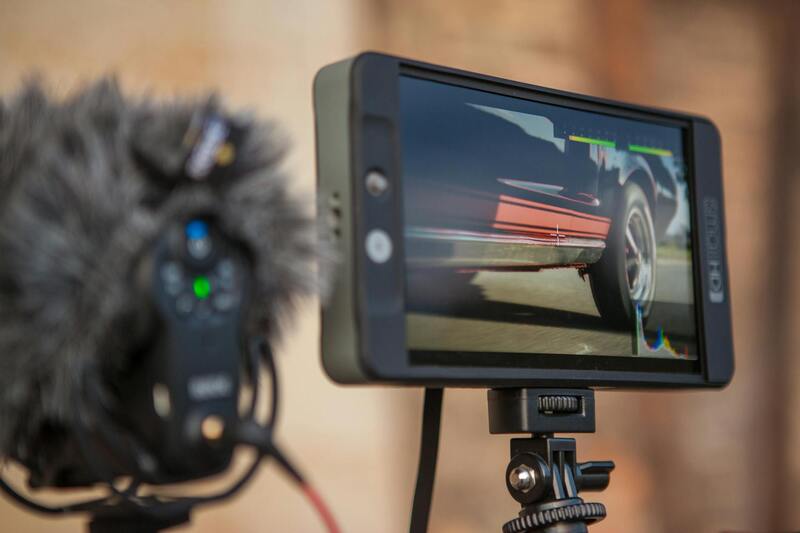
Businesses increasingly turn to official service providers specializing in live webcast solutions. These providers offer comprehensive packages that cover everything from audio-visual setup to post-event analytics, helping organizations measure audience engagement and content effectiveness. Choosing the right broadcast service is vital; it involves assessing their technical capabilities, experience with corporate events, and ability to offer scalable solutions tailored to specific event needs.
Proper planning and preparation are fundamental to producing a successful live broadcast. It begins with a detailed understanding of the event format, audience size, and technical requirements. Ensuring reliable internet connection is paramount; often, dedicated bandwidth or backup connections are employed to prevent disruptions. Equipment setup, which may include multiple cameras, a reliable encoder, and sound systems, must be tested beforehand. Coordination with the event team to establish a clear schedule, roles, and responsibilities enhances operational efficiency. Additionally, assessing the environment for optimal lighting and acoustics helps achieve professional-quality visuals and audio.
Implementing best practices—such as rehearsing the webcast, setting up a dedicated control room, and briefing on-camera hosts—significantly increases the likelihood of success. Effective communication with all involved parties ensures everyone is aligned on the streaming process, reducing the risk of technical issues. Lastly, providing viewers with a user-friendly interface and accessible viewing options encourages participation and maximizes engagement across diverse audiences.
Importance of Live Streaming for Corporate Events
Live streaming has become an integral component in the execution of modern corporate events, effectively broadening reach, enhancing engagement, and ensuring message clarity across diverse audiences. When organizations broadcast corporate events live, they link remote participants in real-time, fostering a sense of inclusion that pre-recorded content cannot achieve. This immediacy enables instant interaction through live chats, Q&A sessions, and social media integration, creating dynamic dialogues between presenters and viewers. Additionally, live broadcasting allows for seamless documentation of event proceedings, which can later be repurposed for marketing, training, or archival purposes.
Ensuring the operational success of a live stream involves meticulous planning and execution. It begins with a comprehensive technical assessment, including evaluating internet infrastructure, selecting suitable hardware, and establishing backup systems to mitigate potential disruptions. High-definition cameras, encoders, and professional sound equipment are essential for capturing and transmitting high-quality content. Proper lighting setup and environmental considerations directly influence visual clarity and overall production quality. Collaboration with technical professionals who specialize in live streaming ensures that the event’s flow remains smooth, and any technical issues are swiftly addressed. Moreover, customized access solutions, such as password-protected streams or restricted viewing zones, help control audience engagement and protect sensitive information.
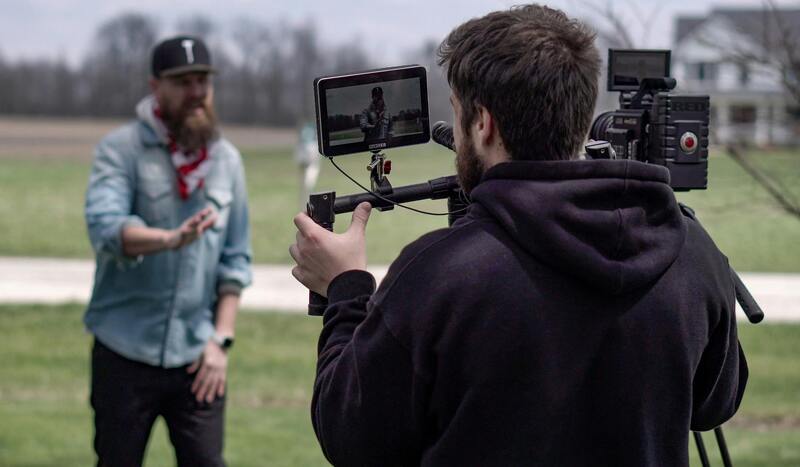
Preparation also includes rehearsals and dry runs, which prepare presenters and technical staff to handle equipment confidently and familiarize them with the broadcast workflow. Having a dedicated control room with real-time monitoring capabilities allows operators to oversee audio-visual quality, enforce broadcasting standards, and swiftly resolve any issues. Effective coordination among the production team, presenters, and event organizers forms the backbone of a successful live broadcast. Equipping the team with clear roles, responsibilities, and contingency plans minimizes the risk of technical failures and content mishaps. Deployment of real-time analytics tools provides insights into audience engagement levels, enabling organizers to adapt and optimize content delivery if needed.
Beyond technical excellence, user experience plays a pivotal role in audience retention. Offering multiple viewing options across devices, including desktops, tablets, and smartphones, ensures broad accessibility. Providing interactive features like live polls or chat windows boosts viewer involvement, making the experience more engaging and memorable. Post-event data collection and analysis help measure success metrics such as viewer counts, engagement rates, and feedback, informing future improvements. Implementing these best practices ensures that live broadcasted corporate events are impactful, professional, and aligned with organizational goals.
Implementing Official Methods for Broadcasting Corporate Events Live
To ensure a seamless and professional live broadcast of corporate events, organizations must utilize officially recognized broadcasting methods that prioritize quality, reliability, and security. These methods typically involve partnering with reputable live streaming service providers who employ industry-standard technologies and infrastructure to deliver high-definition content without interruptions. Such providers offer encrypted streams that protect sensitive information, along with robust content delivery networks (CDNs) that distribute the stream efficiently across various geographic locations. They use secure transmission protocols like RTMP (Real-Time Messaging Protocol) and HLS (HTTP Live Streaming), which are essential for stable and consistent broadcasts.
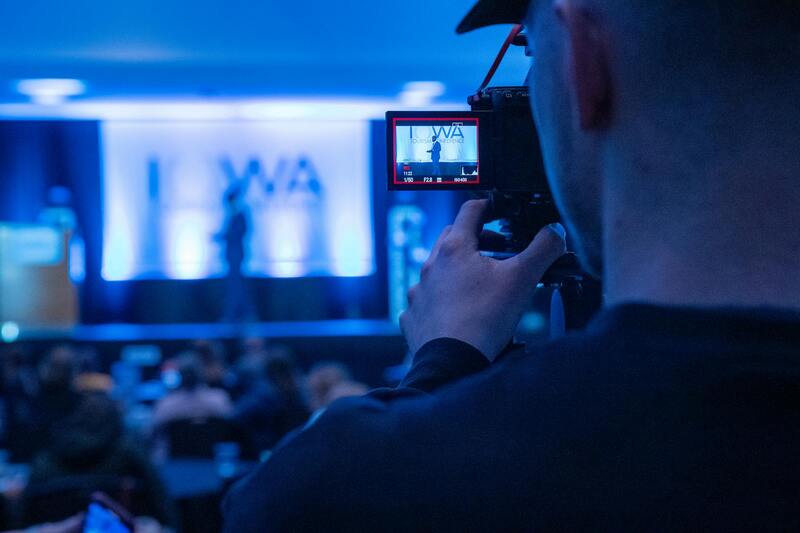
Moreover, organizations should work with certified technical experts and production partners who are experienced in planning and executing live streams. These professionals help in setting up reliable equipment, performing thorough pre-event tests, and monitoring the stream in real-time to swiftly address any technical issues. Utilizing dedicated broadcasting hardware, such as encoders and switchers, guarantees optimal video and audio quality, which is crucial for maintaining a professional appearance during live corporate events.
Utilizing Authorized Streaming Platforms and Software
Official streaming platforms and software solutions provide dependable channels for broadcasting corporate events live. These platforms are designed with enterprise-grade security features, such as end-to-end encryption and secure login options, ensuring that access is restricted to authorized viewers. They support multi-camera setups, customizable interfaces, and interactive features like live chat and polls, which enhance viewer engagement.
Leading software solutions integrate seamlessly with various hardware devices and offer flexible options for scheduling, recording, and repurposing content post-event. Regular updates and compliance with industry standards ensure these tools remain compatible with evolving technology, offering organizations a reliable means to broadcast their events to broad audiences across multiple devices.
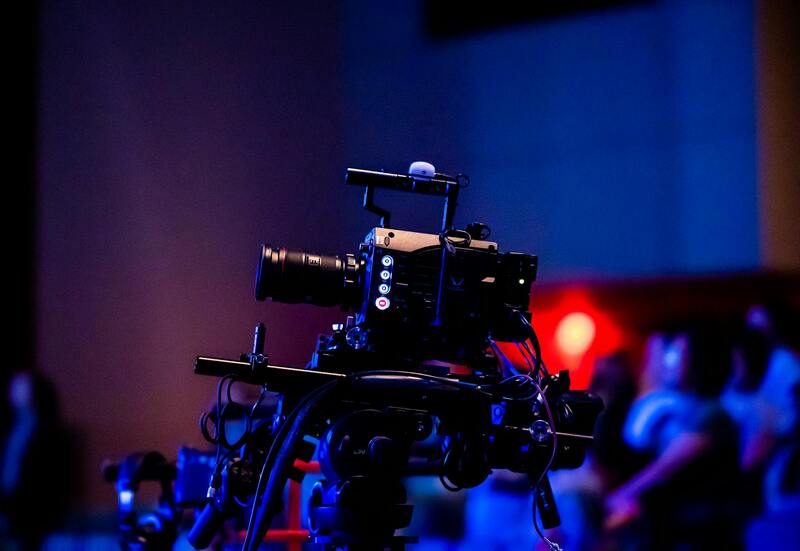
In addition, organizations can leverage specialty services from well-established broadcast production agencies known for their adherence to best practices and quality assurance protocols. These agencies provide end-to-end solutions, including pre-production planning, technical setup, live operation, and post-event analysis, ensuring that every aspect of the live broadcast adheres to industry standards.
Adherence to Industry Standards and Certification
Adopting industry-recognized standards and ensuring that all equipment and procedures meet established certifications contribute significantly to successful live broadcasting. Standards from organizations such as the Society of Motion Picture and Television Engineers (SMPTE) and adherence to protocols like ISO safety standards promote consistency and reliability. Certified equipment and software not only uphold high-quality output but also provide peace of mind that the broadcast infrastructure is robust and capable of handling high traffic volumes without degradation.
Continuous staff training and certification in relevant broadcasting technologies and safety standards further enhance the professionalism and safety of live corporate event broadcasts. Ensuring that the production team is knowledgeable about official procedures and best practices reduces errors and enhances the overall viewer experience.
Methods for Legally Broadcast Corporate Events Live
Successfully broadcasting a corporate event live to a wide audience requires adherence to established professional methods that prioritize quality, security, and compliance with industry standards. The foundation of legitimate live streaming encompasses carefully selected tools, platforms, and procedures designed to deliver seamless viewing experiences while maintaining the integrity of the event. When organizations opt for official methods, they ensure that their broadcast is consistent with best practices, scalable for large audiences, and protected from unauthorized access or disruptions.
Utilizing Accredited Streaming Platforms
The most effective way to broadcast corporate events live is through accredited streaming platforms. These services are crafted to meet rigorous industry standards, offering reliable infrastructure, high-quality video delivery, and comprehensive security features. Popular platforms include enterprise-grade solutions that are designed to handle high traffic volumes without compromising stream stability or resolution.
Such platforms often come with features like end-to-end encryption, user authentication, and access controls, ensuring that only authorized viewers can access the live content. They provide detailed analytics, real-time monitoring, and technical support, which are essential in professional settings to quickly address any technical issues that may arise during the broadcast.
Partnering with Certified Broadcast Production Agencies
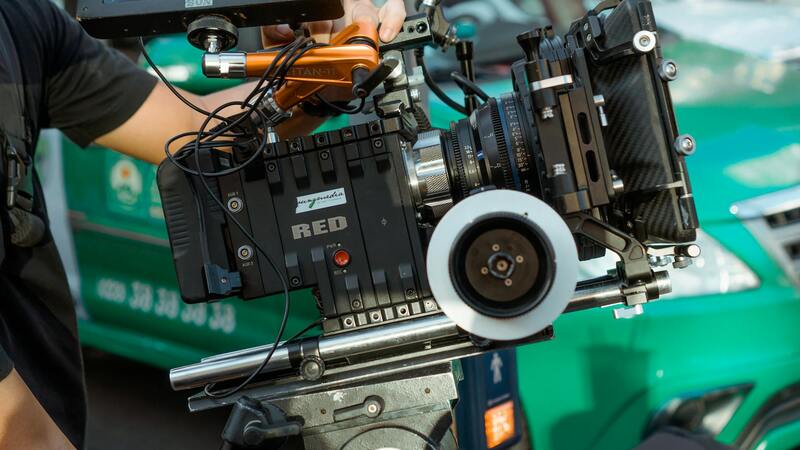
Engaging with reputable broadcast production agencies is a common and highly recommended approach in official live streaming. These agencies employ professionals trained in industry standards, certified equipment, and the latest broadcasting technologies. Their expertise covers all phases of live streaming, from pre-production planning and quality assurance to on-site setup and live operation.
By partnering with such agencies, organizations ensure their event broadcast adheres to the highest quality standards, including proper audio-visual synchronization, camera work, and seamless switching between multiple feeds. These professionals also implement comprehensive safety protocols, secure data handling, and backup solutions to prevent interruptions. Their experience guarantees that broadcasts are conducted smoothly and professionally, reflecting the organization’s brand integrity.
Implementing Industry-Recognized Standards and Certifications
Official live streaming methods are underpinned by adherence to recognized standards and certifications. Standards such as those from the Society of Motion Picture and Television Engineers (SMPTE) and ISO safety protocols ensure that all equipment, software, and processes meet rigorous quality benchmarks. Certification of streaming hardware and software guarantees a baseline of performance, reliability, and safety.
Organizations should verify that their broadcast infrastructure is compliant with these standards, which not only enhances viewer experience but also minimizes technical errors and security risks. Regular staff training and certification in broadcasting standards further embed professionalism and technical proficiency within the event team, making sure that all procedures align with industry best practices.
Official Equipment and Software Usage
The backbone of a legitimate live broadcast is the use of certified, professional-grade equipment and software solutions. This includes high-definition cameras, professional audio equipment, encoders, streaming software, and reliable internet connections. Employing certified hardware and licensed software ensures optimal performance, output consistency, and security. It also aligns with industry best practices, reducing the likelihood of technical failures or inferior quality streams.
Finally, these methods collectively reinforce the organization’s commitment to delivering a broadcast that is both professional and compliant, thus fostering trust with viewers and stakeholders alike.
Implementing Certified Equipment and Proper Protocols for Broadcast Integrity
To achieve a professional-grade live streaming of corporate events, organizations must prioritize the utilization of advanced, certified broadcasting hardware and software solutions. High-definition cameras, such as professional-grade camcorders equipped with SDI outputs and HDMI capabilities, are fundamental for capturing content with clarity and detail that reflect the event’s importance. Coupled with robust audio equipment—including lavalier and shotgun microphones—these elements ensure that both visual and auditory aspects of the event are delivered seamlessly to viewers.
Beyond hardware, encoding devices and switching hardware must meet industry standards to facilitate smooth streams. Certified hardware encoders convert audio and video signals into digital data that can be transmitted over the internet without quality loss. Using licensed streaming software, such as industry-recognized solutions, further guarantees optimized transmission and reliable data management. These tools typically include features for multi-camera switching, overlays, and real-time graphics, which enhance viewing quality and viewer engagement.
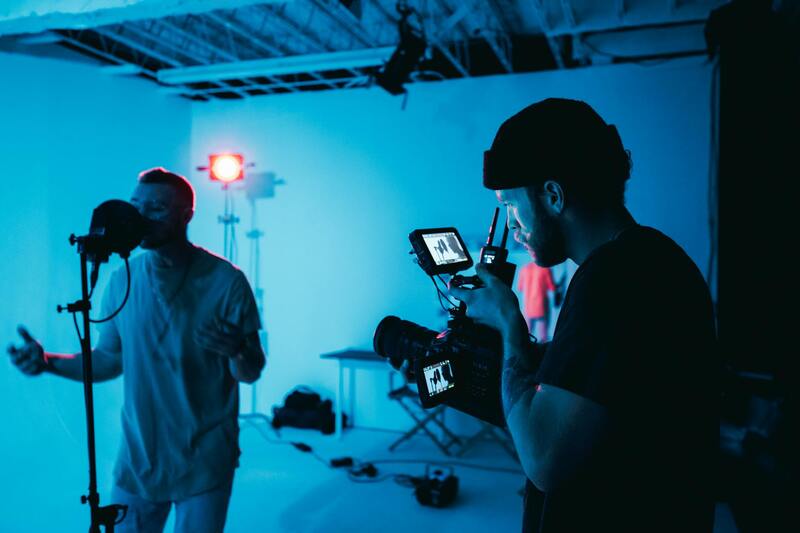
Standards compliance is crucial for establishing a consistent broadcast quality. Equipment certified by recognized certification bodies, including SMPTE and ISO, operates reliably under demanding conditions. Certification verifies that the hardware and software meet established benchmarks for performance, interoperability, and safety. This certification process fosters confidence in the equipment’s capability to handle live streams without interruptions, minimizing technical issues during critical moments.
In addition, rigorous adherence to operational protocols, such as regular maintenance, calibration, and adherence to safety standards, sustains broadcast quality. Staff training in the use of certified equipment and standardized procedures ensures that the technical team can respond promptly to any unforeseen issues that may arise during the event.
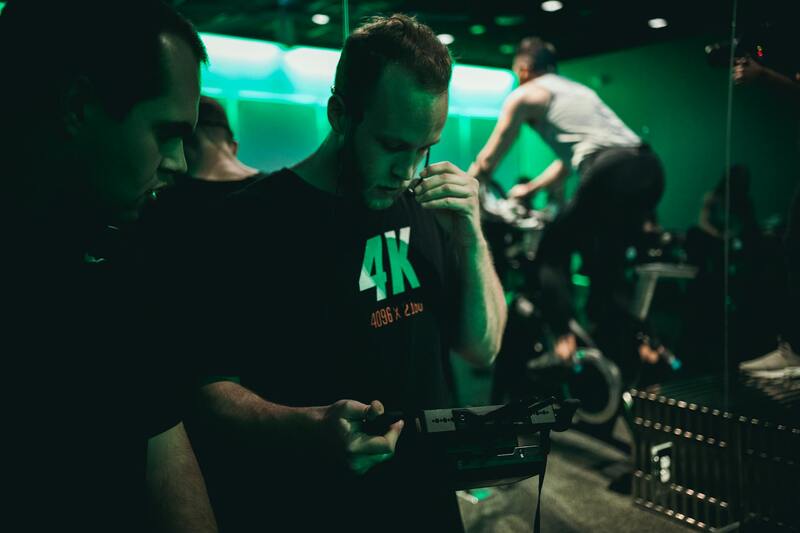
Implementing these verified methods and maintaining consistent operational practices reduces the risk of technical failures, elevates the professionalism of the broadcast, and enhances overall viewer experience. Employing accredited hardware and licensed software aligns with best practices for delivering a polished, impactful live event that meets high standards in quality and reliability.
Planning and Preparing for a Successful Live Broadcast
Executing a flawless live broadcast of corporate events depends heavily on meticulous planning and preparation. This process involves multiple steps that ensure technical reliability, audience engagement, and event professionalism. Starting with a comprehensive pre-production checklist helps identify all necessary equipment, personnel, and logistical considerations. It is crucial to verify the availability and functionality of high-quality broadcast equipment, including cameras, microphones, encoders, and streaming platforms, well in advance of the event date.
Coordination with the event venue is another vital component. Technical staff should perform site assessments to identify optimal camera positions, power sources, and internet connectivity, guaranteeing a stable and high-bandwidth connection. Establishing a backup internet connection, such as a dedicated LTE or fiber optic line, mitigates the risk of connectivity issues during live streaming.
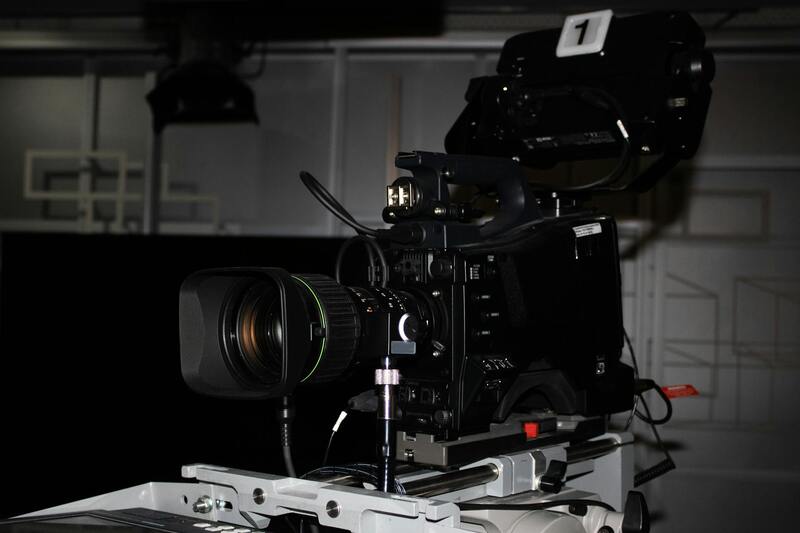
Rehearsals before the actual event serve as critical practice to synchronize all technical elements. These rehearsals allow the technical team to familiarize themselves with the venue’s layout, confirm camera angles, test audio levels, and ensure that streaming software functions correctly. During this phase, any necessary adjustments to lighting, sound, or camera positions are made to enhance broadcast quality.
Staff training complements the technical preparations. Ensuring that everyone involved understands their roles minimizes errors during the live event. Technicians should be proficient in troubleshooting common issues, such as audio feedback, signal delays, or software glitches, to facilitate smooth transitions and rapid problem resolution.
Furthermore, creating a detailed broadcast schedule that outlines each segment's timing, camera cues, and commentary stages helps maintain pacing and clarity. Sharing this schedule with the entire team ensures synchronized efforts, providing a seamless viewing experience for the audience.
Effective communication tools, like walkie-talkies or dedicated messaging apps, enable real-time coordination among crew members. Continuous monitoring during the event, including the presence of a technical director, allows for immediate responses to unforeseen issues, preserving the integrity of the broadcast.
In addition to technical considerations, defining a contingency plan addresses potential disruptions. Protocols for equipment failure, internet instability, or other emergencies should be established beforehand. Having spare equipment on-site and alternative streaming pathways ensures that the event remains uninterrupted regardless of unexpected problems.
Overall, a strategic approach to planning and preparing significantly elevates the professionalism and impact of live corporate broadcasts. Proper groundwork creates a resilient framework that adapts to the dynamic environment of live streaming, ensuring the event’s success from start to finish.
Offizielle Kanäle für die Ausstrahlung von Unternehmensveranstaltungen
Um die Integrität und Qualität Ihrer übertragenen Inhalte zu gewährleisten, sollten Sie ausschließlich bewährte und anerkannte Übertragungsmethoden nutzen. Hierzu zählen professionelle Plattformen, die speziell für die Übertragung großer Veranstaltungen entwickelt wurden und eine stabile, hochauflösende Übertragung gewährleisten. Diese Plattformen bieten verschlüsselte Streams, automatische Fehlerbehebung und umfangreiche Sicherheitsmaßnahmen, um die Vertraulichkeit Ihrer Inhalte zu sichern.
Weiterhin ist die Zusammenarbeit mit erfahrenen Live-Streaming-Diensten eine essenzielle Voraussetzung. Solche Anbieter besitzen die notwendige Infrastruktur, um eine reibungslose Übertragung sicherzustellen und gleichzeitig technische Unterstützung während des Events bereitzustellen. Die Auswahl eines Dienstleisters, der eine zuverlässige Verbindung, flexible Kanaloptionen und umfangreiche Kundenbetreuung offeriert, ist entscheidend für den Erfolg Ihres Live-Streams.
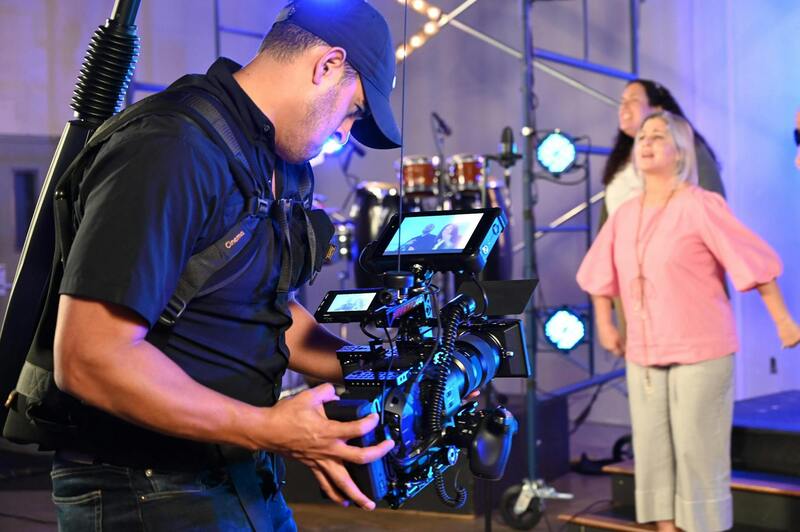
Bei der Positionierung Ihrer Übertragungen sollten Sie außerdem auf öffentlich zugängliche Plattformen wie die offizielle Webseite Ihres Unternehmens oder speziell eingerichtete Unternehmens-Apps setzen. Diese Kanäle bieten die Möglichkeit, die Zielgruppe gezielt zu erreichen und die Broadcasts nahtlos in die firmeneigenen Kommunikationswege zu integrieren. Zudem lassen sich die Übertragungen über diese Plattformen archivieren, was eine spätere Nutzung oder Referenz ermöglicht.
Technische Voraussetzungen für einen professionellen Live-Stream
- Hochgeschwindigkeitsinternet: Eine stabile und schnelle Internetverbindung ist unabdingbar. Ein Upload-Geschwindigkeit von mindestens 10 Mbps wird empfohlen, um eine hochqualitative Übertragung ohne Unterbrechungen zu sichern.
- Professionelle Encoder: Hardware- oder Softwareencoder, die speziell für Live-Streaming konzipiert sind, sorgen für eine stabile Signalübertragung und ermöglichen die Integration von Mehrkameravorführungen, Grafiken und Echtzeit-Kommentaren.
- Audio- und Videotechnik: Hochwertige Mikrofonsysteme, DSLR- oder PTZ-Kameras sowie eine zuverlässige technische Ausrüstung für die Audioqualität sind notwendig, um Aufnahmen in professioneller Qualität zu gewährleisten.
- Content Delivery Network (CDN): Die Nutzung eines globalen Netzwerkes zur Verteilung des Streams sorgt für minimale Latenzzeiten und eine optimale Verfügbarkeit, selbst bei großen Zuschauerzahlen.
- Backup-Lösungen: Für den Fall technischer Störungen sollten redundante Systeme vorgehalten werden. Dies umfasst Ersatzhardware, alternative Internetverbindungen und vorab getestete Streaming-Plattformen, um die Veranstaltung auch bei unerwarteten Problemen fortsetzen zu können.
Verfahren für die sichere und professionelle Übertragung
- Vorab-Tests: Mehrere Durchläufe vor der eigentlichen Veranstaltung stellen sicher, dass alle technischen Komponenten reibungslos funktionieren. Testen Sie Internet, Kameras, Codecs und die geplante Streaming-Software.
- Koordination mit einem technischen Team: Ein spezialisiertes Team sollte während des Events die Übertragung überwachen. Dazu gehört die ständige Überprüfung der Bild- und Tonqualität sowie die schnelle Behebung von Problemen.
- Sicherheitsmaßnahmen: Verwenden Sie verschlüsselte Streams und passwortgeschützte Zugänge, um die Inhalte vor unbefugtem Zugriff zu schützen.
- Qualitätskontrolle: Kontinuierliche Überwachung der Streaming-Qualität während des Events ermöglicht prompte Reaktionen auf auftretende Probleme und sorgt für ein konsistentes Erlebnis für die Zuschauer.
Der Einsatz anerkannter, technologisch hochwertiger Übertragungsmethoden garantiert eine professionelle Präsentation Ihrer Unternehmensveranstaltung. Dabei spielt die Zusammenarbeit mit erfahrenen Dienstleistern eine entscheidende Rolle, um die technische Umsetzung zu optimieren und eine effektive Kommunikation mit Ihrer Zielgruppe sicherzustellen.
Implementierung professioneller Methoden zum sicheren und hochwertigen Broadcast
Die erfolgreiche Übertragung von Unternehmensveranstaltungen erfordert die Nutzung bewährter und bewährter Techniken, die eine reibungslose und hochwertige Übertragung gewährleisten. Dabei ist die Wahl der richtigen Technologien und die Einhaltung strenger Standards entscheidend, um sowohl die technische Qualität als auch die Sicherheit der Inhalte zu sichern.
Technische Infrastruktur und Qualitätssicherung
Aufbau eines stabilen Netzwerks ist das Rückgrat jeder Live-Übertragung. Hierbei kommen dedizierte Internetverbindungen zum Einsatz, die eine hohe Bandbreite und geringe Latenz sichern. Zusätzlich sollte die Einbindung mehrerer Verbindungskanäle (z. B. Ethernet, LTE/5G-Backup) erfolgen, um bei unerwarteten Netzwerkproblemen schnell eingreifen zu können. Vor jedem Event werden umfassende Tests durchgeführt, um alle Geräte und Verbindungen auf ihre Einsatzfähigkeit zu prüfen. Hierbei stehen die Überprüfung von Kameras, Mikrofonen, Streaming-Software sowie der Codierungs- und Übertragungs-Software im Vordergrund.
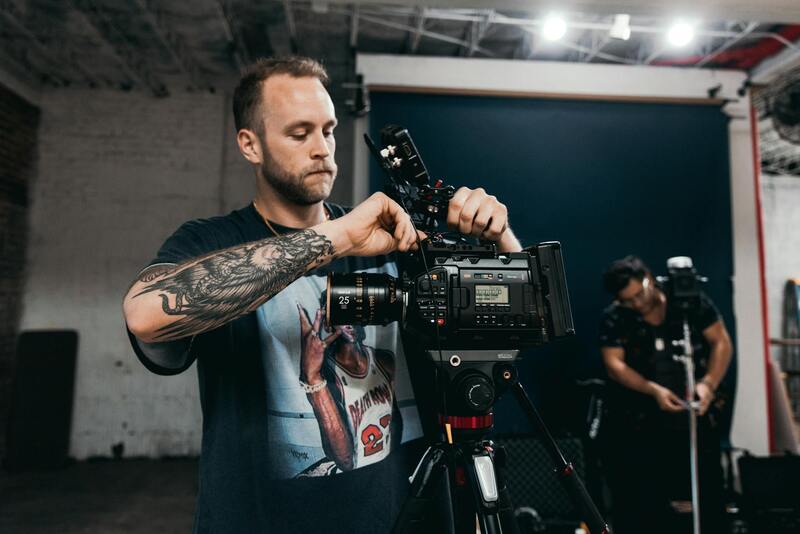
Professionelle Streamings setzen auf hochwertige Hardware-Komponenten, darunter 4K-fähige Kameras, robuste Audio-Equipment sowie redundante Server und Encoder. Die Verwendung von Verschlüsselungstechnologien stellt sicher, dass die Übertragung vor unbefugtem Zugriff geschützt ist, während Passwörter und Zugriffsbunkte nur autorisierten Personen vorbehalten sind.
Koordination und technisches Management
Während des Events greift ein spezialisiertes Technikteam ein, das die Übertragung kontinuierlich überwacht. Störungen in Bild- oder Tonqualität können sofort behoben werden, wodurch die Kontinuität der Übertragung gewährleistet bleibt. Das technische Team führt auch aufkommende Probleme proaktiv auf, beispielsweise die Neusynchronisierung von Ton und Bild oder das Umschalten zwischen Kameras, um das Publikum bestmöglich zu involvieren.
Alters- und Sicherheitsmaßnahmen
Sicherheitsmaßnahmen umfassen die Implementierung von verschlüsselten Streams und passwortgeschützten Zugängen. Geschwindigkeit und Stabilität der Internetverbindung sind vorher genau geplant und konstant überwacht, um eine reibungslose Übertragung zu ermöglichen. Zudem ist eine Backup-Infrastruktur vorhanden, um bei Hardware- oder Softwareausfällen die Übertragung ohne Unterbrechungen fortsetzen zu können.
Reibungslose Integration von Streaming-Lösungen
Die Auswahl anerkanntester, technologisch hochwertiger Übermittlungsmethoden ist essenziell. Dabei kommen professionelle Streaming-Softwarelösungen zum Einsatz, die nahtlos mit mehreren Kameras und Audioquellen integriert werden. Die Zusammenarbeit mit erfahrenen Dienstleistern sorgt dafür, dass technische Aspekte stets auf höchstem Niveau gehandhabt werden, was zu einer professionellen Präsentation Ihrer Veranstaltung führt.
Best Practices für die Optimierung der Übertragung
- Mehrere Testläufe: Mehrere Durchläufe vor der eigentlichen Veranstaltung helfen, technische Probleme frühzeitig zu erkennen und zu beheben.
- Redundante Systeme: Einsatz von Backup-Hardware und alternativen Internetverbindungen zur Sicherstellung der Kontinuität bei Störungen.
- Monitoring in Echtzeit: Kontinuierliche Überwachung der Streaming-Qualität durch das Technikteam, um sofort auf auftretende Probleme reagieren zu können.
- Datenschutz und Sicherheit: Verwendung von Verschlüsselungstechnologien und Passwortschutz, um den Inhalt vor unbefugtem Zugriff zu schützen.
- Integration verschiedener Plattformen: Nutzung kompatibler Streaming-Formate und Plattformen, die hohen Kompatibilitätsstandards entsprechen.
Fazit
Die technische Umsetzung eines Live-Streams für Unternehmensveranstaltungen setzt auf moderne, zuverlässige Hardware, eine stabile Infrastruktur und kompetentes technisches Management. Durch den Einsatz bewährter Methoden können Unternehmen sicherstellen, dass ihre Broadcasts professionell, sicher und ansprechend für die Zielgruppe gestaltet sind. Die Zusammenarbeit mit erfahrenen Dienstleistern erleichtert diesen Prozess und hilft, technische Herausforderungen effizient zu meistern, sodass der Fokus auf der gelungenen Präsentation und der Zielerreichung liegt.