

Overview of Live Event Streaming
Understanding Live Event Streaming Services
Live event streaming has revolutionized the way organizations, performers, and institutions present their events to a global audience in real-time. By transmitting high-quality audio and video signals through the internet, live streaming allows viewers to experience events remotely, fostering greater engagement and wider reach. From concerts and sports games to conferences and religious services, live streaming services are now essential components of modern event execution, providing the ability to connect audiences regardless of geographical barriers.
As the demand for high-definition broadcasts increases, so does the necessity for robust and reliable streaming technology. Participants expect smooth, high-quality streams free of buffering and latency issues, which necessitates advanced infrastructure and expert technical support. This service often integrates multi-camera setups, professional audio management, and customizable streaming platforms, allowing organizers to tailor broadcasts to the event's specific requirements.
Importance of Live Streaming for Different Event Types
Live streaming serves a diverse array of events, from large-scale conferences and trade shows to intimate gatherings and religious ceremonies. It provides a conduit for meaningful participation even when physical attendance is limited or impossible. Additionally, it offers an archival record of the event, which can be utilized for further marketing, training, or educational purposes. The technique ensures that every aspect of the event is preserved in high-quality visual and audio formats, reaching audiences that would otherwise be unable to attend.
Furthermore, live event streaming allows organizations to extend their reach into new markets, enhance engagement with existing followers, and increase overall visibility. Whether for corporate, entertainment, or cultural events, the strategic deployment of live streaming can facilitate interactions, foster community, and generate real-time feedback, transforming passive viewers into active participants.
With the proliferation of high-speed internet and advanced streaming platforms, delivering seamless broadcasts has become more accessible than ever. Proper planning, combined with professional equipment and experienced technicians, ensures that live streams meet audience expectations and reflect the high standards of the hosting organization.
Overview of Live Event Streaming
Live event streaming has revolutionized the way organizations and individuals share their activities, allowing real-time broadcast of events to a global audience. This method involves capturing high-quality audio and video footage of an event and transmitting it over the internet via a reliable streaming service. The key to successful live streaming lies in the careful planning, professional equipment, and experienced technical support that ensure a seamless viewing experience for audiences anywhere in the world. For organizational purposes, including branding, marketing, and post-event analysis, live streams are often archived for on-demand access, broadening the event’s reach and longevity.

Particularly in a modern digital landscape, live streaming has become indispensable across various sectors. Educational institutions, religious organizations, corporate conferences, entertainment events, and cultural festivals leverage this technology to extend their impact beyond physical boundaries. High-definition streaming platforms facilitate engagement, allowing remote participation through interactive features such as live chats, polling, and question-and-answer sessions. This integration transforms passive viewership into active involvement, increasing audience retention and overall satisfaction. Moreover, live streaming offers invaluable opportunities for content repurposing, providing material for marketing campaigns, training modules, or archival purposes that enhance long-term value.
Advantages of Live Event Streaming
- Broadened audience reach beyond physical venue limitations
- Enhanced viewer engagement and interaction
- Flexibility for virtual or hybrid event formats
- Real-time feedback and data collection
- Cost-effective alternative to large-scale physical events
- High-quality content preservation for future use
As technological advances continue to improve streaming quality and reliability, organizations are increasingly investing in professional-grade live event streaming services to maximize their event's impact. Properly executed live streams not only elevate the perceived professionalism of an event but also expand its reach into new markets, helping organizations establish a broader presence and influence.
Ensuring Seamless Broadcasts
Successful live streaming requires meticulous preparation. This involves selecting appropriate streaming platforms, configuring high-quality audio-visual equipment, and coordinating with a team of experienced technicians who monitor the stream in real-time. Factors such as internet bandwidth, synchronization of multiple camera feeds, audio clarity, and on-screen graphics are crucial to delivering a polished final product. Moreover, contingency planning for potential technical issues ensures that any disruptions are minimized and the broadcast remains smooth. When managed professionally, live event streaming delivers an engaging, high-fidelity experience that meets the standards expected by modern audiences.
Overview of Live Event Streaming
Live event streaming is a dynamic method for broadcasting gatherings in real time to a remote audience through the internet. It enables organizers to extend their reach well beyond the physical boundaries of traditional venues, offering an immersive experience for viewers situated globally. The process involves capturing high-quality audio and video from the event location, encoding the content with suitable software or hardware, and transmitting it via reliable streaming platforms that support real-time viewers. This approach facilitates engagement through live interactions, such as Q&A sessions and instant feedback, creating a sense of participation for virtual attendees. Advanced streaming solutions incorporate multiple camera angles, professional lighting, and robust audio equipment to ensure visual and sound fidelity, which significantly enhances the spectator's experience. Proper planning and execution are essential to handle variables such as internet bandwidth, system synchronization, and potential technical glitches, thereby ensuring a seamless broadcast from start to finish. Opting for a professional live event streaming service, especially one with experience in corporate, entertainment, or educational sectors, ensures that the broadcast maintains high standards of quality and reliability.
Benefits of Live Streaming for Events
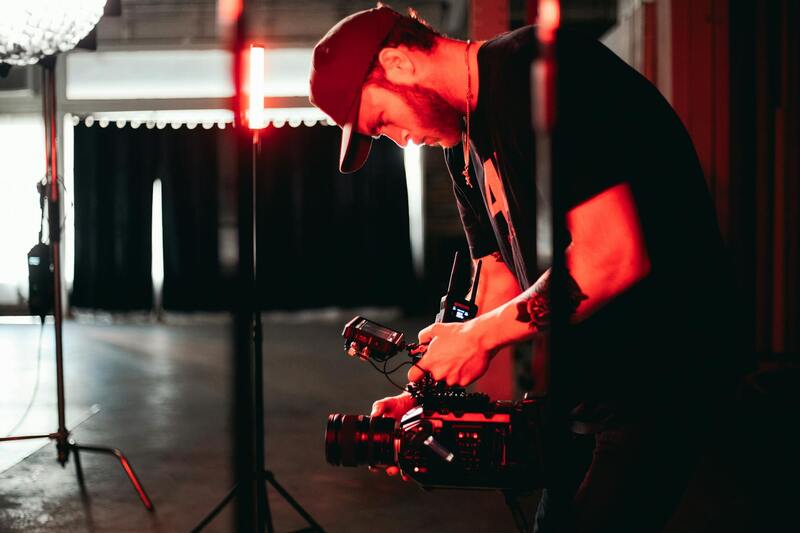
Integrating live streaming into event planning offers a multitude of advantages, making it an indispensable component of modern event strategy. Primarily, it amplifies your event’s visibility by reaching audiences who cannot attend physically, thus expanding your brand’s geographical footprint. This digital extension not only facilitates broader audience engagement but also opens avenues for additional revenue through online ticket sales, sponsorships, and on-demand content monetization. The real-time nature of live streams provides immediate interaction opportunities, such as live polls, chat functions, and viewer Q&A, fostering a more involved experience for the virtual audience. Moreover, live broadcasts serve as valuable promotional tools—clipping highlights or recordings post-event can generate ongoing interest and serve as compelling marketing material for future initiatives. From a logistical perspective, broadcasting an event online can reduce costs related to venue rentals, staffing, and physical materials, all while maintaining high-quality presentation standards. It also creates a digital archive of event content, which can be repurposed for training, marketing, or stakeholder reports. As audiences become increasingly accustomed to digital interactions, leveraging a professional live event streaming service guarantees that your event remains competitive and engaging, elevating your organization’s reputation for innovation and excellence.
Secure and Reliable Transmission Protocols
Ensuring the integrity and confidentiality of live event streams involves deploying advanced transmission protocols that prioritize data security. Protocols such as Real-Time Messaging Protocol (RTMP) and Real-Time Streaming Protocol (RTSP) are widely used for their stability and low latency, enabling seamless delivery of high-definition video content to viewers worldwide. These protocols facilitate adaptive bitrate streaming, which adjusts stream quality according to the viewer’s bandwidth, maintaining smooth playback without interruptions. Additionally, encryption methods like Secure Sockets Layer (SSL) and Transport Layer Security (TLS) are integral in safeguarding data during transmission, preventing unauthorized access or interception of sensitive content. Professional live streaming services implement multi-layered security measures, including access controls, secure login credentials, and digital rights management (DRM) solutions, to protect content integrity and restrict unauthorized viewing. Redundancy is another critical component; employing multiple data channels and backup servers ensures continuous streaming even in the face of network disruptions. This strategic redundancy minimizes downtime and guarantees a consistent viewing experience for live audiences, reinforcing your event’s professionalism. For organizations hosting high-profile or sensitive events, these legitimate methods form the backbone of a trustworthy live streaming infrastructure, providing peace of mind and fostering audience confidence.
Integration with Content Delivery Networks (CDNs)
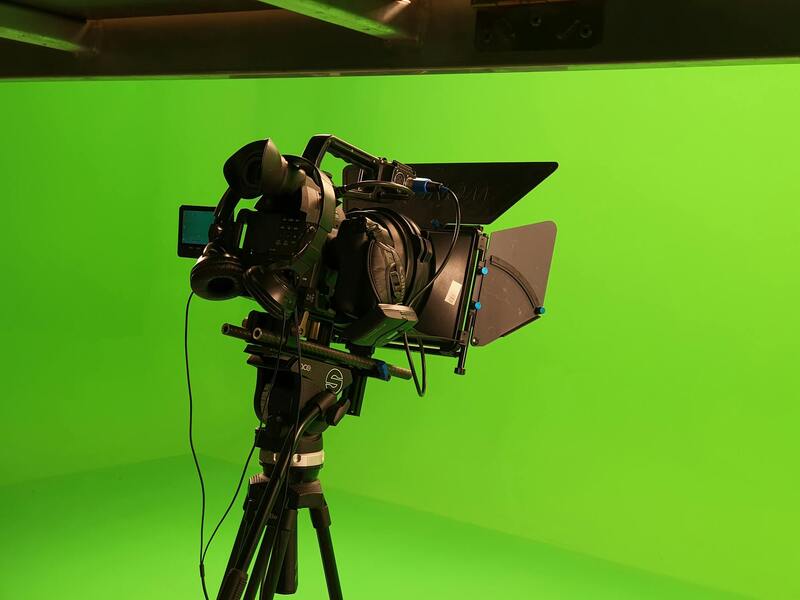
To reach a broader audience effectively, live event streaming services utilize Content Delivery Networks (CDNs), which distribute content across multiple servers geographically dispersed around the world. This strategic deployment reduces latency and buffering, ensuring viewers experience high-quality streams regardless of their location. CDNs work by caching content at various nodes, bringing the stream closer to viewers and optimizing bandwidth usage. When selecting a live streaming provider, it is essential to verify their partnership with reputable CDN providers, as this integration directly impacts streaming reliability and quality. In addition, legitimate streaming platforms prioritize dynamic load balancing, automatically adjusting server resources based on real-time demand, thereby preventing overloads during peak viewership. For event organizers, this means delivering a consistent, high-quality experience that maximizes audience engagement and satisfaction. Proper CDN integration complements secure transmission technologies, creating a comprehensive, professional live streaming ecosystem tailored to large-scale events, corporate conferences, or hybrid gatherings.
Quality Control and Monitoring Systems
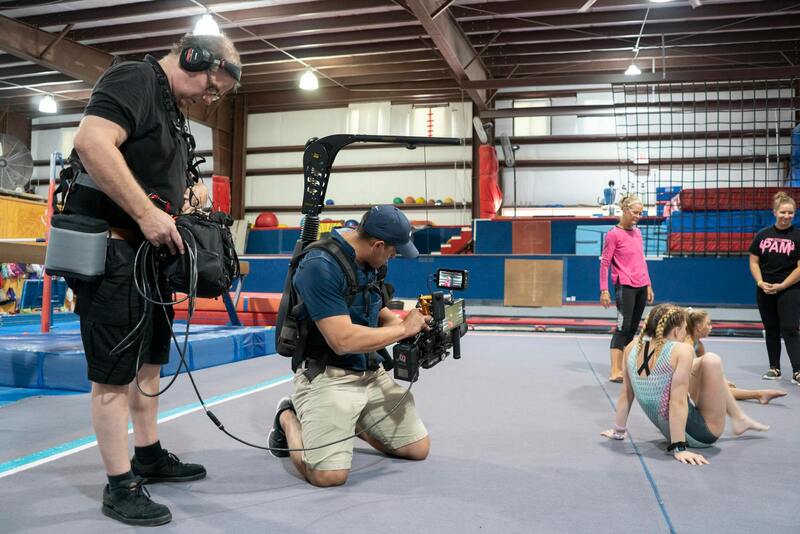
Maintaining the highest production standards during live streaming requires robust quality control and monitoring systems. These systems continuously oversee video and audio signals, evaluating parameters such as resolution, frame rate, bitrate, and synchronization. Professional services employ real-time analytics dashboards that alert operators to potential issues like signal degradation or latency spikes, enabling immediate troubleshooting. Moreover, implementing multi-point testing during the event allows operators to verify stream quality at various stages, preempting technical glitches before they affect the viewer experience. For sensitive or high-stakes events, encrypted multi-view monitoring ensures content security while providing multiple perspectives for quality assessment. Additionally, redundancy in hardware and software configuration supports uninterrupted streaming, even if certain components fail. Combining these technological safeguards guarantees a smooth, professional broadcast that reflects positively on your organization and enhances audience trust.
Implementing Live Streaming in Event Planning
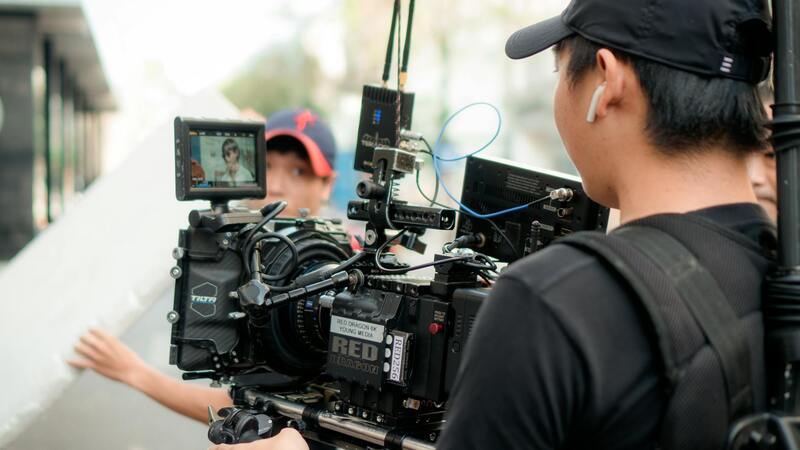
Integrating a reliable live event streaming service into your event planning process requires strategic coordination and attention to detail. It begins with assessing the event’s scope, target audience, and preferred delivery methods. Choosing a service that offers scalable solutions tailored to your specific needs ensures a seamless experience for both organizers and viewers. This includes evaluating the technical capabilities such as adaptive bitrate streaming, support for various devices, and customizable embedding options to match your branding requirements.
Effective implementation also involves comprehensive pre-event preparations. Conducting test streams helps identify potential technical issues and guarantees equipment compatibility. It’s essential to have dedicated technical staff or partnerships in place who can monitor streams in real-time, swiftly addressing any disruptions that may arise. Clear communication with stakeholders about the streaming schedule and technical requirements ensures everyone is aligned, reducing the risk of unforeseen issues during the live broadcast.
On the day of the event, deploying high-definition cameras, professional audio equipment, and reliable internet connectivity forms the backbone of a successful live stream. Coordinating between multiple crew members—including camera operators, audio engineers, and technical support—ensures a cohesive production. Strategic camera angles and overlays can enhance viewer engagement by providing dynamic visual content, while real-time graphics, subtitles, and interactive features can further elevate the experience.
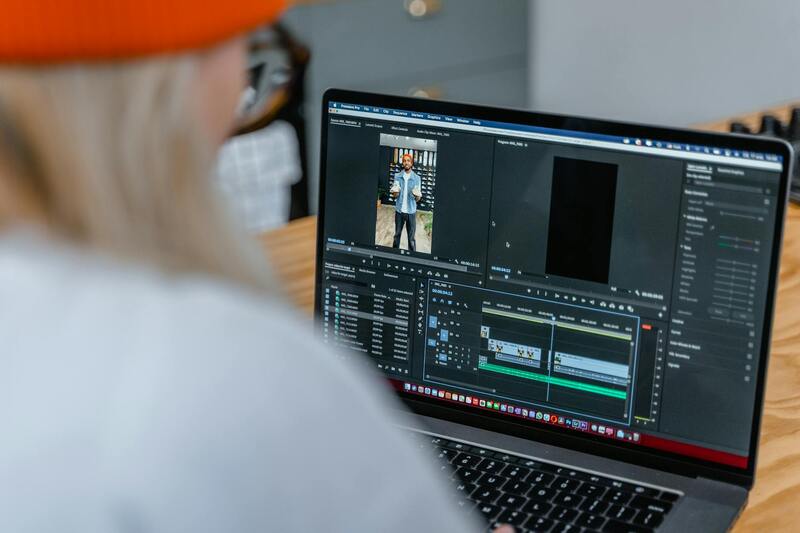
Post-event, the benefits extend with access to viewer analytics, engagement metrics, and feedback, all of which aid in refining future streaming strategies. Persistently updating your streaming infrastructure and adopting new technologies—such as 4K resolution, multi-platform broadcasting, or interactive chat features—ensures your events remain competitive and engaging in an increasingly digital landscape. Collaborating with experienced providers, such as those available through Miami Event Videography, guarantees professional execution that upholds your brand’s quality standards and audience expectations.
Implementing Live Streaming in Event Planning
Integrating live event streaming into your planning process requires meticulous coordination and technical preparation. Successful live streams hinge upon strategic setup procedures, appropriate equipment, and proactive testing to mitigate technical risks. Establishing a comprehensive checklist ensures all necessary components—such as cameras, microphones, encoding devices, and networking infrastructure—are in place well before the event. This foresight allows for troubleshooting and adjustments that prevent issues during the live broadcast. Consistent communication with your technical team and streaming provider guarantees alignment on expectations, responsibilities, and technical specifications, leading to a seamless experience for viewers.
Prior to the event day, conducting rehearsal sessions helps identify potential challenges and fine-tune camera angles, audio clarity, and graphics overlays. These practice runs confirm that all hardware and software operate harmoniously, minimizing on-the-fly adjustments during the live broadcast. It is crucial to stress-test internet connectivity and backup solutions, such as secondary internet lines or mobile hotspots, to prevent disruptions caused by network outages. Additionally, integrating real-time monitoring tools enables your team to track stream health, viewer engagement, and technical metrics continuously, facilitating prompt intervention if issues arise.
During the event, a dedicated technical support team should be on-site to oversee all aspects of the streaming process. This team manages equipment, addresses unexpected glitches, and ensures smooth transitions between segments or speakers. Employing multiple camera angles and professional-grade audio equipment enhances production quality, engaging viewers through dynamic visual content. Use of ancillary overlays—such as lower thirds, logos, or live graphics—can promote branding and improve the viewer's understanding of the event flow. Real-time chat interactions, polls, or Q&A sessions further increase audience participation, making the virtual experience more interactive and memorable.
Post-event, analyzing viewer engagement metrics and gathering feedback provides insights into what worked well and areas for improvement. Data about peak viewership times, drop-off points, and engagement levels assist in refining future broadcasts. Continually investing in upgraded streaming technology—such as 4K cameras, advanced encoding software, and multi-platform distribution—ensures your event remains competitive in an increasingly digital ecosystem. Maintaining strong relationships with experienced production providers, like those available through Miami Event Videography, guarantees access to state-of-the-art equipment, expert technicians, and bespoke solutions tailored to your event's unique needs.
Implementing Live Streaming in Event Planning
Incorporating live event streaming into your event planning process requires careful coordination with experienced providers who utilize established and reliable technologies. Engaging a reputable live event streaming service guarantees a seamless broadcast experience, aligns with your event objectives, and enhances audience engagement. This integration begins with selecting a provider specializing in high-quality streaming solutions tailored to your event type, whether it involves corporate conferences, religious services, or cultural festivals.
One of the pivotal aspects of successful live streaming implementation is comprehensive pre-event preparation. It involves detailed planning around camera placement, audio input quality, and the synchronization of various media feeds. Typical setups include multiple camera angles to capture different perspectives, such as wide shots of the stage and close-ups of speakers or performers. Professional-grade audio equipment ensures clear sound delivery, which is crucial for maintaining viewer attention and ensuring the message is effectively communicated.
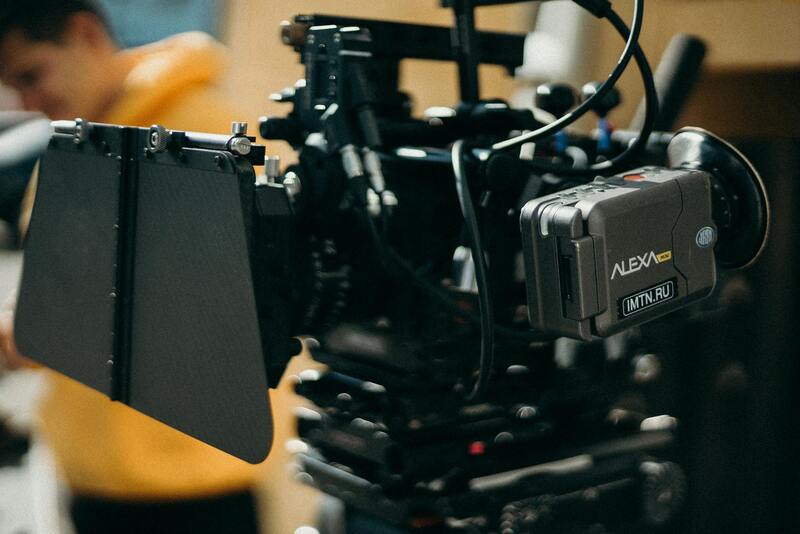
Technical rehearsals are an integral part of the process, allowing the production team to test equipment, verify internet stability, and troubleshoot potential issues before the event begins. During rehearsals, run-throughs should simulate the actual event to iron out any operational or content delivery challenges. A dedicated technical support team, either on-site or remote, should be available during the live event to monitor real-time performance, address unexpected technical issues, and make instant adjustments to maintain broadcast quality.
Key Components for Effective Live Streaming Integration
- Reliable Internet Connectivity: The backbone of any high-quality live stream, requiring sufficient upload bandwidth to handle high-definition video and audio with minimal latency.
- Multi-Camera Production: Utilizing multiple camera feeds provides dynamic visuals that keep viewers engaged and allow for flexible shot transitions.
- Clear Audio Capture: Employing professional microphones and sound mixing to deliver crisp, distortion-free audio across various segments.
- Streaming Platform Compatibility: Choosing a platform that supports your audience size, integrates with social media, and offers analytics for post-event insights.
- Graphics and Overlays: Incorporating lower thirds, branding logos, and real-time graphics enhances professionalism and brand visibility while aiding content comprehension.
- Audience Interaction Tools: Features like live chat, polls, and Q&A sessions foster engagement, making virtual attendees feel more involved.
Post-Event Considerations and Analytics
Post-broadcast analysis is crucial for evaluating success and identifying areas for improvement. Realtime analytics such as viewer counts, drop-off rates, and engagement metrics provide actionable insights into audience behavior. Gathering feedback from participants helps refine future live streams, addressing technological or content-related gaps. Additionally, recording the live event allows for on-demand viewing, broadening reach beyond the live broadcast window and increasing overall content value.
Investing in advanced streaming hardware and software—such as 4K cameras, adaptive encoding software, and multi-platform distribution services—ensures your virtual events stay competitive in an increasingly digital landscape. Partnering with experienced providers like Miami Event Videography adds a layer of expertise, offering access to cutting-edge equipment and tailored solutions that meet the unique needs of your event. From initial planning to post-event analytics, professional live streaming services play a vital role in delivering impactful virtual experiences that resonate with audiences and elevate your event’s perceived quality.
Overview of Live Event Streaming
Live event streaming services have transformed the way organizations and individuals share moments with their target audiences. By broadcasting events in real-time over the internet, hosts can reach a global audience without geographical limitations, ensuring that content is accessible to viewers anywhere with an internet connection. This approach fosters inclusivity, expands reach, and enhances engagement through interactive features. High-quality live streaming leverages advanced video and audio technology, robust internet infrastructure, and professional support to deliver seamless experiences. The growing demand for live broadcasts spans a variety of sectors, including corporate conferences, entertainment festivals, educational seminars, religious services, and community gatherings, reflecting the versatility and importance of live event streaming in today’s digital landscape.
Benefits of Live Streaming for Events
- Broadened Audience Reach: Live streaming allows participation from viewers worldwide, overcoming physical and logistical barriers.
- Enhanced Engagement: Interactive elements like live polls, chat, and Q&A sessions promote active involvement and response from virtual attendees.
- Cost Efficiency: Reduces the need for extensive on-site infrastructure and personnel, making it a cost-effective alternative to traditional events.
- Content Longevity: Recorded streams can be archived for on-demand access, extending the lifespan and utility of your content.
- Real-Time Analytics: Advanced streaming platforms provide insights into viewer behavior, engagement levels, and geographic distribution, enabling data-driven improvements for future events.
Types of Live Event Streaming Services
There are several core models of live streaming suitable for different event formats and objectives. These include:
- Public Live Streams: Open to all internet viewers, ideal for brand launches, promotional events, or large public gatherings.
- Private Live Streams: Restricted access through passwords or invite-only links, suitable for corporate meetings, internal training, or confidential conferences.
- Hybrid Events: Combine on-site presence with virtual participation, utilizing multi-camera setups and interactive technology to create immersive experiences.
- On-Demand Video: Recorded streams available for viewing post-event, expanding content reach and allowing flexibility for viewers.
Key Features to Consider When Choosing a Service
Selecting the right live streaming provider is critical for the success of your event. Important features include:
- High-Quality Audio and Video: Support for 4K resolution, crystal-clear audio, and minimal latency to ensure professional output.
- Platform Integration: Compatibility with major social media platforms, websites, or custom content management systems.
- Interactive Tools: Chat functions, live polls, Q&A, and engagement overlays for audience interaction.
- Scalability and Reliability: Ability to handle large viewer volumes with consistent streaming quality and minimal buffering.
- Technical Support: Access to expert assistance during setup and broadcast to troubleshoot issues promptly.
- Security Measures: Encryption and access controls to safeguard sensitive content and protect against unauthorized viewing.
Popular Platforms and Technologies Used
Modern live event streaming takes advantage of a variety of cutting-edge platforms and tools, including:
- Dedicated Streaming Software: Platforms like OBS Studio, vMix, and Wirecast facilitate multi-camera switching, graphics, and overlays for professional-quality broadcasts.
- Cloud-Based Services: Providers such as AWS Elemental, Vimeo, and YouTube Live offer scalable infrastructure and easy distribution options.
- Encoding Hardware: Devices designed for high-resolution streaming, including 4K encoders and multi-input switchers, ensure optimal video quality.
- Content Delivery Networks (CDNs): Utilize networks like Akamai or Cloudflare to distribute streams efficiently across global regions, reducing lag and buffering.
Implementing Live Streaming in Event Planning
Effective integration of live streaming into your event requires meticulous planning. This includes selecting appropriate technology, hiring experienced production teams, and coordinating with venue providers to ensure seamless connectivity. Key steps involve:
- Pre-Event Testing: Conduct dry runs to validate equipment, internet connectivity, and platform functionality.
- Technical Coordination: Collaborate closely with technical staff and streaming platform providers to address potential challenges.
- Moderator Management: Assign personnel to manage interactive features, monitor chat, and facilitate attendee engagement.
- Communication with Attendees: Clearly inform participants about access details, platform requirements, and technical support contact points.
- Post-Event Analysis: Review engagement metrics, gather feedback, and assess broadcast quality to refine future streaming efforts.
Partnering with specialized live streaming service providers ensures your event maintains a high production standard, leveraging their expertise and state-of-the-art equipment for an impactful virtual experience.