

Understanding Timelapse Recording
Timelapse recording is a specialized video technique that condenses extended periods of real-world time into a concise, accelerated playback. This process involves capturing a sequence of photographs or frames at predetermined intervals over a significant duration, which are then compiled to produce a seamless video showcasing the passage of time in a dramatically shorter span.
The primary purpose of timelapse recording is to offer viewers a unique perspective on slow-changing phenomena. This can include natural events such as sunset progression, plant growth, or weather patterns, as well as human activities like cityscapes evolving during busy hours, construction projects, or spacecraft launches. Through the artful compression of time, viewers gain insights and aesthetic appreciation that are often invisible to the naked eye, fostering engagement and storytelling with a powerful visual impact.
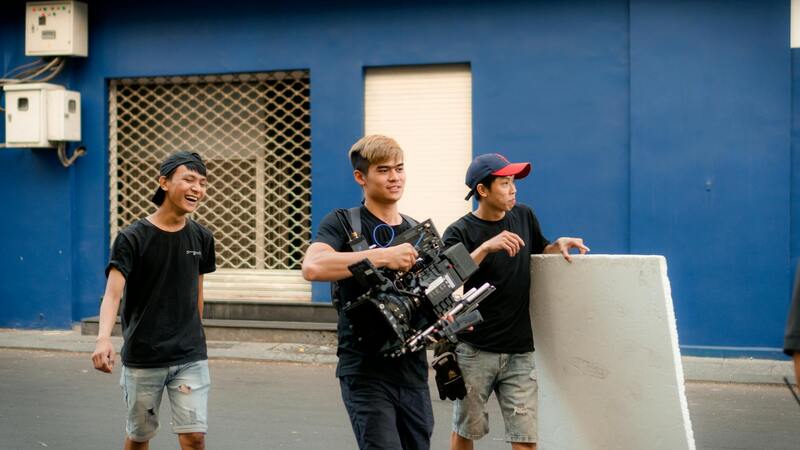
Timelapse footage serves multiple purposes across various domains. For filmmakers and videographers, it enhances narrative depth and visual interest. In marketing and promotional content, it can effectively showcase the progression of events or transformations, such as phases of construction, environmental changes, or cultural festivals. Educationally, timelapse recordings help illustrate concepts and processes that occur gradually, providing clarity and engaging visuals for learners.
The Significance of Timelapse in Modern Media
- Enhances storytelling by dramatically illustrating changes over time
- Creates visually compelling content that captures attention
- Serves as an effective tool for documentation and analysis
- Enables artistic expression through innovative visual techniques
Understanding the fundamentals of timelapse recording empowers creators to produce impactful videos that emphasize the natural flow and rhythm of the environment or activity they are documenting. The selection of appropriate tools, techniques, and settings is crucial to achieving a professional and polished result that aligns with the intended message or artistic vision.
Understanding Timelapse Recording
Timelapse recording is a dynamic technique that condenses lengthy periods of activity into a short, engaging video. This process involves capturing individual frames at set intervals over a specified timeframe, then playing these frames back at normal speed to illustrate change and movement efficiently. One of the key aspects of successful timelapse creation lies in the careful selection of appropriate tools and settings, which influence the final output's clarity and artistic impact.
By mastering the fundamentals of timelapse recording, creators can produce captivating visual narratives that emphasize environmental shifts, technological progress, or even cultural festivities. The technique offers a unique perspective, revealing patterns and details often invisible to the naked eye during real-time observation. This powerful visual storytelling tool enhances documentation, enabling a comprehensive presentation of processes such as construction, weather changes, or urban development.
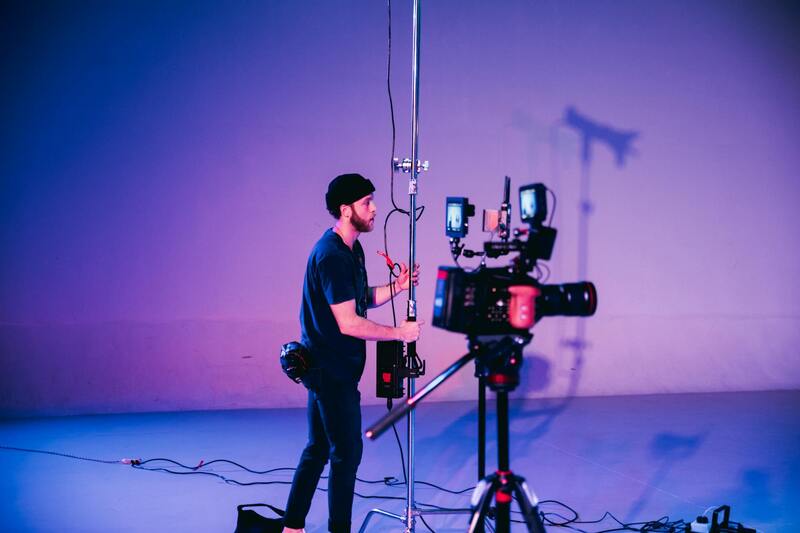
Fundamentals of Effective Timelapse Recording
- Interval Settings: Determining the length of time between each shot is critical. Shorter intervals (e.g., one second) can capture fast-paced changes like bustling crowds, while longer ones (e.g., several minutes) are suitable for slow transformations like plant growth or cloud movements.
- Duration: The total duration of the shoot affects the fluidity of the resulting video. Longer recordings typically require more storage and power but yield smoother transitions.
- Stability: A stable mounting setup ensures minimal camera shake, preserving the clarity of each frame and maintaining professional quality.
- Camera Settings: Manual focus, proper exposure, and white balance adjustments are vital to prevent flickering and ensure consistency across frames.
Professional Techniques for Superior Timelapse Footage
- Use of Remote Triggers or Intervalometers: Devices that automate the taking of frames at pre-set intervals help achieve uniformity and reduce the need for manual operation during long shoots.
- Battery Management: Long shooting sessions often require supplemental power sources or high-capacity batteries to prevent interruptions.
- Lighting Conditions: Planning shoots during optimal lighting times, such as golden hours, significantly improves footage quality.
- Environmental Considerations: Weatherproofing equipment and protecting against elements like rain and dust ensures the durability and safety of the recording apparatus.
Optimizing Camera Settings for Timelapse
To maximize the visual quality of a timelapse, selecting the correct camera settings is essential. Manual mode is preferred to prevent fluctuations caused by automatic adjustments. Proper exposure ensures that highlights are not blown out while shadows retain detail. ISO should be kept as low as possible to minimize noise. Additionally, setting a consistent white balance offers uniformity in color grading throughout the sequence.
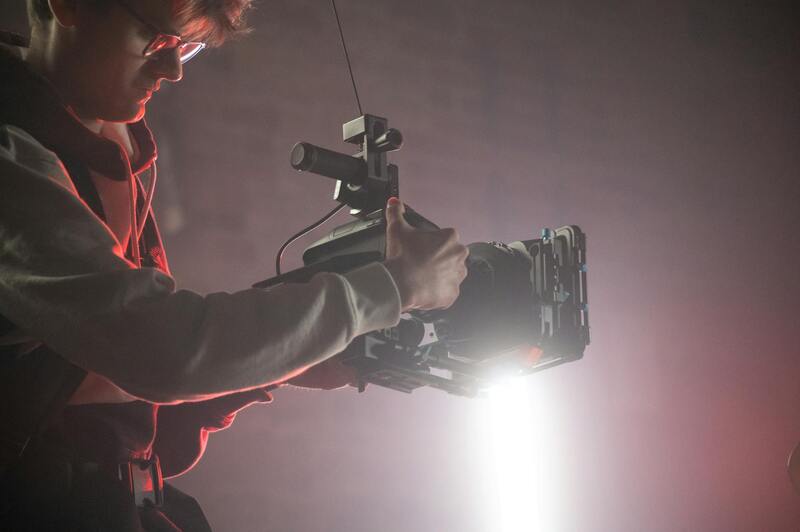
Summary
Mastering the art of timelapse recording requires a combination of the right equipment, meticulous planning, and precise technical execution. Understanding the importance of intervals, stability, and camera settings ensures the creation of high-quality, visually compelling content. This method opens pathways for creative storytelling, detailed documentation, and innovative artistic expression. When executed with professionalism, timelapse recordings serve as powerful tools that elevate the narrative and visual impact of any project.
Advanced and Off-Device Methods for Timelapse Recording
While traditional methods involve standalone cameras or smartphones, many professionals and enthusiasts employ advanced techniques that leverage official accessories and software solutions to achieve high-quality timelapse recordings. These approaches often provide greater control over camera functions, seamless automation, and enhanced image quality, ensuring that every frame contributes to the desired visual narrative.
One of the most reliable ways to enhance timelapse capture is by using professional intervalometers. These devices connect directly to DSLR or mirrorless cameras and allow precise control over interval settings and exposure times. Unlike built-in camera timers, intervalometers enable customizable shooting schedules, including long durations and complex interval patterns, which are crucial for capturing dynamic scenes such as sunsets, construction projects, or star trails.
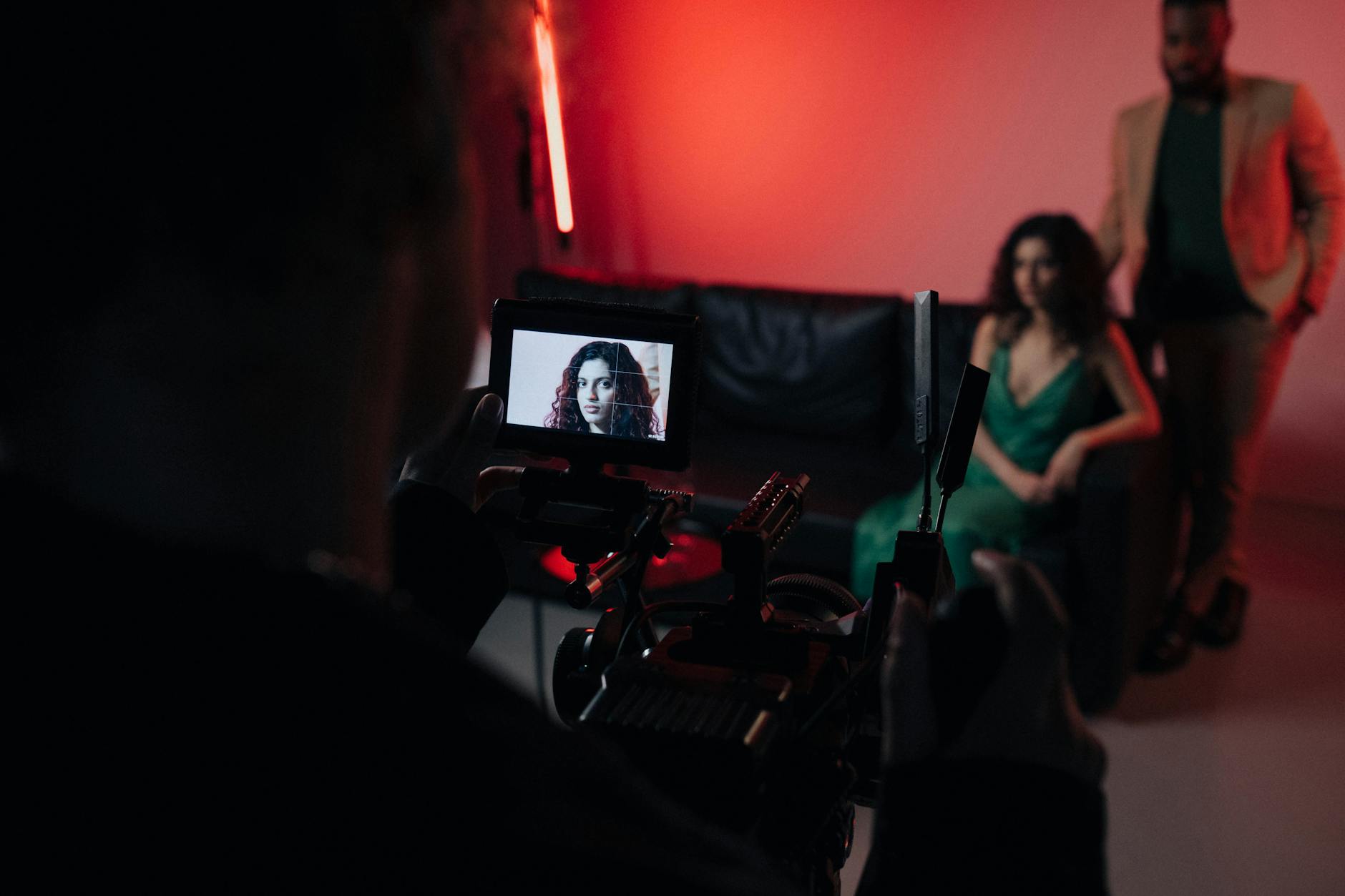
Several reputable brands manufacture intervalometers that are compatible with a wide range of camera models, ensuring users can select devices tailored to their equipment. These devices typically feature robust build quality, multiple input ports, and user-friendly interfaces, making them suitable for both amateur and professional projects.
Functionality of Software-Based Timelapse Capture
In addition to hardware solutions, software applications installed on cameras or computers offer significant advantages. Many camera manufacturers provide official software or firmware updates that incorporate versatile timelapse modes. For instance, certain models allow users to program shooting sequences directly through proprietary apps, which automate interval settings, focus, and exposure adjustments. This integration streamlines the process, reduces manual intervention, and helps maintain consistency throughout the recording period.
For cameras without dedicated software, manufacturers often recommend paired applications that connect via Wi-Fi or USB. Such apps enable remote control, live preview, and real-time adjustments, vital for capturing complex scenes accurately. This capability minimizes camera shake and ensures precise framing, especially in challenging environments.
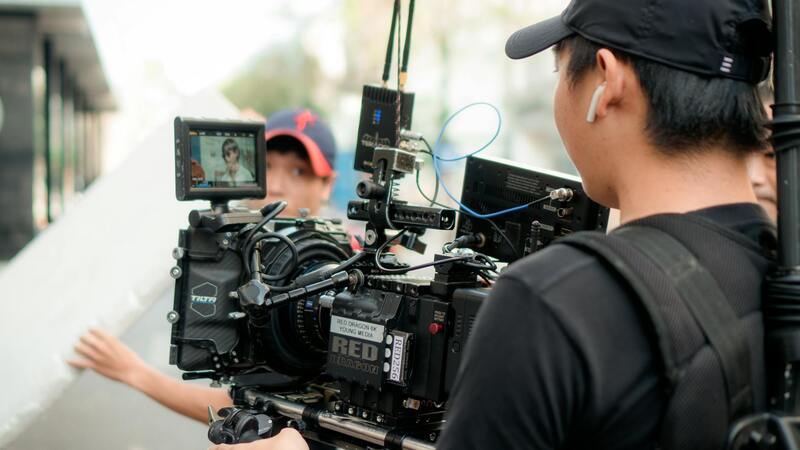
Furthermore, desktop post-processing software plays a crucial role in enhancing raw timelapse footage. Programs like Adobe After Effects, LRTimelapse, and Adobe Lightroom offer features such as image stabilization, exposure blending, and color correction. These applications help elevate the final output, ensuring the timelapse footage is not only smooth but also visually compelling and color-graded to match the desired mood.
Secure Mounting and Power Solutions
Official methods for timelapse recording also emphasize proper mounting and power management. Using professional-grade tripods, monopods, or customized mounts ensures the camera remains stable throughout extended recording sessions. Additionally, employing external batteries or AC power adapters prevents interruptions caused by battery depletion, ensuring continuous operation during long shoots.
For remote or hard-to-access locations, weatherproof enclosures and vibration-resistant fixtures protect equipment from environmental elements and physical disturbances, thereby maintaining consistent recording quality.
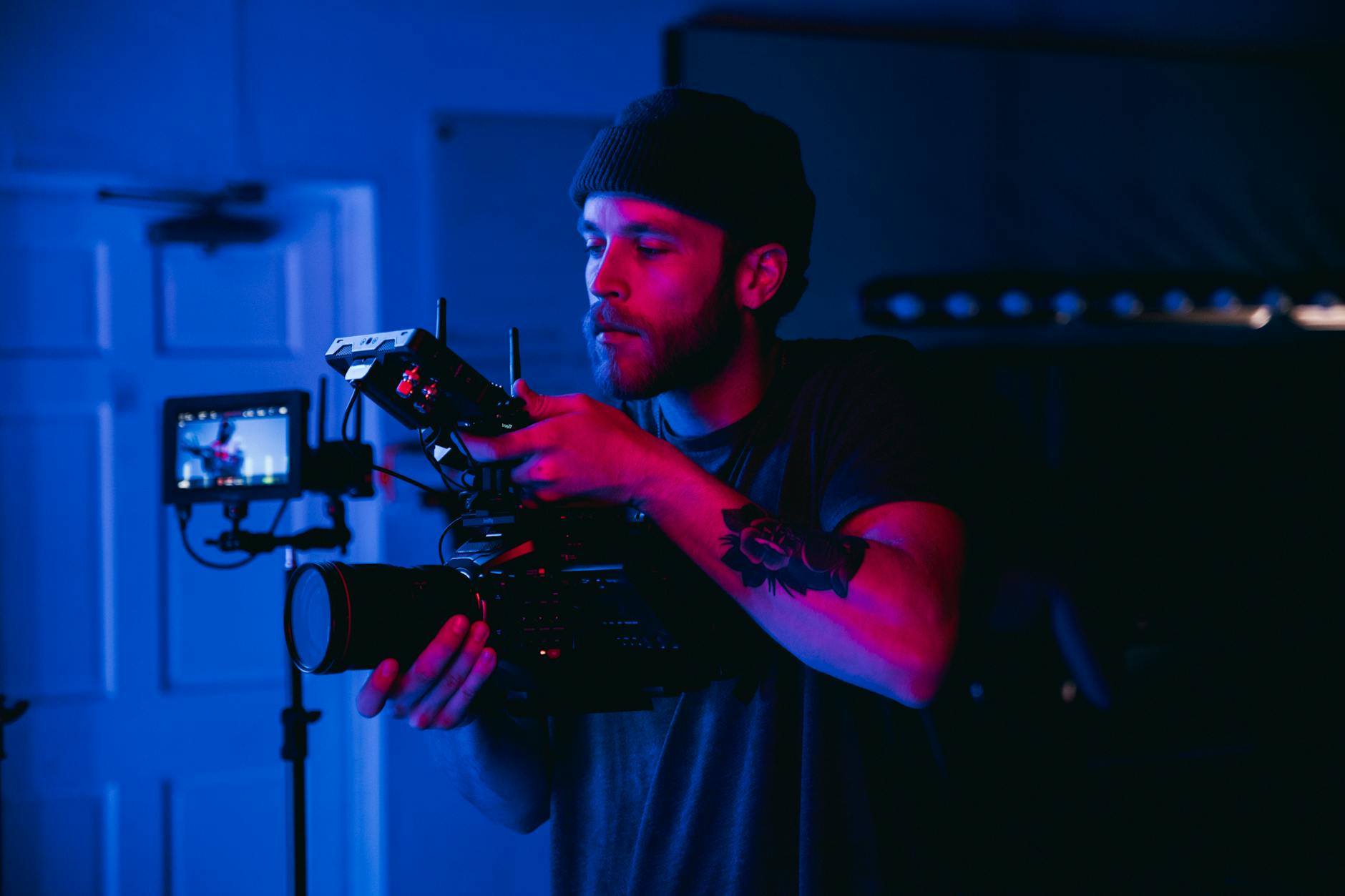
Combining official hardware accessories, third-party software solutions, and secure mounting practices offers a comprehensive approach to timelapse recording. This method ensures high-definition footage with precise control over each parameter, ultimately leading to more professional and aesthetically pleasing results that effectively tell the story of evolving scenes or phenomena.
Understanding Timelapse Recording
Timelapse recording involves capturing a sequence of images at set intervals over an extended period, which are then compiled into a video that plays back at a faster speed, showcasing the passage of time in a condensed format. This technique is used across various professional fields, from filmmaking to scientific research, to illustrate processes that occur gradually but are visually significant when accelerated. Accurate planning, equipment selection, and adherence to recommended methods are essential to achieve high-quality results that meet industry standards.
Key Components of Timelapse Recording
- Consistent Camera Positioning: Stabilizing the camera using professional-grade tripods, monopods, or custom mounts prevents unwanted motion and ensures high-quality footage. Equipment designed explicitly for timelapse reduces vibrations and maintains focus throughout the duration of the shoot.
- Reliable Power Sources: Extended recording sessions demand stable power solutions. External batteries, AC adapters, or dedicated power banks are recommended to prevent interruptions caused by battery depletion, allowing for continuous and uninterrupted footage capture.
- Weatherproof Housing: For outdoor shoots, weatherproof enclosures shield equipment from environmental influences such as rain, dust, or extreme temperatures. These enclosures are designed to fit specific camera models and maintain operational integrity in challenging conditions.
- Remote Control and Monitoring: Utilizing official remote controls or tethered systems enables photographers and videographers to manage camera settings, start and stop recordings, and monitor footage without disturbance, especially when working in hard-to-access locations.
Device Calibration and Settings
Proper calibration of camera settings forms the backbone of professional timelapse production. Selecting appropriate parameters that align with the subject matter and environment ensures smooth and visually compelling footage.
- Frame Rate and Interval: Setting the correct interval between shots depends on how quickly changes are occurring in the scene. For example, fast-moving events like bustling city streets may require shorter intervals, typically between 1-3 seconds, whereas slow processes like plant growth may be captured with intervals of 15-30 minutes.
- Exposure Settings: Manually adjusting exposure is critical, especially in scenes with changing lighting conditions. Using manual mode or exposure ramping techniques ensures consistent brightness and color accuracy throughout the sequence, preventing flickering and abrupt tonal shifts.
- Focus: Lockting focus before commencing the shoot avoids focus shifts that can detract from the visual coherence of the timelapse. Autofocus may react unpredictably during long shoots, so manual focus is often preferred.
Implementing Official Methods for Optimal Results
Achieving high-quality timelapse footage relies on adhering to official techniques rooted in proven hardware and software solutions. Professional cameras equipped with intervalometers or built-in timelapse functions are the foundation of a successful shoot.
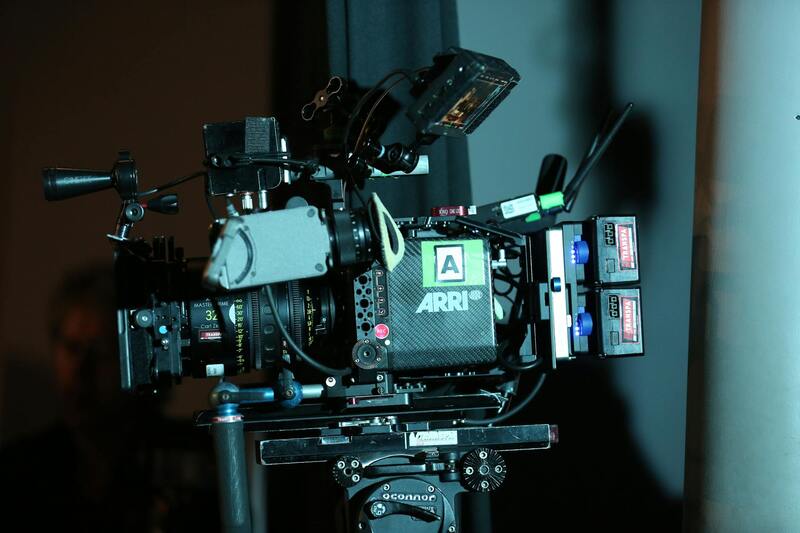
For post-production, specialized software such as LRTimelapse or Adobe Lightroom enhances raw footage with stabilization, consistent exposure correction, and color grading, elevating the visual professionalism of the final product. Combining these authentic tools and techniques ensures that the resulting footage is smooth, vibrant, and fully representative of the captured scene.
Utilizing Official Techniques for Timelapse Recording
To achieve superior quality in timelapse recordings, it is essential to employ officially recognized methods that leverage specialized hardware and software solutions. High-end digital cameras equipped with intervalometers or dedicated built-in timelapse functions provide precise control over capture intervals, exposure, and focus, ensuring consistent image quality throughout extended shoots. These devices are designed to minimize disturbances such as vibrations or misalignments during long recording periods, which can introduce unwanted artifacts into the final footage.
Sturdy mounting equipment is fundamental to maintaining stability. Professional tripods, gimbals, or motorized sliders help keep the camera steady, preventing jitters that can compromise the visual coherence. When shooting in outdoor environments, weatherproof enclosures or protective housings safeguard the equipment against elements like rain, dust, or high winds, enabling uninterrupted recording sessions under various conditions.
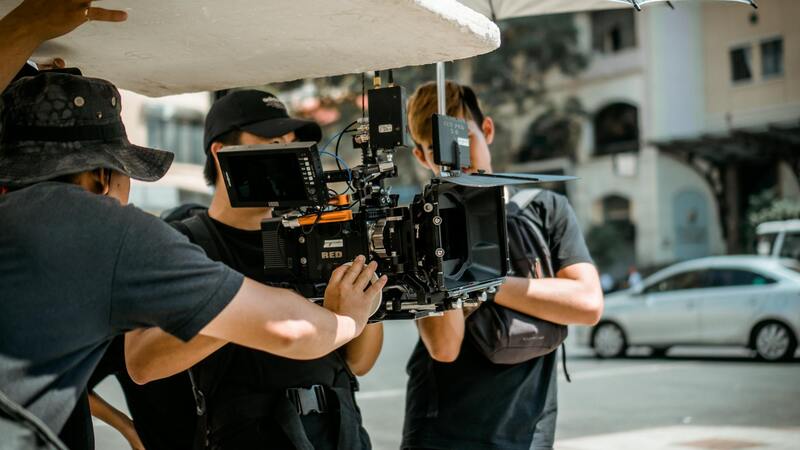
Post-production editing is also rooted in legitimate techniques. Software options such as LRTimelapse or Adobe Lightroom allow for detailed adjustments, including stabilization, exposure consistency, and color grading. These tools help in refining the raw sequence, eliminating flickering, and achieving seamless transitions. By combining professional hardware with robust software, creators can produce high-quality timelapse videos that accurately depict the passage of time with clarity and visual appeal.
Advanced Shooting Techniques and Tools
Utilizing contemporary methods, such as automated interval capturing through dedicated camera apps or third-party software, streamlines the process and enhances precision. Smartphones with built-in timelapse modes are often used for casual projects, but engineers and professionals typically prefer cameras with advanced intervalometers for customizable settings and improved image quality. External accessories, such as motion controllers or motorized sliders, can be integrated to produce dynamic, panning, or zooming effects, adding depth and professionalism to the footage.
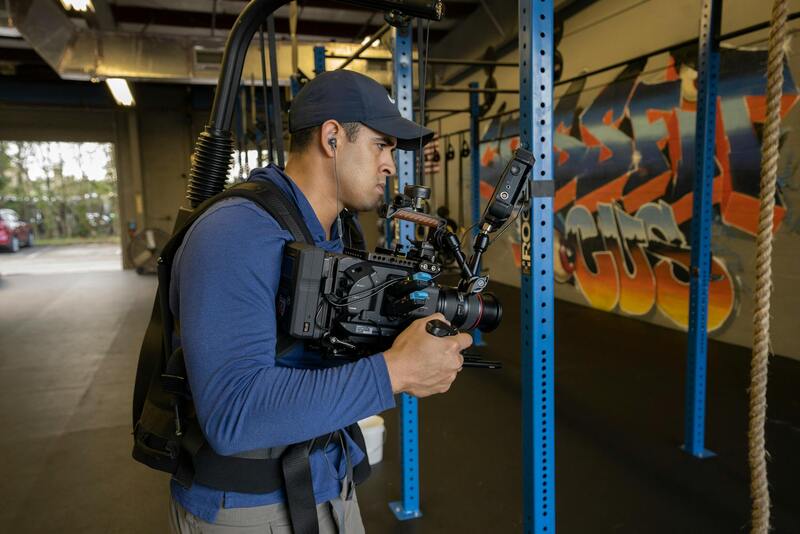
It is advisable to plan the shoot meticulously, considering factors like lighting schedules and scene changes. Setting appropriate camera parameters—manual focus, consistent exposure, and white balance—alongside precise interval choices, ensures the final product appears smooth and natural. Longer intervals work well for slow processes, while shorter intervals capture rapid movements. Proper preparation and the use of authentic, trusted tools are fundamental to capturing compelling timelapse footage that fulfills professional standards.
Advanced Techniques for Professional Timelapse Recording
Achieving high-quality timelapse footage necessitates the use of trusted, efficient methods that ensure consistency, precision, and vivid visual storytelling. To obtain professional results, one should rely on specialized hardware and proven techniques designed specifically for capturing the passage of time accurately. This includes using dedicated intervalometers, motorized sliders, and stabilized camera setups, which collectively facilitate controlled movements and consistent image capture.
Dedicated intervalometers are external devices that connect to cameras, allowing precise interval settings between shots. Unlike built-in camera timers, intervalometers offer extensive customization, such as setting variable intervals to suit different scenes—slow processes like cloud movement demand longer intervals, whereas rapid changes like bicycle motion require shorter ones. These devices also often support multiple shot sequences and can be programmed to operate over extended periods, reducing the need for manual intervention and minimizing the risk of errors.
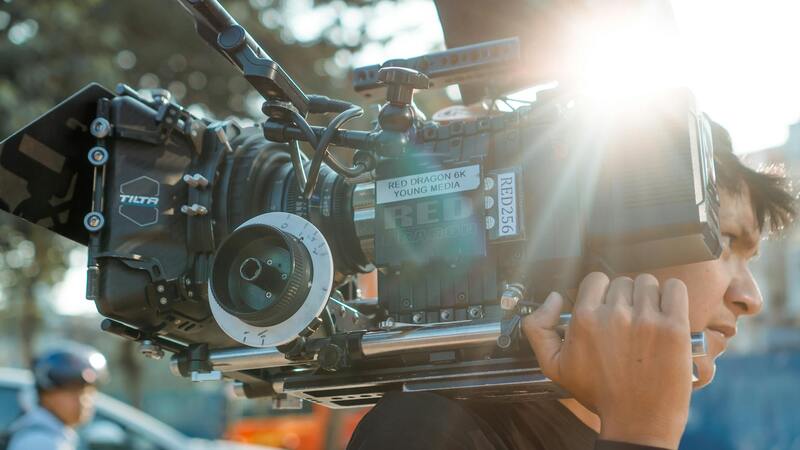
Motorized sliders and pan-tilt heads can be integrated to add dynamic motion effects, such as smooth pans or zooms. These accessories are particularly useful when capturing scenic landscapes, architectural projects, or event recordings where subtle camera movements enhance the visual narrative. Automated control via motorized hardware maintains uniformity, preventing accidental shifts that can disrupt the final composite.
Furthermore, stabilization equipment such as gimbals or tripods with fluid heads ensures steady shots, which is essential for maintaining clarity during long shooting sessions. Combining stabilized hardware with high-quality lenses and sensors ensures sharp images, crucial for producing professional-looking timelapse videos. Certain high-end cameras come equipped with built-in intervalometers and motion control features, streamlining the equipment setup and reducing the complexity of the shooting process.
Planning and Executing a Timelapse Shoot with Professional Tools
- Pre-Production Planning: Assess the scene to determine optimal timing and lighting conditions. Consider scene elements like moving crowds, natural light changes, or environmental factors to craft a schedule that captures the desired effects.
- Camera and Equipment Setup: Mount the camera on a stable tripod or stabilizer. Attach external intervalometers and motion control hardware as needed. Configure manual settings—focus, white balance, and exposure—to ensure consistency across all shots.
- Shot Configuration: Set interval timing based on the subject's movement speed. For slow processes like sunset transitions, intervals may be set to 10–30 seconds, whereas rapid activity might require intervals of 1–2 seconds.
- Monitoring and Adjustments: During the shoot, monitor battery life, memory storage, and camera operation. Make minor adjustments if lighting conditions change significantly or if scene dynamics evolve.
Post-shoot, the captured images or video sequences are imported into editing software where they can be combined, enhanced, and fine-tuned. Professional workflow includes frame stabilization, color correction, and the addition of motion effects to elevate the final product’s quality. Ensuring deliberate planning, supported by reliable hardware, is the key to producing compelling, seamless timelapse recordings that stand out in both aesthetic value and technical precision.
Ensuring Accurate and Consistent Timelapse Recording Methods
When undertaking professional timelapse recording, it is essential to follow structured methodologies that guarantee output quality and coherence. Reliable, official techniques for capturing timelapse footage focus on the stability of the camera setup, proper interval management, and meticulous pre-production planning. These methods are rooted in using certified equipment and proven workflow protocols, which foster high-caliber results suitable for commercial, event, or documentary projects.
One core practice involves mounting the camera securely on a tripod or stabilization rig to prevent any unwanted movement. Stable positioning maintains the consistency of framing throughout the shoot and minimizes post-production corrections. Additionally, operators should employ professional-grade intervalometers or camera features configured to precise timing sequences. Such hardware ensures uniform interval shots, critical for seamless motion when compiling images into a cohesive video.
Manual camera settings are preferable over auto modes, as they mitigate exposure shifts caused by changing light conditions. Manual focus, white balance, and exposure adjustments must be finely tuned prior to the shoot and locked in place to maintain consistency across all frames. It is also important to consider environmental factors—such as weather, ambient light, and scene activity—that may influence the recording process. A comprehensive pre-shoot assessment aids in establishing optimal shooting intervals and technical parameters.
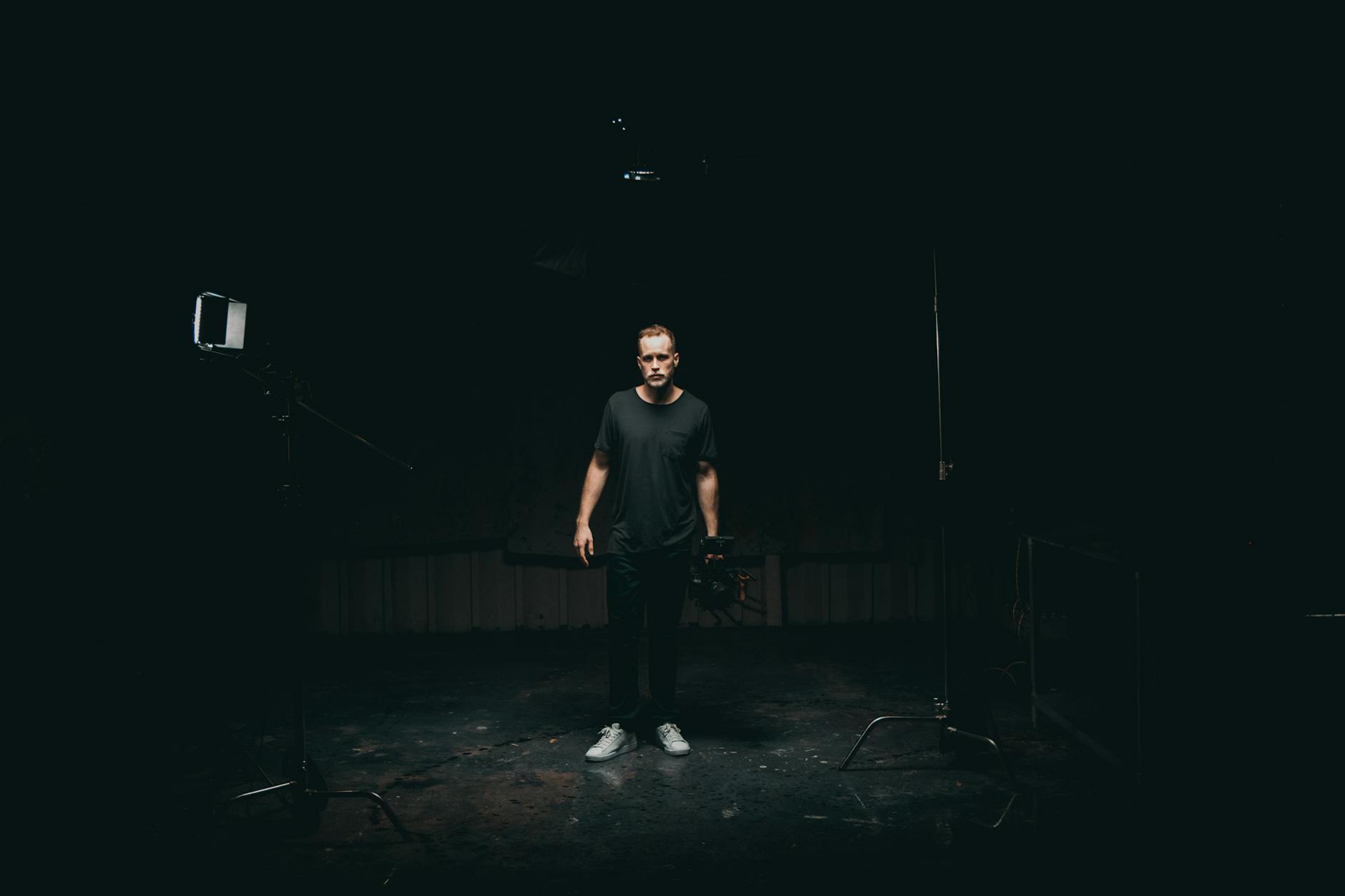 Techniques such as using a remote shutter release or cable release reduce camera shake, especially during long shooting sessions. For complex scenes with significant movement, motion control systems or programmable sliders can be integrated to introduce dynamic camera motions or precise camera placements over time. These official tools enhance artistic flexibility and technical control, enabling the capture of intricate, professional smooth sequences suitable for cinematic projects.
Calibration and Monitoring During Recording
Maintaining proper calibration throughout the shoot is vital. Continuous monitoring of battery life, memory storage, and camera responsiveness ensures uninterrupted operation. Many professional setups employ remote monitoring software or live preview screens to observe progress and make minor adjustments as environmental conditions evolve. Efficient power management, including spare batteries and sufficient storage media, minimizes the risk of data loss or equipment failure.
For scenes with changing lighting conditions—such as sunsets or cityscapes at night—consider implementing graduated exposure settings or bracketing techniques. Capturing multiple exposures allows for high dynamic range (HDR) processing, resulting in more visually striking timelapse videos. Consistent framing and camera position are fundamental; thus, careful planning in the pre-production phase, coupled with stabilized equipment, facilitates seamless and professional results.
Post-shoot, all captured data should be systematically imported into professional editing workflows. This process involves frame alignment, color correction, and the addition of motion effects, which further refine the overall quality. These methods, grounded in official techniques and reliable hardware, ensure the produced timelapse recordings meet stringent standards of visual clarity, stability, and artistic value—making them suitable for a diverse range of high-end applications.
Ensuring Your Timelapse Recording Maintains Its Quality and Integrity
Producing high-quality timelapse recordings requires a combination of meticulous preparation, reliable equipment, and precise execution. From the initial setup to the final output, adhering to official methodologies guarantees consistent results that meet professional standards.
Methodical Calibration and Monitoring
Start with thorough calibration of your camera system. This involves verifying focus settings, exposure levels, and color profiles before initiating the record. Regularly monitor battery levels and storage capacity during the shoot to prevent abrupt interruptions that can compromise footage integrity. Many professional setups utilize remote monitoring software or live preview screens, enabling operators to observe ongoing recordings without disturbing the camera's position. Consistent calibration throughout the process ensures visual consistency, particularly in scenes with changing lighting conditions, such as urban skylines transitioning from daylight to nighttime ambiance.
Secure Equipment and Stable Mounting
Securely mount your camera using tripod systems or robotic mounts designed for precision stability. A stable platform minimizes unwanted movement and vibrations that can cause flickering or image shift in the final footage. For extended shoots, employing weatherproof housings and environmental shields helps protect equipment from dust, moisture, and other elements that could impair operation. Proper cable management and power solutions, such as spare batteries and uninterrupted power supplies, support continuous recording without interruptions.
Consistency in Framing and Composition
When capturing timelapse footage, maintaining consistent framing is essential for a professional appearance. Use manual focus and lock exposure settings to prevent fluctuations caused by automatic adjustments. Document the camera position with detailed notes or reference points, facilitating precise re-alignment if necessary. Employing panoramic brackets or multi-axis gimbals enhances stability and ensures smooth motion sequences if the timelapse involves camera movement.
Optimal Data Management and Storage
High-resolution timelapse recordings generate significant data volumes. Employing high-capacity storage media such as SSDs or multiple SD cards allows for ample recording space. Implement intelligent data management protocols, including systematic labeling, folder organization, and regular data backups, to safeguard captured footage. Transferring data promptly from the recording device to a secure workstation minimizes risks associated with data corruption or loss.
Post-Production and Quality Enhancement
After capturing the footage, the editing phase begins. Utilizing professional editing software, operators perform frame alignment to correct any minor shifts, color correction to match scenes, and stabilization to eliminate residual jitters. Advanced techniques such as high dynamic range (HDR) processing can be applied when sequences involve scenes with varied lighting, resulting in a more vivid and balanced final product. The goal is to refine the visual coherence and artistic expression of the timelapse, aligning with the standards set by official techniques and proven hardware solutions.
Maintaining Ethical Practices and Respecting Privacy
While technical excellence is paramount, adhering to ethical guidelines ensures the integrity of your work. Obtain necessary permissions when recording in private or restricted spaces. Respect individuals' privacy by avoiding intrusive filming, especially in sensitive environments. Properly credit locations and avoid manipulating footage in ways that could misrepresent the scene or context. These practices foster trust and uphold the professionalism expected in high-quality timelapse production.